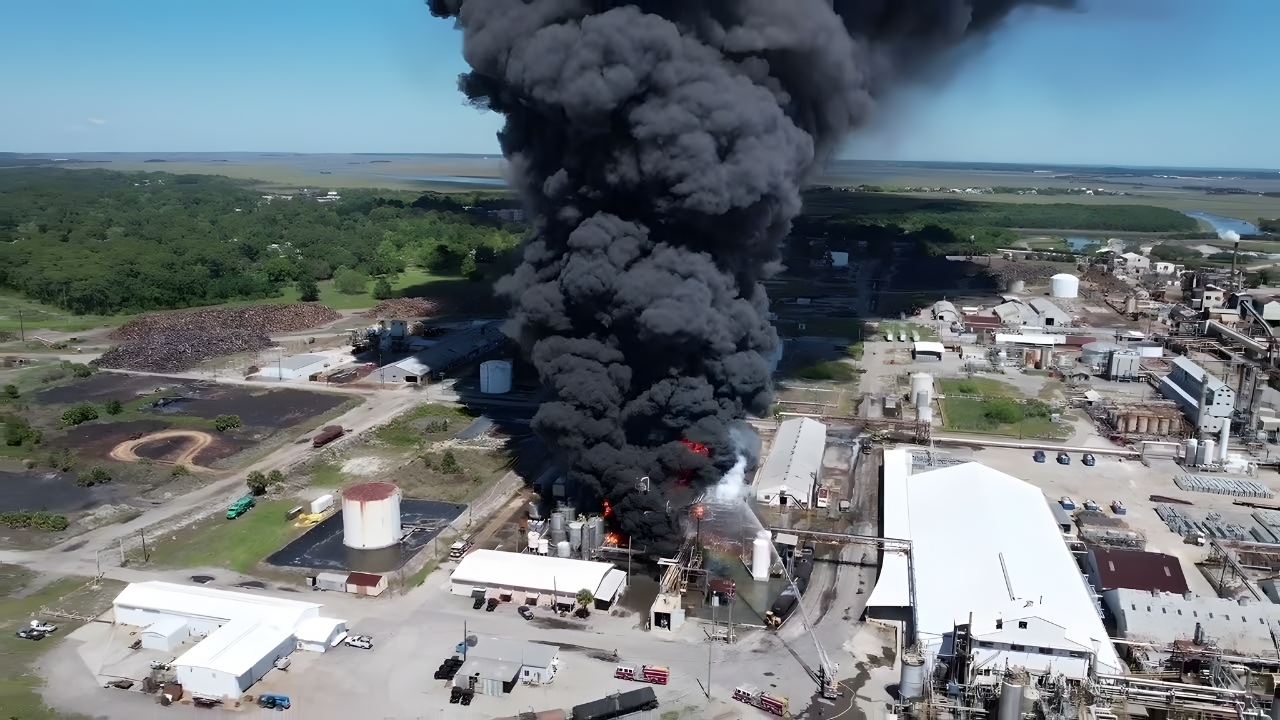
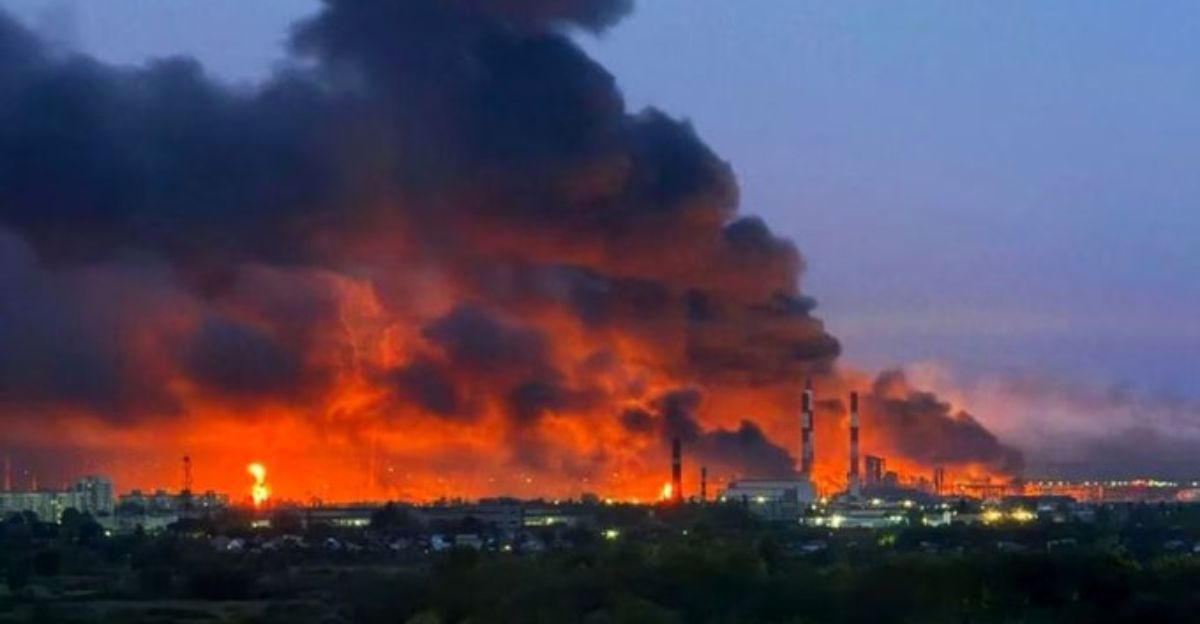
Ukrainian long-range drones struck Russia’s Syzran oil refinery in the Samara region during the night of December 4–5, 2025.
The attack hit the CDU-6 crude distillation unit, a critical piece of equipment, forcing the entire refinery to stop processing crude oil. The facility processed roughly 90,000 barrels per day in 2024. Syzran lies about 850 kilometers from the front lines, highlighting Ukraine’s expanding strike range.
A Precise Hit on a Critical Weak Point
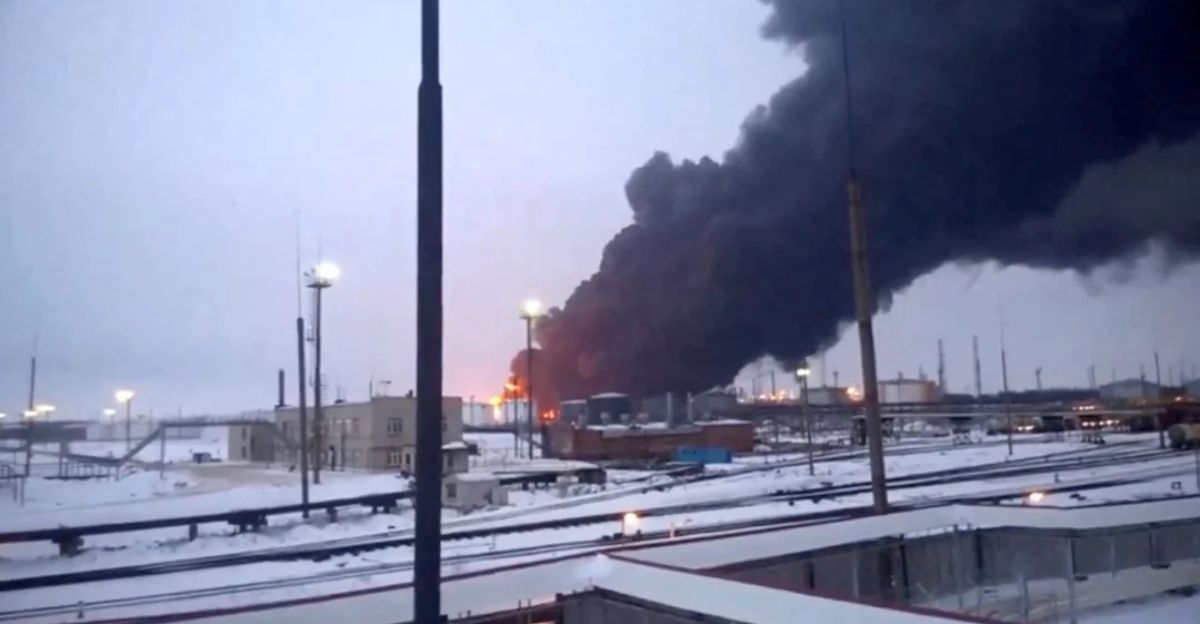
The CDU-6 unit is essential for separating crude oil into usable components. Damage to this unit effectively paralyzes refinery operations, regardless of the condition of other systems. This was not the first time the same unit was targeted.
A Ukrainian drone strike in August 2025 also hit CDU-6, temporarily shutting the refinery. The repeat strike suggests deliberate targeting of known vulnerabilities rather than random infrastructure damage.
Why Ukraine Targets Energy Infrastructure
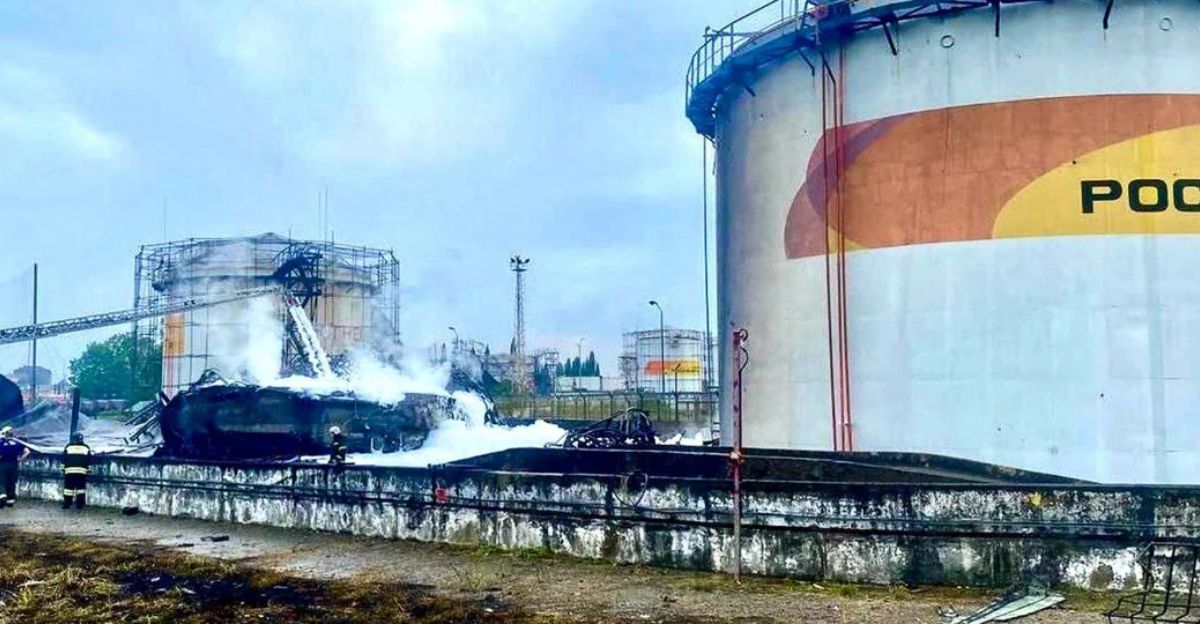
Ukraine has increasingly focused on Russian energy facilities to disrupt fuel supplies that support both civilian logistics and military operations. Refineries like Syzran produce petrol, diesel, and fuel oil used across central Russia.
By degrading refining capacity rather than crude production alone, Ukraine aims to create downstream shortages that are harder and slower to fix, especially during periods of high seasonal demand.
Refinery Capacity and 2024 Output
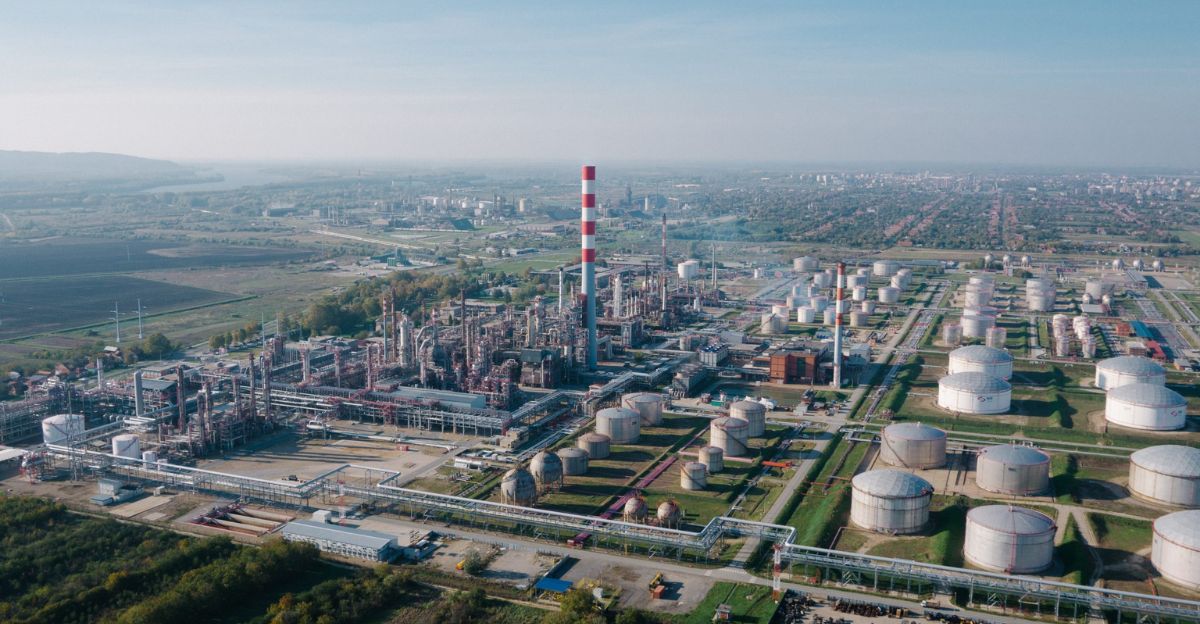
In 2024, the Syzran refinery processed about 4.3 million metric tons of crude oil, equivalent to roughly 90,000 barrels per day—well below its original design capacity.
That year, it produced approximately 800,000 tonnes of petrol, 1.5 million tonnes of diesel, and 700,000 tonnes of fuel oil. These volumes supplied regional markets and industrial users across several Russian regions.
Second Strike in Four Months
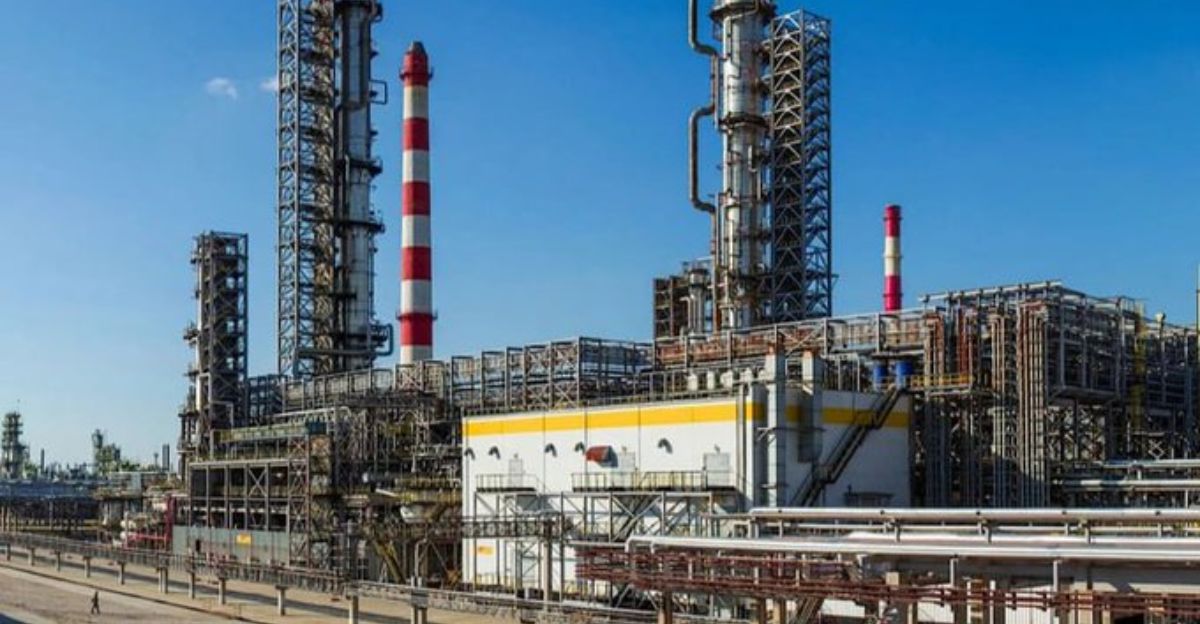
The December attack marked the second successful strike on the same CDU-6 unit in just four months. After the August 2025 strike, repairs took about two weeks.
This time, industry assessments suggest damage is more severe. Repeated hits on identical equipment raise questions about Russian air defenses and whether sufficient protective measures were implemented after the first attack.
Estimated Repair Timeline
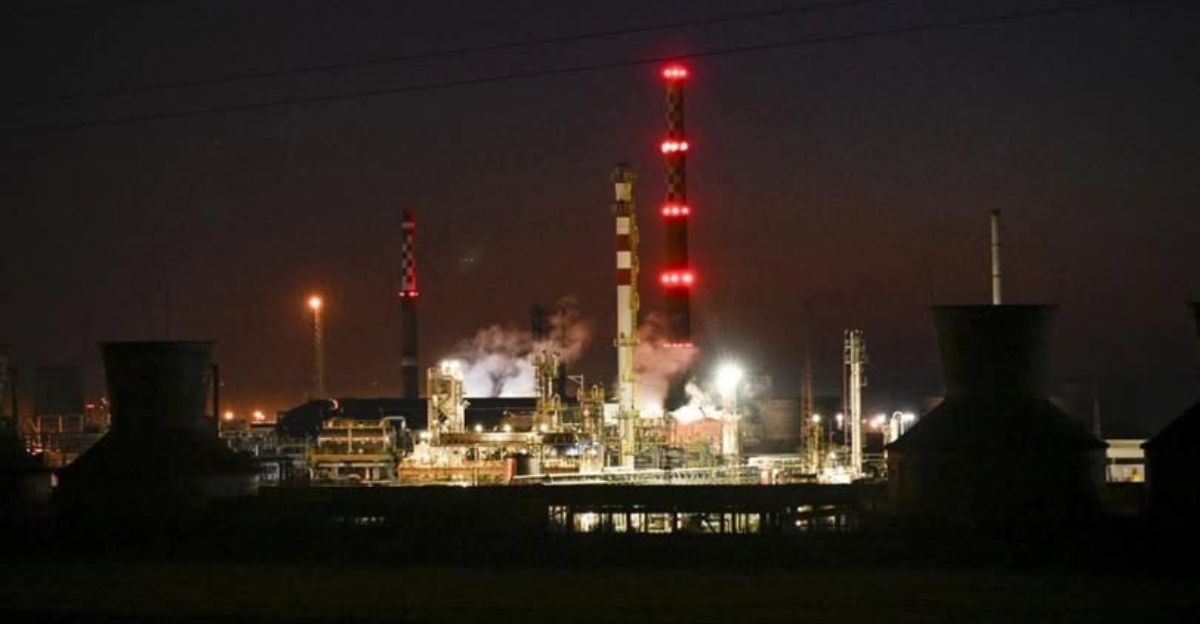
Industry sources estimate repairs to the CDU-6 unit could take around one month, assuming no further damage or supply-chain delays.
Repairs may take longer if specialized components must be sourced under sanctions. During this period, the refinery is unable to process crude at all. Rosneft, which owns the facility, has not publicly confirmed a restart date.
Regional Fuel Supply Disruptions

The shutdown affects fuel supplies to the Samara, Saratov, and Penza regions, which rely in part on Syzran’s output.
Diesel shortages are of particular concern due to winter demand for transportation, heating, and agriculture. While Russia can redirect some supplies from other refineries, logistics constraints and rail bottlenecks limit how quickly gaps can be filled.
Pressure on Other Russian Refineries
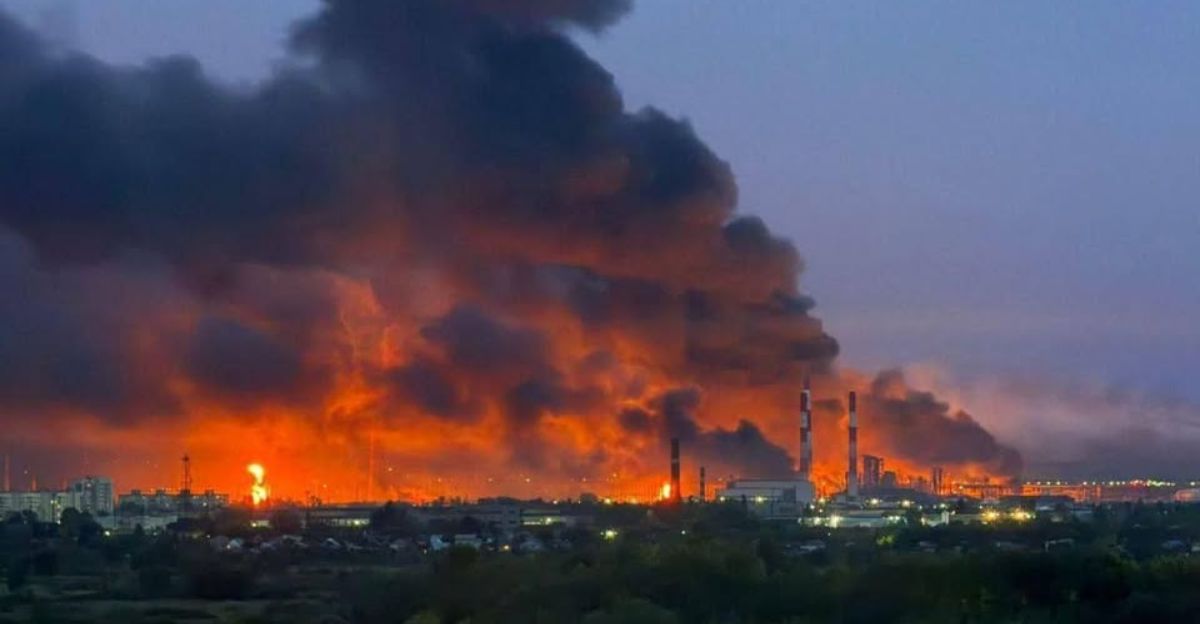
With Syzran offline, additional strain falls on nearby and already-stressed refineries. Other facilities must absorb displaced demand, increasing maintenance stress and vulnerability to disruption.
This comes as several Russian refineries have faced outages in 2024–2025 due to accidents, maintenance issues, and other drone strikes, reducing overall system resilience.
Financial Impact of the Shutdown
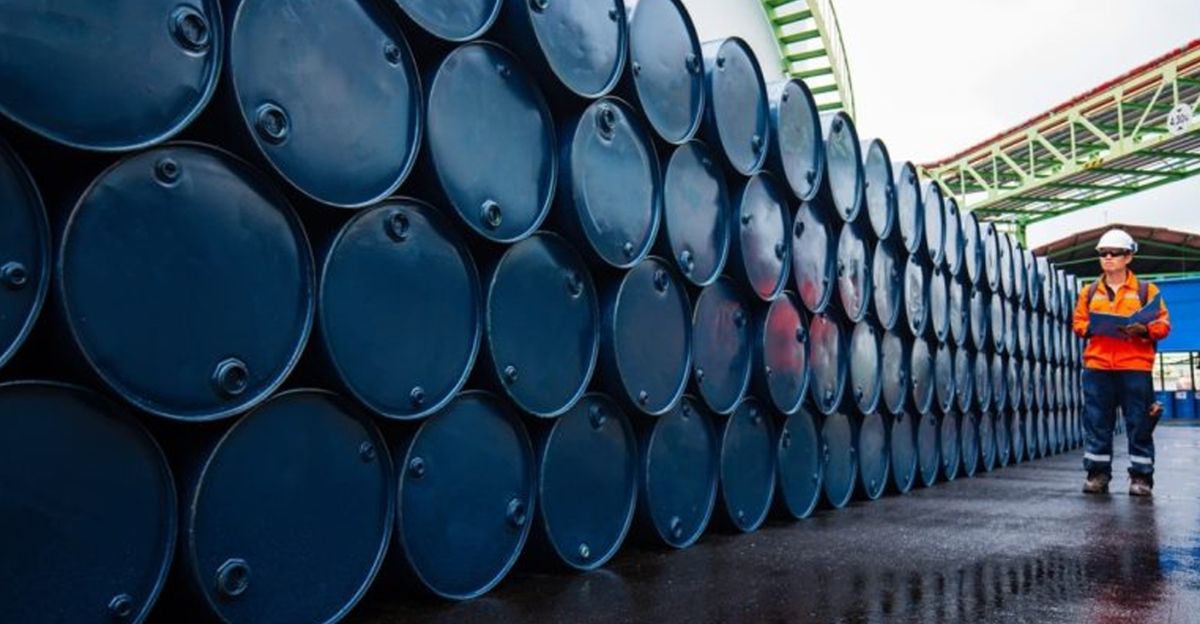
The loss of 90,000 barrels per day of processing capacity carries significant financial consequences. Based on prevailing crude prices and refined product margins, analysts estimate lost output could amount to roughly $25 million per day.
If the refinery remains offline for about a month, total lost revenue could approach $750 million, though exact figures depend on market conditions and recovery speed.
Broader Economic Effects
Beyond direct refinery losses, downstream industries face higher costs and supply uncertainty. Transportation firms, agricultural producers, and local governments all depend on steady fuel availability.
Disruptions can ripple through regional economies, raising prices and forcing rationing or redistribution. These pressures add to Russia’s broader wartime economic challenges under sanctions and budget strain.
Impact on Workers and Local Communities

Hundreds of workers at the Syzran refinery are affected by the shutdown. While some may be reassigned to repair and maintenance tasks, others face reduced hours or temporary suspension.
The refinery has been a major local employer since World War II, and prolonged downtime creates economic stress for surrounding communities dependent on refinery wages and services.
Questions Over Russian Air Defenses
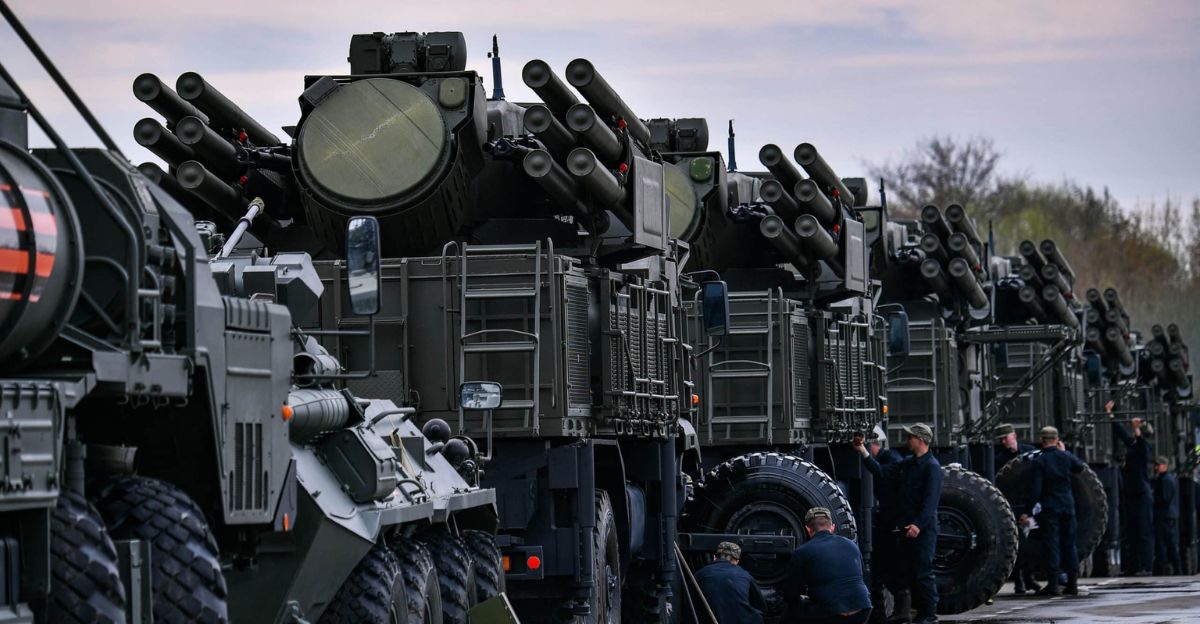
Despite Russian claims of intercepting incoming drones, the successful strike caused a complete halt in operations at a major facility deep inside the country.
The refinery’s distance from the front raises concerns about gaps in air defense coverage and response times. Repeated successful strikes suggest systemic issues rather than isolated failures.
Effects on Export and Transport Routes
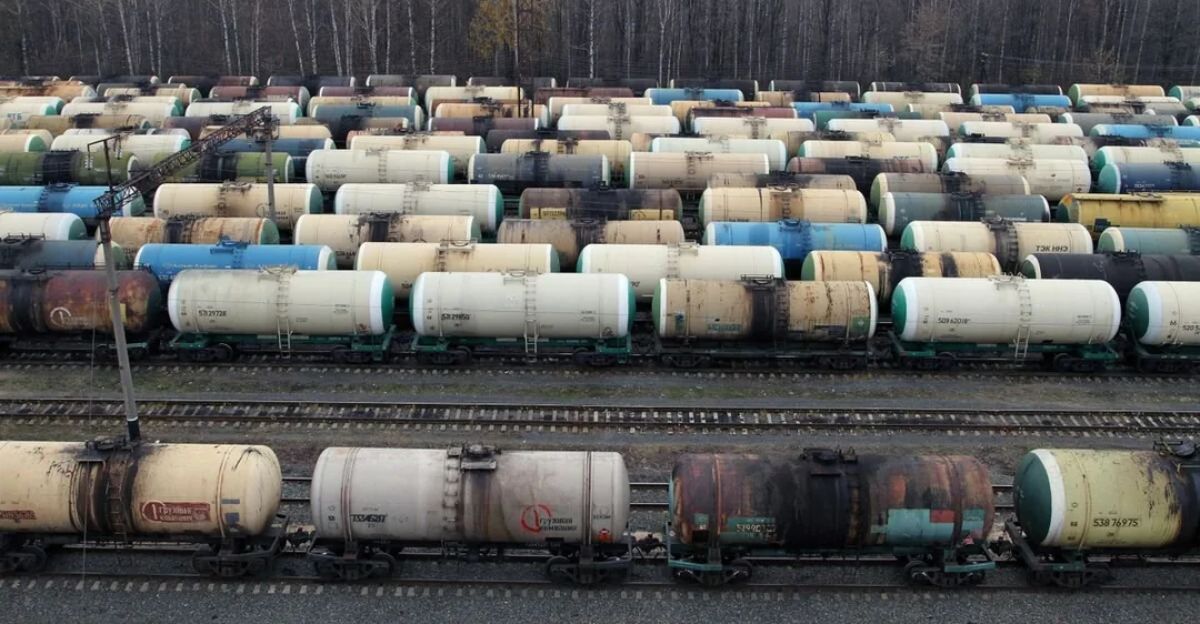
Syzran ships products primarily by rail and river-linked routes, including connections to the Caspian basin.
The shutdown interrupts these flows, forcing exporters to seek alternative sources. While crude exports continue, reduced refining capacity limits Russia’s ability to export higher-value refined products, which generate more revenue than raw oil shipments.
Environmental and Safety Risks
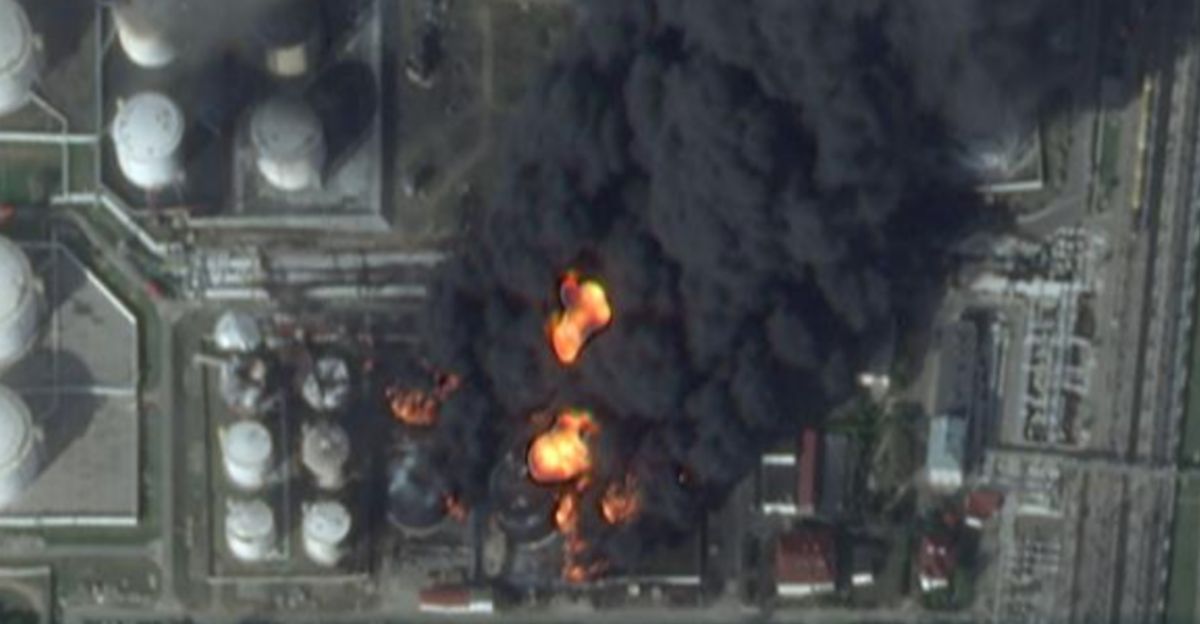
Damage to refining units carries environmental risks, including potential leaks, fires, or contamination during repair work.
While no large-scale environmental disaster has been reported, repeated strikes increase the likelihood of accidents. Refineries operating under wartime conditions face additional safety challenges as emergency repairs are conducted under pressure.
Market Reactions and Energy Prices
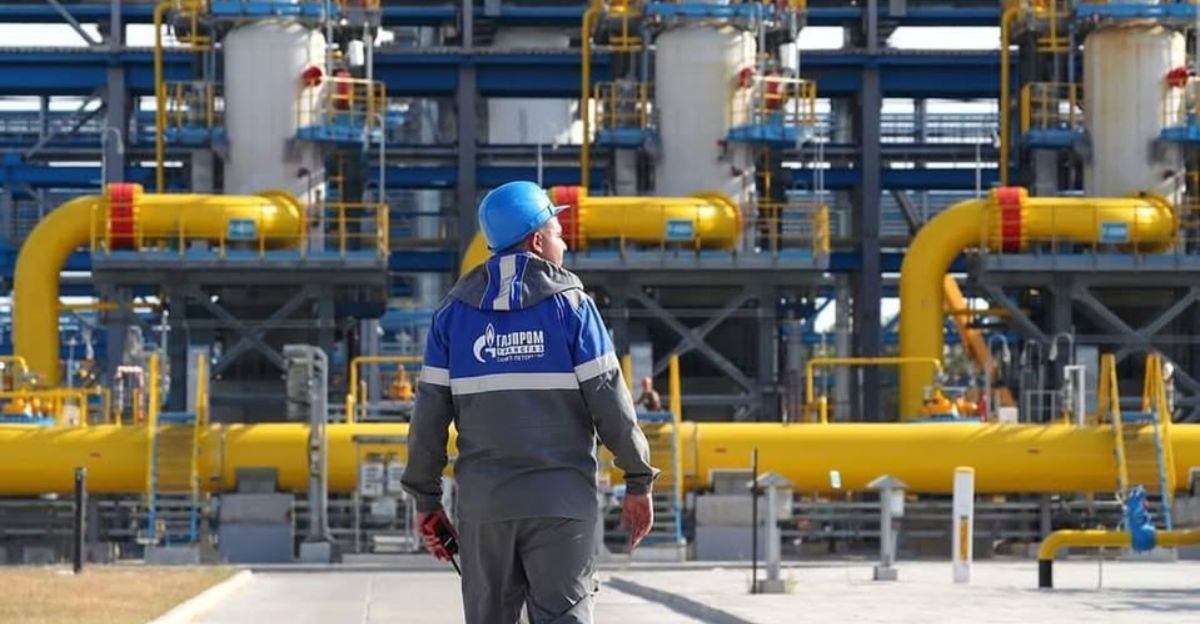
News of refinery outages has contributed to short-term volatility in fuel markets. Traders closely monitor disruptions to Russian refining capacity, as even temporary shutdowns can tighten regional supplies.
While global oil markets are diversified, concentrated disruptions in refining—rather than production—can have outsized effects on fuel availability and pricing.
Ukraine’s Expanding Drone Capabilities
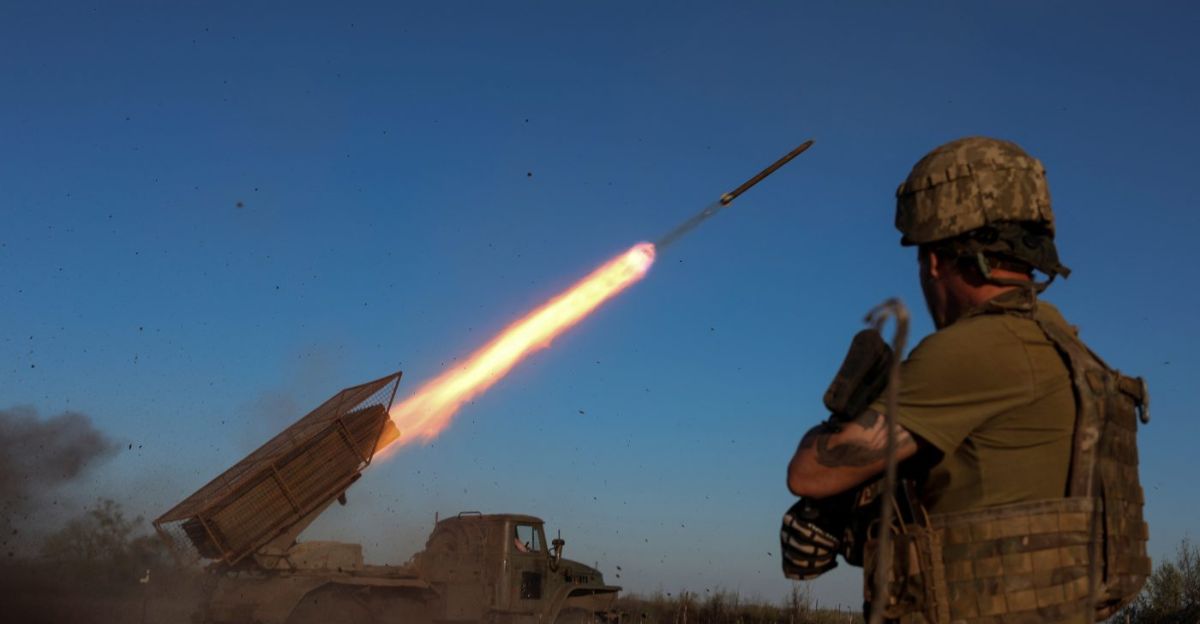
The strike underscores Ukraine’s growing ability to conduct long-range, precision drone operations. Hitting the same unit twice suggests effective intelligence, planning, and navigation.
These capabilities allow Ukraine to bypass heavily defended front-line targets and instead strike strategic infrastructure hundreds of kilometers away.
Energy Infrastructure as a Battlefield
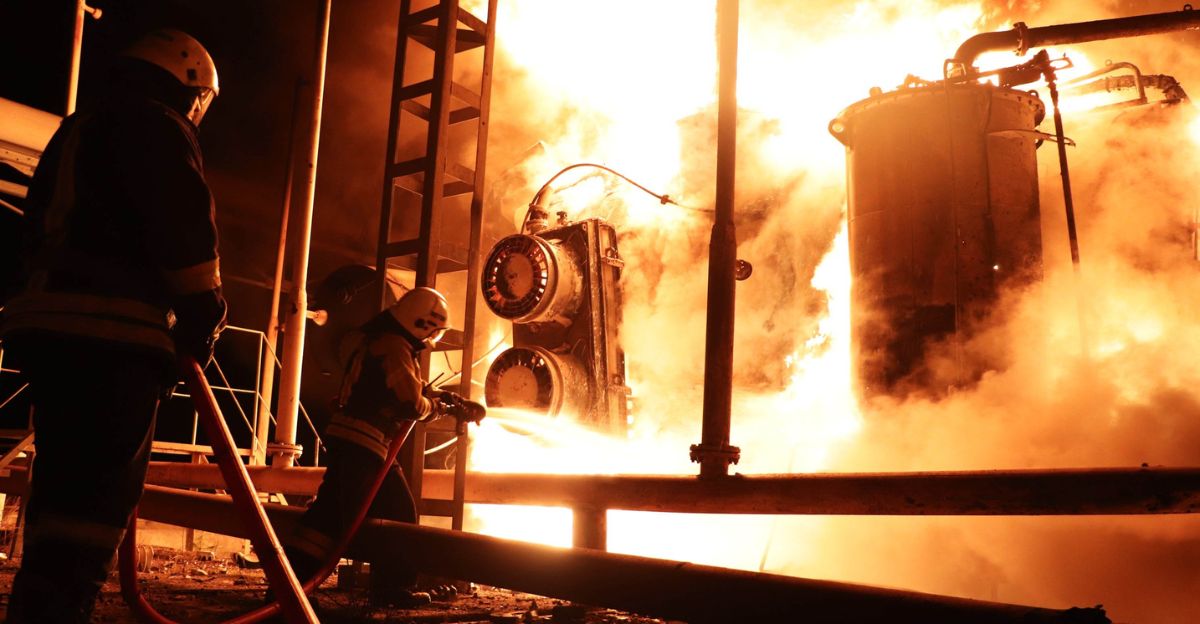
Both Russia and Ukraine have increasingly targeted energy infrastructure as part of a broader strategy. Such strikes aim to weaken economic endurance and logistical capacity rather than achieve immediate battlefield gains.
Refineries, power plants, and fuel depots have become central nodes in this evolving form of warfare.
Winter Timing Raises the Stakes
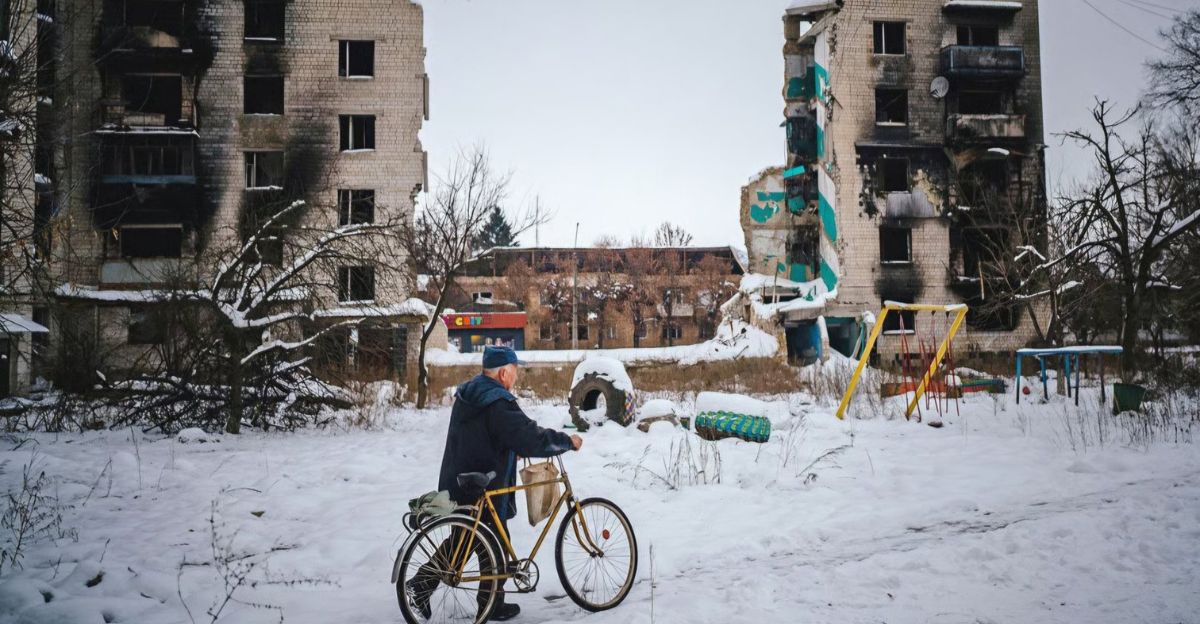
The shutdown comes as winter demand for fuel peaks. Heating, transport, and military logistics all require increased energy consumption during colder months.
Any prolonged disruption during this period magnifies its impact, making rapid repairs a priority for Russian authorities and energy companies.
Strategic Message Behind the Strike
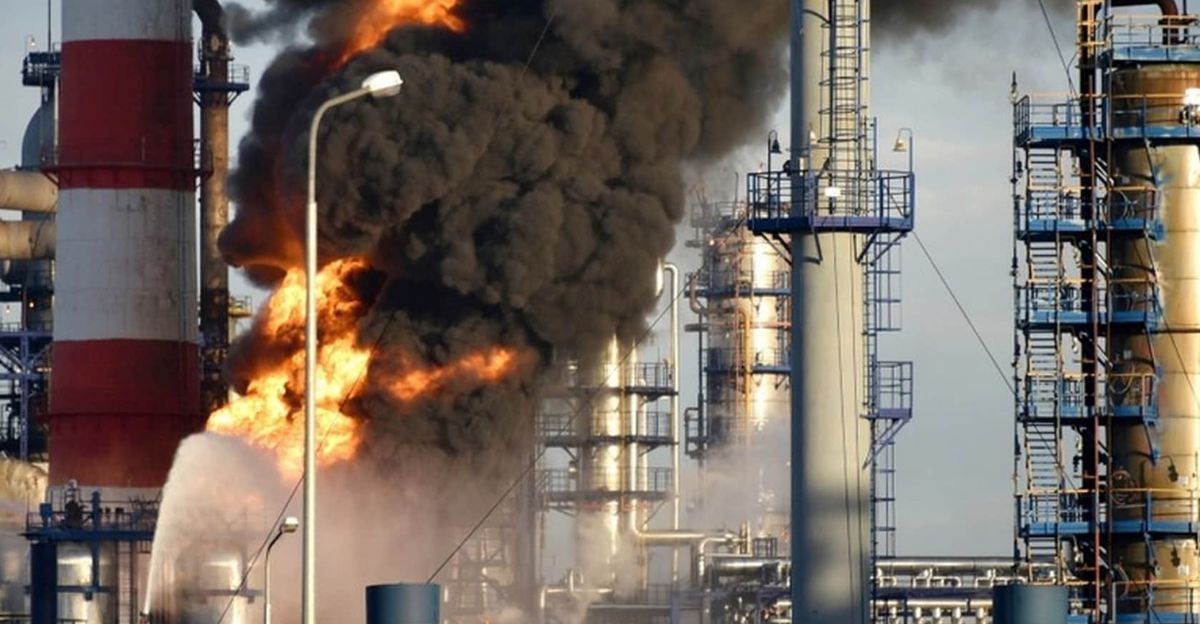
By repeatedly disabling the same refinery unit, Ukraine sends a message that repairs alone are not enough to guarantee security.
The pattern suggests a sustained campaign rather than isolated attacks. This raises the cost for Russia of restoring and protecting infrastructure while diverting resources from other priorities.
What Comes Next
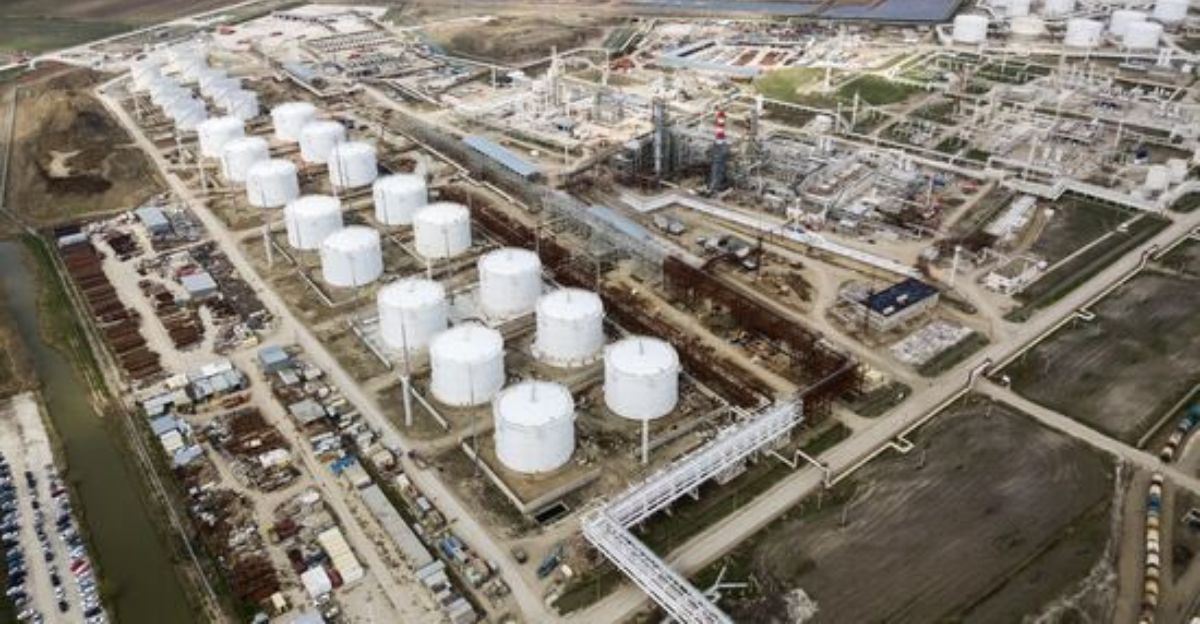
If repairs take the estimated month, Syzran could resume operations in early 2026—assuming no further strikes. However, the refinery’s future reliability remains uncertain under continued drone threats.
The shutdown illustrates how a single, well-placed strike can temporarily remove hundreds of thousands of barrels’ worth of fuel from the system, reshaping the energy battlefield.
Sources:
Ukrinform (2025-12-14): Coverage of repair estimates and prior strikes (exact title not specified).
Ukrainska Pravda (2025-12-15): Reporting on Slavneft-Yanos strike and regional impacts (exact title not specified).
Council of the EU (2022-10-06): Official document on EU-G7 oil price cap implementation (exact title: “EU sanctions against Russia explained”).
Evrimagaci (undated): Analysis of strike impacts (exact title not specified).
Kyiv Independent (undated): Coverage of air defenses and global perceptions (exact title not specified).
Militarnyi (undated): Details on logistics disruptions (exact title not specified)