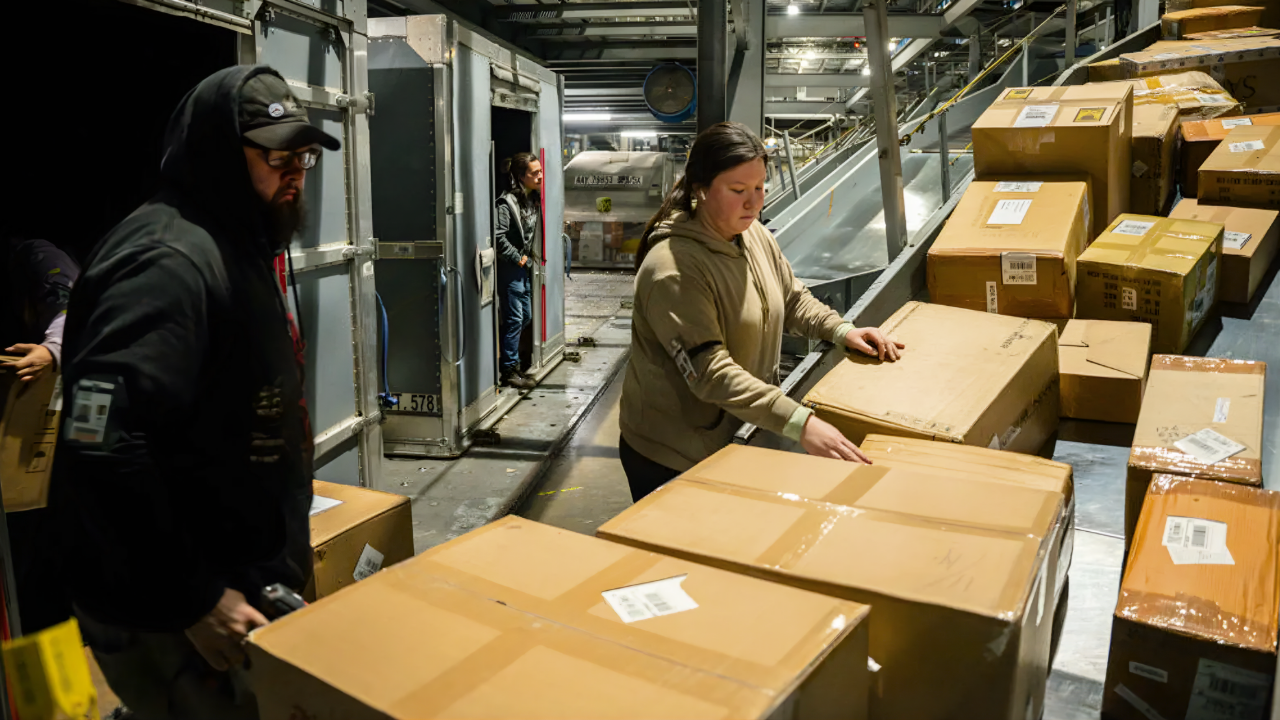
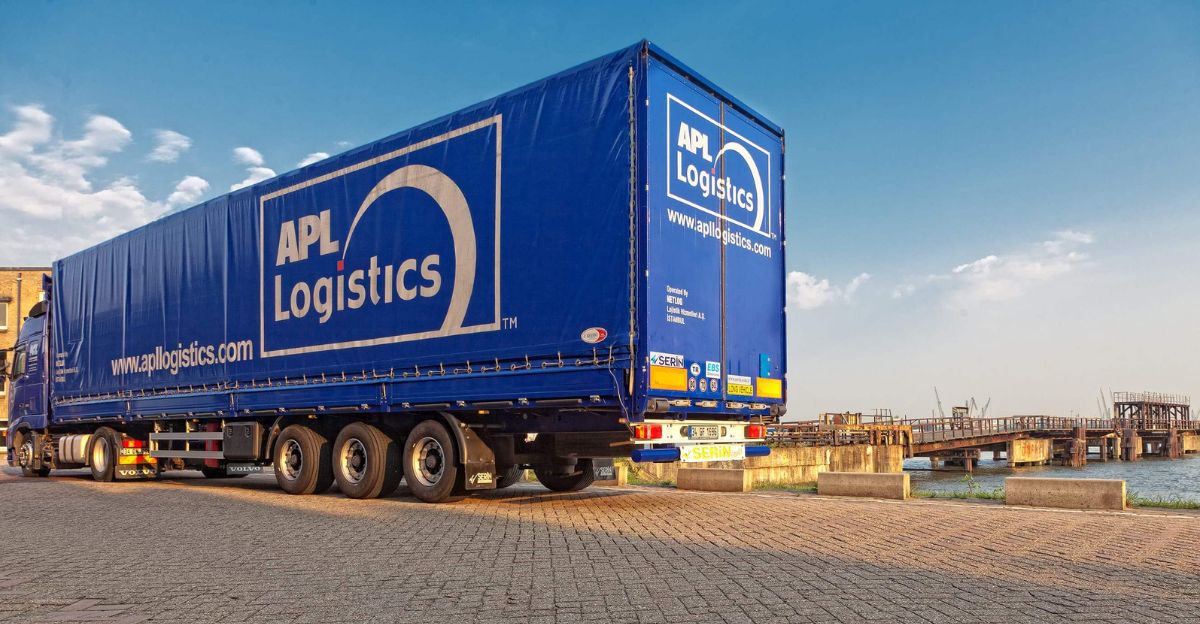
APL Logistics will close two distribution centers in Minooka, Illinois, by late February 2026, resulting in the elimination of 230 jobs.
On December 1 and 2, 2025, the company filed WARN notices with Illinois authorities announcing permanent shutdowns at both facilities. The company provided no advance warning to employees or a public explanation.
Families scrambled during winter to understand why they were losing their jobs and income.
A Two-Punch Layoff Timeline
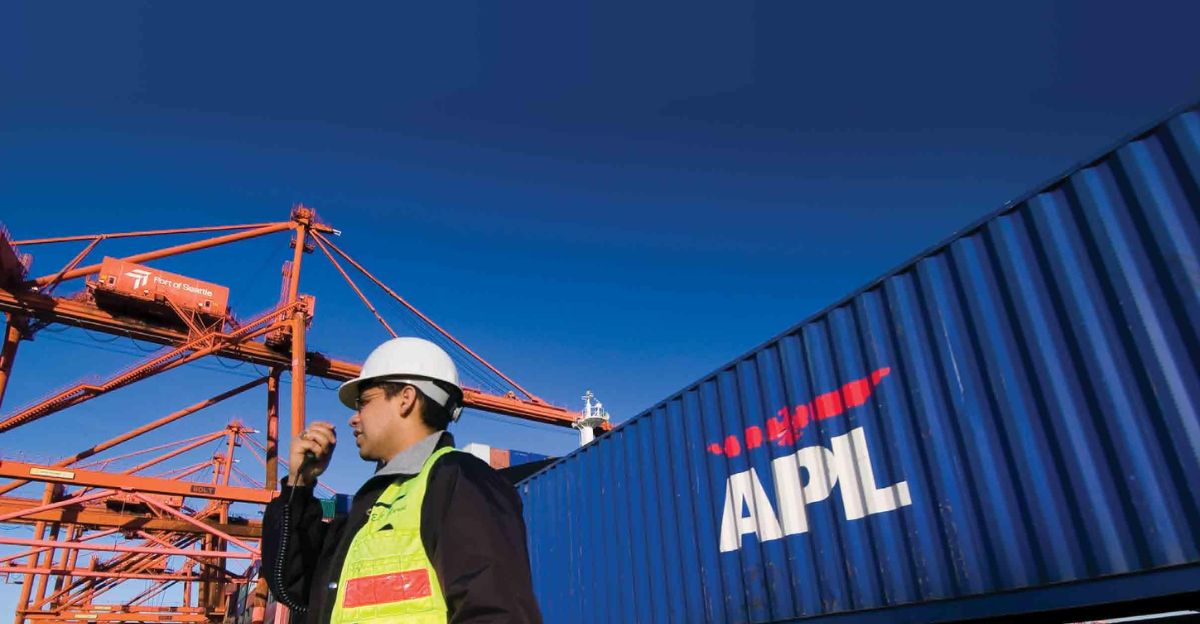
APL will terminate 130 employees on January 31, 2026, from its facility at 1460 Cargo Court. Six weeks later, on February 28, 2026, the company will lay off an additional 100 employees at 6225 E. Minooka Road.
Both notices cited “Plant Closure” as the reason but offered no business explanation. The staggered closures extend worker uncertainty through winter, complicating household budgets and job retraining efforts.
Who Is APL Logistics?
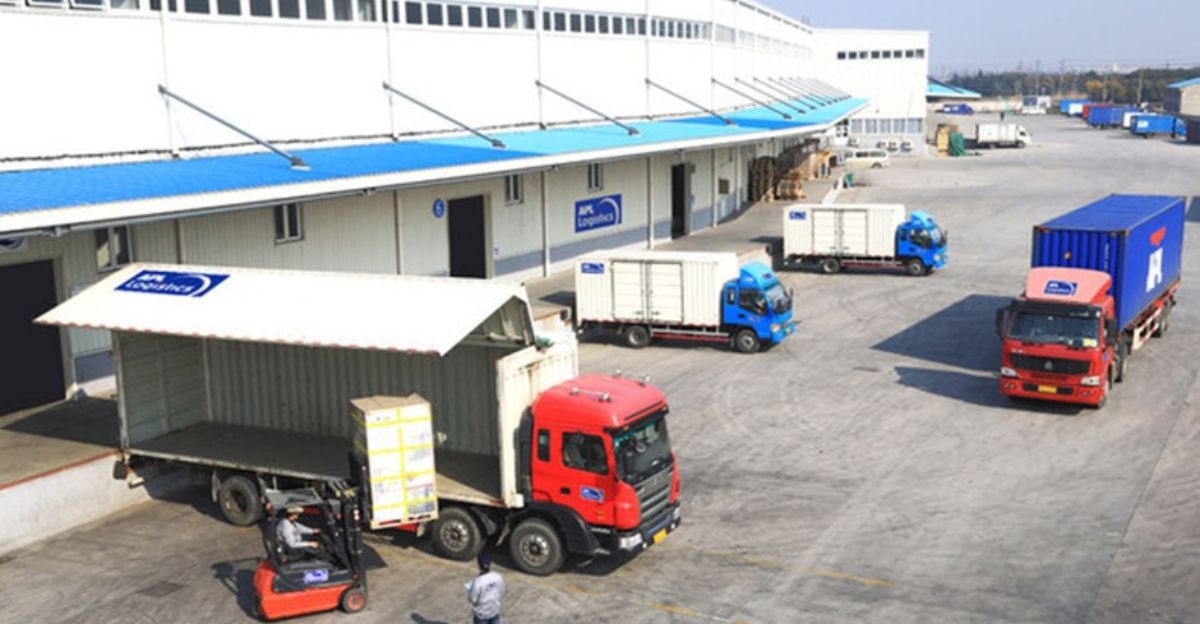
APL Logistics is a global supply chain company headquartered in Scottsdale, Arizona, and owned by Kintetsu World Express, a Japan-based transportation giant.
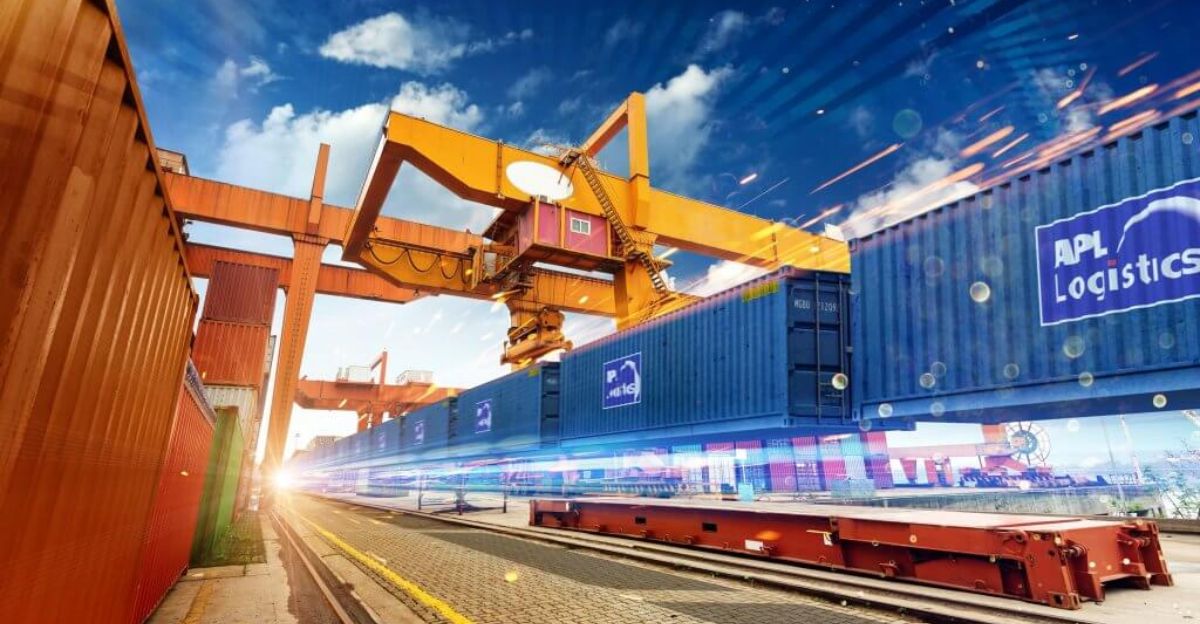
APL operates 110 locations across 60 countries, managing warehouses, customs services, and order fulfillment for major companies. In September 2025, APL opened a new office in France.
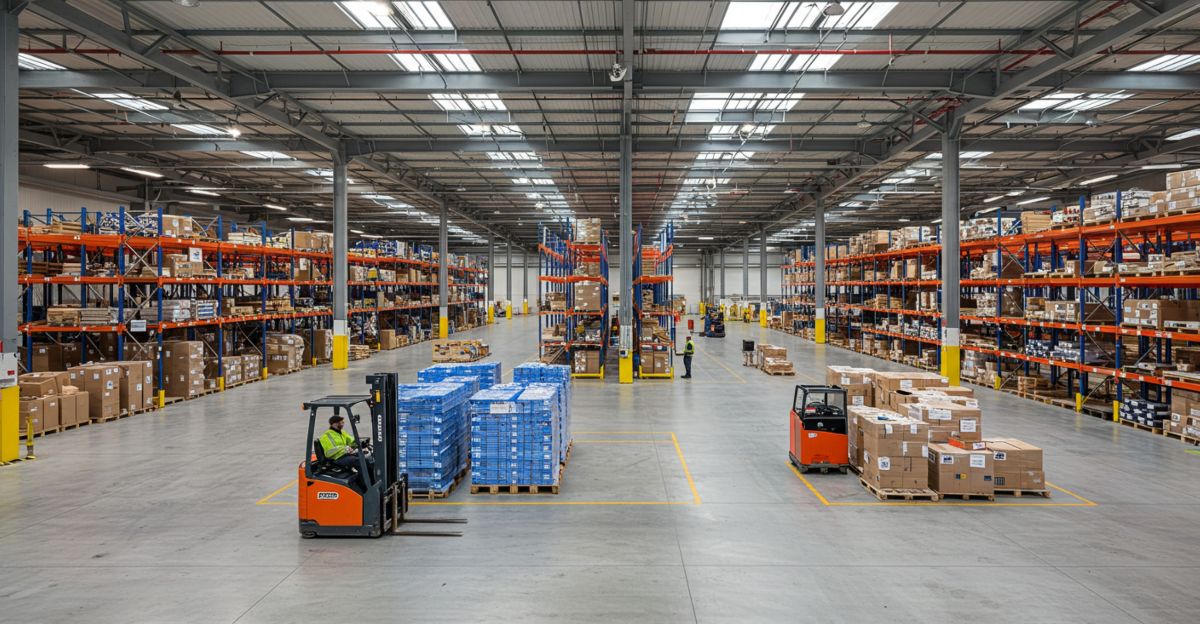
The Minooka facilities were key warehouses in APL’s North American network.
A Silent Corporate Pivot
APL Logistics refused to answer media questions or explain its decision.
The Journal Star reported: “We attempted to contact APL via phone and email but did not receive any reply.” The company issued no press release, held no town meetings, and offered no transition plan.
This silent exit contradicts APL’s stated commitment to being customer-focused and solving impossible problems.
The WARN Act at Center Stage
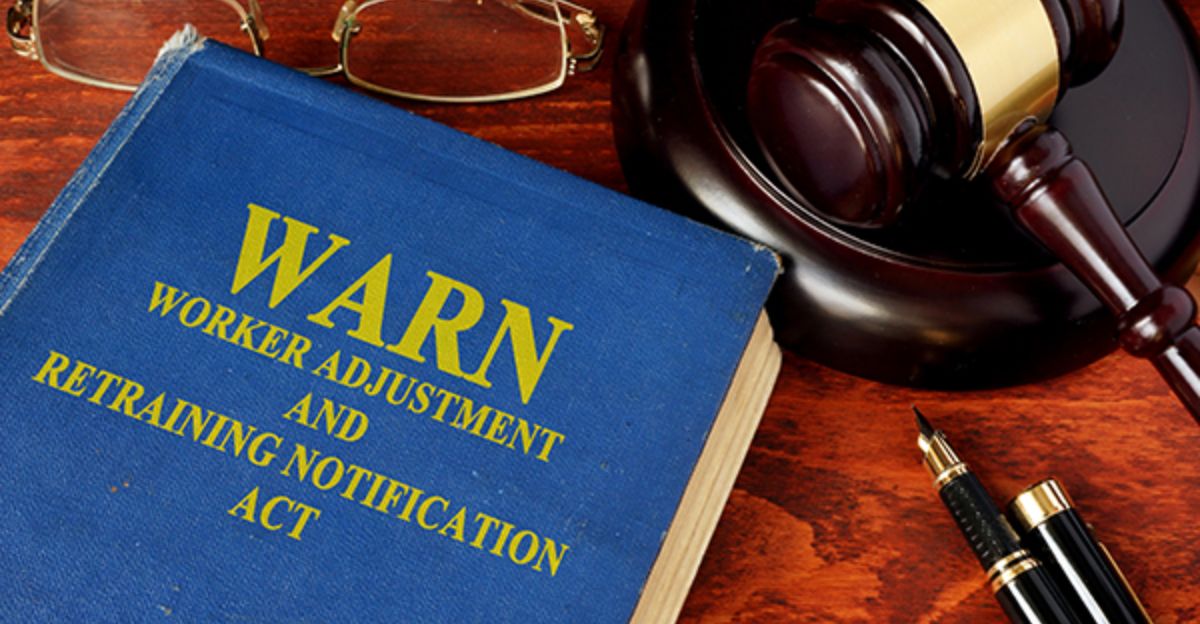
Lawyers at Strauss Borrelli PLLC announced a federal investigation on December 2, 2025, claiming APL may have violated the WARN Act.
Federal law requires employers with 100 or more workers to provide 60 days’ notice before closing a plant. APL’s first notice gave only 61 days.
The second notice gave 88 days. Workers may receive 60 days of severance pay if APL fails to comply with this law.
Winter Job Loss in an Economic Downturn

In 2025, American companies laid off 1.17 million workers—the worst year since the pandemic.
Warehousing and logistics companies are expected to cut over 90,000 jobs by November 2025. Minooka workers enter a crowded job market during winter, the slowest hiring season.
Illinois lost 1,192 jobs in November alone. The state ranks 38th nationally in business taxes, making reemployment more challenging.
Community Ripple Effects

Minooka has approximately 12,000 residents in Will County, Illinois, and is heavily reliant on logistics jobs. The APL closure eliminates about 1-2% of the town’s workforce at once.
Lost wages total roughly $46 million annually. Families will spend less money at local stores. Single-income households often struggle with mortgage payments and rent.
Schools lose funding. The entire community economy feels the damage.
The 3PL Industry in Crisis

The third-party logistics sector is facing severe challenges in 2025. Merger activity fell 15.5% compared to last year, showing weak investment.
Tariff swings, geopolitical conflicts, and freight recessions cut company profits. Companies struggle to afford skilled workers.
Many firms close facilities to cut costs and boost profits, rather than modernizing their operations.
Tariffs and Trade Policy as Drivers

Tariff changes in 2025 destabilized logistics companies. When tariffs rise, importers delay shipments or find new suppliers.
Distribution centers lose business. Companies built too much capacity during the pandemic boom and now face excess space. APL, handling global imports and exports, felt these tariff swings directly.
No official reason exists for the closures, but tariff damage forced many logistics firms to consolidate.
The Regulatory Clock Is Running

The WARN Act provides immediate protection to affected workers. Employers must tell workers about their unemployment benefits and retraining rights.
Illinois requires companies to notify state authorities, which APL did. However, class-action lawyers argue that APL may not have complied with all notice requirements.
Illinois offers Workforce Innovation funding, allowing workers to access training accounts worth thousands of dollars for retraining in manufacturing, healthcare, technology, and skilled trades.
WARN Act Settlements

Courts award millions to workers harmed by inadequate WARN notice. In 2024, Bitwise workers recovered $20 million.
Premium Protein Products paid $1.2 million in 2009 to laid-off workers years later. The Beverage Works paid $700,000 in 2025.
Judges and juries take WARN violations seriously, imposing penalties that multiply the base 60-day wages across entire workforces. APL workers may be eligible to join similar class actions.
The Litigation Begins
Strauss Borrelli PLLC recruited APL workers for a class-action investigation in December 2025. The firm alleges APL violated the WARN Act through improper notice.
Workers can contact them at 872.263.1100 or sam@straussborrelli.com. Save all job loss notices, emails, and pay stubs.
Legal remedies may include 60 days of back pay, continued health benefits, and other forms of compensation. Acting quickly matters.
Kintetsu World Express and Corporate Strategy
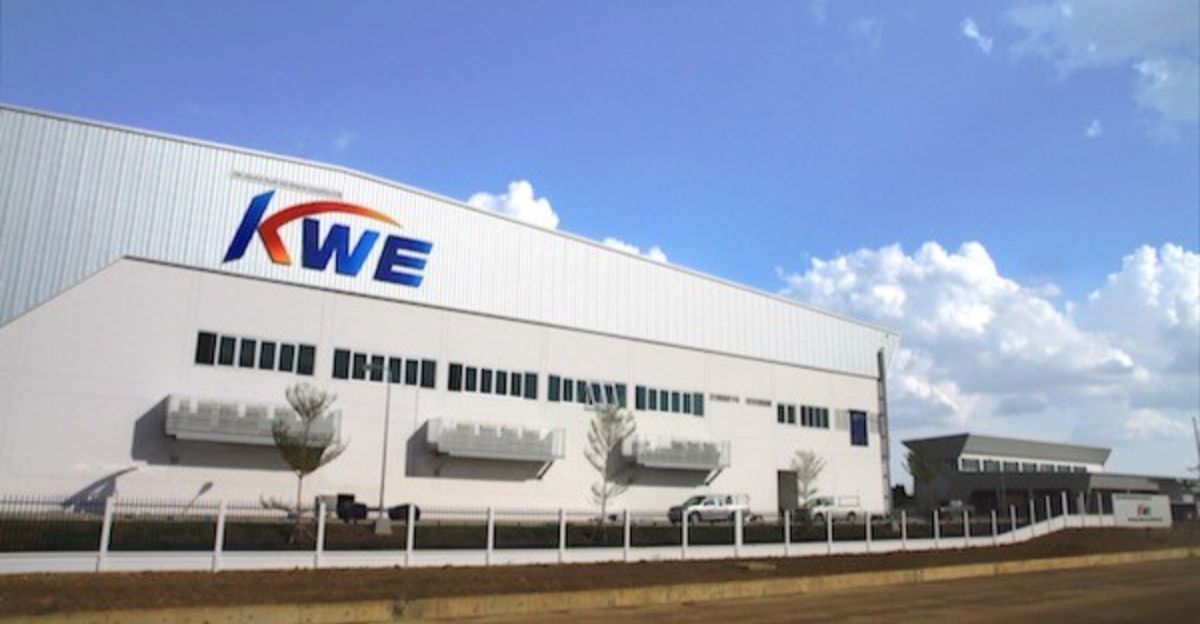
Kintetsu World Express bought APL from Neptune Orient Lines in 2015 for approximately $1.22 billion. KWE sought to expand its global supply chain business.
APL won awards from prominent companies such as Target, Lenovo, Kellogg’s, and Nike. However, KWE faces a profit squeeze in 2025 due to freight recession, tariff fluctuations, and increased competition.
The Minooka closure reflects the strategy to cut underperforming North American assets.
The Broader Logistics Consolidation Story
APL’s closure fits a larger pattern: 3PL companies consolidating operations nationwide. Larger firms pursue mergers to expand, cut waste, and invest in automation and artificial intelligence.
Smaller competitors struggle and exit markets. Facility closures in higher-cost areas, such as Illinois, are common.
Companies close older warehouses, consolidate into larger, tech-enabled hubs, and reduce their workforce. Profit improves, but communities suffer.
Questions Without Answers
Basic questions remain unanswered as of mid-December 2025.
Why did APL exit Minooka entirely instead of consolidating one facility? Which customers will they serve? Will operations move to other APL sites? Is this broader restructuring affecting other locations as well?
Did the Japan headquarters approve the decision? Will the company offer severance beyond legal minimums? Are they negotiating with rival companies? Corporate silence fuels speculation and legal risk.
Emerging WARN Act Litigation Trends

WARN Act lawsuits surge nationwide in 2024 and 2025. Courts have ruled that extended furloughs of six months or more trigger WARN rights, even if they are temporary.
In Staley v. Four Seasons, courts granted class status to hotel workers. In Messer v. Bristol Compressors, courts ruled that postponing termination dates by 60 days or more requires new WARN notices.
New York and New Jersey enacted stricter state WARN Acts requiring 90 days’ notice instead of 60 days.
The Automation and AI Wild Card

Automation and artificial intelligence are driving the closure of logistics facilities. Warehouse robots, self-driving vehicles, and AI software enable fewer facilities to do more work at lower cost.
A 2025 Logistics Management report shows automation “eases pressure” for large 3PLs. Smaller regional facilities cannot afford warehouse management systems, AI, and robotics.
APL, backed by Japan’s KWE money, can build tech-enabled mega-warehouses.
Worker Resources and Next Steps
APL workers have immediate resources available.
First, file for unemployment with the Illinois Department of Employment Security within two weeks to qualify.
Second, contact Illinois WorkNet to explore training programs. Workers receive training accounts worth thousands covering tuition for manufacturing, healthcare, technology, and skilled trades.
Third, contact Strauss Borrelli at 872.263.1100 or sam@straussborrelli.com to join the lawsuit.
A Cautionary Tale for Corporate Accountability
The APL closure shows a gap between legal rules and ethical behavior. APL technically followed WARN Act procedures with 61-88 days’ notice. But the company refused to explain itself to workers, the community, or the media.
No severance beyond legal minimums. No transition help. Workers learned their fate from government notices, not their employer. Courts may side with workers, leading to million-dollar settlements.
2026 and Beyond

By late February 2026, 230 workers in Minooka had lost their jobs, joining 1.17 million who were laid off in 2025—the worst year outside the pandemic.
The logistics sector is facing tariff stress, a freight recession, and industry consolidation. APL, owned by Japan-based KWE, exited Minooka entirely.
Corporate silence sparked WARN Act lawsuits potentially worth millions. Workers need unemployment aid, retraining funds, legal action, and community support for recovery.
Source:
- Yahoo News, “Illinois company to close two plants and lay off workers in 2026,” December 12, 2025
- Illinois Department of Commerce WARN database, “Illinois WARN Activities and Layoff Data,” December 2, 2025
- State Journal-Register, “Nearly 700 people to be laid off in Illinois. Here’s what to know,” December 9, 2025
- Strauss Borrelli PLLC, “APL Logistics WARN Act Investigation,” December 2, 2025
- Challenger, Gray & Christmas, “2025 U.S. Layoff Tracker,” December 4, 2025
- Capstone Partners, “3PL M&A Update,” September 2025