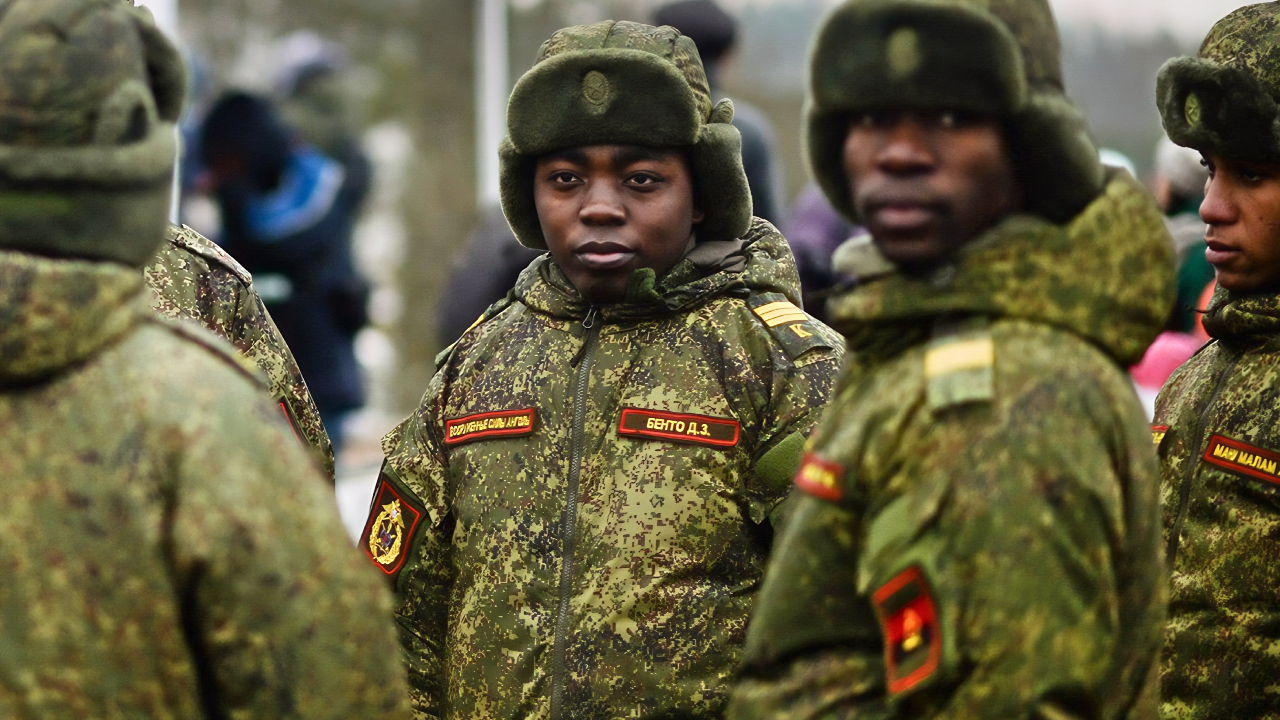
For four years, Akif built a life in Russia. The 48-year-old Azerbaijani man, along with his Russian wife, Maria, raised sheep, goats, and rabbits on their small homestead, steadily working toward permanent residency.
Then one morning this December, he walked into a Federal Migration Service office with paperwork in hand and walked out with an impossible choice: sign a military contract to fight in Ukraine, or abandon everything.
The Decree Nobody Heard About
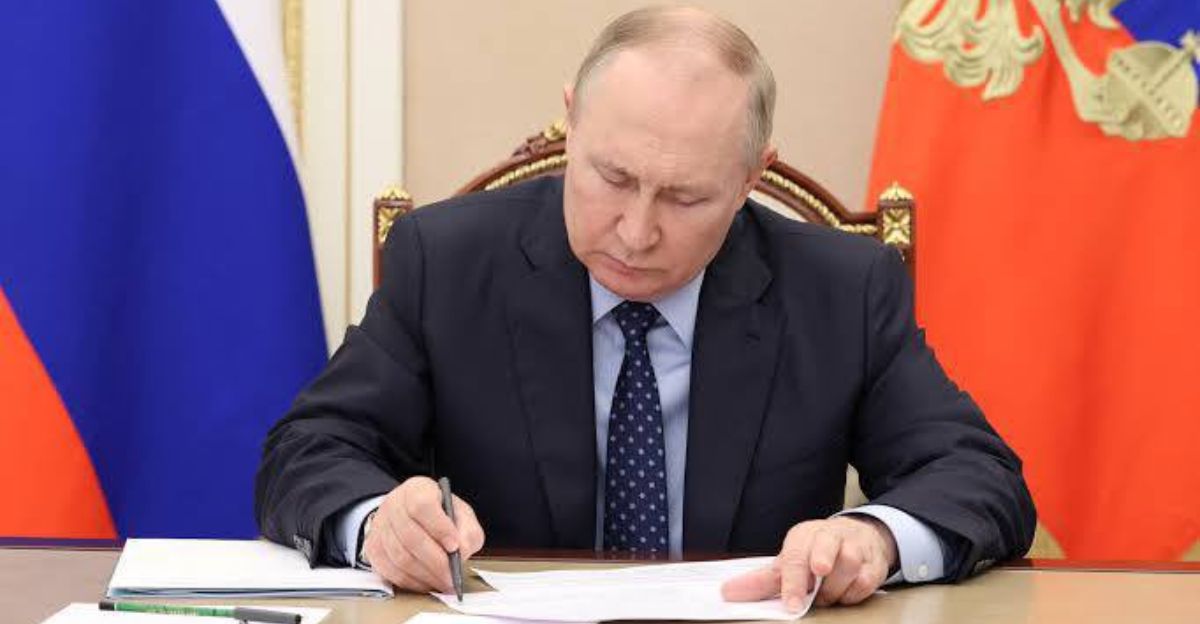
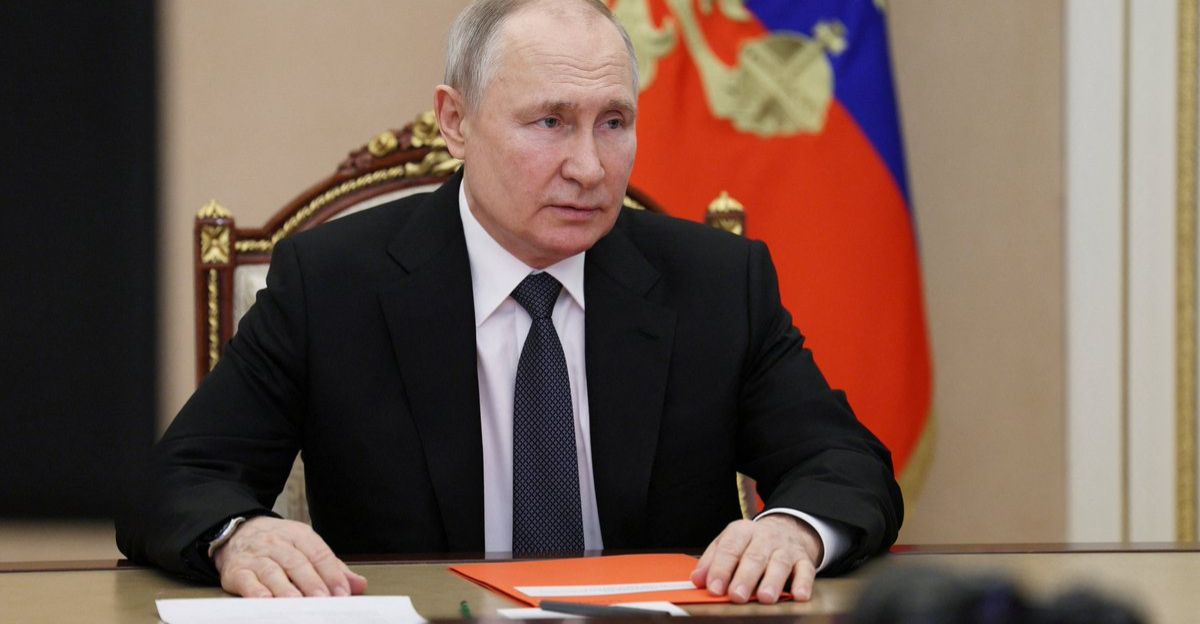
On November 5, 2025, Russian President Vladimir Putin signed Decree No. 821, quietly rewriting the rules for foreign men seeking permanent residency or citizenship.
According to RFE/RL’s investigative unit Systema and Azattyq Asia, the decree now requires these men to sign military contracts for at least one year, or present certificates proving they’re medically unfit for combat. Russian state and private media outlets made almost no mention of it.
A Silent Policy That Changes Everything

The media blackout is extraordinary. In a country where state television typically amplifies every Putin decree, this one—affecting hundreds of thousands of lives—has been buried in bureaucratic silence. According to RFE/RL’s investigation, the near-total absence of coverage suggests that the Kremlin is aware of the policy’s toxicity, both domestically and internationally.
For migrants, the silence means something darker: most have no idea what awaits them.
The Geography of Conscription
The decree casts a wide net. It applies to foreign men seeking permanent residence or citizenship based on long-term residency or family ties, as stated in the text of Putin’s order. Men from Belarus are exempt. Kazakhstan and Moldova citizens face requirements only for citizenship applications, not residency.
Highly qualified specialists and those seeking residency through Russian educational programs can still apply freely. For everyone else, the path to legal status now runs through the battlefield.
What the Fine Print Demands

To apply for permanent residency, foreign men must now present one of three things: a military service contract for a minimum of one year, a contract with Russia’s Emergency Situations Ministry, or medical documentation certifying unfitness for military duty.
Men seeking citizenship face even stricter requirements, according to the decree. They must prove they served in the military or the Emergency Situations Ministry and were discharged before February 24, 2022—the first day of Russia’s full-scale invasion of Ukraine.
Maria’s Words Echo Across Russia

“We don’t know what to do,” Maria told investigators in December. Her husband, Akif, refused to sign the military contract officials demanded. Now they’re preparing to abandon their homestead—the animals, the years of work, the dream of stability. “We are pawns in the meat grinder,” she said.
Her words capture what hundreds of thousands of foreign families across Russia are discovering: their futures have become collateral in a war they never chose.
A Young Man’s Impossible Decision

Burxon is 24 years old, from Tajikistan, working in Russia’s oil-rich Khanty-Mansiysk region. When he visited a government office to continue his residency process, an official informed him of the new rule: sign a military contract or relinquish his permanent residence. His father learned what happened and, according to RFE/RL’s reporting, explicitly forbade his son from signing.
Burxon now faces the same calculation as Akif: stay and risk conscription, or abandon years of building toward legal security.
The War’s Appetite for Bodies
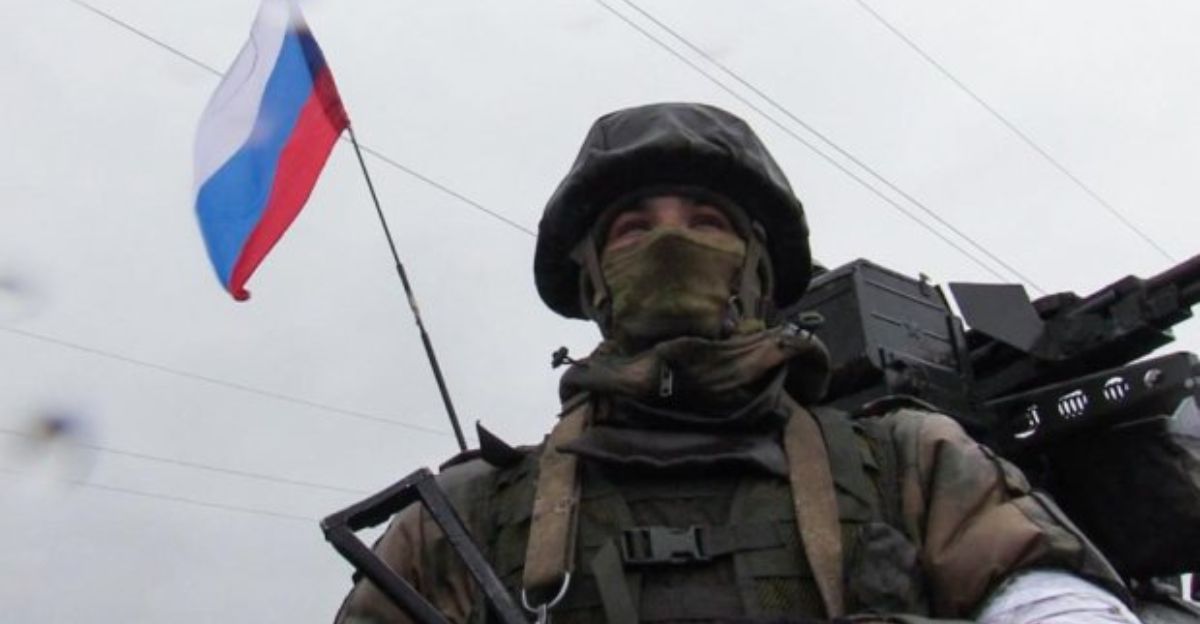
Russia’s military casualties explain the desperation behind Putin’s decree. Western intelligence agencies report that more than 1 million Russian soldiers have been killed or wounded in Ukraine since February 2022. The Center for Strategic and International Studies estimates approximately 250,000 Russian fatalities and over 950,000 total casualties.
With losses of this magnitude, the Kremlin has turned to vulnerable populations—prisoners, the economically desperate, and now, foreign migrants seeking legal status.
A Pattern Already in Motion
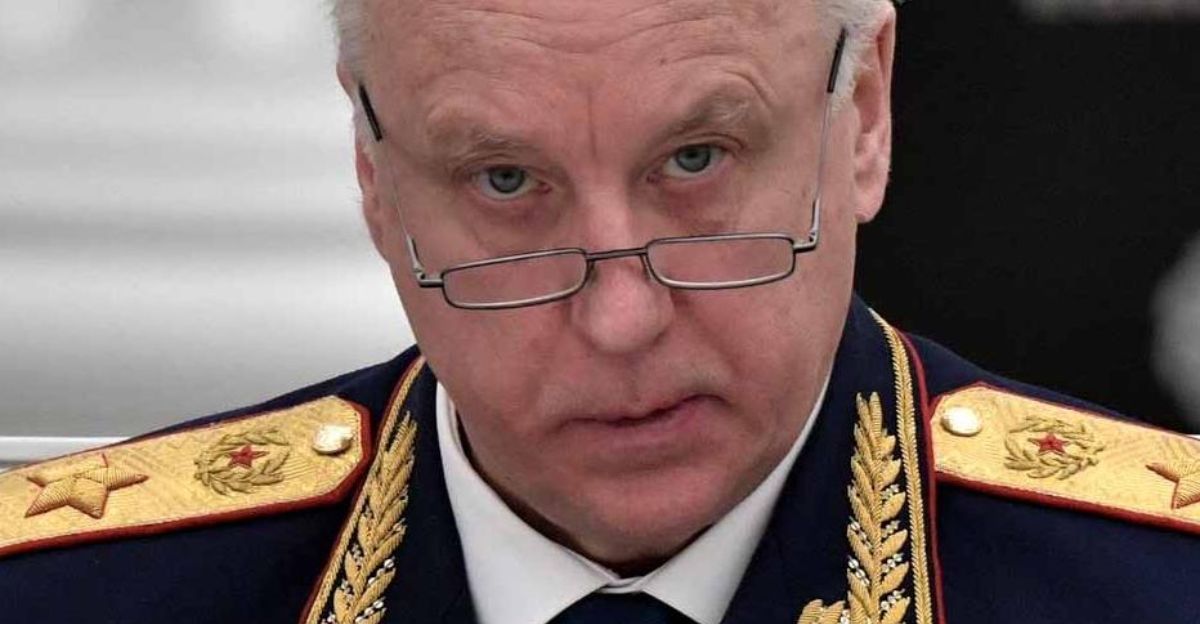
This decree didn’t emerge from nowhere. In May 2025, Aleksandr Bastrykin, head of Russia’s Investigative Committee, stated publicly that at least 20,000 naturalized men from Central Asia were already fighting at the front, with another 10,000 sent to dig trenches.
According to Bastrykin’s statement, these men—many of whom were naturalized Russian citizens—had been recruited or coerced into military service through earlier pressure campaigns.
The Scale of Lives at Stake
Approximately 4 million citizens from Kazakhstan, Kyrgyzstan, Uzbekistan, Tajikistan, and Turkmenistan currently live in Russia, according to Russian federal statistics. Migration data shows Uzbeks comprised 23 percent of migrants entering Russia in 2024, followed by Tajiks at 17 percent and Kyrgyz at 10 percent.
An estimated 100,000 to 300,000 migrants per year seek permanent residency or citizenship. All those men now face Putin’s binary choice.
The Lifeline That Sustains Nations
For Central Asian families, migration to Russia isn’t just about opportunity—it’s a matter of survival. In 2024, remittances from workers in Russia accounted for 48 percent of Tajikistan’s GDP, the highest proportion globally. Uzbekistan’s GDP depended on remittances for 14 percent, Kyrgyzstan’s for 24 percent.
Russia supplied 77 percent of Uzbekistan’s remittances in 2024, a 29 percent increase from 2023. Decree No. 821 threatens this economic lifeline by making Russia’s promise of a better life conditional on military service.
The Enforcement Gets Personal
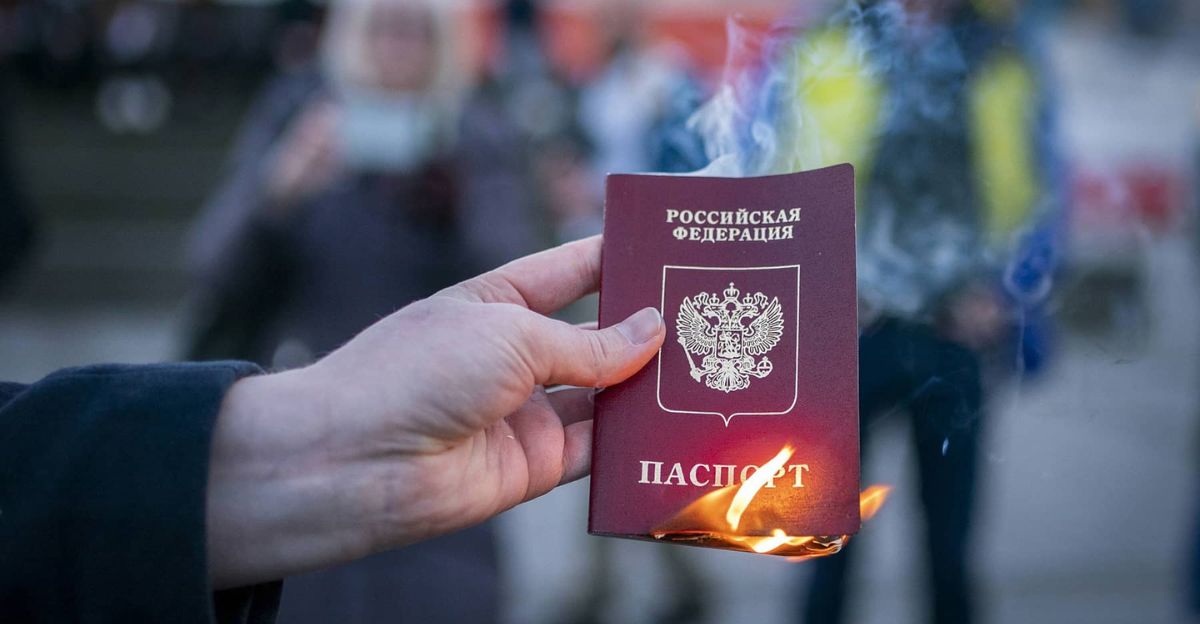
The decree isn’t merely bureaucratic. According to RFE/RL’s investigation, newly naturalized citizens—people who already earned Russian citizenship—have been summoned to migration offices and threatened with revoked status if they refuse to fight.
In recent months, naturalized migrants have been detained in large-scale police raids and pressured to sign military contracts. Even those who thought their legal status was secure are discovering it can be weaponized.
Breaking New Ground in Conscription
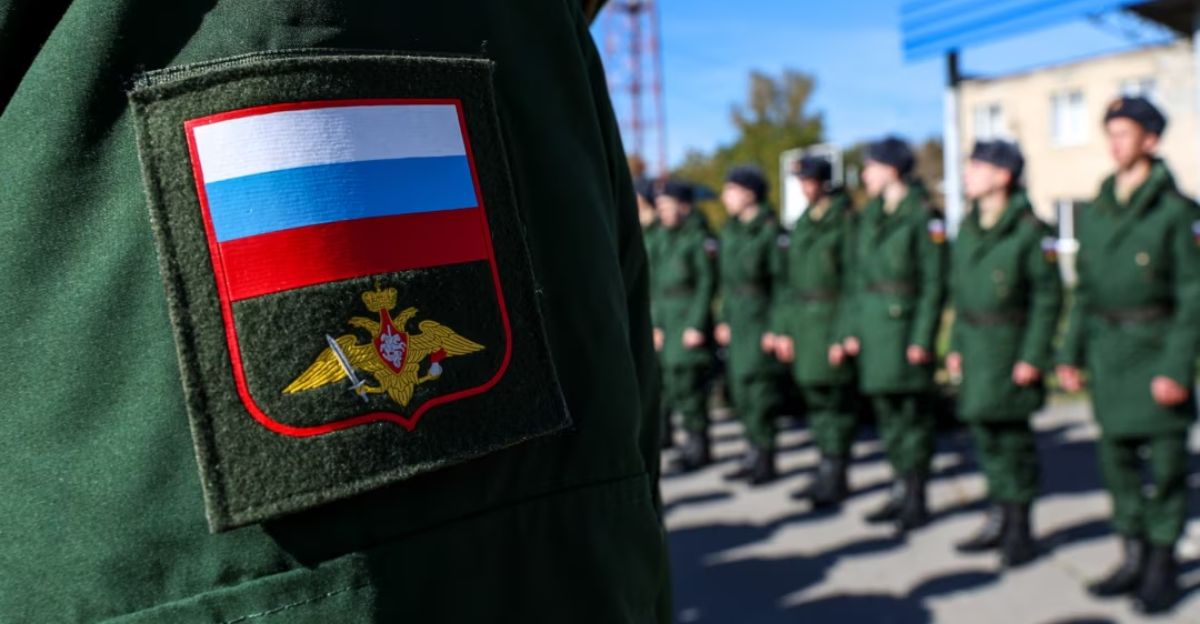
Russia’s decree marks the first time in the country’s history that foreign non-citizens seeking residency are officially required to sign military contracts as a condition of application. According to legal experts and international observers, this represents a radical departure from global norms.
Most countries with mandatory military service apply it to citizens and, occasionally, to permanent residents—not to people simply applying for residency. Putin’s decree weaponizes the immigration system itself.
Why Migrants Have Become Targets
Carnegie Center researcher Temur Umarov explained to RFE/RL that the decree serves dual purposes: it increases military mobilization using people with limited ability to defend their rights, while simultaneously making long-term migration to Russia less attractive. “In the future, migrants will have to come to Russia exclusively as a source of labor and workforce,” Umarov said.
The Kremlin, according to his analysis, wants bodies for construction and factories—but not families building permanent lives.
The Catch-22 of Military Service
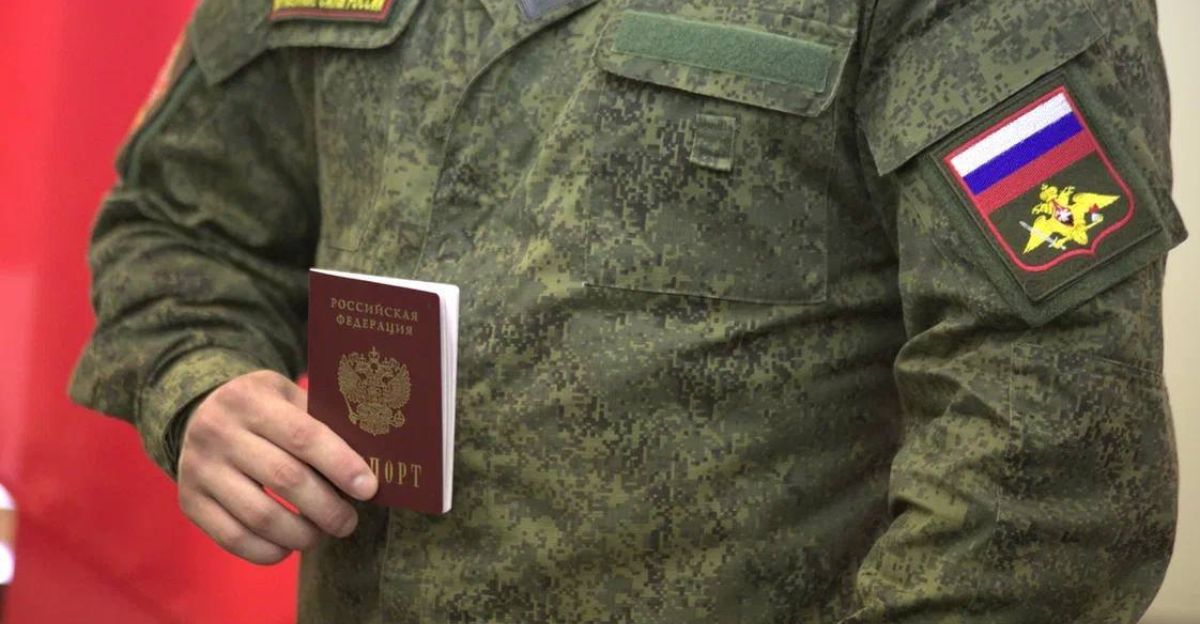
Those who served in the military or the Emergency Situations Ministry before February 24, 2022, can obtain citizenship more easily by submitting their discharge documentation, according to the provisions of the decree. However, for anyone applying now, the catch is severe: you cannot obtain residency without military service, but signing a military contract means deployment to Ukraine’s front lines.
Foreign workers who saw Russia as a path to stability now see conscription as the price.
Temporary, With No End in Sight
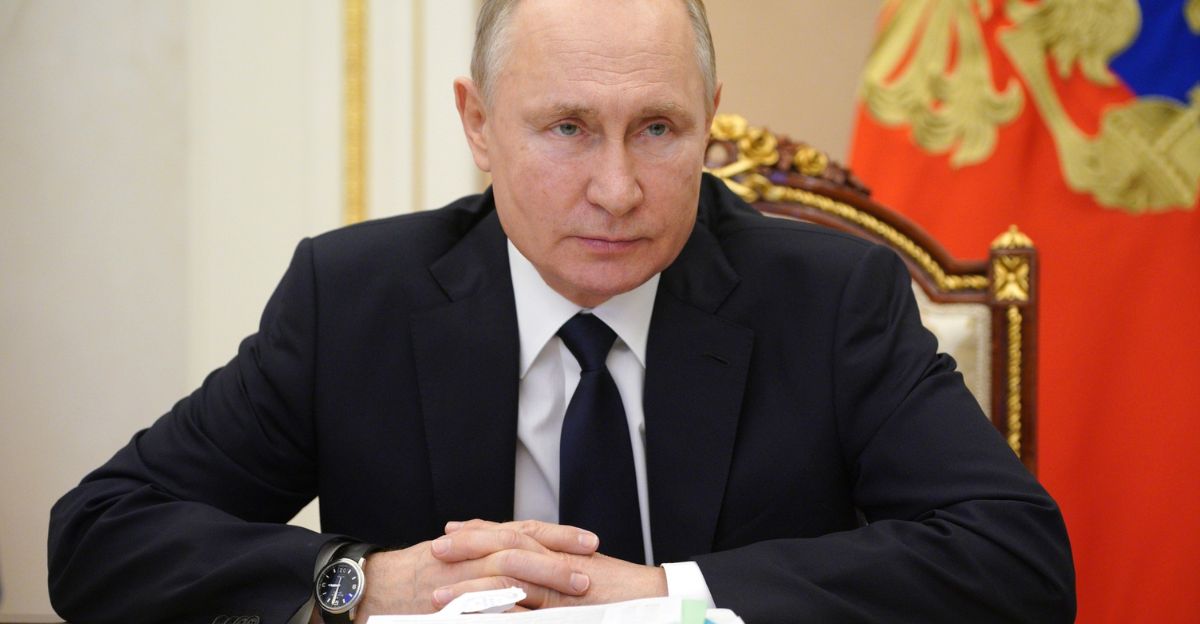
Putin’s decree describes its measures as “temporary,” yet provides no timeframe for when they will end. This indefinite status leaves migrants in a state of legal and emotional limbo, according to migration researchers. Will the conscription requirement last months? Years? The entire duration of the Ukraine war?
The absence of clarity amplifies fear and pushes migrants toward a single calculation: leave now, or risk being drafted later.
An Economy That Needs What It Threatens
Russia faces a profound contradiction. According to labor analysts, the country needs approximately 4.8 million workers to sustain economic growth. Yet Decree No. 821 actively deters the very migration that could fill those positions.
The number of migrants in Russia declined by 18 percent in 2024 compared to 2023, reflecting growing concerns about military conscription. As the decree enters its second month, the exodus is expected to accelerate, leaving Russia’s labor market in crisis.
When Other Nations Draw Red Lines
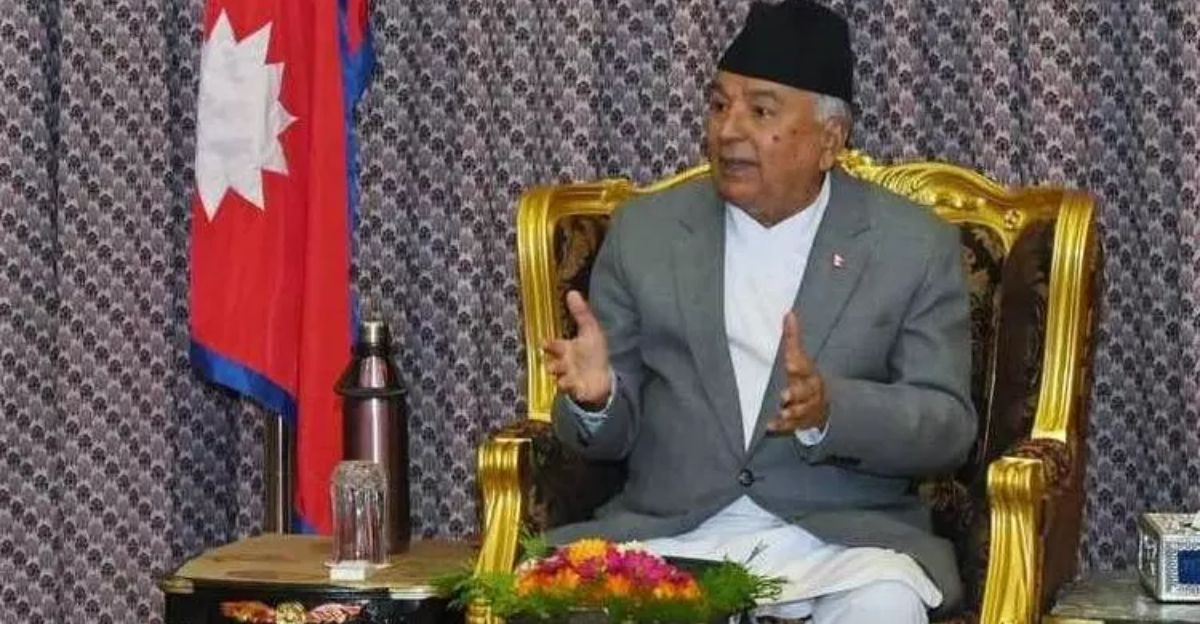
Some governments have begun protecting their citizens from Russian recruitment. Nepal banned its citizens from working in Russia following reports of forced military enlistment, according to analysis from the Swisspeace foundation.
Other Central Asian governments face difficult choices: their economies depend on remittances from Russia, but their citizens are being used as cannon fodder. Diplomatic tensions simmer as leaders weigh economic survival against the lives of their people.
The Future Taking Shape
Carnegie researcher Umarov warned that Decree No. 821 signals Russia’s fundamental transformation of migration policy. Rather than attracting workers who build lives, families, and communities, Moscow appears committed to a “come, work, leave” seasonal model that treats migrants as disposable labor.
According to his analysis, the long-term demographic and economic consequences for Russia could be catastrophic; however, the Kremlin’s wartime priorities override all else.
What Silence Tells Us

The near-total media blackout on Decree No. 821 remains one of its most revealing features. In a country where state television typically amplifies every significant Kremlin announcement, this decree—affecting hundreds of thousands of lives and Russia’s long-term economic stability—has been kept out of public view.
The silence isn’t accidental. It’s strategic. And for migrants like Akif, Burxon, and hundreds of thousands of others, that silence speaks louder than any headline ever could.
Sources:
Putin Decree Forces Foreigners Seeking Russian Residency To Sign Army Contracts – RFE/RL
Russia Nears 1 Million War Casualties In Ukraine, Study Finds – CNN
Russia: Weaponising Immigration Policies To Push Migrants Into War – Global Detention Project
A Potential Turning Point For Central Asian Migration – Caspian Policy Center
Russia’s Shadow Army: Central Asian Migrants Are Dying In Ukraine – Atlantic Council