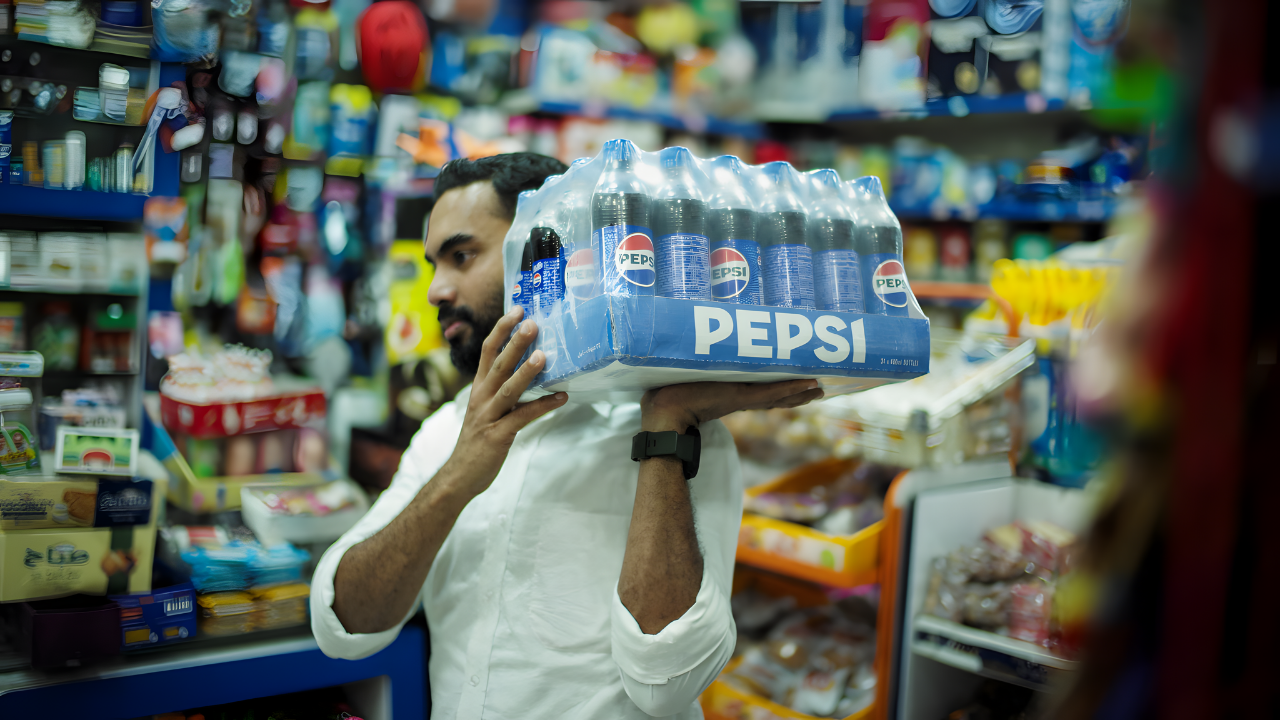
You’ve been paying too much at the supermarket for years. Not because of supply chains or inflation. Because PepsiCo and Walmart allegedly orchestrated something breathtaking: a secret scheme to ensure you couldn’t shop anywhere else for a lower price.
Court documents unsealed in December 2025 revealed it. Internal memos. Price manipulation logs. A corporate surveillance system tracking where you buy soda. What emerges is worse than price-gouging. It’s market control disguised as competition. Your family paid the price while executives got rich.
Corporate America’s Worst Nightmare
Meet the Robinson-Patman Act. Passed in 1936 to prevent chain stores from crushing mom-and-pop shops, it’s so old that most executives have forgotten it exists. But it was designed for precisely this moment. It says suppliers can’t charge different prices to competing retailers for identical products. For decades, the law was a ghost.
Then, on January 17, 2025, Lina Khan’s FTC filed suit, marking the first major enforcement action in decades. Corporate America gasped. A forgotten law was suddenly alive again, and it was aiming straight at them.
“We’re Capable Of Taking Whatever Pricing We Need”
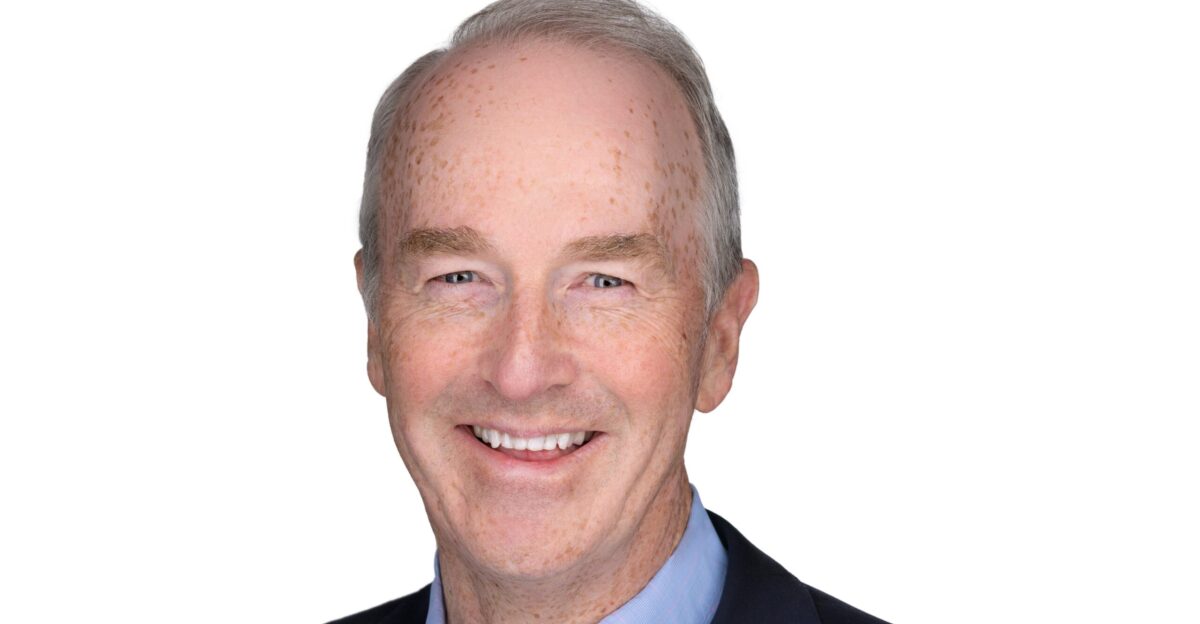
Picture this: Q3 2022, PepsiCo earnings call. CFO Hugh Johnston leans into the microphone and says something that should haunt him: “I still think we’re capable of taking whatever pricing we need.” He wasn’t joking. Pepsi had just completed the seventh straight quarter of double-digit price increases.
The company had become confident that consumers would accept any hike. But Johnston didn’t know his audacity was about to be exposed in a federal complaint.
The Architect’s Blueprint
Here’s the genius—and the evil—of it. Pepsi didn’t just give Walmart a discount. Pepsi created what internal documents called a “price gap”: a spread designed to make Walmart untouchable on price. Walmart got exclusive promotional money. Advertising allowances. Prime shelf placement.
Then Pepsi did something chilling: when competitors tried to match Walmart’s prices, Pepsi didn’t cut them in. Pepsi cut them out. Raised their wholesale costs. Made them expensive so Walmart could stay cheap.
The Thousand-Store Chain That Dared To Compete
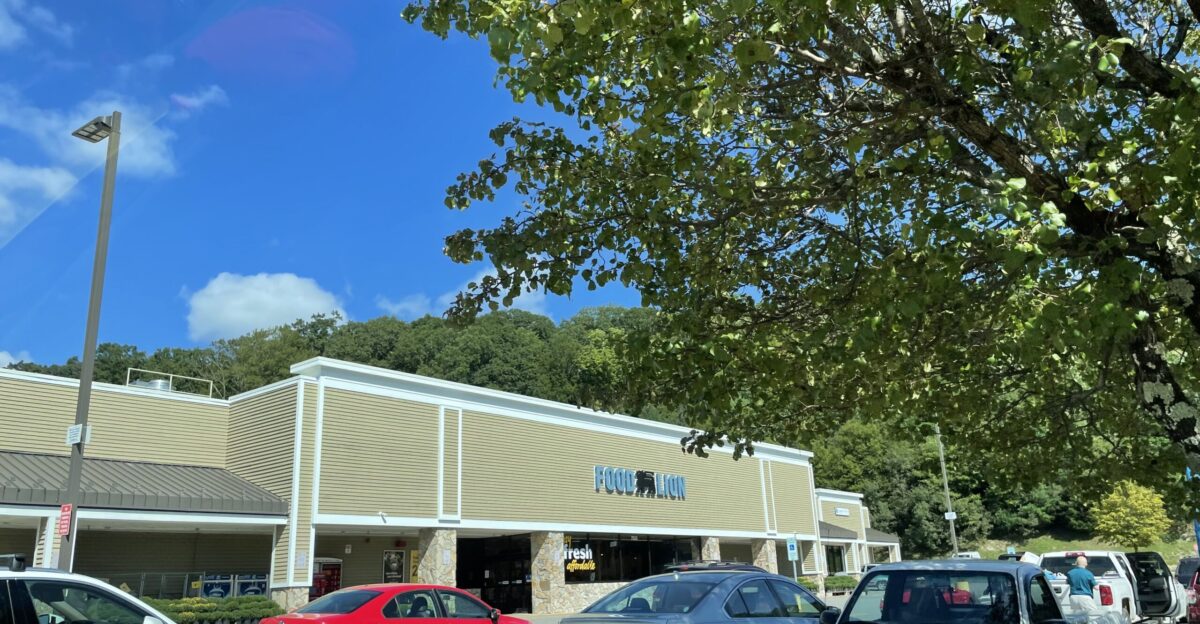
Food Lion made one mistake: it tried to give customers lower prices. The company reduced prices on Pepsi products to compete with Walmart. Pepsi’s internal documents labeled them “the worst offender” for “beating [Walmart] in price.” Then punishment came. Pepsi slashed promotional payments. Raised wholesale rates faster than inflation every single year.
The company methodically increased Food Lion’s costs to ensure customers would flee to Walmart. A thousand stores across ten states became collateral damage in a two-company scheme.
Pepsi Built A Surveillance Machine
The documents reveal something Orwellian. Pepsi created detailed reports comparing prices across the board. Called it “ROM”—”rest of market.” Tracked every sale outside Walmart as “leakage” requiring correction and kept logs of retailers as “offenders” if they dared self-fund discounts.
Geographic zones were flagged as problem areas. The Richmond-Raleigh-Charlotte corridor? Too competitive. Needed intervention. Pepsi essentially built a corporate panopticon: watching, measuring, punishing retailers for competing.
Why Pepsi Was Terrified

PepsiCo disclosed something explosive in its shareholder documents: Walmart represented a significant portion of revenue, such that losing it would have a “material adverse effect” on the business. Translation: Pepsi was terrified. So Pepsi didn’t compete on innovation or quality. Pepsi rigged wholesale prices to keep Walmart happy.
Simple math: Walmart had leverage. Pepsi had desperation. The result was a marriage of convenience that crushed everyone else.
The Lawsuit America Wasn’t Supposed To See
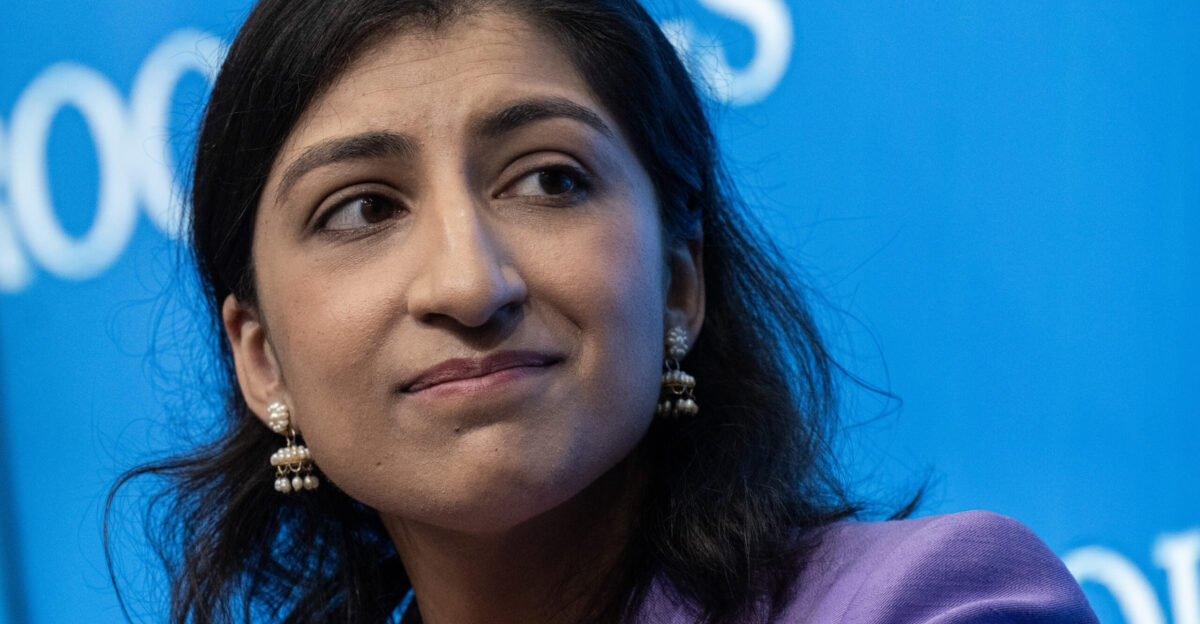
January 17, 2025. Lina Khan’s FTC voted 3-2 to sue. Republican commissioners Ferguson and Holyoak said the evidence was weak. Khan rushed the filing days before Trump took office—one of her final acts. The complaint landed in federal court in New York under heavy seal.
Redactions were so thick you couldn’t see Walmart’s name. The public knew nothing. Congress knew nothing. The scheme remained hidden behind locked courthouse doors.
A Trump Official Tried To Bury The Evidence
May 22, 2025. One day before the government was supposed to argue for unsealing. Andrew Ferguson, Trump’s new FTC Chair, voted unanimously to dismiss. Called the lawsuit a “partisan stunt.” Said there was no “reason to believe the law has been violated.”
The case died. The documents stayed sealed. Ferguson had effectively buried proof of the alleged scheme. Nobody outside government could see what Pepsi and Walmart reportedly did.
The Nonprofit That Wouldn’t Accept The Cover-Up

The Institute for Local Self-Reliance said no. In August 2025, they filed a motion to intervene in the sealed case. They argued citizens had a constitutional right to know what their government alleged. That Pepsi had never justified permanent redactions. Judge Jesse Matthew Furman agreed.
In December 2025, the court ordered the complaint unsealed with minimal redactions. Suddenly, the world could see what Ferguson tried to hide.
A Playbook For Market Manipulation
The documents show Pepsi’s actual playbook, according to the FTC. They tracked competitor prices methodically. When those competitors threatened Walmart’s low-price image, Pepsi raised their wholesale costs. “Rollback levers.” Slashed promotional allowances. Strategies designed to “ensure” certain retailers charged more than Walmart.
The scheme was systematic, not random. Pepsi and Walmart allegedly weaponized iconic brands—Frito-Lay, Gatorade, Mountain Dew, Aquafina, and Starbucks beverages—into enforcement mechanisms. They built a retail price hierarchy.
The Broader Pattern
Research cited in the unsealed FTC complaint highlights broader sector patterns. According to analysis referenced in the complaint, where monopolies and oligopolies prevail in grocery markets, food inflation runs 0.46 percentage points higher than in competitive regions.
Between 2006 and 2020, this differential accumulated into roughly a 9 percent cumulative price increase in highly consolidated markets—reflecting sector-wide monopoly effects, not solely the PepsiCo-Walmart arrangement.
The Same Plot, Different Villain
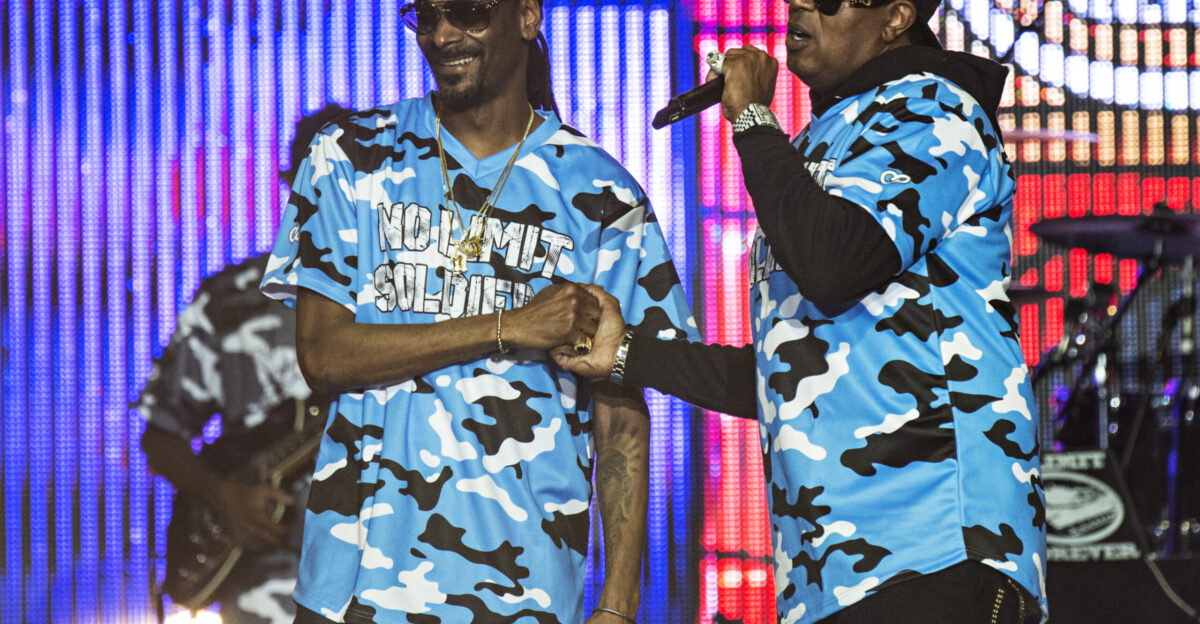
This isn’t the first time. Snoop Dogg and Master P sued Walmart and Post Consumer Brands for allegedly sabotaging their cereal lines. Post allegedly set prices above ten dollars per box. Hid inventory in stockrooms. Coded products to prevent shelf placement. Showed “out of stock” online while boxes sat gathering dust.
Post was allegedly engineering failure for a Black-owned brand because it wouldn’t play ball with the system.
States Are Moving Faster Than Washington Can Stall

Rhode Island’s Lieutenant Governor Sabina Matos started investigating food deserts in Woonsocket. Why couldn’t small grocers survive despite retail competition? Answer: Suppliers like Pepsi wouldn’t offer comparable wholesale pricing.
So Matos drafted legislation to create state-level Robinson-Patman enforcement. Banning price discrimination. If Washington won’t police anticompetitive behavior, states will.
What Happens When People See The Truth
In December 2025, a class action lawsuit was filed: Gelbs et al. v. PepsiCo and Walmart. It covers everyone who bought Pepsi from non-Walmart retailers since 2015. Lina Khan called the case dismissal “a gift to large retailers preparing to increase prices.”
The evidence is now public. The alleged scheme is documented. The question isn’t whether collusion occurred—that’s for courts to decide. The question is what America will do about the consolidation reshaping grocery markets. How much more should families pay before something changes?
Sources:
FTC v. PepsiCo, Inc., Complaint, Case 1:25-cv-00664-JMF, U.S. District Court, Southern District of New York, January 17, 2025
CNBC, “FTC sues PepsiCo, alleging price discrimination is raising costs for consumers,” January 17, 2025
Wall Street Journal, “Pepsi Worked to Keep Prices Higher at Retailers to Protect Walmart’s Prices,” December 16, 2025
Reuters, “FTC drops case against Pepsi alleging price discrimination,” May 22, 2025
Gelbs et al. v. PepsiCo, Inc. and Walmart, Inc., Class Action Complaint, U.S. District Court, Southern District of New York, December 16, 2025
Judge Jesse Matthew Furman, Order Unsealing Complaint, U.S. District Court, Southern District of New York, December 2025