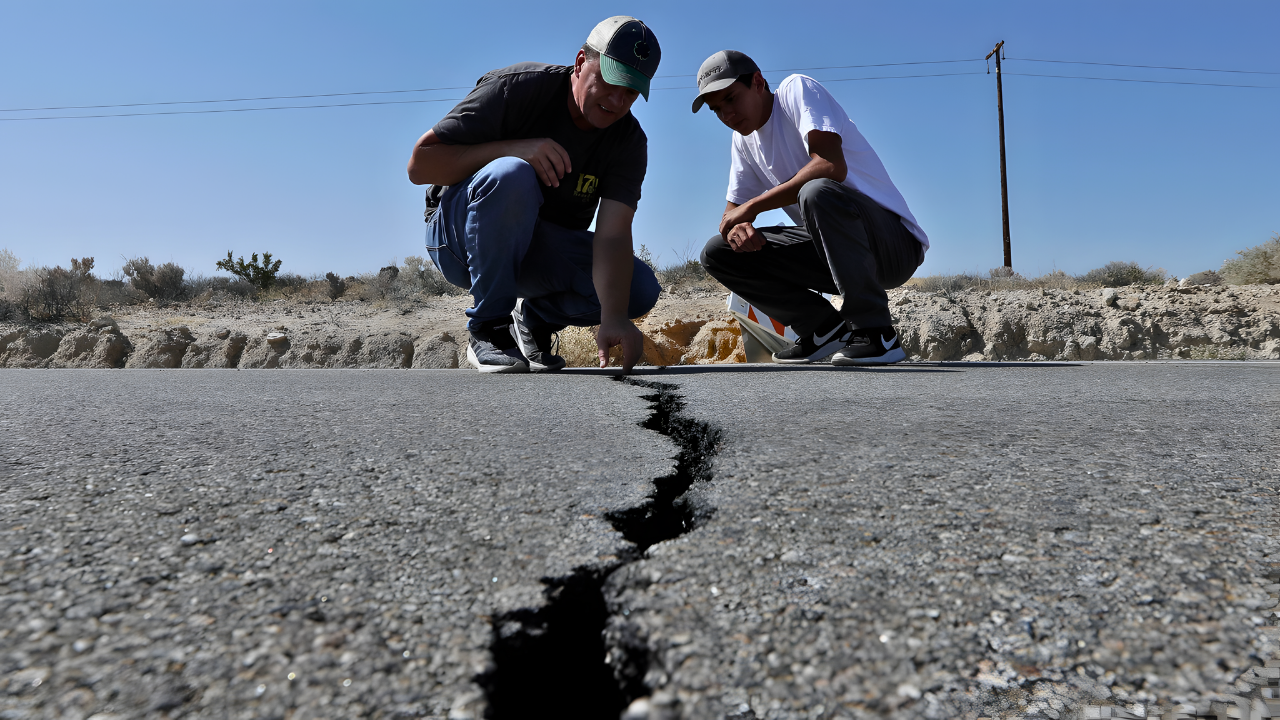
Residents across the Pacific Northwest—a region where catastrophic earthquake risk looms as an inescapable reality—depend on ShakeAlert, the country’s only public earthquake early warning system, to buy precious seconds before the ground starts to move. Serving more than 50 million people across California, Oregon, and Washington, the system is designed to trigger protective actions across one of North America’s most seismically active zones. Yet two recent false alarms in less than two weeks have reverberated far beyond the affected regions, unsettling residents throughout Washington State and prompting pointed questions from lawmakers and scientists about how reliable the alerts really are at a time when seismic risk in the Pacific Northwest remains dangerously high.
Erosion of trust in a critical warning system
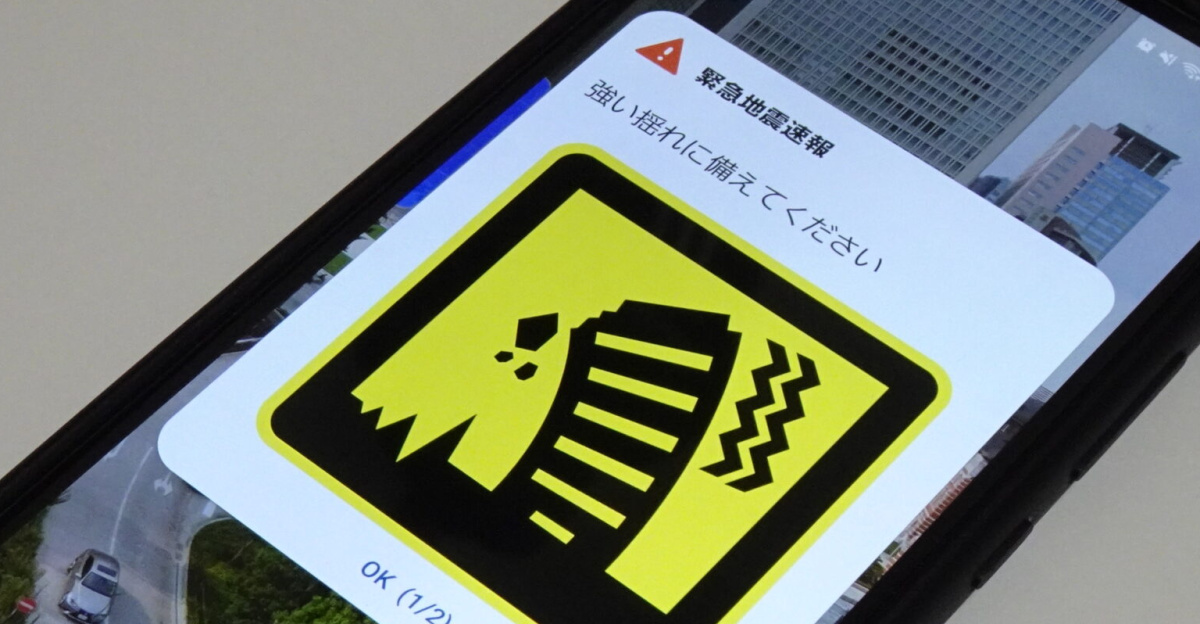
On December 4, people across Northern California received a startling “COVER HOLD ON” notification for what was described as a magnitude 5.9 earthquake near Nevada. No such quake had occurred. It was the first time ShakeAlert issued a fully fabricated alert not tied to any real seismic event—crossing a line from imperfect information about real earthquakes into warning about something that simply did not happen.
The implications rippled across the entire West Coast. News of the false alarm spread rapidly through social media and news outlets, reaching residents in Oregon and Washington who understood immediately that if such a failure could occur in California, their own state’s vulnerability to false alerts had just been demonstrated. For a region living under the shadow of the Cascadia Subduction Zone, the incident validated deep-seated anxieties about system reliability.
California lawmakers reacted quickly. On December 10, members of Congress, including senior Democrats, sent letters to the U.S. Geological Survey (USGS), which runs ShakeAlert, demanding explanations for the failures and details on how the agency plans to prevent similar mistakes. They pressed USGS to account for why the system had not distinguished between legitimate seismic signals and false triggers.
USGS data acknowledge a built-in tradeoff: the faster locations and magnitudes are released, the greater the risk of error. That tension is central to ShakeAlert’s design but becomes more troubling as misfires become more visible and frequent. Each bad alert not only undermines confidence in the system but also risks people ignoring a future warning that may precede a life-threatening earthquake.
Cascadia’s looming risk heightens stakes
The controversy comes against the backdrop of one of the most dangerous fault systems in North America. The Cascadia Subduction Zone, stretching about 700 miles off the Pacific Northwest coast, is capable of producing earthquakes as large as magnitude 9.0. The last major rupture, on January 26, 1700, triggered destructive shaking and a trans-Pacific tsunami that devastated Indigenous communities and fundamentally altered the regional landscape.
For Washington State residents, the historical record is a constant reminder of what lies ahead. Modern assessments of Cascadia indicate a significant probability of a powerful event in the coming decades. Recent studies estimate roughly a 37 percent chance of a megathrust earthquake of magnitude 7.1 or greater within 50 years, with risk increasing toward the end of the century. This means that residents born today have roughly a one-in-four chance of experiencing a catastrophic earthquake before retirement age—a reality that weighs on emergency planners, families, and public consciousness throughout the state.
For Washington State, which sits directly in this hazard zone, an effective early warning system is seen as a core element of preparedness. The difference between a functional warning system and a failed one could mean the difference between life and death for hundreds of thousands of people.
In that context, the reliability of ShakeAlert becomes more than a technical question. An inaccurate warning could cause needless panic and erode public trust precisely when the region most needs an alert system people will actually believe. A missed or disregarded alert during a real Cascadia event could cost tens of thousands of lives. Residents and emergency managers throughout Washington are calling for a system that can deliver fast alerts without sacrificing accuracy as the region prepares for what many experts view as an inevitable major quake.
False alarms and an “explosion” near Seattle
The December 4 mistake marked a turning point because it was not simply a misjudged magnitude or depth. ShakeAlert had occasionally mischaracterized real earthquakes before, but this time it reacted to non-seismic ground motion as if it were a significant earthquake. Robert de Groot, who leads the ShakeAlert operations team, said sensors recorded ground movement that triggered the automatic alert, which was then withdrawn.
The cascade of uncertainty this created extended beyond the Bay Area. Washington residents who heard about the false alarm—many of whom had already downloaded ShakeAlert apps and activated emergency notifications—suddenly questioned whether their own alerts could be trusted. Social media filled with anxious discussions about what might happen if the system failed during an actual Pacific Northwest earthquake. News outlets from Seattle to Portland to Eugene amplified the concern, making the California false alarm a Pacific Northwest story.
Less than two weeks later, on December 15, the system drew scrutiny again—this time striking even closer to home for Washington residents. An alert went out describing an “explosion” near Concrete, a community in Washington State north of Seattle, initially evaluated with the energy of a magnitude 3.0 earthquake. Shortly afterward, the USGS revised the event to a shallow magnitude 2.9 earthquake less than 2,000 feet deep. It was one of two small tremors in close succession, and no damage or injuries were reported.
Technically, the December 15 event involved real seismic activity rather than a phantom quake. But the initial description, the rapid revision, and the choice of language created confusion and alarm throughout Washington State. For residents who remembered the false Bay Area alarm just eleven days earlier, the word “explosion” in an alert from Seattle’s seismic region triggered immediate panic. Regional news outlets reported widespread confusion as residents called emergency lines asking whether the Pacific Northwest was under attack. The ambiguity—was this a real earthquake, or another false alarm?—sent ripples of anxiety through communities far beyond Concrete’s Skagit County, reaching residents in King County (which includes Seattle), Pierce County (Tacoma), and communities across Western Washington.
For some residents, hearing the word “explosion” in an alert amplified fears even though the event itself was minor. More troublingly, the quick revision and apparent confusion about whether the event was seismic or non-seismic revived public anxiety about system reliability. Social media posts from Washington residents expressed frustration about system credibility. The incident underscored that for a population already sensitized to seismic risk, ambiguous or rapidly-revised alerts do not reassure—they alarm.
Rebuilding confidence through accuracy and communication

In the wake of these incidents, seismologists and system managers have focused on how ShakeAlert decides when to issue a public warning. Experts stress that simply detecting ground motion is not enough; algorithms must confirm patterns consistent with an earthquake before reaching millions of phones and public systems. The December 4 case, with no actual quake behind the signal, has become a key example of where those safeguards failed.
Analyses following the December 15 tremors have led to renewed calls to refine ShakeAlert’s detection and verification procedures, improve the quality of seismic data feeding the system, and tighten thresholds for public alerts. Scientists argue that better filtering of non-earthquake signals and clearer criteria for when to inform the public are essential to restoring trust.
Community reactions underscore that technical fixes alone will not be sufficient. People throughout Washington State have voiced frustration at inconsistent alerts and mixed messages. Some say they are less inclined to react quickly the next time they receive a notification—a response that alarmed both emergency officials and researchers. Experts emphasize that the system’s value depends on the public believing that an alert is grounded in solid science, not glitch-driven noise. In a region where a genuine megathrust earthquake could occur with little warning and devastating consequences, public skepticism about ShakeAlert represents a genuine public health threat.
Looking ahead, the USGS and its partners face pressure to demonstrate lessons learned. Proposals include strengthening algorithms to distinguish between seismic and non-seismic events, investing in more robust sensor networks throughout Washington and Oregon, and increasing collaboration with state agencies, local governments, and community organizations. Public education campaigns about what alerts mean, how to respond, and why occasional errors occur could help people interpret messages more calmly and accurately.
With the Cascadia Subduction Zone and other regional faults posing a real and persistent danger, the stakes for getting ShakeAlert right remain high. Lawmakers, scientists, and residents throughout Washington State are watching to see whether recent missteps lead to meaningful improvements. The challenge will be achieving a balance between speed and precision so that when the next major earthquake begins, early warnings are both swift and trustworthy—and believed by a public whose confidence has now been tested twice in two weeks.
Sources:
New York Times – After False Earthquake Alert, Lawmakers Demand Answers
Reuters – USGS Says Nevada Quake Report Was False, Blaming Automatic System
Fox 13 Seattle – 2.9-Magnitude Earthquake Felt Near Concrete, WA
Congressman Kevin Mullin’s Office – False Earthquake Alert – Mullin & Committee Leaders Seek Information from USGS
Oregon Emergency Management – Cascadia Subduction Zone: Hazards and Preparedness
Pacific Northwest Seismic Network – Recent Earthquakes List and Cascadia Research Data