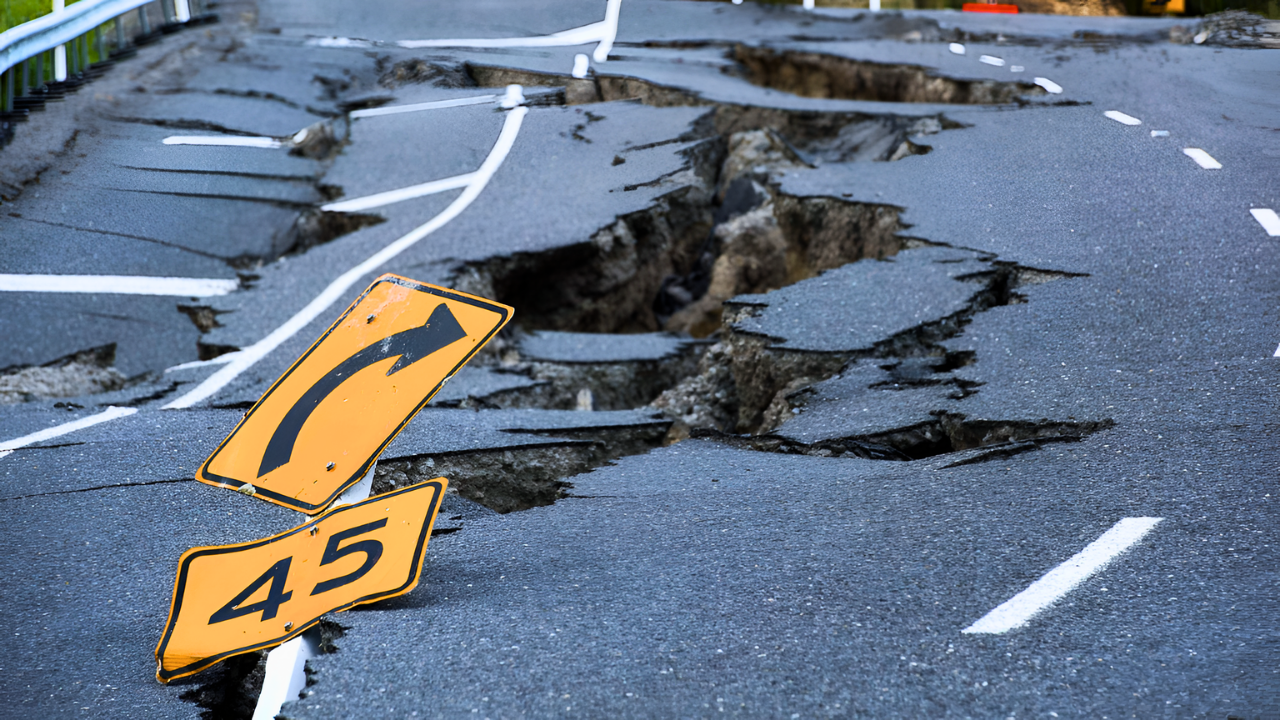
San Ramon sits atop the Calaveras Fault, one of California’s most active seismic zones. Since early November 2025, at least 90 small earthquakes have rattled the East Bay, with the strongest, a magnitude 3.1, striking on December 16. While these tremors caused no significant damage, they’ve thrust seismic risk into the headlines and into the wallets of California’s 10 million Bay Area residents.
The Long-Term Warning: Why the 72% Forecast Matters
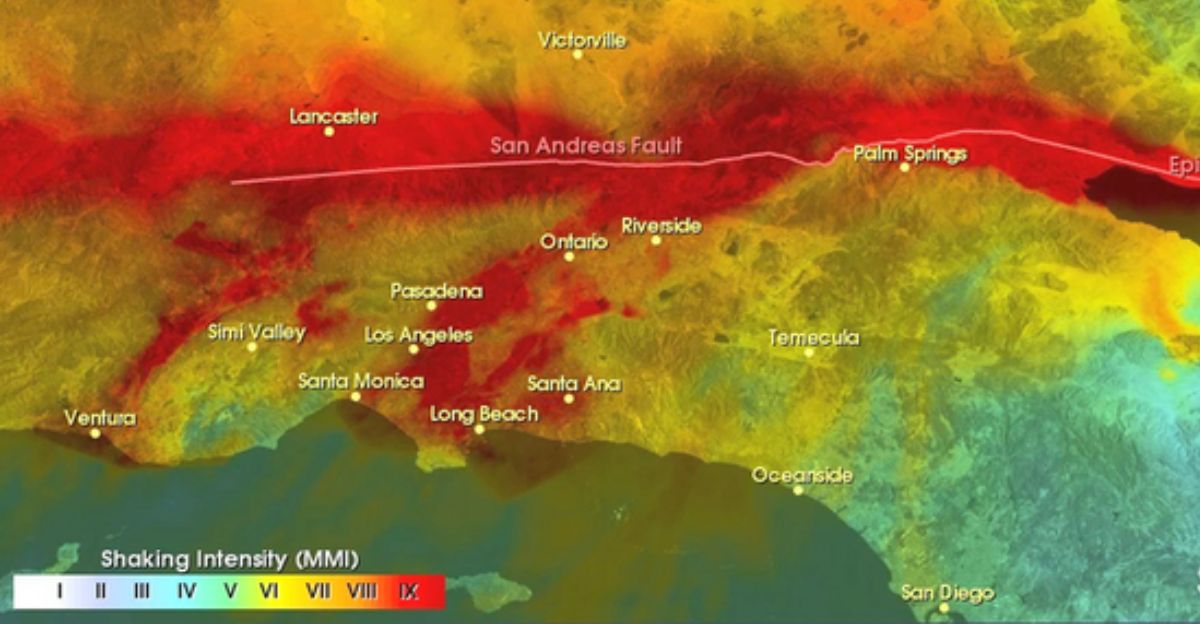
The U.S. Geological Survey’s 2014 Working Group on California Earthquake Probabilities, updated in 2016, forecasts a 72% chance that a magnitude 6.7 or greater earthquake, known as “the Big One,” will strike somewhere in the Bay Area between now and 2043. This seismic activity, while unsettling, does not increase this probability. The forecast is based on decades of geological data, not recent activity.
Homeowner Insurance Premiums Surge Nationwide

The December swarm has sparked increased conversations about earthquake preparedness. In California, the average earthquake insurance premium is $3.54 per $1,000 of coverage, which translates to approximately $2,478 annually for a $700,000 home. The California Earthquake Authority raised rates by 6.8% in January 2025, adding roughly $70 to annual premiums. Bay Area residents face the steepest costs, with Alameda County averaging $4,550 per year.
Corporate Resilience Planning Kicks Into High Gear

Major corporations in Silicon Valley, including Google, Meta, and Wells Fargo, are reassessing their business continuity strategies in response to seismic risks. Companies are now implementing updated preparedness protocols and developing robust backup data systems. Following ISO 22301 standards, organizations conduct Business Impact Analyses to identify critical operations, assess recovery needs, and address supply chain vulnerabilities, ensuring they can withstand potential disruptions caused by natural disasters.
Building Retrofit Markets Expand in the Bay Area

An urgent call for seismic retrofitting has emerged as demand rises for structural reinforcements across the Bay Area. Engineering firms report booking backlogs into 2026 due to increased homeowner interest in retrofitting. Research from Stanford University suggests a magnitude 6.7 earthquake could result in $115 billion in damages, but retrofitting could mitigate losses by up to $41 billion and prevent the collapse of around 5,000 housing units, prompting many owners to invest in upgrades.
International Supply Chains Recalculate Risk

California’s prominence as a leading producer of semiconductor equipment highlights the risks associated with potential earthquakes. A significant seismic event could disrupt global technology supply chains for extended periods. Companies like ASML and Tokyo Electron are diversifying their manufacturing and warehousing to mitigate risks associated with California’s seismic zones, while insurance costs for goods are rising due to perceived disruption threats.
Farmers and Agricultural Workers Face New Pressures

Farmers in California’s Central Valley, the origin of a substantial portion of the nation’s fruits and vegetables, are voicing concerns over earthquake-related risks affecting irrigation and food processing. Equipment dealers are reporting surges in demand for seismic monitoring systems specifically designed for agricultural setups. Many farmworkers, particularly undocumented immigrants, are uneasy about maintaining housing stability and income levels amid concerns that a major quake could damage critical infrastructure.
State and Federal Response to Infrastructure Challenges

In response to the heightened earthquake risk, California continues its efforts to enhance earthquake resilience. Governor Newsom announced $1.1 billion in transportation infrastructure investment in December 2025, including resilient infrastructure projects. State-level earthquake preparedness initiatives, including the Earthquake Brace + Bolt grant program (offering up to $3,000 for retrofits), provide funding for homeowners and rental property owners. Seismic resilience remains a key component of broader federal disaster preparedness frameworks across multiple agencies.
Inflation Looms From Construction and Insurance Costs

Economists forecast that the essential measures to prepare for and recover from potential earthquakes could lead to inflationary pressures across the construction and insurance sectors. The increasing costs of materials and labor associated with retrofitting and repair can significantly impact budgets across the state. Economic analyses suggest that this upward trend in expenses could strain resources and amplify economic vulnerability, especially in an already volatile market environment.
Mental Health Impact from Seismic Anxiety

The anxiety stemming from potential seismic events exerts a toll on mental health across affected communities. Mental health professionals note rising stress levels among residents, particularly in areas such as the East Bay, where frequent tremors have been felt. Increased mental health intervention is now pivotal as citizens and families grapple with the emotional burden of living in earthquake-prone zones. Mental health resources and earthquake preparedness workshops are expanding across the region.
Bay Area Hospitals Strengthen Emergency Preparedness

Healthcare facilities in the Bay Area are preparing for earthquake readiness, highlighting the need for robust emergency protocols. Hospitals are collaborating to enhance disaster response infrastructure, conducting training simulations to prepare medical staff for potential influxes of patients following a disaster. Recent research indicates that a significant earthquake could strain emergency room capacity and disrupt pharmaceutical supply chains, underscoring the critical importance of preparedness measures to prioritize health and safety.
Challenges in Housing Market Resilience

The increased threat of earthquakes is reshaping the housing landscape in California. Potential homebuyers are becoming increasingly cautious, seeking properties that are either retrofitted or located outside high-risk zones. As demand shifts, the market reflects these concerns, leading to uncertainty about long-term values. Real estate professionals warn that sustained anxiety over seismic risk could hinder market recovery in affected areas, highlighting the intersection of safety and economic stability.
Insurance Market Dynamics Shift

Market dynamics in California’s insurance sector are evolving, with significant implications for residents and businesses. Insurers are increasingly emphasizing proactive measures and effective risk management strategies to mitigate the frequency and severity of seismic activity. Consumers are encouraged to understand their policies better and explore available coverage options. The California Earthquake Authority and private insurers continue to strike a balance between affordability and risk assessment in a challenging market.
A Landscape of Fear and Preparedness
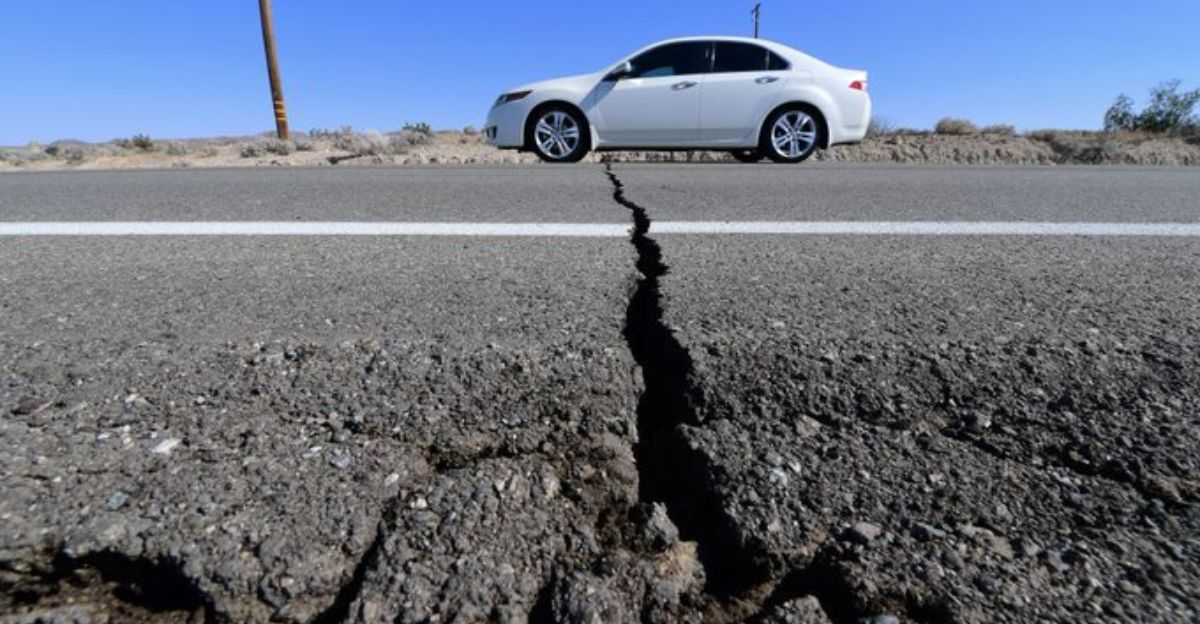
The recent earthquakes in California serve as a stark reminder that living in seismic zones carries significant risks. Citizens are taking preventive actions, from retrofitting homes to purchasing insurance, as they seek to secure their futures. An overwhelming sense of responsibility underlies these preparations, showing that while the fear of “the Big One” persists, an informed and proactive populace can mitigate potential disasters through planning and community engagement.
The Path Ahead: Community Engagement and Resilience

Looking ahead, the importance of community engagement in disaster preparedness cannot be overstated. Policymakers, businesses, and residents must collaborate to foster a culture of resilience that equips California with the tools necessary to face the impending challenges of major seismic events. Offering workshops, training sessions, and resources can empower communities to navigate risks effectively, ultimately creating a safer and more informed populace capable of responding to seismic threats.
SOURCES
U.S. Geological Survey (USGS), December 2025 – Earthquake swarm monitoring and Calaveras Fault analysis
CBS News San Francisco, December 16, 2025 – Magnitude 3.1 earthquake reporting
USGS Fact Sheet 2016-3020 – “Earthquake Outlook for the San Francisco Bay Region”
USGS Research Geophysicist Annemarie Baltay Interview, December 2025
California Earthquake Authority (CEA), January 2025 – Rate increase documentation and premium analysis
Hippo Insurance Cost Analysis, 2025 – California earthquake insurance pricing
ISO 22301 / ISO 22331 Business Continuity Standards, 2025 – Corporate resilience guidelines
Multiple Corporate Press Releases (Google, Meta, Wells Fargo), December 2025 – Business continuity updates
Stanford University Seismic Study – Building damage projection for magnitude 6.7 earthquake
Optimum Seismic, 2025 – Retrofit cost and benefit analysis