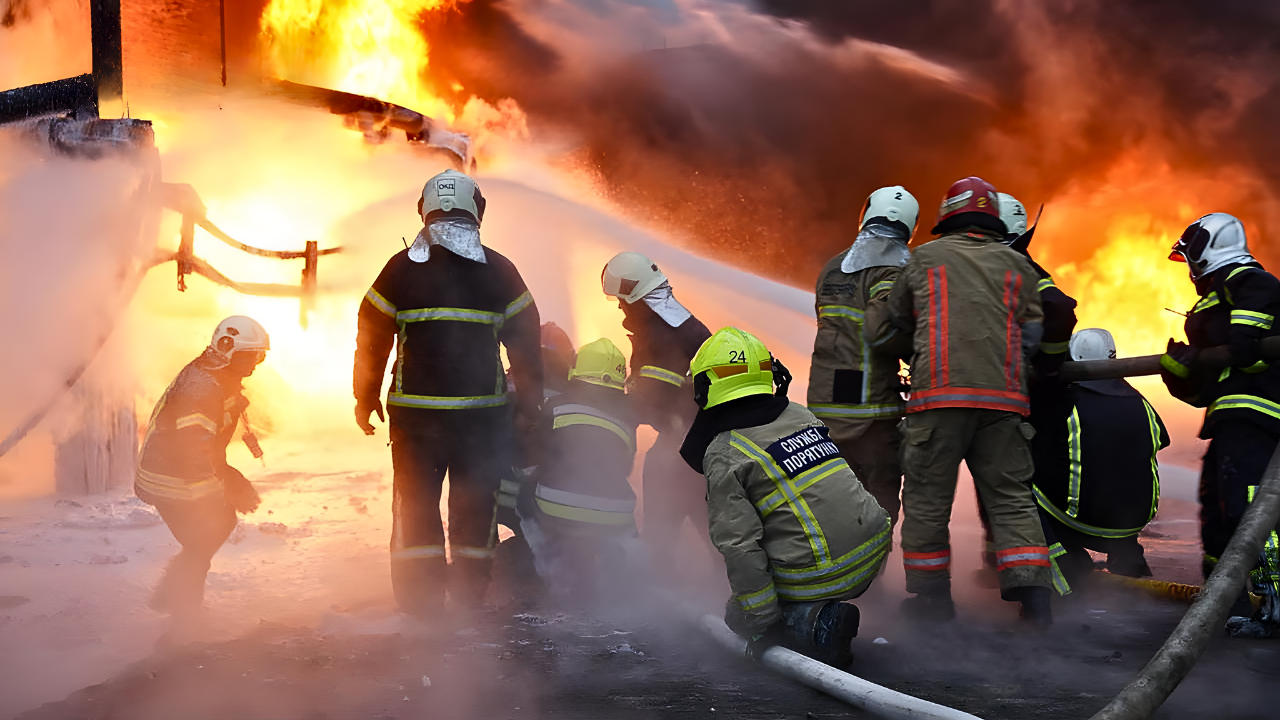
Explosions rippled through Moscow’s outskirts as air defenses scrambled to intercept what Russia’s Defense Ministry said were 56 drones in just four hours between 4:00 PM and 8:00 PM on December 14, including some over the Moscow region. The skies over the capital, once considered untouchable, were now in turmoil.
Drones, some of them reportedly reaching the wider Moscow area, cut through the evening air, their presence a stark reminder of the war’s escalating reach. Residents on edge listened as explosions echoed near the city. But how had the drones managed to breach Russia’s deep defenses, and who was behind this latest assault?
Capital Under Strain
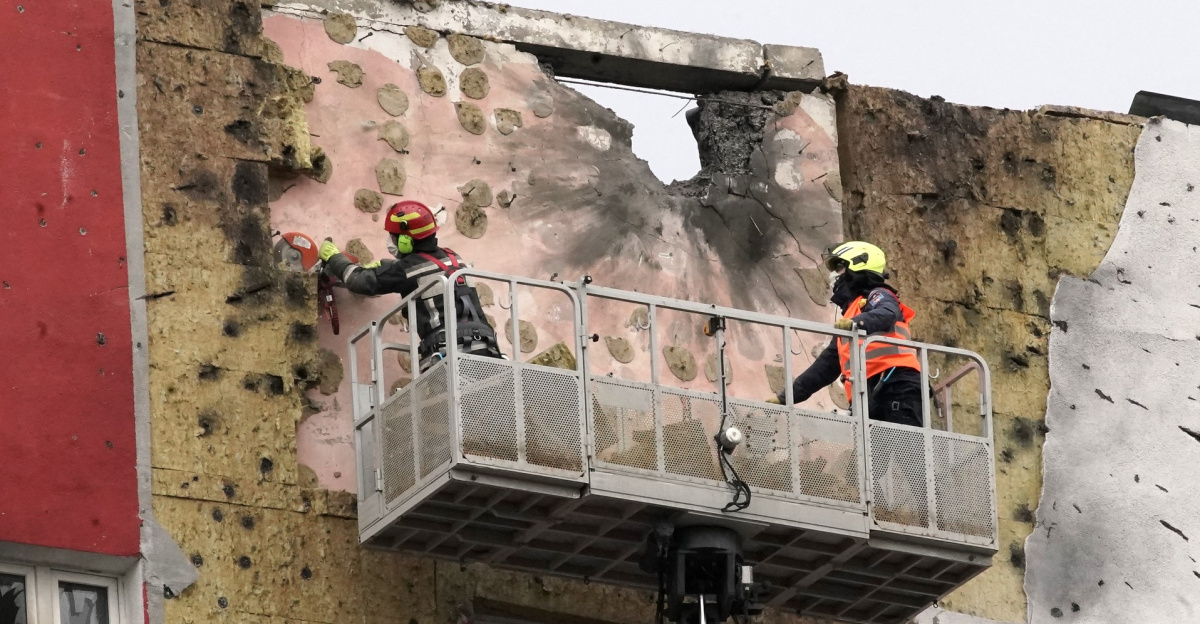
Moscow, at the center of a metropolitan area of around 21.5 million people, now faces recurring drone-related alerts and reported strikes. Drones have reached the capital region from hundreds of kilometers away, far beyond the frontlines.
Drone attacks on December 10-11 and December 14 led to temporary airport shutdowns, leaving the city on high alert. With no end in sight, the question remains: how long can Moscow’s citizens live under this constant threat?
War’s Deep Reach
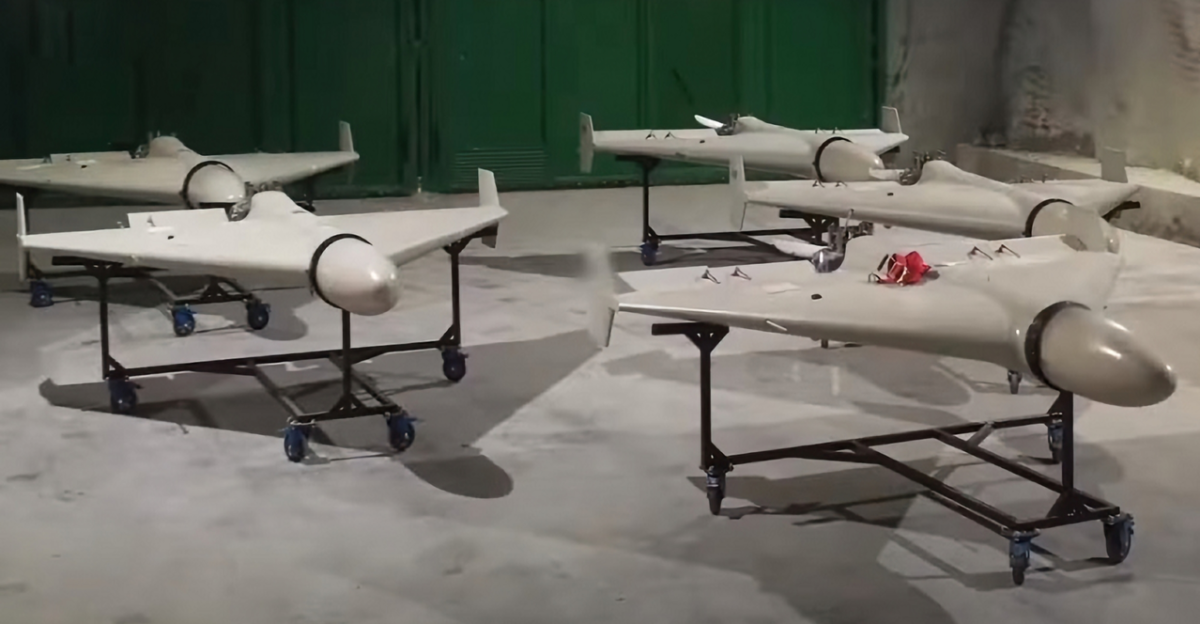
The Ukraine-Russia conflict, now nearing its third year, has brought the war much closer to Russia’s interior. Since 2022, Russia’s use of Iranian-designed Shahed drones has increased, with open sources documenting thousands of launches.
Ukraine counters with long-range strikes, reaching Russian territory hundreds of kilometers deep, including regions such as Moscow and Tatarstan. Moscow has bolstered defenses, but the attacks show the war is far from over.
Escalating Patterns
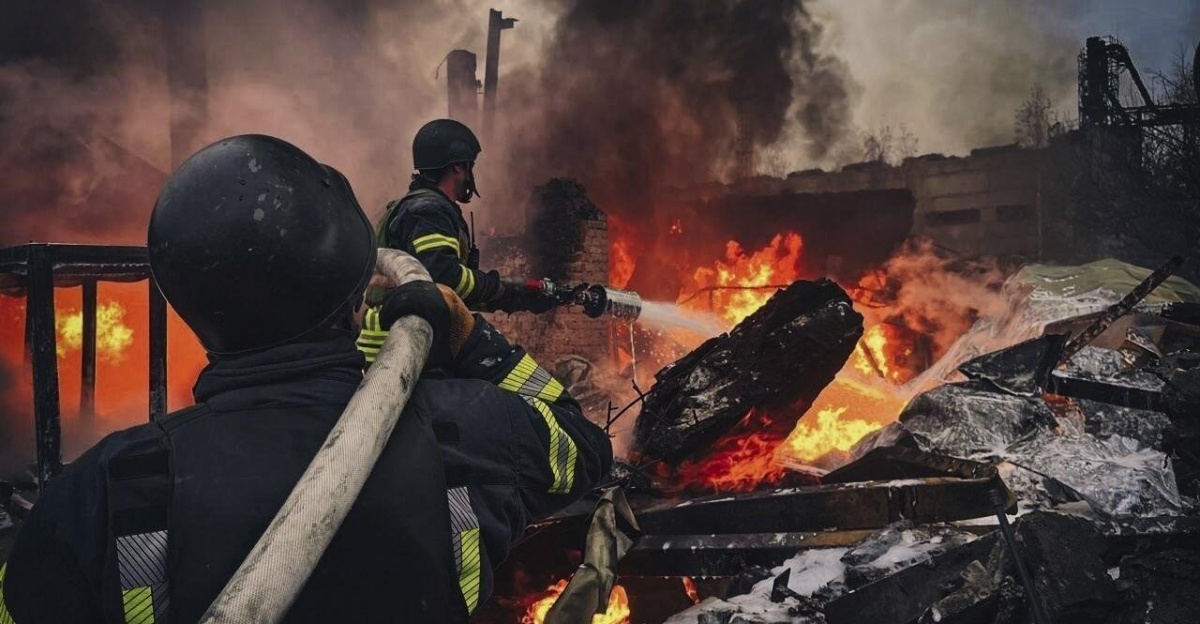
Late 2024 and 2025 have seen a dramatic rise in cross-border drone activity. Russia has retaliated with frequent barrages aimed at Ukrainian targets, while Ukraine ramps up drone production and long-range capability, sending large numbers of unmanned systems toward Russian territory.
The strikes have targeted Russian energy, military, and industrial infrastructure, with both sides exposed to vulnerabilities as winter sets in.
Mass interceptions
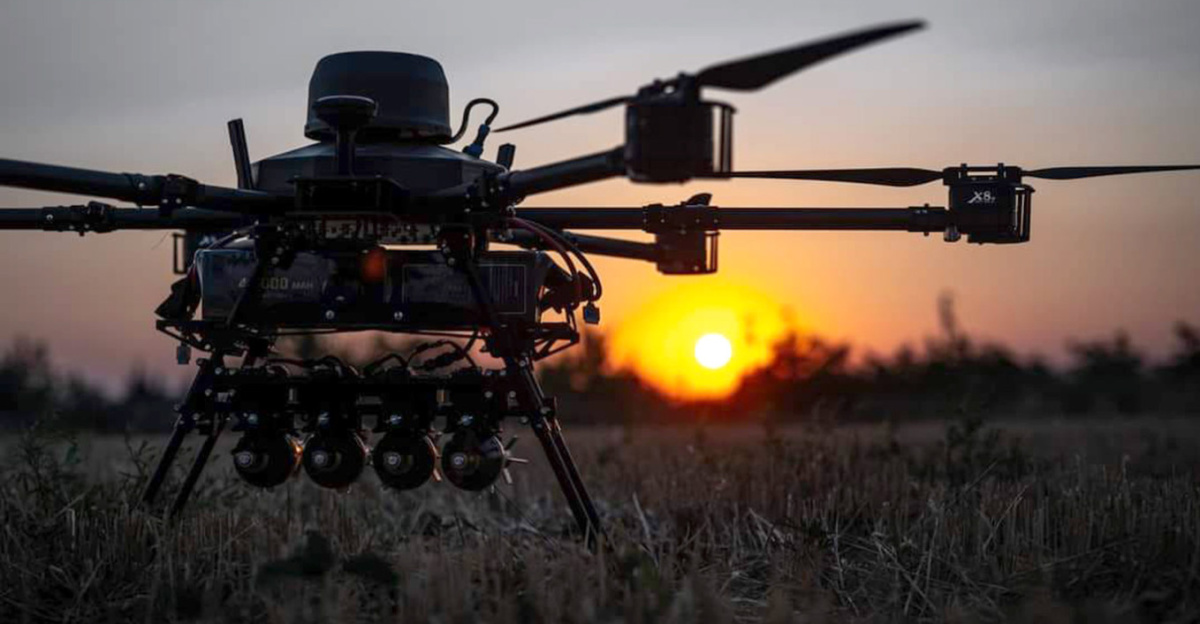
Between 4:00 PM and 8:00 PM on December 14, Russian air defenses claimed to have intercepted 56 drones over Russian regions, with Belgorod, Bryansk, and Moscow regions among those affected.
According to the Defense Ministry report, 24 drones were shot down over Belgorod region, 17 over Bryansk region, and 2 over the Moscow region. Despite these efforts, some drones were reported near Moscow’s outskirts, causing explosions and raising alarm among residents.
Moscow Region Fallout
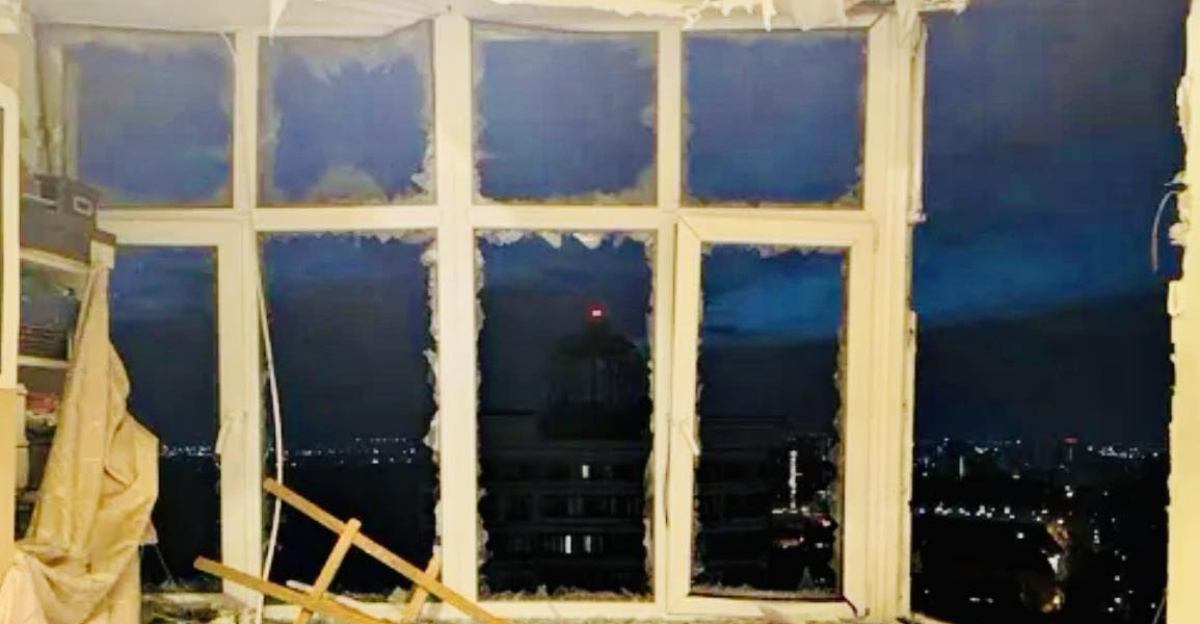
In Moscow’s southern vicinity, including areas such as Kashira in the wider region, explosions and attempted drone incursions have been reported in recent attacks, prompting heightened security and flight restrictions.
These incidents led to temporary airport closures, including at Moscow’s major airports. The metropolitan area’s 21.5 million residents, along with those in nearby regions, now live with the recurring possibility of air-raid alerts and disruptions.
Civilian Alarms
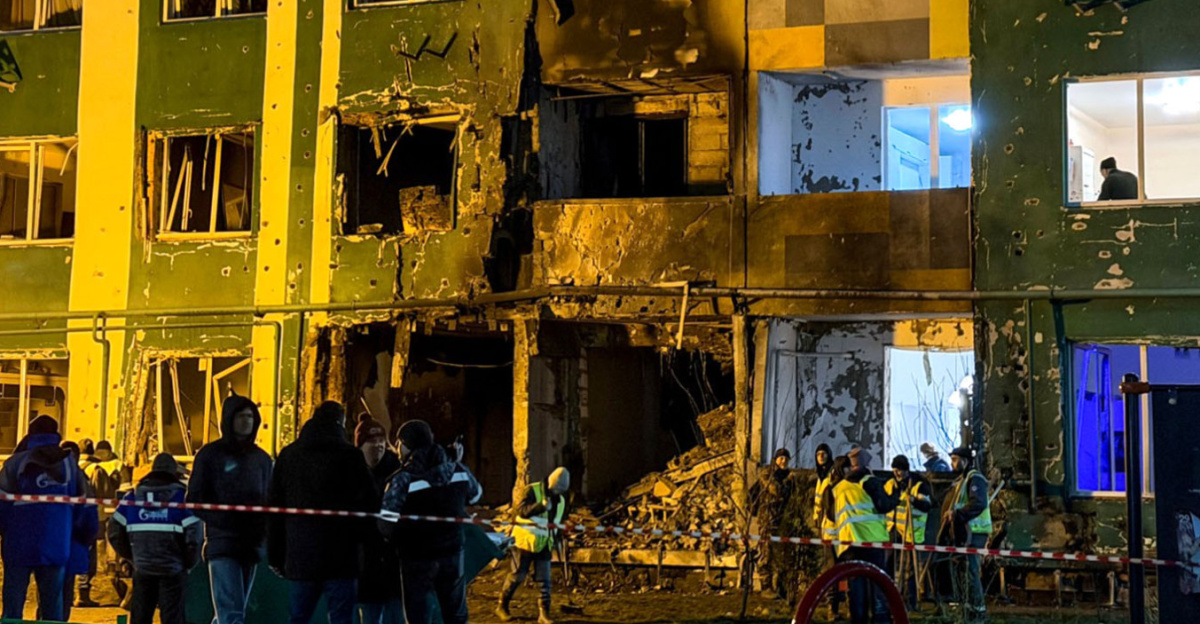
Moscow residents have faced air-raid warnings and the sound of explosions during recent drone episodes, including on December 14. During previous incidents, alert levels were raised and people were forced into shelters or advised to stay away from windows.
Suburban areas experienced direct overflights or debris falls, heightening fear among families as such disruptions edge closer to daily life.
Regional Defenses Tested
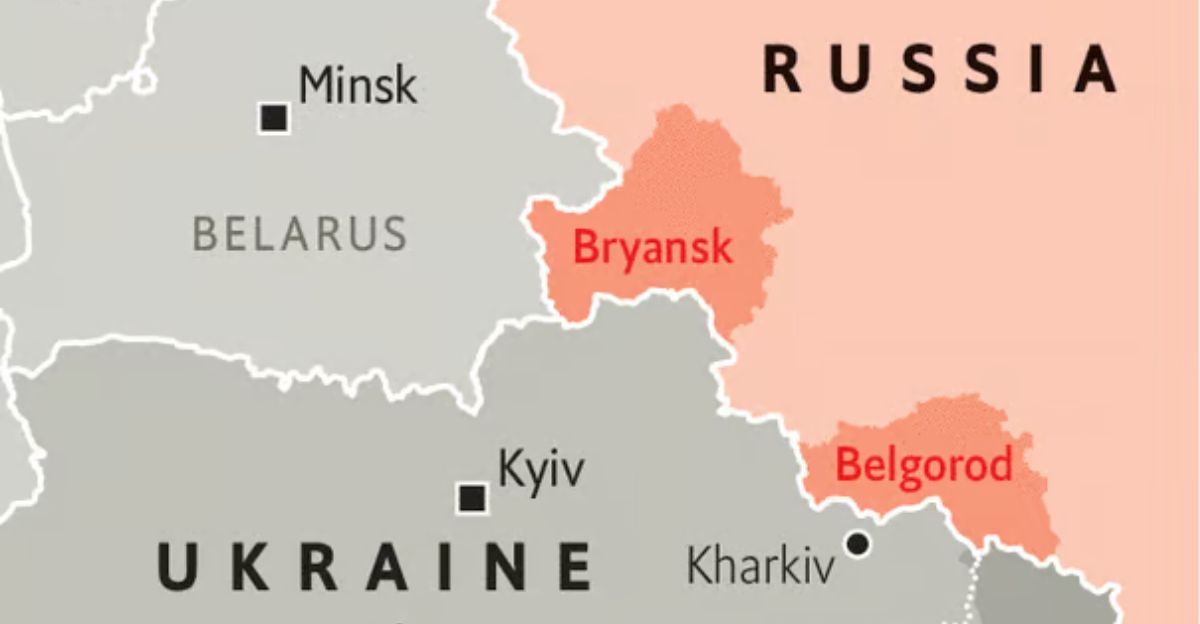
Border and interior regions such as Belgorod and Bryansk have repeatedly reported drone interceptions and damage near military or energy facilities.
Belgorod, close to the Ukrainian frontlines, has seen some of the highest reported numbers of drones shot down, while Bryansk, Tula, and other regions also report frequent attacks.
These incidents highlight a growing pattern of drones penetrating or testing Russian defenses, affecting everything from regional airports to local supply chains.
Drone Economics Shift
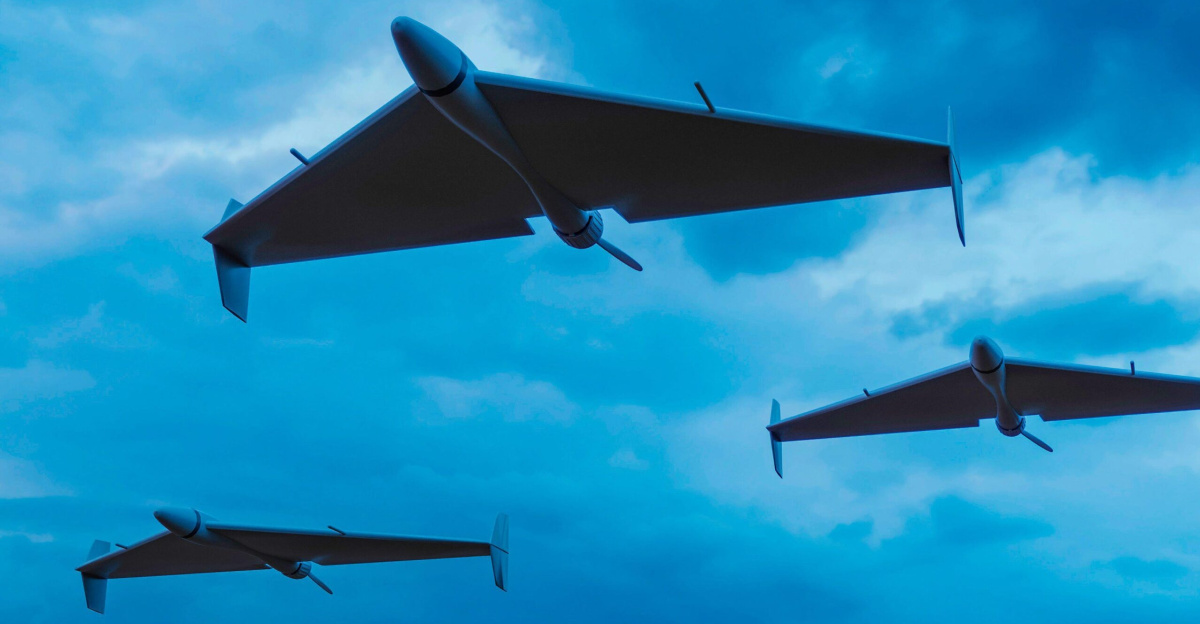
Shahed-type drones, often estimated at tens of thousands of dollars per unit, are inflicting damage at a lower cost than many missile strikes.
While Russia claims to intercept a large percentage of incoming drones, the relative cheapness and mass use of unmanned systems keeps pressure on its more expensive air-defense interceptors.
Ukraine’s deployment of deep-strike drones such as the Lyutiy model underscores a broader shift toward cheaper, attritional air warfare for both sides.
Tatarstan Breach
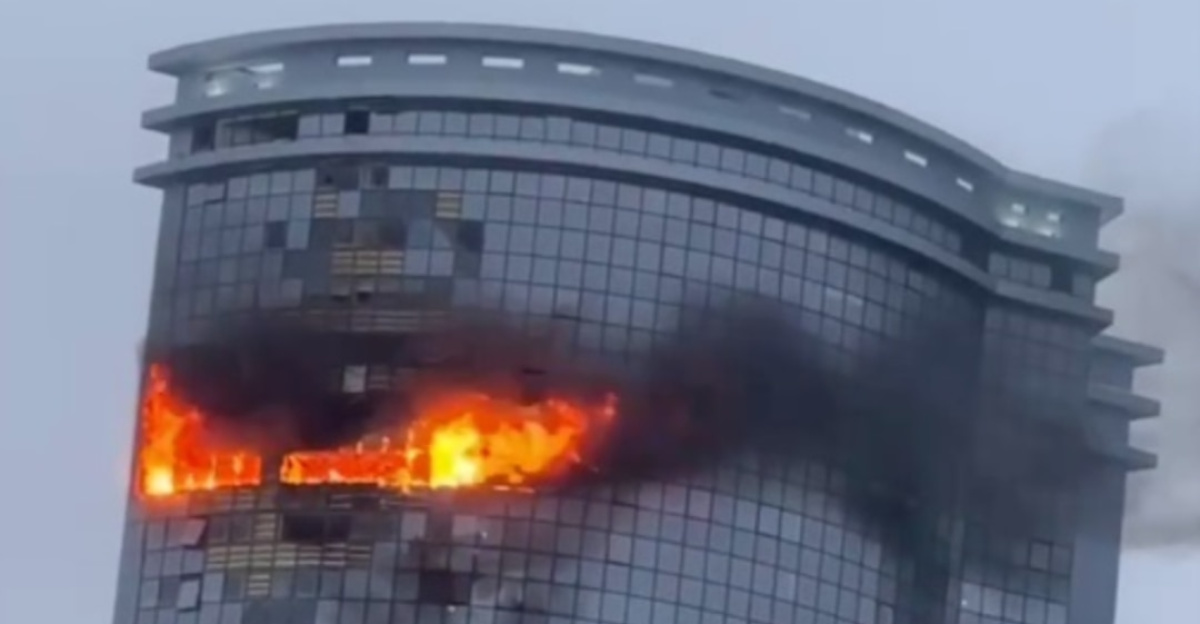
On December 21, Ukrainian drones struck Kazan, the capital of Russia’s Tatarstan region, in three waves between 7:40 AM and 9:20 AM, damaging residential buildings and at least one industrial facility hundreds of kilometers from the frontlines.
The attacks came in several waves and forced evacuations and temporary restrictions at Kazan Airport, with local authorities reporting no casualties. This breach highlights the vast reach of Ukraine’s drone strikes deep into Russian territory.
Official Frustrations Mount
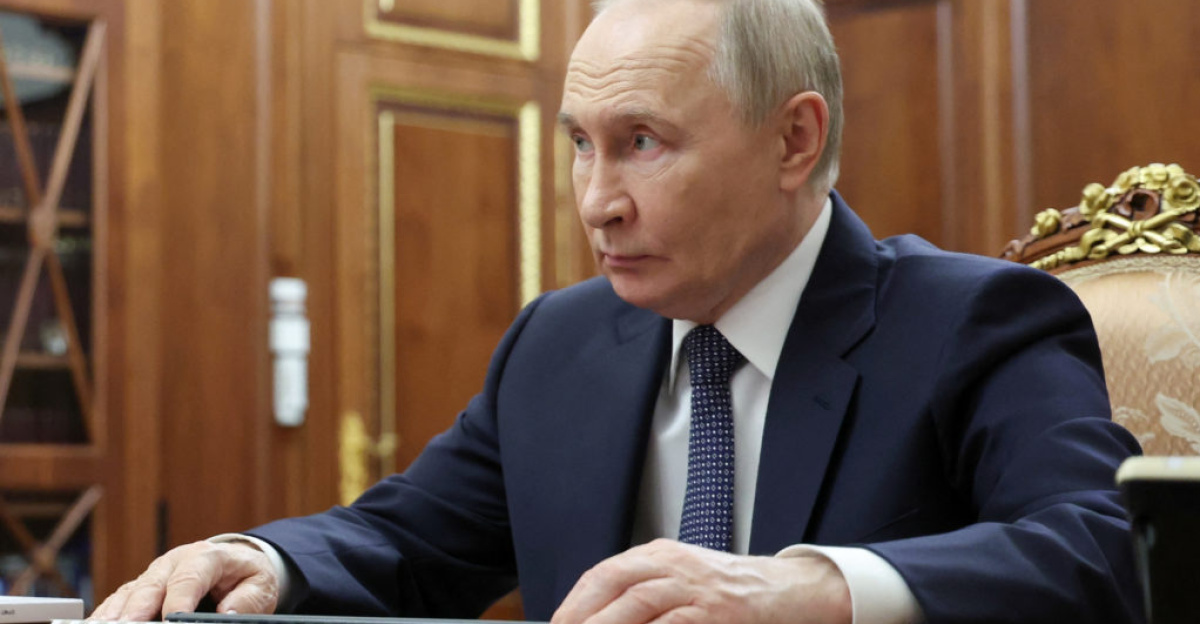
Russian officials are facing mounting criticism as drone incursions become more frequent and reach major cities like Kazan and regions near Moscow. Tatarstan’s governor, Rustam Minnikhanov, publicly coordinated the local response to the Kazan strikes, while national leaders vowed a firm reaction.
Tensions are rising internally over the protection of distant regions such as Tatarstan, which are home to valuable industrial and energy resources.
Leadership Vows Response
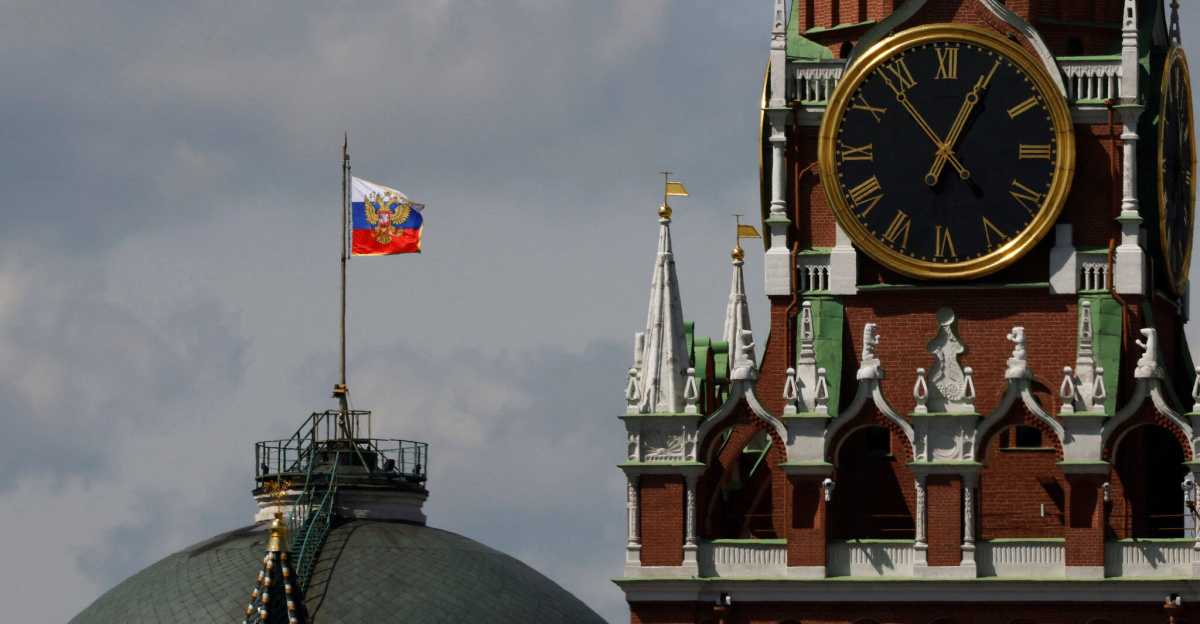
Kremlin statements and state media have highlighted pledges by Russia’s leadership to strengthen retaliatory measures and reinforce air defenses after high-profile strikes in Kazan and near Moscow.
Air defense upgrades and continued airport restrictions around sensitive sites remain a priority as authorities seek to reassure the public and deter further attacks.
Defensive Strategies Evolve
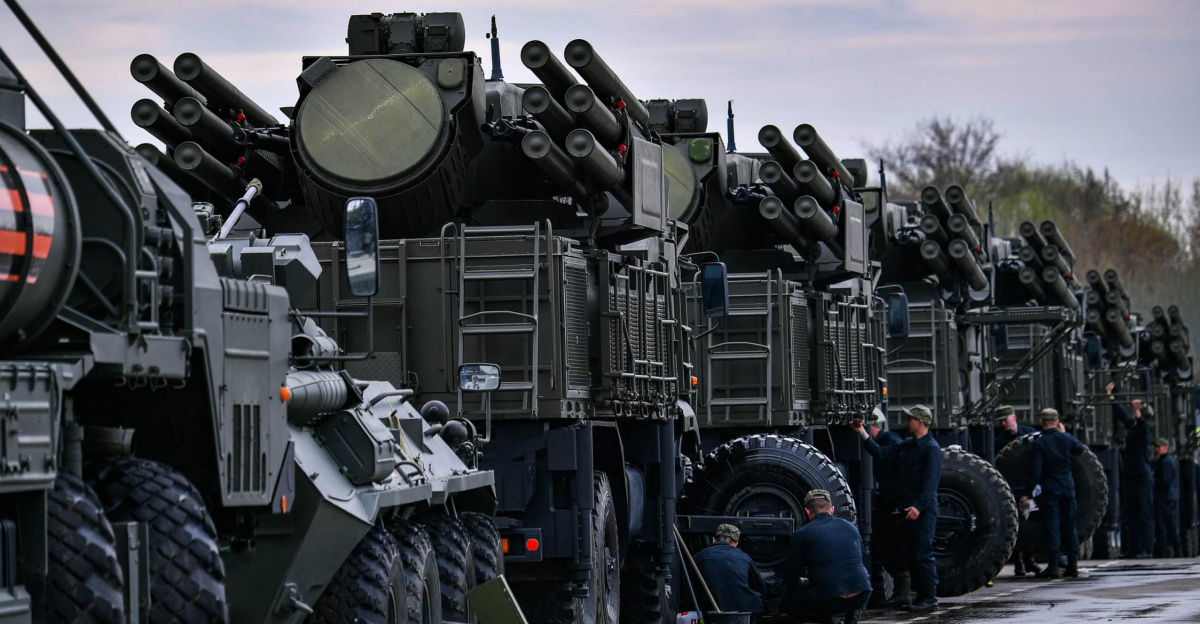
Russia has deployed additional systems such as Pantsir-S1 and other air-defense assets around Moscow and strategic locations, according to open-source imagery and official statements.
As Ukraine continues to target fuel depots, industrial facilities, and logistics hubs, both sides are increasingly turning to electronic warfare and camouflage to counter the growing drone threat. Adaptation on both offense and defense is becoming a central feature of the conflict.
Expert Doubts Persist
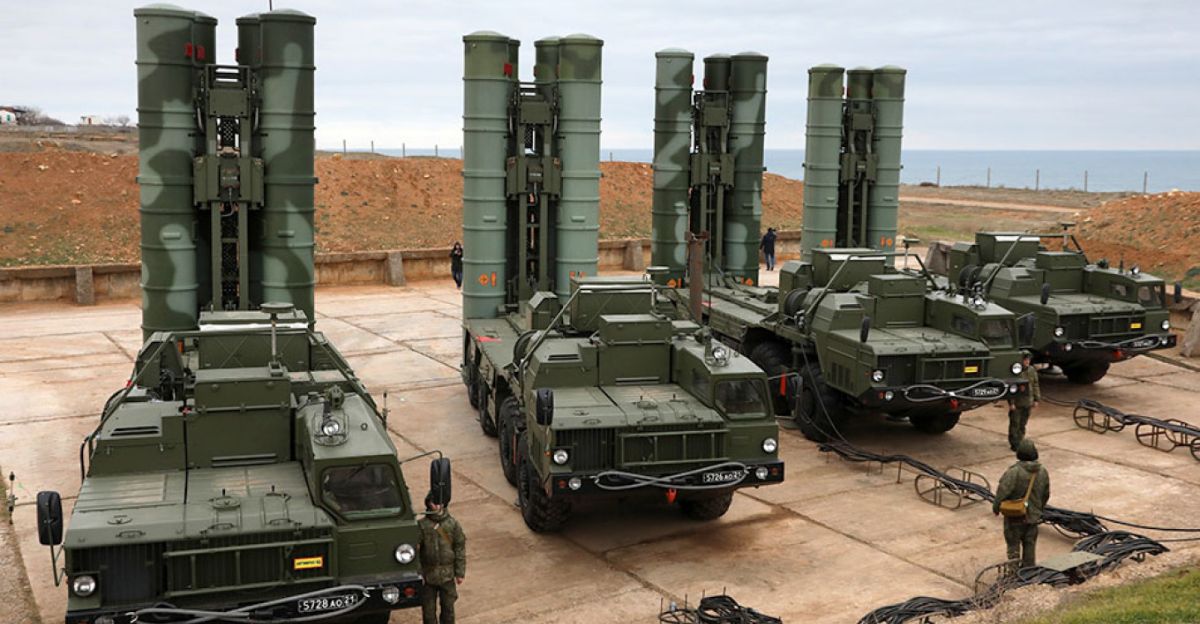
Despite Russia’s reported intercept numbers, military analysts question the long-term sustainability and cost-effectiveness of current air-defense tactics against mass, low-cost drones.
Observers note that while Shahed-type systems remain relatively cheap, the interceptors and radar networks used against them are expensive and finite. Ukraine’s strikes on military supply lines and fuel infrastructure further complicate Russia’s defensive posture.
Future Skies Contested
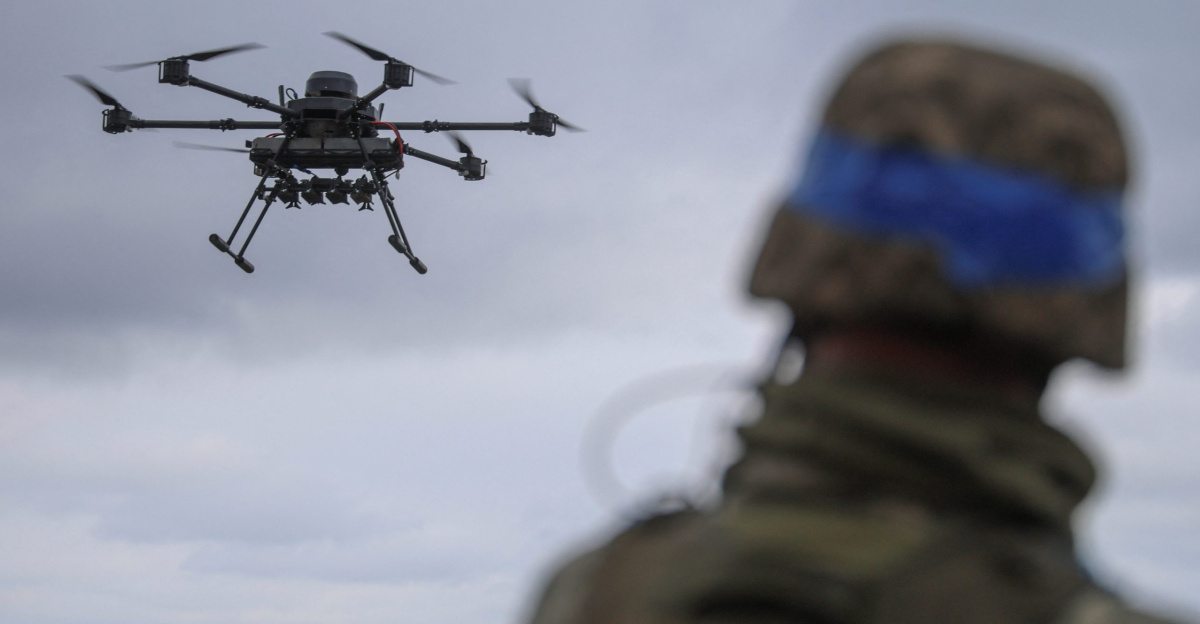
As the conflict continues, Moscow’s airspace and other major Russian cities remain vulnerable to drone incursions and alerts. Officials and analysts predict that the drone threat will persist, forcing millions of residents in the wider Moscow metropolitan area to adjust to an ongoing cycle of warnings and disruptions.
Future escalations could involve more systematic attacks on infrastructure or efforts to trigger widespread blackouts.
Policy Pressures Build

Russia has periodically raised threat levels and tightened air-space controls, putting pressure on civil aviation and regional authorities. New measures and sanctions are being discussed or implemented to restrict access to foreign components used in drones, including electronics sourced from abroad.
As the war economy strains, debates over defense spending and internal security priorities are becoming more pressing.
Global Ripples Spread
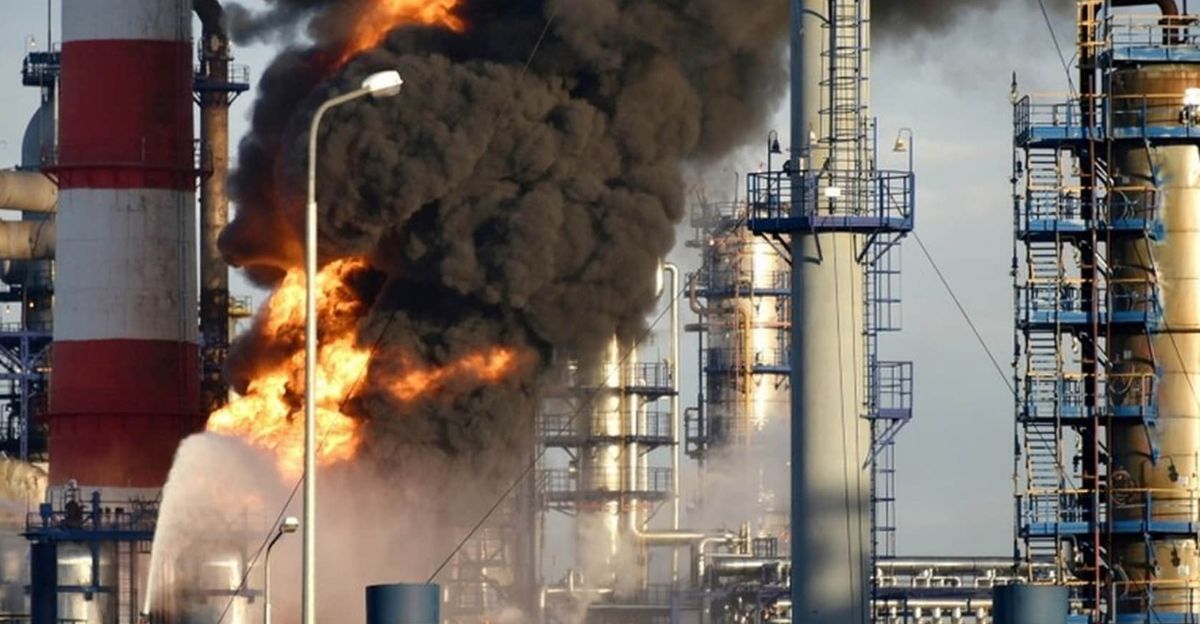
The drone strikes have international implications, complicating energy markets and regional security calculations. Western allies closely monitor Ukraine’s expanding drone capabilities, while Russia’s responses influence NATO posture along the alliance’s eastern flank.
International aid to Kyiv increasingly emphasizes air-defense technologies and counter-drone systems to blunt Russia’s own aerial attacks.
Legal Shadows Emerge

As drone attacks escalate, concerns about civilian risk and adherence to international humanitarian law are growing on all sides. Russian authorities have tightened controls on media outlets and information flows concerning strikes within the country, raising additional questions about transparency.
Meanwhile, repeated hits on fuel and industrial facilities carry environmental dangers, including fires and pollution near populated areas.
Shifting Perceptions
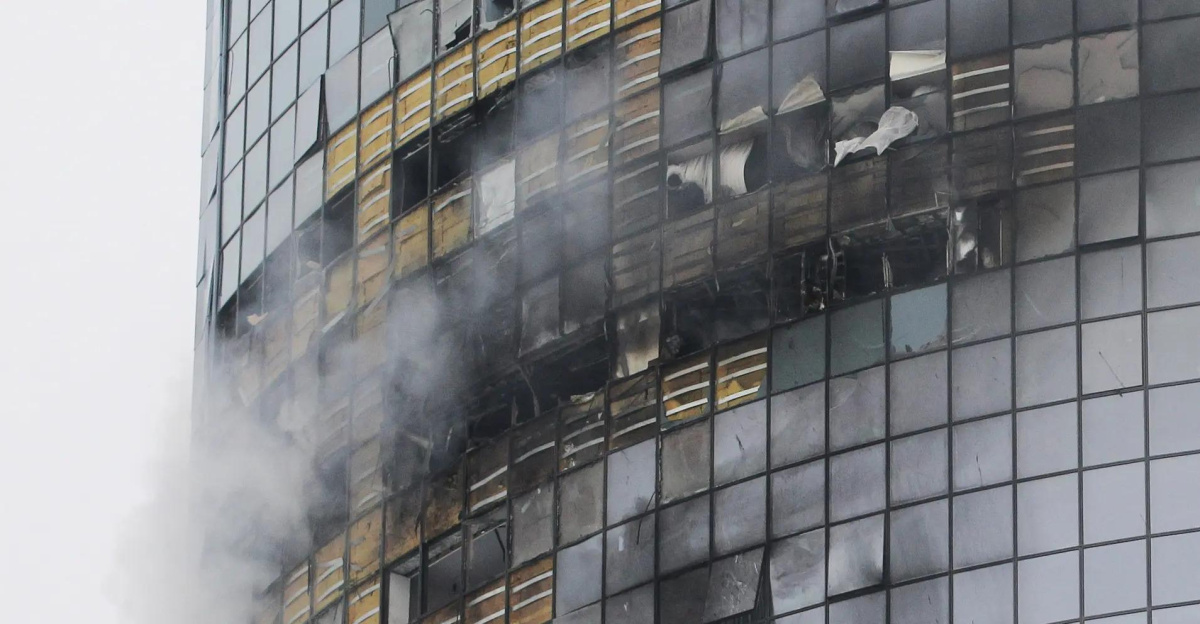
High-profile attacks such as those in Kazan have forced a shift in how many Russians perceive safety inside the country’s interior. Evacuations in Kazan and visible damage to residential towers have undermined confidence in the state’s ability to keep distant regions fully insulated from the war.
Younger residents in major cities, particularly in and around Moscow, are encountering the war’s effects more directly than at any earlier point in the conflict.
War’s New Normal
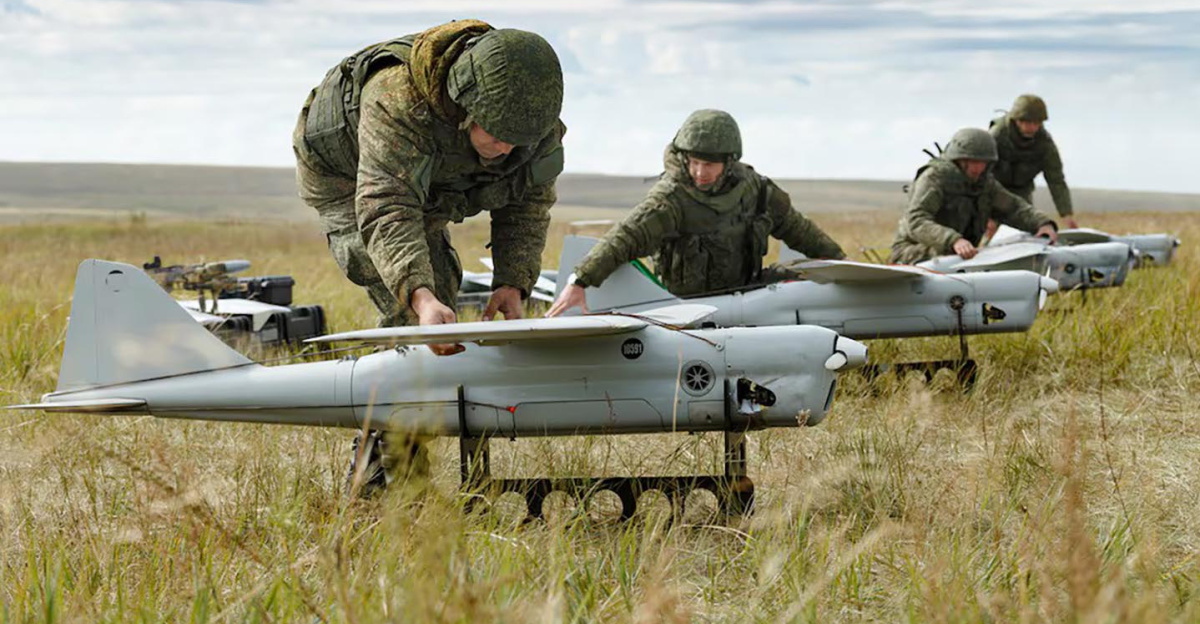
Drone warfare is reshaping the conflict, bringing a sense of vulnerability to the Moscow metropolitan area’s roughly 21.5 million residents. From concentrated interception windows to deep strikes in Tatarstan, Russia’s vulnerabilities are increasingly visible.
As both sides ramp up production and refine tactics, the central question is how the Russian heartland will adapt to a long, contested war in the skies.
Source:
“Ukraine Hits Kazan Buildings In Latest Display Of Drone Capabilities.” Radio Free Europe/Radio Liberty (RFE/RL), 20 Dec 2024.
“Russia says it destroyed 130 Ukrainian drones overnight.” Reuters, 15 Dec 2024.
“Ukrainian drones strike deep into Russia, Russia takes village near Donetsk.” Al Jazeera, 21 Dec 2024.
“Attacks in Russia during the Russo-Ukrainian war (2022–present).” Wikipedia, accessed 2025.