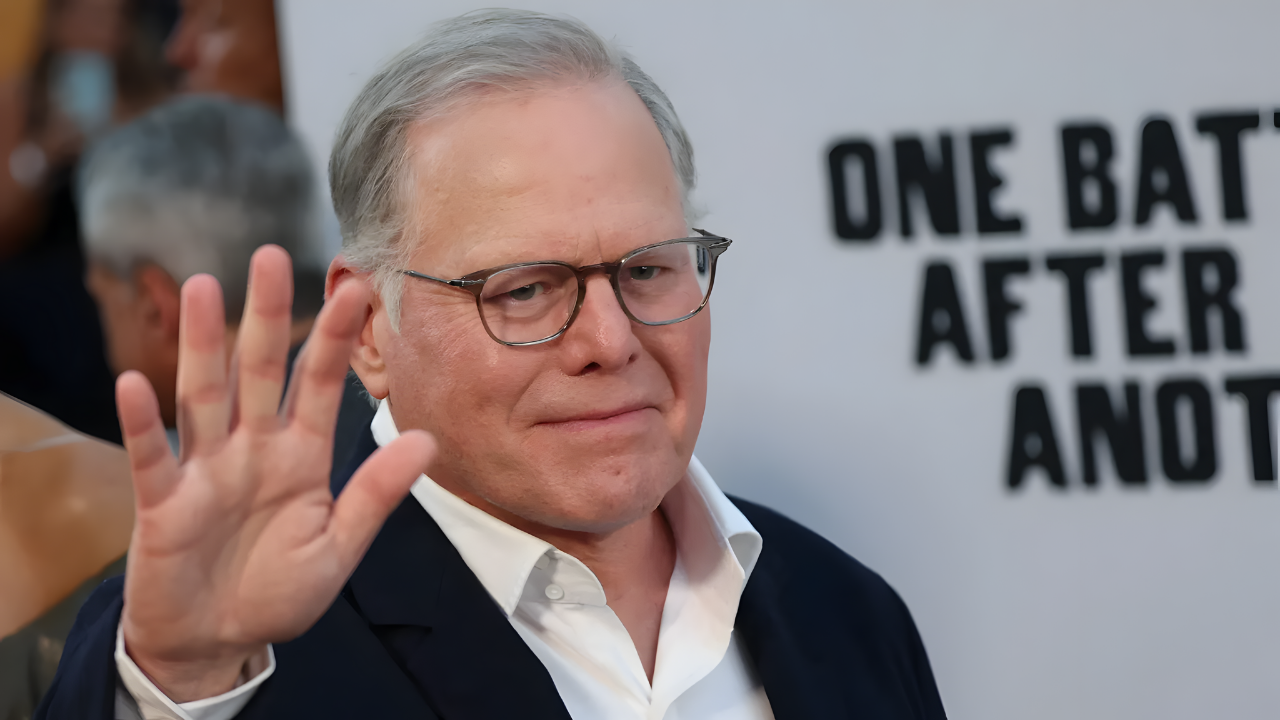
In a dramatic turn of events, Warner Bros. Discovery faces a seismic all-cash takeover bid from Paramount Skydance. Launched in early December 2025, this unsolicited offer values Warner at about 77.9 billion dollars in equity, coming in higher than Warner’s pending 72 billion dollar equity deal with Netflix. With Warner’s HBO Max, whose streaming business has surpassed 128 million subscribers across its services, at stake, the battle over one of Hollywood’s crown jewels is on.
The outcome of this clash between Netflix and Paramount Skydance could significantly shape the future of entertainment and studio ownership in Hollywood.
A Scathing Rejection
On December 17, 2025, Warner’s board formally rejected Paramount Skydance’s aggressive offer, describing it as “illusory” and highlighting that it carries substantial execution and regulatory risks. The rejection letter points out gaps in financing assurances, potential regulatory hurdles, and other structural issues that the board believes could harm Warner’s future. Despite the higher headline cash bid, the board remains firm in supporting its existing Netflix deal, which it says offers greater certainty and more predictable value for shareholders.
This dramatic move underscores growing fault lines within the media industry and sets the stage for a showdown with investors who may see more appeal in the richer cash proposal.
The Financial Strain on Warner Bros.
Warner Bros. Discovery is burdened with around 40 billion dollars of debt, even as growth in streaming slows and competition intensifies. While Warner’s streaming platforms collectively count more than 128 million subscribers, the company remains under pressure to improve profitability and manage its leverage.
Paramount Skydance’s roughly 77.9 billion dollar offer could, in theory, provide a significant re-rating of Warner’s equity value, but questions loom over long‑term stability, the complexity of integrating businesses, and the risks highlighted by the board. The apparent allure of immediate cash is weighed against concerns that the proposal could leave Warner’s future more uncertain.
The Board’s Decision
Despite Paramount Skydance’s aggressive bid, Warner’s board has so far stuck to its guns. On December 17, 2025, it officially recommended that shareholders reject the offer. The board insists Netflix’s approximately 72 billion dollar equity deal provides more favorable and reliable terms, citing greater deal certainty, clearer financing, and fewer regulatory and execution risks.
Their decision underscores a broader divide in the entertainment world—between those who prioritize near‑term cash and those who prefer a deal perceived as more stable, even at a lower price.
David Ellison’s Power Play

The offer is spearheaded by Paramount Skydance CEO David Ellison—who President Trump has previously praised as “great” and said “he’ll do a great job”—with significant financial backing from his father, major Trump donor Larry Ellison, and investment partners that reportedly include Middle Eastern sovereign wealth funds. Jared Kushner’s investment firm initially participated in the financing consortium but withdrew from the deal in mid-December, before the board’s formal rejection.
However, Trump stated that neither bidder were “friends of mine” and expressed concerns that the Netflix deal could face regulatory scrutiny. Trump’s involvement centered primarily on his assertion that CNN should be divested as part of any deal, rather than explicit endorsement of either transaction.
This family‑backed, investor‑supported proposal is more than just a balance‑sheet exercise—it is a high‑stakes power play that could alter Hollywood’s hierarchy for years to come.
Netflix’s Strategic Advantage
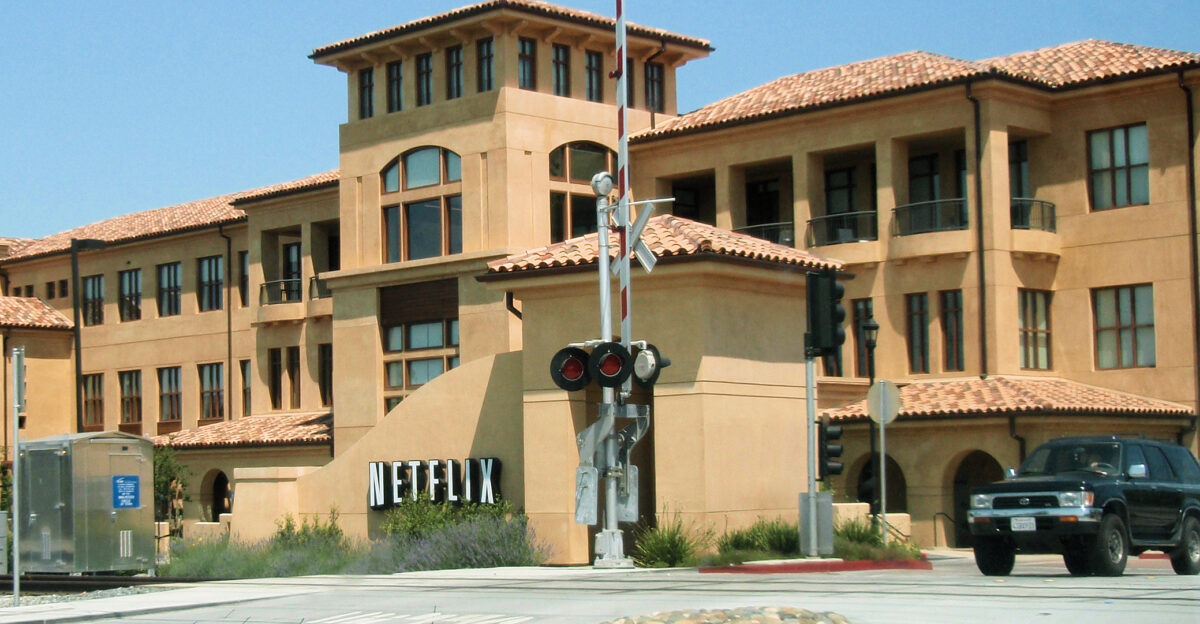
Netflix, the streaming behemoth, is seeking to capitalize on Warner’s willingness to move forward with its transaction. Under the proposed deal, Netflix would acquire Warner Bros. film and TV studios as well as its streaming assets, adding Warner’s substantial content library and subscriber base to its own massive footprint.
Rivals like Disney and other media conglomerates are watching closely as the potential Netflix–Warner combination could significantly reshape the content and distribution landscape, further consolidating power in the hands of a few global streaming giants.
The Rise of Streaming Giants
Streaming competition has escalated to the point where total streaming revenues worldwide are projected to surpass 100 billion dollars around 2025, underscoring how central online video has become to the media business. Paramount Skydance’s bid for Warner fits into a wider trend of consolidation, where only the largest, best‑capitalized players appear positioned to thrive.
With Warner’s assets in play, the question is whether a comparatively smaller entity like Paramount Skydance can successfully scale up fast enough—or whether combinations involving Netflix and other global platforms will continue to dominate.
HBO Max and Subscribers at Stake
Warner’s large streaming subscriber base is a central consideration in both deals. Integrating Warner’s streaming operations—whether into Paramount Skydance’s ecosystem or into Netflix—would be a complex technical and branding challenge. The board has emphasized the risk that a more complicated, heavily leveraged transaction could jeopardize the value of this subscriber base if not executed carefully.
Concerns about execution risk and potential subscriber churn are key reasons the board cites for preferring Netflix’s more straightforward structure.
Shareholder Tensions and Activist Pressure
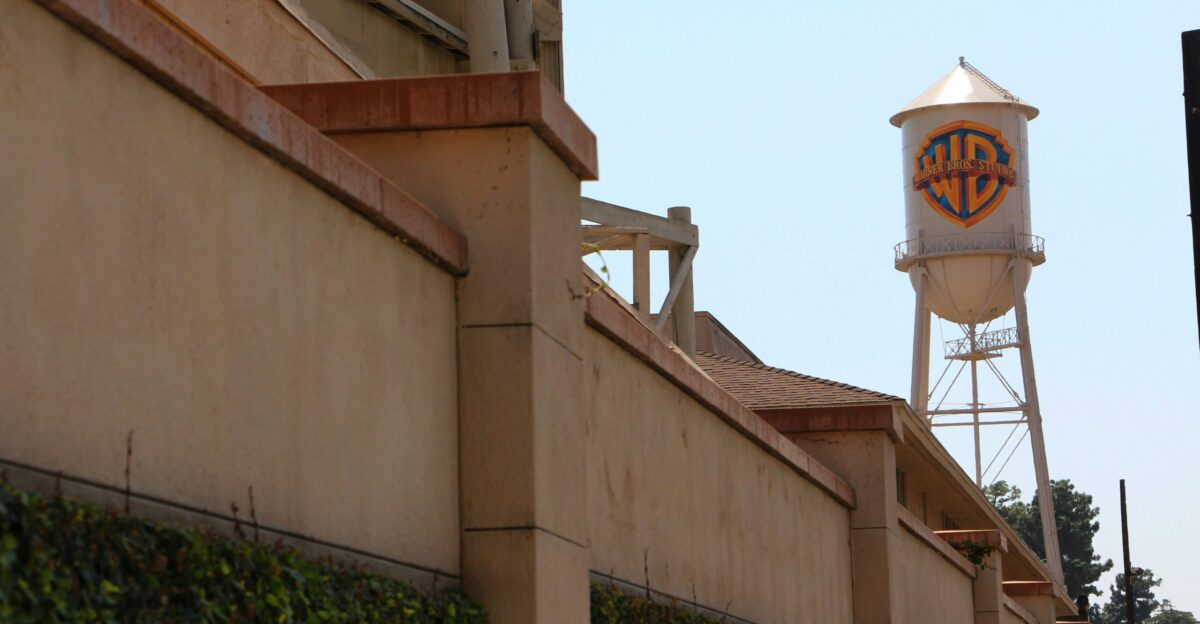
As the deadline associated with Paramount Skydance’s proposal approaches, tensions within Warner’s shareholder base are rising. Some investors and analysts have argued that the higher cash offer deserves more serious engagement, particularly given the premium it represents over Netflix’s equity valuation.
Reports of activist investors pressing for negotiations with Paramount Skydance highlight a growing rift over strategy and fiduciary priorities—whether to maximize immediate price or emphasize deal certainty and long‑term positioning.
Leadership Under the Microscope

Warner Bros. Discovery’s leadership team, including CEO David Zaslav, is under intense scrutiny as the company’s future hangs in the balance. A successful Paramount Skydance bid could bring leadership changes at the top of the combined company, while a Netflix transaction would also likely reshape senior roles and reporting lines.
This leadership question adds another layer of uncertainty to the takeover battle, as executives, creative talent, and partners weigh how each potential owner might steer Warner’s brands.
Netflix’s Long-Term Vision
Netflix is positioning its proposed acquisition as a long‑term strategic move. By bringing Warner’s studios, franchises, and streaming operations under its umbrella, Netflix aims to strengthen both its content pipeline and bargaining power with talent and distributors.
The company’s pitch is that a combined Netflix–Warner entity would be better equipped to compete globally, leveraging scale and technology to deliver a broader range of content across markets.
Who Will Blink First?
As the takeover drama unfolds, it has become a race against time. Shareholders must decide whether to side with the board’s preferred Netflix transaction or push for engagement with Paramount Skydance’s higher cash bid. Regulators, lenders, and partners will also have a say in how any deal is structured.
Each passing day adds pressure on all parties involved—and increases the stakes of every public statement and boardroom decision.
A Turning Point for Hollywood
The battle for Warner Bros. Discovery is more than just a corporate deal—it marks a potential turning point for Hollywood’s industrial structure. With massive consolidation on the horizon, the future of mid‑sized and independent studios is increasingly uncertain.
Whether Netflix consolidates its power or Paramount Skydance manages to scale up through this acquisition, the outcome will help define what the next era of global entertainment looks like.
The Final Verdict
The final verdict on Warner Bros. Discovery’s future has yet to be written. With both Netflix and Paramount Skydance eager to take control—and with regulators and shareholders carefully weighing the trade‑offs—only time will tell which path Warner ultimately takes.
What is clear is that the decision will reverberate across Hollywood, reshaping businesses, careers, and the viewing options available to audiences around the world.
Sources:
Fortune – “Warner Bros. shareholders were ‘consistently misled’ by Paramount” (December 17, 2025)
Fortune – “Netflix to buy Warner Bros. in $72 billion cash, stock deal” (December 5, 2025)
Bloomberg/Yahoo Finance – “Paramount’s $54 Billion Debt Plays a Starring Role” (December 12, 2025)
Fortune – “Paramount’s Mideast backing likely runs deeper than $24 billion” (December 10, 2025)