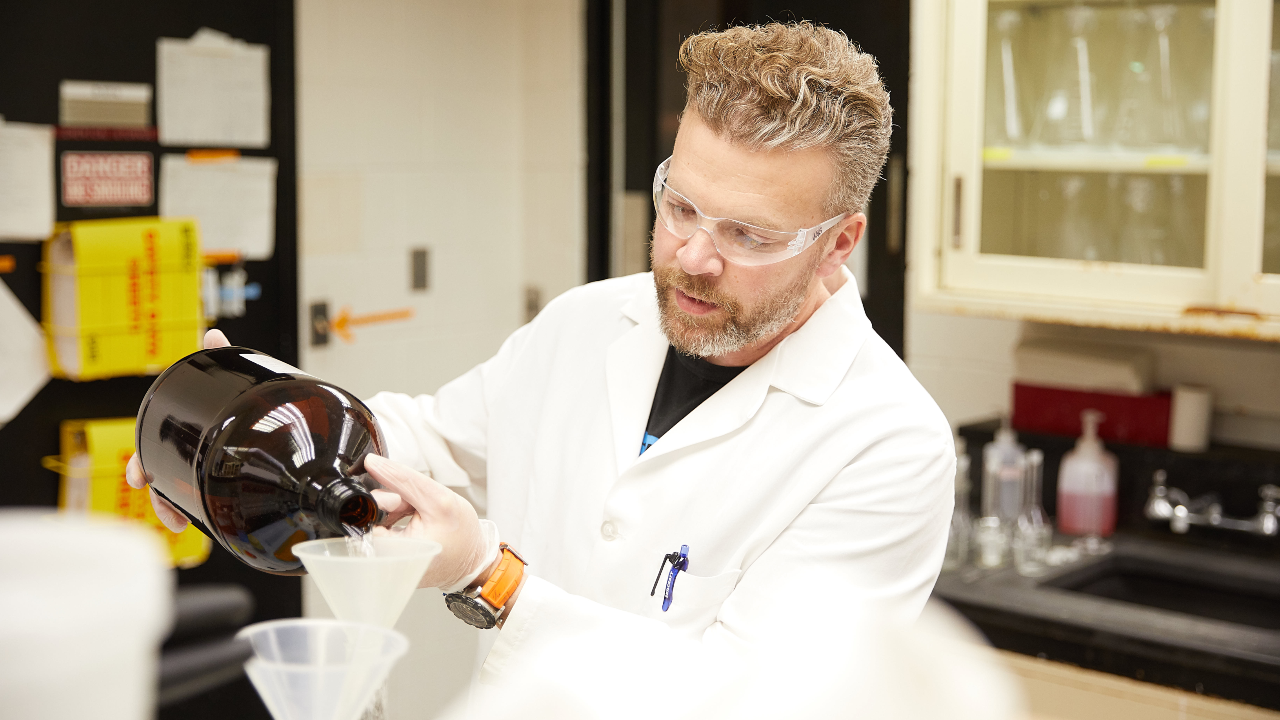
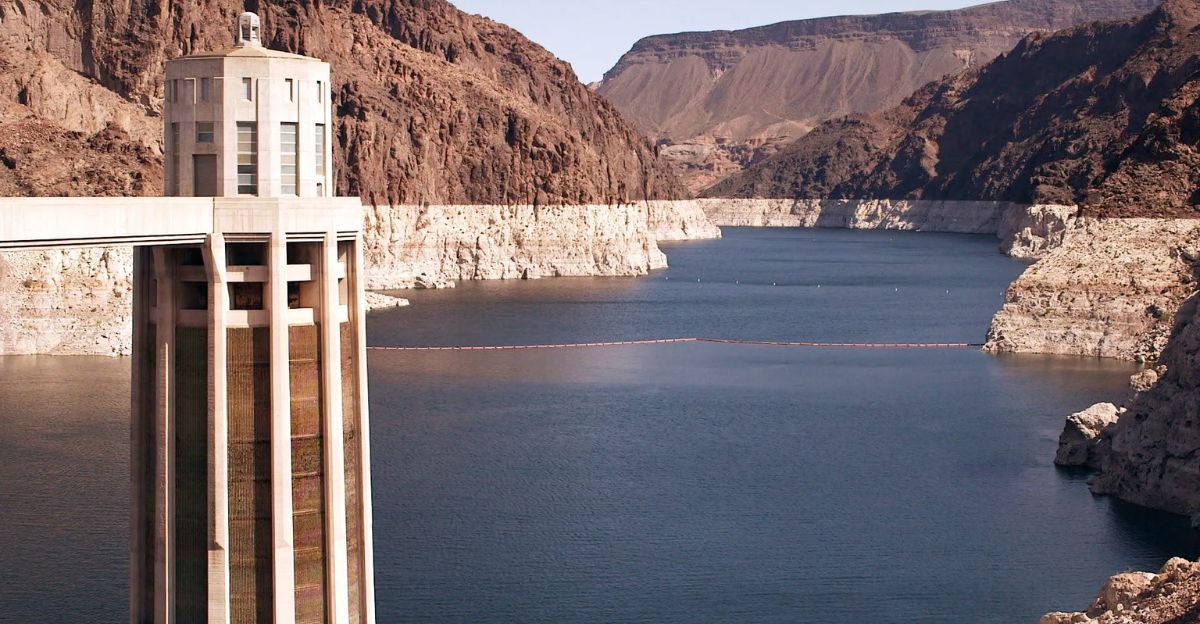
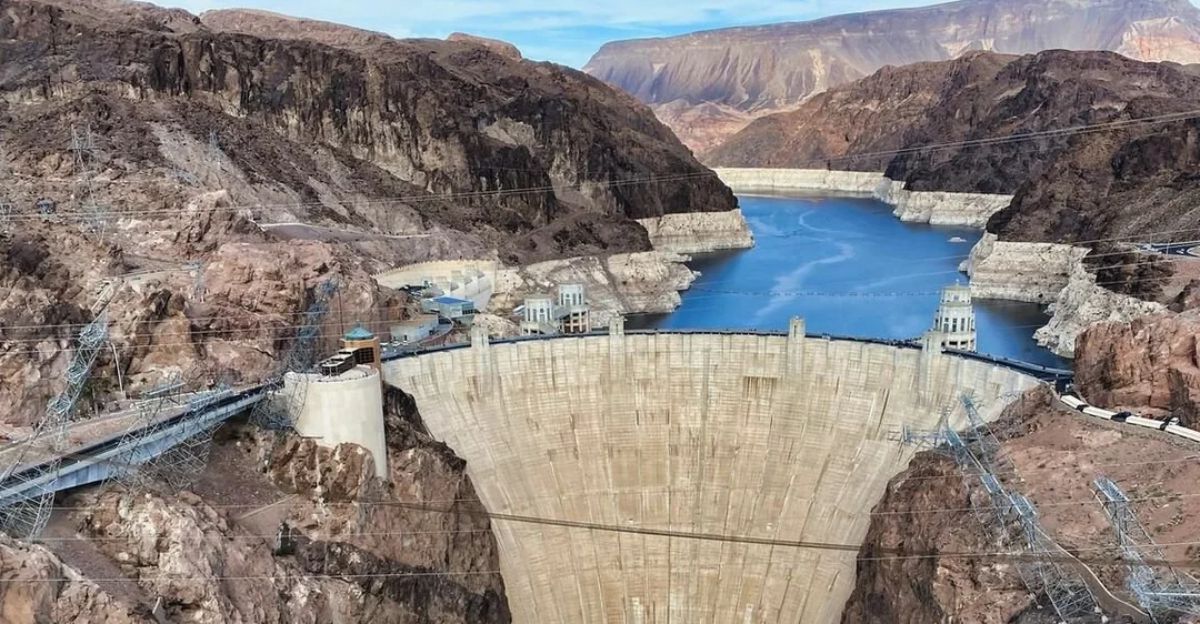
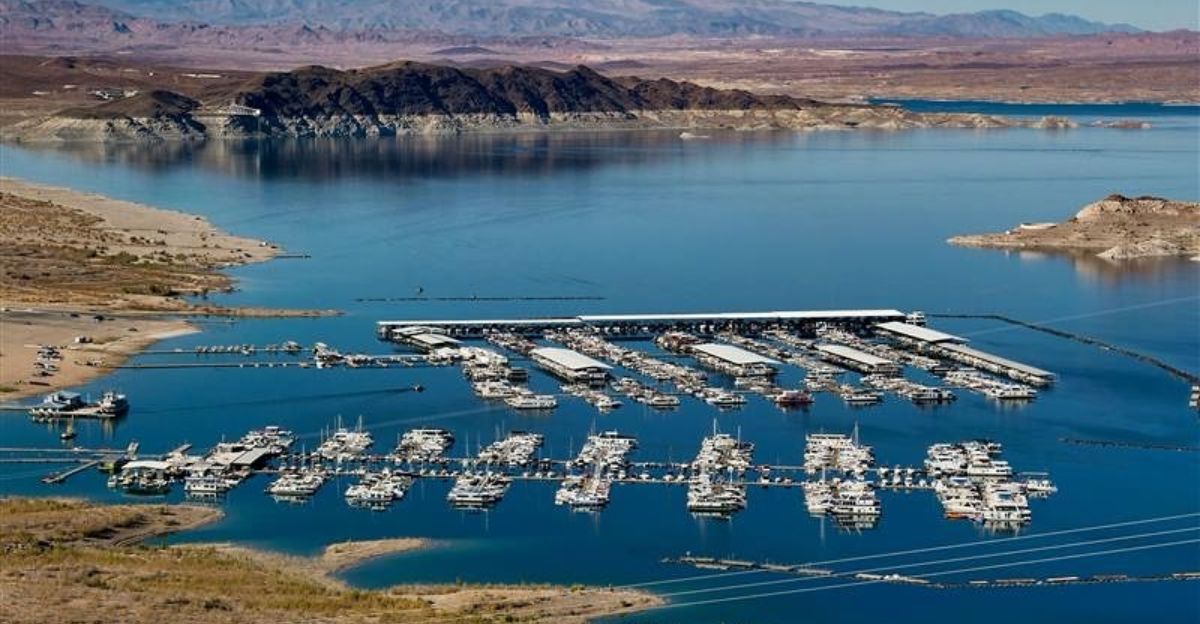
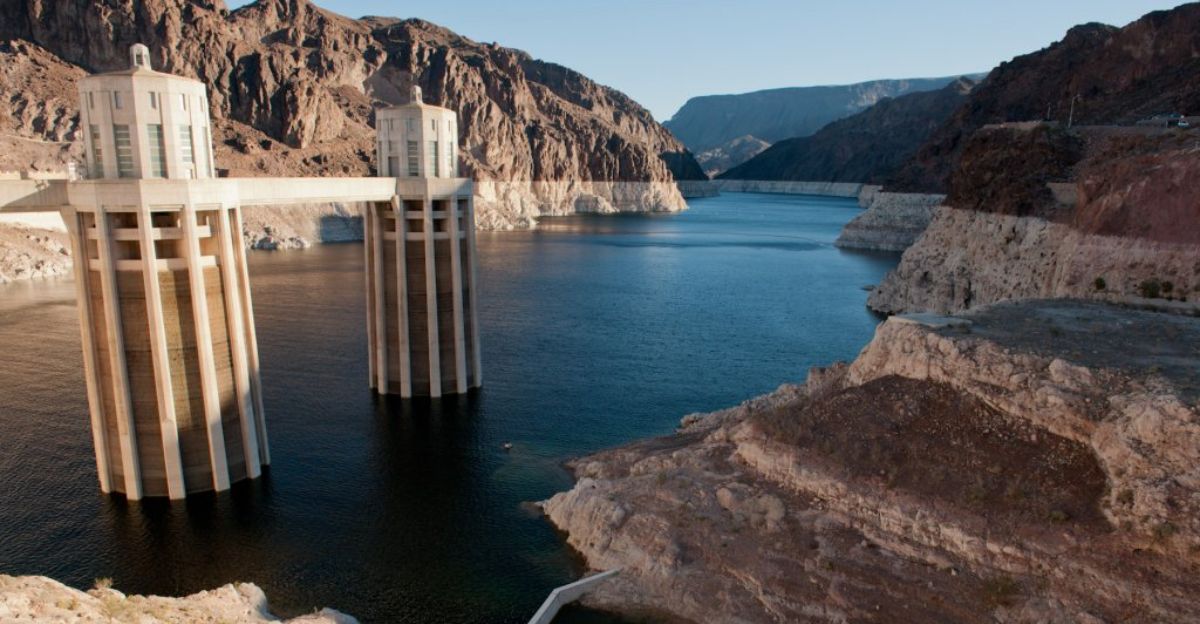
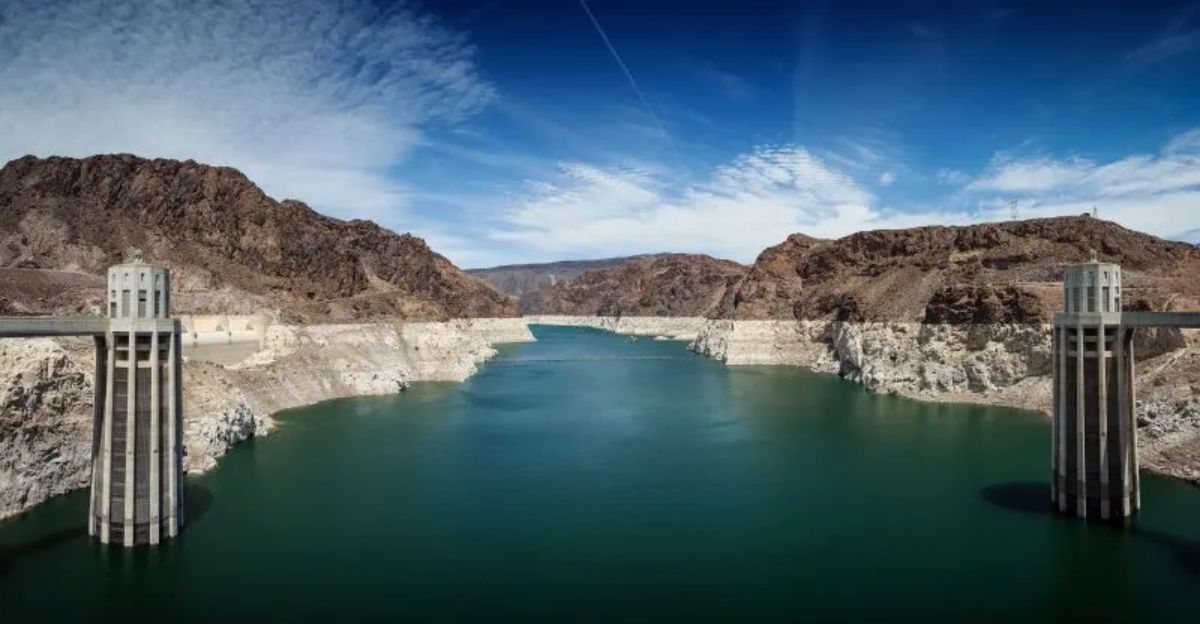
Lake Mead is running out of time and water. America’s largest reservoir, which quenches the thirst of 25 million people across the Southwest, is headed toward its lowest level in recorded history by 2027, according to the U.S. Bureau of Reclamation.
Rising temperatures, relentless drought, and surging demand have drained the Colorado River system to a breaking point. For families in Las Vegas, Phoenix, Los Angeles, and beyond, the crisis is no longer distant or theoretical. It’s happening now, and the clock won’t stop ticking.
Dancing With Deadpool
A sobering new report from the Colorado River Research Group at the University of Colorado, Boulder, titled “Dancing with Deadpool,” lays bare the danger ahead. The phrase refers to “deadpool”—a water manager’s term for when a reservoir empties so completely that it can no longer push water through the dam.
Between late summer 2026 and spring 2027, Lake Mead will have less than 4 million acre-feet available, operating at just 14 percent of its 29-million-acre-foot capacity. The metaphor is apt: the entire Colorado River system is flirting with catastrophe, and few people realize how close it truly is.
The Point Of No Return
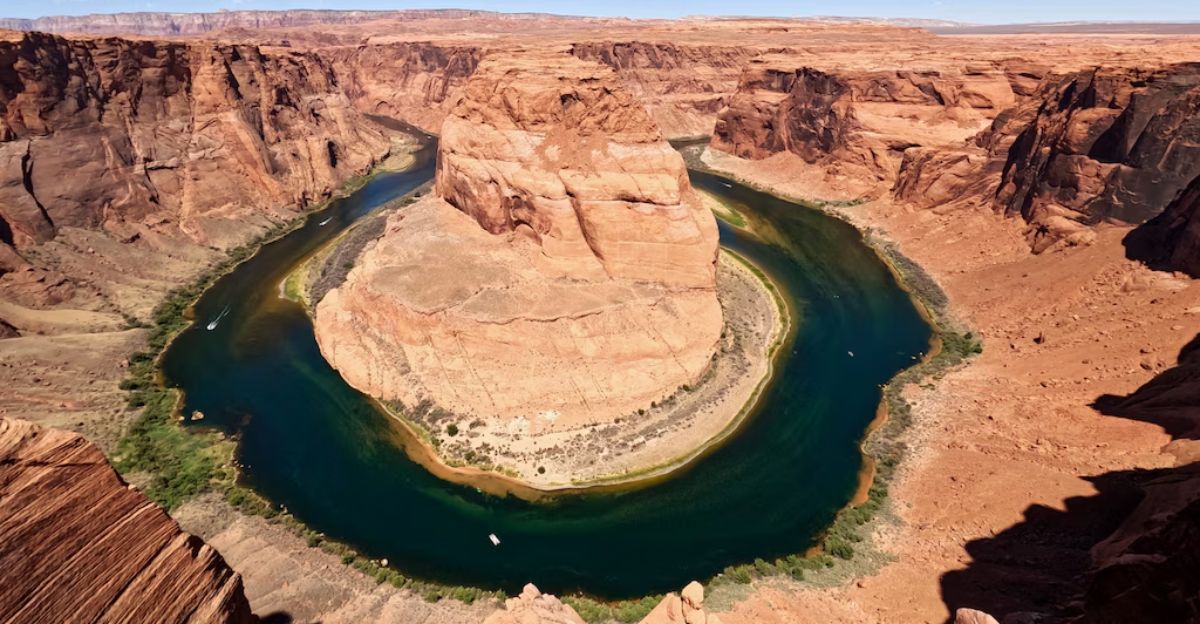
The current rules governing the Colorado River are set to expire in October 2026. If the seven basin states—Arizona, Nevada, California, Colorado, New Mexico, Utah, and Wyoming—fail to agree on new guidelines by then, water management reverts to 1970s-era regulations that experts say are “woefully insufficient” for today’s drier reality.
Former Interior Department official Anne Castle called a reversion “a nightmare scenario”. The stakes couldn’t be higher, yet negotiations have stalled.
Six Experts Sound The Alarm

In December 2025, six Colorado River experts—Jack Schmidt, Anne Castle, John Fleck, Eric Kuhn, Kathryn Sorensen, and Katherine Tara—issued an unprecedented call for immediate action. “Action to further reduce consumptive water use across the basin is needed now,” they declared.
These aren’t doomsayers or activists; they’re seasoned water managers, university directors, and former federal officials with decades of combined experience.
Both Reservoirs Teetering On The Edge
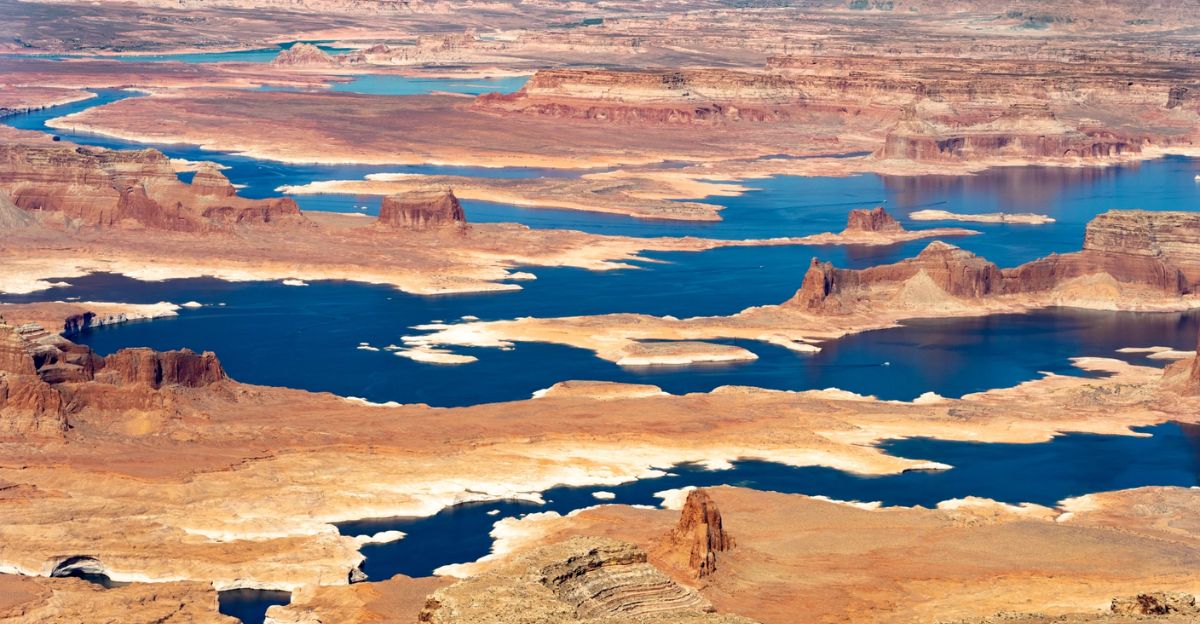
Lake Mead doesn’t suffer alone. Lake Powell, the second-largest U.S. reservoir upstream, has also crashed to near-critical levels. Together, these two lakes hold about 92 percent of the Colorado River Basin’s storage capacity.
As of mid-December 2025, Lake Mead sat at roughly 1,061 feet elevation—167 feet below its full pool of 1,229 feet. Lake Powell hovered around 3,544 feet, 155 feet below capacity. Deadpool for Lake Mead is around 895 feet.
25 Million People Depend On This Single Lake
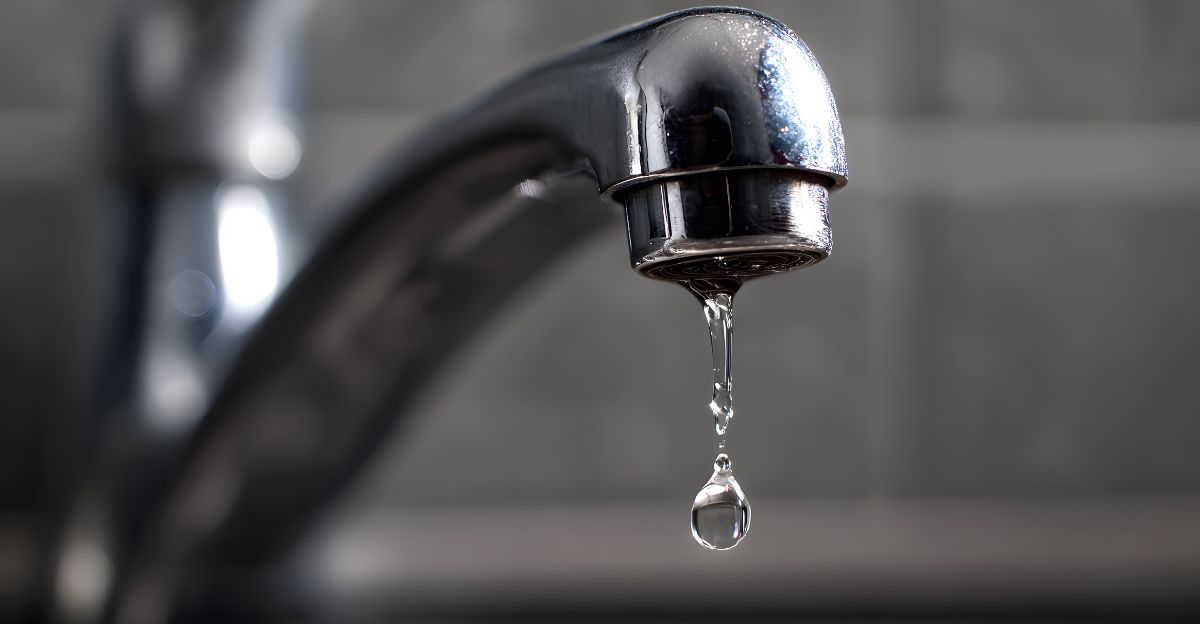
If you live west of the Rockies and turn on your tap, there’s a good chance Lake Mead is part of your water story. The reservoir supplies drinking water to roughly 25 million people. Las Vegas draws 90 percent of its water from it. Los Angeles, San Diego, and Phoenix—major American cities all depend on the Colorado River system feeding Lake Mead.
The reservoir also irrigates vast agricultural regions in California’s Imperial Valley and central Arizona.
Recycling 85% Of Its Water
Nevada recycles 85 percent of its municipal wastewater—the highest rate among all seven Colorado River Basin states. How? Las Vegas treats its indoor wastewater and sends it through the 12-mile Las Vegas Wash back into Lake Mead, earning return-flow credits that essentially give the desert city an invisible water supply.
For every gallon Las Vegas recycles, it can withdraw another. Compare that to Utah, which recycles less than 1 percent, or Wyoming at 3.3 percent.
The 900,000 Acre-Feet Opportunity
What if every state in the Colorado River Basin boosted wastewater recycling to just 40 percent? According to research from UCLA’s Institute of the Environment and Sustainability and the Natural Resources Defense Council, the basin could save nearly 900,000 acre-feet of water annually.
That’s enough to supply approximately 2 million households for a year. Yet most states continue letting treated wastewater flow away unused, flushed away into the desert or the Pacific.
Climate Change Is Hitting Hard
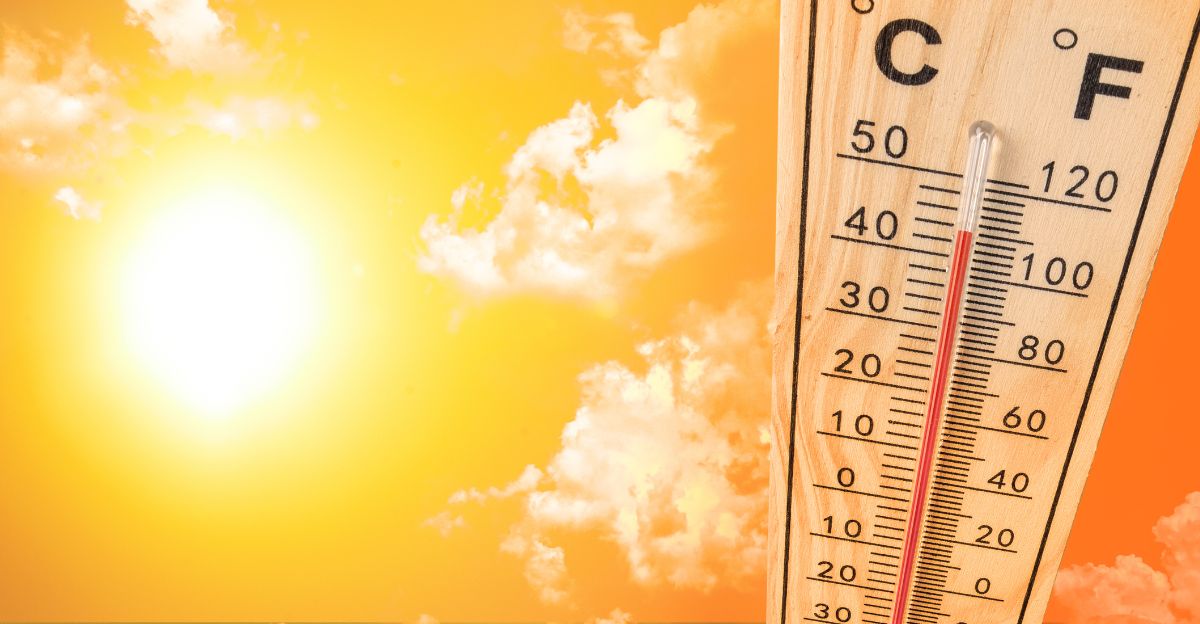
Rising temperatures are the hidden crisis within the crisis. The Colorado River Basin has warmed more than twice the global average, faster than any other region in the continental U.S.. Higher temperatures mean faster evaporation from reservoirs, earlier snowmelt, so rivers run dry sooner, and drier soil that absorbs rain before it reaches the river.
The river’s average annual flow has already dropped nearly 20 percent since 2000, with half that decline due to warming alone. Scientists project that temperatures will rise by another 2 to 5 degrees Fahrenheit by 2050, potentially reducing river flows by an additional 10 to 40 percent.
Demand Keeps Growing
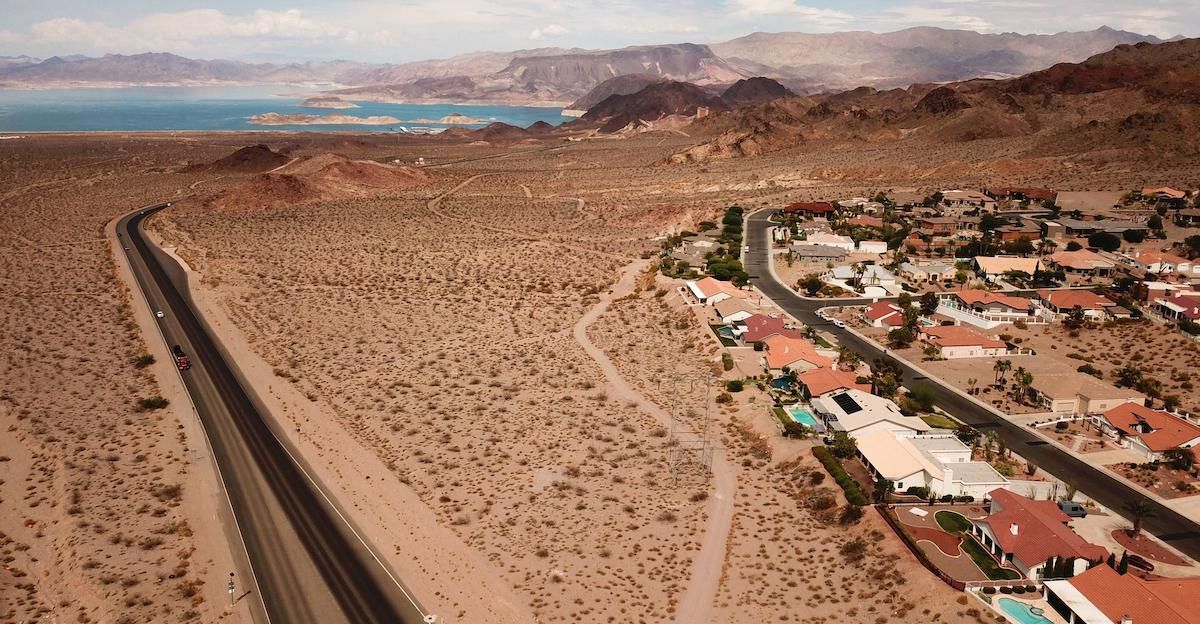
The math is brutal: supply is plummeting, while demand continues to climb. The population in the Colorado River Basin continues to grow, despite the river delivering less water each year. Agricultural irrigation, which uses just over 50 percent of all Colorado River diversions, faces mounting pressure to do more with less.
The 1922 Colorado River Compact divided the river based on overly optimistic flow estimates, locking in water rights that have never matched actual hydrology.
California’s Progress Isn’t Enough To Save The System
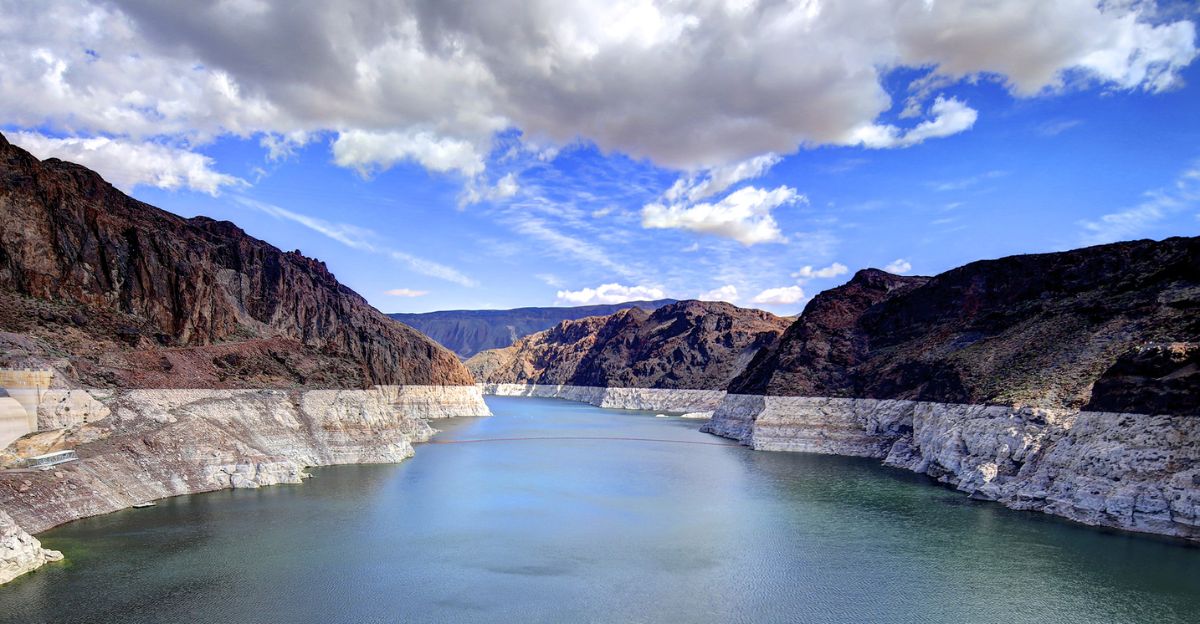
In December 2025, California announced it’s on track to use just 3.76 million acre-feet of Colorado River water this year—the lowest amount since 1949, despite massive population growth since then. The state achieved 75 percent of its commitment to reduce withdrawals by 1.6 million acre-feet, with some water levels in Lake Mead rising 16 feet in just two years.
It’s real progress and shows that conservation works. But here’s the hard truth: California’s success, while encouraging, still isn’t enough to fix the basin-wide imbalance. Even with these cuts, federal forecasts indicate that Lake Mead will plunge to its lowest level ever in 2027.
The Political Minefield Of Sharing The Pain
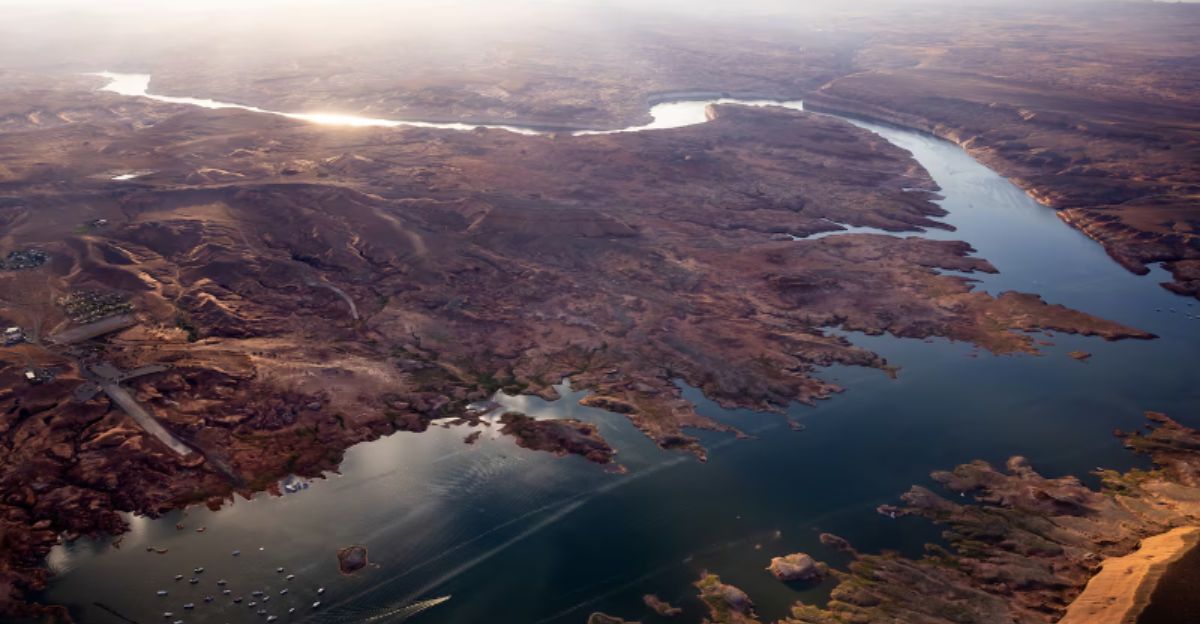
Upper basin states—Colorado, Utah, New Mexico, Wyoming—argue they already use far less than their full allocation and shouldn’t absorb the same cuts as lower basin states. Lower basin states say everyone must share the sacrifice.
California holds the most senior rights but has signaled a willingness to bend. Arizona and Nevada have already absorbed major reductions under current shortage declarations. Tribal nations, whose water rights were often established last and remain partially unfulfilled, are demanding a real seat at the table.
Washington May Force A Solution
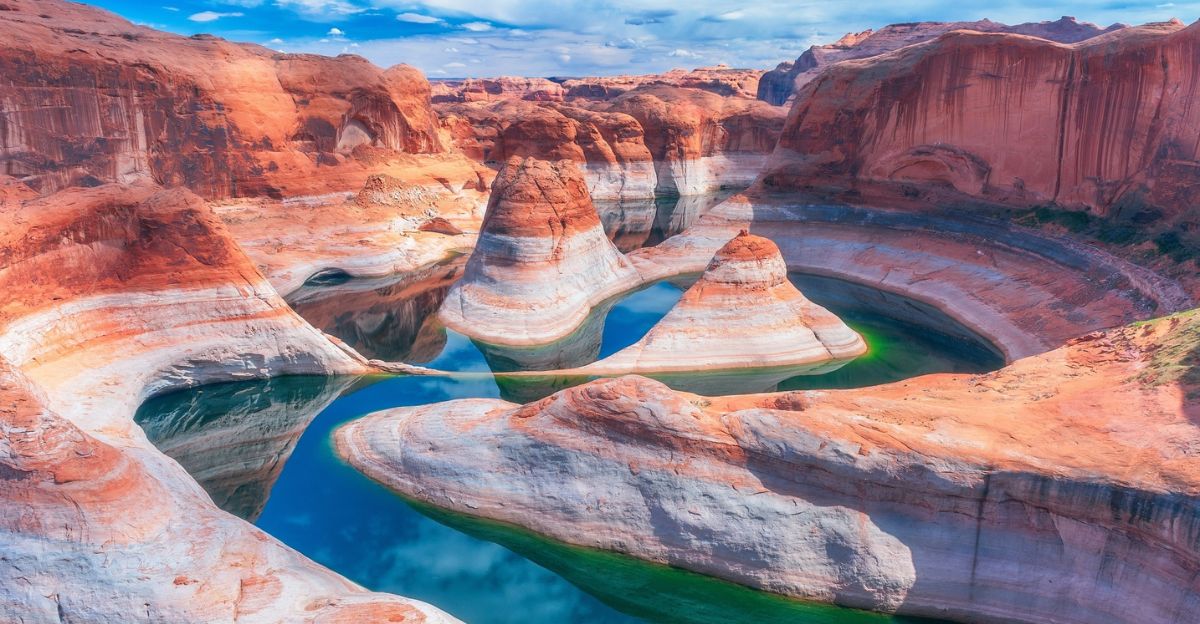
If the seven Colorado River Basin states can’t reach an agreement by October 2026, the federal government has signaled it won’t wait forever. The Department of the Interior holds broad authority to adjust operations of Glen Canyon and Hoover dams unilaterally to protect the system.
Interior officials have made clear that the “urgency has never been clearer”. Federal intervention could mean imposed cuts that individual states find even less palatable than a negotiated compromise.
The Tools Exist—If We Use Them
The “Dancing with Deadpool” report doesn’t end in despair. Six expert authors note that mechanisms do exist to avert catastrophe: aggressive water recycling, improved conservation and efficiency, better stormwater capture, reduced Colorado River withdrawals, and water pricing that discourages waste.
The Colorado River has endured the first 25 years of what may be a decades-long megadrought, but sustainability is possible if everyone acts quickly and shares fairly.
The Reckoning Is Here, Not Coming
This crisis isn’t looming in some distant future. It’s here now. When federal water managers predict historic lows by 2027, when experts say “action is needed now,” when cities announce record-low water use as emergency measures rather than routine conservation, the moment for half-measures and delay has passed.
The Colorado River system has delivered abundance for a century by borrowing from the future. That future is now arriving. What happens in the next nine months—from late summer 2026 through spring 2027, during that critical crisis window—will determine whether 25 million people face managed adjustment or chaos. The dance with Deadpool has begun. How it ends is still within our control.
SOURCES:
U.S. Bureau of Reclamation Lake Mead Forecast 2027 Projection
Colorado River Research Group “Dancing with Deadpool” Report, December 2025
UCLA Institute of the Environment & Sustainability / Natural Resources Defense Council Water Reuse Study
Nature Conservancy Colorado River Climate Analysis
California Colorado River Board Conservation Data Report, December 2025
Climate Reality Project Southwest Water Crisis Assessment