
The numbers flashed on screens, and rooms fell silent. Experts and officials stared in disbelief as test results revealed drinking water—deemed safe for years—now surpassing newly enforced federal limits on PFAS, the persistent “forever chemicals.”
EPA’s PFAS Rule Sparks Widespread Alerts
In April 2024, the U.S. Environmental Protection Agency established the nation’s first enforceable limits on PFAS in drinking water. These synthetic chemicals, deployed since the mid-20th century in products like nonstick cookware, stain-resistant fabrics, and firefighting foam, resist natural breakdown in the environment.
Utilities nationwide applied the standards and found immediate failures. The water composition remained unchanged; only the regulatory threshold had tightened. This shift exposed long-accumulated contamination, turning compliant systems into violators overnight and prompting alerts for hundreds of thousands of residents.
Why Long-Hidden Contamination Surfaced
Prior to the rule, routine PFAS testing was absent, allowing invisible buildup over decades. Expanded monitoring under the new standards uncovered exposure that had persisted undetected. More than 37 million Americans now drink water exceeding federal safety thresholds, according to estimates.
The revelation prompted a core question: how many other contaminants linger unnoticed without mandated checks? In states like Illinois, Texas, Pennsylvania, and New Mexico, utilities issued warnings. Johnson County, Texas, declared a disaster. A utility near Philadelphia, serving about 10,000 people, failed compliance. In one region alone, over 400,000 residents received notices. Rural private well owners in areas like Mora County, New Mexico, faced contamination from multiple sources—their sole water sources suddenly unsafe for drinking, cooking, or bathing.
Consumer Panic and Health Concerns Escalate

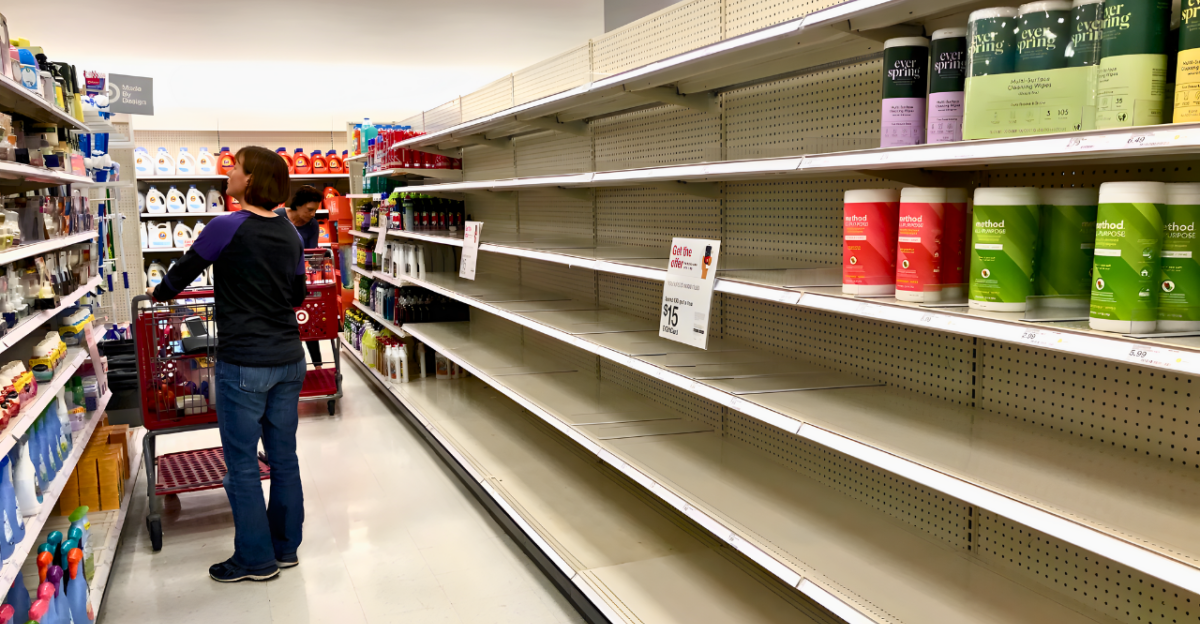
Families responded swiftly to official alerts, flooding stores for alternatives amid eroding trust. Public health agencies link PFAS to immune suppression, reduced vaccine response, liver damage, and developmental risks, with infants, pregnant women, and immunocompromised individuals at greatest vulnerability.
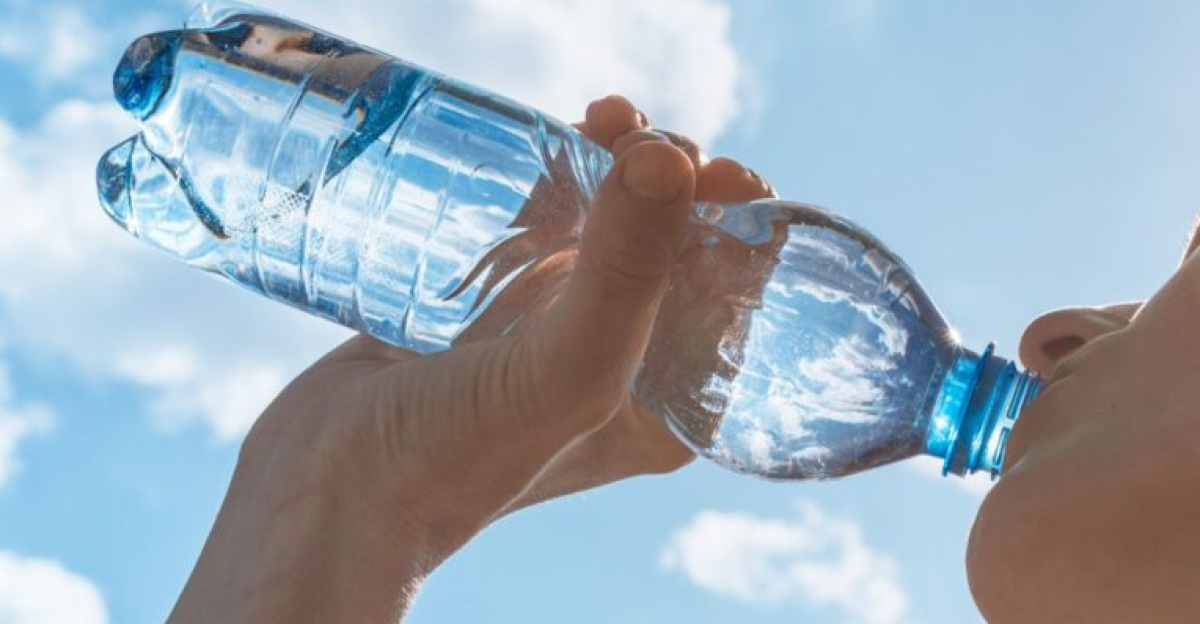
Even bottled water, long promoted as purer, proved vulnerable. Tests detected PFAS in samples from multiple brands. In Massachusetts, contamination forced Simpson Spring to halt operations in March 2024 after samples collected on February 21 exceeded drinking water standards. The company voluntarily ceased bottling and disconnected vending machines on March 1, with state authorities issuing a cease-and-desist order. No source offered guaranteed refuge, reshaping daily routines into calculated risks.
Utilities Grapple with Costs and Compliance
Water providers reported shock at results—one researcher described jumping from their chair upon review. Patrick Faught, a PhD student in environmental engineering at Duke University, made this observation while analyzing wastewater samples that revealed PFAS precursors at concentrations millions of times higher than EPA limits. Upgrading infrastructure demands tens of billions nationwide, straining small and rural systems most acutely. Water bills could rise as deadlines extend to accommodate logistics, balancing health protections against economic pressures.
Households turned to certified filters, costing hundreds to thousands per unit. Scaled up, the burden hits tens of billions, hitting lower-income families hardest and highlighting clean water’s shift from given to commodity.
Path Forward Amid Persistent Challenges
Regulators maintained core limits while granting timeline extensions, underscoring the problem’s vast scale—widespread contamination defies quick fixes. Filtration firms and clean-water ventures report surging demand for home and municipal solutions.
PFAS awareness has permeated public discourse, fueling lawsuits and scrutiny of industrial sources. Future efforts target wastewater, discharges, and accountability. Communities must test and adapt, as these chemicals endure by design. The next years will test whether the U.S. addresses this as a sustained public health imperative or fleeting alarm.
Sources:
“Final PFAS National Primary Drinking Water Regulation.” U.S. Environmental Protection Agency, April 10, 2024.
“How PFAS Impacts Your Health.” Centers for Disease Control and Prevention/Agency for Toxic Substances and Disease Registry, updated July 2025.
“Are Forever Chemicals in Your Water? See the Latest Data.” USA Today, December 5, 2025.
“Simpson Spring Cease and Desist Order Due to PFAS Contamination.” Massachusetts Department of Public Health, March 2024.