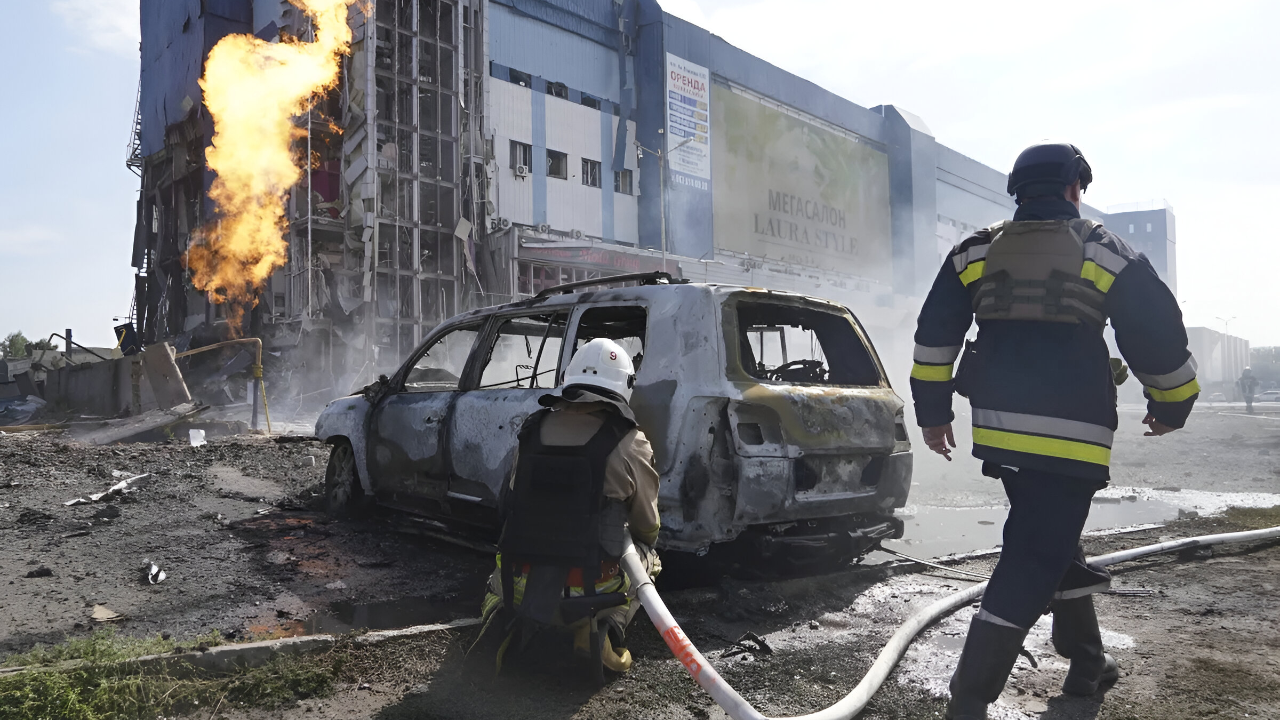
Ukraine launched its largest drone attack on Moscow in early December 2025, with Russian air defenses claiming to intercept 287 drones across multiple regions.
The assault forced all four of Moscow’s major airports—Sheremetyevo, Domodedovo, Vnukovo, and Zhukovsky—to suspend operations for approximately seven hours. Around 200 flights experienced delays or cancellations during the overnight strike, disrupting travel for millions in the 21.5 million-person metropolitan area.
Second Wave Strikes Moscow Within Five Days

Just five days after the initial assault, Ukraine launched another significant drone offensive against the Russian capital on December 14-15, 2025. Russian defense officials reported intercepting 130 drones overnight, with 25 shot down over Moscow Oblast and 15 specifically targeted at Moscow.
The repeated attacks demonstrated Ukraine’s expanding capability to conduct sustained operations against Russian territory despite air defense systems.
Mayor Characterizes Attack as “Most Massive” of Entire War
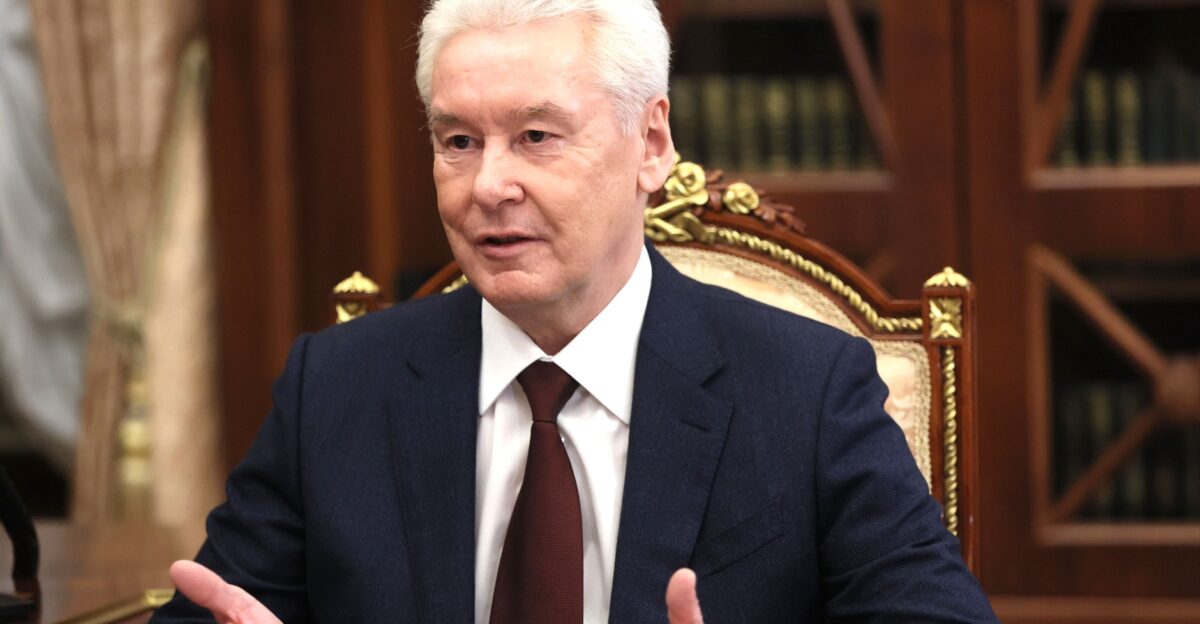
Moscow Mayor Sergei Sobyanin described the December 10 assault as “the most massive” attack the region had experienced throughout the four-year conflict.
Emergency crews responded across Moscow and surrounding Moscow Oblast as falling drone debris struck multiple locations overnight. The scale of the assault highlighted Ukraine’s growing sophistication in conducting long-range drone operations deep within Russian territory.
Chemical Facilities Targeted During December 10 Strike
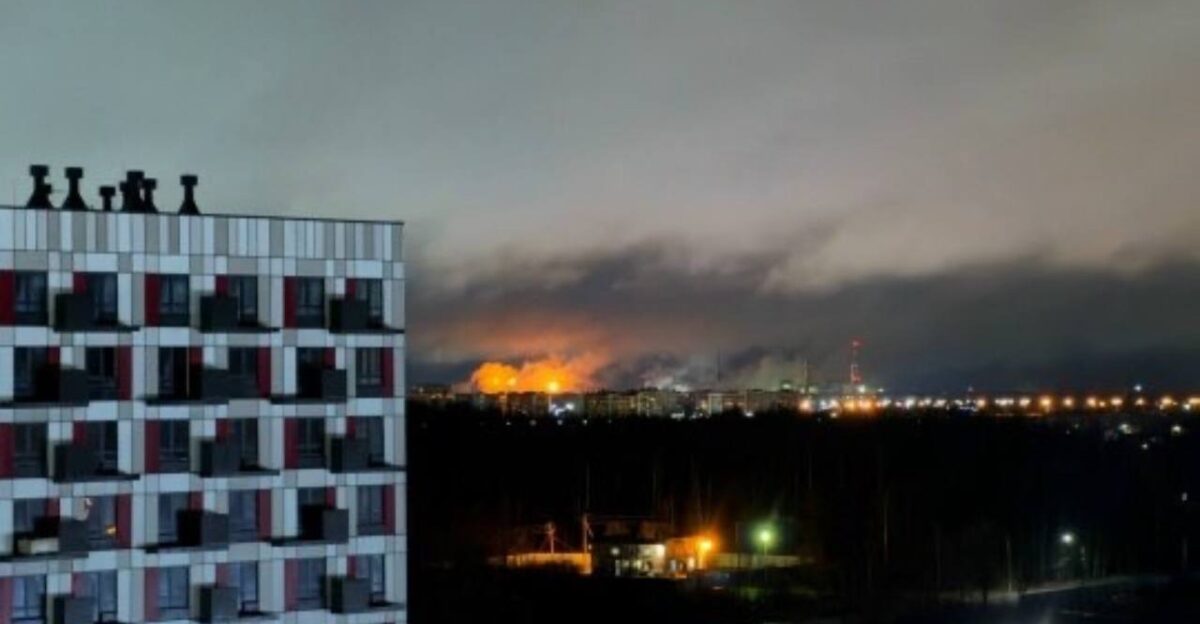
During the massive December 10 assault, Ukrainian drones reportedly struck Russia’s Acron mineral fertilizer plant in Veliky Novgorod, one of the nation’s largest chemical producers.
The facility manufactures ammonium nitrate used in explosives production, representing a strategically significant target. Regional Governor Alexander Dronov reported one injury and described building damage as “insignificant,” though eyewitness footage confirmed fires at the facility.
Secondary Chemical Sites Come Under Attack
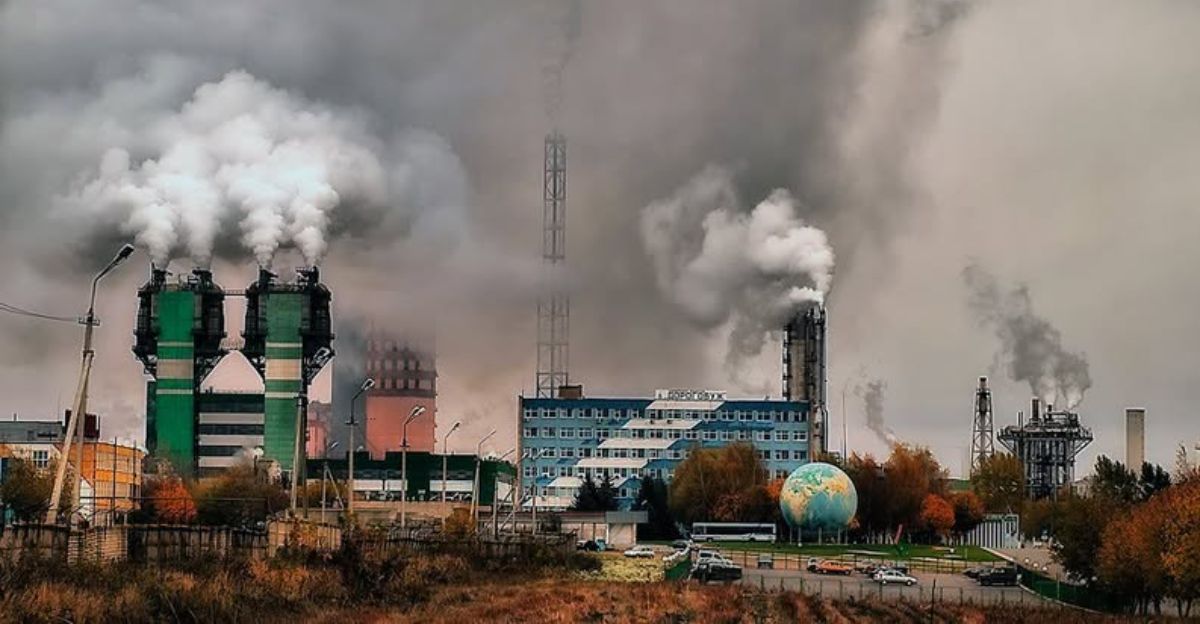
Ukrainian drones also reportedly targeted the PAO Dorogobuzh chemical plant in Smolensk region near the Belarus border during December assault operations.
Russian officials accused Ukraine of deliberately attempting to strike “chemical facilities storing first-class hazardous substances” to maximize environmental damage. Ukrainian forces have not officially confirmed targeting these specific chemical industrial complexes.
Casualties Mount in Russia’s Southern Regions
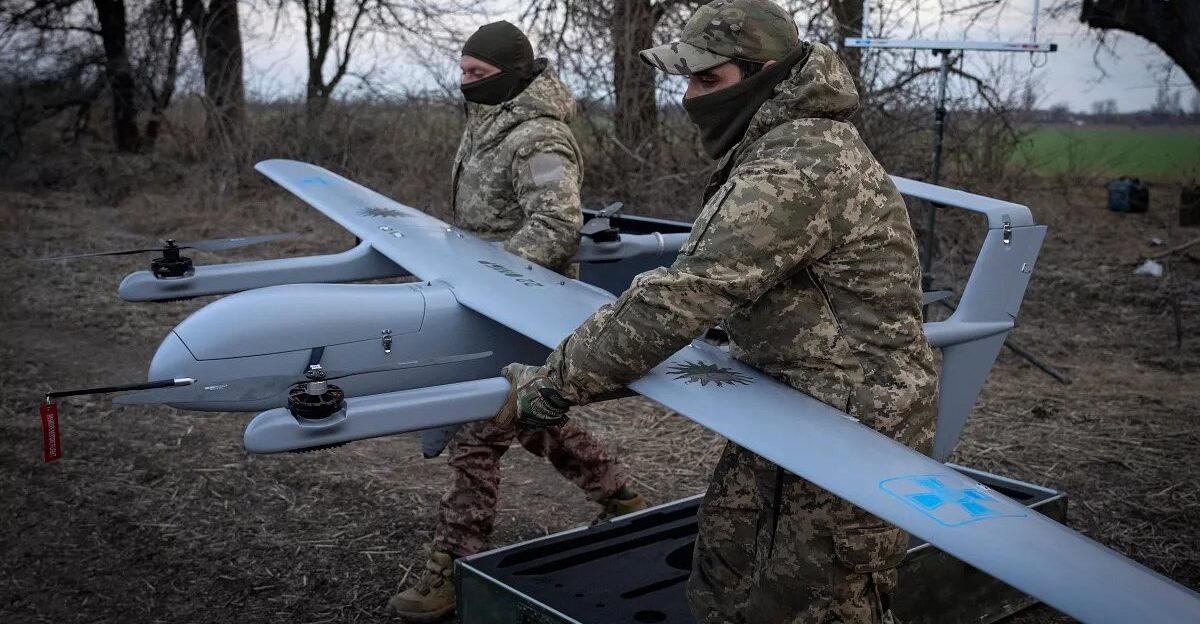
On December 18, Ukrainian drones killed three people in Russia’s Rostov region, including two crew members aboard a cargo vessel in Rostov-on-Don’s port.
A civilian was killed in nearby Bataysk when two houses caught fire from drone strikes. The vessel strike also injured three crew members, while six additional civilians were wounded in Bataysk, demonstrating Ukraine’s expanding strike reach.
Earlier December Attacks Claimed Additional Casualties
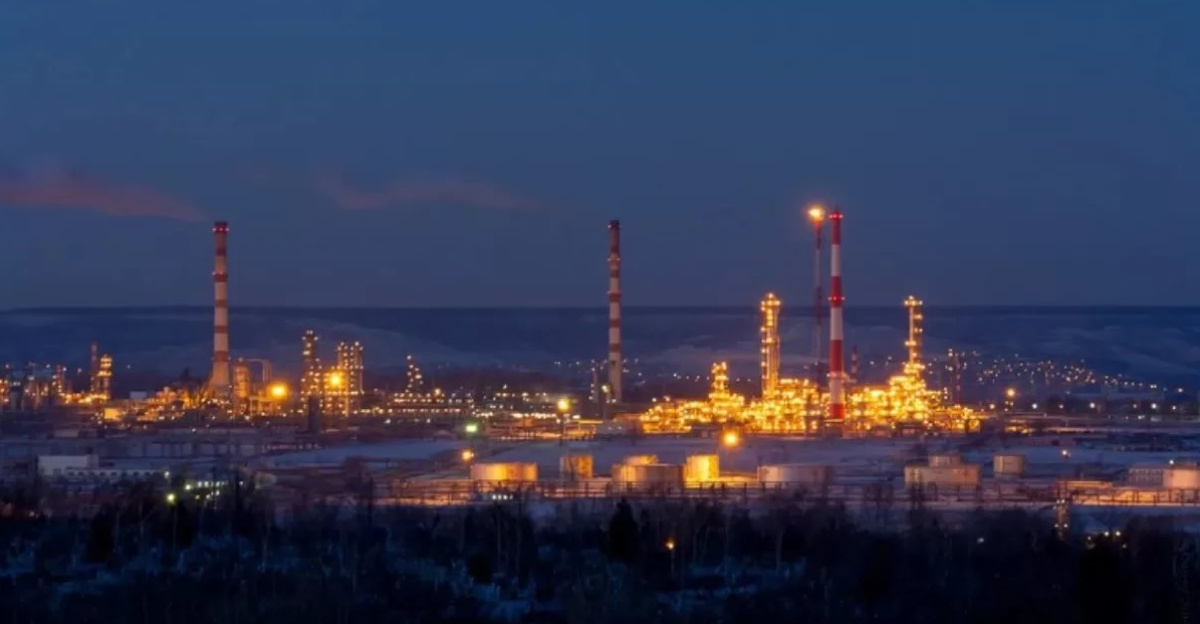
On December 12, two people were killed in Russia’s Saratov region when Ukrainian drones damaged a residential building, kindergarten, and polyclinic.
The overnight attacks occurred when no children or patients occupied the damaged facilities, potentially preventing higher casualty figures. These attacks illustrated Ukraine’s capacity to conduct precise strikes across vast Russian territory.
Energy Infrastructure Becomes Primary Target
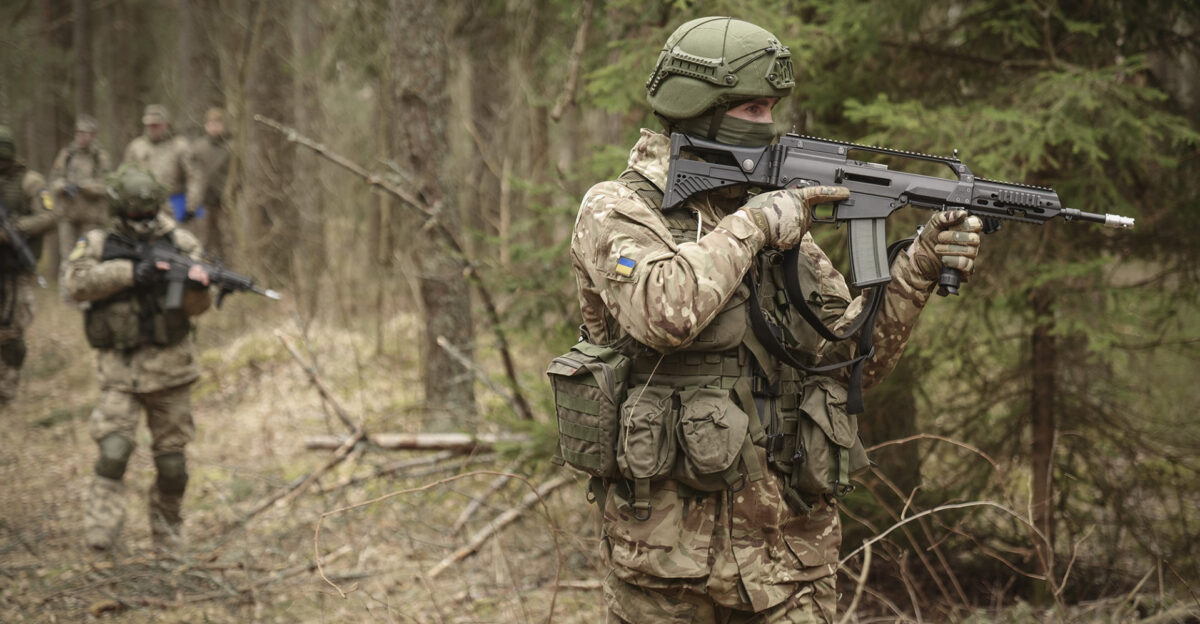
Ukrainian forces systematically targeted Russia’s refining and energy production facilities throughout December, striking multiple oil refineries across different regions.
On December 13-14, Ukraine hit the Afipsky Oil Refinery in Krasnodar Krai and fuel depots in occupied Crimea. The December 17 attack on Slavyansk oil refinery caused fires affecting over 38,000 residents through power disruptions.
Historic Caspian Sea Oil Platform Strikes Signal Technological Leap
Ukrainian forces struck Russian oil platforms in the Caspian Sea three times within one week, targeting the Filanovsky and Korchagin oil production platforms operated by Lukoil subsidiary. Both facilities suspended operations following the unprecedented attacks, marking Ukraine’s first successful strikes on Russian Caspian energy infrastructure.
The Filanovsky deposit contains an estimated 129 million tons of oil, representing one of Russia’s largest reserves.
Ukrainian Leadership Declares No Russian Target Safe
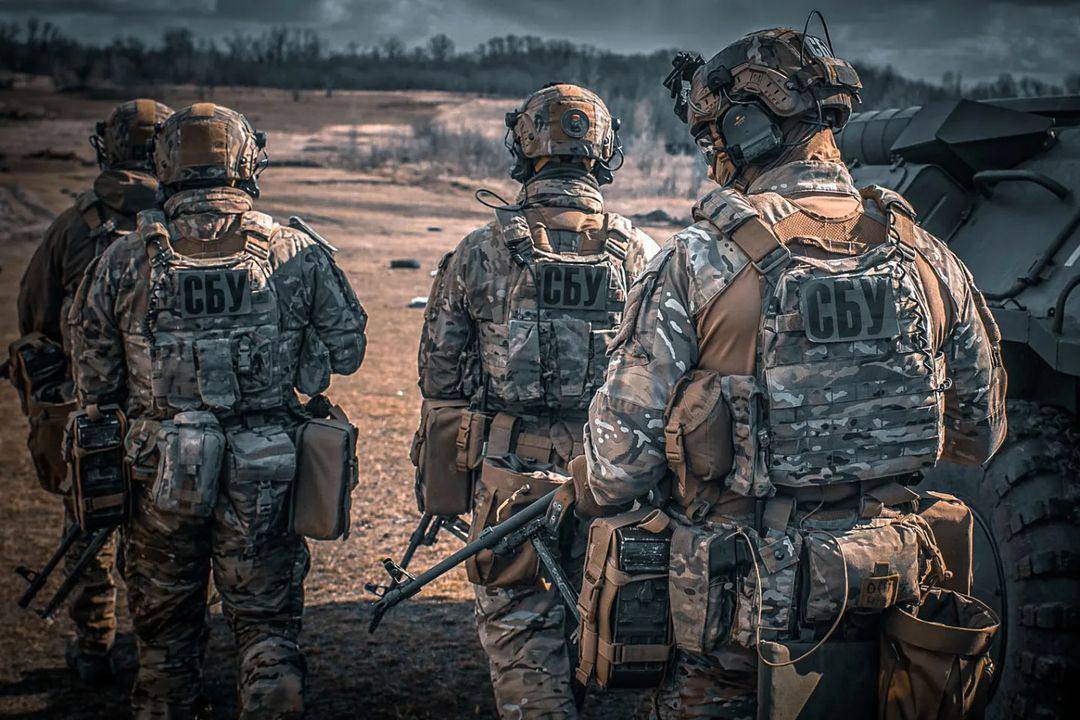
Ukrainian Security Service sources emphasized that “no Russian object working for the war is safe regardless of its location,” signaling Ukraine’s commitment to sustained deep-strike operations.
The expanding drone campaign reflects Ukraine’s determination to impose costs on Russia’s war effort through infrastructure destruction rather than territorial advances alone. This strategic shift indicates a long-term commitment to economic pressure against Moscow.
U.S.-Brokered Peace Plan Shows Significant Progress
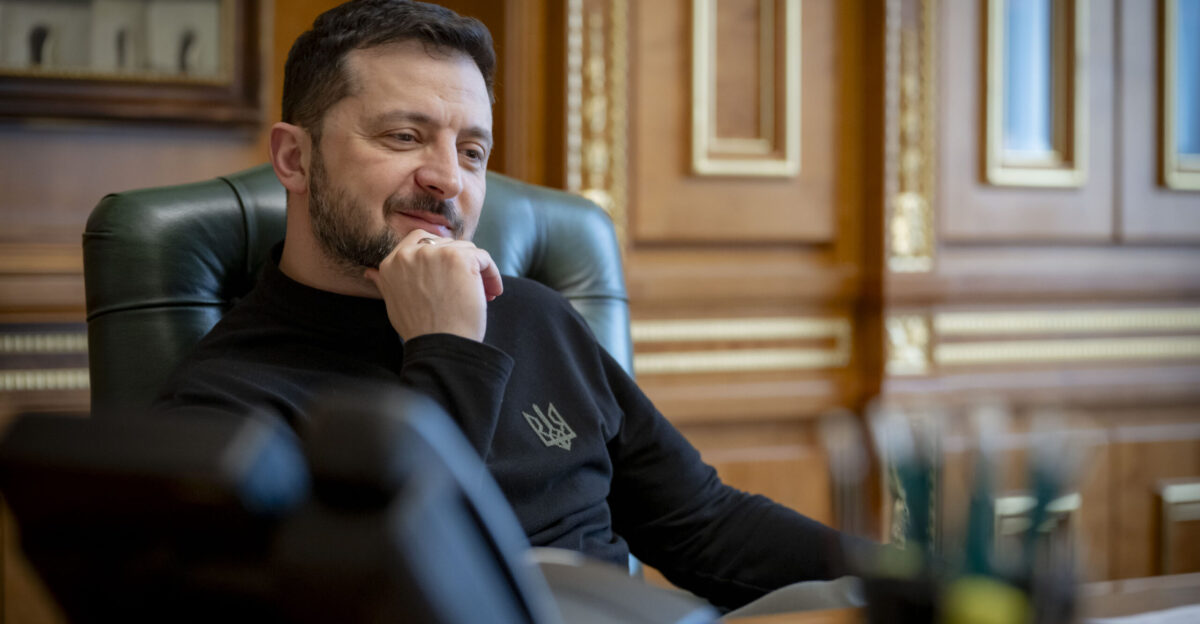
Ukrainian President Volodymyr Zelenskyy described U.S.-mediated peace proposals as “not perfect” but “very workable,” with American officials reporting 90% consensus between Ukraine and Europe. U.S.
President Donald Trump stated the parties are “closer now than we have been ever” to reaching a settlement agreement. The proposed framework includes robust security guarantees featuring U.S.-led ceasefire monitoring and European multinational force protection.
Territorial Disputes Remain Fundamental Obstacle to Peace
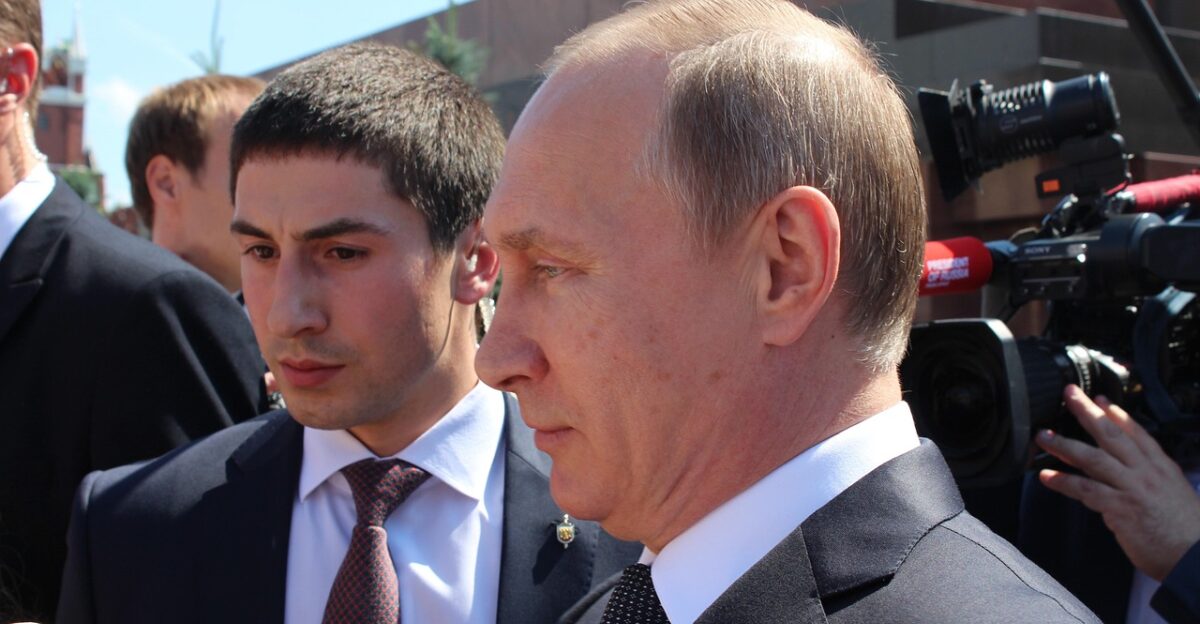
Russian President Vladimir Putin insists all territories Moscow’s forces seized plus Crimea must be recognized as Russian, while Zelenskyy firmly rejects recognizing Moscow’s control over any Donbas region territory.
Kremlin spokesman Dmitry Peskov reiterated Russia seeks comprehensive peace rather than temporary truce, stating they want lasting settlement not “respite” for Ukrainian rearmament. These fundamental disagreements continue blocking diplomatic progress.
European Union Deadlocked Over Frozen Russian Assets
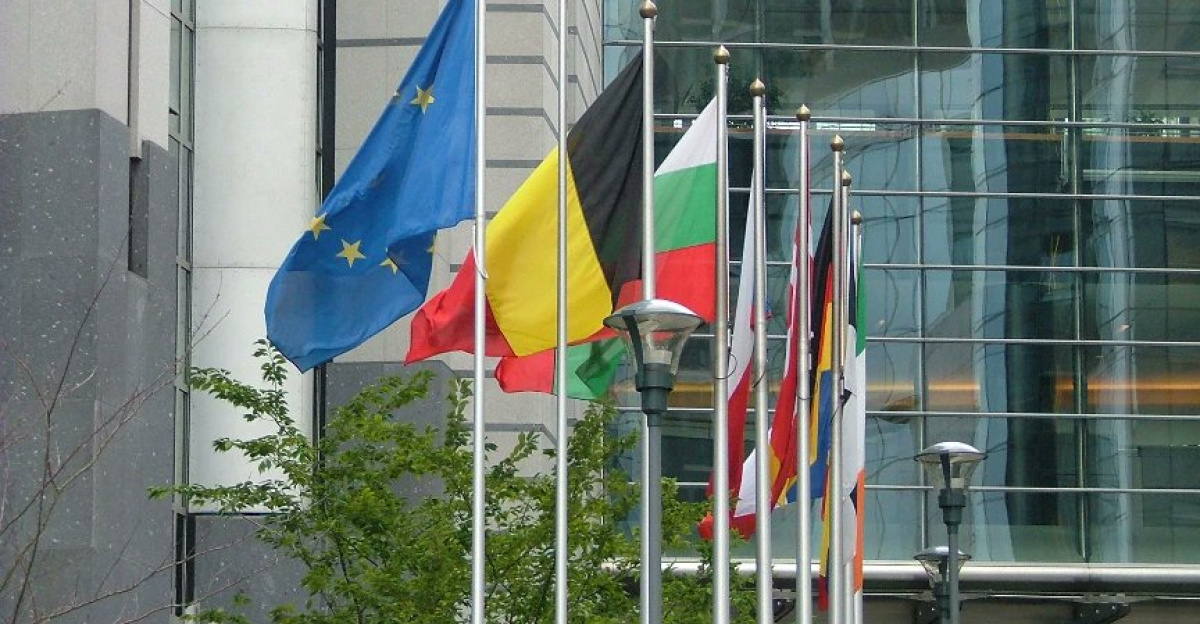
European Union leaders remain divided over proposals to use approximately €210 billion in frozen Russian central bank assets for Ukraine’s military and economic needs during 2026-2027. The European Commission proposed lending approximately €90 billion to Kyiv, representing roughly two-thirds of Ukraine’s €137 billion funding requirements.
Belgium, holding approximately €185 billion through Euroclear, expressed reservations fearing legal retaliation from Russia.
Legal Complications Delay Financial Support for Ukraine
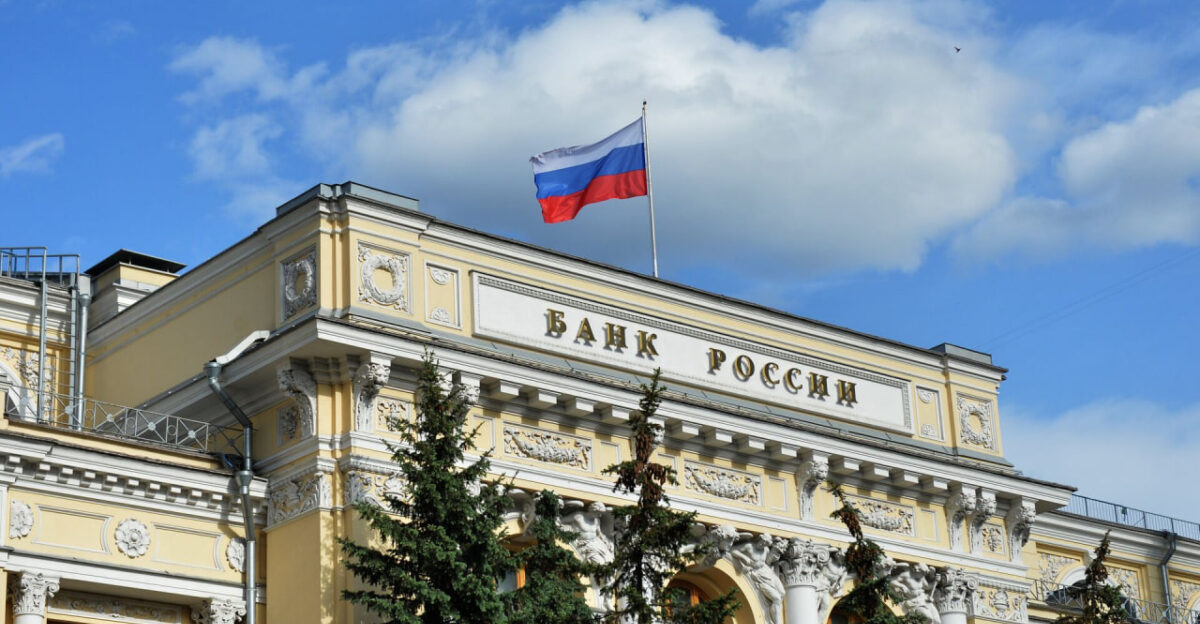
Russia’s central bank initiated a lawsuit demanding $230 billion damages from Euroclear, complicating European efforts to utilize frozen assets for Ukrainian support. Belgium’s reluctance threatens EU consensus, potentially delaying or reducing the frozen asset assistance program.
The legal uncertainty surrounding frozen asset utilization highlights geopolitical complications beyond military operations.
Zelenskyy Warns Europe: Support Ukraine or Face Russian Escalation
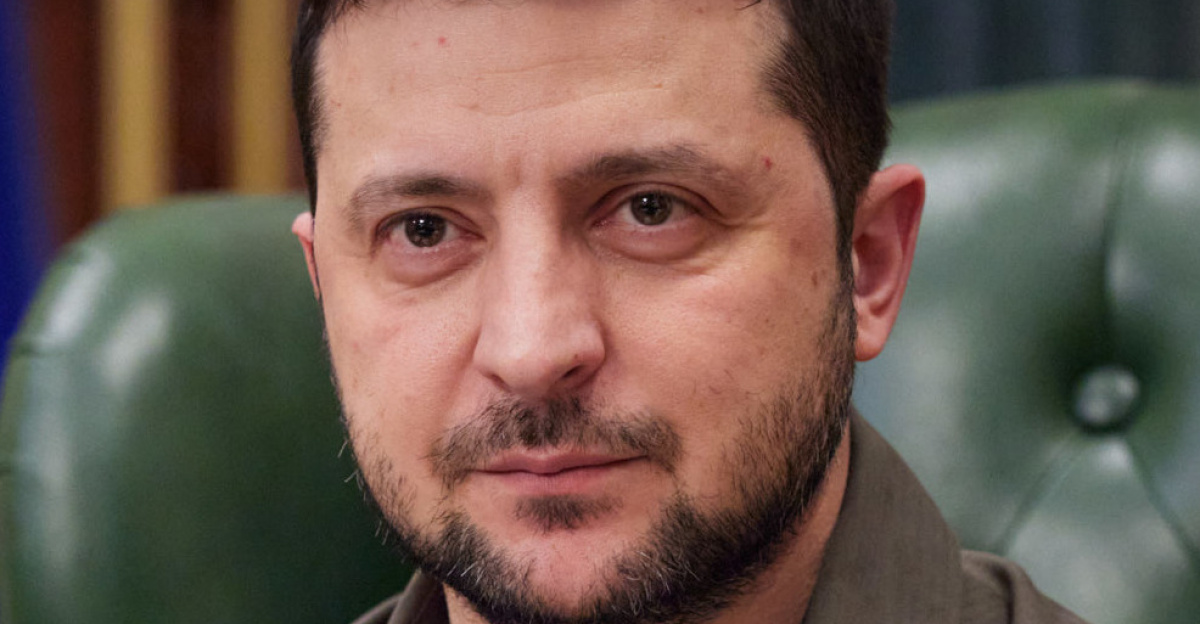
President Zelenskyy warned EU leaders that “Europe’s outcome must convey to Russia that pursuing war next year is futile, as Ukraine will have support”.
He emphasized that failed diplomacy requires increased Western pressure including tougher sanctions and advanced weaponry deliveries. Ukraine’s escalating drone campaign demonstrates determination to continue the fight regardless of diplomatic negotiations’ outcome.
Sources:
“Wave of Ukrainian Drones Targets Moscow in Reported Overnight Strike.” MSN/Kyiv Independent, December 14, 2025.
“Overnight Ukrainian Drone Attacks Target Chemical Plants, Disrupt Moscow Airports.” The Moscow Times, December 10, 2025.
“Three Dead, Cargo Ship Catches Fire in Drone Attacks on Russia’s Rostov Region.” Reuters, December 18, 2025.
“Ukrainian Drone Attacks on Rostov Region Kill At Least 3.” The Moscow Times, December 17, 2025.
“All Four Moscow Airports Forced to Close Overnight Amid Massive Ukrainian Drone Strike.” Novaya Gazeta, December 10, 2025.
“Russia Says It Destroyed 130 Ukrainian Drones Overnight.” Reuters, December 14, 2025.
“Zelenskyy Says U.S.-Negotiated Proposals to End the War in Ukraine Could Be Presented to Russia Within Days.” PBS NewsHour, December 16, 2025.
“Europe Faces Crunch Decision on Using Frozen Russian Assets.” NBC News, December 18, 2025.