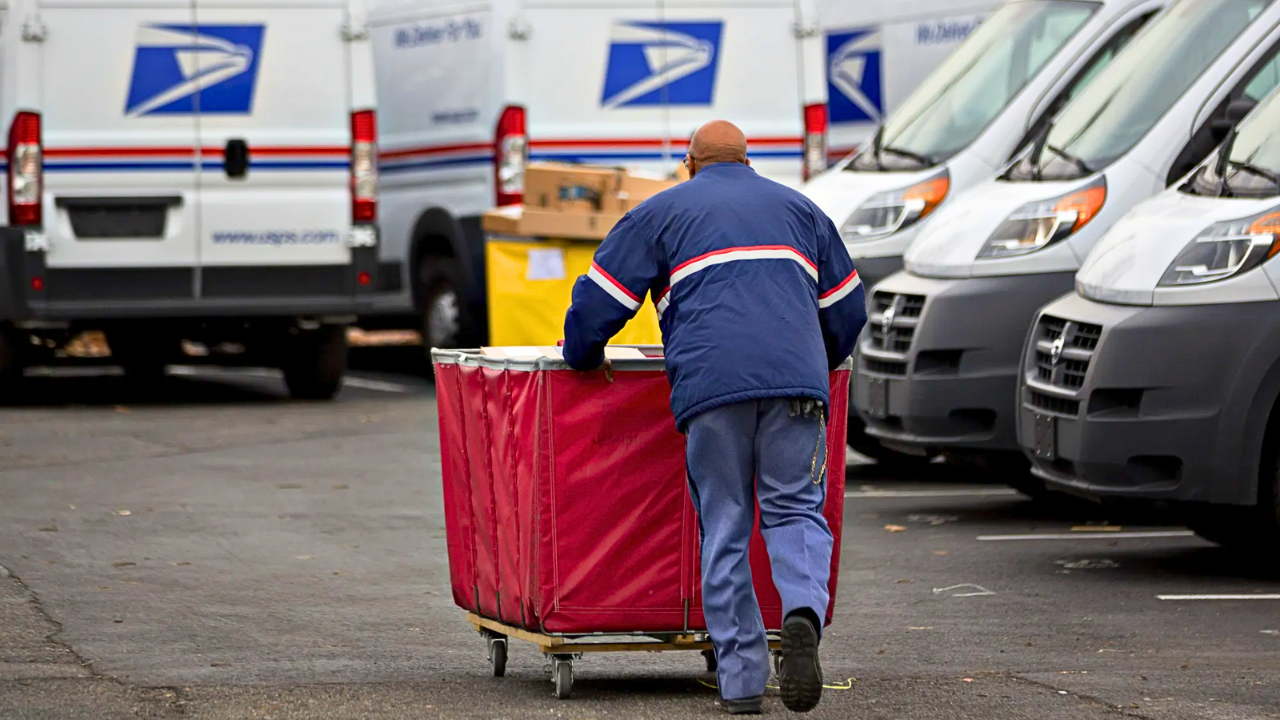
A 30-year logistics alliance worth $6 billion a year is breaking apart. Amazon, responsible for delivering 28% of all U.S. parcels, is preparing to walk away from the U.S. Postal Service after negotiations collapsed. At stake are rural delivery, postal jobs, shipping prices, and the future of American logistics. What began as a contract dispute now threatens to reroute billions of packages nationwide. Let’s look into this deeper.
What’s Really At Stake Here

Amazon and USPS have partnered for over 30 years, but that relationship could end by October 2026. USPS earns $6 billion annually from Amazon, representing 7.5% of its $80.5 billion budget. Amazon parcels account for 6.3 billion of USPS’s 6.9 billion deliveries in 2024. Losing that volume threatens rural service, consumer prices, and 500,000 postal jobs. USPS already posted a $9 billion loss last fiscal year. Yet Amazon insists it prefers to stay, which raises a critical question about what went wrong.
Amazon’s Grip On U.S. Deliveries
Amazon delivered 6.3 billion packages in 2024, surpassing FedEx at 3.4 billion and UPS at 4.6 billion. That equals 28% of America’s 22.37 billion total parcel volume, making Amazon larger than its two closest rivals combined. By 2028, Amazon projects 8.4 billion deliveries, potentially reaching 35–40% of all U.S. shipments. This scale gives Amazon enormous leverage but also makes its exit uniquely disruptive. USPS never planned for losing its biggest customer, a miscalculation now coming into focus.
The Gamble By USPS Leadership
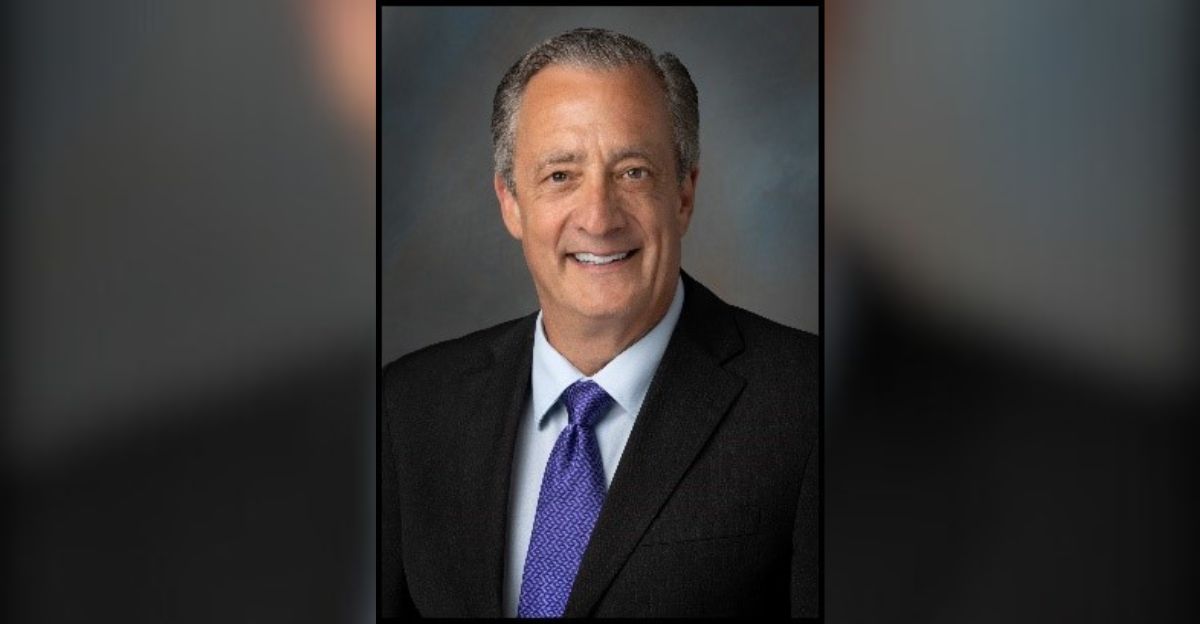
David Steiner became USPS Postmaster General this year and quickly changed strategy. Instead of renewing large shipper contracts, he pushed for a competitive reverse auction forcing Amazon to bid against UPS and FedEx.
Steiner argued USPS had “undervalued” its last mile network by favoring a few partners. Opening access, he believed, would increase revenue long term. Amazon viewed the move as a betrayal after decades of cooperation, a perception that hardened negotiations almost immediately.
The Statement That Shifted Everything
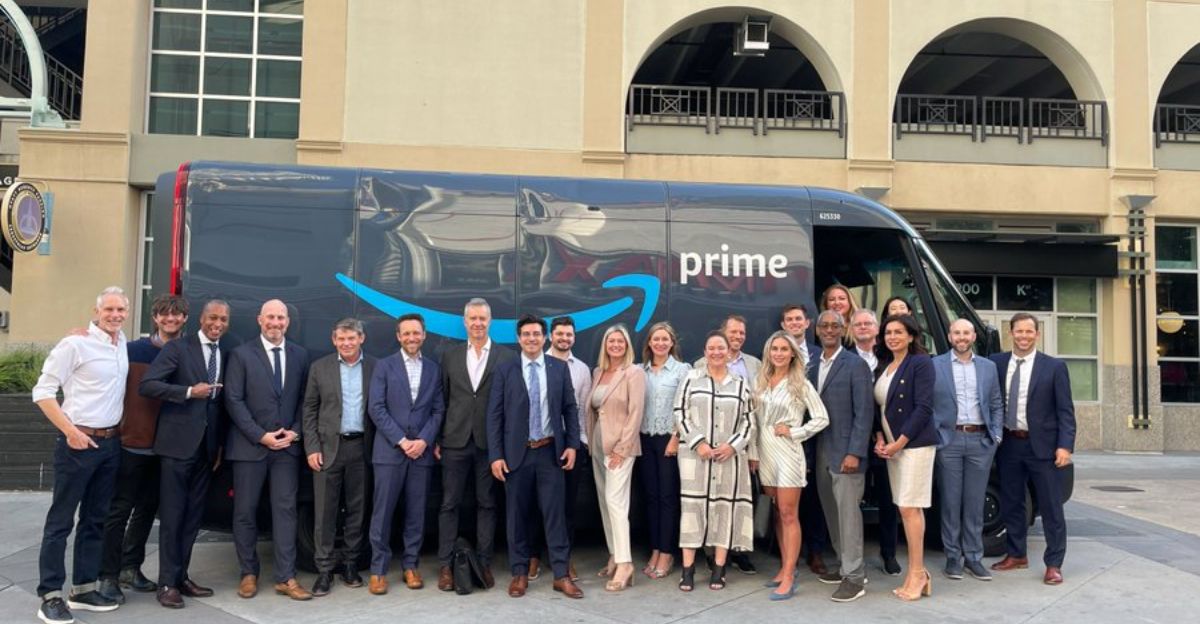
On December 4, 2025, Amazon spokesperson Steve Kelly told the Washington Post, “We do not intend to sever our relationship with the USPS, in fact, the contrary is true.” He added, “Given the change of direction and the uncertainty it adds to our delivery network, we’re evaluating all of our options that would ensure we can continue to deliver for our customers.”
The quote reassured publicly while warning privately. Those carefully balanced words signaled Amazon was preparing alternatives even as talks continued, hinting at a looming break.
How Talks Fell Apart
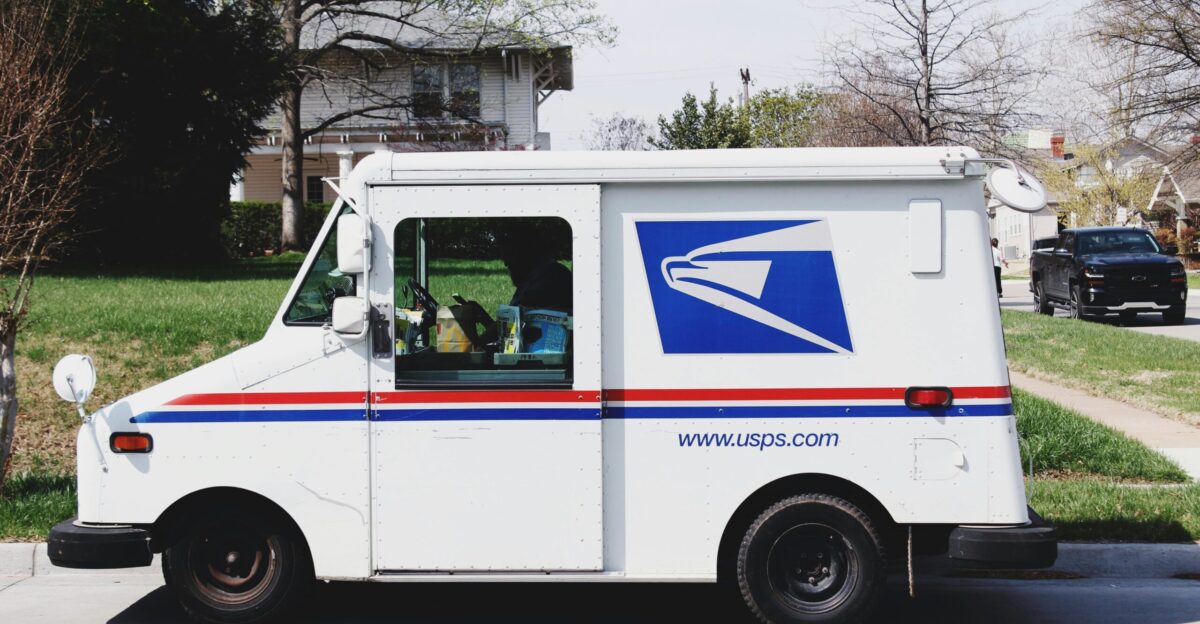
Amazon entered negotiations in February seeking a 4-year extension at favorable rates. Discussions progressed until November, when Steiner informed Amazon CEO Andy Jassy that USPS would pursue an auction instead of direct renewal. Amazon expected continuity but received competition.
By early December, both sides acknowledged negotiations had collapsed. Rather than compromise, USPS reaffirmed the auction strategy. Each side calculated that backing down would weaken future leverage, creating a standoff neither was willing to resolve.
USPS Financial Pressure Mounts
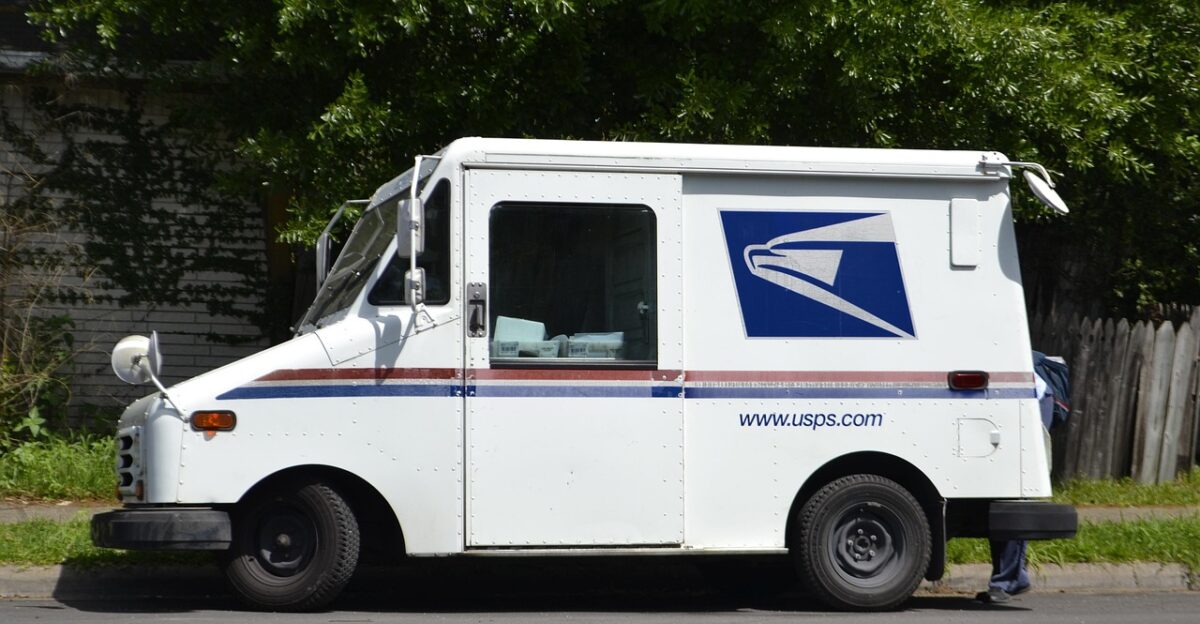
USPS’s position is shaped by crisis. In fiscal year 2025, it reported a $9 billion net loss, with controllable losses rising to $2.7 billion from $1.8 billion. First-class mail volume fell 80% since 1997, dropping from 57 billion to 12 billion pieces.
That decline erased more than $110 billion in annual revenue at today’s rates. USPS also carries $188 billion in unfunded pension liabilities and missed a $5.5 billion Treasury payment. These pressures explain why leadership took risks it might otherwise avoid.
Growth Over Cost Cutting
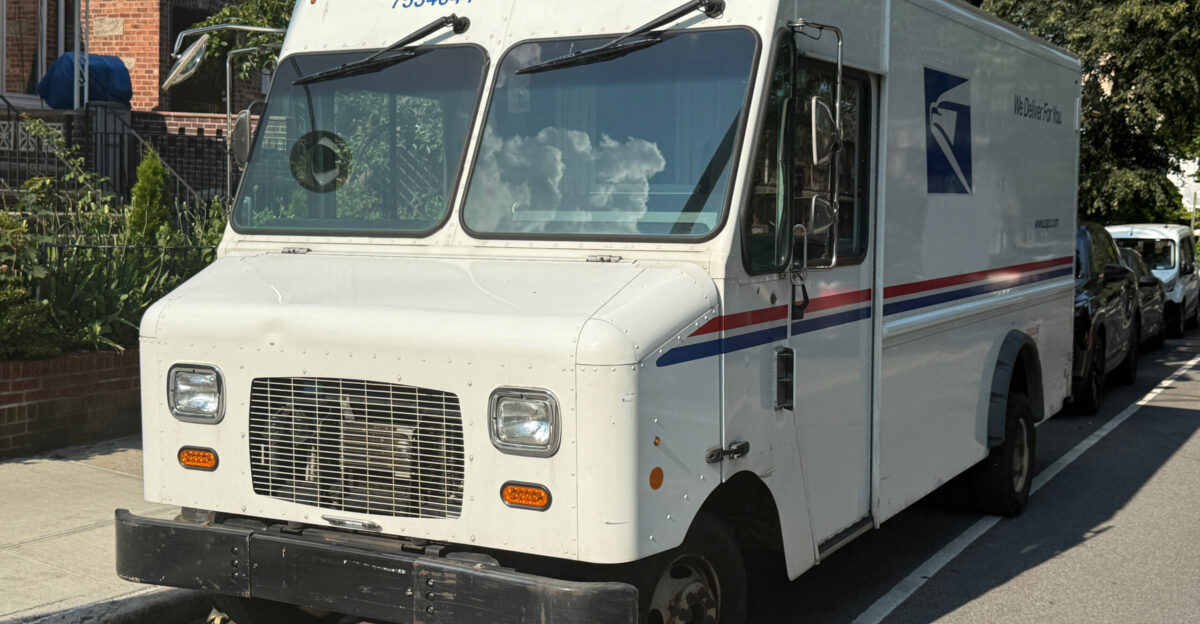
In November remarks, David Steiner said, “We cannot cost cut our way to prosperity. We need to grow volumes at a faster pace.” He added that USPS had limited access to its “valuable last mile asset,” restricting revenue.
Steiner argued broader participation from retailers and regional carriers would generate more income than relying on Amazon alone. This philosophy marked a sharp departure from previous leadership, betting USPS could behave more like a market competitor without losing its public mission.
Amazon’s Rural Backup Plan
Amazon anticipated conflict. In April , it announced a $4 billion rural expansion to be completed by late 2026. The plan adds more than 200 delivery stations serving over 13,000 ZIP codes across 1.2 million square miles.
Amazon Vice President Udit Madan said on April 30, 2025, “Once this expansion is complete, our network will be able to deliver over 1 billion more packages each year.” The timing suggested Amazon was already planning independence from USPS.
Inside Amazon’s Delivery Machine
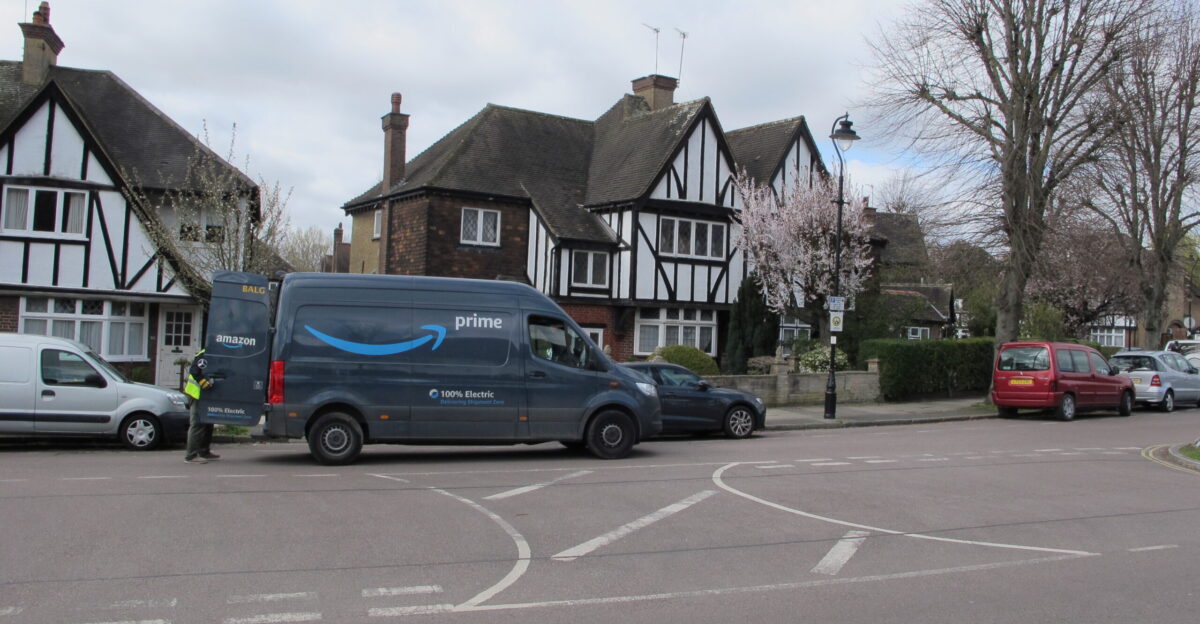
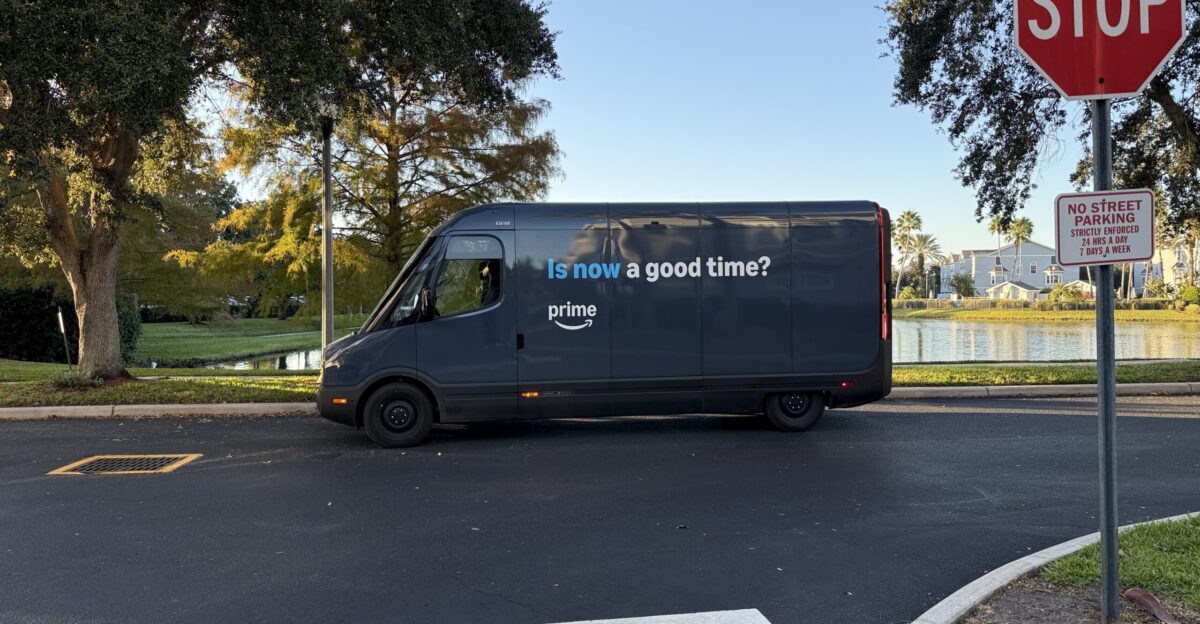
Amazon operates over 25,000 Rivian electric vans delivering more than 1 billion parcels annually. It has installed 32,000 charging stations at 180 delivery hubs and plans 100,000 vans by 2030. Beyond vehicles, Amazon runs more than 3,500 Delivery Service Partner businesses and invests in drones and autonomous delivery through Zoox.
This infrastructure positions Amazon to absorb USPS volume while outsourcing overflow to UPS, FedEx, and regional carriers if necessary, a capability built steadily over years.
The Scale Of A Historic Reroute
Amazon’s 6.3 billion parcels equal nearly one in three U.S. shipments. No prior logistics shift compares. The 1997 FedEx and UPS rivalry unfolded gradually. The 2008 recession reduced demand without forcing carrier changes.
Even COVID-19 strained systems while keeping partnerships intact. This situation is different. Amazon would exit one carrier entirely and redistribute its full volume within roughly six months after October 2026, a shock the system has never experienced.
Who Holds The Upper Hand
Ecommerce analyst Juozas Kaziukenas said on December 4, 2025, “USPS needs Amazon much more than Amazon needs USPS. Amazon has all the cards in their hands in this case.” Evidence supports that view.
Amazon absorbed volume when UPS cut its partnership by 50% starting mid-2026, eliminating 19,000 UPS jobs. Its growing fleet and rural expansion reduce dependence on any single carrier. USPS, by contrast, cannot easily replace $6 billion in annual revenue.
Why October 2026 Matters
The contract expires October 1, 2026. USPS plans its reverse auction in early 2026, forcing Amazon to decide whether to accept or exit. If Amazon walks, a transition period runs from April to October 2026 as routes are reassigned.
Then comes Q4, when holiday shipping spikes 50–60% above normal. Accepting unfavorable terms preserves stability during peak season. Leaving risks delays during the busiest quarter, making timing a decisive factor for both sides.
Rural America At Risk
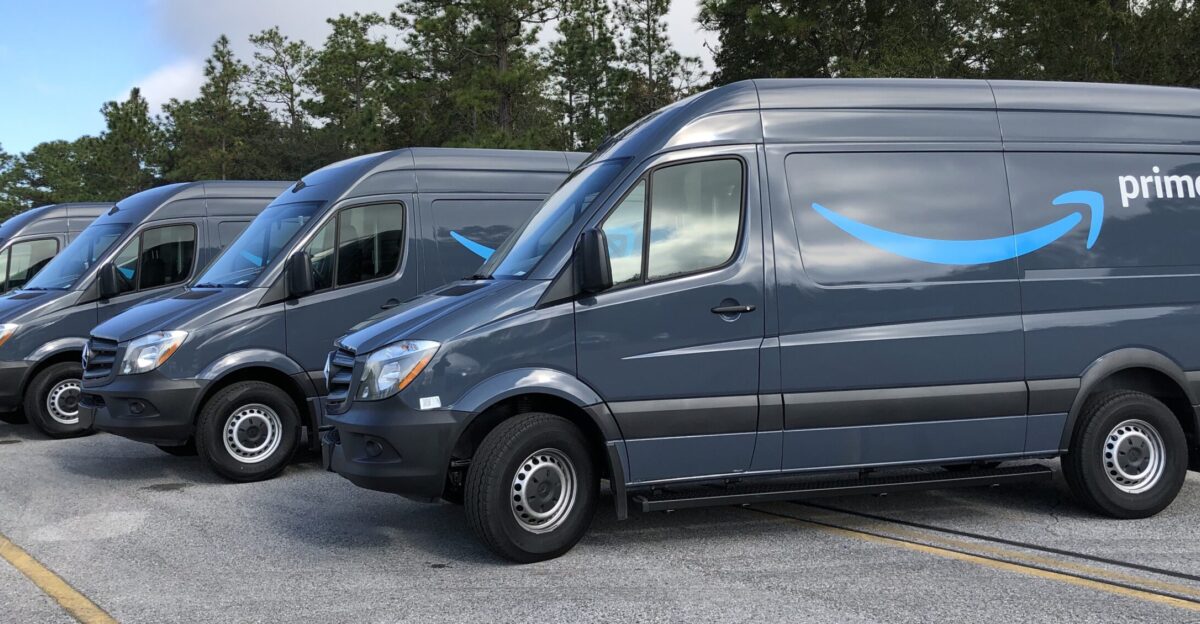
Amazon’s rural expansion reaches 13,000 ZIP codes, but USPS serves more than 42,000 nationwide. That leaves over 29,000 ZIP codes vulnerable if the partnership ends. These include remote farming regions, tribal lands, and mountain communities where private carriers struggle to profit.
USPS is legally required to deliver everywhere, six days weekly. Amazon is not. Without Amazon revenue, USPS may raise rural rates 50–80% or reduce service, turning many towns into delivery deserts.
Small Businesses Feel The Squeeze
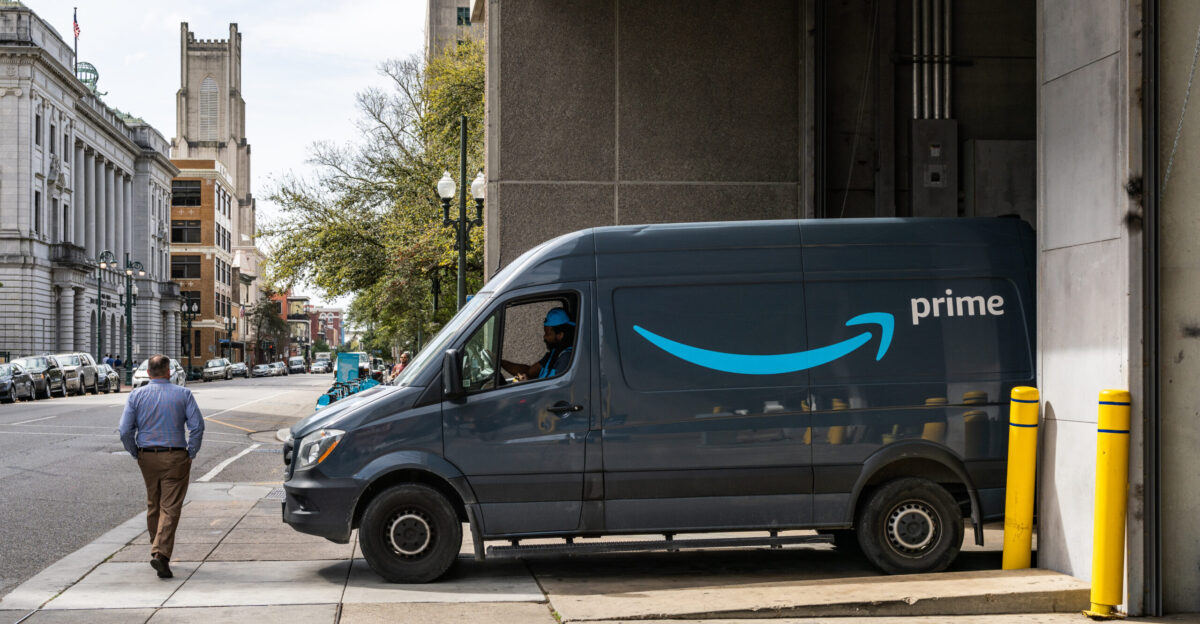
More than 60% of Amazon marketplace sellers are independent businesses generating $2.5 trillion in annual sales. Many rely on USPS rates of $2.50–$4.50 per parcel. Post-split estimates rise to $4.50–$7.00 as USPS offsets losses. FedEx and UPS often cost $4.50–$8.00.
Shipping increases of 25–40% would erase margins, pushing sellers toward Amazon fulfillment despite its 30% commission, strengthening Amazon while weakening seller independence.
The Human Cost At USPS
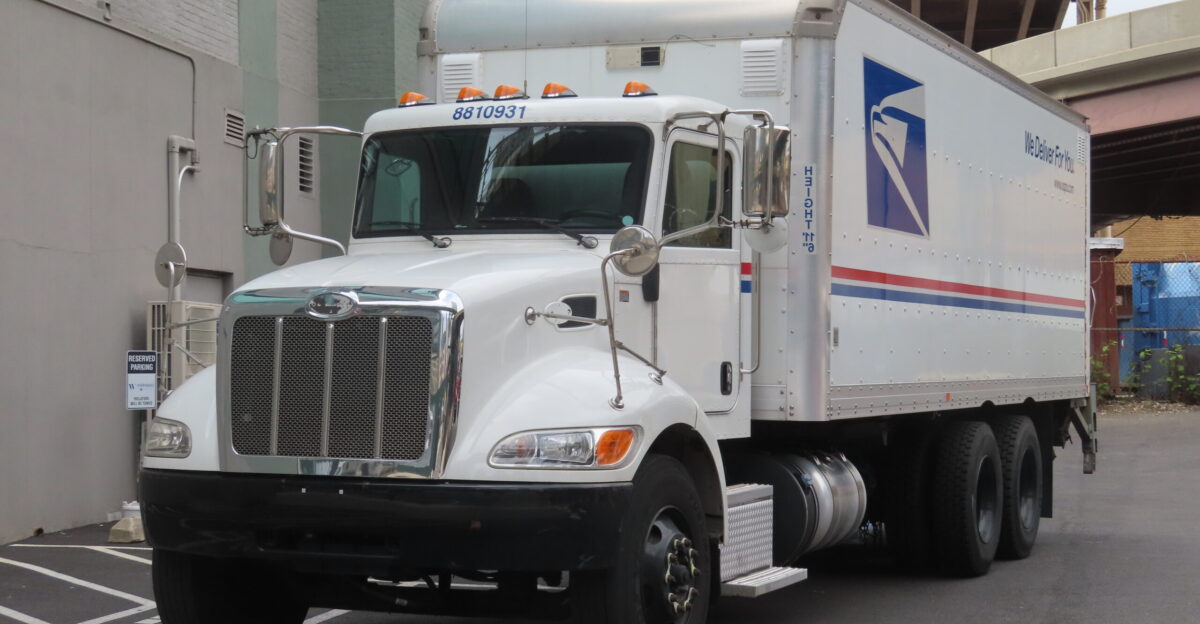
Amazon parcels account for about 31% of USPS volume. Losing them drops annual parcels from 6.9 billion to roughly 4.6 billion. Based on staffing ratios, that equates to around 69,000 job losses, or 14% of the workforce. Losses would hit sorting facilities, suburban routes, and regional hubs hardest. USPS has avoided mass layoffs since 2006, but unions warn involuntary separations could follow by 2027 if revenue collapses.
Higher Prices For Consumers
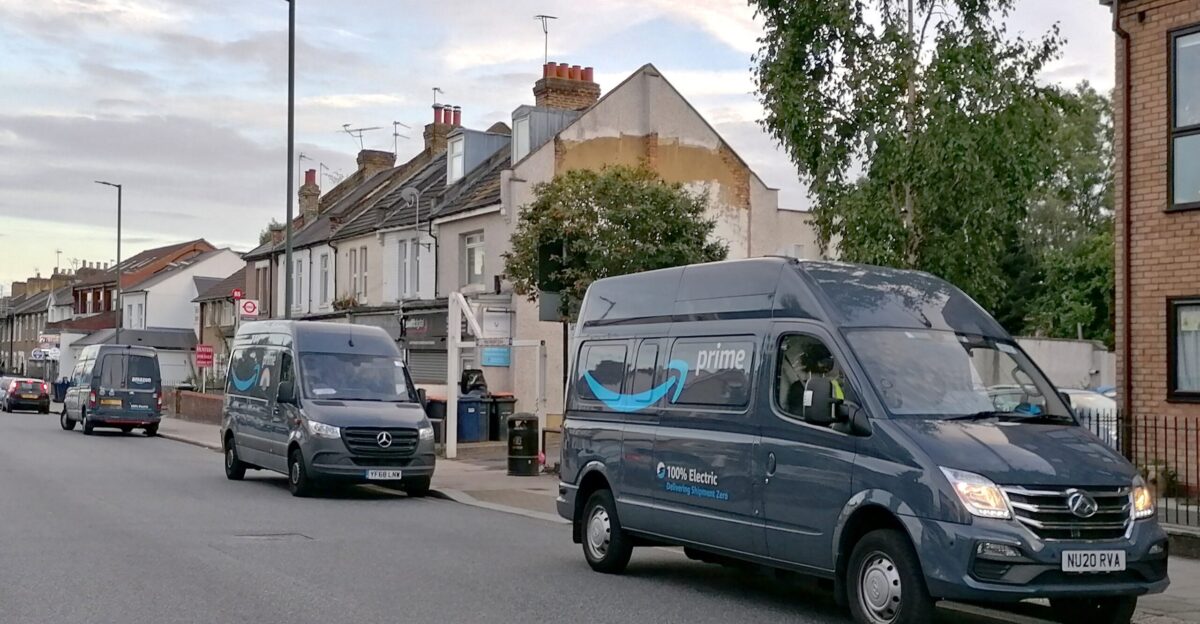
Urban Prime members may see little change, as Amazon maintains next-day delivery. Rural Prime members could face longer windows, expanding from 2–5 days to 3–7 days. Non-Prime urban customers may see shipping rise from $5.99–$7.99 to $7.99–$10.99.
Rural non-Prime customers face increases up to $12.99, a 50–80% jump. Lower-income households relying on USPS could pay $50–$150 more annually, creating political risk for Amazon.
Political Winds Add Pressure

President Trump has called USPS “a tremendous loser for this country” and proposed privatization or a Commerce Department merger as of February 2025. While Steiner has not endorsed privatization, his auction strategy aligns with market-driven ideology.
That may reduce political pressure short term but increases uncertainty. Amazon, wary of shifting policy, has more incentive to reduce reliance on a government agency. Politics, not just economics, is shaping the outcome.
USPS Options If Amazon Walks
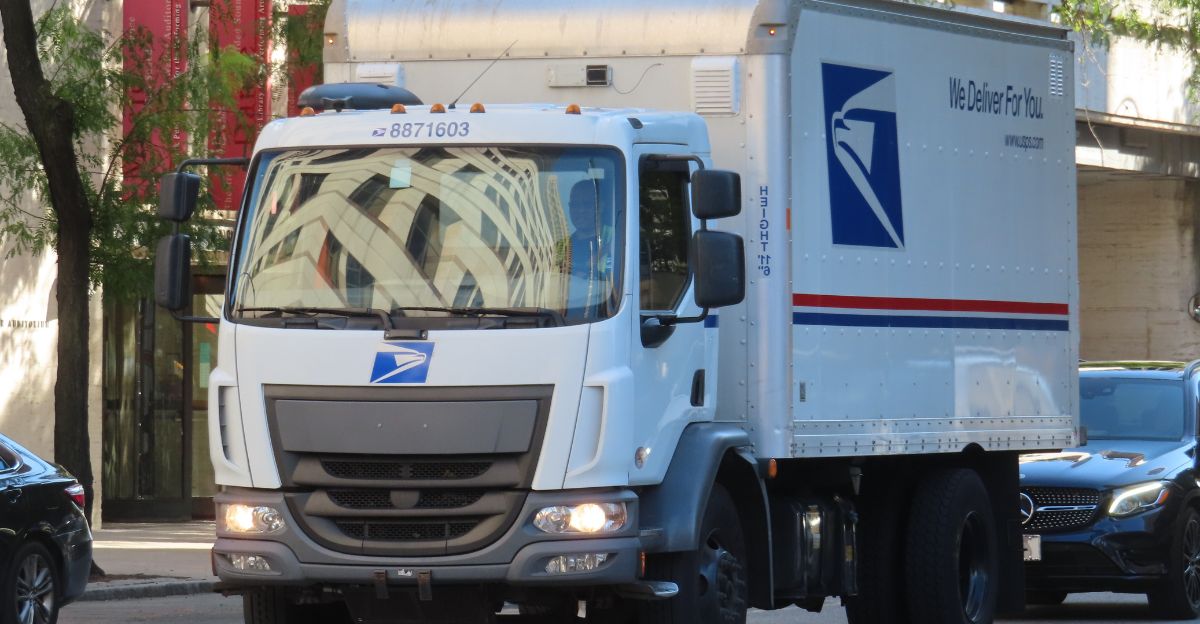
If Amazon exits, USPS faces harsh choices. It could raise rates on remaining shippers, risking further volume loss. It could cut service, close facilities, and eliminate 50,000–100,000 more jobs. It could pursue privatization or a merger, or seek congressional relief through subsidies or pension reform.
Reopening talks with Amazon remains possible, but only after Amazon deploys alternatives. Each option reshapes postal service for decades.
A Transformed Logistics Market
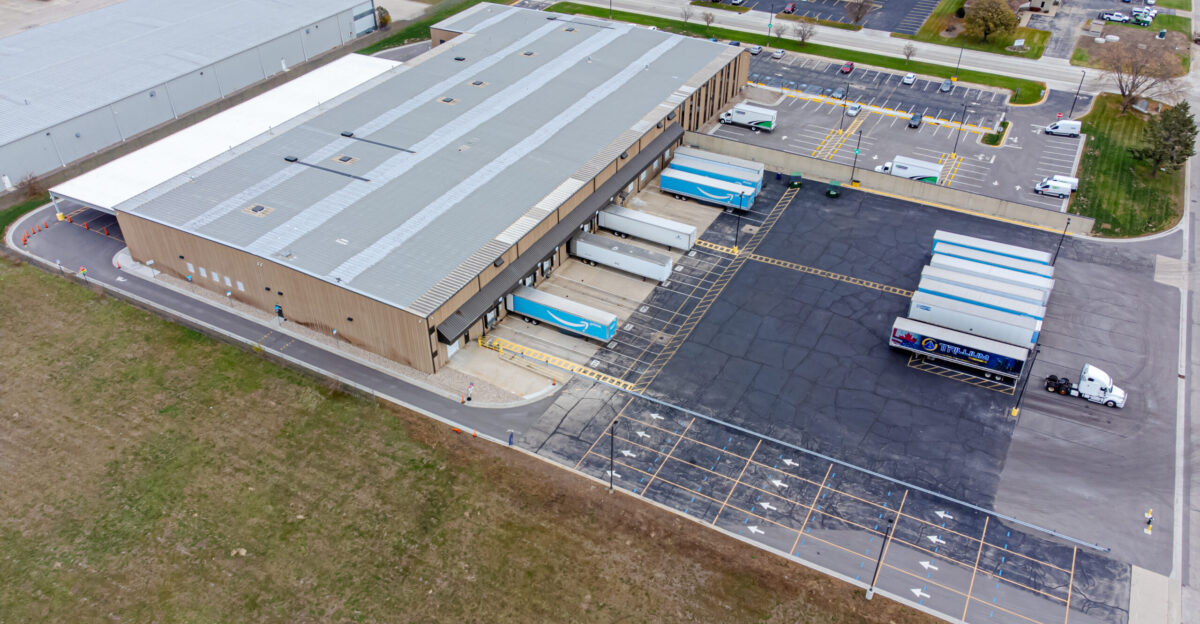
Without Amazon, USPS becomes a smaller parcel carrier focused on mail. Amazon emerges as the largest integrated logistics operator, while UPS regains commercial dominance. Regional carriers like OnTrac and XPO expand rapidly, growing over 22% annually.
Walmart and others accelerate private networks to compete. Consolidation reduces redundancy, making the system less resilient. When one company controls 35–40% of deliveries, disruptions ripple nationwide.
Choices That Define The Future
Amazon prefers direct negotiation but is ready to leave. USPS must decide whether compromise preserves its mission or competition secures survival. Congress may intervene with subsidies, pension relief, or antitrust scrutiny.
Rural communities face the greatest risk, as universal service collides with market logic. Consumers will pay more unless competition offsets losses. The resolution will define whether American delivery remains a public utility or evolves into a profit-driven system for generations.
Sources:
“U.S. Postal Service Reports Fiscal Year 2025 Results,” U.S. Postal Service Official Newsroom, November 13, 2025
“Amazon in Discussions with USPS About Future Relationship,” Reuters Technology, December 4, 2025
“Amazon Eyes Expanding Delivery Network After Talks with USPS,” Washington Post Business, December 4, 2025
“Postmaster General David Steiner’s Nov. 14, 2025 USPS Board of Governors Meeting Remarks,” U.S. Postal Service Official Newsroom, November 14, 2025
“Amazon to Spend $4 Billion on Small Town Delivery Expansion,” CNBC, April 30, 2025
“How a $6 Billion Breakup Could Rewrite U.S. Last-Mile Delivery,” LinkedIn Analysis, December 6, 2025