
In the heat of Texas’ spring, ranchers were stunned to find their fields turning brown seemingly overnight. What started as a mysterious “pasture dieback” in mid-April 2025 quickly spread across southern Texas.
By the time agriculture officials were alerted, the damage had reached scattered counties from the Rio Grande Valley to the upper Gulf Coast. Fields once lush with grass, vital to the state’s cattle herds, now lay barren, and ranchers were left grappling with the unknown.
But what they discovered next would send shockwaves through the agricultural community. What’s causing this devastation, and can anything be done to stop it?
A Rising Concern
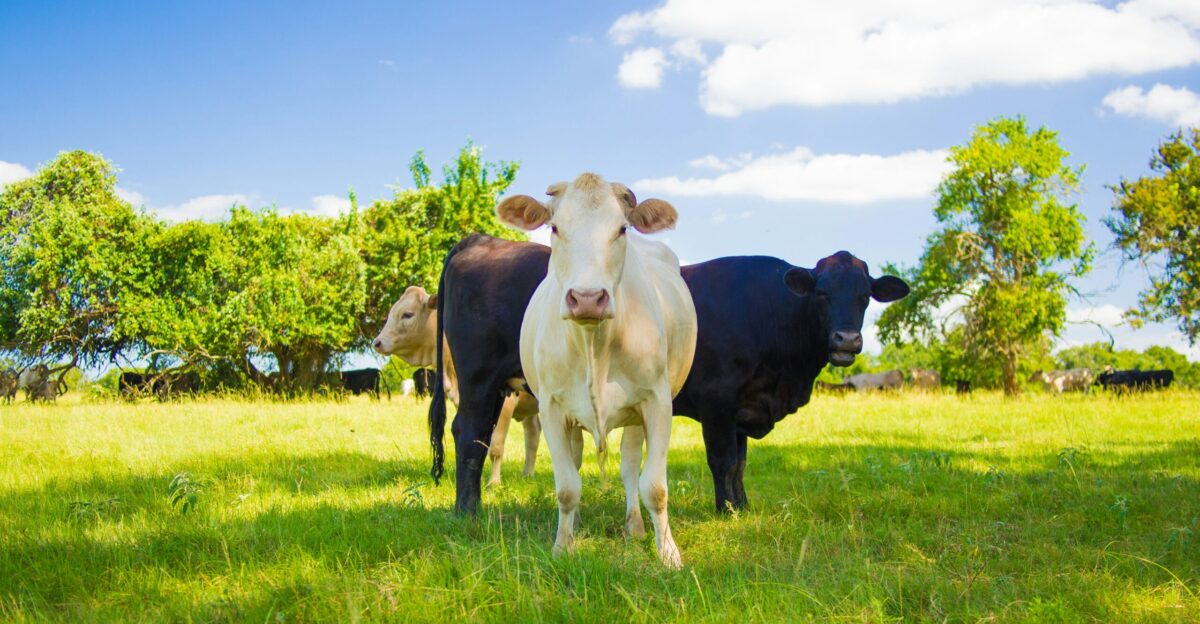
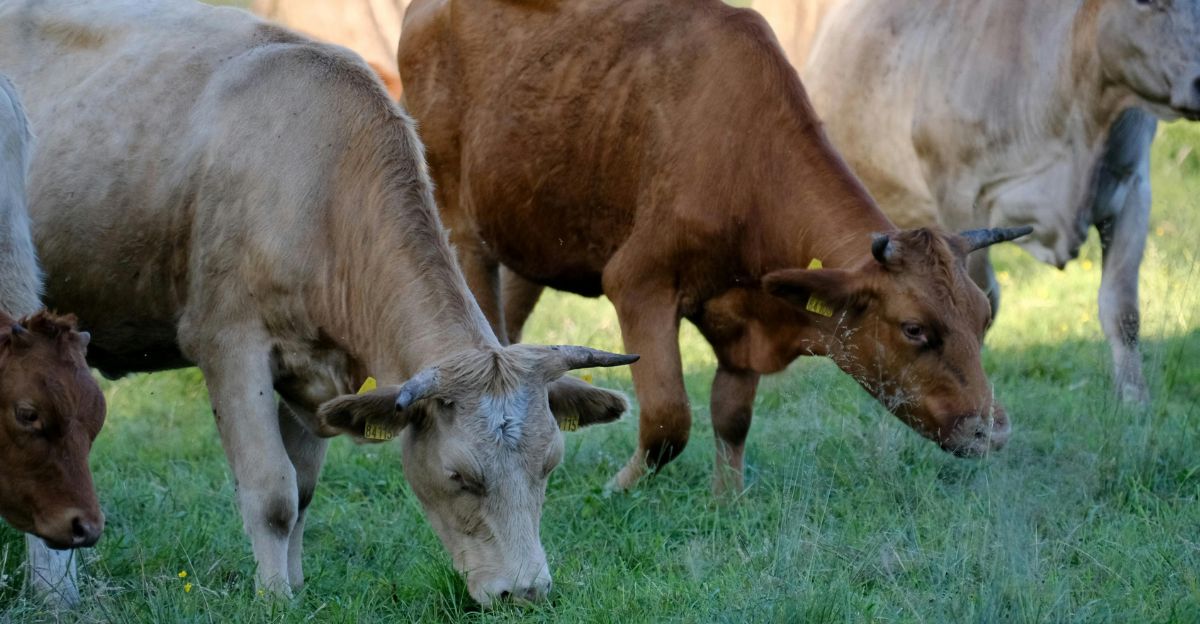
The concern is not cosmetic. Texas leads the U.S. in cattle inventory and relies heavily on Bermuda grass and other improved pastures for grazing and hay.
Extension specialists warn that a sizable share of forage production in southeastern Texas could be at risk, with approximately $300 million in annual forage production threatened across the 21 affected counties.
This raises concerns about feed costs and stocking rates heading into future seasons if the outbreak continues to expand unchecked.
The Culprit
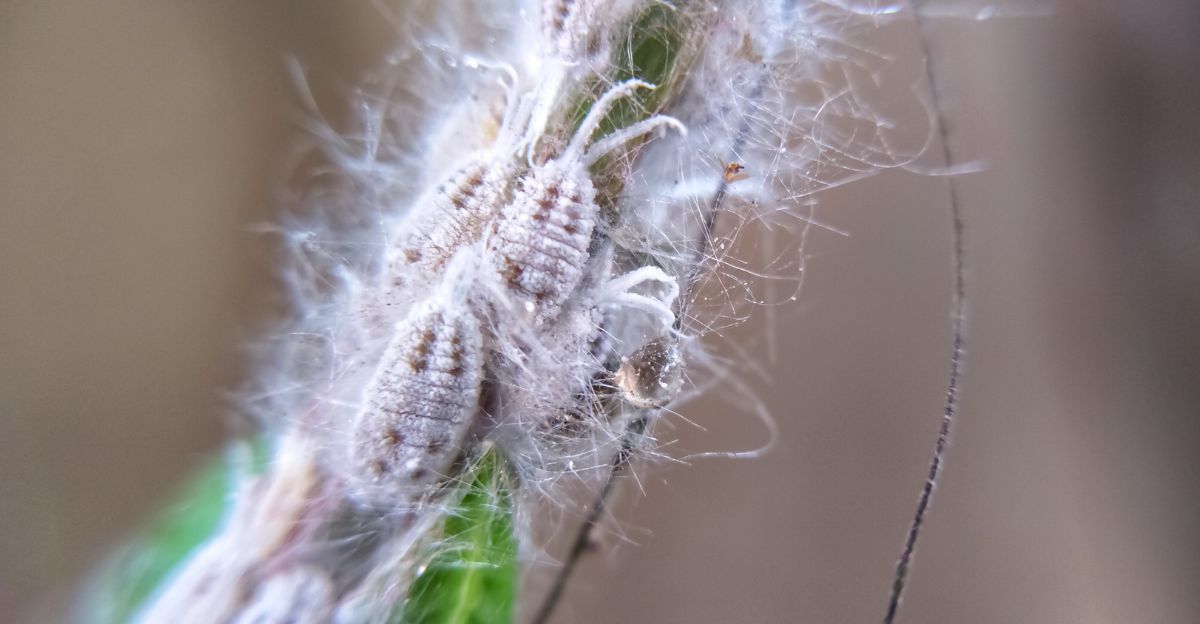
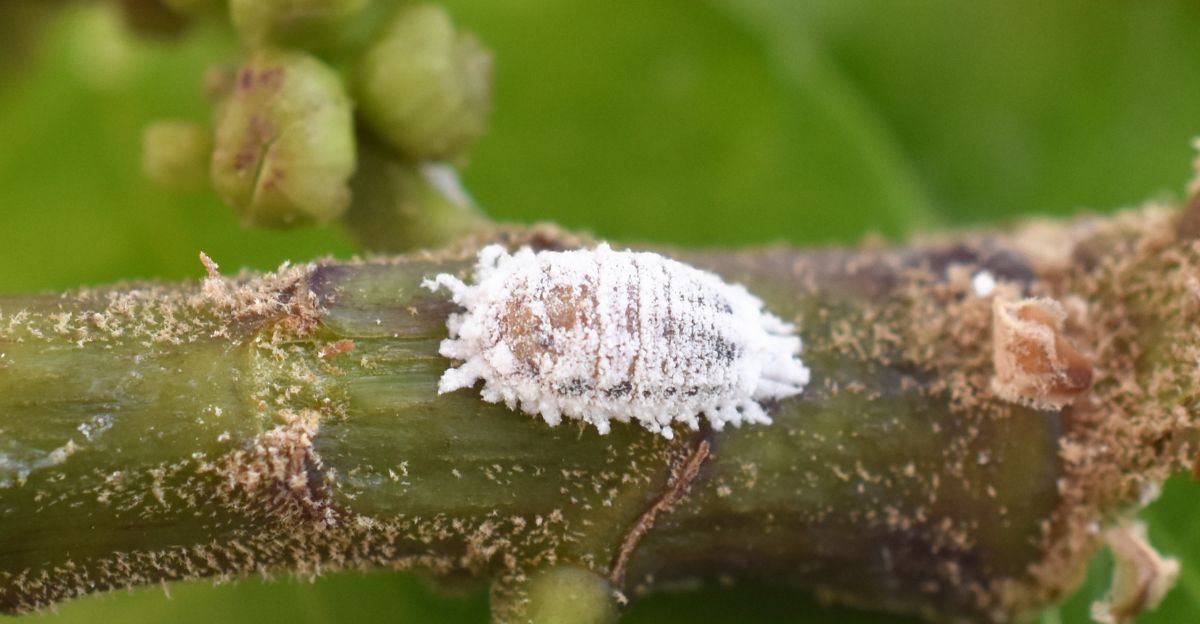
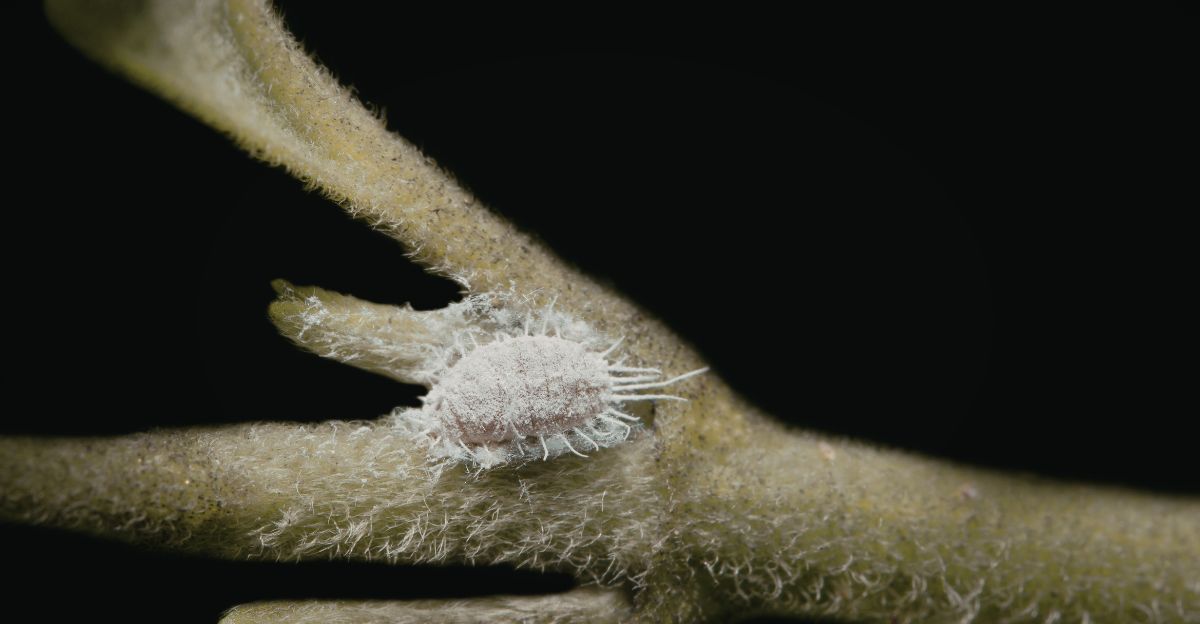
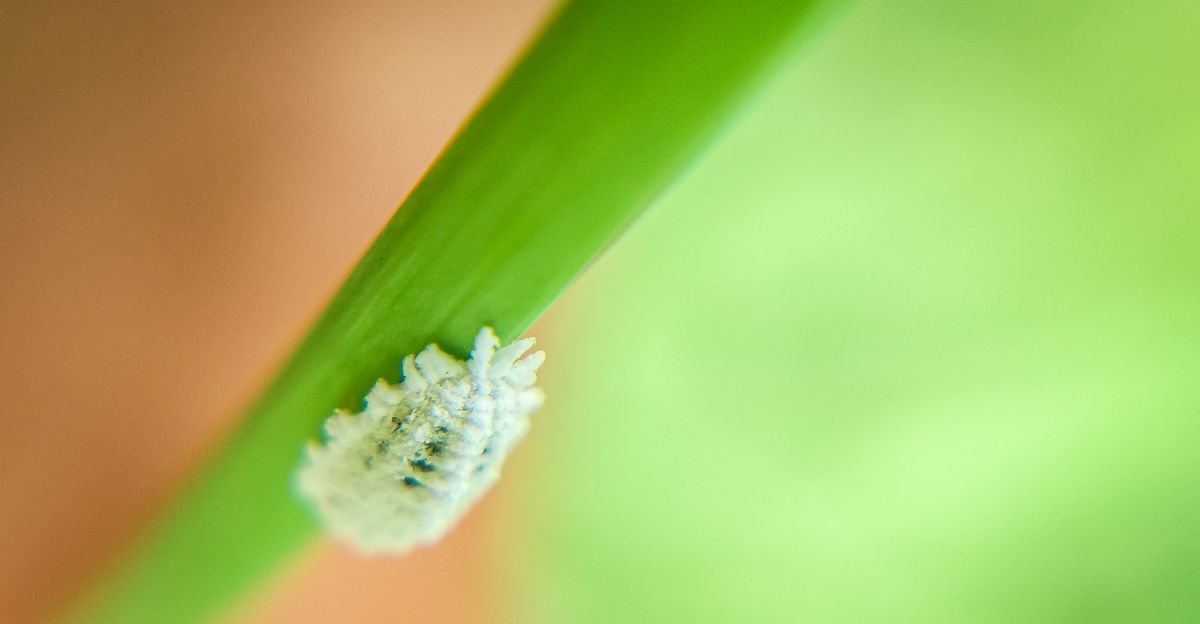
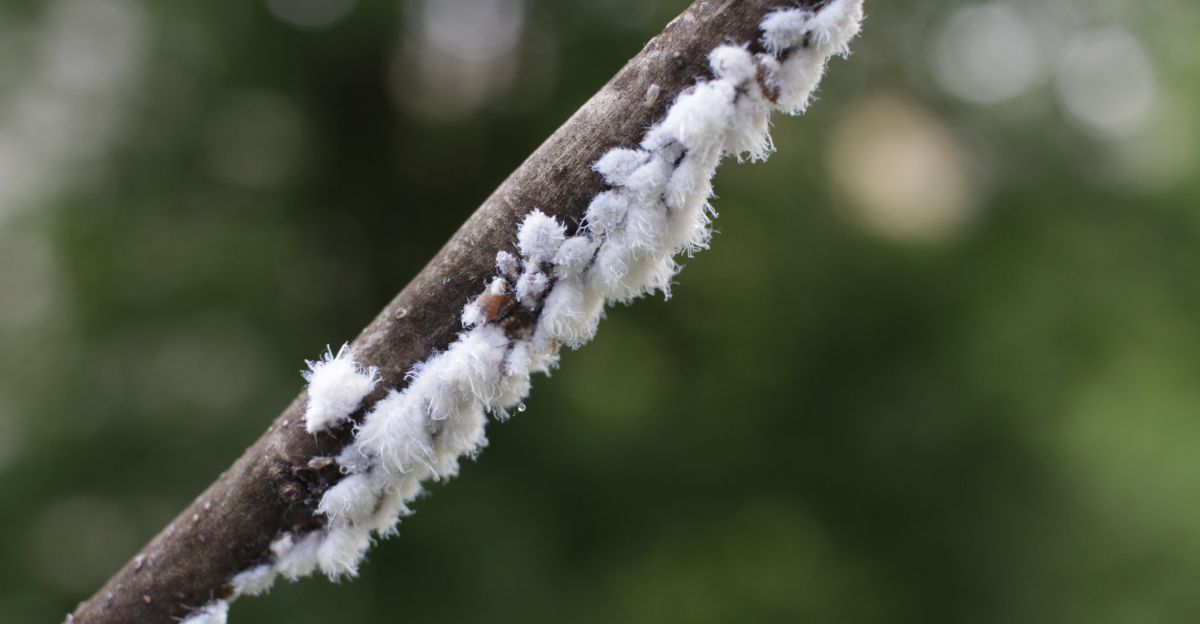
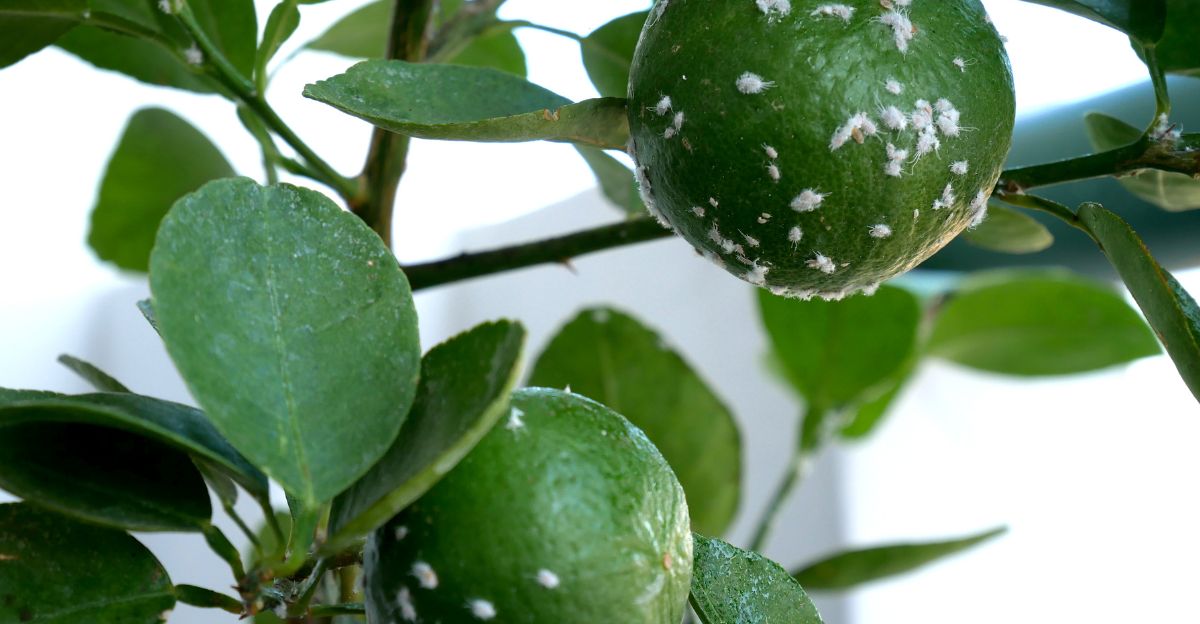
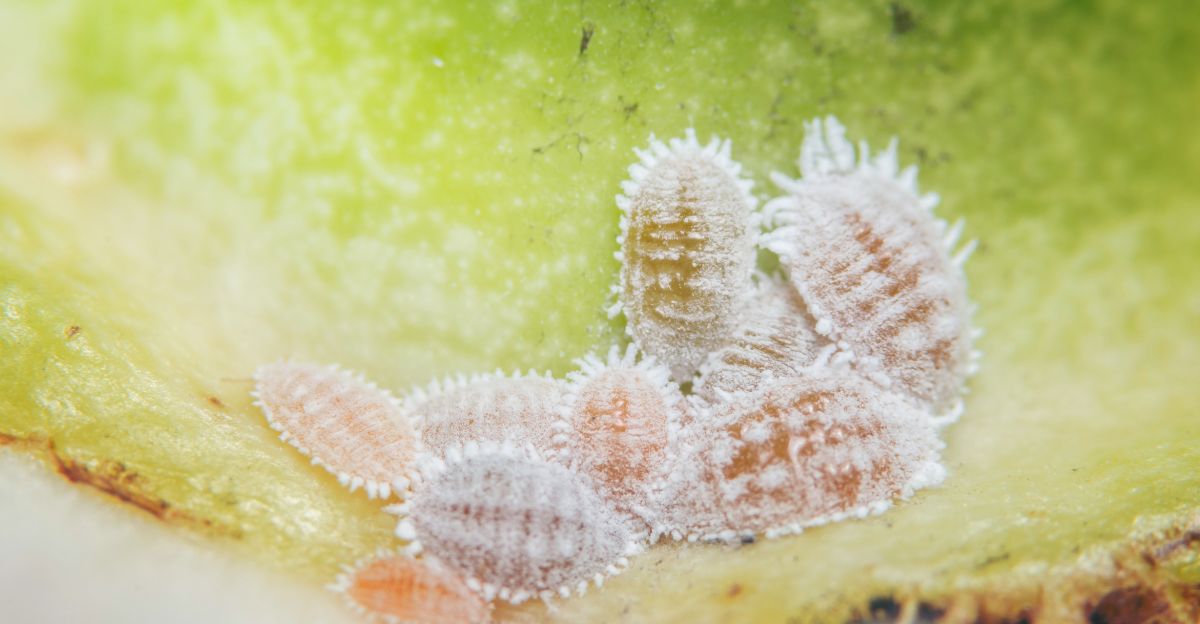
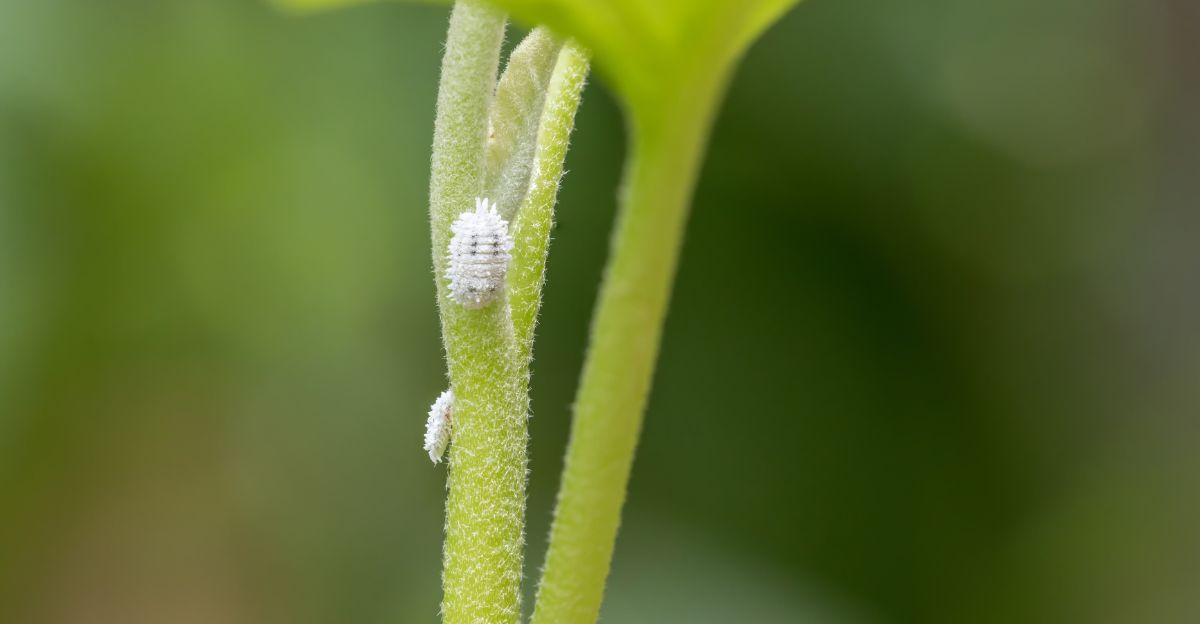
The culprit is the pasture mealybug, Heliococcus summervillei, a small, fuzzy, white insect measuring 2–5 millimeters long.
First described in Australia in 1928, the pest is infamous for triggering “pasture dieback.” In Australia and other countries, the sap‑sucking pest has been linked to devastating millions of acres of grazing land, particularly in humid, subtropical regions.
That history is heavily shaping how Texas scientists view the current threat.
Early Warnings
In Texas, producers in southern counties began reporting unusual grass decline by mid‑April 2025, often in fields previously assumed healthy.
Specialists initially suspected the long-established Rhodes grass mealybug, which has been present in the U.S. since 1942.
Only after diagnostic work and USDA confirmation did officials realize they were dealing with a different, more globally notorious species that had never been reported in North America before. That finding escalated the response.
Alert Issued
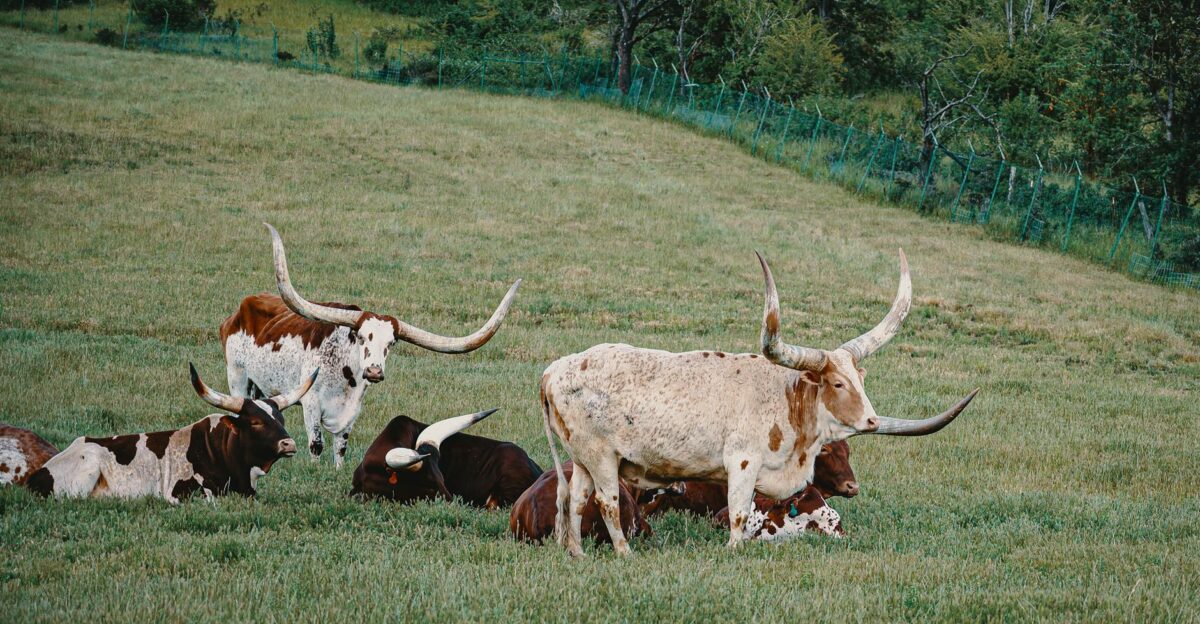
On December 10, 2025, Texas Agriculture Commissioner Sid Miller issued an urgent alert warning producers that the pasture mealybug, previously unreported in North America, has now been confirmed in 21 Texas counties, primarily in the southeast.
Miller cautioned that, if it spreads statewide as it has in eastern Australia, it could “cost Texas agriculture dearly” through lost productivity and reduced livestock capacity.
Hotspots Mapped

Texas A&M and state officials have confirmed cases in 21 counties: Cameron, Hidalgo, Willacy, Refugio, Calhoun, Victoria, Goliad, DeWitt, Lavaca, Fayette, Jackson, Matagorda, Brazoria, Galveston, Wharton, Colorado, Austin, Washington, Burleson, Brazos, and Robertson.
Of these, 18 counties cluster around the Houston‑to‑Coast corridor and Southeast Texas, and 3 of 4 Rio Grande Valley counties are affected—regions dense with cattle, hay, and turfgrass operations that depend on perennial grasses.
Ranchers on Edge
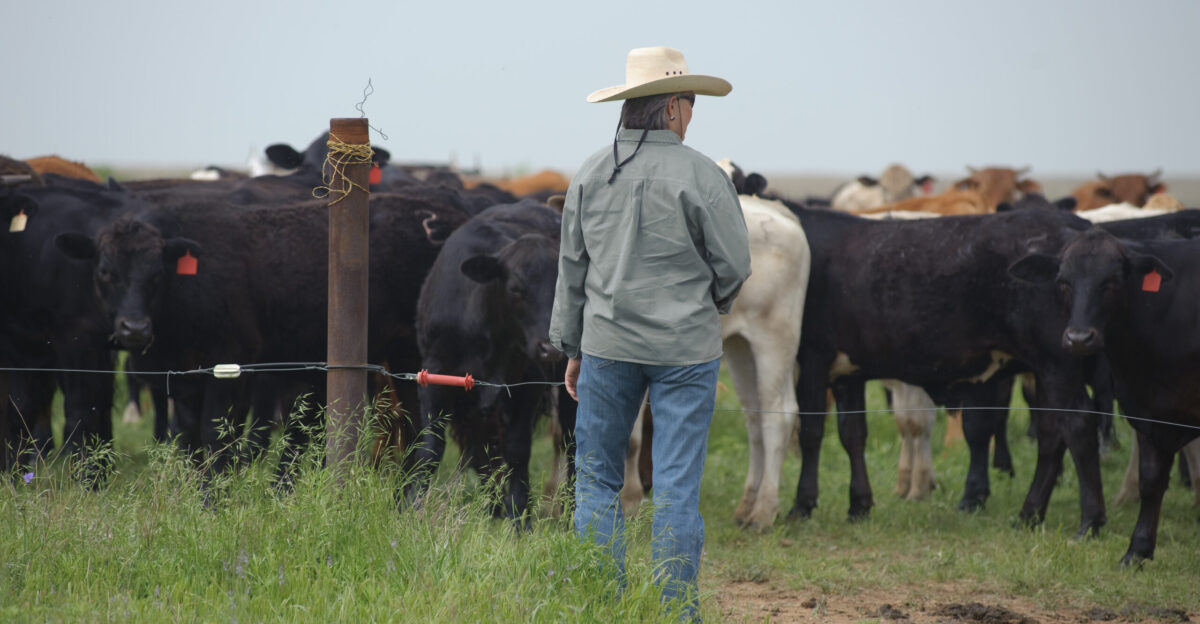
Ranchers and hay producers in counties like Victoria and Brazoria describe patches of Bermuda grass turning yellow, then brown, sometimes within weeks, despite receiving adequate rainfall.
In one documented case, a 7–8-acre Bermuda grass hay field turned completely brown and failed to recover, according to entomologist Stephen Biles with Texas A&M AgriLife Extension.
Producers say the cost of lost cuttings and re‑establishing stands is already mounting.
Official Response
The Texas Department of Agriculture is coordinating with Texas A&M AgriLife Extension Service and the USDA’s Animal and Plant Health Inspection Service (APHIS) to map the infestation and develop management guidance.
Agencies are asking producers to closely inspect pastures and report suspected cases through the hotline at 1-800-TELL-TDA and local Extension offices.
A formal Pest Incident Worksheet has been filed documenting significant damage in Victoria County and elsewhere.
Core Forage at Risk
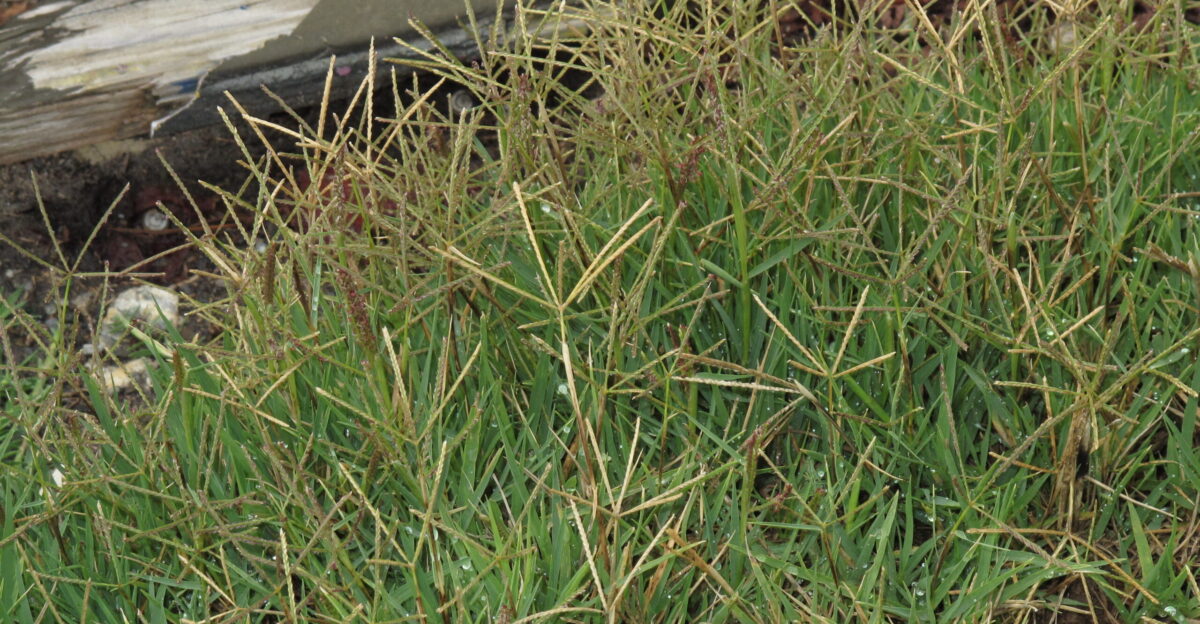
The pasture mealybug targets a wide range of Texas grasses, including Bermuda grass, Bahia grass, Johnsongrass, sorghum‑sudangrass “hay grazer,” several bluestem species, and St. Augustine turfgrass.
These species underpin both grazing systems and hay markets across southeastern Texas.
Experts note that broadleaf forages, such as legumes, are not affected; however, the pest’s broad grass host range makes it especially disruptive to typical Gulf Coast pasture blends.
Mechanism of Harm
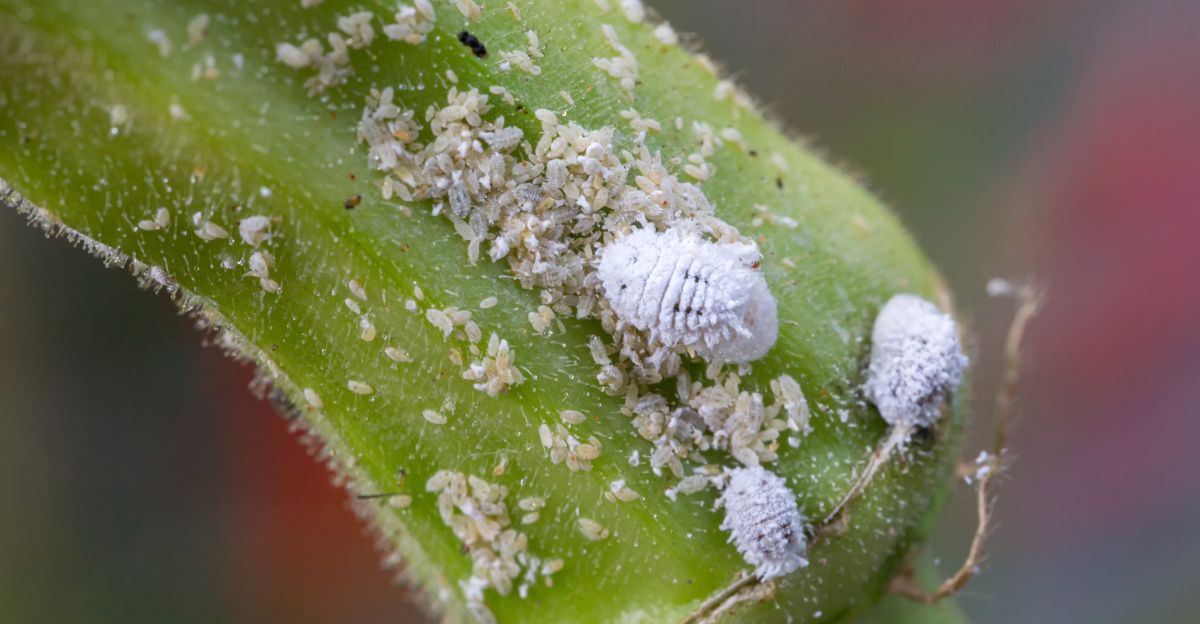
While adult pasture mealybugs do not feed, immature mealybugs damage grass through a two‑pronged attack. They pierce and suck plant sap with their mouthparts, excreting honeydew that promotes sooty‑mold fungi, which block photosynthesis and weaken the plant.
Most critically, their saliva is toxic to grass, directly poisoning the plant and making it susceptible to secondary infections.
Even low numbers of mealybugs can trigger “pasture dieback” under the right conditions. Visible damage—yellowing and discoloration—can appear within as little as one week of infestation.
No Easy Fix
The most troubling detail so far is that there is currently no known effective insecticide labeled for controlling pasture mealybug in Texas pastures.
Field trials are underway, but early reports indicate that existing pasture insecticides—including pyrethroids, which are not recommended due to their potential to eliminate natural enemies—provide little to no control.
That leaves ranchers largely dependent on cultural measures—such as intensive grazing, mowing, or possibly burning—whose real‑world effectiveness under Texas conditions remains unproven.
Producer Frustration
Because the insect feeds at or below the soil surface and within plant tissues, often hidden under cow manure, many producers only realize they have a problem once dieback patches expand.
Ranchers report frustration at seeing declining stands without a clear, labeled chemical option.
Extension specialists stress that, for now, the focus must be on early detection and field-by-field decision-making, which can be a challenging message for operations under economic pressure.
Science Mobilized
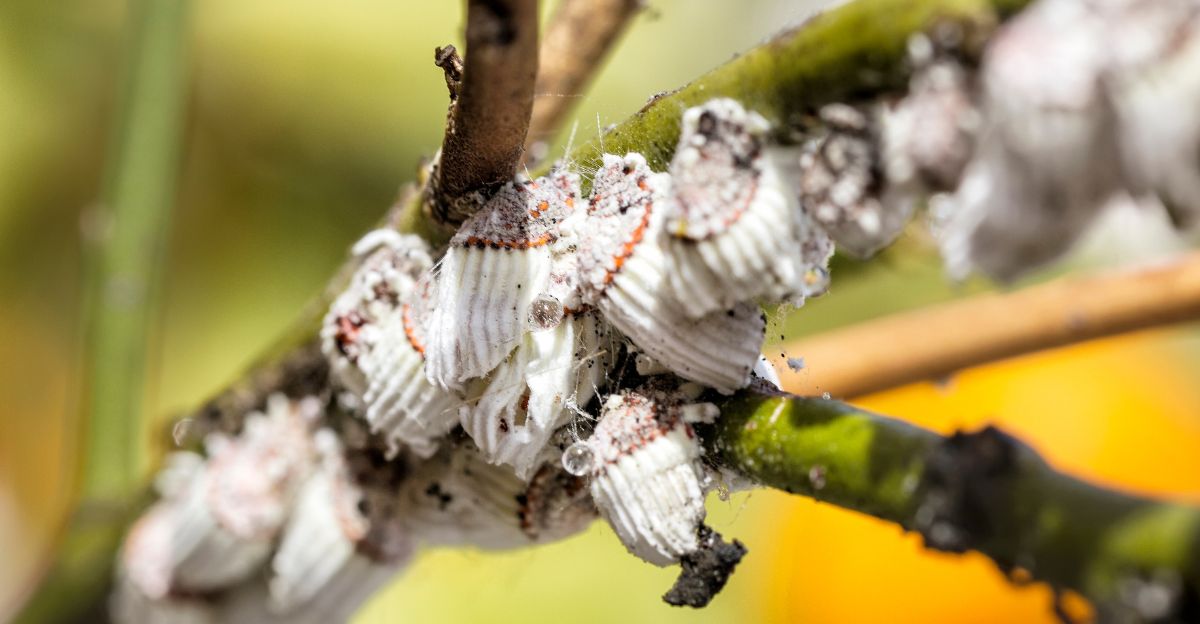
Within Texas A&M, entomologists and forage specialists are taking the lead. Stephen Biles and colleagues have produced a detailed fact sheet, photographs, and scouting guidance to help ranchers identify the insect and its symptoms.
Researchers are also exploring potential biological controls and resistant forage varieties, drawing on Australian experience while acknowledging that Texas grasses, soils, and climate could change how the pest behaves.
Management Experiments
Proposed management tactics under discussion include intensive grazing or mowing to remove infested foliage and reduce favorable thick-growing conditions, tillage in severe cases, rotating to alternative forages, and burning to reduce populations.
However, Texas A&M cautions that these strategies have not yet been systematically tested against pasture mealybug in Texas. Additionally, avoiding excessive nitrogen fertilization may help slow population growth, while phosphorus fertilization may improve grass recovery.
Without established economic thresholds, producers must weigh the costs of intervention against the uncertain benefits for each field.
Survival and Spread
The pasture mealybug thrives in Texas’s hot, humid climate and can survive wintertime by overwintering in soil, with females persisting year-round under dry and cold temperatures.
The pest reproduces rapidly—females can produce nearly 100 offspring within 24 hours—and has a life cycle that averages 45–47 days under favorable conditions.
Spread occurs through wind, machinery, cattle, and farm equipment; cleaning equipment after working in infested pastures is critical. Experts warn the pest could spread further in 2026 if not contained.
Expert Outlook
At the same time, scientists note that the full economic impact is still being determined, and not every infested field will suffer total loss.
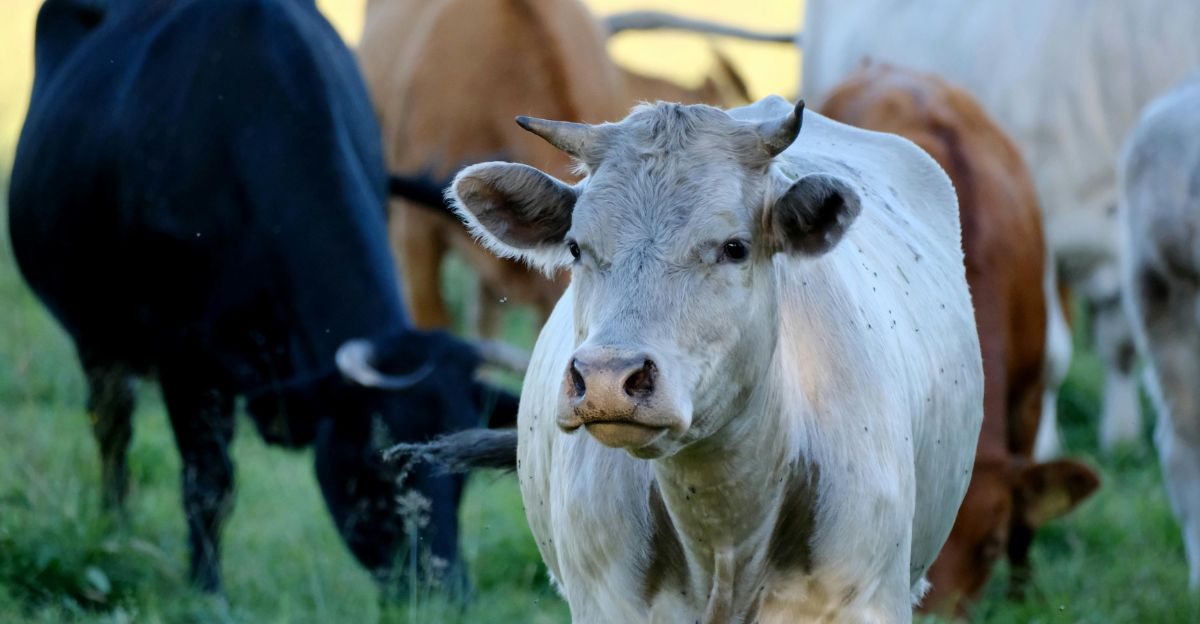
However, the potential is significant: approximately 500,000 to 1 million cattle and horses in the affected 21 counties could face feed shortages if forage production is substantially reduced, and roughly 2–3 million acres of Texas pasture and hayfield are at immediate risk.
Researchers emphasize that rapid reporting and coordinated monitoring over the next few seasons will be crucial for refining risk estimates and developing effective management strategies.
Global Context
Internationally, pasture dieback linked to similar mealybugs has challenged producers in eastern Australia for nearly 100 years—since the pest’s first description in 1928—and has spread to parts of the Caribbean and other regions.
Australian researchers have experimented with altered grazing regimes, re‑sowing tolerant species, and introducing natural enemies.
Texas scientists are reviewing this work to determine which strategies might be applicable to Gulf Coast conditions, while acknowledging that species mixes and weather patterns differ.
Policy Choices
State officials must now weigh surveillance and support options, from funding additional research at Texas A&M to expanding Extension outreach in affected counties.
The pasture mealybug episode also tests how quickly Texas can respond to new invasive species that threaten its $20‑billion‑plus livestock sector.
Decisions made in Austin could determine whether producers receive technical and financial assistance to adapt their grazing systems. Commissioner Sid Miller stated, “This is a completely new pest to our continent, and Texas is once again on the front lines.”
Environmental Dimension
Ecologically, severe dieback in grazing lands can expose bare soil, increase the risk of erosion, and create niches for invasive weeds.
Because the pasture mealybug focuses on grasses, it may unintentionally change plant community composition in infested areas, favoring broadleaf species.
Extension publications emphasize monitoring not just livestock performance but also pasture ground cover and species shifts over time as part of a long‑term response.
Call to Action
Producers who suspect pasture mealybug infestation are urged to immediately report suspected cases to the Texas Department of Agriculture at 1-800-TELL-TDA.
Look for fluffy, white, waxy, or fuzzy insects on grass leaves, at the base of plants, in soil, in leaf litter, and especially under cow manure.
Yellowing and discoloration, purpling or reddening of foliage, stunted growth despite adequate rainfall, and poorly developed root systems are early warning signs. Early detection is critical to containing this unprecedented threat.
Sources:
Texas A&M AgriLife Extension
Texas A&M AgriLife Today
Texas Department of Agriculture
Texas A&M Mid-Coast IPM
Hay & Forage Grower
Fox26Houston
KHOU-TV Houston
Texas Standard
USDA Animal and Plant Health Inspection Service (APHIS)