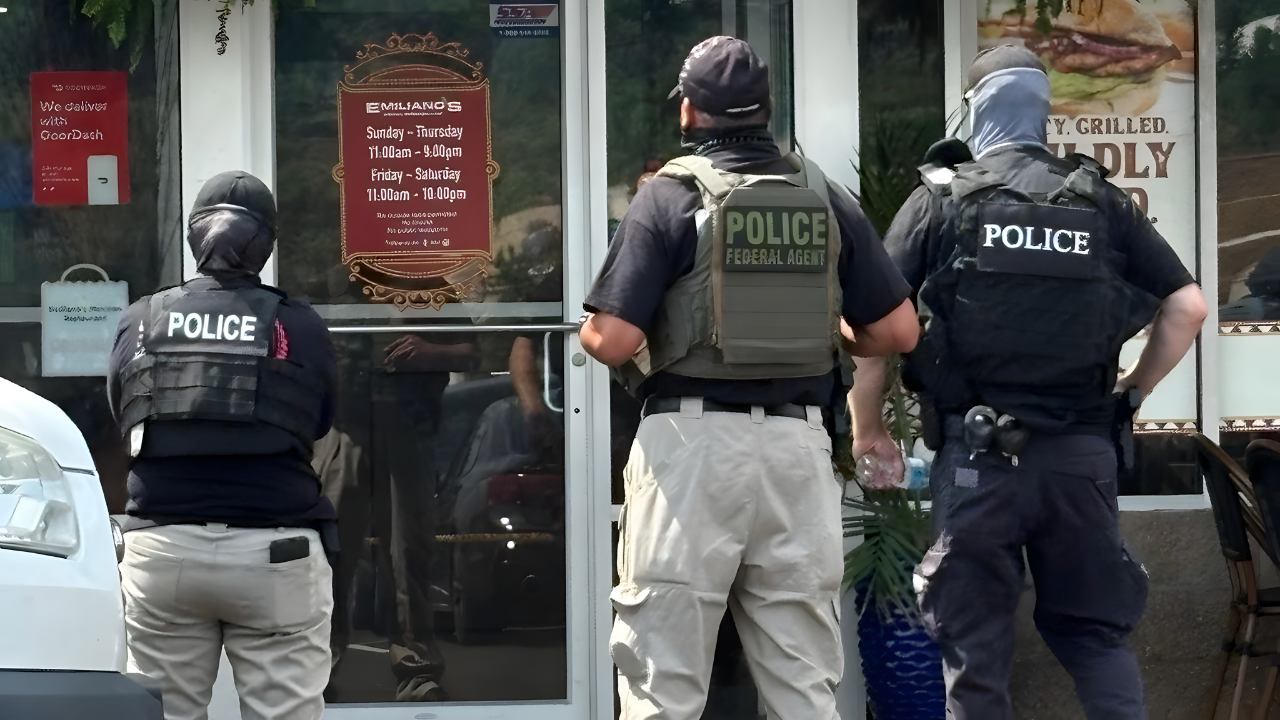
On December 6, 2025, Wayne Davis, the assistant manager at Brother’s Food Mart in Kenner, Louisiana, locked the front door as U.S. Border Patrol agents arrived in unmarked vehicles during a federal immigration enforcement surge. Chief Gregory Bovino was left outside, unable to enter.
Davis’s viral video gesture flipping off the agents and declaring, “You ain’t getting it here, bro” sparked a nationwide debate over the rights of private businesses during immigration enforcement operations. This incident set the stage for a conversation about federal authority and local rights.
Operation Catahoula Crunch Explained
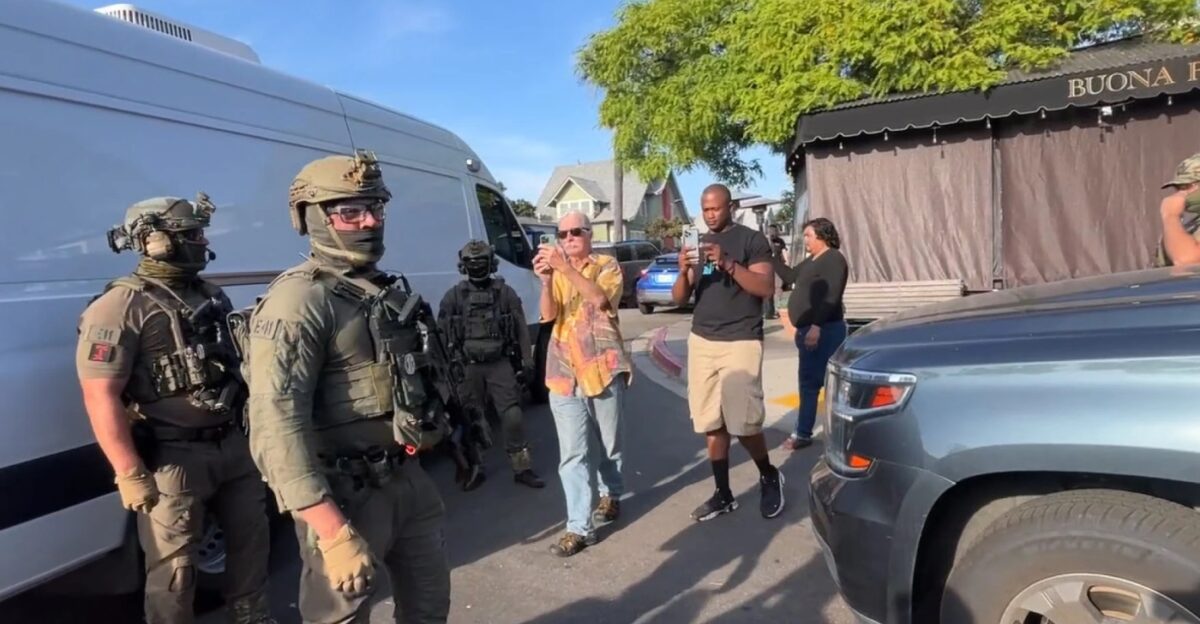
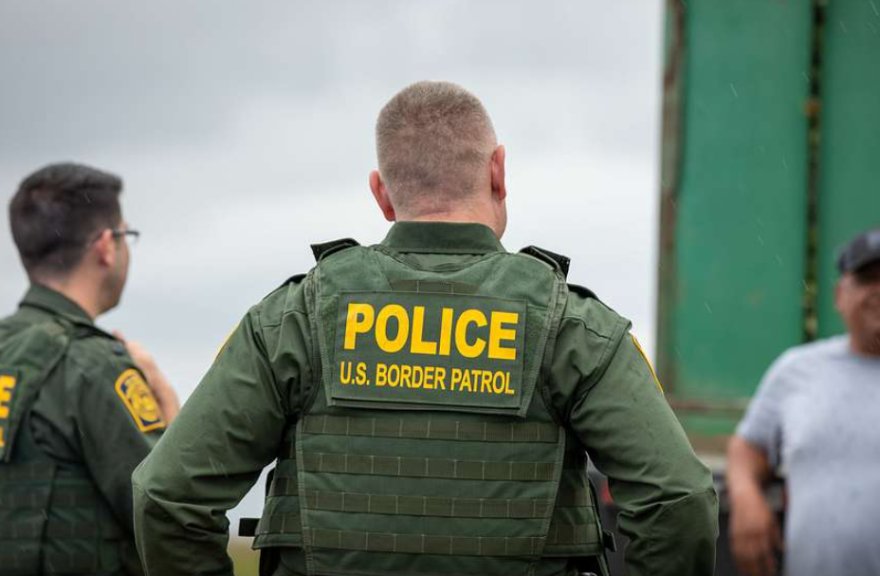
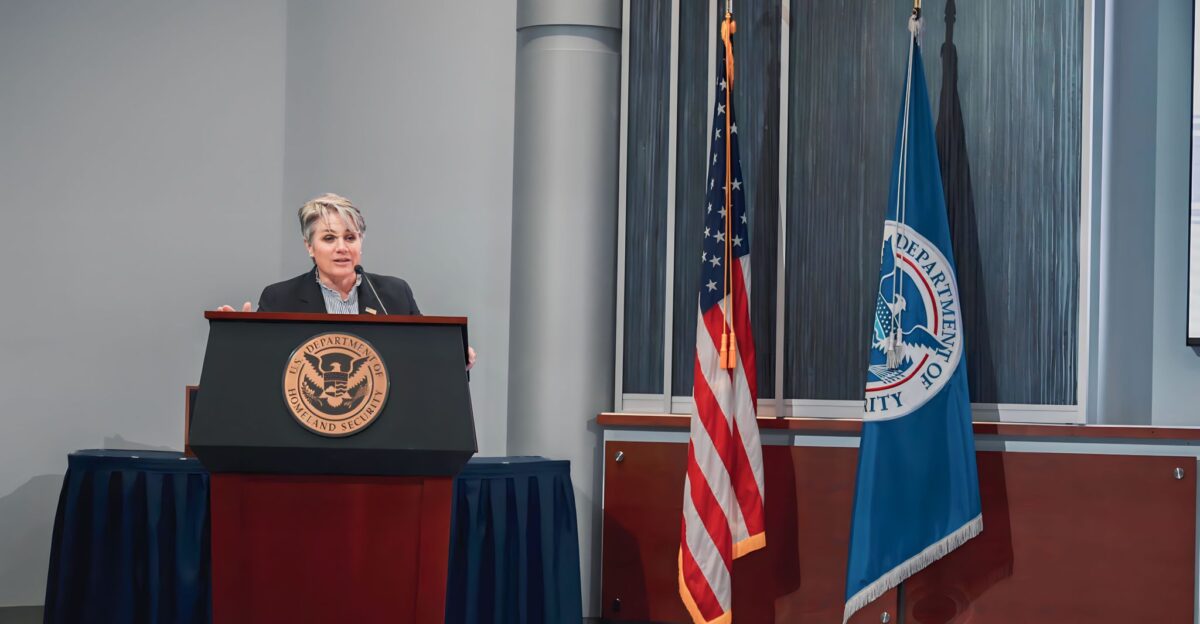
The confrontation occurred amid Operation Catahoula Crunch, an extensive federal immigration enforcement initiative led by Border Patrol and overseen by DHS Secretary Kristi Noem in December 2025.
Aimed at New Orleans and other major cities, the operation targeted individuals described by Noem as “the worst of the worst.” She justified the crackdown by citing alleged insufficient cooperation from local leadership. This operation marked a significant escalation in enforcement strategies under the Trump administration.
The Legal Ramifications
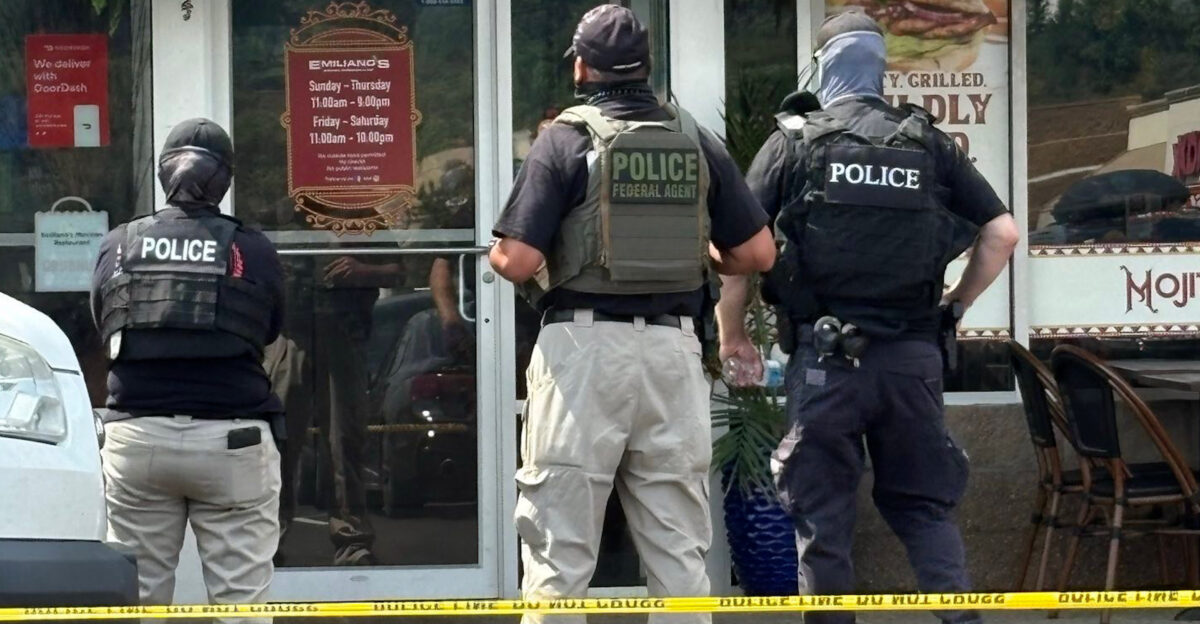
As the video spread online, it ignited questions about the legality of Davis’s actions. Immigration attorney Michael Gahagan clarified, “It’s their property; forbidding entry is not the same as preventing agents from doing their job.” Legal scholars concurred, citing Louisiana’s property laws, which enable business owners to deny entry to non-customers, including federal agents, absent a judicial warrant. This legal backdrop provided crucial context to the public’s reaction to the event.
Border Patrol’s Response
Following Davis’s refusal to allow entry, no criminal charges were levied against him or Brother’s Food Mart. Border Patrol agents ultimately retreated without forcibly entering the store or presenting a judicial warrant.
By mid-December, agents had not returned to the scene, highlighting a critical enforcement limitation: federal agents generally cannot enter nonpublic areas of private property without a warrant, even during urgent immigration operations.
Convenience Stores as New Battlegrounds

In the aftermath, convenience stores and other small businesses in immigrant-heavy neighborhoods around New Orleans began reporting elevated anxiety about federal enforcement. While Brother’s Food Mart remained open, others observed a shift in customer patterns; many customers appeared to avoid peak hours.
Analysts and local reporters noted that such businesses, often staffed by immigrants, now found themselves at the frontline of tension between federal authority and private property rights.
Community Concerns
The incident’s ripple effect extended through immigrant communities surrounding Kenner and New Orleans. Business owners and community leaders expressed heightened fears, with one resident stating, “Many people are terrified to come out,” in reference to visible enforcement operations.
Volatility in sales at immigrant-serving businesses, prompted by customers altering their shopping habits in response to perceived enforcement activity, highlighted a broader trend of fear affecting local economies and social interactions.
Davis’s Preemptive Knowledge
In a revealing twist, Wayne Davis had proactively researched his rights before the confrontation. Local coverage noted, “Since this Border Patrol operation was announced, he’s been researching what rights businesses have,” he said.
By preparing himself with knowledge of Louisiana’s property laws and federal warrant requirements, his actions were informed and deliberate, rather than impulsive, and resonated with civil liberties advocates nationwide.
Tensions Between State and Federal Law
The situation was further complicated by Louisiana’s 2025 law, which criminalizes interference with federal immigration enforcement. Despite its implications, legal experts clarified that denying entry to non-customers, such as Border Patrol agents, does not constitute interference under this law when agents are free to continue their activities elsewhere.
This distinction highlighted the limits of federal power on private premises, revealing a gap between legislative intent and practical enforcement.
Congressional Reactions
The confrontation and its fallout fed into ongoing discussions in Congress over immigration policy and local autonomy. Some lawmakers and staff argued that the incident highlighted the need for more straightforward guidelines regarding federal operations in community businesses.
Others emphasized that robust immigration enforcement remains vital for national security, contributing to a polarized atmosphere with no immediate consensus solutions.
The Psychological Impact
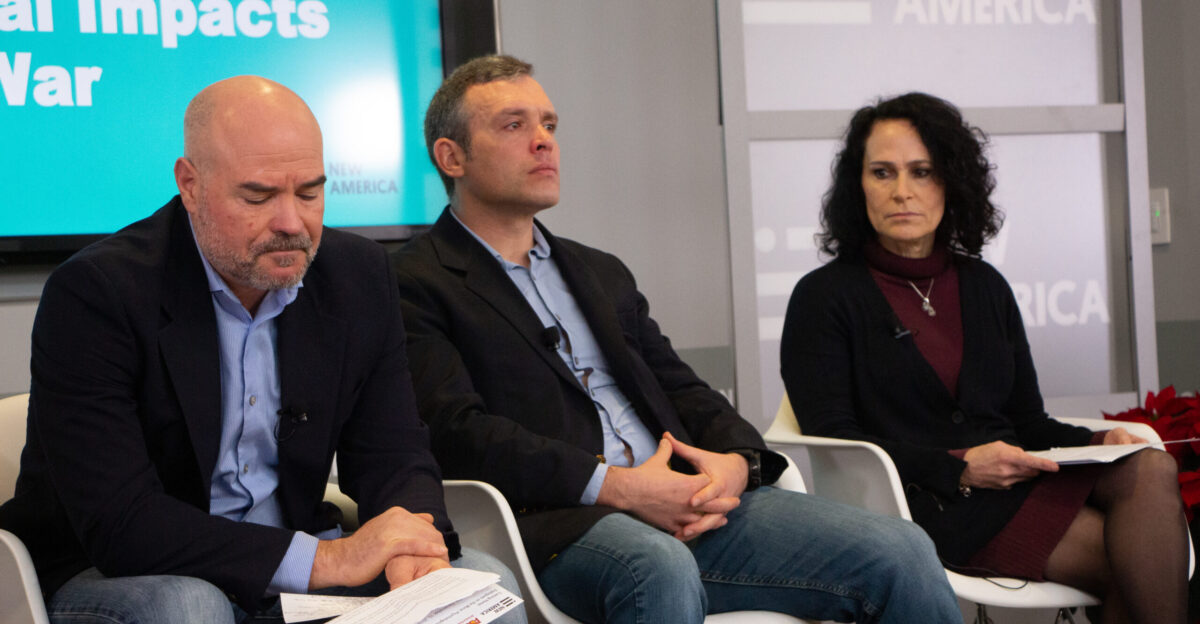
Amid the legal and political discussions, the psychological impact on immigrant communities was stark. “It’s a climate of fear,” explained one community leader in New Orleans when describing the effect of Catahoula Crunch sweeps.
Residents reported hesitancy to engage in everyday activities, which significantly affected local businesses that rely on immigrant patronage, as many shoppers delayed or consolidated purchases during periods of heightened enforcement.
Responses from Small Business Owners

Business owners in Kenner and the wider New Orleans area echoed their concerns in the wake of the operation.
A local food business operator said they worried customers would avoid their establishments during visible enforcement activity, noting that “this isn’t just about one store; it reflects a community issue.” The incident highlighted the unique position of small businesses as both economic centers and informal sanctuaries for vulnerable immigrant populations.
Lessons Learned
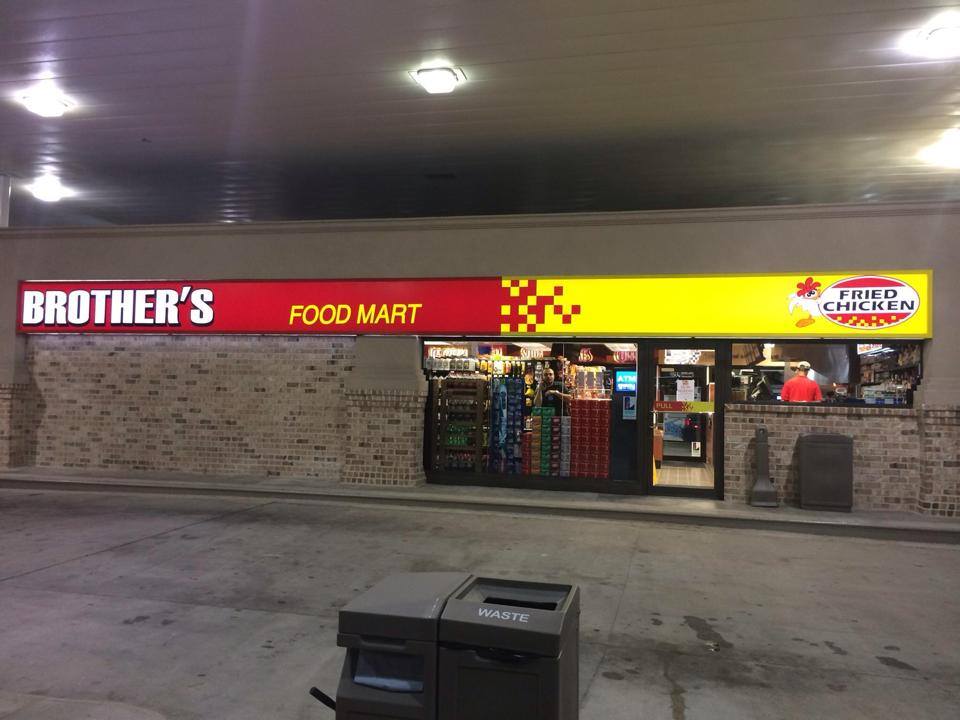
The Brother’s Food Mart incident served as a crucial case study about the intersection of federal enforcement and small business rights. Wayne Davis’s confident and informed stand raised questions not only about legal authority but also about the moral responsibilities of businesses within their communities.
Subsequent discussions reflected broader societal aspirations for clarity and fairness in local economies amid rising national tensions over immigration.
Echoes of Resistance
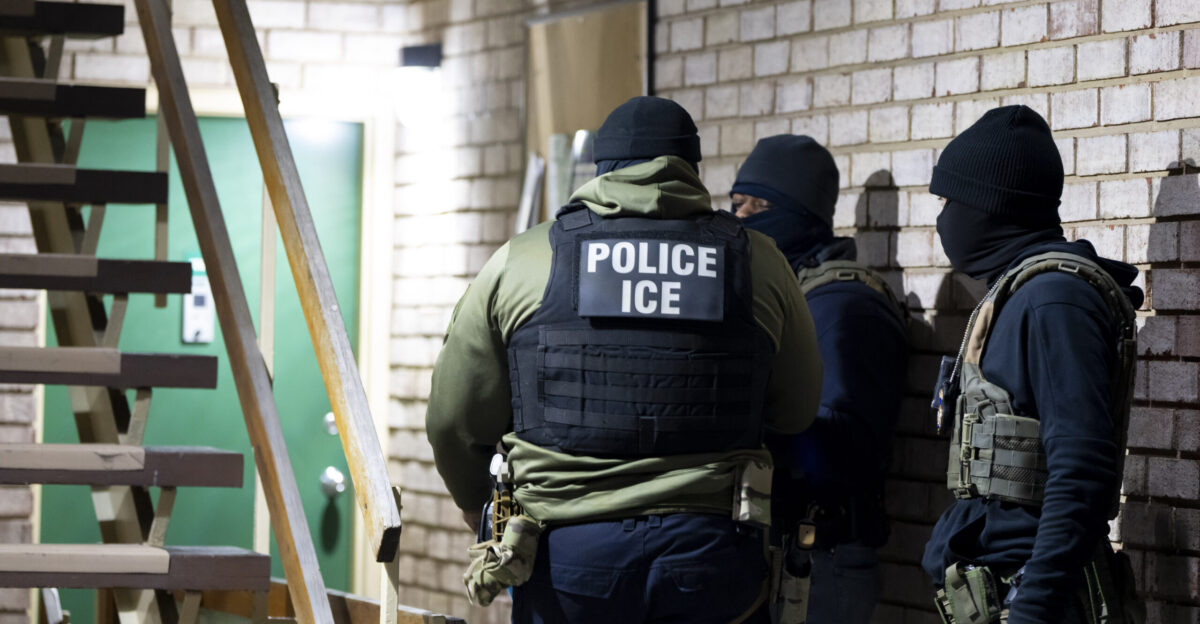
Wayne Davis’s actions drew significant public attention and encouraged conversations elsewhere. Across the country, some small business owners began to explore their rights more closely, engaging with legal experts to gain a deeper understanding of the statutes surrounding federal immigration enforcement.
Community groups in several cities organized discussions about coordinated responses to enforcement actions, signaling a cautious but growing willingness to assert property rights within the bounds of the law.
Moving Forward
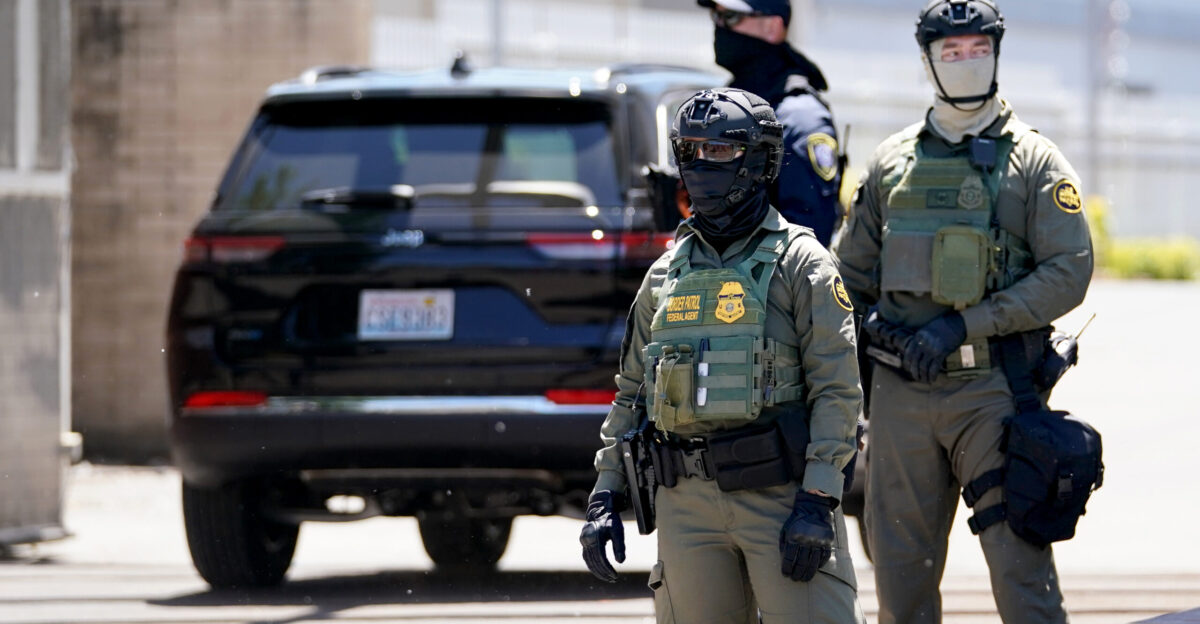
As awareness of these issues grew, many communities and advocacy organizations intensified calls for clearer immigration policies that respect both federal enforcement needs and local rights. Local groups in New Orleans and beyond worked to provide resources for small businesses, focusing on legal support, education about warrants, and community solidarity.
Their efforts aimed to mitigate the fears and uncertainties faced by immigrant communities amid an evolving enforcement landscape.
A New Narrative
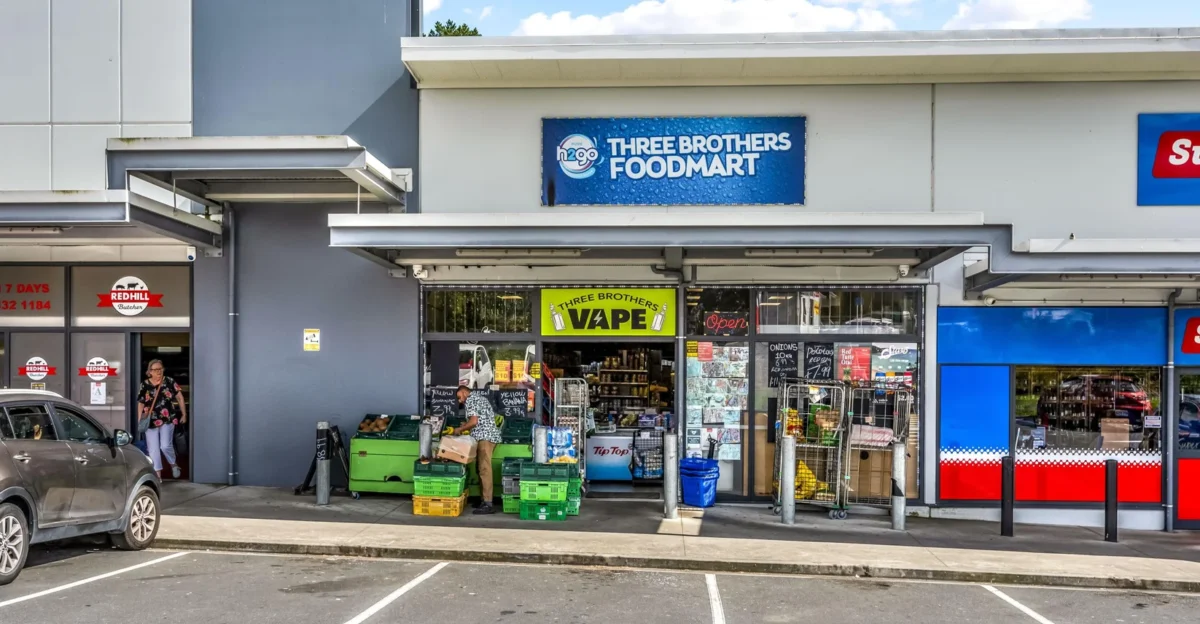
The confrontation at Brother’s Food Mart may have initially acted as a flashpoint. Still, it has since become part of a broader dialogue about federal authority, community rights, and the role of immigrant communities in American society.
With individuals like Wayne Davis helping to catalyze conversations and legal awareness, the narrative surrounding immigration enforcement continues to evolve, centering themes of rights, restraint, and resilience rather than regret.
Sources:
Newsweek, “Worker Flips Off Border Agents, Refuses Them Fried Chicken” (December 10, 2025)
WBRZ News, “Kenner Store Manager Locks Border Patrol Agents Out of Store; Lawyer Says He’s Within His Rights” (December 16, 2025)
ABC News, “Operation Catahoula Crunch Immigration Sweeps Begin in New Orleans” (December 2, 2025)
Washington Post, “DHS Launches New Immigration Sting in New Orleans” (December 3, 2025)
BBC News, “New Orleans Residents in Fear as Immigration Crackdown Begins” (December 4, 2025)
Veritenews, “Week 2 of Catahoula Crunch Sees Shift in Geography” (December 18, 2025)