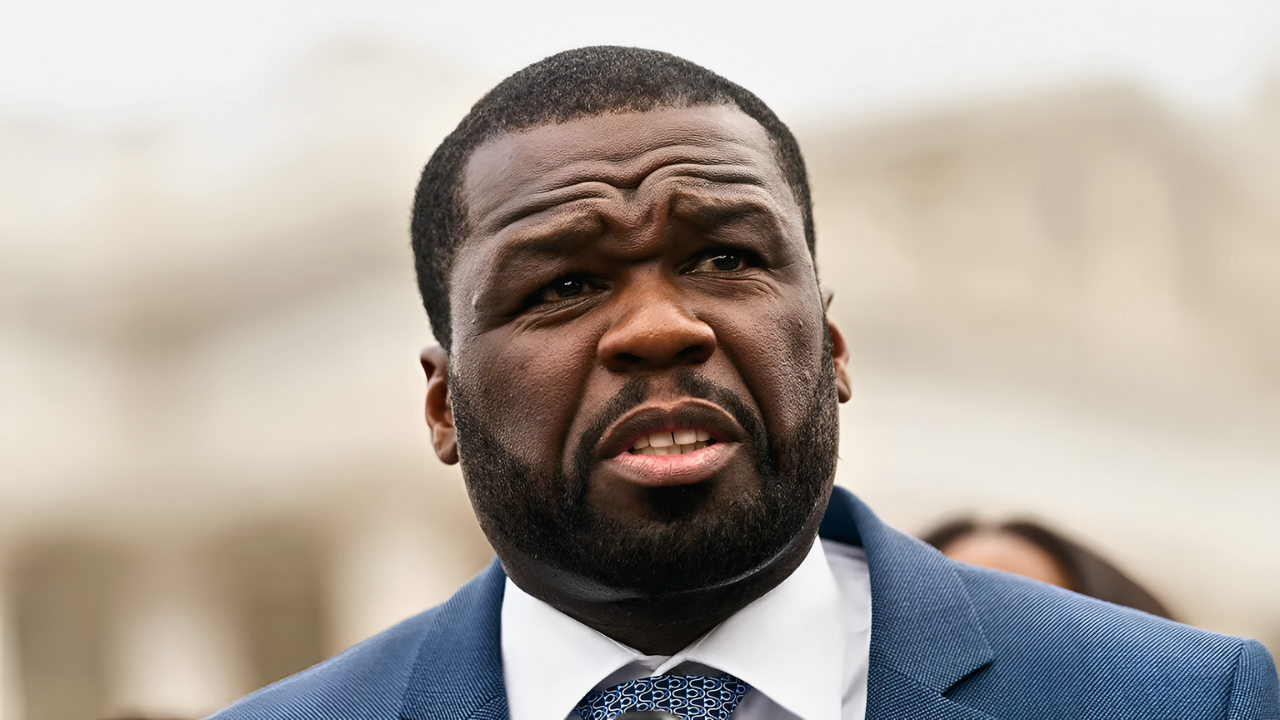
On December 2, 2025, Netflix released Sean Combs: The Reckoning, a four-part docuseries that quickly became the platform’s second-most-watched title, garnering 21.8 million views in just six days.
But the real surprise wasn’t the massive viewership—it was the unexpected involvement of Curtis “50 Cent” Jackson as the executive producer, a role that stirred the pot due to his two-decade-long documented rivalry with Combs.
The timing felt intentional. Industry insiders immediately sensed the stakes: a high-stakes narrative battle was unfolding, one focused on who would control the story of one of hip-hop’s most controversial figures during his most vulnerable moment. What’s really behind this clash of legends?
The Documentary’s Rapid Ascent

Within its first week, The Reckoning climbed to Netflix’s second position, competing directly with Stranger Things Season 5. The four-episode series garnered 21.8 million views—a remarkable achievement for a niche documentary about a previously imprisoned figure.
Audiences were drawn not just to allegations against Combs, but to the inherent friction: a man who spent roughly two decades publicly mocking Sean Combs now oversaw the definitive streaming narrative about him.
This role reversal transformed personal animosity into mainstream spectacle, making the documentary itself as much a story about power and revenge as it was about Combs’ conduct.
The Feud That Defined Hip-Hop
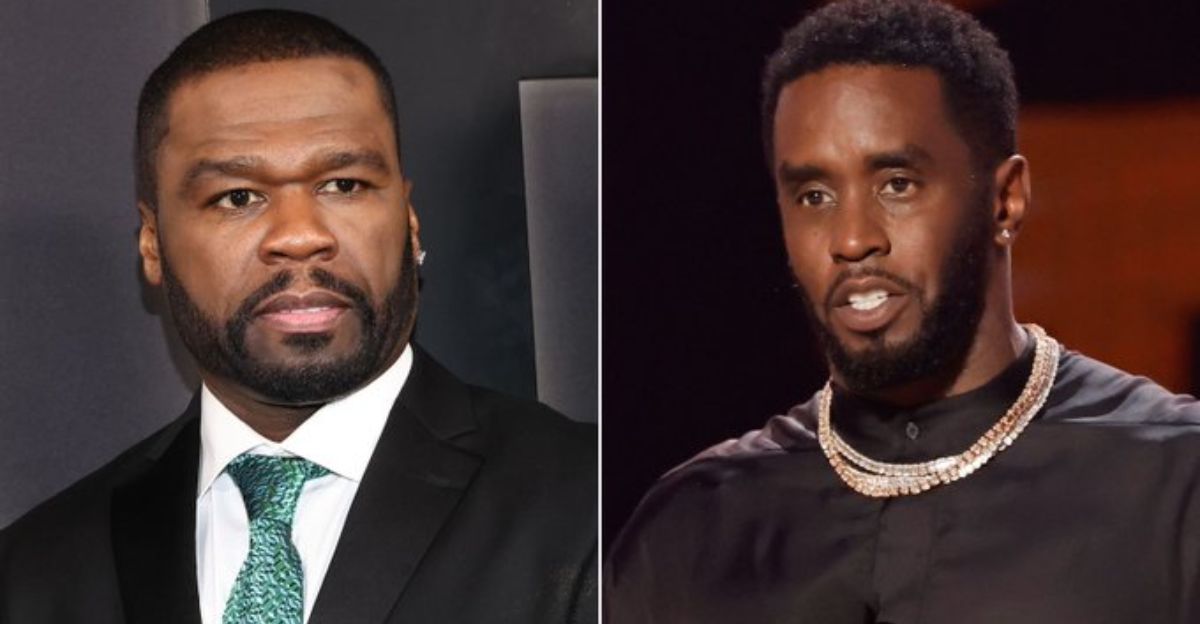
The 50 Cent-Diddy rivalry spans over two decades, beginning in earnest in the early 2000s. Tensions escalated from 2002 mockery through 2005 conflicts over Mase, crystallizing in 2006 when 50 released The Bomb, implying Diddy’s knowledge of Notorious B.I.G.’s 1997 murder.
Throughout the 2010s, conflicts continued over business control, artistic credibility, and brand wars. Diddy’s legal team later described 50 as “a longtime public adversary who has mocked Mr. Combs for decades”—a characterization now cemented in documentary form.
This characterization wasn’t hyperbole; it was the documented record of their public interactions.
The Legal and Cultural Context
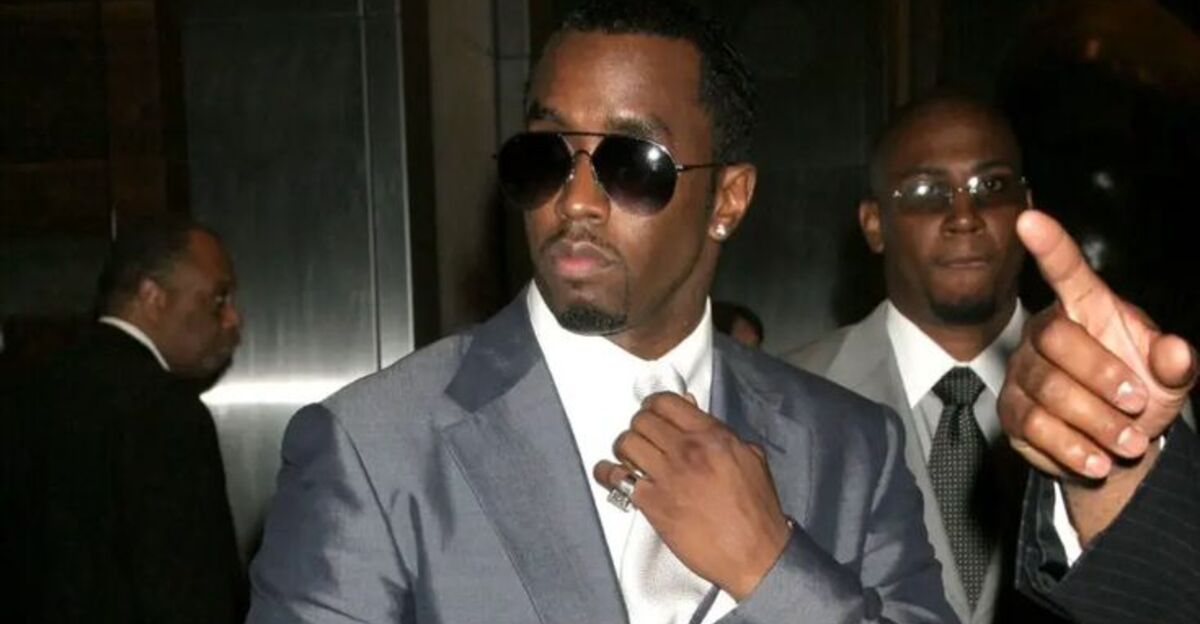
Sean Combs was convicted in October 2024 on two counts of transportation for prostitution following a federal sex trafficking investigation. He received a 50-month prison sentence beginning in 2025. The documentary arrived as Combs began his appeals process, facing diminished legal leverage.
Cassie Ventura’s late 2023 lawsuit alleging years of abuse triggered a cascade of misconduct allegations that reshaped Combs’ public image.
50 Cent announced the documentary project on December 7, 2023, shortly after Ventura’s filing, saying proceeds would support victims. The timing positioned the series as a cultural reckoning rather than a routine biography.
The Warning That Sparked the War

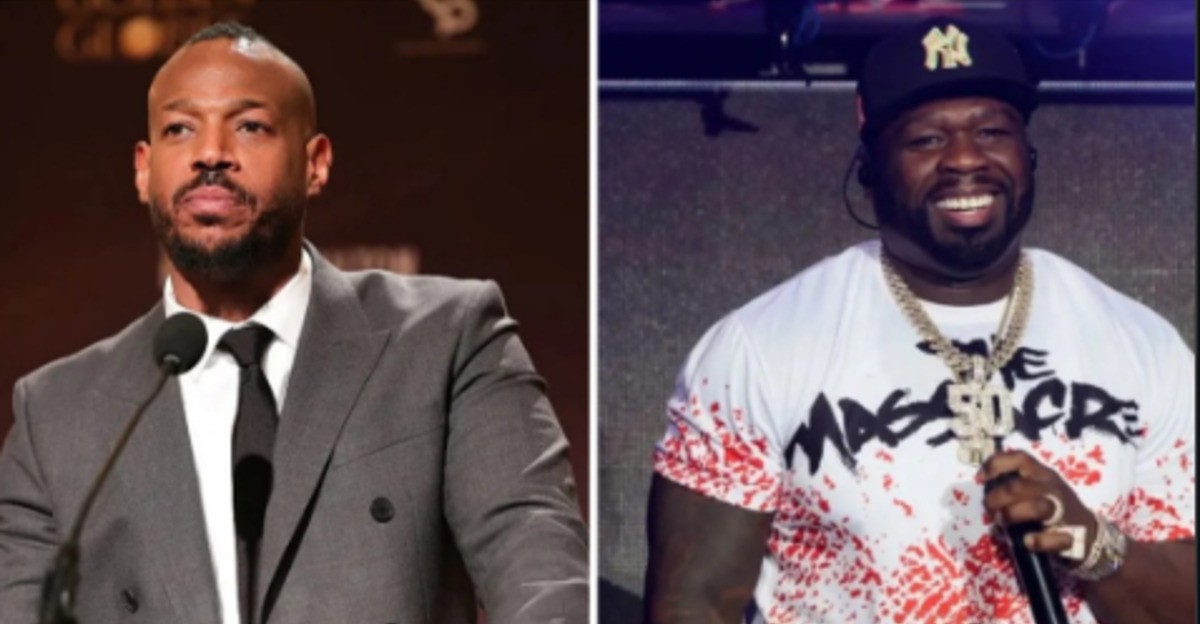
On December 7-8, 2025, comedian and actor Marlon Wayans appeared on REAL 92.3 LA’s The Cruz Show and criticized the documentary. “Puff’s down on his luck, and 50’s kicking a man when he’s down,” Wayans said. “There’s a karma to every action.”
He noted that the conflict was personal and decades old, suggesting a desire for revenge rather than journalism. The comments seemed routine.
On December 9, 2025, 50 Cent responded via Instagram, posting a White Chicks image with the caption: “Keep my name out your mouth boy.” A routine industry discussion became a viral moment, transforming 50’s post into a public boundary-setting act.
A Public Escalation in Real Time
The exchange dominated social media within hours, generating tens of thousands of interactions across entertainment outlets. The original Hot New Hip Hop article accumulated 42,700 views by December 9.
Sources described 50’s post as a “stern warning” to Wayans—communicating a boundary about public criticism. The timing placed the warning squarely within the documentary’s momentum-building phase, when Netflix was capitalizing on a second-place ranking and sustained viewership.
For Wayans, the exchange highlighted real risks: offering measured criticism of a 50 Cent-produced project invited immediate social media retaliation from a figure with substantial platform influence.
Wayans Clarifies His Position
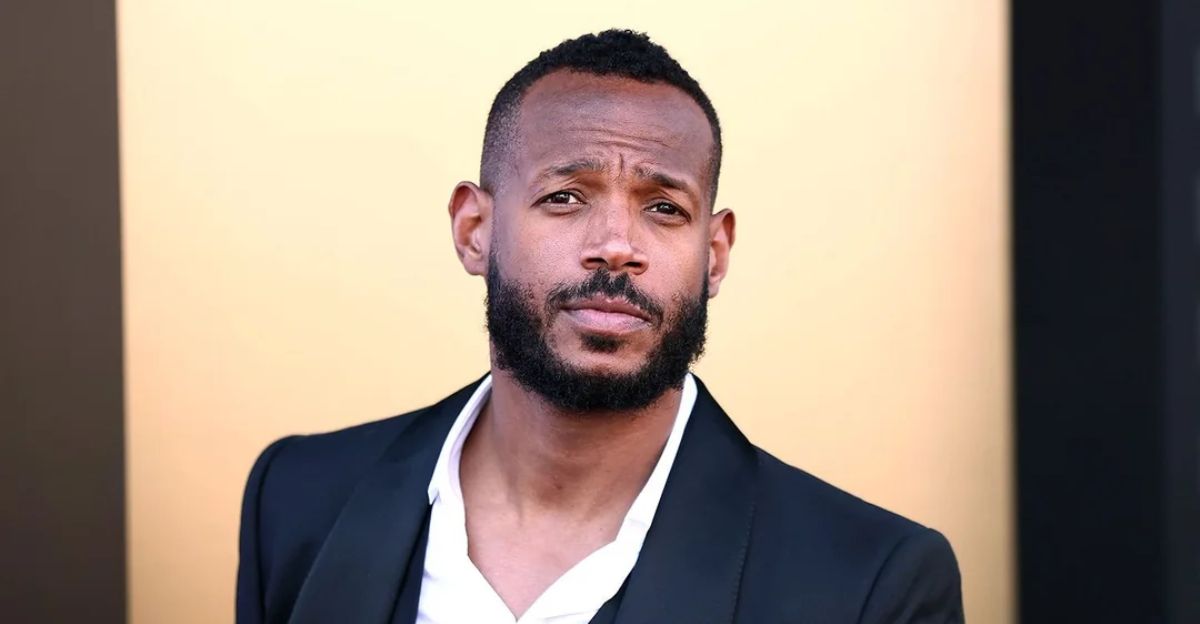
In subsequent interviews, Marlon Wayans pushed back against characterizations that he was defending Diddy. “I was not siding with Diddy at all,” he clarified. His actual concern was structural: a documentary about someone’s downfall being executive-produced by that person’s known antagonist.
Wayans wasn’t contesting the allegations detailed in the series. Rather, he was raising a fundamental question about narrative control: Can audiences trust a documentary made by someone with explicit historical animosity toward its subject?
This distinction became lost in social media discourse, where Wayans faced backlash from both sides, forced repeatedly to clarify his actual position.
The Documentary’s Producers Defend Their Work
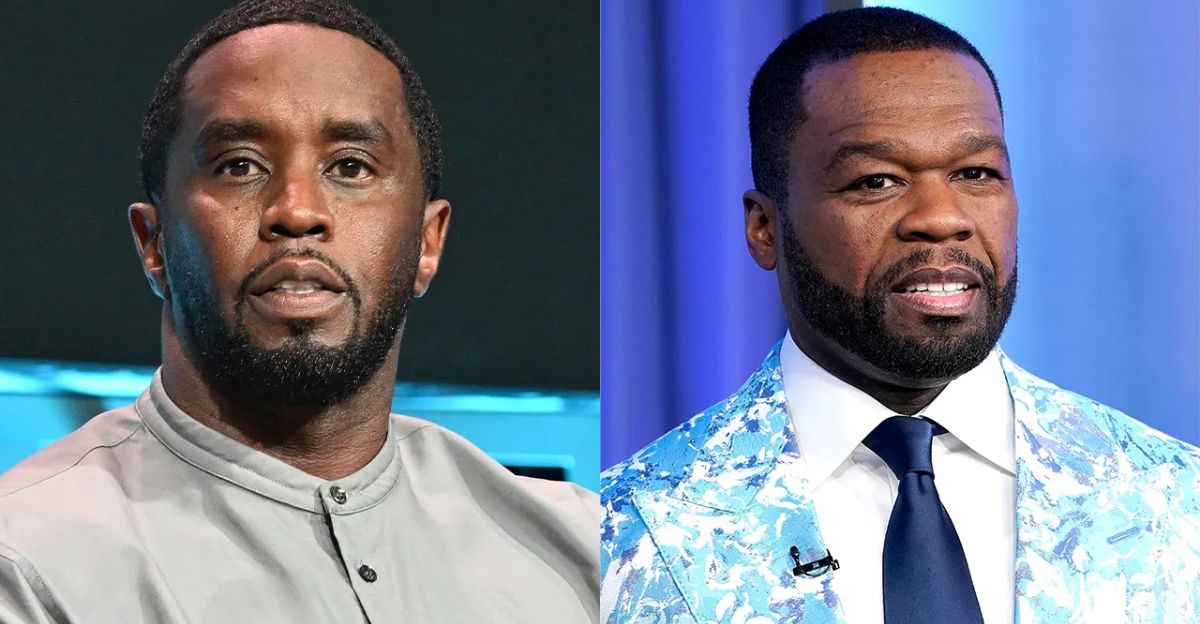
Director Alexandria Stapleton addressed the project’s controversial structure directly. She stated she “never, in a million years, thought footage was going to fall into [her] lap”—referring to archival video of Combs filmed before his 2024 arrest.
She emphasized that while 50 Cent serves as executive producer, he “does not have creative control.” Videographer Michael Oberlies issued a separate statement: “The footage were legally obtained. This is not a hit piece.”
In an ABC News interview, 50 Cent stated simply: “It’s not personal.” These defenses circulated widely but failed to address the structural ethical tension Wayans had identified fully.
The Documented Interviews and Claims
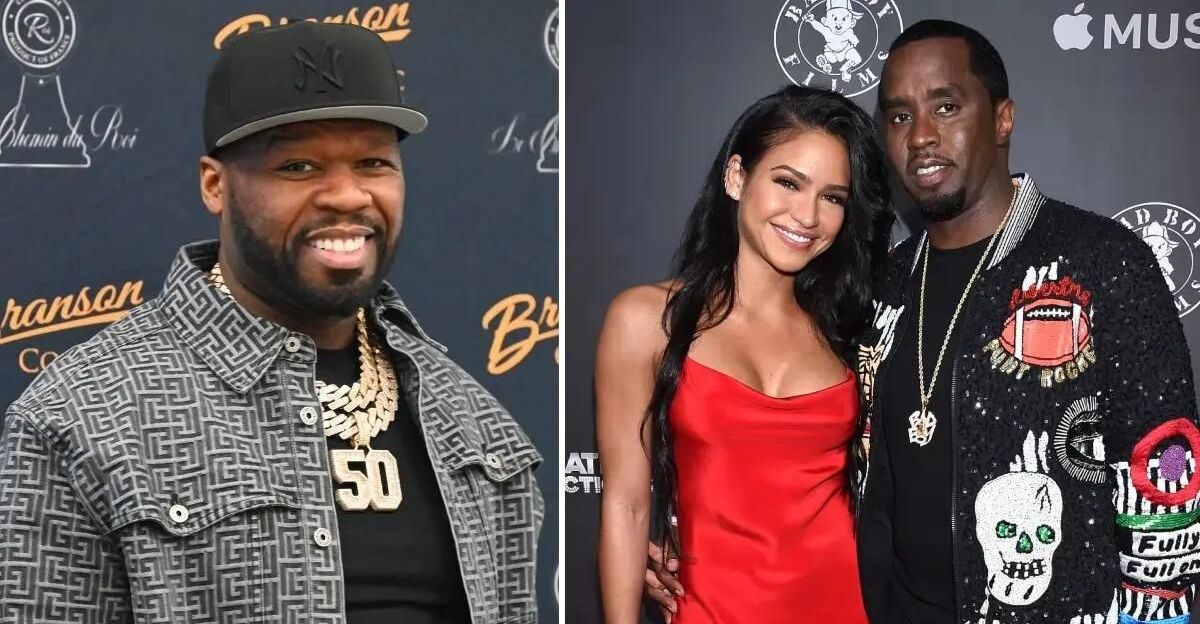
The series featured interviews with multiple figures from Diddy’s circles. Mark Curry, a former Bad Boy Records artist, testified about witnessing Combs’ rise following Notorious B.I.G.’s death. Al B. Sure!, who worked with Combs at Uptown Records, appeared prominently.
Aubrey O’Day, the former Danity Kane member from Making the Band 3, recounted allegations of sexual harassment and possible assault. Bad Boy co-founder Kirk Burrowes discussed financial practices and personal conduct.
This chronological approach presented allegations not as isolated incidents but as a decades-long pattern spanning Combs’ rise through his arrest, creating a narrative arc that the series sustained across four episodes.
The Cease-and-Desist That Backfired

On December 1, 2025—the day before release—Combs’ legal team issued a cease-and-desist letter to Netflix, demanding the series be withdrawn. The letter claimed footage had been “unlawfully supplied” and would infringe on copyright and “privileged communications” between Combs and his legal advisors.
Combs’ spokesperson called it a “shameful hit piece” using “stolen footage.” Both Netflix and the filmmakers refuted this, asserting all footage was legally obtained.
Rather than suppressing the documentary, the cease-and-desist amplified its notoriety, adding a legal dimension to the controversy. The failed legal challenge became another headline—one that underscored Combs’ diminished leverage.
Industry Skepticism and Ethical Debate

The documentary sparked intense debate about objectivity and documentary ethics. Rapper Ja Rule challenged 50 Cent over the project, accusing him of retribution. Music journalists debated whether a series executive-produced by Combs’ antagonist could be credible, regardless of allegations’ validity.
The series maintained a 90% critics’ rating on Rotten Tomatoes, but critical reviews often acknowledged the structural tension.
Even favorable reviews questioned whether the project represented journalism or orchestrated narrative control. The Guardian noted the series ensured “the arch manipulator has finally been outmanoeuvred,” but questioned whether it represented journalism or revenge.
Combs Attempting Damage Control
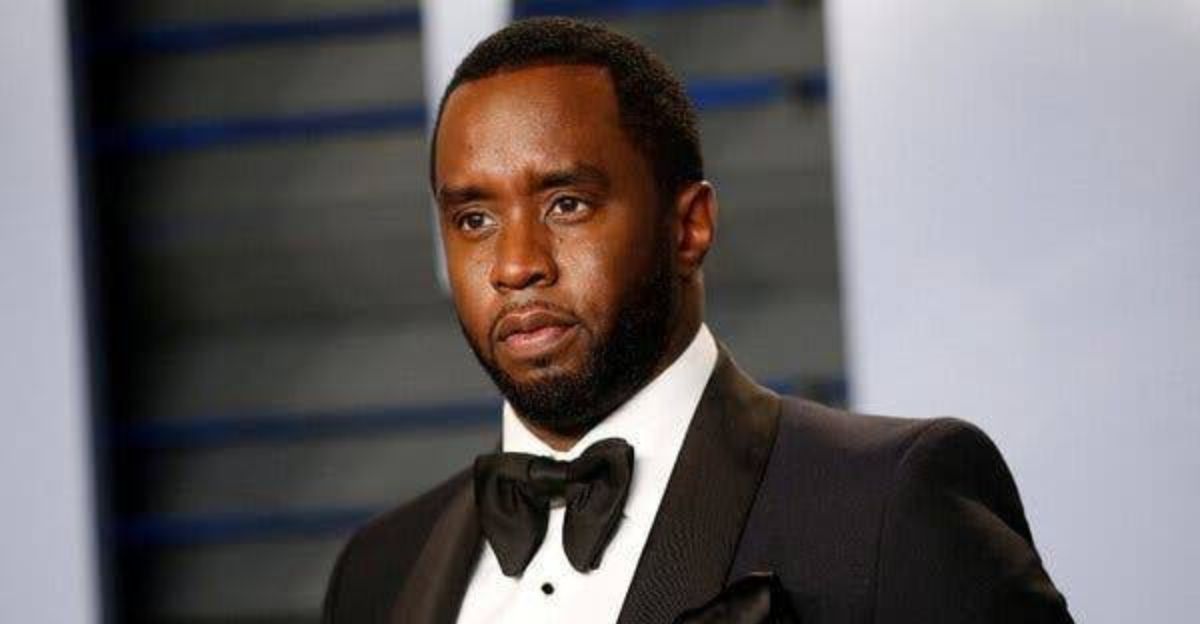
As the documentary dominated Netflix and cultural conversation, Combs’ team attempted limited damage control. His mother, Janice Combs, released a statement denouncing the series. Combs himself, serving time in a federal facility while appealing his conviction, had limited public options.
The documentary had locked in its narrative before his legal defense could mount a coordinated counter-narrative. Unlike traditional media outlets that grant equal response time, Netflix’s algorithm sustained viewer engagement with the series itself.
Combs’ cease-and-desist attempt had failed. His social media presence was restricted. The documentary had become the primary historical record.
The Wayans-50 Cent Exchange Fades
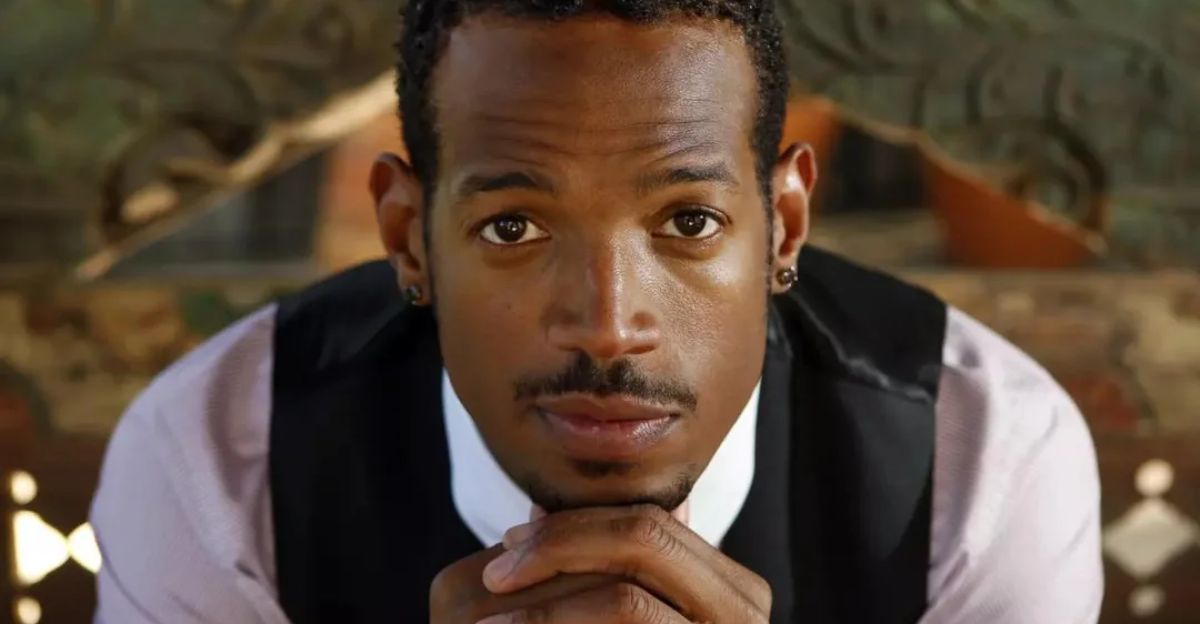
By December 15, 2025, 50 Cent announced his exchange with Wayans was concluded. “I’m done trading shots with Marlon,” The Source reported.
The brief feud kept the documentary in conversation, positioned 50 Cent as its fierce defender, and demonstrated consequences for questioning the project’s structure. Wayans, who had raised legitimate ethical concerns, faced social media backlash and was forced to repeatedly clarify that he wasn’t defending Diddy.
The dynamic revealed limits of public criticism in the streaming era: once a documentary achieves mainstream status and celebrity backing, questioning it carries reputational risk.
The Documentary’s Broader Legacy
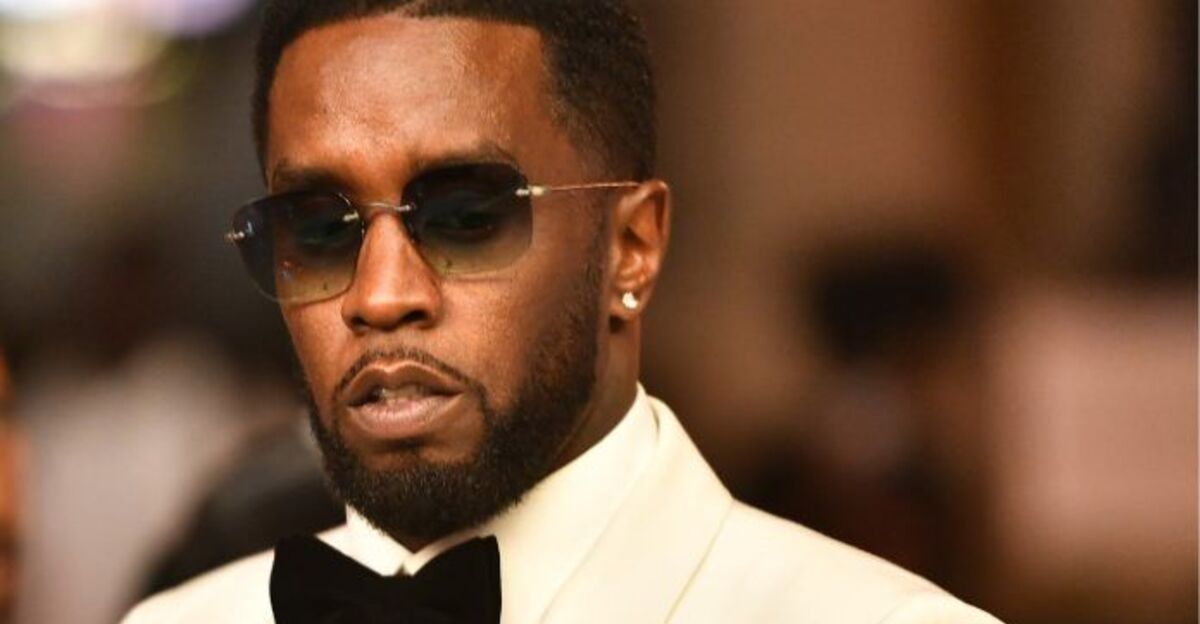
Sean Combs: The Reckoning achieved something rare: it became a permanent streaming artifact, shaping how audiences would remember Combs. By mid-December 2025, the series had dominated Netflix for nearly two weeks with 90% critical approval and nearly 22 million views.
The project demonstrated that in the streaming era, proximity to power matters less than narrative control. An imprisoned man appealing his conviction found his legacy defined by an executive-produced critical examination rather than his own memoir or archive.
The documentary achieved what traditional news cycles couldn’t: sustained, curated storytelling with algorithmic amplification.
Unanswered Questions Remain
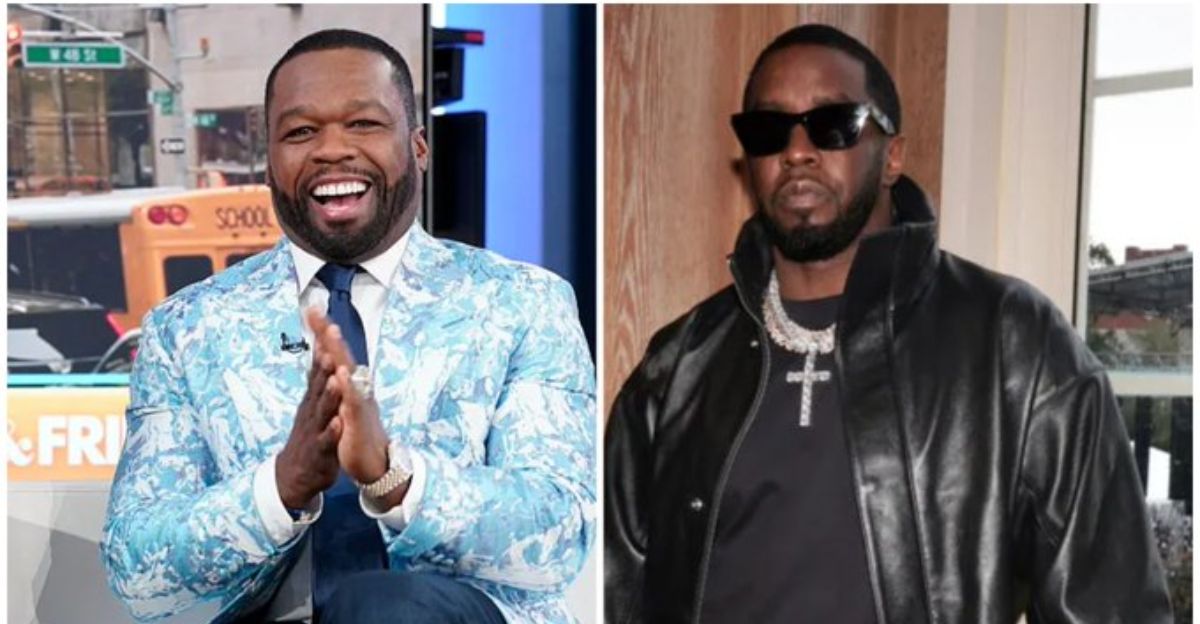
As the documentary settled into Netflix’s catalog, larger questions lingered. Does critical acclaim validate the project’s structural ethics, or does it confirm that audiences reward compelling narratives over journalistic neutrality?
How should viewers evaluate documentaries executive-produced by subjects’ antagonists? In an era where streaming platforms control cultural memory, who gets to define legacy? The 50 Cent-Wayans exchange pointed toward fundamental shifts in media power.
Combs’ conviction happened in a courtroom. However, his cultural verdict, delivered to 21.8 million viewers at a time, was decided upon by Netflix, a former rival, who finally held the microphone.
Sources:
Netflix official announcement, December 2, 2025
Deadline, December 1–15, 2025
Variety, December 9, 2025
New York Times, December 1, 2025
USA Today, December 1–15, 2025
CNN, December 3, 2025
Hot New Hip Hop, December 5–15, 2025