For many years, scientists thought early humans first learned to make fire on purpose about 50,000 years ago. This idea came mostly from Neanderthal sites in France. Now, new proof from eastern England changes that story. It shows early Neanderthals in Britain made fire around 415,000 years ago. This pushes the timeline back by about 400,000 years. The discovery appears in the journal Nature. It makes experts rethink when humans started planning and thinking ahead in their daily lives.
New Proof from Barnham in England
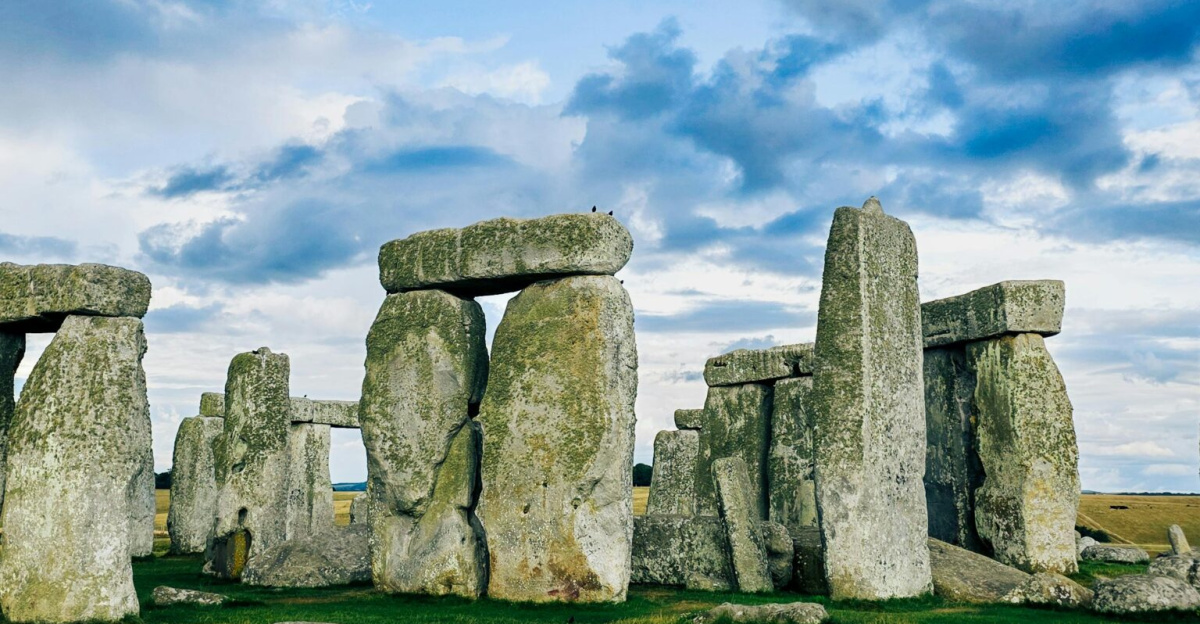
The oldest accepted signs of people making fire on demand used to come from France, dated to 50,000 years ago. Experts saw this skill as a late development that needed smart planning. But the Barnham site in Suffolk, England, changes everything. Tests on dirt and burned items show repeated fires that reached over 1,292 degrees Fahrenheit. These fires burned hotter and steadier than wildfires from nature. They point to humans starting and controlling the flames on purpose. This shifts the start of reliable fire-making back 250,000 to 400,000 years.
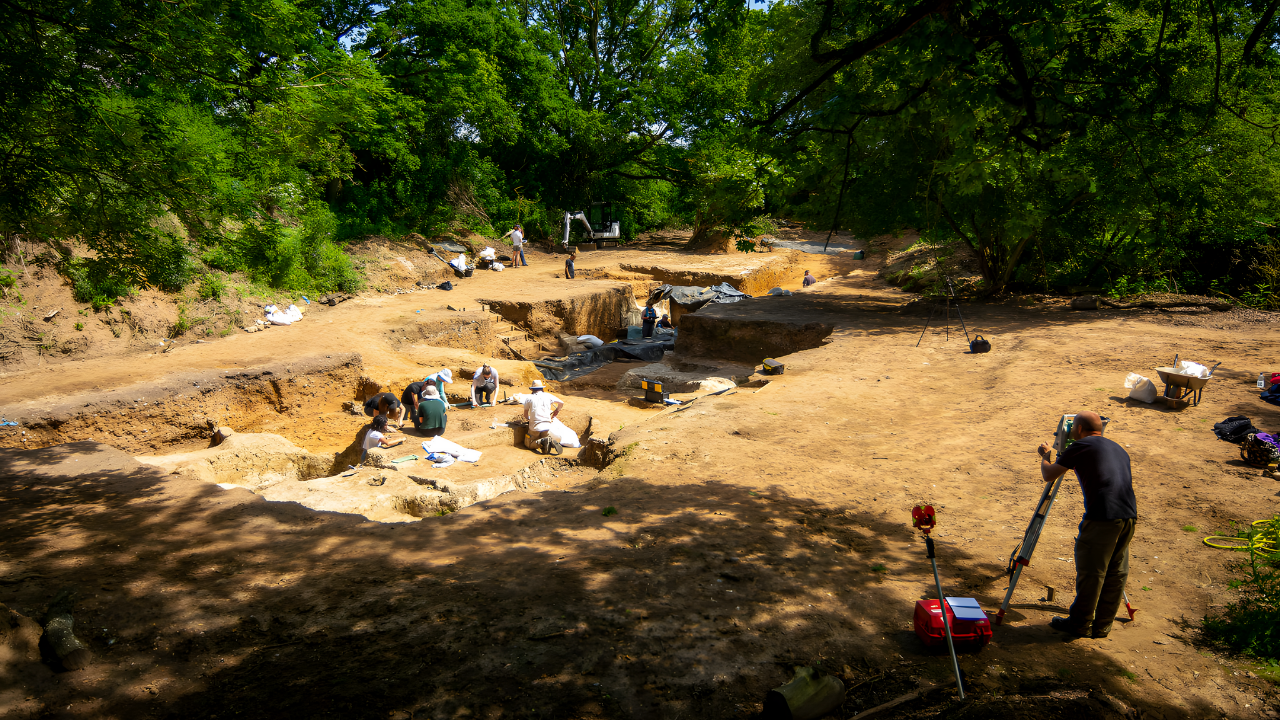
Barnham sits in an old landscape from the Paleolithic era. People first found stone tools there in the early 1900s, but it stayed quiet for research until later. From 2013 to 2024, Nick Ashton from the British Museum led digs with modern tools. They found Barnham was once a wooded spot with a water hole where early humans kept coming back. Dirt layers held stone tools, a clay hearth, and tiny signs of heating. Dating and local rock studies put this at over 400,000 years ago. It makes Barnham one of Britain’s earliest spots for steady human use.
How Experts Proved Humans Made the Fire
Scientists used many tests to check if Barnham’s fires came from people or nature. They tested soil for chemical changes from strong heat. Magnetic checks showed mineral shifts that only happen at high temperatures. These proved fires happened many times at over 1,292 degrees Fahrenheit. Burn marks clustered around a built hearth, not spread out like from lightning or accidents. This setup fits humans starting fires, keeping them going, and reusing the spot.
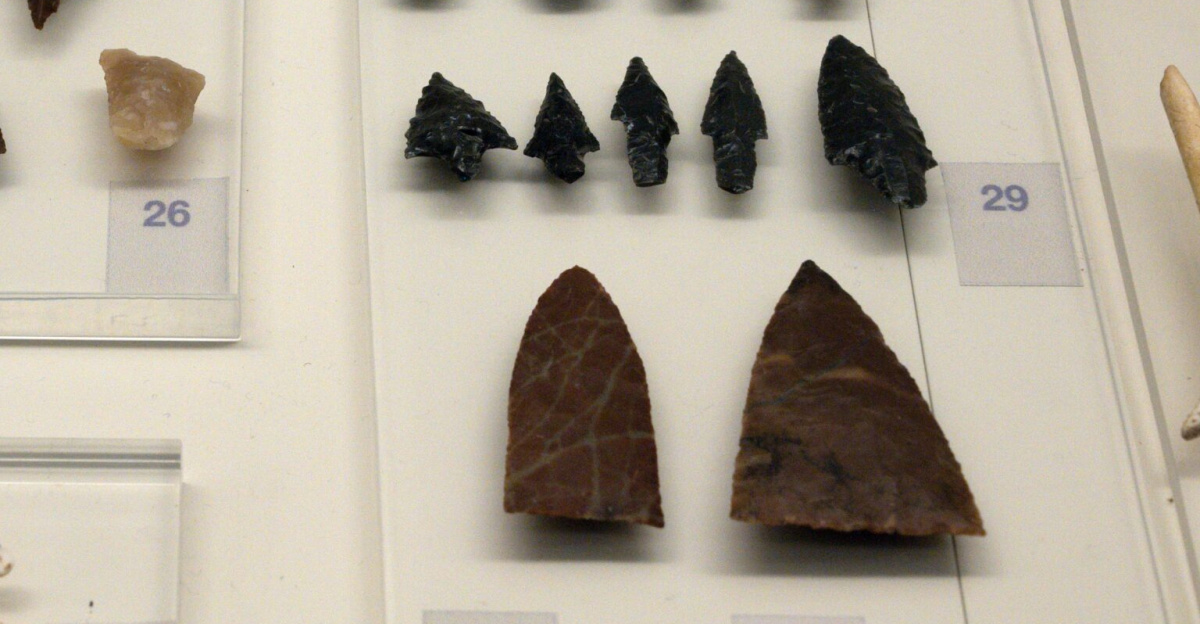
The strongest clues were two tiny iron pyrite pieces near flint tools in the hearth. Striking pyrite on flint makes sparks to light dry plants. Pyrite does not exist naturally at Barnham; it came from at least 25 miles away. Early humans must have carried it there on purpose. This shows they knew how to use it for fire-starting tools.
Who Made the Fires and Why It Matters
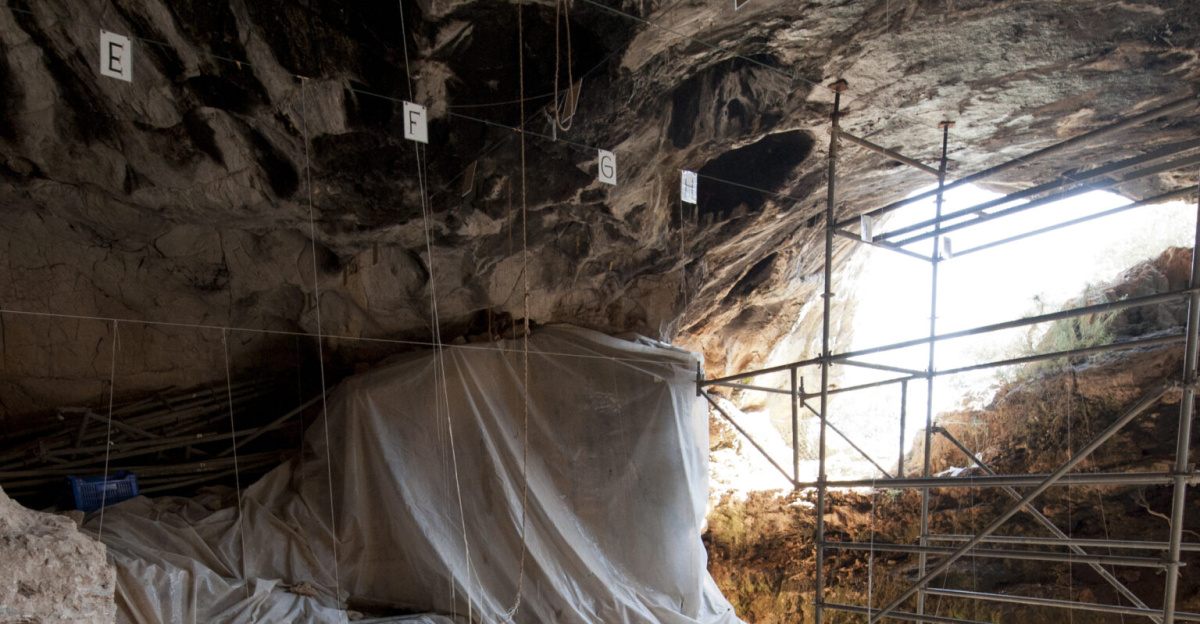
No human bones turned up at Barnham, so experts use other clues for identity. Fossils of early Neanderthals from 400,000 years ago lie 50 miles south at Swanscombe, Kent. Similar finds in Spain show Neanderthals lived across western Europe then. The site’s age and tools match early Neanderthals best. They likely knew local materials, mixed pyrite, flint, and tinder, and passed skills to others.
This view beats old ideas of Neanderthals as simple or just reacting to their world. Barnham proves they innovated and understood cause-and-effect long before Homo sapiens reached Europe. Fire changed human growth a lot. It let people cook meat and plants better, aiding digestion and energy. Fires warmed cold areas, scared off animals, and drew groups together for eating, fixing tools, and talking. Earlier fire use over 400,000 years boosted brain and body changes, plus social skills like language.
If British Neanderthals made fire at 415,000 years ago, it might match or beat early Homo sapiens skills. Fire knowledge could have spread as groups moved and met, not just from one family of humans.
Sources
Live Science, ‘It is the most exciting discovery in my 40-year career’, December 10, 2025
Reuters, ‘Oldest evidence of human fire-making discovered at site in England’, December 10, 2025
Nature, ‘Evidence for fire-making at a 415,000-year-old site in England’, December 10, 2025
University College London, ‘British discovery shows humans made fire 350,000 years earlier than thought’, December 11, 2025
PBS NewsHour, ‘Humans were making fire 350,000 years earlier than previously thought’, December 10, 2025
C&EN (American Chemical Society), ‘Earliest evidence of human fire starters unearthed’, December 10, 2025