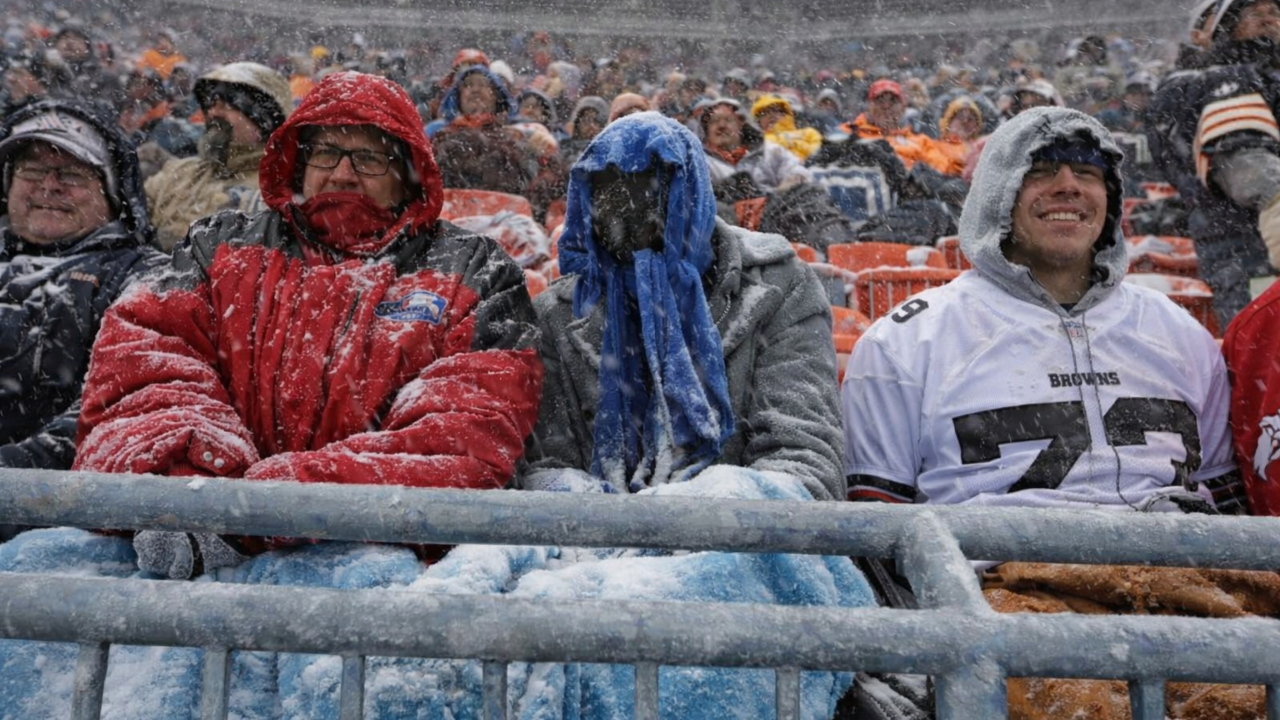
A huge chunk of the polar vortex crashed into the U.S. Midwest in mid-December 2025, dumping freezing arctic air right as NFL Week 15 games kicked off. The National Weather Service (NWS) issued severe cold weather warnings for three major stadiums: Soldier Field in Chicago, Paycor Stadium in Cincinnati, and Arrowhead Stadium in Kansas City. Fans faced temps as low as 10°F in Chicago, with wind chills making it feel like 0°F or colder, priming conditions for rapid frostbite.
This rare alert transformed fun Sundays into survival challenges for about 200,000 fans converging on the venues, fusing football passion with genuine peril.
Weather Service Sounds the Alarm on Deadly Cold
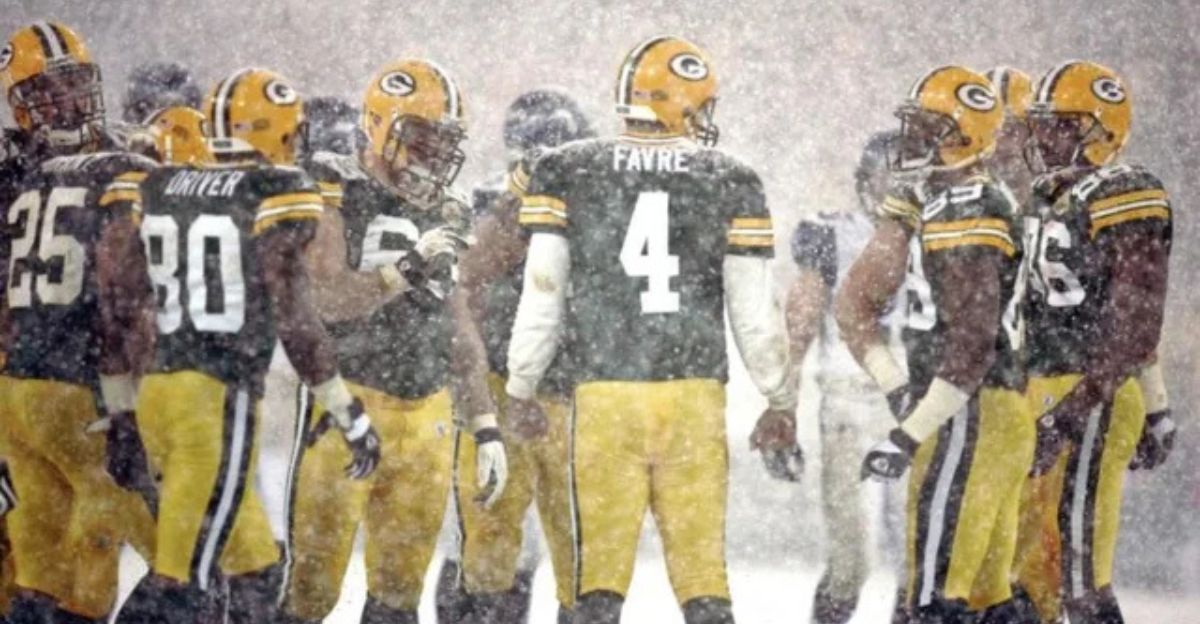
The NWS, the government’s authority on weather threats, issued severe cold weather warnings for the December 14 games, designating conditions as dangerous due to frostbite and hypothermia risks. Exposed skin could freeze in just 10-15 minutes under those wind chills, according to NWS wind chill charts, converting tailgates and bleachers into hazard zones.
Hypothermia loomed for anyone outdoors 3-5 hours. This explicit targeting of sports events underscored the polar vortex’s intensity, with officials urging caution.
Chicago’s Soldier Field in the Deep Freeze
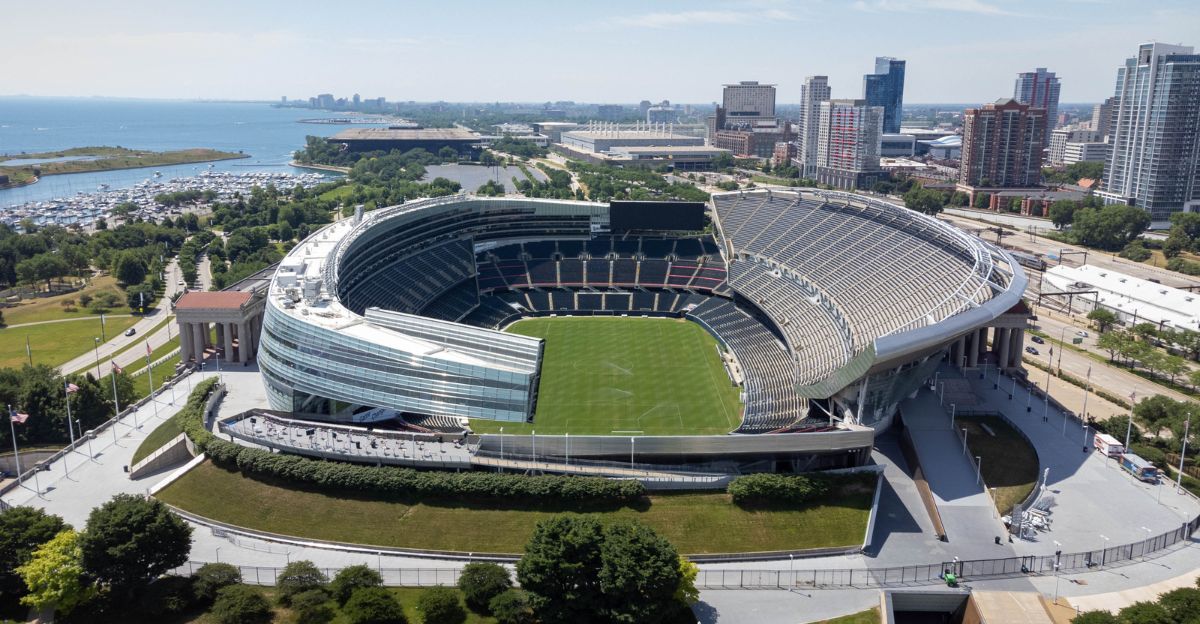
Soldier Field, hosting the Chicago Bears versus Cleveland Browns, prepared for 8-10°F game-time chills, intensified by Lake Michigan winds dropping feels-like temps to around 0°F or below. The stadium’s lakeside exposure slashed safe outdoor time to minutes. NWS advisories signaled frostbite risks that could affect fans during extended outdoor exposure.
With packed crowds anticipated, Bears fans bundled for the challenging weather conditions, demonstrating dedication amid nature’s bite.
Cincinnati’s Paycor Stadium Feels the Freeze
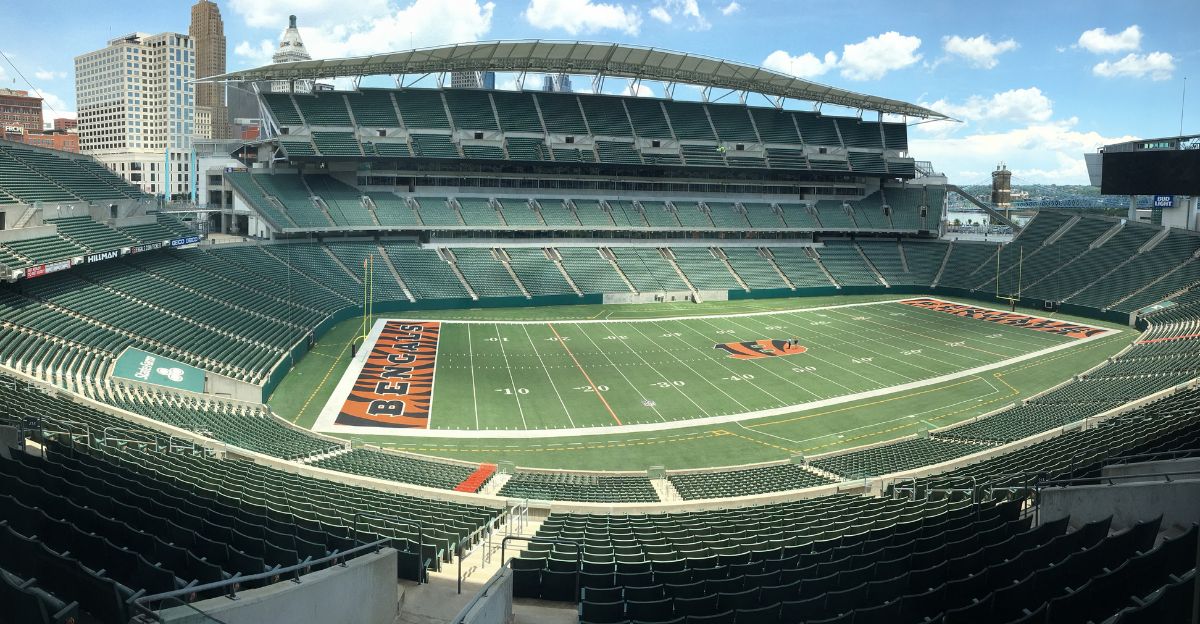
Paycor Stadium in Cincinnati, site of Bengals vs. Ravens, drew severe NWS cold weather warnings as arctic air engulfed Ohio. Forecasts predicted feels-like temps around 10°F or below, with gusts heightening hypothermia dangers for prolonged exposure.
The open-air design offered no shield to thousands in a competitive matchup. Fans considered the significant cold risks before attending.
Kansas City’s Arrowhead Readies for Icy Battle
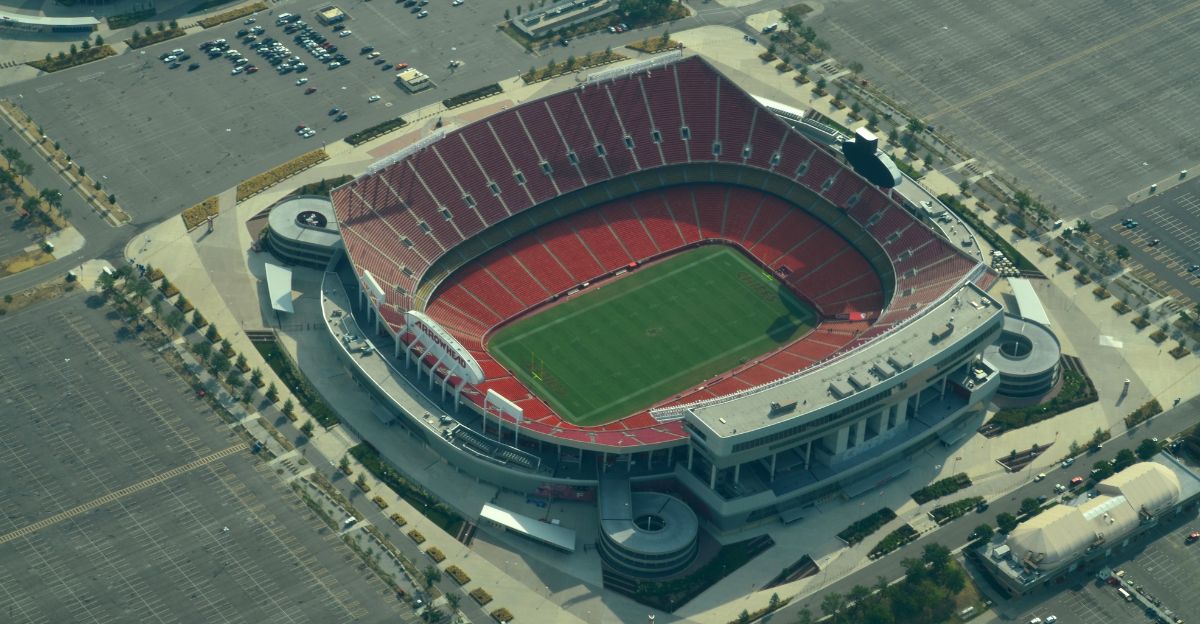
Renowned for raucous crowds, Kansas City’s Arrowhead Stadium confronted severe cold during its Week 15 matchup, as Missouri reeled from the polar vortex with wind chills near zero. NWS data indicated bare skin facing frostbite in under 10-15 minutes.
The massive venue, seating over 70,000, escalated dangers as tailgating met cold reality. Chiefs fans, famed for resilience, faced harsh conditions that demanded extra precautions.
200,000 Fans Risk Quick Frostbite Hits
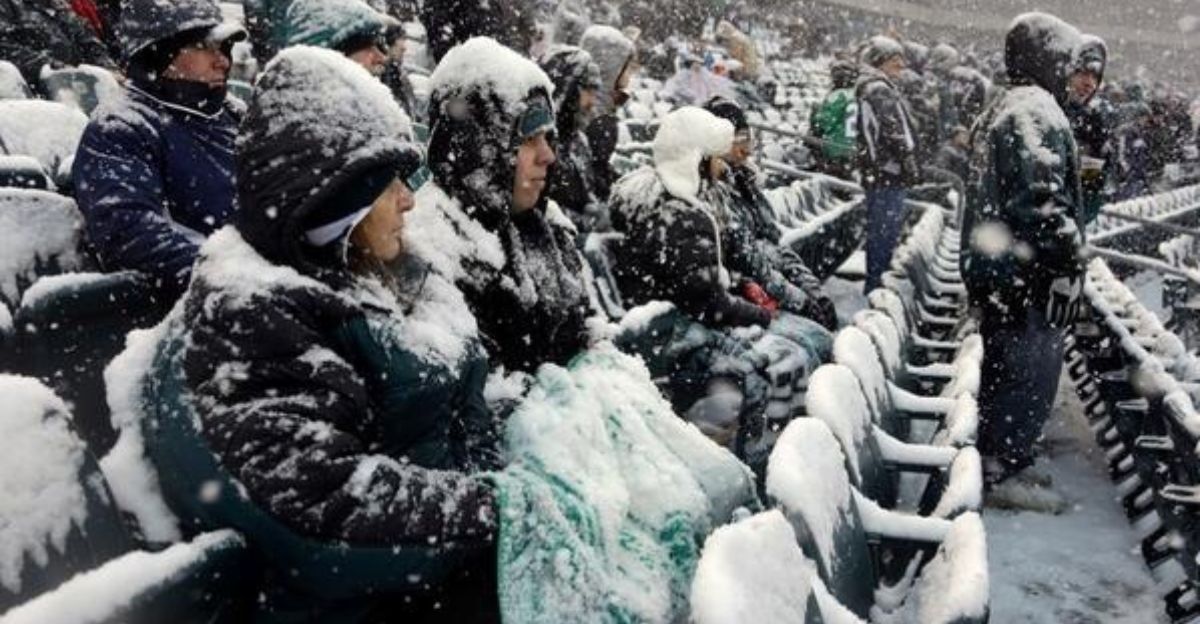
Approximately 200,000 fans across the trio of sites, drawing 65,000-70,000 per stadium, ventured into zones where frostbite could occur in minutes. At these temperature and wind chill combinations, exposed skin faced rapid damage, with NWS guidance indicating frostbite risk in 10-30 minutes.
The scale amplified as throngs attended games despite cold warnings, where extended exposure risked permanent skin and tissue harm.
How Frostbite Sneaks Up in Minutes

Frostbite advances swiftly in extreme cold as ice crystals invade skin tissues, beginning superficially and deepening without intervention. At 10°F with wind chills near 0°F, as projected for the NFL games, exposed skin sustains damage in 10-30 minutes, per NWS wind chill charts.
Wind hastens it by stripping skin’s insulating air layer, mimicking far lower temps. Early prickling or pins-and-needles gives way to numbness, concealing peril amid stadium hype. Skin pales to white or bluish-gray, feeling waxy or firm, but excitement often delays rewarming. Stiffness signals superficial frostbite onset, with blisters emerging 12-36 hours later.
Hypothermia Threatens Long Game Days
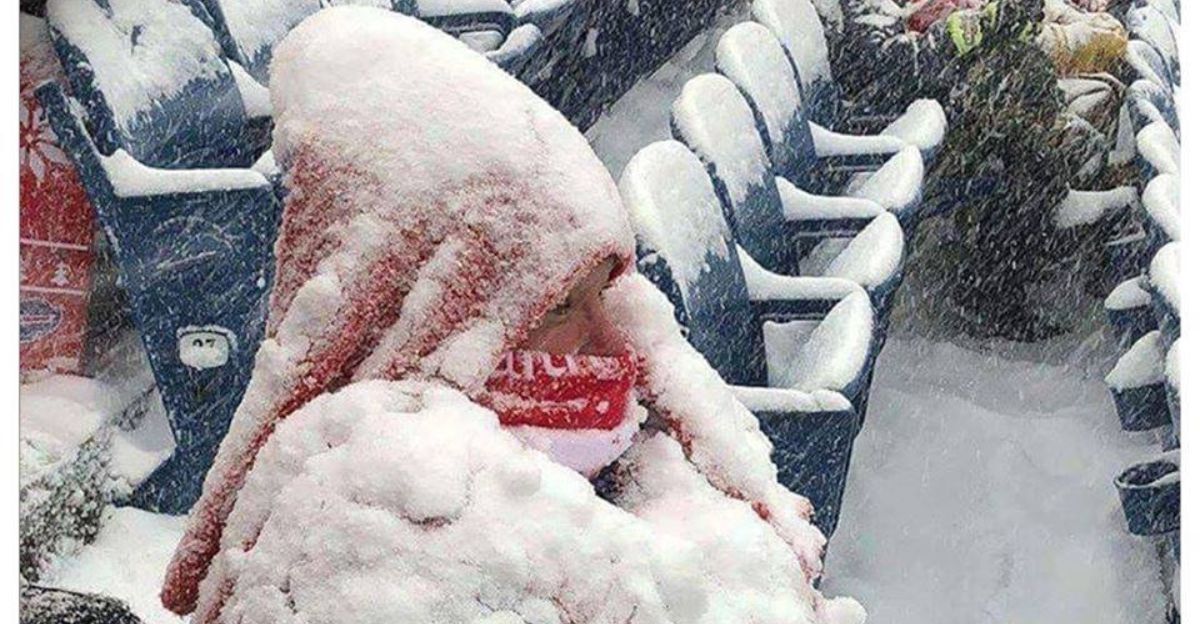
Hypothermia creeps in during prolonged outdoor stints like NFL games, plunging core temperature below 95°F and disrupting vital functions. In Week 15’s polar vortex, 3-5 hour spans, from tailgates to final gun, bred ideal threats, particularly with wind chills near 0°F at Soldier Field and Arrowhead.
Static standing in seats or concourses curbs heat production, while wet gear from snow or spills funnels cold inward. Cold exposure impairs the body’s ability to retain warmth, and fatigue worsens risks across quarters.
Kids and Families Face Extra Danger
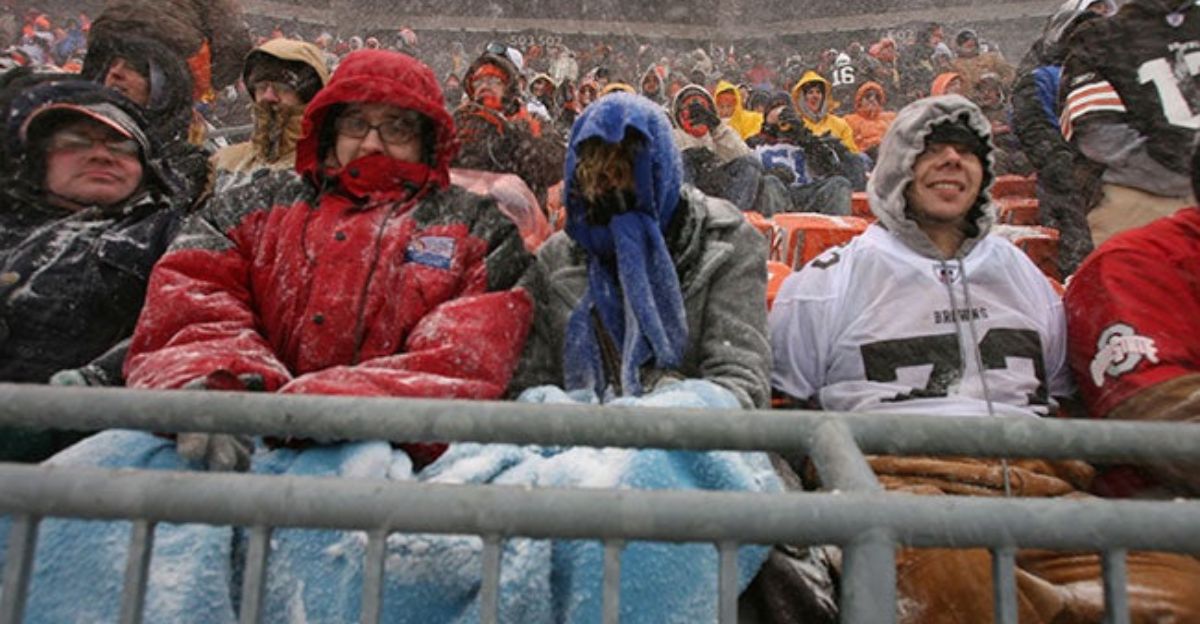
Children shed heat faster than adults thanks to higher surface-area-to-volume ratios, cooling cores significantly faster in near-0°F wind chills during NFL Week 15. Less fat insulation and lower metabolic output make kids at Soldier Field or Arrowhead vulnerable to hypothermia during prolonged outdoor exposure.
Families geared for Bears-Browns or Chiefs games encountered heightened perils, as kids’ play hid numbness evolving into cheek or finger frostbite.
NFL Keeps Games On Amid Warnings
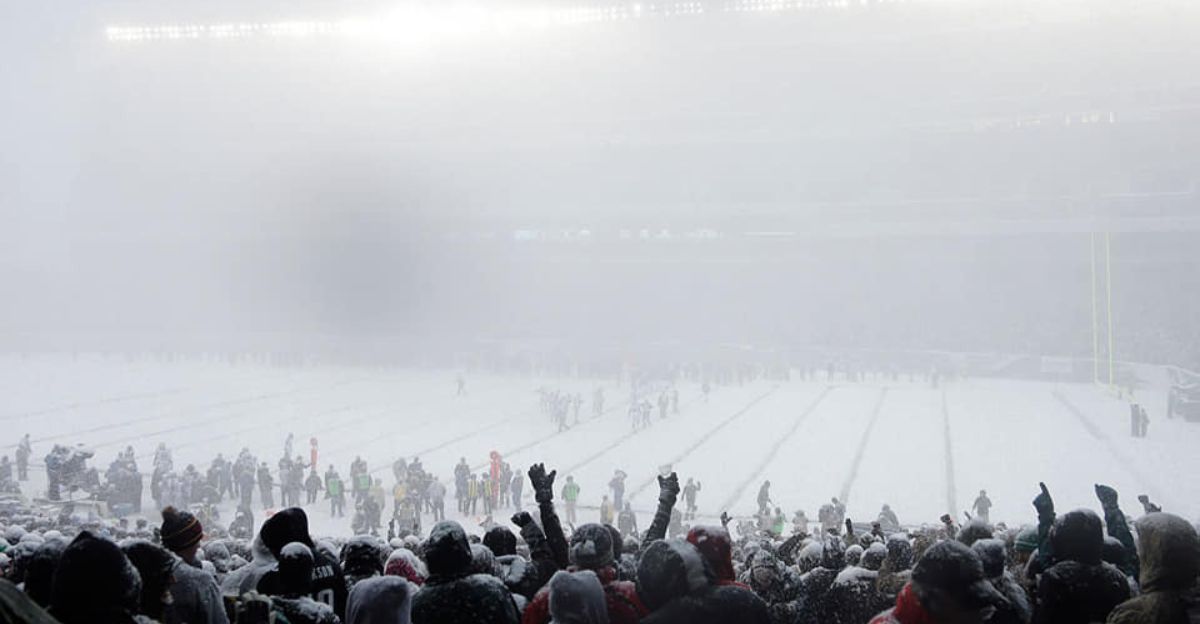
The NFL forged ahead with all three Week 15 games despite severe NWS cold weather warnings, sparking debate about whether to prioritize spectacle or the 200,000 fans’ safety in sub-10°F extremes. League rules stress player safeguards like heated benches and thermal gear, but extend no equivalents to spectators braving open-air at Soldier Field, Paycor, and Arrowhead.
Executives pointed to venue readiness and historical precedents like the 1967 -13°F playoff game, yet the vortex’s breadth fueled discussion on whether postponements or relocations should have been considered. Athletes benefit from rotations and sidelines; fans endure hours immobile in cold weather conditions.
Week 15 Rivals NFL’s Coldest History
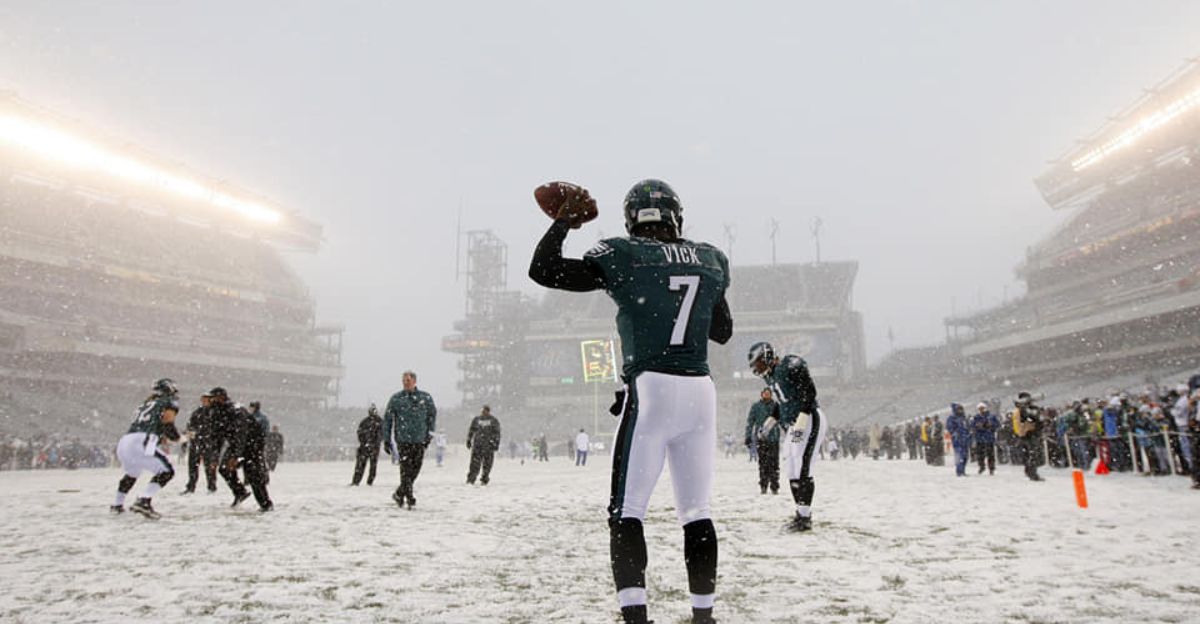
NFL Week 15’s polar vortex at Soldier Field, Paycor, and Arrowhead ranked among the league’s coldest games, with 8-10°F air and sub-zero chills comparable to historical extremes. The 1967 “Ice Bowl” Packers-Cowboys game remains the coldest, at -13°F wind chill.
This triple-threat delivered Bears-Browns, Bengals-Ravens, and Chiefs matchups into 2025’s coldest ranks. Chicago’s near-zero feels-like temps positioned them among the harshest conditions in recent decades.
Polar Vortex Crashes the Party
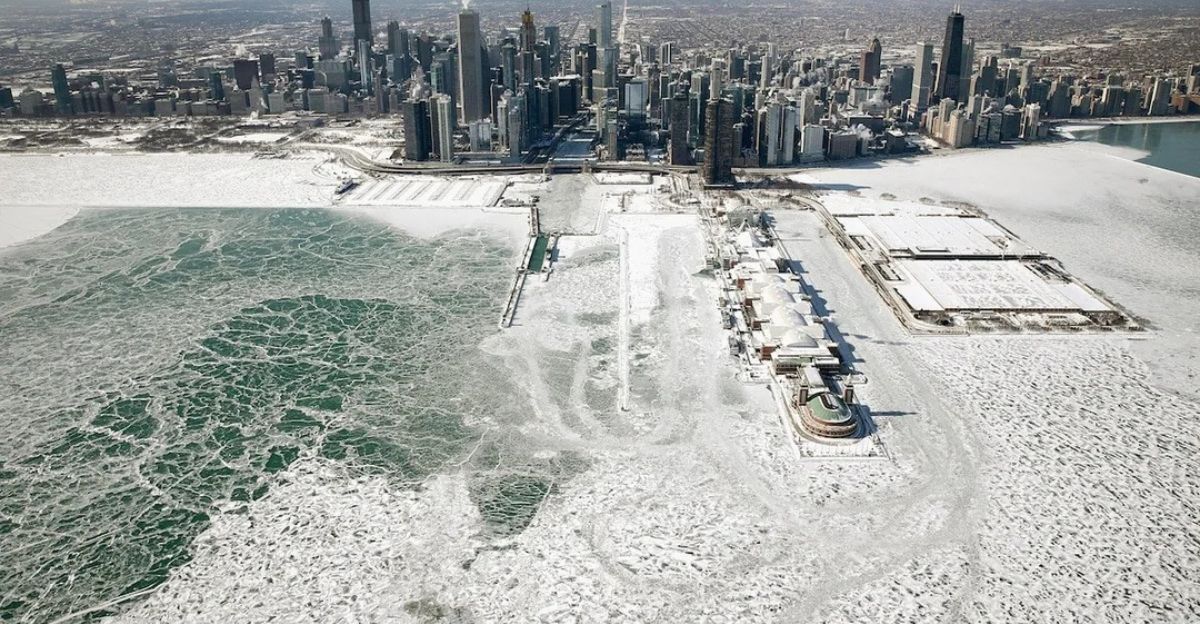
The polar vortex, a colossal arctic air whirl, fractured and dove south in mid-December 2025, battering the Midwest with deep freezes coinciding with NFL Week 15. This stratospheric surge drove 8-10°F game temps and near-0°F wind chills across Soldier Field, Paycor, and Arrowhead in Illinois, Ohio, and Missouri.
Beyond routine winters, its swift plunge sustained ferocity, morphing three Sundays into weather challenges. Chicago’s lakeside amplified Michigan gusts; Cincinnati’s valley and Kansas City’s plains funneled winds limiting safe outdoor exposure, per NWS advisories. The system affected a vast region across multiple states with dangerous cold conditions.
Players Fight Cold on the Field Too
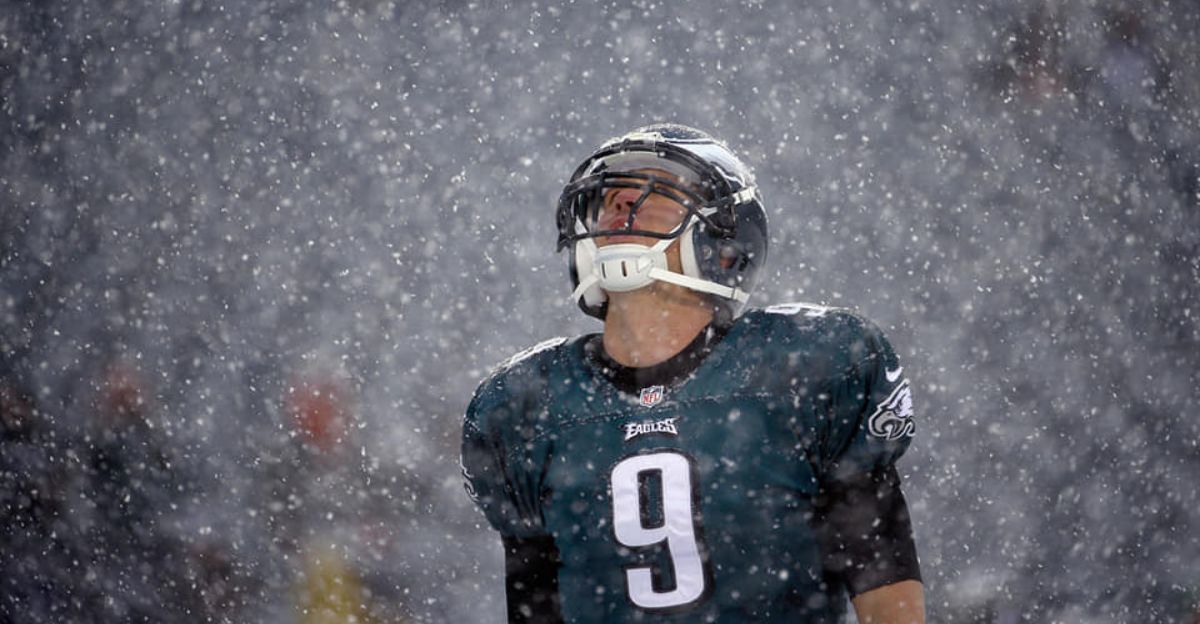
Players weather identical brutal cold as fans, but exertion and gear blunt the polar vortex’s impact in Week 15. At 10°F with sub-zero chills, Bears QBs or Chiefs rushers tackled frozen fields experiencing increased slips and turnovers in extreme cold conditions.
Movement sparks heat, unlike fans, yet freezing sweat stiffens jerseys, hindering mid-play agility.
Legal Risks from Cold Injuries

NFL teams and venues rely on ticket waivers dodging weather injury liability, but severe cold weather conditions might face scrutiny amid any post-Week 15 frostbite or hypothermia incidents.
Historical precedent includes the 2024 Chiefs-Dolphins playoff game, where cold-related frostbite injuries were reported, demonstrating the potential for litigation targeting inadequate protections for attendees at the three stadiums.
Survival Over Spectacle
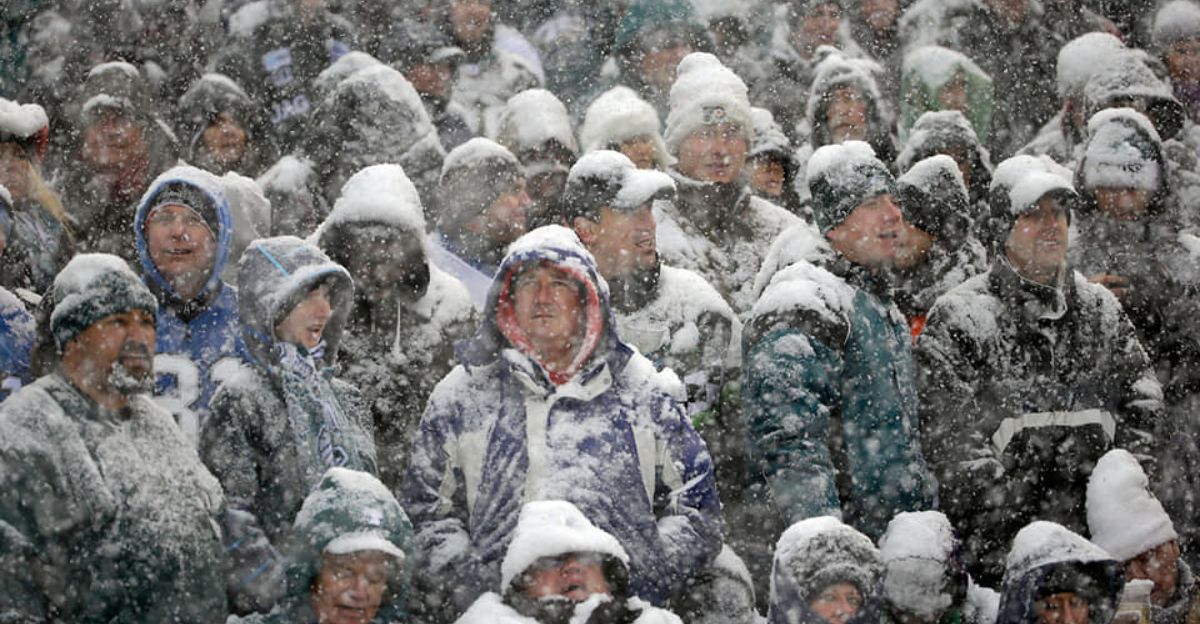
As the polar vortex carved Week 15 into NFL lore, 200,000 fans braved severe cold weather for Bears-Browns, Bengals-Ravens, and Chiefs showdowns amid frostbite risks and hypothermia dangers. This clash—between official warnings and football devotion—laid bare entertainment’s edge against human vulnerability in sub-10°F open-air settings.
Games unfolded without major reported incidents, but the saga calls for domes, fan protections, or scheduling flexibility to shield attendees from extreme weather, preserving the sport without sacrificing fan safety.
Sources:
Yahoo Sports, National Weather Service Issues ‘Warning’ For 3 NFL Games Sunday, 2025-12-14
CBS Sports, NFL Week 15 weather: How polar vortex, snow, rain, frigid temperatures could impact several key games, 2025-12-13
NFL Operations, NFL Operations Gameday Weather Forecast, 2025-12-13
NFL Weather, NFL weather, 2025-12-17
CNN, Coldest NFL games of all time: Dolphins-Chiefs wild card, 2025-01-13
National Weather Service, Event Summaries, 2025-12-08