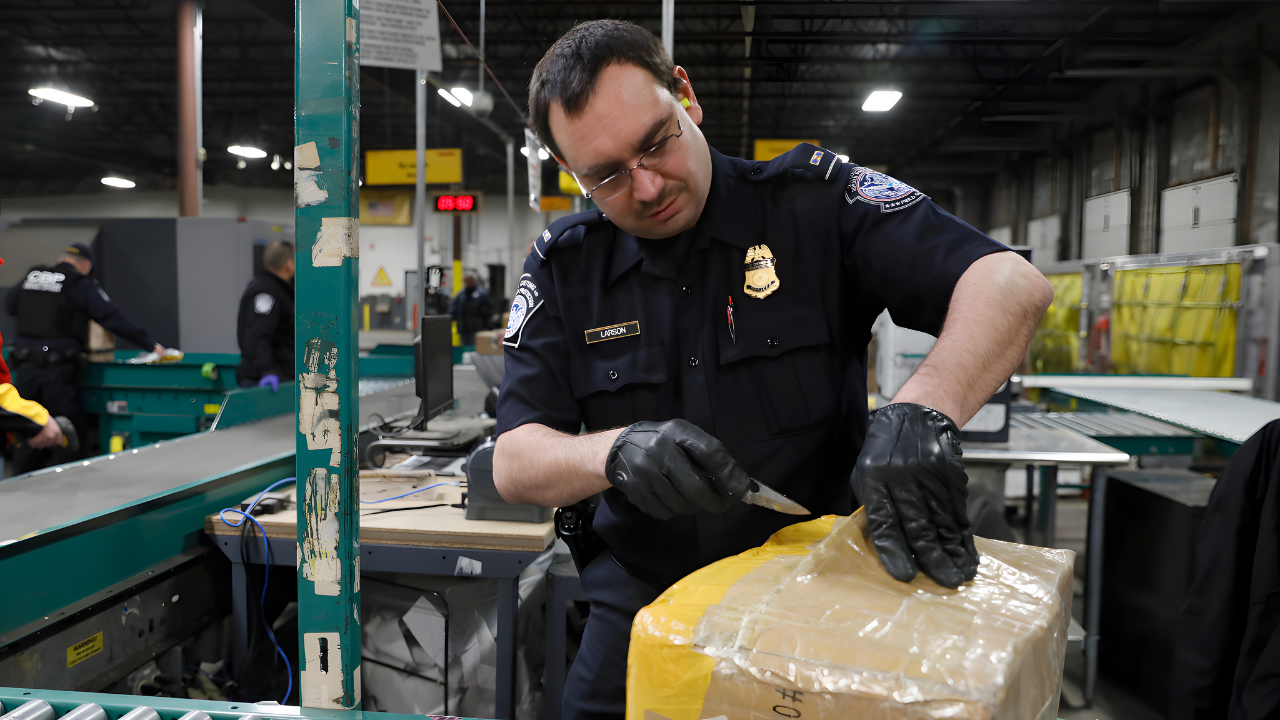
Federal authorities have successfully shut down a sophisticated international smuggling operation that illegally exported over $160 million in advanced Nvidia AI processors to China and restricted destinations. The investigation, dubbed “Operation Gatekeeper,” resulted in multiple arrests, guilty pleas, and seizures exceeding $50 million in graphics processing units and cash.
The Justice Department announced the major enforcement action as part of intensified efforts to protect America’s technological edge in artificial intelligence development and military applications.
Texas-Based Executive Pleads Guilty to Export Violations

Alan Hao Hsu, 43, from Missouri City, Texas, and his company Hao Global LLC pleaded guilty on October 10, 2025, to smuggling and illegal export charges. Court documents reveal that between October 2024 and May 2025, Hsu and associates exported or attempted to export Nvidia H100 and H200 Tensor Core GPUs worth at least $160 million.
The company received more than $50 million in wire transfers originating from China to finance the scheme. Hsu faces up to 10 years in federal prison at sentencing scheduled for February 18, 2026, while Hao Global faces fines up to twice its illegal profits.
Brooklyn-Based Operator Orchestrated Relabeling Scheme
Fanyue Gong, also known as Tom Gong, 43, a Chinese citizen residing in Brooklyn, New York, allegedly owned a technology company used to circumvent U.S. export controls. According to charges, Gong and co-conspirators used straw purchasers and intermediaries to acquire GPUs while falsely claiming end-users were in the United States or permitted third countries.
Gong allegedly directed workers to remove original Nvidia labels from chips in U.S. warehouses and relabel them with “SANDKYAN,” a completely fictitious company name. He faces up to 10 years in prison if convicted of conspiracy to smuggle goods from the United States.
Canadian Executive Coordinated International Logistics

Benlin Yuan, 58, a Canadian citizen living in Mississauga, Ontario, serves as CEO of a Sterling, Virginia-based information technology services company that is a U.S. subsidiary of a Beijing-based firm. According to allegations, Yuan recruited inspectors and directed them to conceal Chinese destinations while preparing falsified paperwork to release detained shipments.
Yuan also provided false information to U.S. authorities regarding actual end-users of the chips. If convicted of conspiracy to violate the Export Control Reform Act, Yuan faces up to 20 years in federal prison, making his potential sentence the longest among the defendants charged.
Sophisticated Mislabeling Strategy Concealed Shipments

The smuggling network employed elaborate tactics to hide chip destinations from U.S. authorities and customs officials. Workers at American warehouses systematically removed authentic Nvidia packaging and relabeled thousands of GPUs with the fake company “SANDKYAN” to create confusion about origins and final destinations.
Shipping documents falsely classified the advanced processors as generic computer parts, adapters, and controller modules rather than restricted artificial intelligence hardware. These misrepresentations allowed shipments to bypass inspection and reach Hong Kong and Chinese entities without triggering export control safeguards.
False Documentation Disguised Illegal Trade Routes

The conspiracy involved fabricating contracts and shipping records to indicate GPUs were destined for legitimate American customers or permitted third countries like Malaysia and Thailand that don’t require special export licenses. Behind this facade, the actual destinations were China, Hong Kong, and other restricted locations where U.S. export laws prohibited high-performance AI chips.
The network coordinated with Hong Kong-based logistics companies and Beijing-based technology firms to layer international transactions and obscure ownership chains. Each false document layer created additional distance between the U.S. suppliers and ultimate Chinese recipients of the restricted technology.
Advanced GPUs Represent Critical National Security Assets

The Nvidia H100 and H200 Tensor Core GPUs seized in this investigation represent some of the world’s most advanced artificial intelligence accelerators designed for massive data processing and machine learning applications. While not Nvidia’s newest Blackwell series, these processors remain on the U.S. restricted list and cannot legally ship to China without special federal authorization.
The chips power generative AI models, large language models, and high-performance scientific computing essential to modern artificial intelligence development. U.S. Attorney Nicholas J. Ganjei stated: “These chips are the building blocks of AI superiority and control of these chips determines control of AI technology.”
National Security Concerns Drive Aggressive Enforcement
Assistant Attorney General for National Security John Eisenberg emphasized that the conduct targeted “advanced computer chips that make modern AI possible” and the Justice Department will “vigorously enforce export-control laws and protect this edge.” Law enforcement officials stressed that these processors have dual-use applications extending into military capabilities, weapons development, drone operations, and intelligence analysis.
The Justice Department has made clear that preventing unauthorized chip transfers to China constitutes a matter of critical national security importance. Authorities noted that even secondary market sales of older chips require strict scrutiny and government review to prevent illegal diversion schemes.
Complex Payment Structure Involved Multiple Countries

The smuggling operation utilized a sophisticated financial scheme to disguise the origin of funding and obscure connections between American sellers and Chinese buyers. Hsu and associates received payment for the chips through bank accounts in Thailand, Malaysia, and Singapore rather than direct transfers from Chinese entities.
This geographic dispersal of financial transactions made tracing the conspiracy more challenging for investigators. The scheme involved business leads generated by companies in China seeking GPU supplies and wire transfers routed through multiple shell companies and intermediaries across Southeast Asia. Wire transfers exceeding $50 million funded the systematic purchasing of thousands of restricted processors.
Authorities Seize Over $30 Million in Equipment

Federal investigators seized over $30 million worth of Nvidia GPU baseboards and related equipment destined for various Chinese locations through multiple interception points. One significant seizure occurred at an Atlanta facility where a shipment carried “incorrect and misclassified shipping information” designed to evade customs scrutiny.
Another seizure targeted technology addressed to an air freight facility in Mississauga, Ontario, near Toronto Pearson International Airport, indicating the network planned Canadian transshipment routes. A third attempted shipment was seized from an aircraft before takeoff, preventing the illegal export at the critical moment of departure to international destinations.
Widespread Network Involved Multiple Criminal Conspirators

The investigation revealed coordination between U.S.-based procurement specialists, Chinese nationals living abroad, Hong Kong logistics operators, and Beijing technology company executives. Gong allegedly directed workers who were mostly Chinese nationals employed through his New York technology company to execute the relabeling and packaging operations at various U.S. warehouses.
Yuan allegedly recruited and coordinated inspectors who examined mislabeled shipments and attempted to retrieve seized equipment through fake inspection procedures. The conspiracy involved at least six inspectors working with encrypted messaging apps and video conferencing platforms to coordinate activities while trying to evade U.S. law enforcement detection.
Trump Administration’s Contradictory Policy Creates Confusion
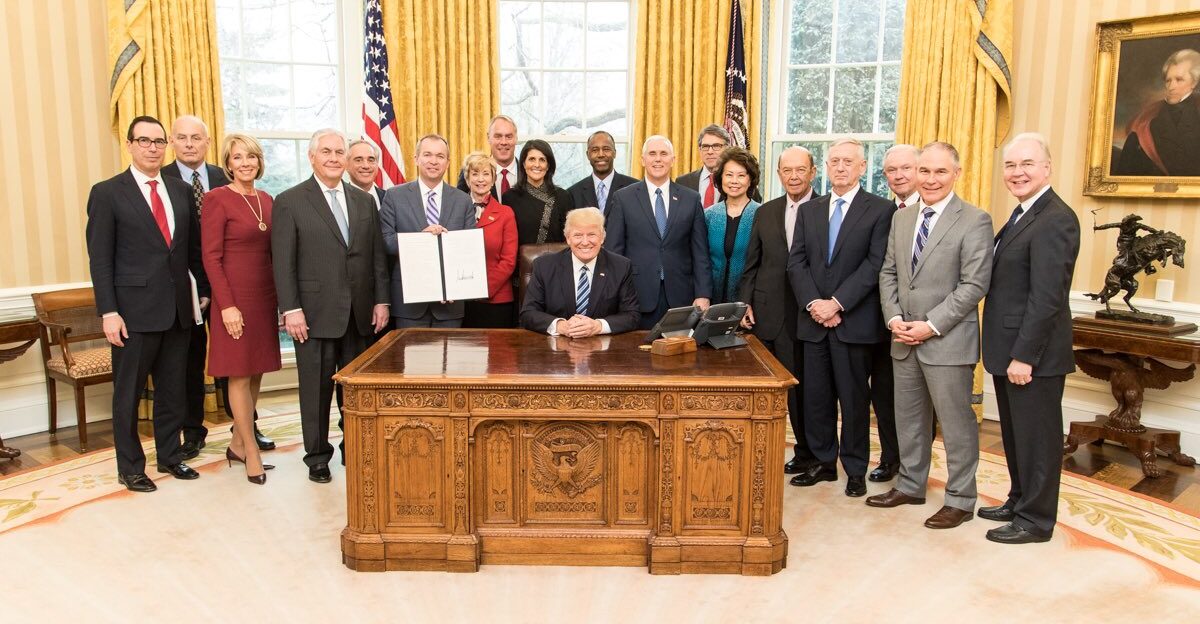
In striking timing, President Donald Trump announced on December 8, 2025—the same day Operation Gatekeeper details became public—that Nvidia would be allowed to ship H200 chips to “approved customers” in China, with the U.S. government taking a 25 percent revenue cut. This policy shift reverses the Biden administration’s strict approach and represents unprecedented revenue-sharing in export control policy.
Trump informed Chinese President Xi Jinping of the decision, which also applies to AMD and Intel products. The H200, introduced in 2023, is nearly six times more powerful than the H20 currently available in China but remains less advanced than Nvidia’s Blackwell series, which stays prohibited.
Previous Investigations Uncovered Multiple Smuggling Rings
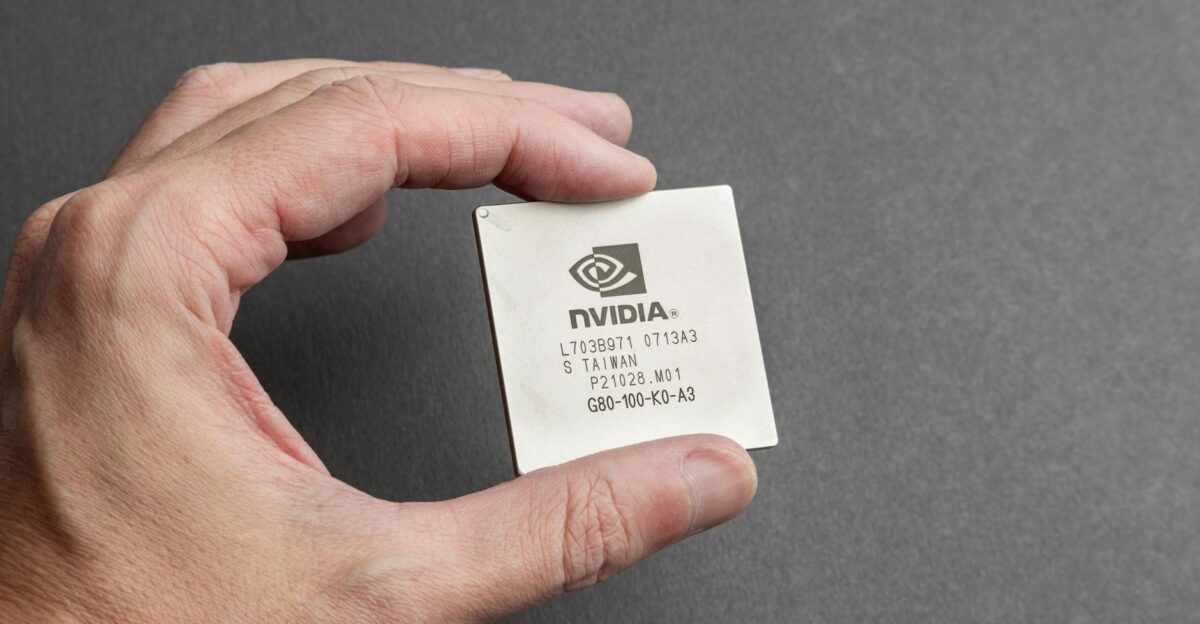
Operation Gatekeeper represents only one of several recent enforcement actions targeting illegal Nvidia chip exports. In November 2025, federal investigators charged four additional individuals—including two U.S. citizens and two Chinese nationals—with smuggling Nvidia GPUs to China through Malaysia. That conspiracy successfully exported 400 Nvidia A100 GPUs to China and attempted shipments of 10 Hewlett-Packard supercomputers equipped with H100 GPUs and 50 H200 processors through Thailand.
These cases demonstrate that despite strict export controls, sophisticated actors continue finding ways to circumvent regulations using false documentation, front companies, and international logistics networks.
Commerce Department Enforces Complex Export Control Laws
The Bureau of Industry and Security within the U.S. Commerce Department led the investigation and enforcement actions, applying federal laws including the Export Control Reform Act (ECRA) and smuggling statutes. This agency bears primary responsibility for policing U.S. export rules related to Nvidia and other advanced chipmakers producing dual-use technology.
Investigators documented communications between defendants, warehouse operations, shipping procedures, and financial transactions spanning multiple countries. The complexity of international enforcement required coordination with customs agencies, the FBI, and federal prosecutors across multiple jurisdictions to dismantle the network and bring criminal charges.
Long Sentences Await Convicted Defendants
If convicted at trial, the defendants face substantial federal prison sentences reflecting the serious nature of their alleged crimes. Alan Hao Hsu faces 10 years for smuggling and export violations; Benlin Yuan faces 20 years for conspiracy to violate export control laws; Fanyue Gong faces 10 years for conspiracy to smuggle goods.
Additionally, companies can face fines up to twice their illegal profits and extended probation periods. These penalties underscore the Justice Department’s commitment to deterring future attempts to illegally divert advanced technology to China during a period of intense technological competition between nations for artificial intelligence leadership and military advantage.
Sources:
”U.S. Authorities Shut Down Major China-Linked AI Tech Smuggling Network.” U.S. Department of Justice Office of Public Affairs, December 8, 2025.
“Nvidia Chips: Plots to Send GPUs to China Expose $160 Million Smuggling Network.” CNBC, December 9, 2025.
“US Busts Network Smuggling Advanced Nvidia Chips to China.” MSN, December 9, 2025.
“Alleged AI Chip Smuggling to China Leads to US Calls for Chip Tracking.” Reuters, November 20, 2025.
“Four Accused in Black-Market Scheme to Smuggle Nvidia GPUs to China.” Fortune, November 19, 2025.