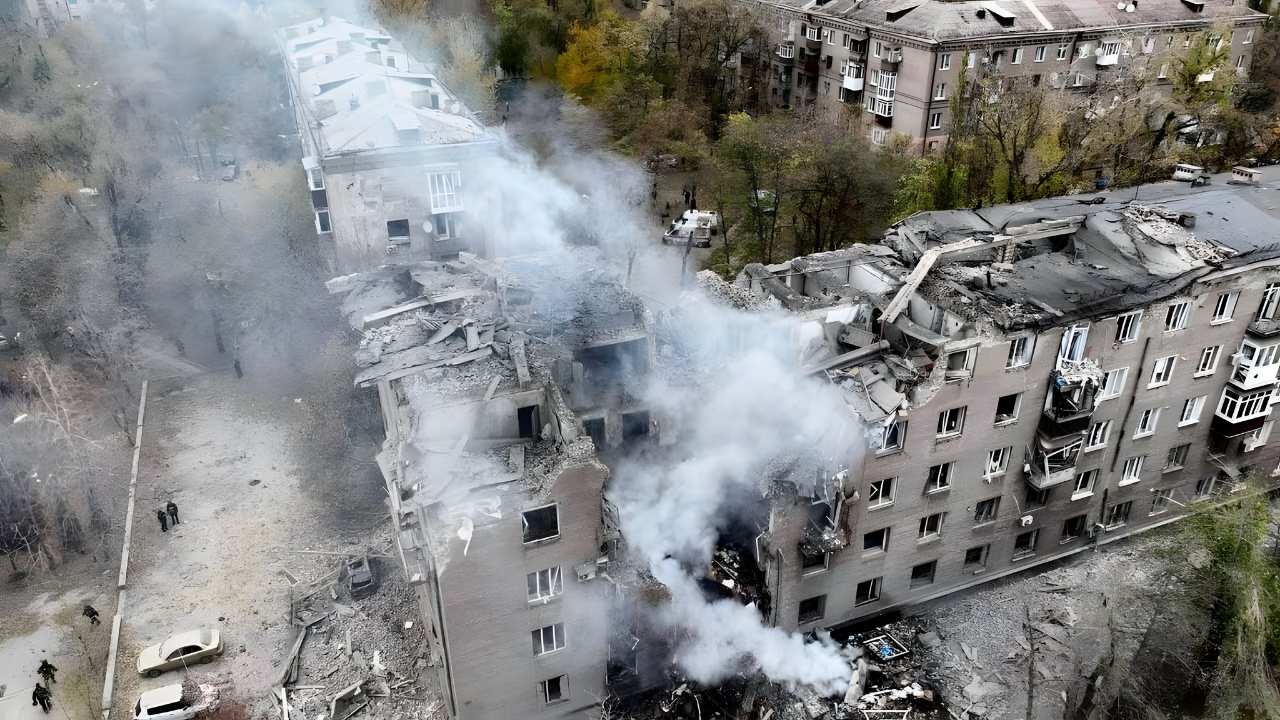
Explosions lit up the skies over Donetsk and Luhansk on the night of December 7–8, 2025, as Ukrainian Special Operations Forces carried out coordinated precision strikes deep inside Russian-held territory. In Luhansk Oblast, drones hit a large fuel depot in the town of Simeikyne, igniting storage tanks and destroying thousands of cubic meters of fuel. In Donetsk, a warehouse holding tactical drones and warheads was wiped out in seconds. Together, the attacks underscored Ukraine’s strategy of targeting the logistics and energy infrastructure that underpin Russia’s military campaign.
Targeting the Backbone of Russian Operations
By focusing on fuel storage and unmanned systems, Ukraine is seeking to disrupt Russia’s ability to move troops, conduct air operations, and gather battlefield intelligence. The Simeikyne depot reportedly contained about 6,000 cubic meters of fuel, enough to power thousands of combat flights or sustain extensive ground operations. Its destruction adds pressure to already stretched supply lines in eastern Ukraine and forces Russia to reroute fuel from further afield, increasing transport costs and delays.
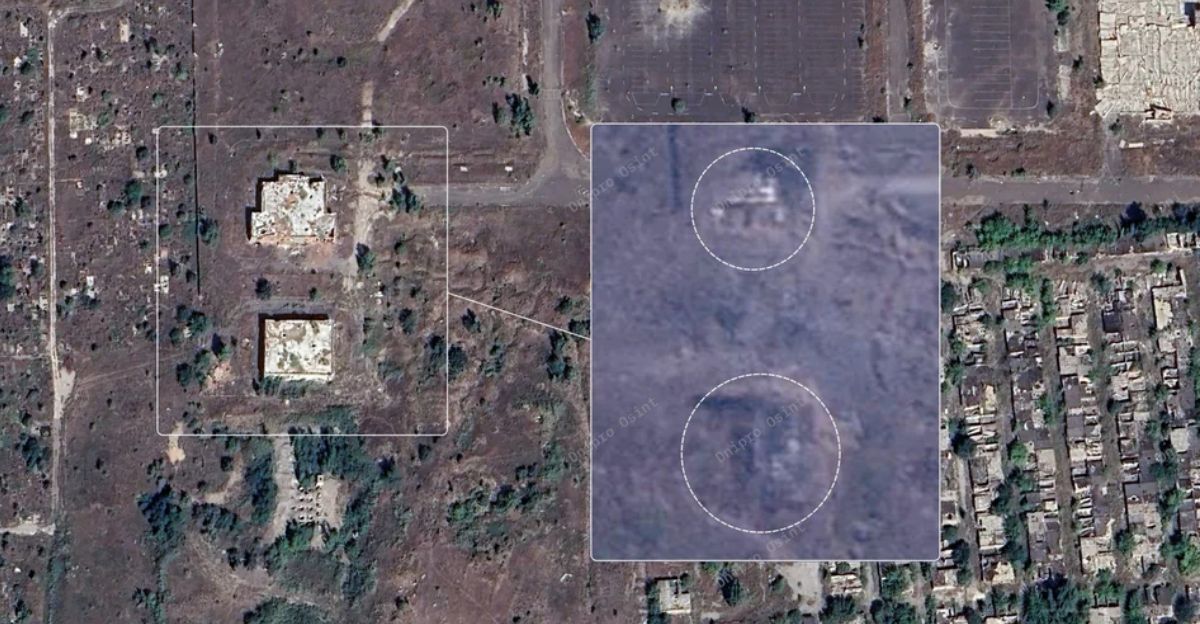
In Donetsk, the strike destroyed a tactical warehouse supporting Russia’s 9th Separate Motor Rifle Brigade. The facility stored a substantial number of short-range drones and associated warheads used for reconnaissance and precision strikes. Losing this stockpile weakens Russia’s intelligence, surveillance, and reconnaissance toolkit in the sector, limiting its ability to spot Ukrainian positions and adjust fire in real time. For Ukraine, such hits are designed less to produce dramatic front-line breakthroughs than to steadily erode Russia’s capacity to sustain high-tempo operations.
Escalating Campaign Against Energy Infrastructure
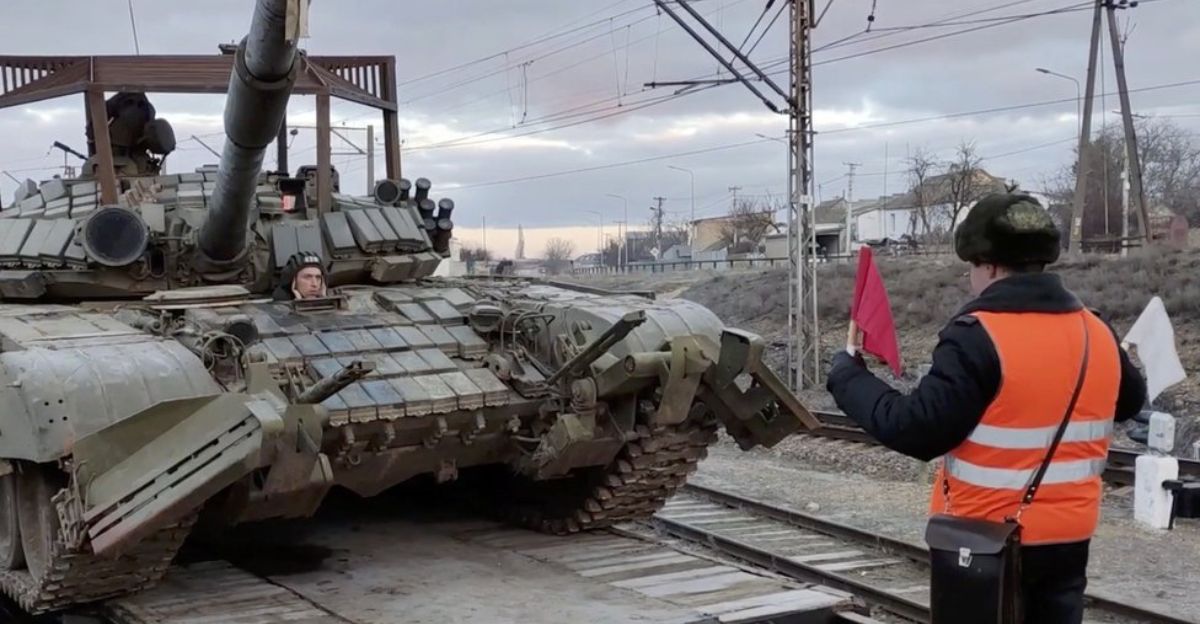
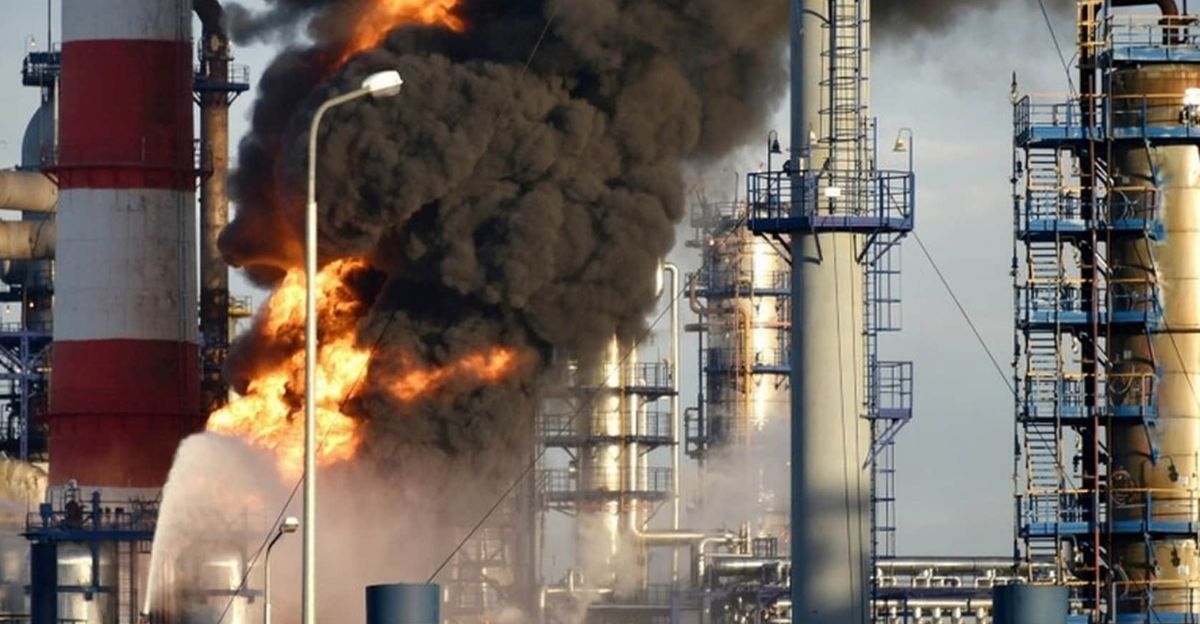
The December attacks form part of a much broader Ukrainian campaign against Russian oil refineries, depots, and other energy assets that has intensified over 2025. Since January, Ukrainian forces have struck 21 of Russia’s 38 major refineries, a level of activity that represents a 48 percent increase in successful attacks compared with all of 2024. The targets include facilities that are critical to refining and distributing fuel for both domestic use and military needs.
November 2025 marked a peak in this effort, with at least 14 drone attacks on Russian refineries in a single month. Among the sites hit were the Afipsky plant near Krasnodar, Rosneft’s large refinery in Ryazan—which has been offline since mid-November—and Lukoil’s Volgograd refinery. As a result of cumulative damage, Russia’s average daily refining throughput has fallen to around 5 million barrels per day, down from the 5.3–5.5 million barrels per day typically seen in late autumn. Analysts estimate that roughly one-fifth of Russia’s refining capacity has been at least temporarily disabled.
For Ukraine, energy infrastructure has become a strategic pressure point. Ukrainian officials have framed these operations as an effort to curb the flow of oil-and-gas revenue to the Russian budget and thereby limit Moscow’s ability to fund its war. The choice of targets reflects a calculation that hitting refineries and depots weakens Russia both on the battlefield and in the broader economic arena.
Economic, Market, and Environmental Fallout
Repeated strikes on refineries and storage facilities are reverberating through Russia’s domestic energy market. Official statistics show that retail gasoline prices rose 2.58 percent in September 2025, the steepest monthly increase since 2018. On a year-on-year basis, gasoline prices are up 12.73 percent, the fastest rate of growth in 14 years. Authorities in 57 regions have reported fuel shortages and long queues at filling stations, prompting local limits on gasoline sales. These disruptions affect civilians and industry as well as military logistics, complicating internal transport and raising costs across the Russian economy.
The impact reaches beyond Russia’s borders. Damage to key refineries and restrictions on fuel exports have heightened concern in global energy markets about the reliability of Russian supplies. With approximately 30 percent of Russia’s 2024 federal budget tied to oil and gas revenues, sustained pressure on refining and export capacity has implications for government finances and for countries that have continued to import Russian fuel. Governments and companies are looking to diversify suppliers in case outages and attacks persist.
The human and environmental costs of strikes on fuel infrastructure are also significant. Large fires at depots and refineries release particulate matter, volatile organic compounds, nitrogen oxides, sulfur dioxide, and other hazardous substances into the air. Such emissions can degrade air quality, pose acute health risks for nearby residents, and contribute to longer-term respiratory and cardiovascular problems. Burning fuel can contaminate soil and water sources, complicating cleanup and recovery for affected communities.
Evolving Capabilities and the Outlook for the War
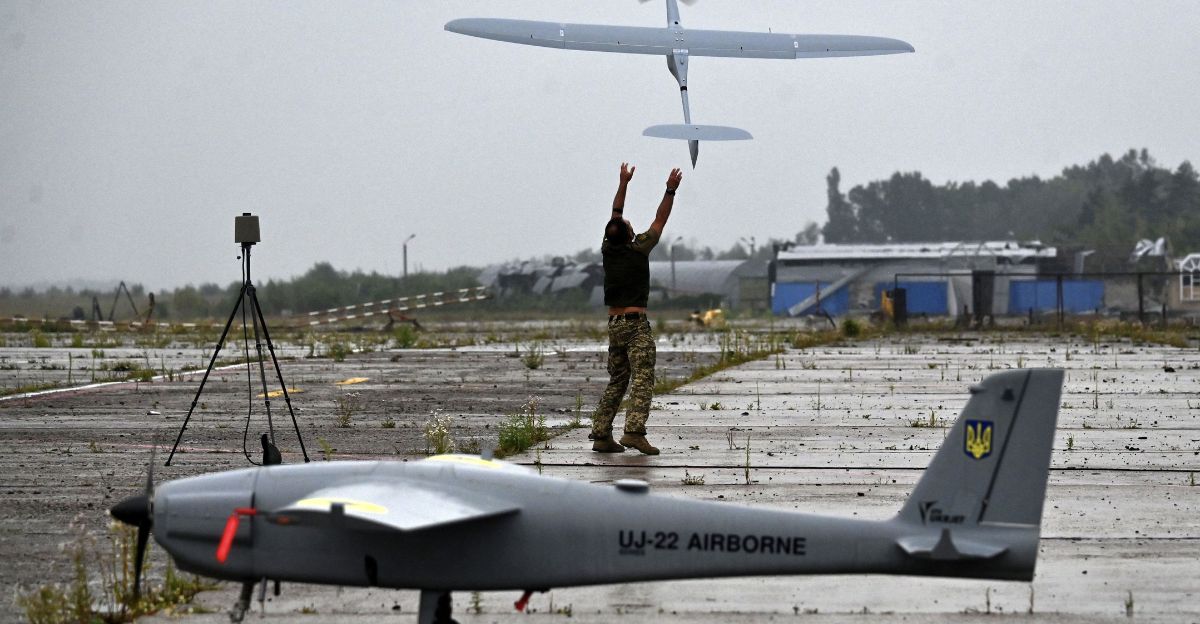
Ukraine’s ability to conduct these operations rests increasingly on its own long-range weapons. Domestic systems now account for a majority of deep strikes on Russian territory. About 60 percent of such attacks are carried out by Fire Point FP-1 drones with a range of roughly 1,600 kilometers, allowing Ukrainian forces to reach refineries and depots far from the front line. Another domestically produced system, the Batyar drone, offers a shorter range of about 800 kilometers but adds flexibility in targeting.
International partners, particularly in the United States and Europe, have contributed intelligence support. According to officials, foreign services provide data on target vulnerabilities, potential flight paths, altitudes, and timing to help Ukrainian drones navigate Russian air defenses. Ukraine retains control over target selection, while shared intelligence improves the likelihood that strikes will reach their objectives.
With an estimated 55 percent of Russian refineries having come under attack and a measurable reduction in refining capacity, Ukraine has demonstrated that it can reach deep into Russian territory and impose sustained logistical and economic costs. Ukrainian leaders have signaled that these operations are likely to continue, given their perceived effectiveness in degrading Russia’s war machinery and constraining revenue.
As both sides adapt to evolving drone tactics and countermeasures, the conflict is increasingly defined by strikes on infrastructure as much as by clashes along the front. The December attacks in Donetsk and Luhansk encapsulate this shift: by targeting fuel, depots, and energy assets, Ukraine is seeking to shape the long-term trajectory of the war, betting that pressure on logistics and finances will prove as decisive as battlefield maneuvers.
Sources:
“Ukraine Launches Record Number of Strikes on Russian Oil Refineries in November.” The Moscow Times, December 1, 2025.
“US Intel Guided Ukraine’s Strikes on Russian Energy Sites.” Financial Times, October 12, 2025.
“Ukrainian SOF Hit Russian Logistics Sites in Donetsk and Luhansk Regions.” Ukrinform, December 8, 2025.
“Gasoline Price Growth In Russia Sets 14-Year Record.” Charter97, October 9, 2025.