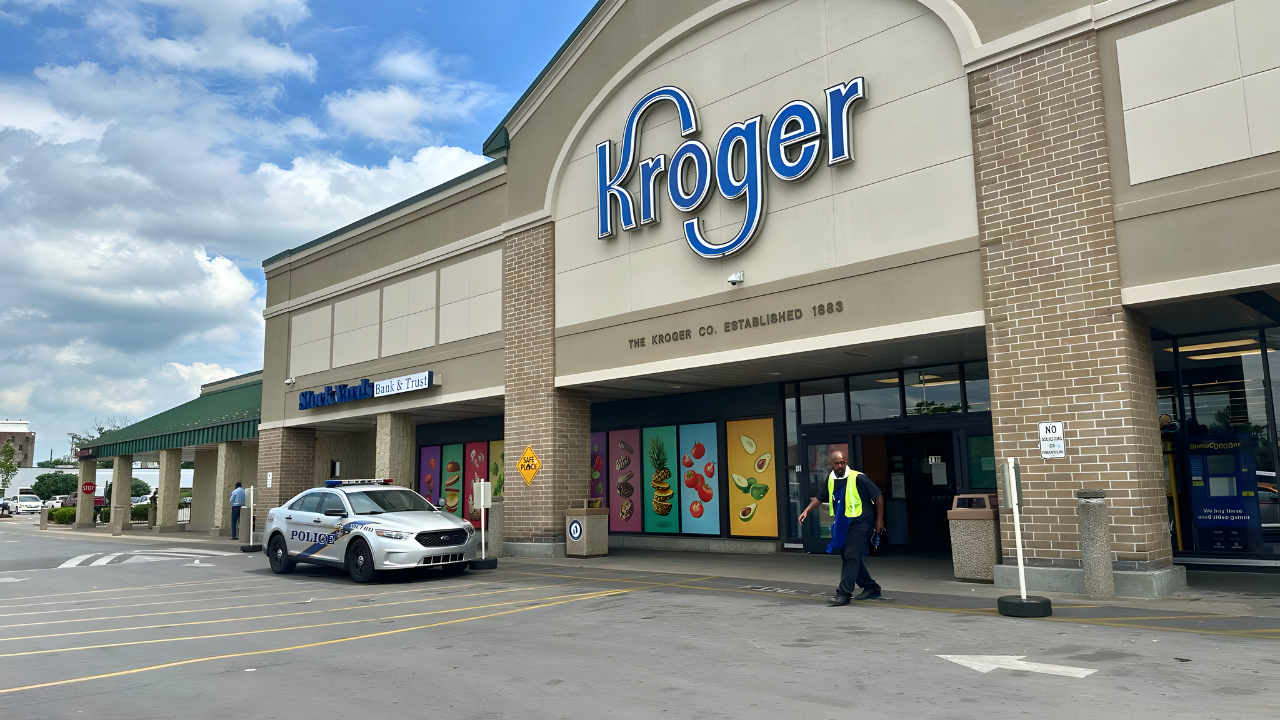
Kroger, the nation’s largest supermarket chain, plans to shutter about 60 stores by the end of 2026, affecting roughly 2% of its more than 2,700 locations nationwide. The closures could impact as many as 9,000 store employees, based on typical staffing levels of 100–150 workers per location. This move marks a pivotal shift as the company grapples with fallout from a blocked merger, leadership upheaval, and a push for operational efficiency in a competitive retail landscape.
Store Closures and Employee Impact
Kroger aims to limit job losses by offering transfers to nearby stores for most employees at the closing sites. This strategy seeks to preserve experienced workers and sustain staff morale amid the changes. However, transfers often come with complications including longer commutes, reduced hours, or loss of seniority rights. Union officials are overseeing the process to verify adherence to labor agreements and protect employment rights.
Closures target underperforming outlets, particularly older properties with leases nearing expiration, in areas like Metro Atlanta, Northern Virginia, and suburban Illinois, including some Mariano’s stores. Kroger emphasizes that these adjustments do not signal a full withdrawal from those markets but rather targeted refinements for sustained financial viability. Food access concerns loom for certain neighborhoods, particularly in parts of Houston and smaller towns in West Virginia, where closures could contribute to food deserts.
Failed Merger and Legal Aftermath
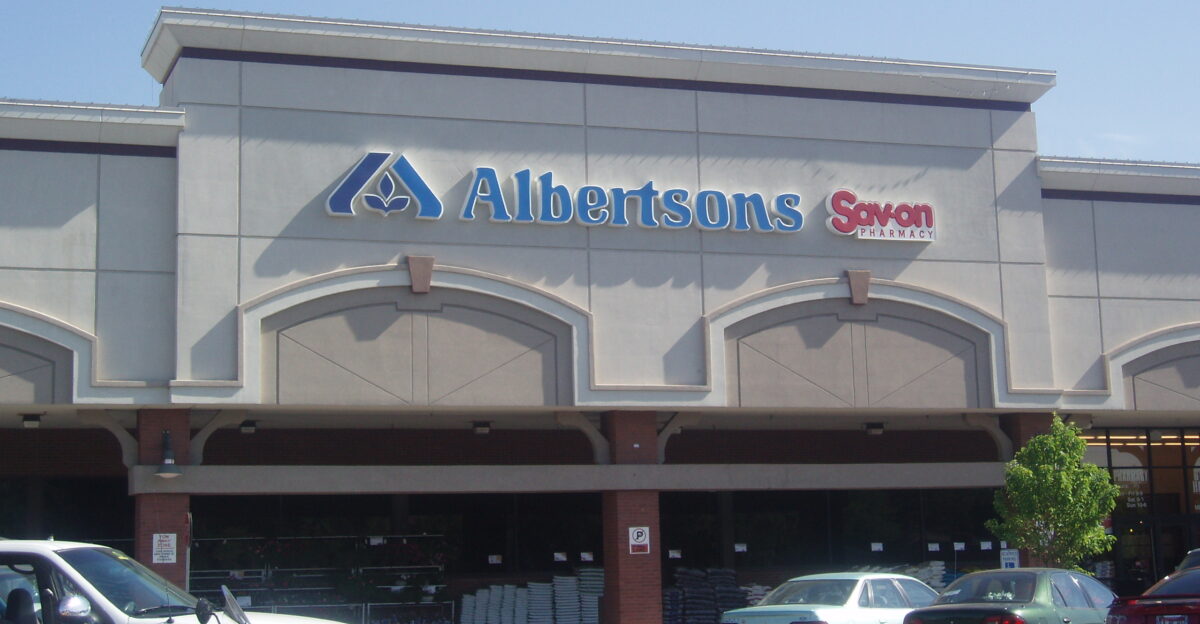
The store cuts follow the late 2024 collapse of Kroger’s $24.6 billion merger with Albertsons, halted by federal courts over antitrust issues and fears of higher prices for consumers. Deprived of the deal’s anticipated scale, Kroger has pivoted from expansion to internal streamlining, closing three Ocado-powered automated fulfillment centers in Wisconsin, Florida, and Maryland. The facilities underperformed, leading to a $2.6 billion impairment charge—equivalent to a $3.00 loss per share—and a retreat from capital-heavy robotics.
Legal tensions persist as Albertsons sues Kroger for billions in damages and a breakup fee, accusing it of contract violations during regulatory scrutiny. Kroger has filed a counterclaim, alleging Albertsons fell short on its commitments. These protracted battles drain resources as Kroger restructures.
Leadership Crisis and Strategic Restructuring
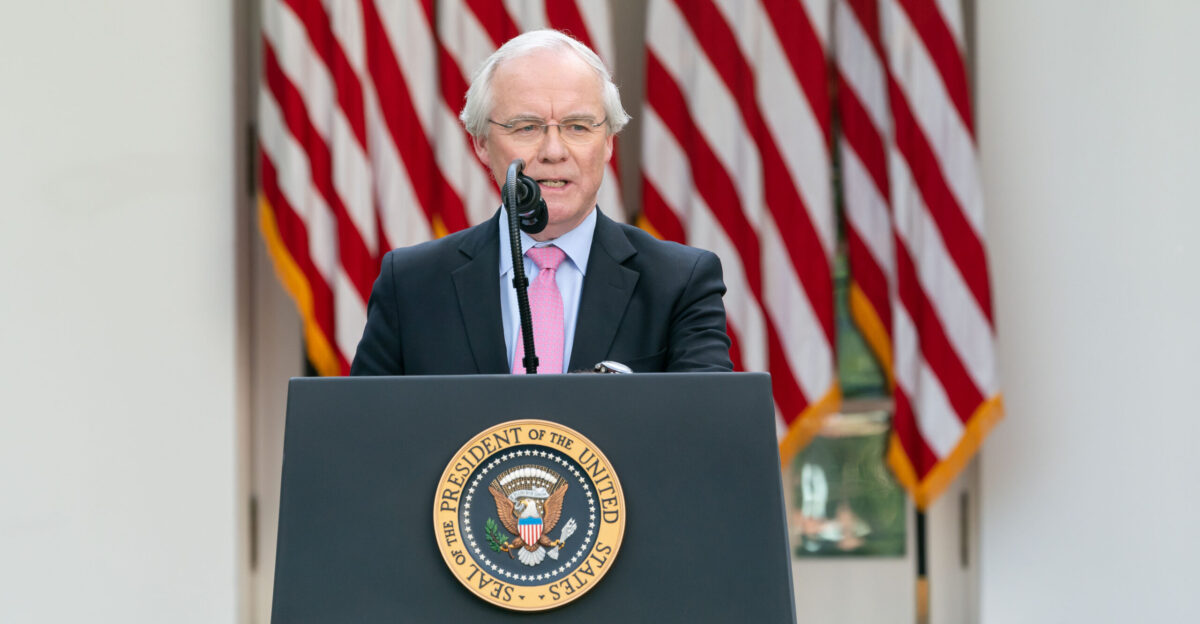
Compounding the challenges, CEO Rodney McMullen resigned abruptly in March 2025 after a board probe into personal conduct unrelated to business operations. The decade-long leader, who drove the merger effort, forfeited $11.2 million in unvested equity. Ron Sargent, ex-CEO of Staples, stepped in as interim head, enforcing strict cost controls. In a departure from tradition for the 142-year-old firm, the board will recruit an external permanent CEO by early 2026 to bring fresh ideas for modernization.
Corporate layoffs in 2025, including nearly 1,000 roles axed in August at Cincinnati headquarters and regional offices, further trim expenses. These cuts exclude employees in stores, distribution centers, or manufacturing facilities and centralize decision-making in a growth-constrained environment lacking merger benefits.
Kroger is adopting an asset-light digital approach, fulfilling online orders from local stores and partnering with Instacart, DoorDash, and Uber Eats. This replaces the closed robotic centers, cutting costs while aiming for e-commerce profitability by late 2026. Third-quarter eCommerce sales surged 17%, demonstrating momentum in the shift.
Financial Performance and Competitive Pressure

Kroger’s underlying business holds firm, with third-quarter 2025 identical sales up 2.6%, driven by demand for fresh foods and private-label products. However, the company narrowed its full-year sales forecast to 2.8%–3.0% identical growth (excluding fuel), down from prior guidance of 2.7%–3.4%, citing increased consumer selectivity. A $7.5 billion stock buyback, with $5 billion completed, bolsters investor trust by signaling undervaluation.
Competitors like Walmart, Costco, and Aldi advance amid Kroger’s distractions, capturing market share through expansion and aggressive price cuts. Kroger now defends its position without the merger’s promised advantages, as middle-income consumers tighten budgets and competition intensifies.
As 2026 looms, Kroger confronts a make-or-break period with store rationalization, new leadership, and digital recalibration. The next CEO’s ability to execute cost savings alongside innovation—while stabilizing operations amid food deserts and job losses in affected communities—will determine whether the retailer regains momentum in a cutthroat industry.
Sources:
“Kroger closing around 60 stores nationwide.” USA Today, 20 June 2025.
“Albertsons terminates $25 billion merger with Kroger after regulatory hurdle.” Reuters, 11 Dec 2024.
“Kroger closing 3 automated fulfillment centers.” Supply Chain Dive, 18 Nov 2025.
“Kroger Reports Third Quarter 2025 Results.” Kroger Co. Investor Relations, 11 Dec 2025.