Imagine scrolling YouTube and finding a brand-new trailer for The Fantastic Four—polished, official-looking, packed with blockbuster action. You click. It’s fake. Over 1 billion people weren’t so lucky this year.
On December 18, YouTube deleted two channels that had fooled audiences worldwide by using artificial intelligence to create fake movie trailers that often outranked the genuine ones from Disney, Marvel, and HBO. What started as a curiosity became a crisis.
Two Channels, Two Million Followers
Meet Screen Culture and KH Studio—names you’ve never heard of, even though you might’ve watched them. The India-based Screen Culture and Georgia-based KH Studio combined had over 2 million subscribers and more than 1 billion total views. YouTube terminated both accounts for violating spam and misleading metadata policies, according to Deadline.
The channels operated in plain sight, their subscriber counts climbing steadily as viewers mistook AI fabrications for legitimate studio promotional work.
How Fake Trailers Beat The Real Thing

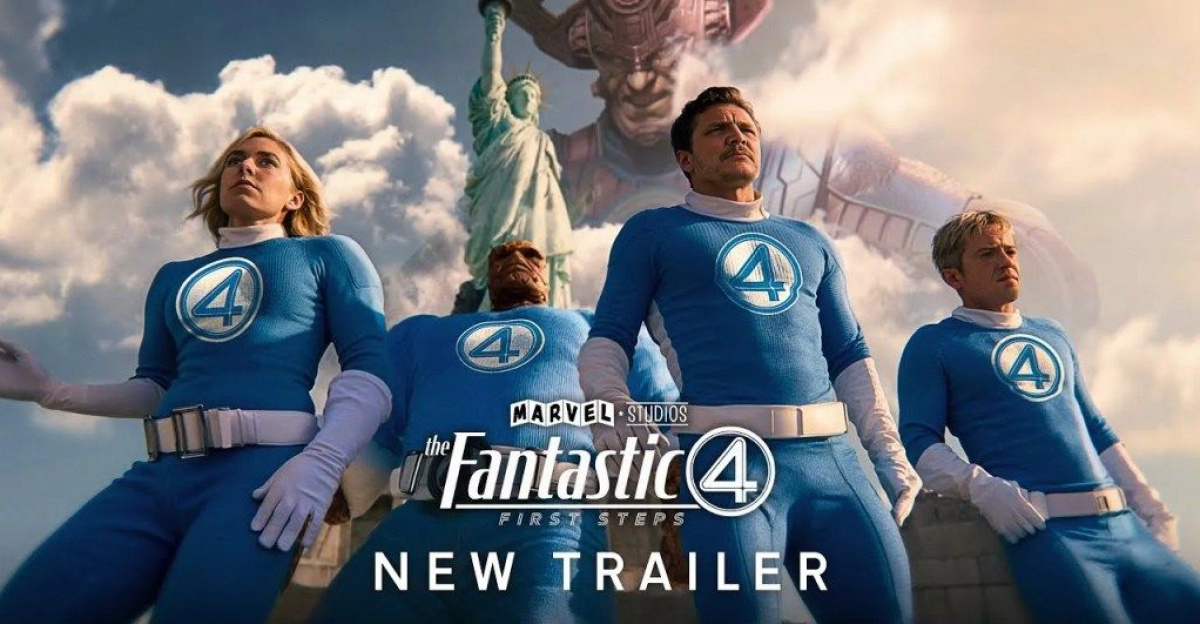
Here’s where it gets wild: some of their fake trailers climbed higher in YouTube search results than the actual studio releases. Screen Culture created 23 different versions of a bogus Fantastic Four: First Steps trailer by March 2025. Viewers searching for the real thing often found the AI version first.
The algorithm had chosen the fake over the genuine. Studio marketing teams with million-dollar budgets couldn’t compete with a dozen editors armed with generative AI.
India Deceived Millions Worldwide
Screen Culture’s team wasn’t massive—roughly a dozen editors exploited YouTube’s recommendation system with surgical precision. They blended copyrighted footage with AI-generated imagery to create convincing trailers for movies that didn’t exist yet, or twisted real ones into false promises.
The result: unsuspecting fans shared them as authentic promotional material. Families watching together thought they were seeing official Disney or Marvel announcements. Children got excited about movies that existed only in code.
$2 Million to $5 Million Annually From Pure Deception
With over 1 billion views, these channels are likely to have generated between $2 million and $5 million annually from YouTube ads alone. That’s revenue built entirely on copyright infringement and audience deception. But here’s the twist: they weren’t the only ones profiting.
According to Deadline, major studios had a secret arrangement nobody expected—one that raises uncomfortable questions about corporate ethics and intellectual property protection.
Warner Bros And Sony’s Secret
Rather than fighting the fake trailers, Warner Bros Discovery and Sony took a different path. Sources told Deadline the studios secretly asked YouTube to redirect ad revenue from the counterfeit trailers to their own accounts. When contacted, both studios declined to comment.
No public takedown letters. No legal threats. Just quiet profit-sharing from AI slop. The studios were earning money from content that impersonated their franchises, diluting brand value while claiming victim status elsewhere.
Disney Sends Google A Cease-and-Desist
Disney, however, wasn’t playing. Last week in December, the House of Mouse sent Google a cease-and-desist letter accusing the tech giant of exploiting its copyrighted works “on a massive scale” through AI training models, according to The Hollywood Reporter.
The letter demanded technological solutions to prevent future infringement. Disney’s move escalated tensions from platform moderation into potential courtroom warfare, signaling that Hollywood was done asking nicely.
Disney Launches $1 Billion OpenAI Partnership
The irony stings. The same week Disney threatened Google over unlicensed AI use, the company announced a $1 billion partnership with OpenAI to license 200-plus characters for Sora. Disney is drawing a line: authorized AI partnerships are fine. Unlicensed exploitation is war.
The strategy reveals a fundamental corporate reality—studios don’t object to AI itself, only to losing control and profit from it. Collaboration is acceptable. Theft is not.
YouTube Waited Eight Months To Act
YouTube suspended ads on both channels in March 2025, following Deadline’s initial investigation that exposed the scheme. The channels added disclaimers—”fan trailer,” “parody,” and “concept trailer”—and had their ads restored. In recent months, those labels vanished.
YouTube only took action after Deadline contacted them again. Eight months of inaction. Then overnight termination.
Fake Trailers For Harry Potter And Countless Franchises

Screen Culture and KH Studio didn’t stop at Marvel. They created fake trailers for HBO’s upcoming Harry Potter series, Netflix’s “Wednesday,” and numerous other major franchises. The quality was convincing enough to fool dedicated fans who shared them across social media as genuine promotional material.
Entertainment news websites sometimes picked them up, amplifying reach. The channels weaponized audience enthusiasm against legitimate creators and platform trust.
YouTube’s Algorithm Rewarded Fake Over Authentic Content
YouTube’s own system rewarded deception. Fake trailers rose to the top of search rankings faster than authentic studio content. The platform’s algorithm couldn’t distinguish between factual and fabricated—or didn’t care to.
For an audience craving movie news, YouTube became a minefield of believable lies.
The Monster Was Defeated
When the channels vanished, the internet erupted. An anonymous creator in the fan-trailer community told Deadline: “The monster was defeated.” The sentiment reflected frustration from filmmakers and genuine fans who’d watched AI-generated slop flood their feed for months while studios monetized it.
But celebration masks a darker reality: the technology enabling this deception is only getting cheaper and faster.
Similar Channels Still Operating As YouTube Stays Silent
The shutdown raises a brutal question: how many other channels are doing this right now? Similar accounts continue to post AI-generated trailers on YouTube, although none have reached the scale of Screen Culture or KH Studio.
YouTube hasn’t announced broader enforcement or mandatory AI labeling policies. One termination doesn’t establish a pattern—it creates an exception.
The Opening Move In A Bigger War
Disney’s cease-and-desist letter signals the opening move in a bigger copyright battle. The company demands that Google implement “technological solutions” to prevent AI infringement across YouTube, Workspace, and mobile apps.
This isn’t a takedown notice. It’s a declaration of legal intent. If litigation proceeds, the ruling could significantly impact how platforms regulate AI-generated content and whether tech giants are held liable for user-created infringement.
AI Can Replicate Trailers. Studios Can’t Keep Up.
The termination of two channels feels like a victory. But it’s actually a wake-up call. AI can replicate professional-grade trailers. Studios can’t keep up. Platforms won’t police themselves. And viewers can’t always tell what’s real.
The bigger battle—over AI training, copyright, and platform accountability—is just beginning. This story will likely repeat with different franchises, channels, and platforms until the industry develops a unified response.
Sources:
Inside YouTube’s Weird World Of Fake Movie Trailers — And How Studios Are Secretly Cashing In On The AI-Fueled Videos, Deadline
YouTube Turns Off Ad Revenue For Fake Movie Trailer Channels, Deadline
YouTube Takes Down Fake AI Trailer Channels Following Disney’s Warning, PCMag
Disney Fires Off Cease-And-Desist Letter To Google Claiming Its AI Services Infringe On Copyright On A ‘Massive Scale’, Deadline
After OpenAI deal, Disney demands Google cease-and-desist, Mashable
WB, Sony allegedly wanted YouTube to pay them money from fake movie trailers, Neowin