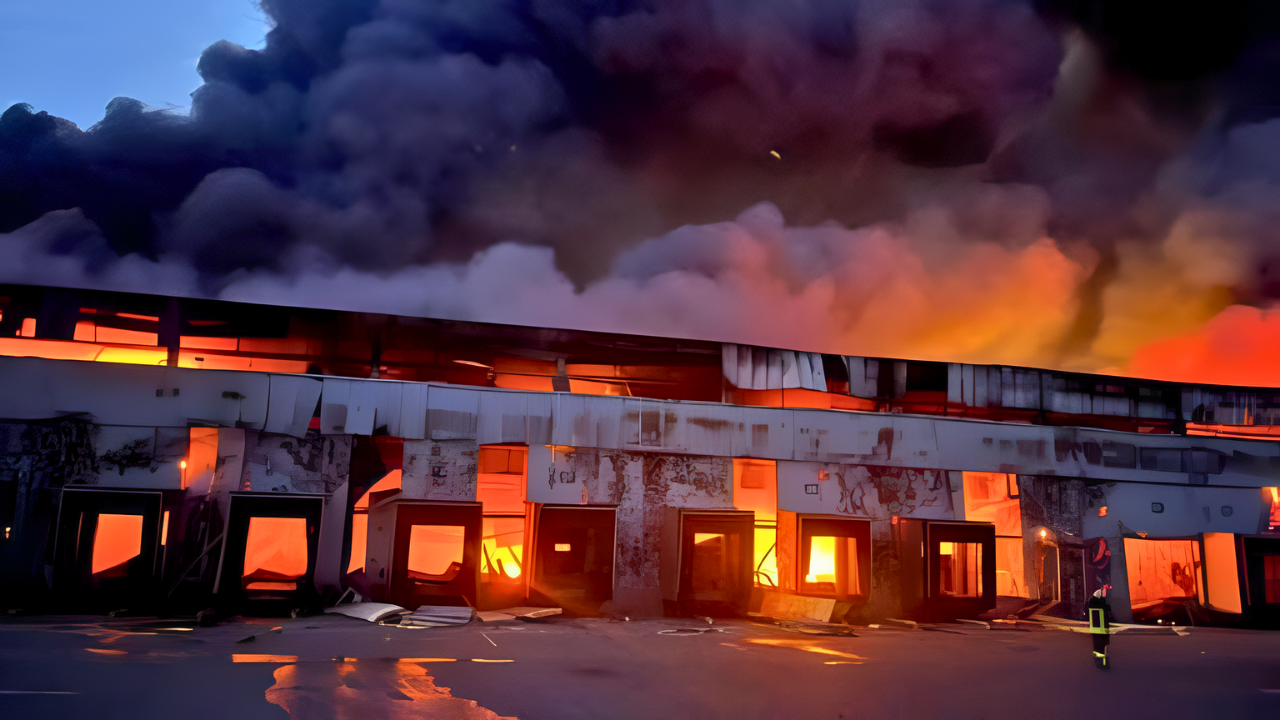
Russia’s air defenses faced their heaviest test yet when Ukraine launched 130 drones in a single overnight assault on December 14-15, 2025, targeting the capital and regions spanning thousands of kilometers.
At 7:18 a.m. Moscow time, the Defense Ministry reported intercepting the drones across twelve regions between 11 p.m. the previous evening and dawn. Moscow Mayor Sergey Sobyanin confirmed at 7:41 a.m. that units downed at least 18 heading toward the city. The barrage marked the largest single-night tally since the war’s start, stretching defenses thin.
Explosions Echo Through Suburbs
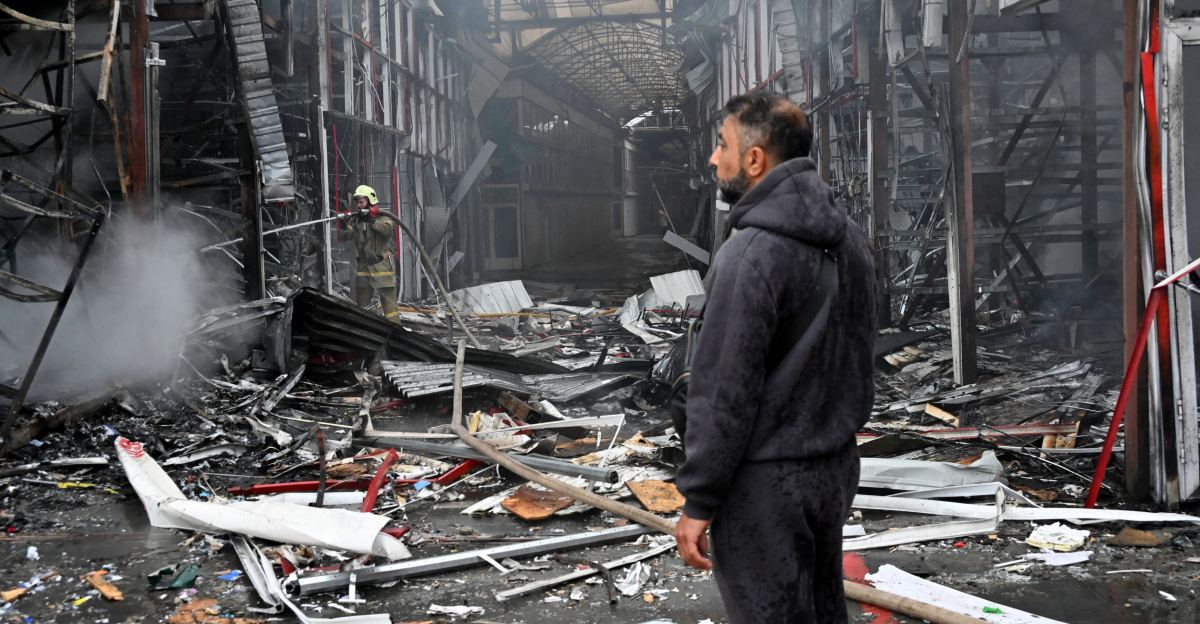
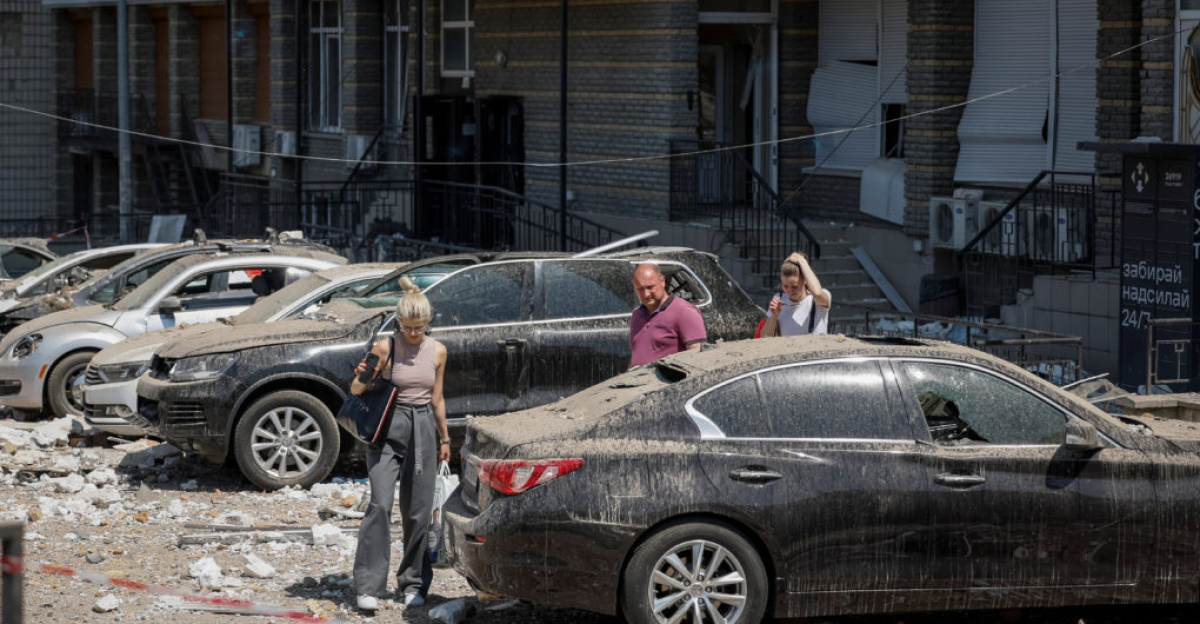
Residents in Moscow’s Istrinsky district, 40 kilometers west of the center, heard over a dozen blasts, with emergency teams clearing wreckage by dawn. Further south, Kashira and Kolomna reported detonations, signaling deep penetration into protected airspace. The barrage’s roar—air defenses firing amid impacts—rattled civilians, underscoring Ukraine’s reach into Russia’s core.
Aviation networks halted operations at Zhukovsky and Domodedovo airports, grounding flights for tens of thousands of passengers. This was the second such closure in a week, highlighting strains on civilian hubs from persistent threats. Services resumed post-threat, but the pattern exposed infrastructure frailties.
Escalation in Rapid Strikes
The attack capped three major drone waves in five days—December 10, 13, and 14-15—each overwhelming recovery efforts. The December 10 assault alone involved over 30 drones aimed at Moscow. This tempo forces constant resource allocation, preventing full resets between barrages.
Targets spanned energy and military sites. On December 13, Ukrainian Special Operations Forces struck the Afipsky Oil Refinery in Krasnodar Krai, an oil depot in Volgograd Oblast, two fuel depots in occupied Crimea, and a fuel train near Yantarne. Such dispersed hits compel Russia to split defenses across vast distances.
Air Defense Backbone Hit
Ukraine dismantled key radar systems, including Kasta-2E2 and 96L6E stations vital to S-300 and S-400 networks. On December 14, two S-400 launchers with ammunition were destroyed in Belgorod’s Raievka area. These losses impair detection and interception, rippling vulnerabilities nationwide.
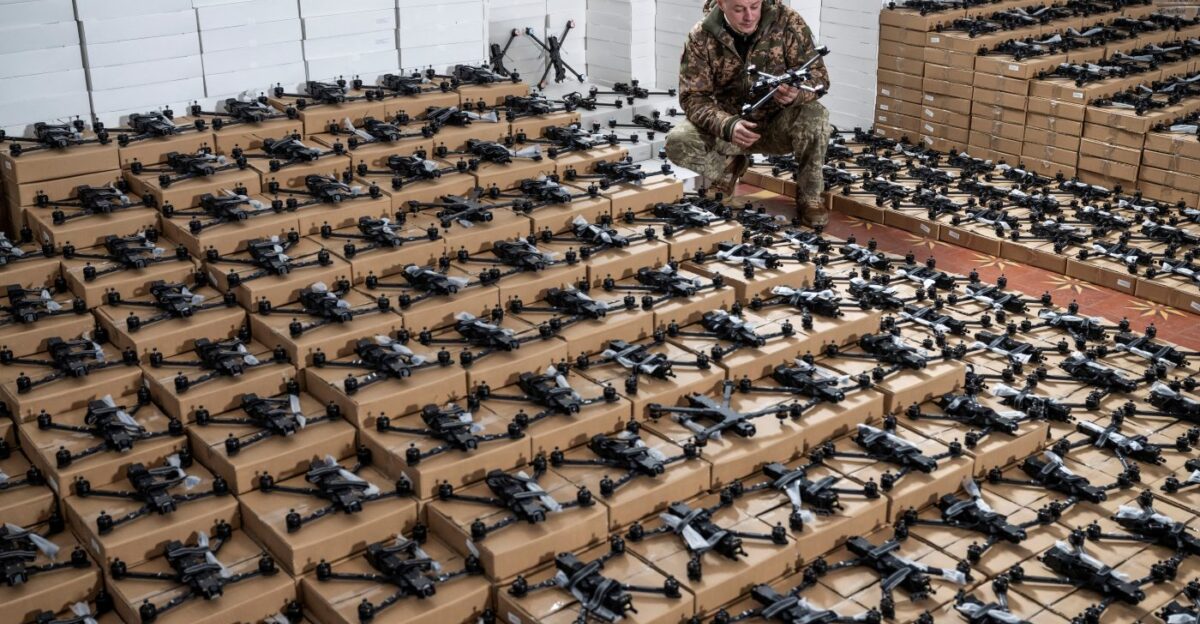
The operation deployed an estimated $26 million in drones, at $200,000 each for long-range models. Ukraine’s annual output hits four million units—exceeding all NATO nations combined—via decentralized factories in Kyiv, Dnipro, and Lviv. Private workshops and state firms produce everything from cheap FPV drones to advanced strikers.
Western Boost to Capabilities
Germany pledged €1.2 billion in December 2025 aid, including €200 million for Ukrainian drone production and procurement. Deals with Quantum Systems and Frontline Robotics enable foreign co-production of reconnaissance models. Canada and Denmark fund facilities and innovation, enhancing strike precision through tech transfers and intelligence.
Discrepancies marked reports: the Defense Ministry cited 25 drones downed over Moscow Oblast, with 15 Moscow-bound, against Sobyanin’s 18. Variations stem from counting methods for breakthroughs. Beyond the capital, interceptions hit Rostov power lines, closed Kaluga and southern airports, and disrupted Kamensk-Shakhtinsk water supplies.
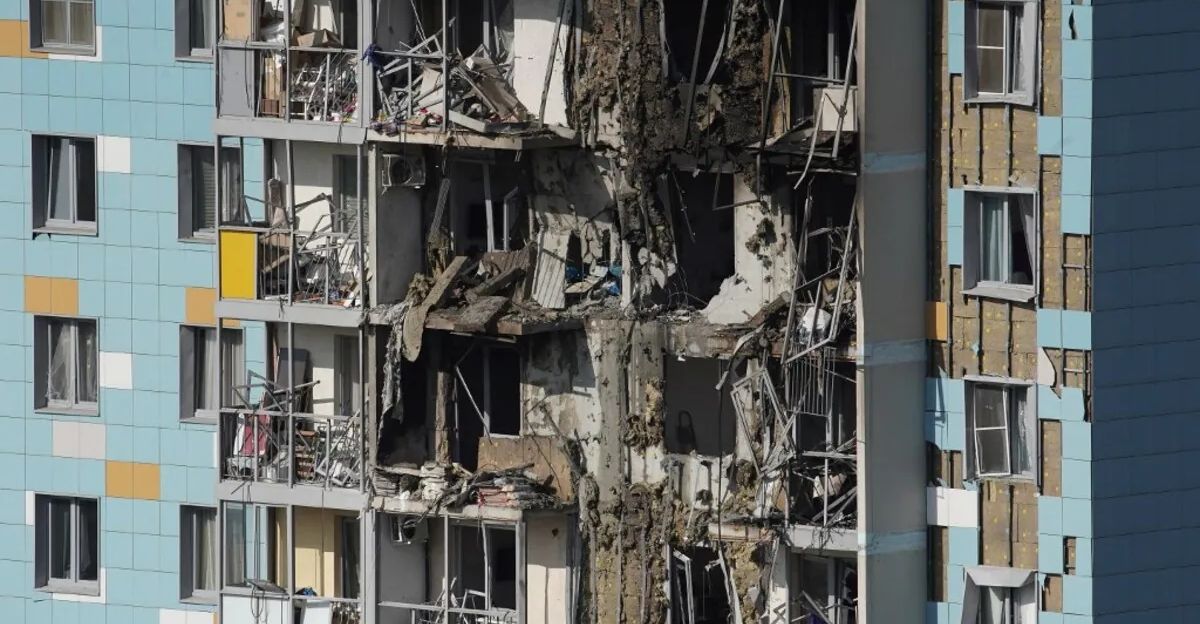
The Moscow area, home to 20-25 million, now lies within proven drone range—some within 25 miles of the Kremlin. Strikes carry symbolic weight, eroding senses of sanctuary. Officials reported no casualties or major damage, though debris clearance and explosions suggest impacts. Past patterns show high disruption with low verified harm, possibly from interceptions or restrained reporting.
This saturation tactic—volume over precision—forces Russia to expend costly munitions even at 90% interception rates, with breakthroughs sustaining pressure. Looking ahead, 2026 may bring AI-driven swarms, autonomous interceptors at 70% efficacy, and jam-resistant networks. NATO’s push for 5% GDP defense spending by 2035 frames Ukraine aid as long-term, reshaping European security amid protracted confrontation.
Sources:
“Wave of Ukrainian Drones Targets Moscow in Reported Overnight Strike,” Kyiv Independent, December 15, 2025.
“Drones Attack Moscow, Explosions Reported,” Ukrainska Pravda English, December 15, 2025.
“Ukrainian Drone Strikes Hit Moscow and Russian Oil Sites,” Evrimagaci, December 14-15, 2025.
“Russia Intercepts 130 Ukrainian Drones in Overnight Raid,” Press TV, December 15, 2025.
“Russian Air Defenses Down 130 Ukrainian Drones Overnight,” Voennoedelo, December 14, 2025.
“Russia Says It Intercepted 130 Ukrainian Drones Overnight,” Alwaght, December 14-15, 2025.