
The books are already there—stacked on nightstands, lined along shelves, tucked into backpacks and bedside drawers. Millions of Americans have purchased the same bestselling titles, yet many remain unopened, their spines unbroken years later.
These books are not obscure or forgotten releases; they are some of the most widely sold self-help volumes in the country. In Japan, this pattern has a name: tsundoku—the act of buying books without reading them.
In the U.S., this behavior often appears during moments of stress or uncertainty, when people seek guidance with the intention of changing later.
What’s left behind isn’t just unread paper, but a visible gap between intention and action—one that helps explain how hope, aspiration, and delay quietly pile up over time. Here are 7 books almost everyone owns but never actually reads. Do you have one or more of them on your shelf?
1. Rich Dad Poor Dad by Robert Kiyosaki
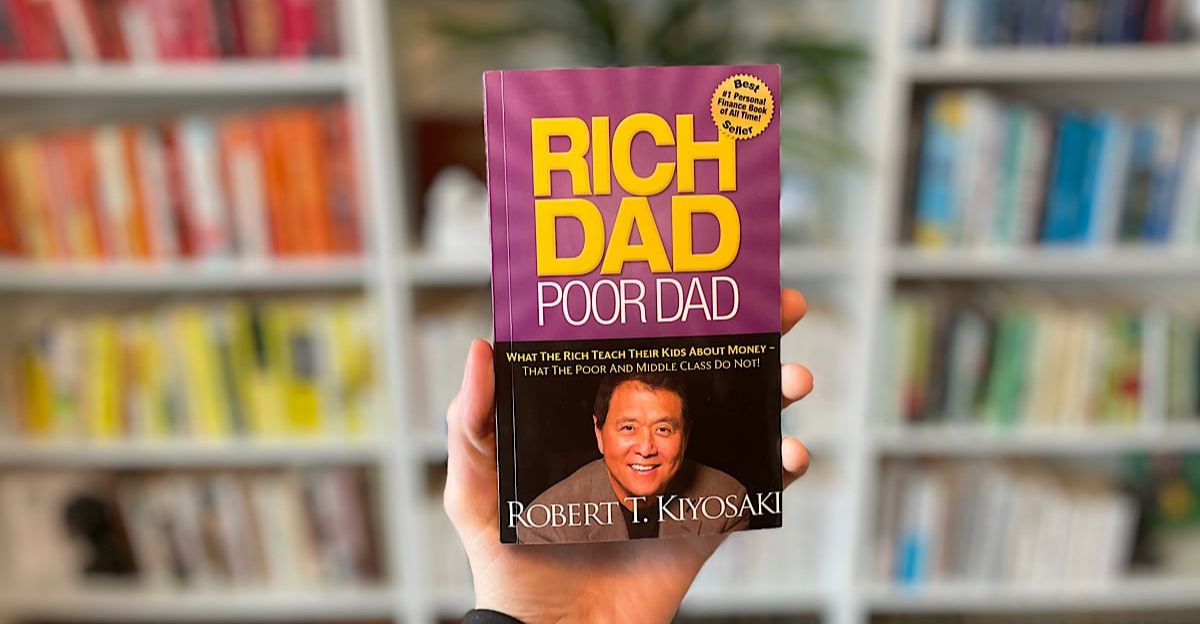
Robert Kiyosaki’s 1997 bestseller, “Rich Dad Poor Dad,” sold over 32 million copies, promising financial independence through real estate and unconventional wealth strategies. Yet it frequently sits unread on lower-middle-class shelves, purchased during job insecurity or economic crisis.
Readers buy it hoping to unlock wealth secrets, but rarely complete it. The book’s dense financial concepts require capital that most buyers lack. Owning it signals serious financial aspiration without demanding action.
The possession feels sufficient—having the book allows readers to believe they’re serious about change while deferring the difficult work of implementing unfamiliar strategies requiring resources they don’t have.
2. The 7 Habits of Highly Effective People by Stephen Covey
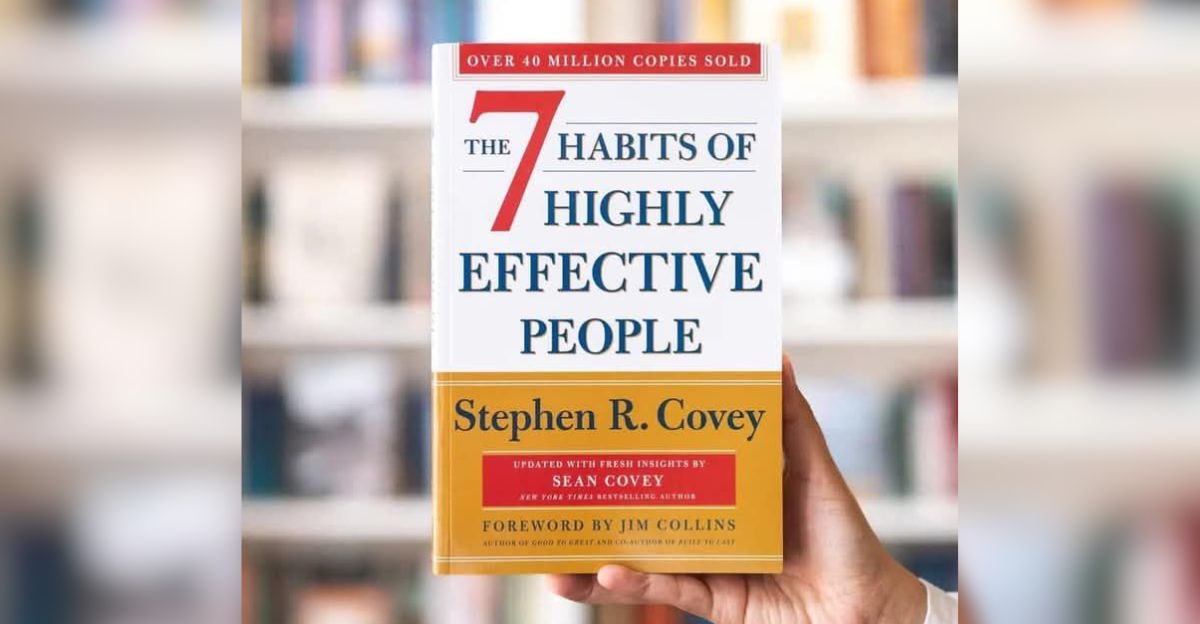
Stephen Covey’s 1989 masterpiece, “The 7 Habits of Highly Effective People,” has sold over 40 million copies worldwide. Paradoxically, most owners cannot name all seven habits, suggesting possession exceeds readership.
The framework requires sustained behavioral practice—commitments that often conflict with the demands of overworked, financially stressed households. The book becomes a talisman: owning it allows belief in self-improvement while deferring psychological effort.
Readers keep it visible as a reminder that effectiveness is theoretically possible. Completing it would demand actual change. Leaving it unread preserves possibility and hope without requiring the vulnerable experiment of trying and potentially failing at implementation.
3. The Four Agreements by Don Miguel Ruiz
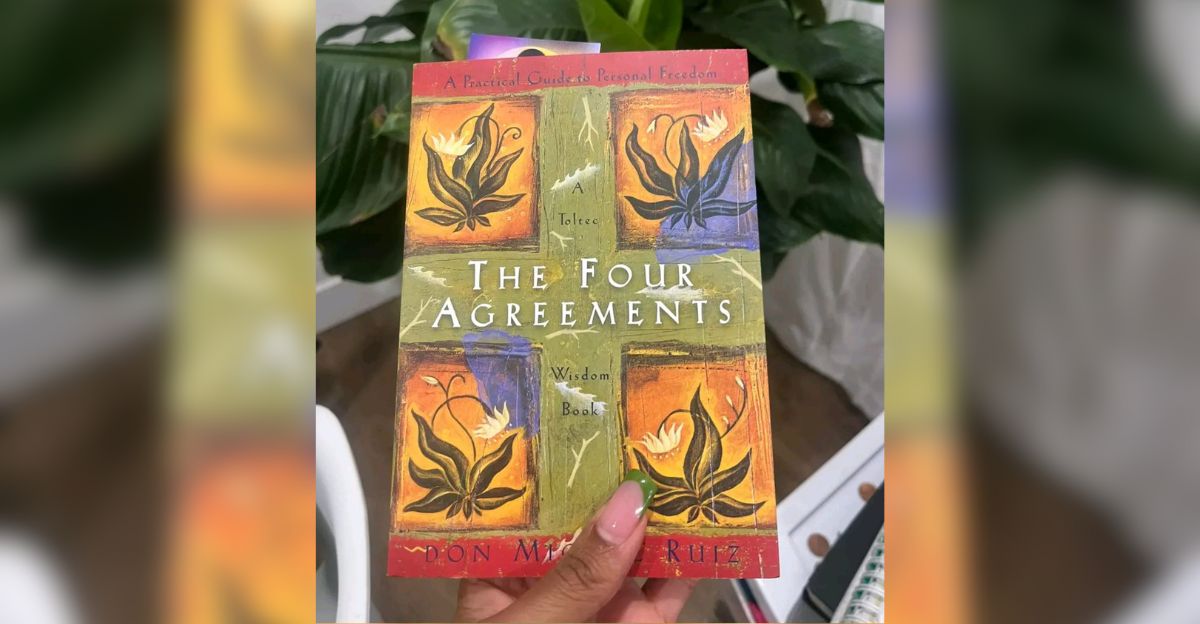
The Four Agreements sold 15 million copies in the U.S. alone, translated into 52 languages. It offers four simple principles for spiritual transformation and peace. Despite its brevity, it frequently joins unread stacks in lower-middle-class households, purchased during a relationship crisis or personal breakdown.
Readers seek spiritual guidance during vulnerability. Yet, implementing these agreements requires emotional bandwidth that is often depleted by financial precarity and multiple jobs.
The book’s spiritual promise appeals most during a crisis, but the emotional labor required exceeds available resources for most buyers facing daily survival concerns.
4. The Secret by Rhonda Byrne

The Secret arrived in 2006, promising that visualizing desires with conviction manifests them into reality. Byrne’s law of attraction sold 30 million copies, was endorsed by Oprah, and was translated into 50 languages. Yet keeping it unread may serve a psychological purpose.
Reading it risks disappointment—discovering visualization alone doesn’t create abundance. Possession without practice preserves possibility.
For readers facing financial instability, keeping The Secret unopened allows them to preserve the belief that abundance exists just beyond reach, waiting to be attracted through consciousness alone, without testing whether that claim holds true.
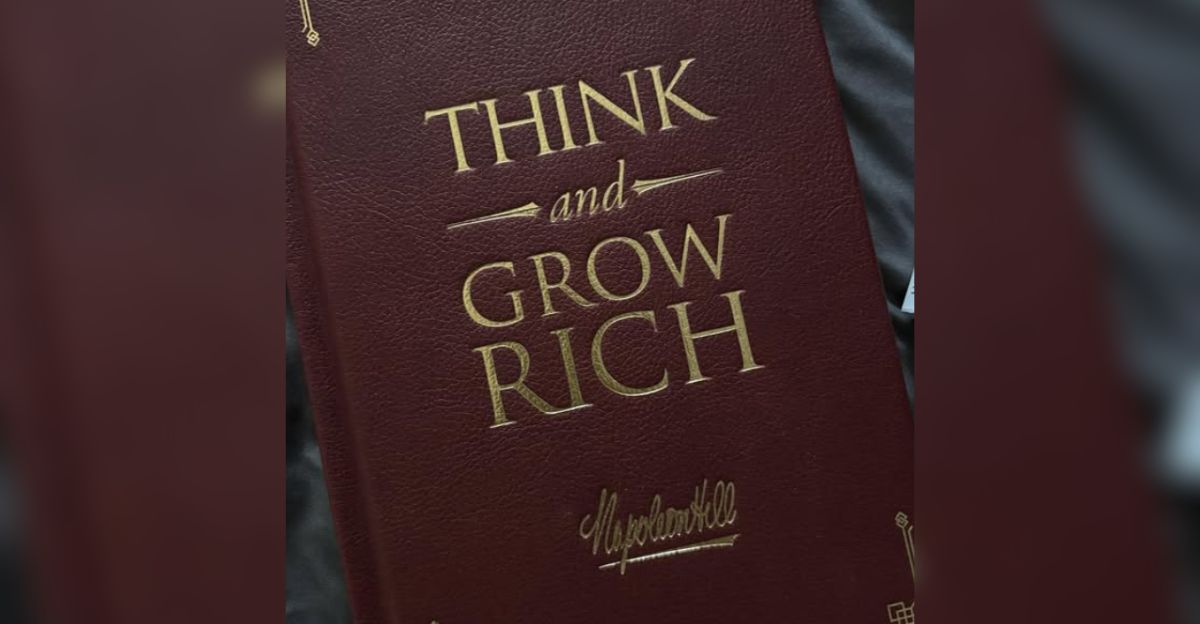
5. Think and Grow Rich by Napoleon Hill
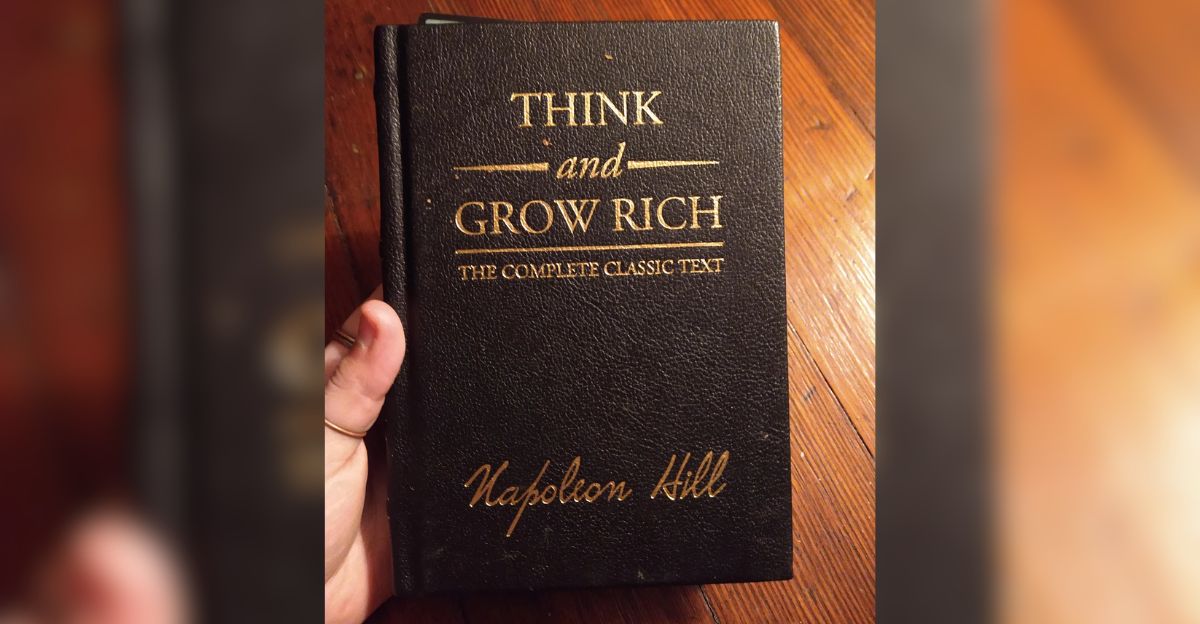
Published in 1937, Think and Grow Rich has sold over 100 million copies, remaining in print for nearly a century. Yet it ranks among the most abandoned bestsellers. One subject kept it on his desk for three years unopened.
The title creates paradox—promising wealth through thought alone, yet implementation requires capital most lower-middle-class readers lack. Thinking differently without resources produces nothing.
Psychological comfort of owning it exceeds the discomfort of discovering that thinking alone cannot create wealth. Leaving it unread preserves the belief that thinking differently can generate abundance without risking failure through actual attempt.
6. The Power of Now by Eckhart Tolle
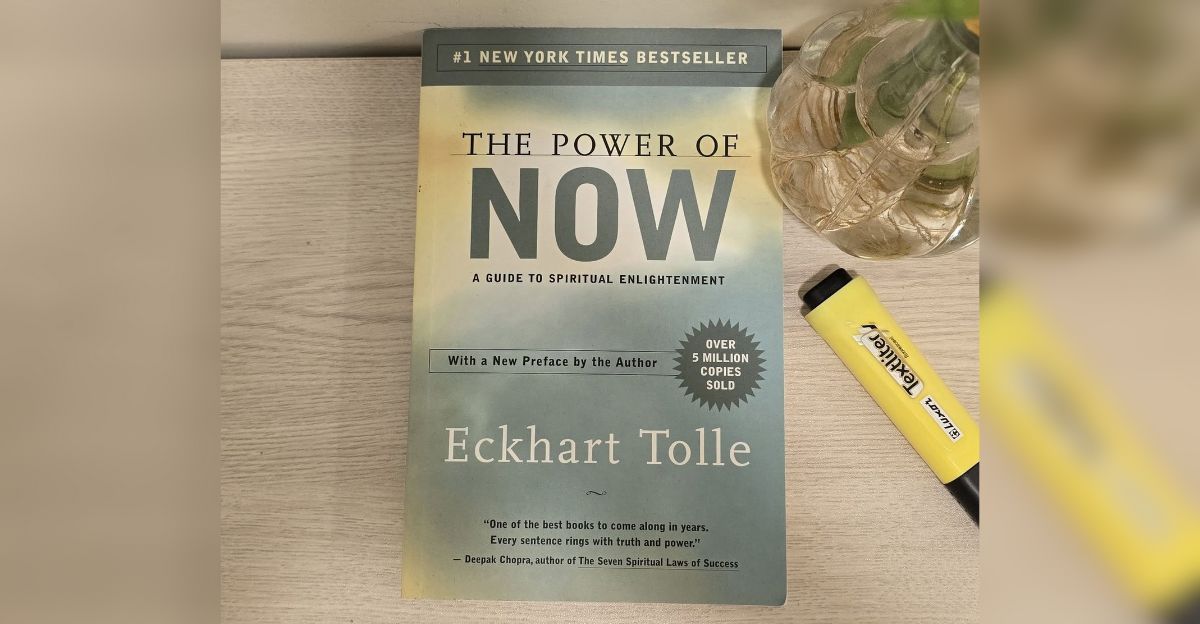
Eckhart Tolle’s spiritual guide sold 3 million copies in North America by 2009, ranking number one on bestseller lists. It teaches present-moment awareness as the path to enlightenment. Yet practicing presence becomes impossible when your present moment involves calculating rent affordability.
For lower-middle-class households, the present is precisely what they’re trying to escape. Purchasing The Power of Now signals an intention to transcend daily struggles.
Leaving it unread preserves transcendence as possibility—without requiring the vulnerable experiment of trying to practice and discovering that presence alone cannot solve material circumstances.
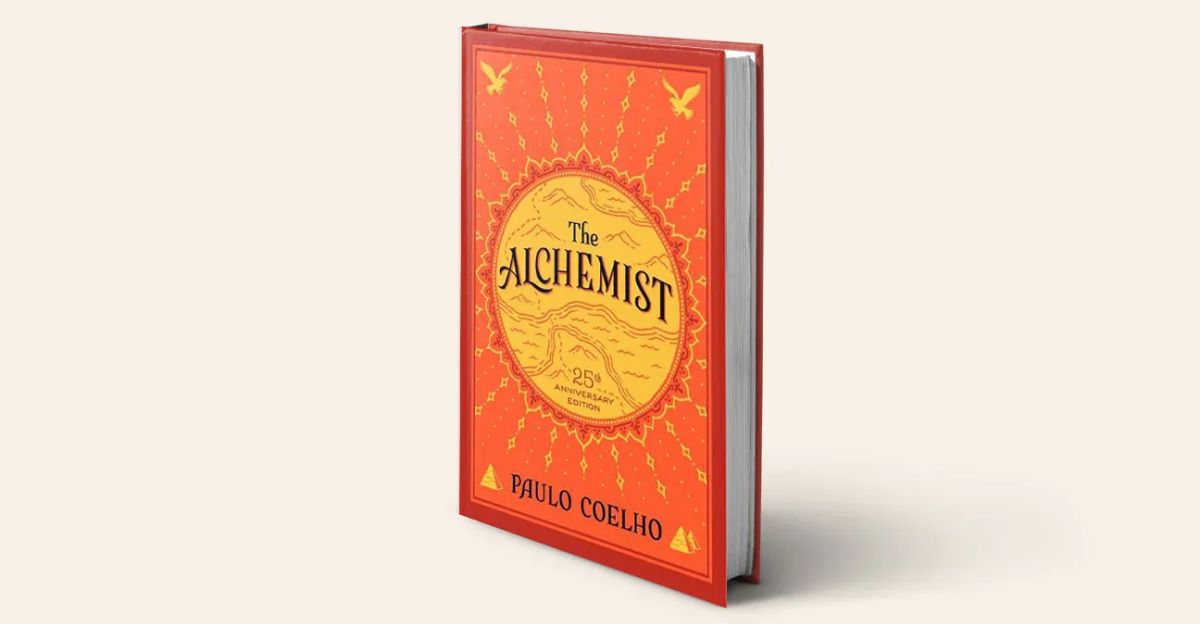
7. The Alchemist by Paulo Coelho

The Alchemist sold 150 million copies—more than any other book by a living author—holding the Guinness World Record for most translated work across 80 languages. Its philosophical narrative about pursuing personal legend appeals universally.
Yet, following your personal legend requires time, money, and safety nets—resources that are systematically unavailable to lower-middle-class readers. The book sits as a “reminder of roads not taken.”
Ownership allows for belief in a personal legend without confronting the fact that pursuing it requires resources they lack. The unread copy preserves hope in a way completion might shatter it forever.
The Psychology of Aspirational Accumulation

Buying but not reading these seven books reveals aspirational consumption distinct from traditional wealth signaling. Rather than displaying success, these books signal serious intent to change. Purchasing during a crisis—such as job loss, unexpected bills, a health crisis, or a relationship breakdown—frames books as interventions.
They become tangible proof that the buyer takes self-improvement seriously. Yet aspiration embedded in ownership may conflict with vulnerability required for reading.
Admitting you want to be wealthier or more effective requires acknowledging a gap between your current and desired self. Keeping books unread allows you to maintain your belief without testing whether change is actually possible given your circumstances.
The “Radiation Effect” of Unread Books

Research shows growing up surrounded by books—even unread ones—enhances literacy development and cognitive skills. The “radiation effect” suggests mere book presence correlates with higher reading engagement and achievement regardless of whether those specific books are read.
This reframes unread books from failure to silent contribution. Books sitting unopened still influence household culture, signaling that knowledge and self-improvement matter.
For lower-middle-class parents buying during financial stress, the purchase serves a dual purpose: maintaining personal hope while creating an environment where children inherit the belief that books and improvement are valuable and accessible.
The Three-Year Desk Companion Phenomenon
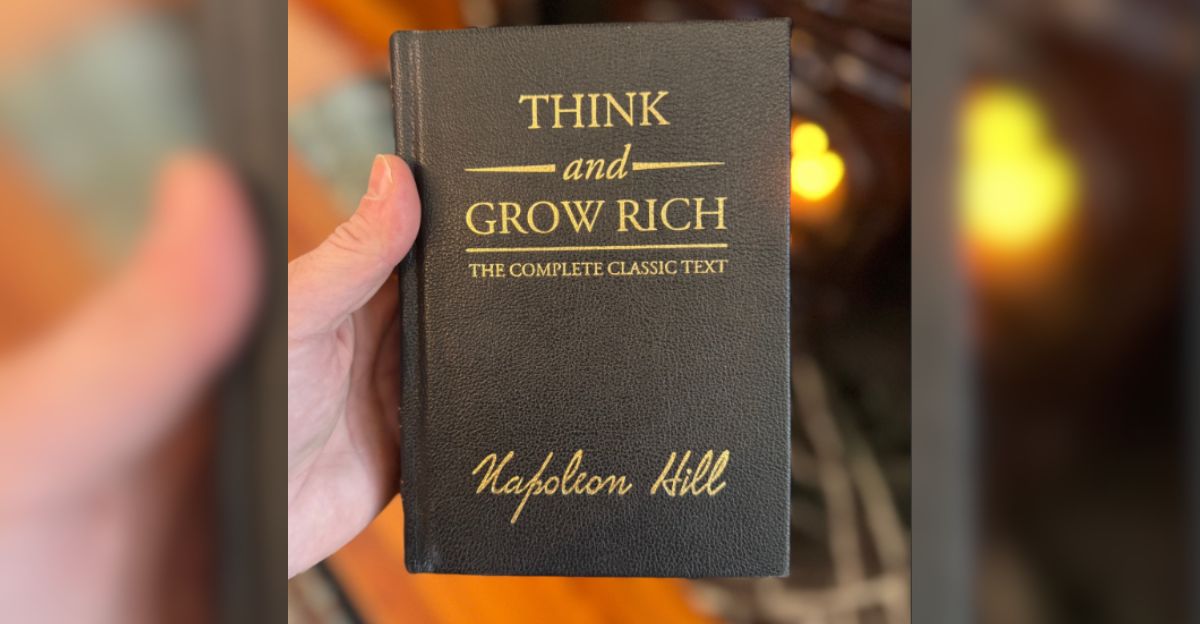
One subject kept Think and Grow Rich on his desk unopened for three years. This pattern—visible placement without engagement—suggests that books serve a symbolic function beyond their content. Keeping the book in sight maintains daily contact with aspiration.
The unread spine reminds us that change is theoretically possible, wisdom exists within reach, transformation hasn’t been abandoned—only deferred. This mirrors the perpetual self-improvement culture where Americans spend billions on books and courses they don’t complete.
The purchase and visible display create psychological permission to maintain hope. The deferred reading sustains possibility indefinitely without requiring a vulnerable test of whether promises hold.
Financial Precarity as Reading Barrier

Lower-middle-class households often juggle multiple jobs, irregular schedules, and childcare, depleting cognitive resources for leisure reading. Books like The Four Agreements and The Power of Now require sustained focus and emotional bandwidth.
When calculating rent affordability, practicing present-moment awareness becomes impossible. When working multiple jobs, finding time for self-improvement requires the very effectiveness the book promises to teach.
These books demand stability that most readers lack. Purchase during a crisis reflects magical thinking: the belief that buying creates change without sustained practice. Leaving books unread protects hope and self-respect—readers can believe the books work without discovering they don’t, without resources for implementation.
The Embarrassment of Visible Aspiration

Self-help books exist in a paradoxical space. Owning signals seriousness about improvement, yet admitting you read them feels embarrassing—revealing vulnerability, confessing inadequacy. Keeping books unread resolves this tension.
The visible spine signals seriousness without requiring defense of what the book teaches or admission that you believe its promises. You cannot be criticized for what you haven’t read. The book becomes a private negotiation with future possibility rather than a public declaration of current inadequacy.
This intensifies in lower-middle-class contexts where financial precarity already signals gaps between aspirations and circumstances. Adding visible self-help books risks compounding that message. Keeping them unopened allows ownership of aspiration while minimizing exposure to judgment.
Cross-Generational Patterns and Legacy
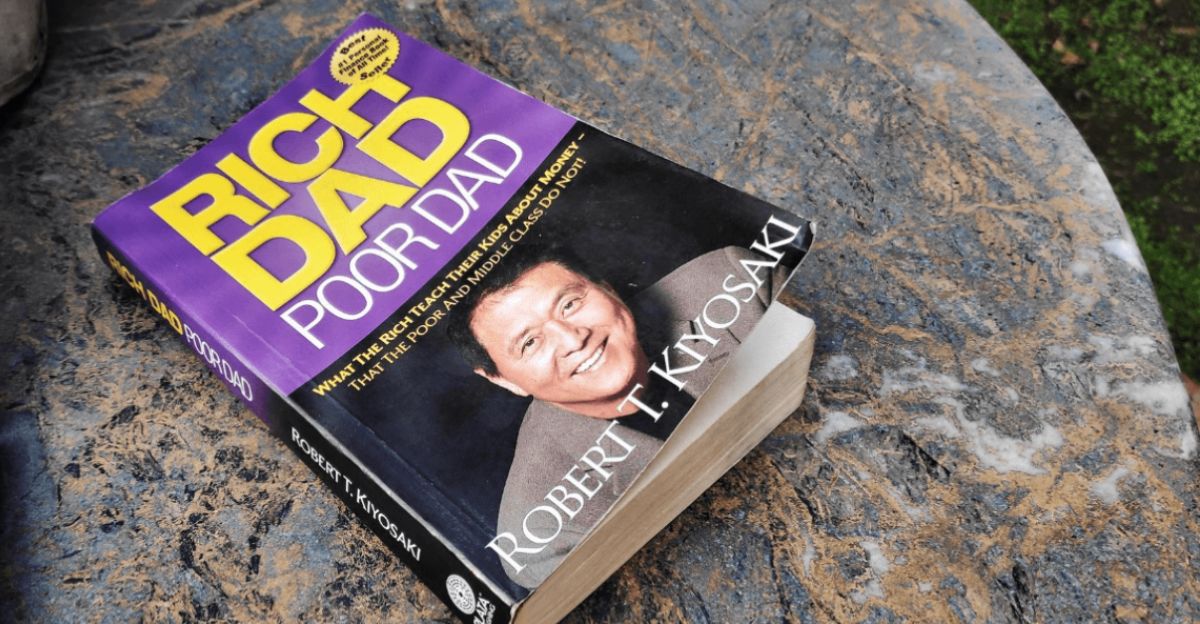
The phenomenon of unread self-help books spans decades, creating cross-generational patterns. Parents who bought Rich Dad Poor Dad during the 2000 dot-com collapse may have children who inherited those same books, still unread.
Books accumulate across time, their spines fading as they move through bookshelves—markers of recurrent crisis moments. During recessions, job losses, and health scares, these duplicate titles reappear on shopping lists. This repetition suggests these seven books became culturally encoded as a standard response to a crisis.
Each purchase repeats the previous generation’s formula: buy the book, place it visibly, maintain hope that reading produces transformation, defer actual reading indefinitely. The unread stack becomes a household archaeological layer showing when hope was purchased.
The Collective Bookshelf: Why These Seven Specifically
Why these exact seven books and not others? They promise transformation (not incremental improvement), cost under twenty dollars (affordable during a crisis), are sold in massive quantities (validating purchases through popularity), and offer hope without requiring specialized knowledge.
They’re available everywhere, removing friction from impulse purchases during vulnerable moments. Most importantly, they promise transformation through internal work: wealth through mindset, effectiveness through habits, abundance through visualization.
This internal locus appeals during external chaos. If you cannot control job loss or relationship breakdown, you can control your thinking. The books promise that controlled thinking alone generates changed circumstances—a promise that keeps readers buying without reading, hoping belief itself produces transformation.
The Self-Help Industry Contradiction

The self-help industry generates $13.4 billion annually, with 17 million books sold each year. Yet, studies show that only 20 percent of recipients read the book, and less than 5 percent implement the advice. This contradiction isn’t industry failure—it’s the actual business model.
The purchase itself is the primary transaction. Hope generated by owning the book matters more than implementation. Publishers benefit from massive sales regardless of reading rates. Readers often experience temporary relief during a crisis.
The only party who “loses” is the reader’s future self, discovering that owning the book didn’t create the promised transformation. This systemic incentive ensures that these seven books continue to sell millions annually while remaining chronically unread.
The “Yet” That Never Arrives

The neighbor’s response—”Haven’t read any of them yet. But I will”—encapsulates perpetual deferment characterizing this phenomenon. The use of “yet” and “will” places reading in the indefinite future. This future never arrives because the psychological function of ownership (maintaining hope, signaling seriousness, preserving possibility) doesn’t require it.
Years pass. The “I will” remains perpetually in the future tense. This reflects a deeper time poverty affecting lower-middle-class households, where psychological exhaustion defers non-urgent tasks indefinitely. Reading requires leisure time, uninterrupted focus, and emotional availability.
During financial precarity, reading feels like a luxury that can be put off. Yet, waiting indefinitely allows books to preserve their function: as potential sources of wisdom, possible gateways to transformation, and unproven sources of hope. Reading risks discovering limitations. Deferring preserves the possibility forever.
The Unread Book as Self-Portrait
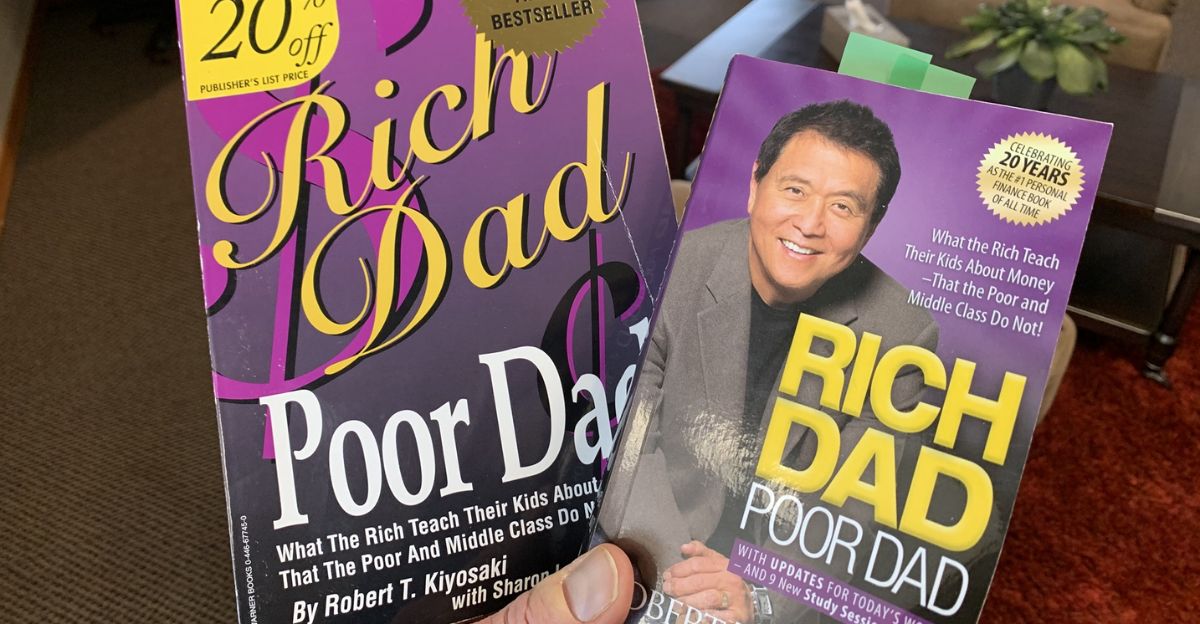
These unread books function as involuntary self-portraits of their owners. Rich Dad Poor Dad represents the financially anxious person who believes wealth is theoretically achievable. The 7 Habits represent the ineffective person believing effectiveness is possible.
The Secret represents the stuck person believing manifestation is available. Together, the seven-book stack portrays someone frozen between their current circumstances and imagined possibilities, believing in transformation without possessing the resources or stability to pursue it.
The unread shelf becomes a museum of abandoned selves—each spine marking a version never materialized. This mirrors aspirational consumption across American culture: gym memberships unused, courses unwatched, subscriptions with unplayed content. We purchase the possibility of being better without purchasing the time, safety, or stability required to change.
The Paradox of Hope Preserved Through Non-Reading

These books remain unread precisely because readers have already extracted primary value—hope. Reading risks destroying that hope by testing whether promises hold. If you read The Secret and discover visualization alone doesn’t create abundance, hope dies.
If you discover present-moment awareness requires resources you lack, transcendence becomes impossible. If you discover rich thinking requires capital you don’t possess, the gap becomes unbridgeable.
Keeping books unread preserves the possibility that these promises work—just not yet, not now, but available for the future. This is a rational psychological strategy for maintaining hope during objectively difficult circumstances. The unread book becomes a surrogate for the future self, kept alive through non-engagement, preserved in potential through perpetual deferment. Hope survives when possibility remains untested.
The Shelf as Evidence of Belief in Change
These seven books have sold hundreds of millions of copies because they speak to a universal belief: we can change, transformation is possible, and better versions of ourselves exist within reach. That most remain unread doesn’t negate this belief—it confirms it.
People keep buying, keep placing them visibly, keep maintaining faith that change is available, keep deferring experiments proving otherwise. The unread shelf is not evidence of failure but persistent hope. In contexts of financial precarity and limited opportunity, keeping books unread becomes an act of psychological resilience: refusing to accept circumstances as permanent, maintaining belief in transformation, declining to surrender possibility.
Perhaps that belief—maintained through non-reading, preserved through deferment, protected through possession—is the real value these books provide. Not content with changing behavior, but hope sustaining survival through belief in better futures.
Sources:
VegOut Magazine – The exact 7 books sitting unread in every lower-middle-class home – December 2025
Wikipedia – Rich Dad Poor Dad entry – 2024
Book Industry Analysis – Rich Dad Poor Dad sales data – 2025
New York Times Bestseller Archives – The 7 Habits of Highly Effective People – 2024-2025
Stephen R. Covey Foundation – The 7 Habits information – 2024
Miguel Ruiz Official Website – The Four Agreements – 2025
Publishers Weekly Archives – The Four Agreements coverage – 2024