California’s regulatory battle over Tesla’s marketing claims reached a decisive turning point on December 16, 2025, when the state Department of Motor Vehicles formally ruled that the electric automaker violated state law through deceptive use of the terms Autopilot and Full Self-Driving. The decision, announced by DMV Director Steve Gordon, gives Tesla 60 days to correct its marketing language or face a 30-day statewide sales suspension—an extraordinary enforcement action against the world’s most valuable car manufacturer in its largest U.S. market.
The ruling carries particular weight because California hosts Tesla’s original Fremont factory, which produces a substantial share of the company’s global vehicle output. While the DMV permanently stayed a manufacturing license suspension, allowing production to continue uninterrupted, the threat of halted sales represents significant leverage to compel compliance with advertising standards that other automakers have already met.
From Proposed Penalties to Modified Enforcement
The path to December’s ruling began with a proposed decision from Administrative Law Judge Juliet E. Cox on November 20, 2025. Judge Cox concluded that Tesla engaged in deceptive marketing and recommended suspending both the company’s dealer and manufacturing licenses for 30 days—a dual penalty that would have simultaneously frozen sales and production.
Director Gordon adopted Judge Cox’s findings regarding the violations but substantially modified the enforcement structure. The DMV permanently stayed the manufacturing suspension to preserve jobs and production capacity, while implementing a compliance-focused approach for sales. Tesla now has a 60-day window to revise all marketing materials, including websites, advertisements, in-car displays, and sales collateral. Failure to eliminate autonomy implications from its messaging will trigger the 30-day sales ban, preventing new vehicle deliveries throughout California while manufacturing continues.
Years of Mounting Evidence
California’s case originated in 2022 when the DMV accused Tesla of false advertising. Regulators cited website language claiming the system could conduct trips with no action required by the person in the driver’s seat—assertions that overstated the technology’s actual capabilities by suggesting full autonomy rather than driver assistance.
External evidence reinforced regulatory concerns. In August 2025, a Miami federal jury awarded $243 million in damages to victims of a fatal 2019 crash involving Autopilot, assigning Tesla 33 percent liability while the distracted driver bore 67 percent responsibility. A peer-reviewed study documented Full Self-Driving Beta disengagement rates of four to five per mile, requiring constant driver intervention to maintain safety. Federal safety regulators received more than 750 complaints about phantom braking during Autopilot use, and NHTSA investigations examined approximately 14 fatal crashes involving the system.
Judge Cox ruled that a reasonable consumer would believe Full Self-Driving Capability enables operation without constant attention—an assumption she determined was both technologically and legally false. The judge found that despite fine-print disclaimers, Tesla’s overall messaging created misleading impressions of autonomous capability.
The Language Question
California law prohibits advertising that implies vehicles can operate without active driver engagement. Judge Cox concluded that Autopilot and Full Self-Driving violate this standard by their very names, regardless of accompanying qualifications. Other automakers marketing comparable Level 2 driver assistance systems use terminology like driver assist or copilot, explicitly framing the technology as supportive rather than autonomous.
Tesla recently rebranded to Full Self-Driving Supervised, but regulators have signaled this modification may prove insufficient if broader marketing materials continue implying autonomy. The compliance evaluation will assess whether changes are substantive or merely cosmetic—whether Tesla genuinely repositions the feature as limited driver assistance or maintains promotional language suggesting advanced autonomous capability.
Director Gordon emphasized that other autonomous vehicle companies and automakers have successfully achieved compliance in California’s innovation-supportive regulatory environment. The implication is clear: the issue is not technical capability but marketing honesty. Tesla has resisted immediate changes, insisting California sales would continue uninterrupted and characterizing the matter as a consumer protection order despite no customer complaints. The company has indicated plans to appeal adverse court decisions.
Autonomy as Aspiration, Not Reality
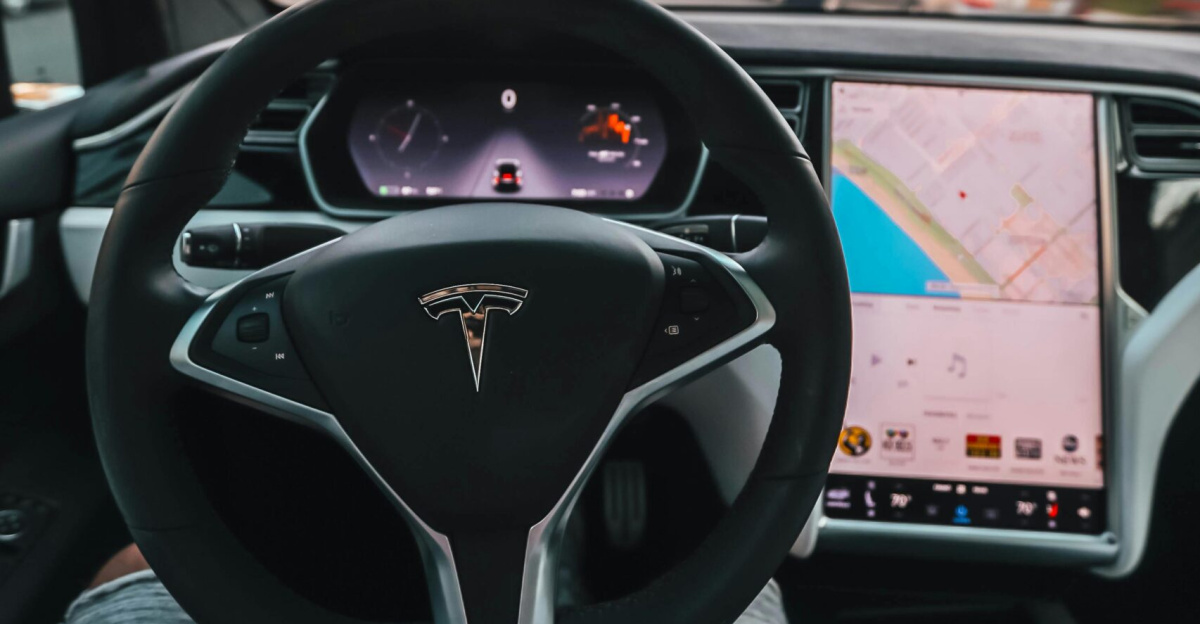
The California ruling arrives amid broader federal scrutiny of Tesla’s driver assistance claims and mounting legal exposure from crash litigation. No consumer vehicle anywhere has achieved certification as fully autonomous. Level 2 systems like Autopilot and Full Self-Driving require continuous human supervision and intervention, fundamentally limiting their autonomy.
The 60-day compliance deadline now defines Tesla’s immediate regulatory future in California. Legal experts express skepticism that the company will fully comply, noting that true alignment would require remarketing one of Tesla’s most profitable and distinctive features as limited assistance technology—potentially reshaping consumer perception and revenue expectations.
California’s decision signals a clear regulatory standard for the automotive industry: marketing language must accurately reflect technological reality. For years, Tesla sold a vision of imminent autonomous capability while delivering driver assistance requiring constant supervision. The state now demands that this gap close—through honest marketing rather than aspirational branding. The message to automakers is direct: the era of marketing self-driving promises without self-driving delivery is ending.
Sources
California Department of Motor Vehicles Official Statement, Office of Public Affairs, December 16, 2025, DMV Finds Tesla Violated California State Law
Los Angeles Times, December 17, 2025, California DMV threatens to shut down Tesla sales over ‘autopilot’ false advertising
TechCrunch, December 16, 2025, Tesla engaged in deceptive marketing for Autopilot and Full Self-Driving, judge rules