Wind gusts howled across airport runways as departure boards filled with red delay alerts. By Saturday morning, more than 2,080 flights were already delayed nationwide, with cancellations climbing as aircraft sat grounded in extreme conditions.
In the High Plains, gusts reached up to 100 mph, strong enough to halt road traffic, while snow and rain simultaneously disrupted travel corridors hundreds of miles apart. For millions of holiday travelers, the weekend unraveled in real time—and the worst was still unfolding.
A Rare Multi-Hazard Weather Siege Takes Shape
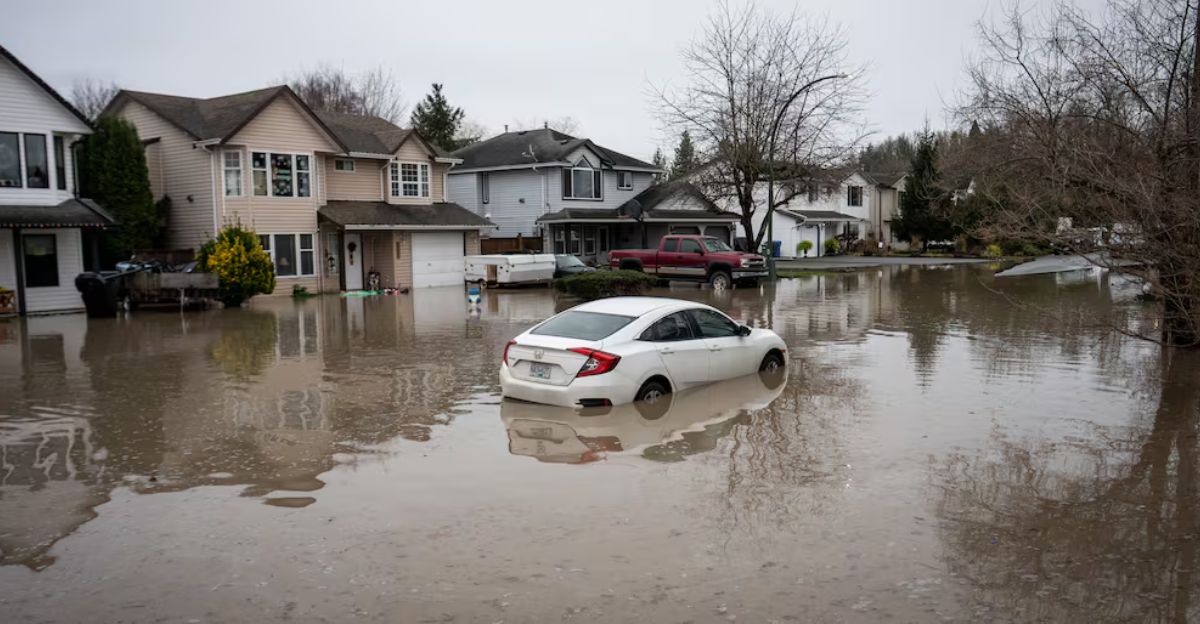
The disruption wasn’t driven by a single storm type. An atmospheric river drenched California, Oregon, and Washington while powerful pressure gradients unleashed extreme winds across the High Plains and Northeast. Snow piled up in the Rockies as fire danger surged in unusually dry regions.
Altogether, 72 million people fell under wind alerts and another 16 million under flood alerts, creating one of the most geographically expansive winter weather threats of the year.
Airports Gridlock as Travelers Get Trapped

Holiday travelers quickly felt the impact. By Saturday morning, more than 2,080 flights were delayed, and at least 191 were canceled nationwide. Major hubs became bottlenecks as aircraft and crews were displaced across regions.
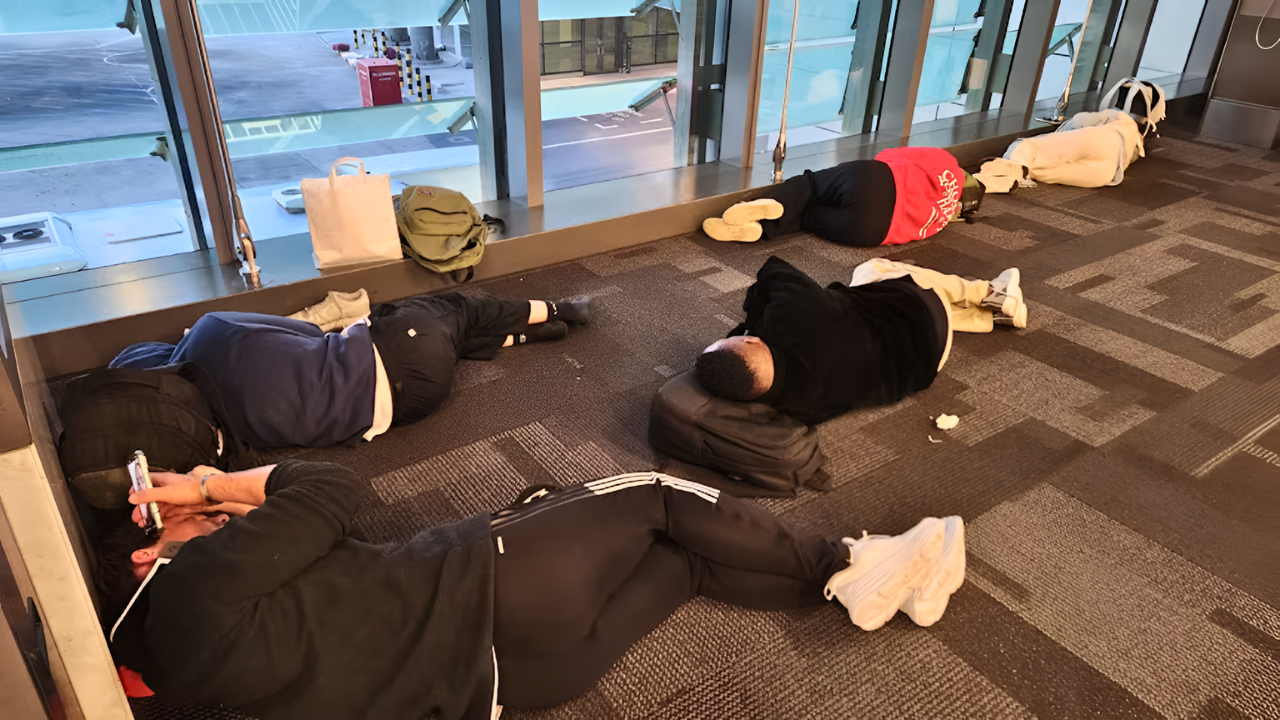
Families expecting smooth holiday reunions instead faced missed connections, rebookings, and overnight airport stays. For many, the weekend marked a sudden shift from celebration to survival as weather overwhelmed tightly scheduled airline networks.
Major Hubs Become Choke Points
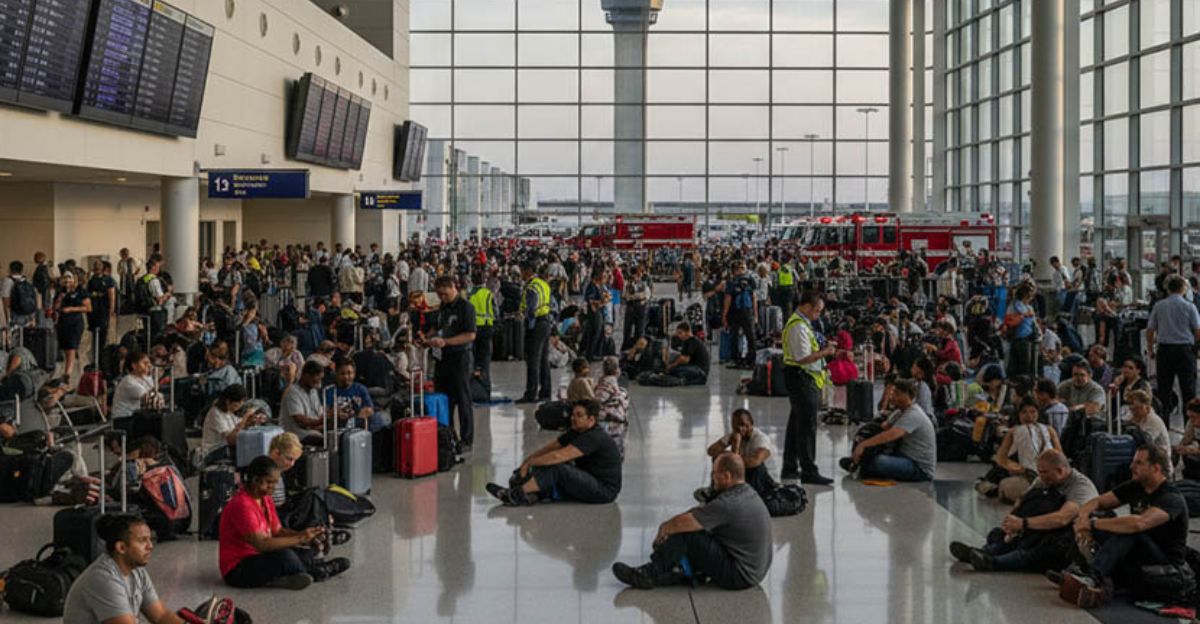
At Hartsfield-Jackson Atlanta International Airport, more than 150 delays and 24 cancellations rippled across the national air system. In Colorado, Aspen/Pitkin County Airport experienced nearly two-hour ground delays as low ceilings and high winds halted operations.
These disruptions compounded rapidly, affecting flights far from the worst weather zones. What began as regional wind and snow problems quickly escalated into a nationwide aviation logjam during peak holiday demand.
Airlines Absorb Heavy Financial Strain
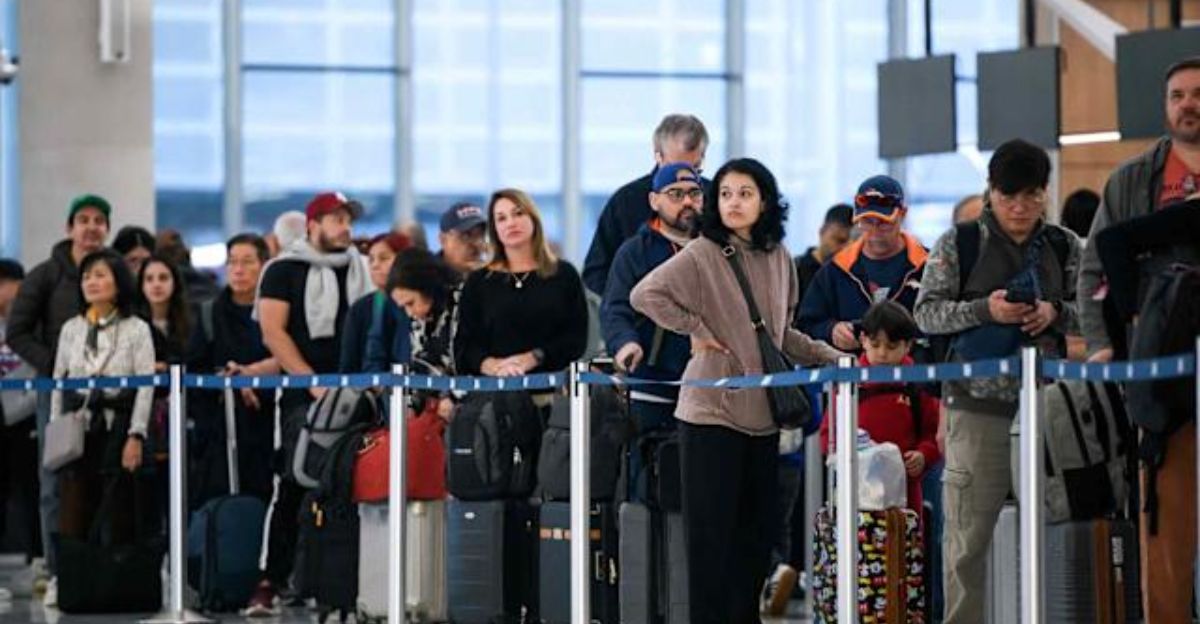
The operational fallout was costly. Thousands of delayed flights during peak travel days forced airlines to absorb crew overtime, fuel inefficiencies, aircraft repositioning, and passenger compensation. Industry norms suggest disruptions at this scale can generate tens of millions of dollars in losses within days.
With weather threats lingering into the following week, carriers faced the prospect of extended recovery timelines—an especially damaging scenario during one of the busiest travel windows of the year.
High Plains Winds Reach Hurricane Force
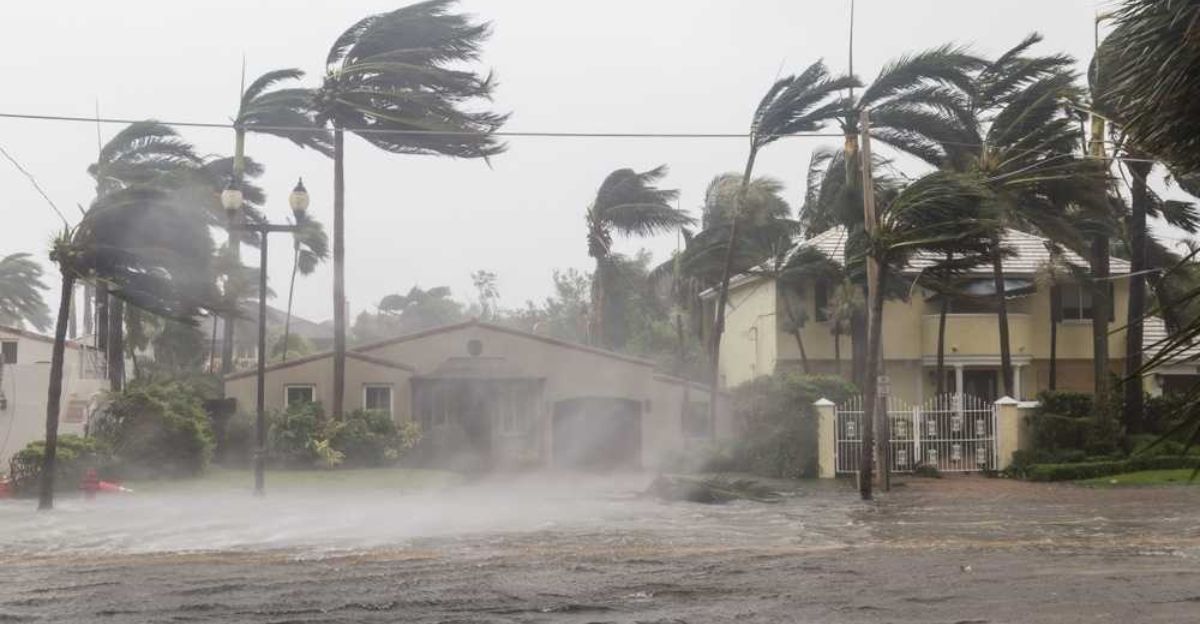
The most extreme winds battered the High Plains, where gusts reached 90 to 100 mph—strengths more typical of hurricanes than winter systems. High-profile vehicles were blown off highways, infrastructure faced damage risk, and fire danger surged despite winter conditions.
These winds forced road closures, halted freight movement, and added another layer of danger for travelers already navigating holiday congestion under rapidly deteriorating conditions.
Rockies and Northeast Face Dangerous Travel
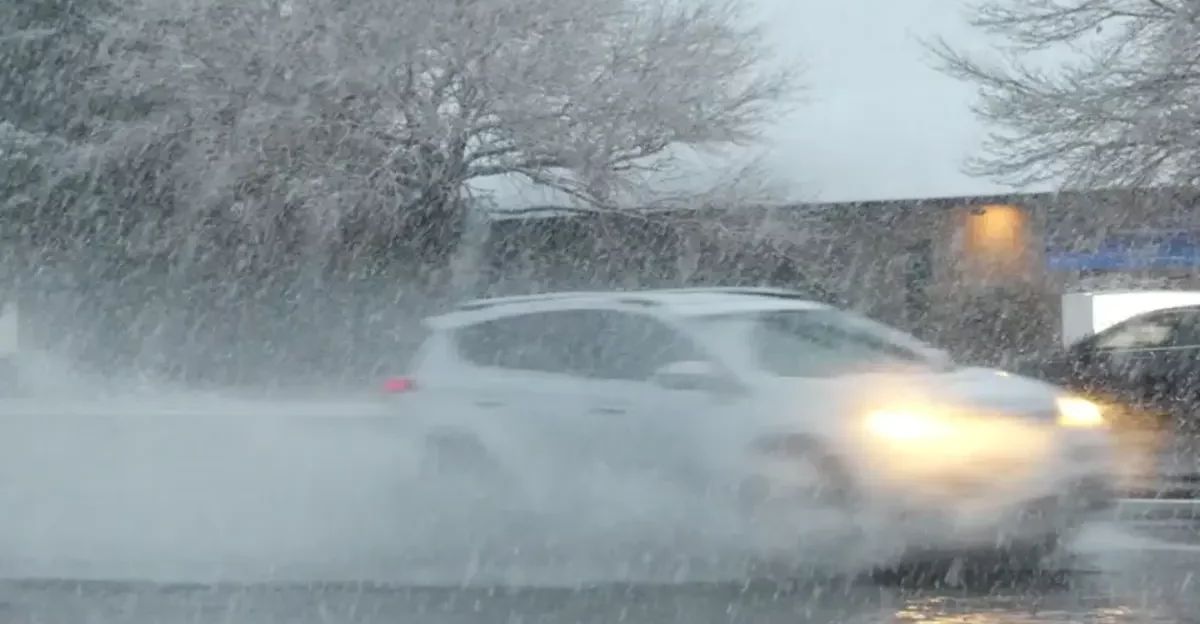
In Colorado, 4 to 8 inches of snow combined with gusts up to 50 mph created whiteout conditions and icy roadways. Mountain passes became treacherous, complicating both personal travel and commercial transport.
Meanwhile, the Northeast endured 50 to 60 mph gusts through Friday afternoon, knocking down trees and power lines while making driving hazardous. Across regions, winter weather collided with peak travel volume at the worst possible moment.
West Coast Flood Threat Escalates
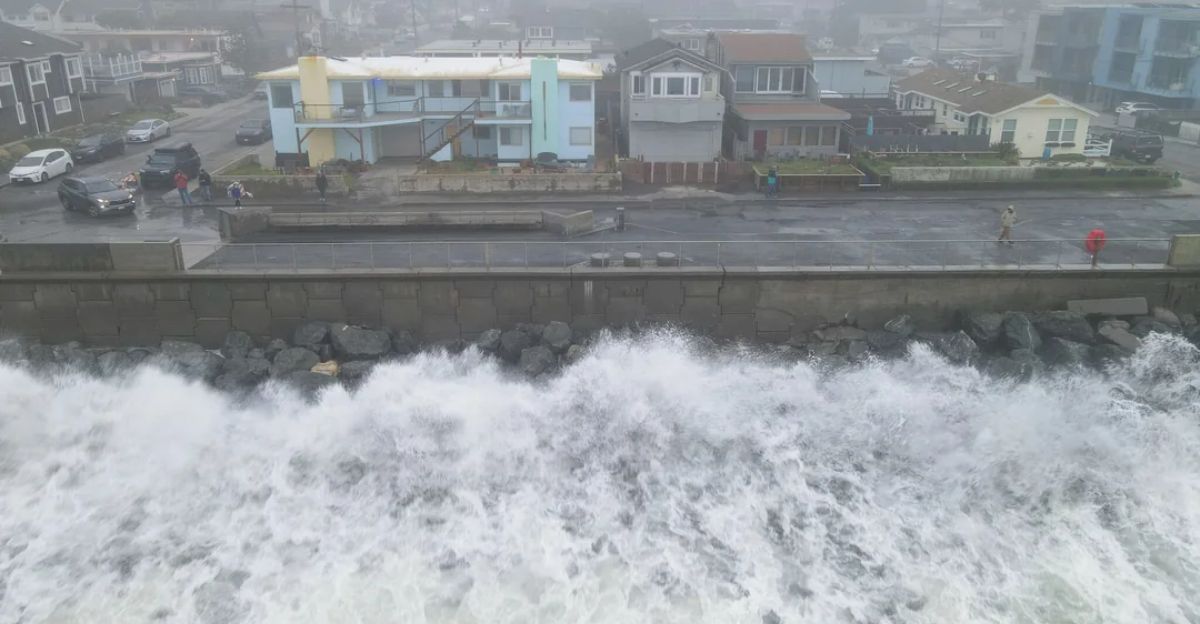
While wind and snow dominated inland, the West Coast braced for flooding. Atmospheric river rainfall brought 2 to 4 inches of rain through the weekend, with isolated totals approaching 9 inches in parts of Northern California and the Bay Area.
Rivers and creeks swelled rapidly, prompting warnings to stay away from waterways. Flood alerts covering 16 million people were extended through the following Friday, signaling prolonged risk.
Supply Chains and Ground Transport Disrupted
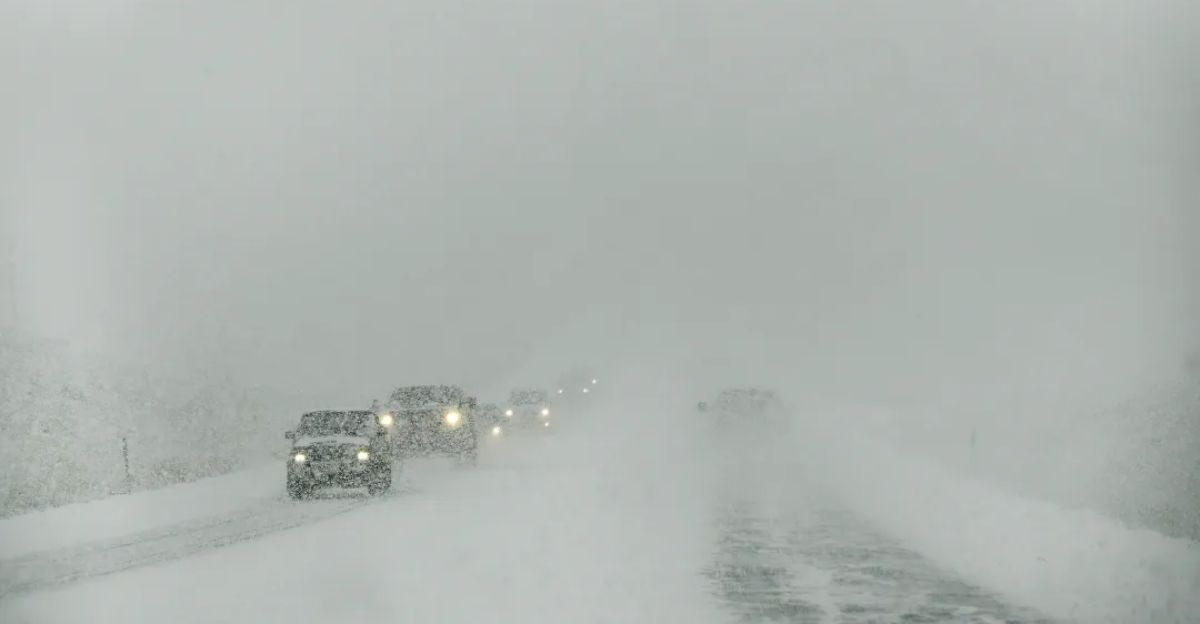
Flooded roadways, snow-covered highways, and extreme winds disrupted ground transportation nationwide. Trucking routes along the West Coast slowed as waterlogged roads and landslide risks increased. In the Rockies and High Plains, wind and snow closures delayed freight deliveries.
These disruptions threatened holiday retail restocking and e-commerce shipments, compounding economic pressure during a critical consumer spending period tied closely to reliable logistics.
Montana’s Earlier Disaster Looms Over New Storms
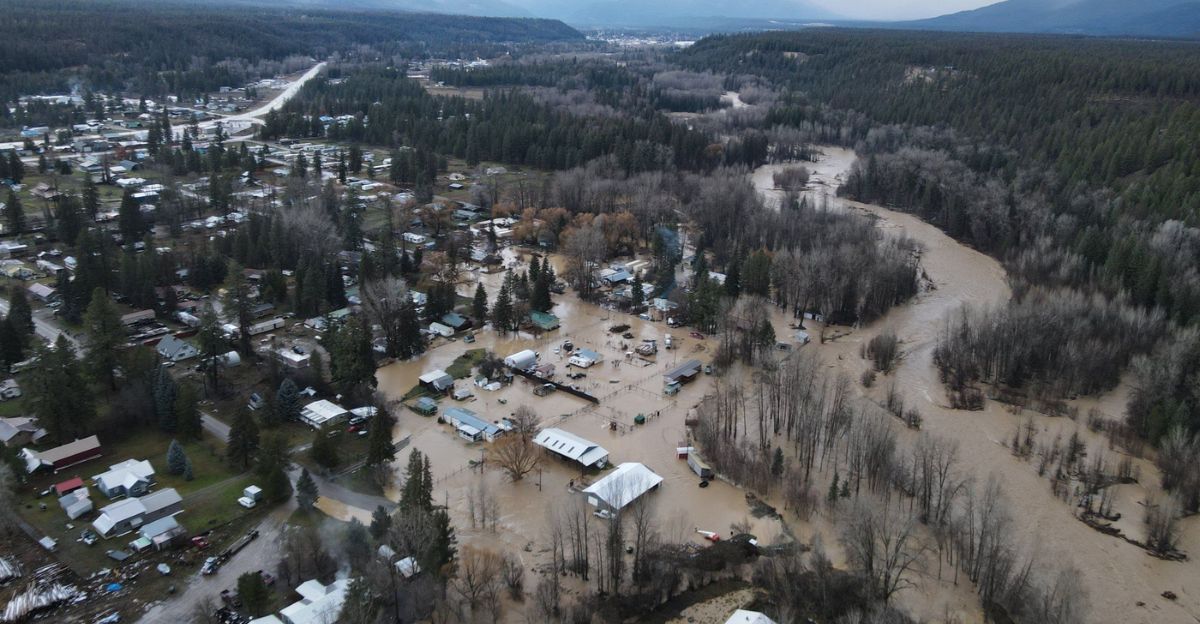
The nationwide travel crisis unfolded against the backdrop of recent devastation in Montana. Severe storms earlier in December caused widespread flooding, prompting President Donald Trump to approve a federal disaster declaration.
Communities were still recovering when the holiday storm hit elsewhere. The rare timing of a presidential declaration during the winter holiday season highlighted how extreme weather increasingly refuses to follow predictable seasonal patterns.
Emergency Warnings Emphasize Life Safety
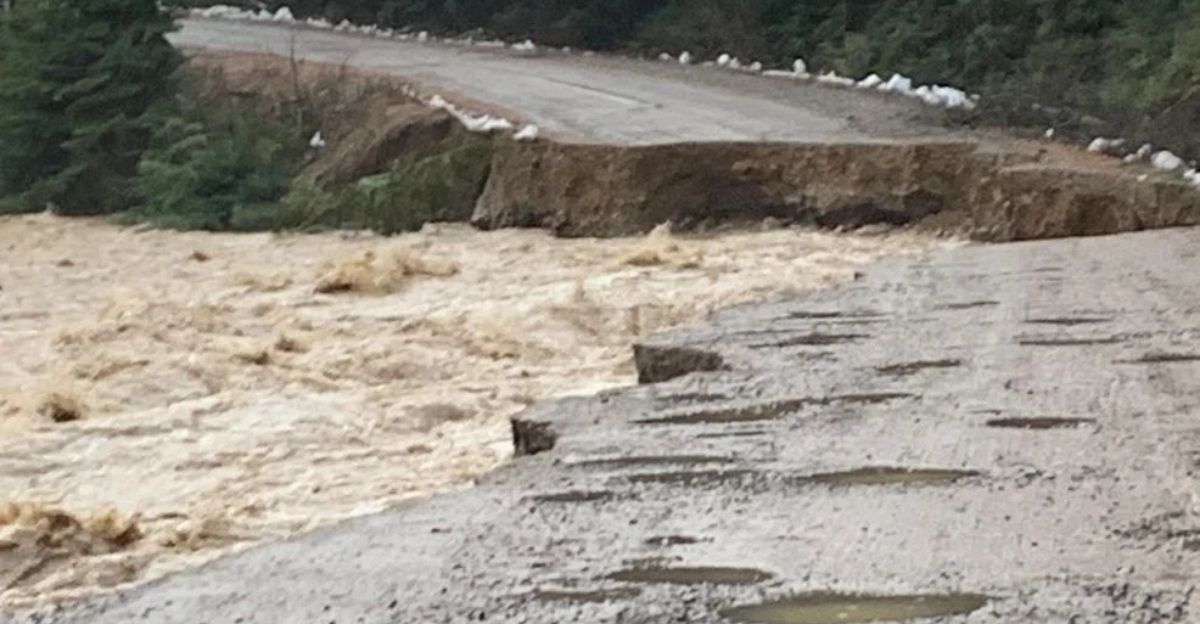
Officials stressed that the dangers extended beyond travel delays. The National Weather Service repeatedly urged residents to avoid rivers and creeks, warning that fast-moving water could turn deadly with little notice.
Strong winds raised the risk of falling debris and power outages, while snow and cold increased exposure hazards. For millions, the storm demanded constant vigilance rather than routine holiday movement.
Millions Reassess Holiday Travel Assumptions
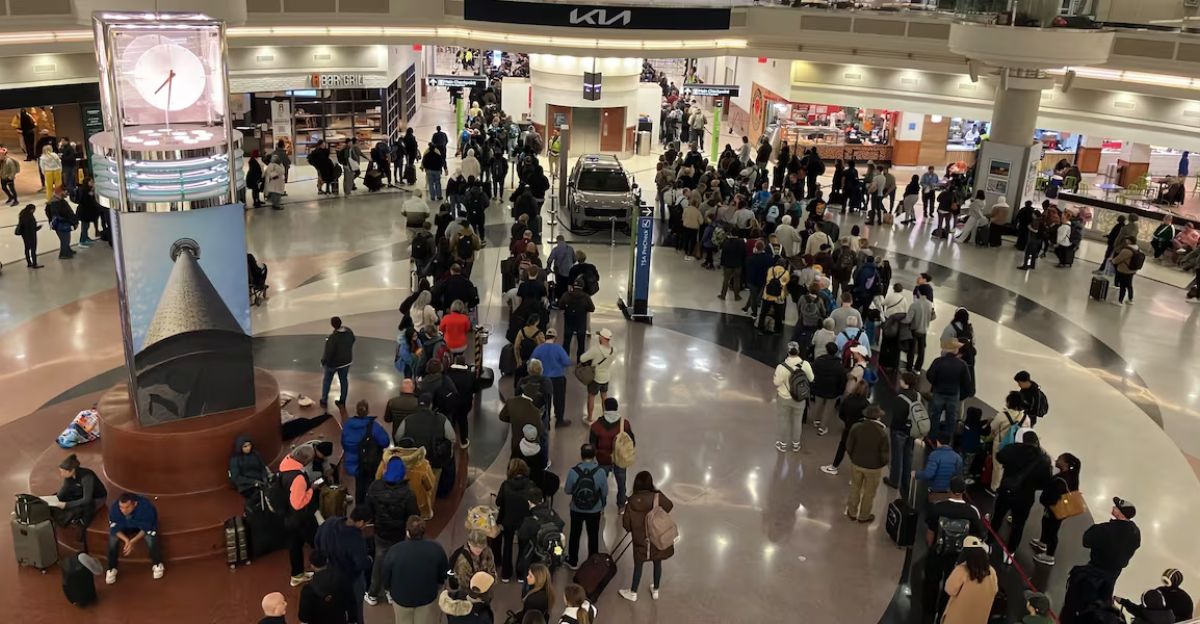
The scale of disruption challenged long-held assumptions about holiday travel reliability. Nearly 88 million Americans were under some form of weather alert, transforming what is normally a predictable travel window into one of the most hazardous periods of the year.
Stories of stranded families, missed reunions, and overnight airport stays spread quickly, reshaping public perception of winter travel as increasingly volatile and uncertain.
A Few Bright Spots Amid the Chaos
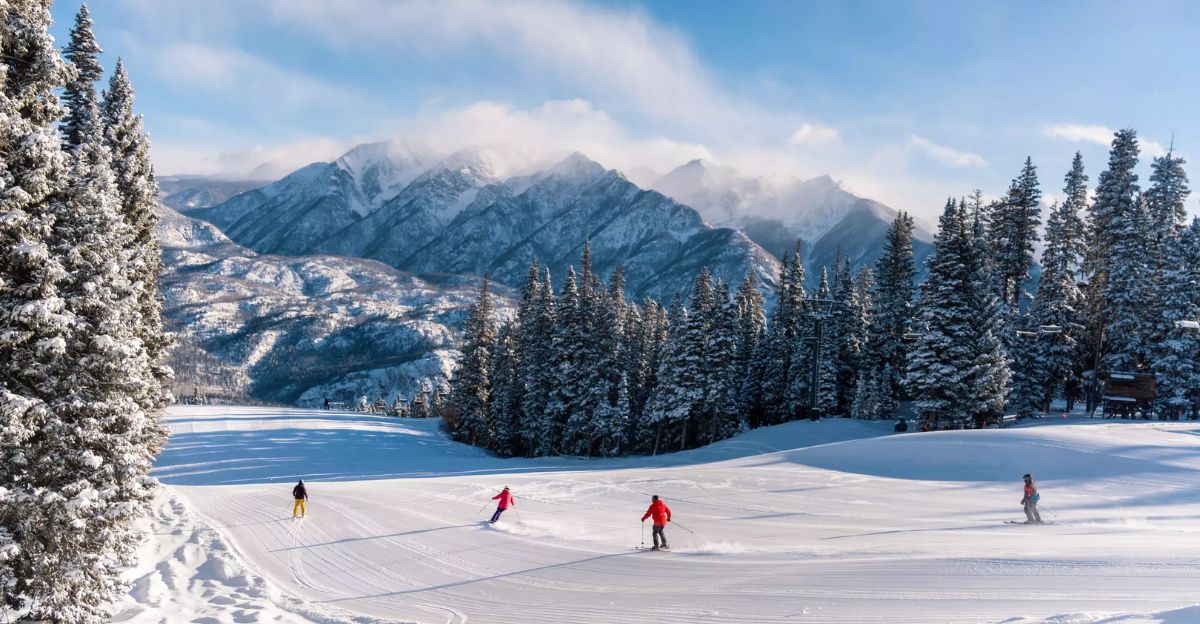
Not every outcome was negative. Some rail and rental car services saw surges as travelers sought alternatives to flying. Colorado ski resorts benefited from fresh snowfall once roads reopened, drawing visitors after the storm passed. In Montana, federal disaster aid accelerated recovery efforts.
Still, these limited gains stood in sharp contrast to the widespread disruption affecting millions across multiple regions.
What Travelers Are Being Told Now
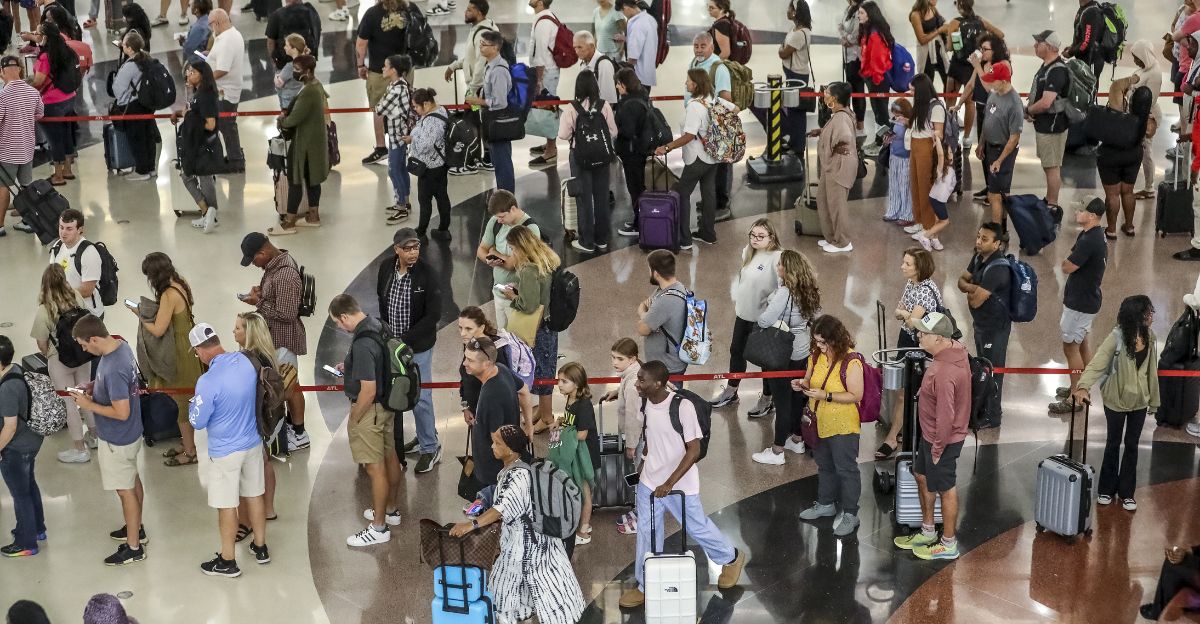
With flood alerts lasting through next Friday and residual travel impacts expected into mid-week, officials urged travelers to remain flexible. Monitoring forecasts closely, avoiding flood-prone roads, and preparing for sudden delays became essential guidance.
The narrow overnight lull in winds offered only brief relief before additional rain and travel complications returned, particularly along the West Coast during peak return travel days.
A Holiday Weekend That Redefined Risk
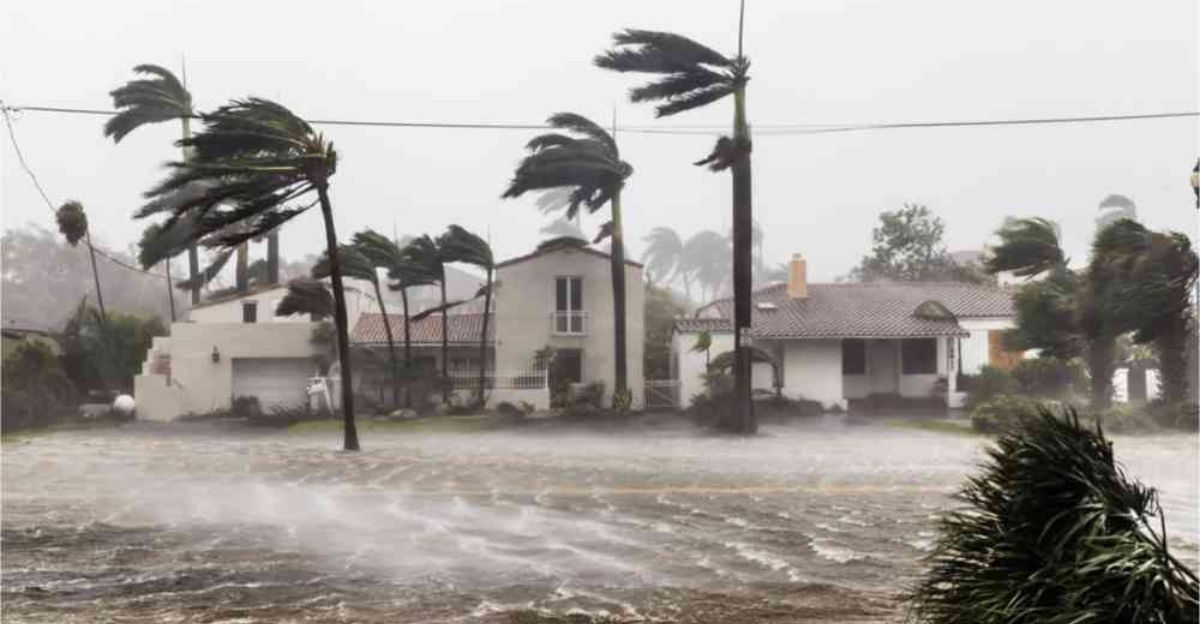
From hurricane-force winds in the High Plains to flood threats along the Pacific Coast, the December 21–22 storm exposed how vulnerable peak travel has become to multi-hazard weather events. What should have been a routine holiday weekend instead became a nationwide stress test.
With alerts stretching into the following week, officials signaled that weather-driven disruptions may no longer be exceptions—but an evolving norm.
Sources:
“Strong Winds and Snow Showers Impact Holiday Weekend Travel.” NBC News, 20 December 2025.
“President Donald J. Trump Approves Montana’s Emergency Declaration Request.” Office of the Governor of Montana, 18 December 2025.
“CW3E Atmospheric River Outlook: 20 December 2024.” Center for Western Weather and Water Extremes, University of California San Diego, 20 December 2024.
“Family of Atmospheric Rivers to Bring Heavy Rain, Flood, and Snow Forecast West US.” Watchers News, 16 December 2024.