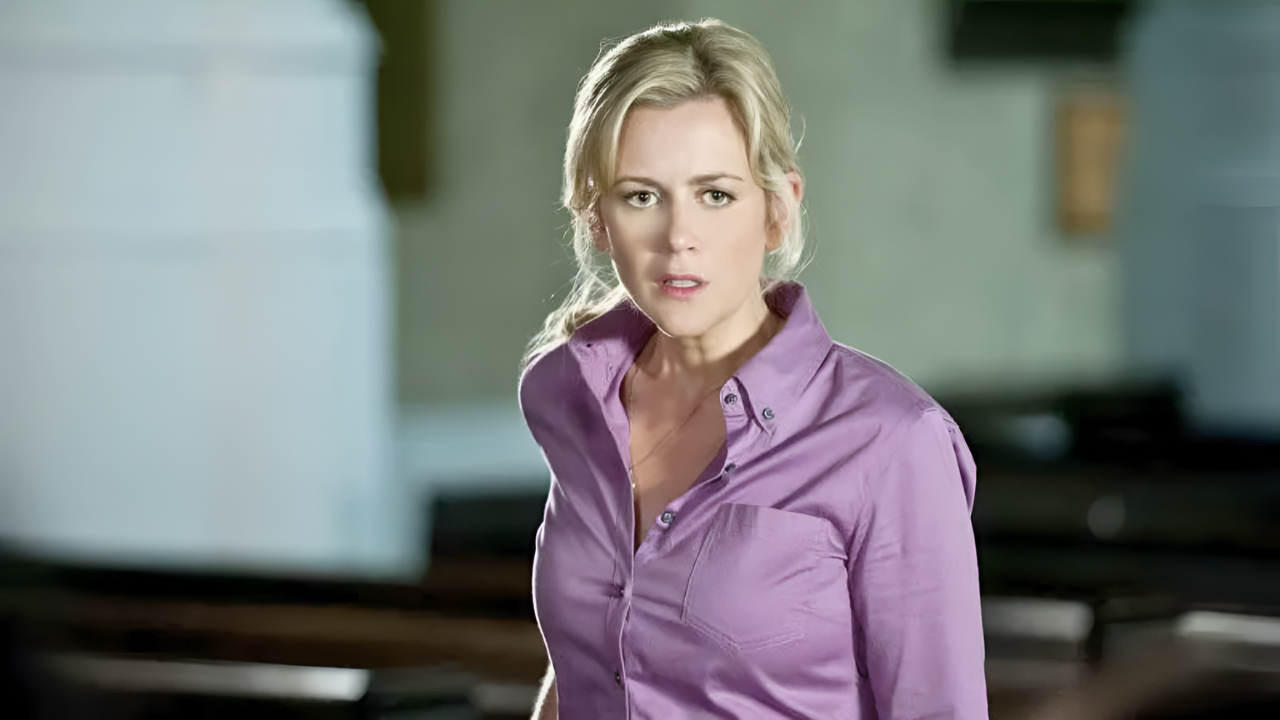
News of Australian actor Rachael Carpani’s death moved quietly across fan circles in early December before drawing global attention to the private illness that had shaped much of her life. The performer, best known for playing Jodi Fountain on McLeod’s Daughters, died in Australia on December 7, 2025, at age 45 after decades of living with endometriosis and adenomyosis. As condolences poured in from viewers and colleagues, her story became part of a wider discussion about how long women can wait for a diagnosis of chronic pelvic pain and how frequently that delay alters the course of their lives.
Rising Star from Rural Drama

Born in Sydney, Carpani became a familiar face to Australian audiences in 2001 when she joined McLeod’s Daughters as Jodi Fountain, a spirited young woman on a family cattle station in South Australia. The series, which ran for eight seasons, drew large national audiences and cemented its place in Australian popular culture. Carpani’s performance helped fuel the show’s popularity and led to two Logie Award nominations, including a Gold Logie nod in 2007.
By the late 2000s, she began to pursue acting work in the United States, seeking to build on her domestic success. She secured roles in American television, including an appearance in the first season of NCIS: Los Angeles, and took supporting parts in film projects such as The Way Back, starring Ben Affleck. From the outside, it appeared to be a smooth transition from local favourite to international working actor, but privately she was managing intensifying pain that had been present since her early teens.
Hidden Illness, Long Delays
Carpani later revealed that symptoms of endometriosis began when she was about 13 years old, yet she did not receive a formal diagnosis until her early 30s. That meant more than two decades of severe pain, fatigue and other complications before doctors identified the cause. During those years, she continued to work on demanding sets in both Australia and the United States, often masking her condition while enduring long shooting days and public appearances.
Her experience reflected broader patterns in women’s health. In Australia, the average time between the onset of endometriosis symptoms and diagnosis has been estimated at seven to ten years, despite a National Action Plan aimed at shortening that delay. Adenomyosis, a related condition in which tissue similar to the uterine lining grows into the muscular wall of the uterus, is also frequently missed or confirmed only when major surgery such as hysterectomy is performed. These patterns are not unique to Australia; similar challenges are documented in many countries. Carpani came to see her case as part of a systemic problem in which women’s reports of pain are normalised, dismissed or inadequately investigated.
Illness, Advocacy and Career Shifts
After finally receiving a diagnosis in her 30s, Carpani underwent surgery in 2021 that she said significantly reduced her daily pain levels, dropping them from an intensity of around eight or nine to a more manageable two or three. She expressed gratitude for the change and described being able to participate in everyday life with far less strain. Even so, her health remained fragile. In a social media update in March 2024 she referred to being in hospital again, suggesting that complications and further treatment continued.
The diagnosis marked a turning point in her public role. While she had previously spoken out on topics including domestic violence, the #MeToo movement, Indigenous rights and international conflicts, she had largely kept her own health struggles out of view. From 2021 onward she started discussing endometriosis and adenomyosis more openly in interviews and online posts, urging earlier investigation of severe menstrual and pelvic pain and calling Australia “woefully, woefully behind when it comes to women’s health.” She argued that more training, better imaging and earlier referrals to specialists could change the trajectory for many patients.
During this period she moved her professional base back to Australia and joined the long-running drama Home and Away in 2024. She described that job as one of the most enjoyable experiences she had ever had on a set, noting the supportive workplace and sense of community. Balancing work with treatment, she tried to show that a person living with chronic illness could still contribute fully when given appropriate care and understanding.
Loss and Public Response
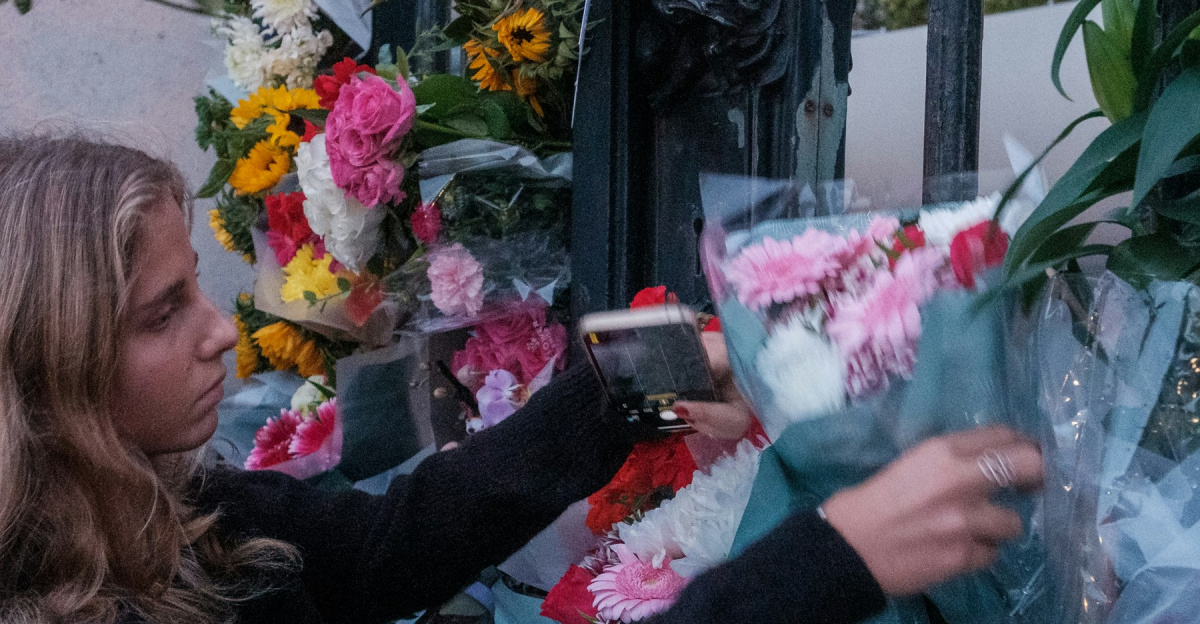
Carpani died peacefully in Australia on December 7, 2025, according to her family. Her sister, Georgia, shared the news about a week later, naming their parents, Tony and Gael, in a statement expressing deep sadness at the loss of their “beautiful daughter” after a long struggle with chronic illness. A private funeral in Sydney was arranged for December 19. The family has not disclosed further medical details beyond referring to the conditions she had spoken about publicly.
Fans of McLeod’s Daughters remembered Jodi Fountain as a defining character of early-2000s Australian television and revisited scenes that had made them feel attached to the series. Viewers of NCIS: Los Angeles and other American projects also expressed condolences, underscoring how her work had built a following across continents. Many tributes focused on the contrast between the bright, energetic characters she portrayed and the pain she had described enduring off camera.
In parallel, patient advocates, doctors and policy commentators pointed to her story as a vivid example of how endometriosis and adenomyosis can limit education, work and social participation when they go unrecognised for years. Specialists emphasised that laparoscopy remains the most reliable method for diagnosing endometriosis, yet access to timely surgery, experienced clinicians and advanced imaging is uneven. In rural and regional areas, the barriers are often higher, leading to longer delays like the one Carpani experienced.
What Her Story Leaves Behind
In the last years of her life, Carpani used her platform to argue that talking about chronic pelvic pain reduces stigma and empowers others to seek help. She wrote that attending social gatherings could feel like “climbing Mt Everest” with a smile hiding the extent of her discomfort, a description that resonated with many who live with invisible illnesses. She encouraged people to “talk about it” on the grounds that secrecy makes conditions like endometriosis harder to address, both medically and politically.
Her death at 45 has sharpened calls to strengthen the Australian National Action Plan for Endometriosis, which has committed more than $127 million to research, specialist clinics and education but is still in the early stages of changing outcomes on the ground. Internationally, her case is now cited in discussions about how artificial intelligence, improved imaging and better training might shorten time to diagnosis. For those who followed her career from a rural drama set to Hollywood and back again, the focus now extends beyond her performances to the policy questions she helped spotlight: how health systems listen to women in pain, how quickly they respond and what reforms are needed so that future teenagers with similar symptoms receive answers in years rather than decades.
Sources:
ABC News – McLeod’s Daughters star Rachael Carpani dies, 2025-12-15
E! News – NCIS: Los Angeles actress Rachael Carpani dead at 45, 2025-12-15
Entertainment Tonight – Rachael Carpani, NCIS: Los Angeles actress, dead at 45, 2025-12-15
Entertainment news outlets (People, Deadline, EW.com) – Carpani obituary coverage, 2025-12-15/16
Australian Department of Health and Aged Care – National Action Plan for Endometriosis, 2018-07
Mayo Clinic – Adenomyosis and Endometriosis symptoms and causes