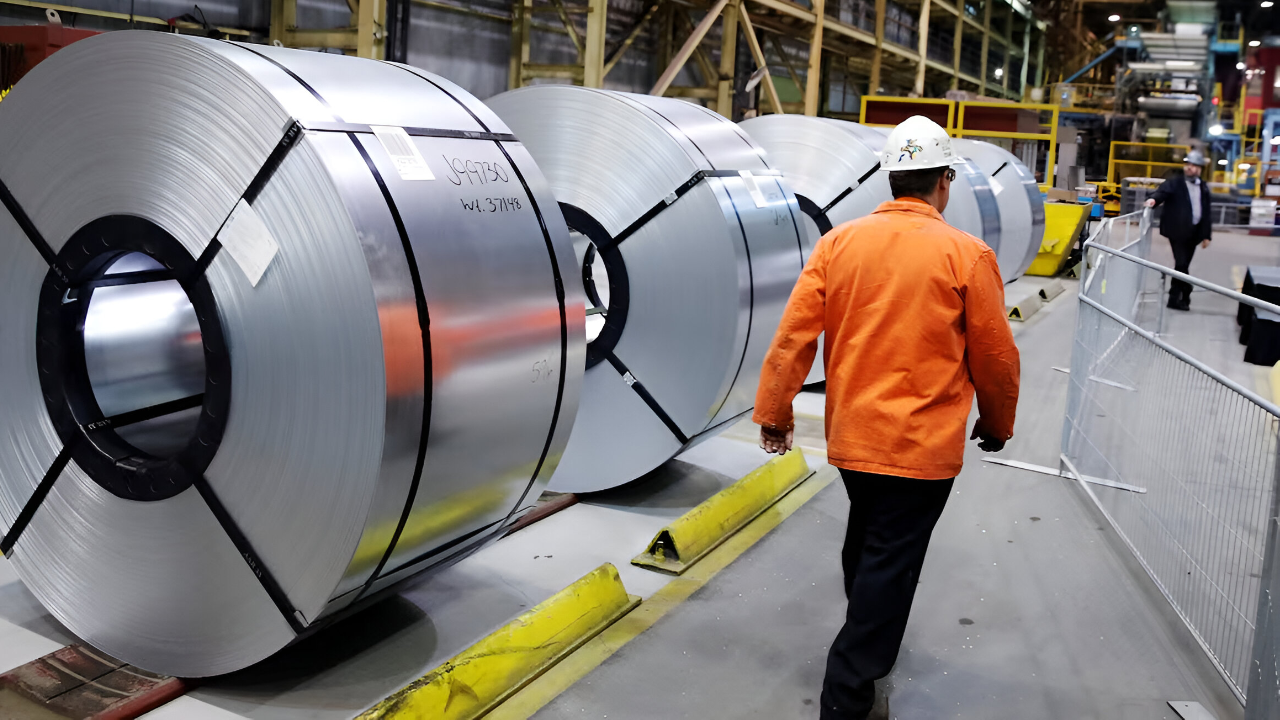
The steel yard on Shreve Avenue no longer hums. Cranes stand frozen above rows of fabrication equipment tagged for auction.
Welders, plasma tables, and steel-handling systems sit cataloged and numbered, awaiting removal. After more than a century of operation, Ben Hur Steel Worx has halted production entirely, liquidating its north St. Louis plant.
A 22-acre industrial site that once moved steel daily is now being dismantled piece by piece—marking the end of a 116-year manufacturing presence.
The Hidden Cost

Ben Hur’s shutdown unfolded amid a structural shift in U.S. steel pricing. After Section 232 tariffs took effect in March 2018, a 25% duty on most imported steel pushed domestic prices well above global benchmarks.
By June 2025, those tariffs had been increased to 50%, further widening the price gap. While steel mills benefited from elevated prices, downstream fabricators faced sharply higher input costs.
Companies like Ben Hur, locked into fixed-price contracts and competing with foreign-fabricated components, absorbed rising material expenses that steadily eroded margins year after year.
A Century of Steel
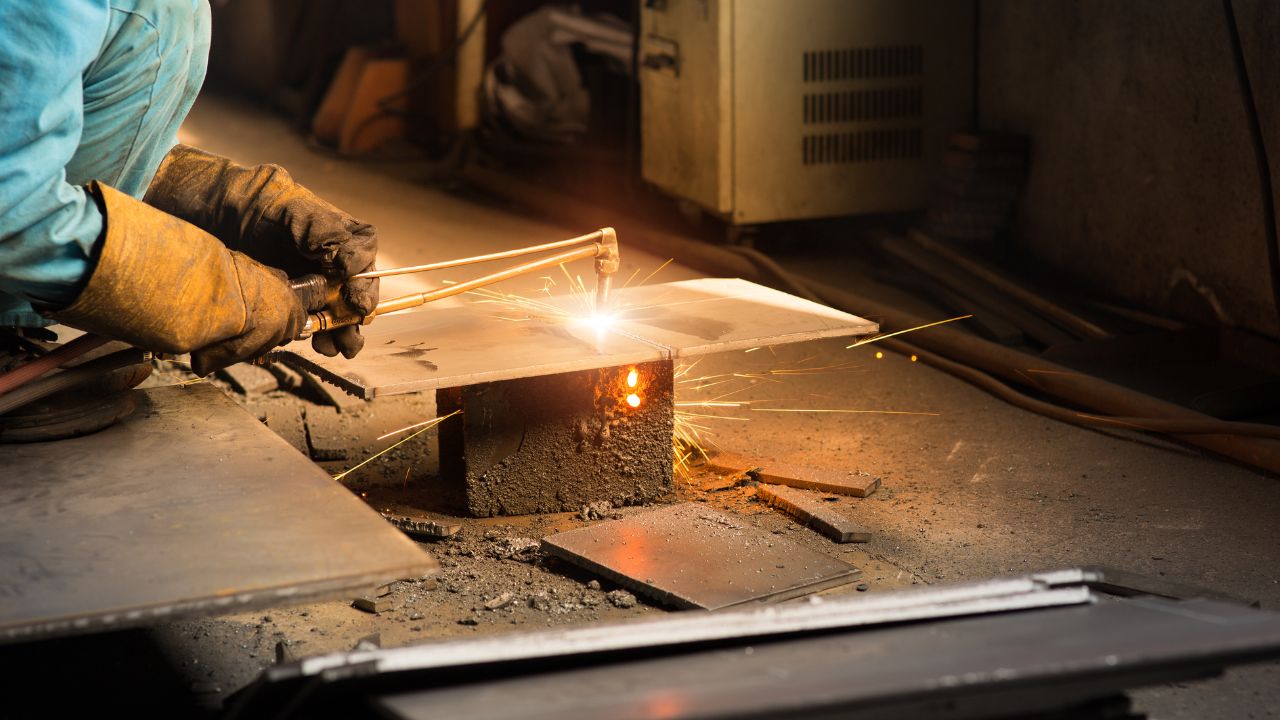
Founded in 1909, Ben Hur Steel Worx grew alongside St. Louis as a structural steel fabricator tied to Ben Hur Construction Co. Over the decades, the Shreve Avenue site evolved into a full-scale operation producing beams, columns, and custom assemblies.
Serving infrastructure, industrial, and commercial projects across the Midwest, the plant became one of the city’s original steel institutions—anchoring generations of skilled fabrication work within north St. Louis.
Pressures Begin to Stack
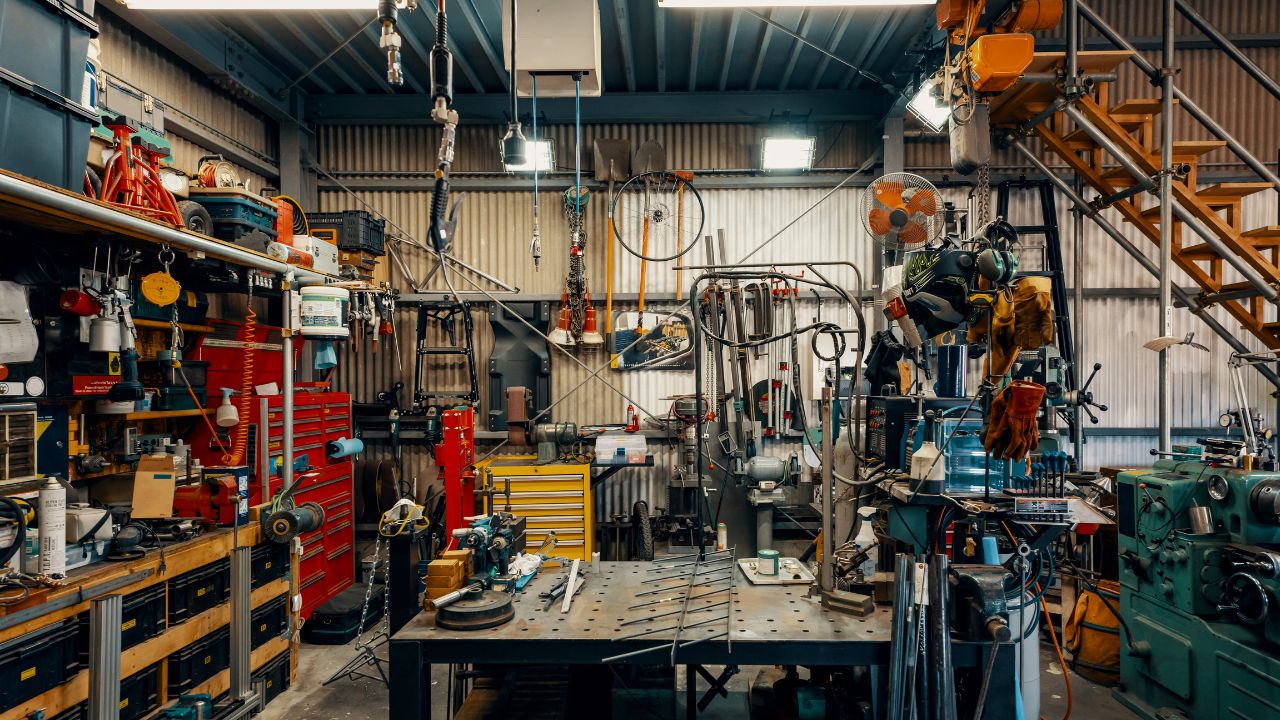
By the late 2010s, U.S. steel fabricators faced compounding pressures. Elevated steel prices collided with tight labor markets, rising interest rates, and volatile construction demand. Many firms operated under fixed-price contracts signed months before material purchases.
When tariffs and supply disruptions arrived alongside other headwinds, analysts warned that small and mid-sized fabricators were especially exposed to sudden margin collapse—conditions that steadily narrowed the path to profitability.
A Disproportionate Impact
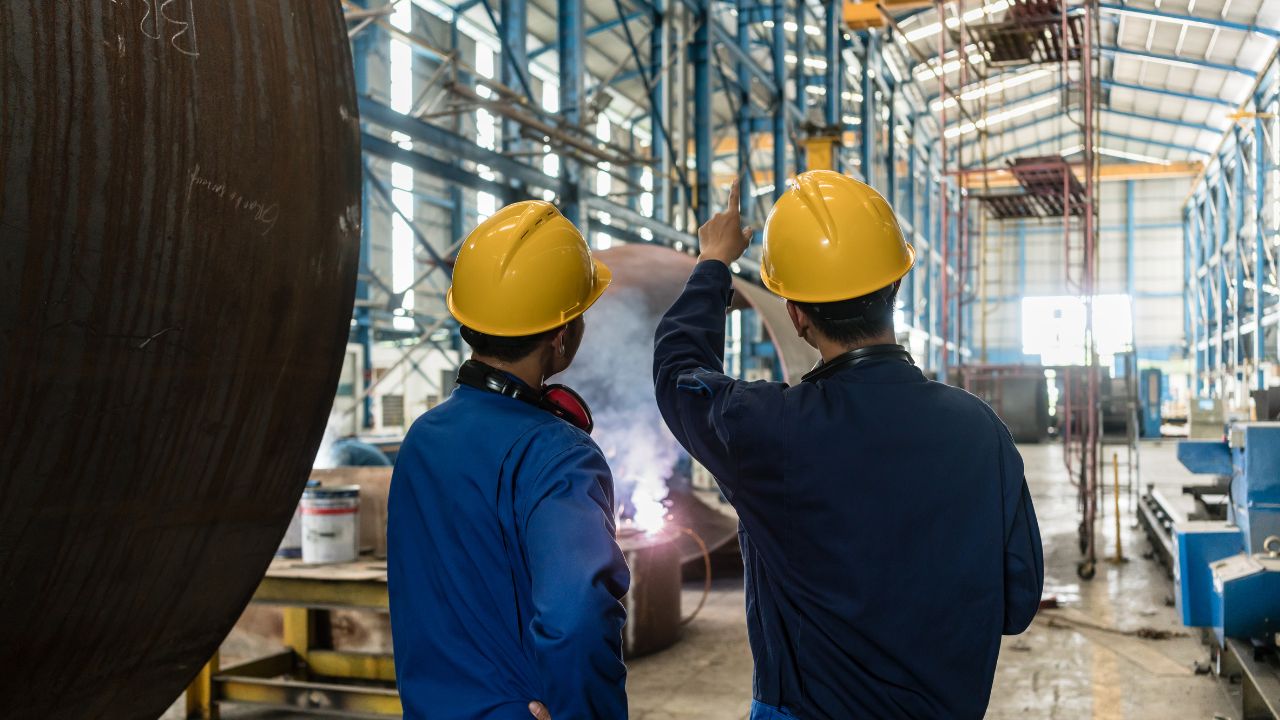
Research indicates Section 232 tariffs contributed to roughly 75,000 job losses across downstream manufacturing sectors—far exceeding gains in primary steel employment. Fabricators reported shrinking competitiveness as higher steel costs could not easily be passed to customers.
While mills captured pricing power, steel-using industries absorbed the downside. That imbalance left companies like Ben Hur vulnerable, even as domestic steel production capacity strengthened nationally.
Liquidation Revealed

In December 2025, Ben Hur Steel Worx formally began liquidating its north St. Louis operations. Industrial equipment including cranes, welding systems, and plasma cutting tables were placed up for auction through major equipment liquidation firms.
The 22-acre Shreve Avenue property was listed for roughly $7.5 million. The auction marked a full exit from structural steel fabrication at a site that had operated continuously for generations.
A Neighborhood Hit

The closure ripples beyond the plant gates. North St. Louis has endured decades of industrial decline, and Ben Hur stood out as one of the area’s remaining anchors.
Local reporting described the facility as a stabilizing employer supporting the broader community. With the equipment sold and land marketed, the neighborhood now faces another large vacant industrial site and the uncertainty that follows such departures.
The Human Toll
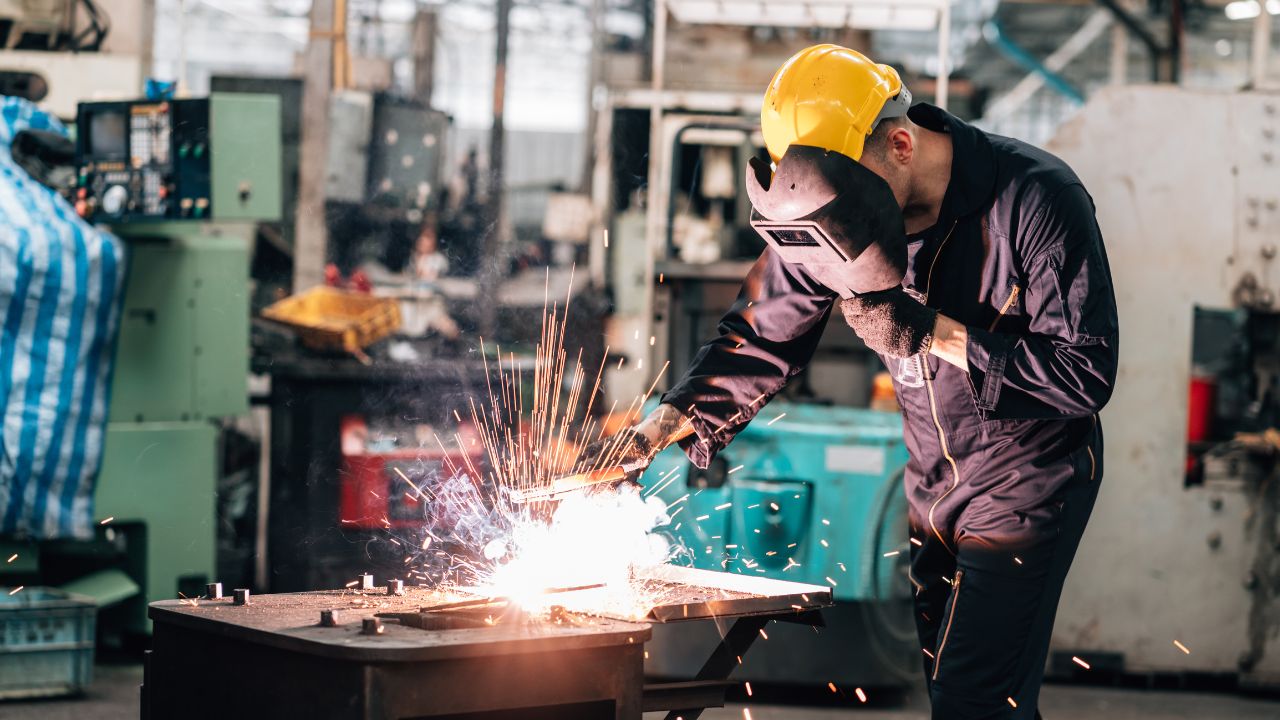
For workers, the shutdown carries immediate consequences. Welders, fabricators, and support staff—many with decades of tenure—now face layoffs and uncertain career paths.
Local and state workforce agencies are assessing transition assistance options. For employees whose skills were built inside the Shreve Avenue plant, relocation or leaving the steel industry entirely may be the only viable options.
The Policy Origin
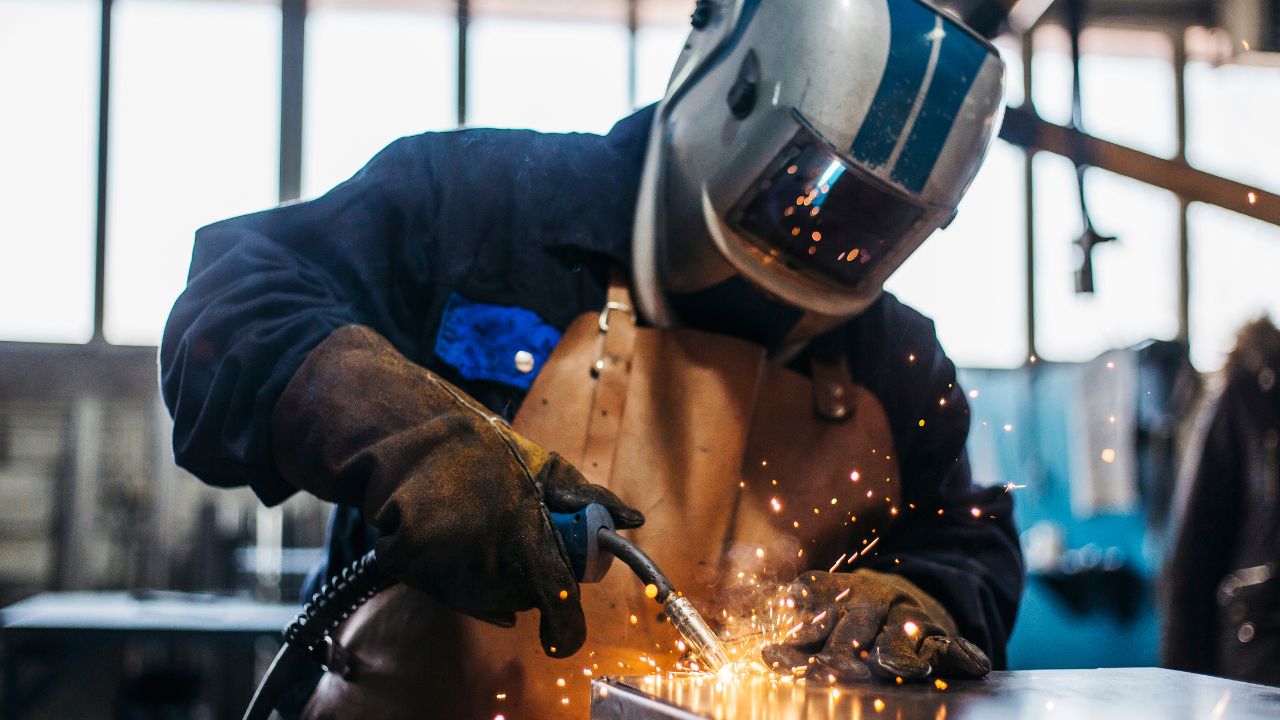
The cost pressures trace back to March 2018, when President Donald Trump invoked Section 232 of the Trade Expansion Act of 1962. Proclamation 9705 imposed a 25% tariff on most imported steel, citing national security concerns.
The measure took effect March 23, 2018, for most countries. While designed to protect domestic steelmaking, it reshaped cost structures across the entire steel supply chain.
An Uneven Outcome
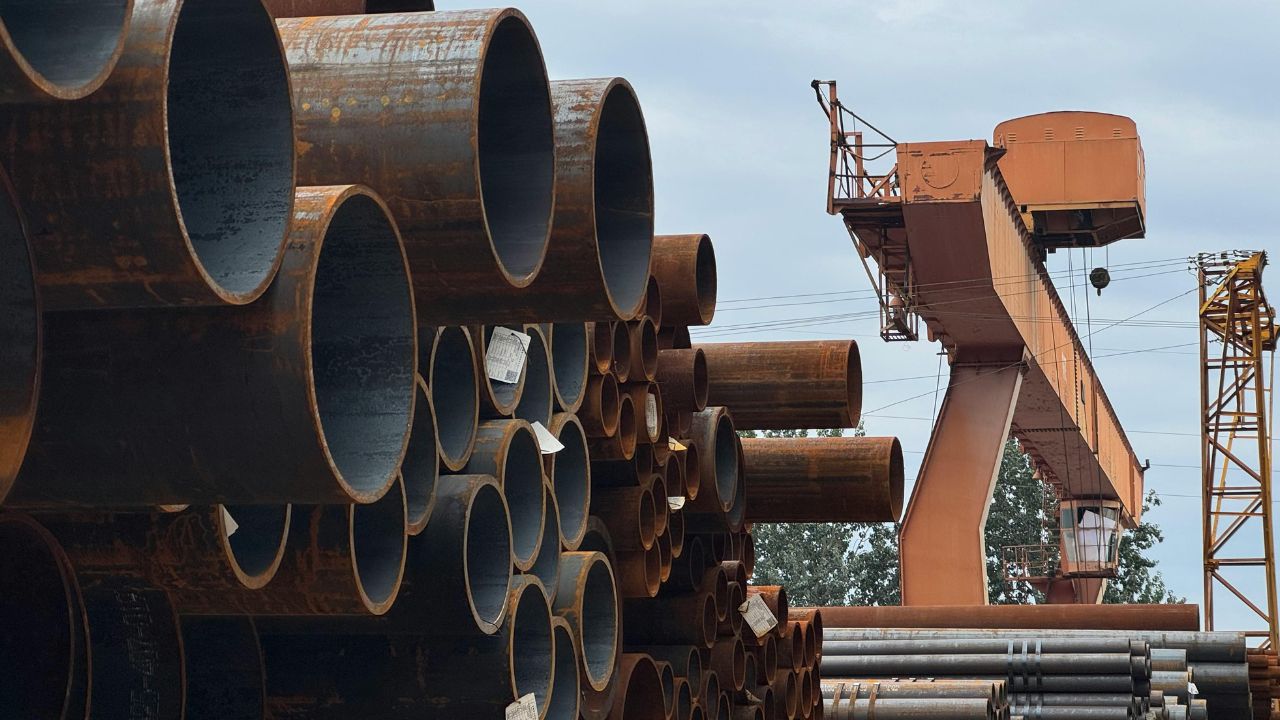
Congressional Research Service analyses confirm Section 232 tariffs kept U.S. steel prices elevated relative to world markets for years. Those higher prices rippled through construction, automotive, and machinery sectors.
Primary steelmakers benefited, but downstream manufacturers reported margin compression and reduced bid competitiveness—especially when facing foreign-fabricated components produced under lower global steel prices.
Contributing Factors
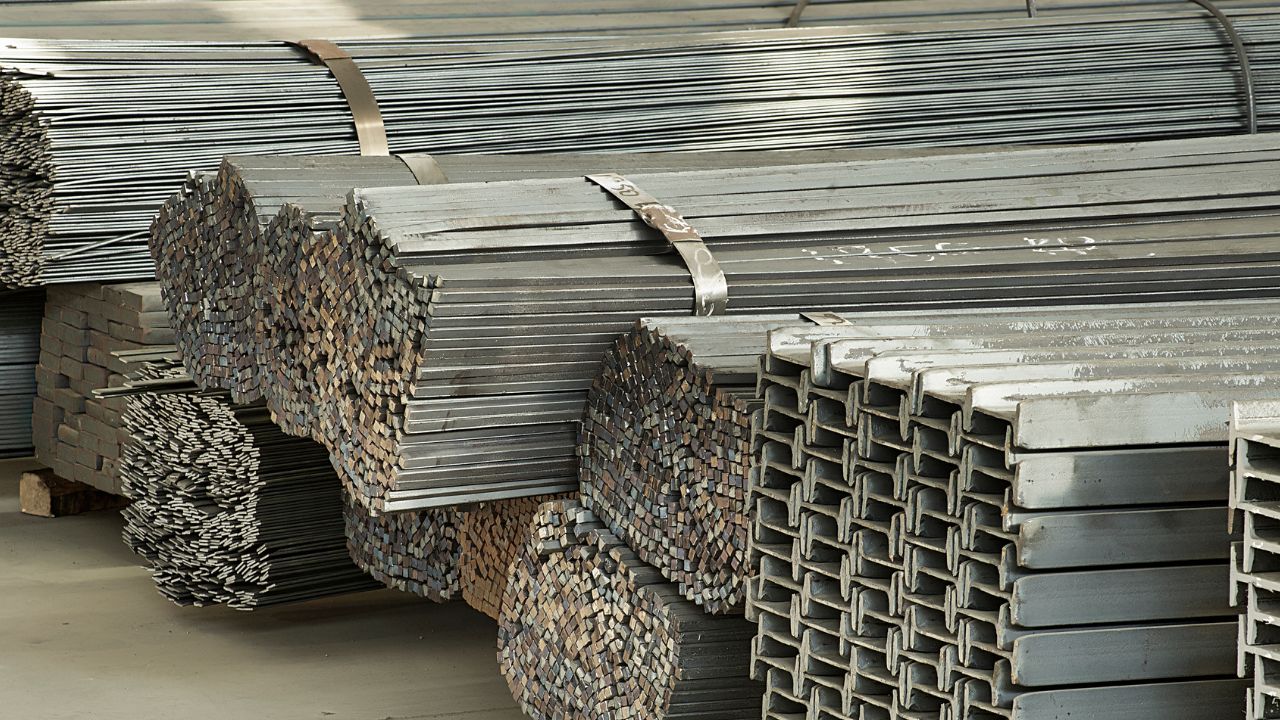
Coverage of Ben Hur’s liquidation identifies tariffs as one contributing factor in a challenging operating environment alongside labor scarcity, rising interest rates, and construction market volatility.
Section 232 duties raised steel prices for fabricators dependent on purchased raw material. While tariffs intensified competitive pressures facing the company, they worked in combination with other structural headwinds.
These included labor shortages, elevated borrowing costs, and construction demand fluctuations—that collectively eroded profitability and made continued operation untenable.
Growing Frustration

Downstream manufacturers increasingly voiced concerns in Washington. Congressional testimony documented by the Congressional Research Service shows firms warning that higher steel prices inflate infrastructure costs and threaten fabrication jobs.
Many reported limited ability to pass costs to customers bound by fixed-price contracts. For companies like Ben Hur, these warnings ultimately materialized as shrinking margins and mounting operational strain.
Ownership and Continuity
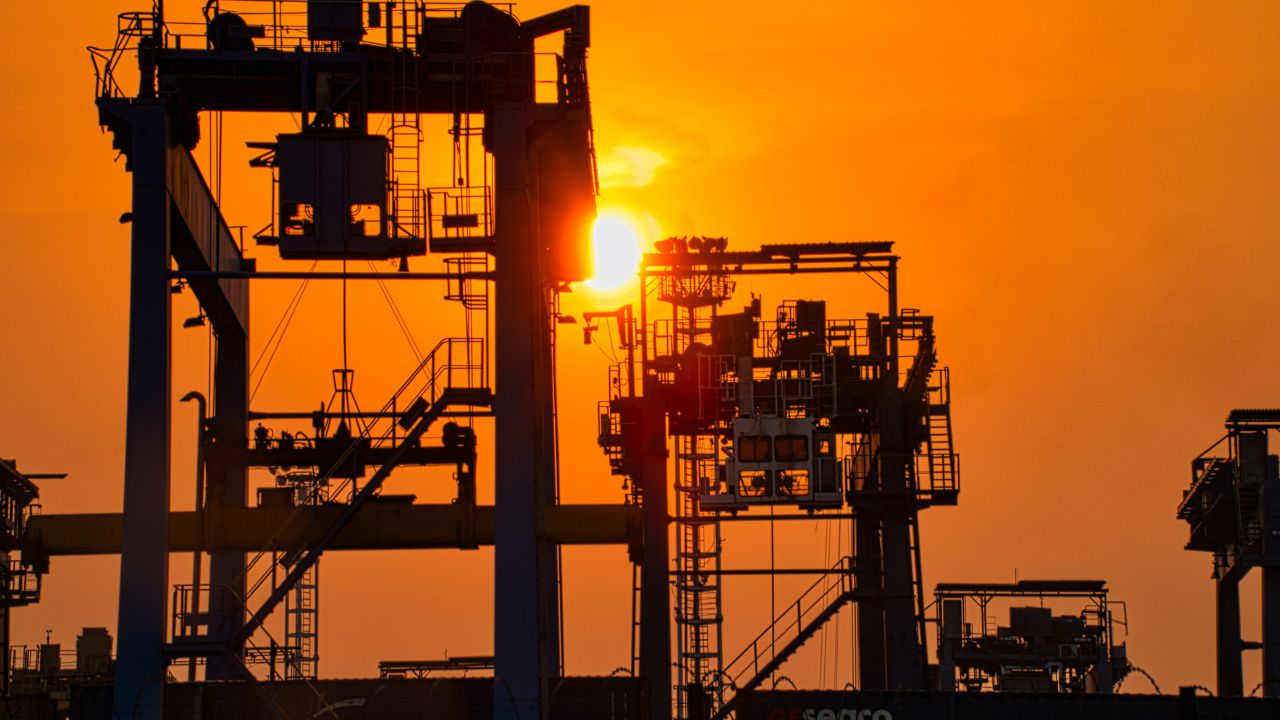
Ben Hur operated for decades as a locally rooted fabrication and construction business. Records consistently link Ben Hur Construction Co. and Ben Hur Steel Worx as closely associated entities spanning the company’s modern history.
While ownership evolved over time, all iterations relied on the Shreve Avenue facility as the manufacturing core—making its closure a decisive break rather than a gradual or partial wind-down.
Selling It All
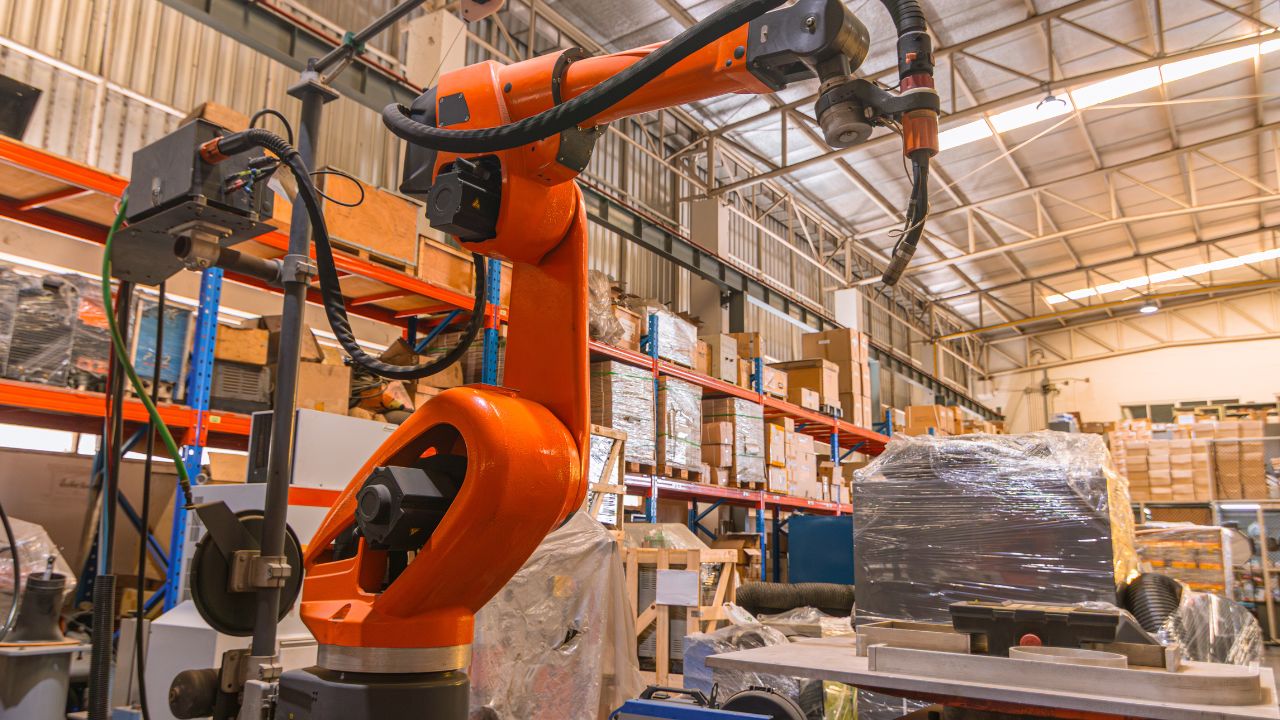
Liquidation efforts targeted both machinery and land. Major equipment liquidators marketed machinery including cranes, welding systems, and heavy handling equipment to buyers across North America.
Meanwhile, the 22-acre property entered the market at roughly $7.5 million. As of publication, the facility’s future redevelopment path remains uncertain.
Long-Standing Warnings
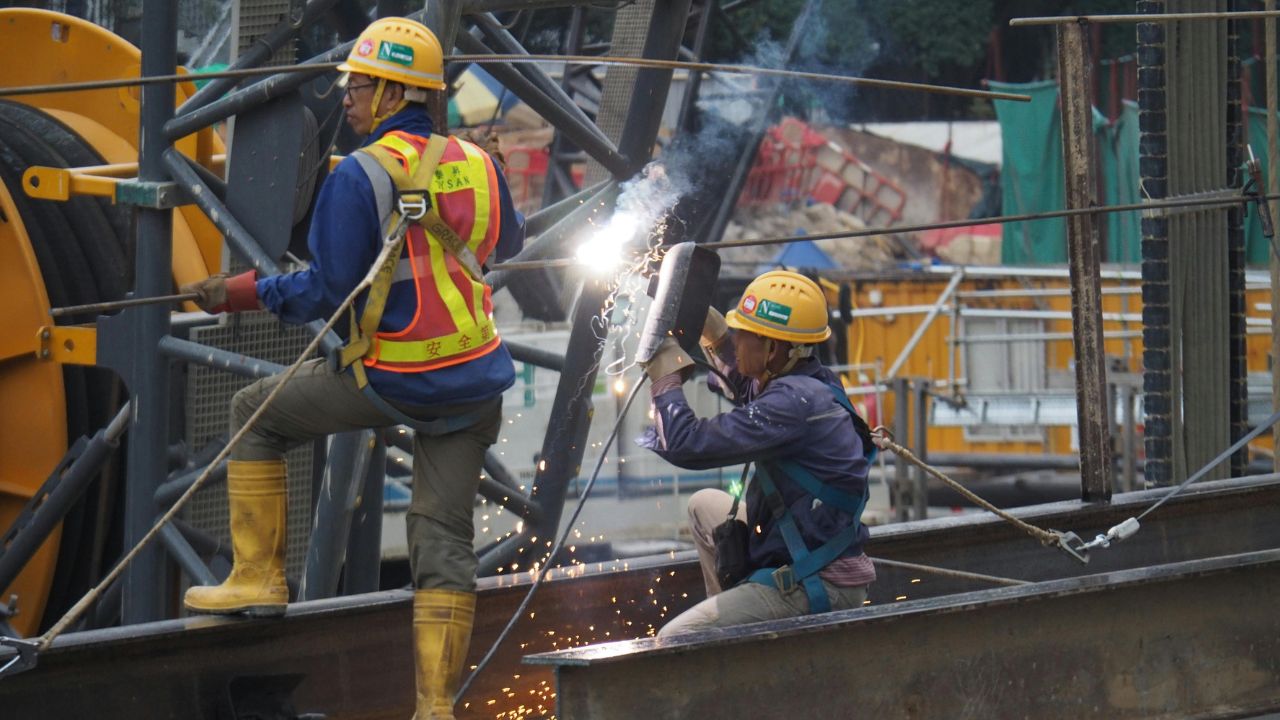
Policy analysts have long cautioned that broad tariffs can produce uneven outcomes. Congressional Research Service reports emphasize that while tariffs protect primary steel capacity, they often impose costs on downstream sectors without comparable safeguards.
Academic economists echo those concerns, highlighting risks of job losses beyond the mills. Ben Hur’s liquidation provides a tangible example of those downstream vulnerabilities.
A Fork in the Road

For St. Louis, attention now turns to what replaces the shuttered plant. City officials must weigh redevelopment paths for a large industrial parcel in a historically disinvested area.
Options include renewed manufacturing, logistics facilities, or warehouse reuse—each carrying different implications for employment, tax revenue, and neighborhood stability.
A Policy Signal

Ben Hur’s fate feeds into broader national debates over trade strategy. Lawmakers continue to assess whether national-security tariffs should be refined or paired with relief for steel-using industries. Congressional hearings increasingly feature both mills and fabricators.
The liquidation of a 116-year-old company underscores how tariff design can create winners and losers within the same industry—and the importance of considering downstream impacts when implementing broad trade measures.
Global Echoes

Internationally, U.S. steel tariffs triggered retaliation and altered global trade flows. Foreign producers adjusted output and pricing, while multinational firms reconsidered fabrication locations.
Although Ben Hur largely served domestic projects, it still operated within a distorted price environment—one where U.S. steel costs remained well above historical norms, tightening margins for home-based fabricators.
The Land It Leaves
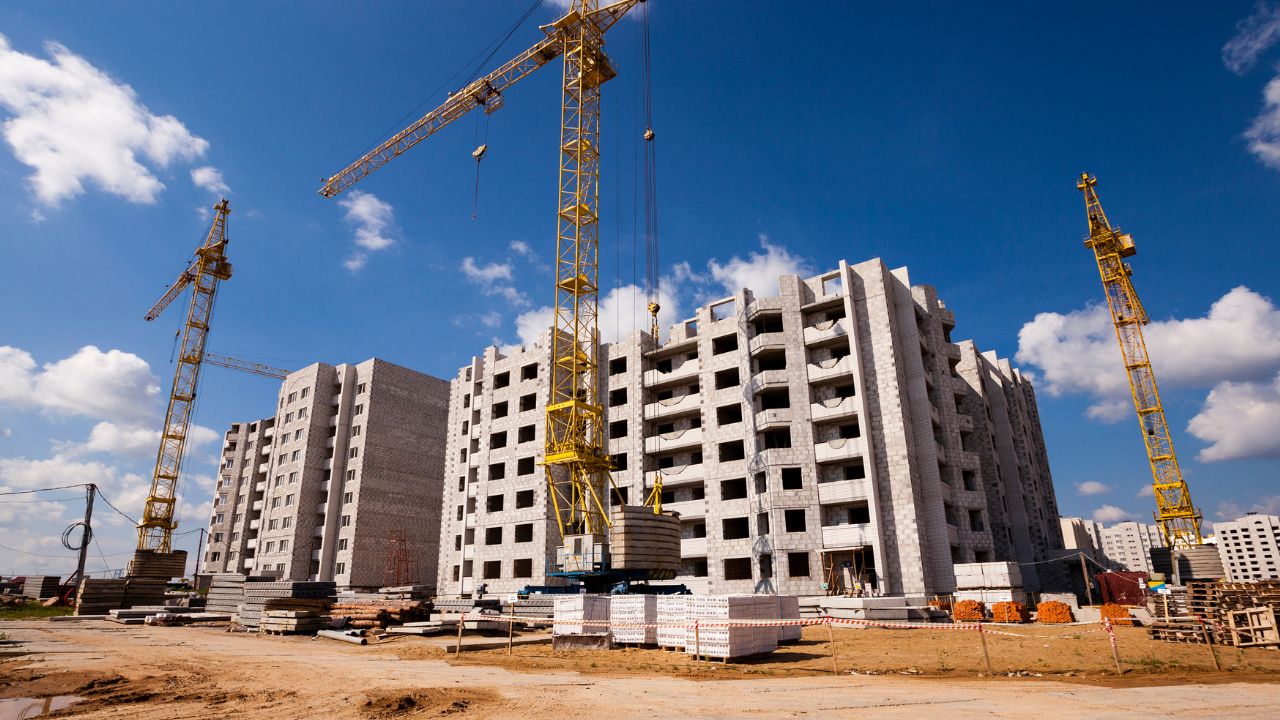
The shutdown also raises land-use and environmental considerations. While no enforcement actions have been reported at Ben Hur’s address, legacy steel fabrication sites typically require environmental assessments before redevelopment.
Soil testing and potential remediation obligations may influence buyer interest, timelines, and redevelopment costs—common challenges for older industrial properties.
What It Reveals
The liquidation of Ben Hur Steel Worx demonstrates how trade policy, market forces, and local economies intersect. Section 232 tariffs strengthened domestic steelmaking but contributed to margin compression for downstream fabricators.
Combined with labor shortages, higher interest rates, and volatile construction demand, those pressures made continued operation untenable.
Ben Hur’s closure highlights the need to balance mill protection with the survival of steel-using manufacturers whose viability depends on affordable material costs—and the broader policy challenge of managing unintended downstream consequences of protective trade measures.
Sources:
“Expanded Section 232 Tariffs on Steel and Aluminum.” Congressional Research Service, September 26, 2025.
“Steel Tariffs and U.S. Jobs Revisited.” EconoFact, March 9, 2025.
“Certain Effects of Section 232 and 301 Tariffs Reduced Imports and Increased Prices and Production in Many U.S. Industries.” U.S. International Trade Commission, March 14, 2023.
“Ben Hur Construction closes St. Louis steel fabrication plant.” St. Louis Business Journal, December 9, 2025.