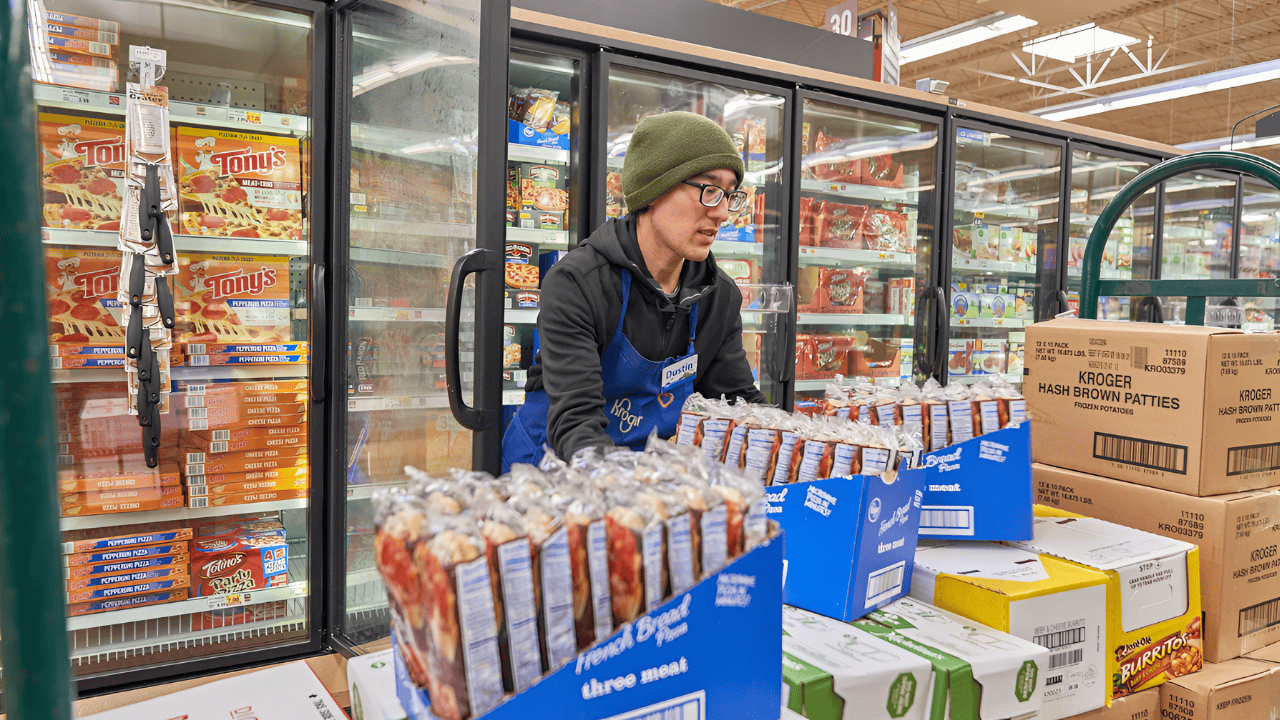
Price tags are changing across the aisle. Staples that shoppers reach for every week now ring up lower at checkout, part of a new round of price cuts on roughly 1,000 items rolling out across Kroger stores.
At the same time, thousands of positions tied to stores, offices, and facilities have already been eliminated as operations are pared back.
Lower prices are arriving fast—but they are landing in the middle of a much larger restructuring still unfolding. What forced this shift, and what comes next for the country’s largest traditional grocer?
High-Stakes Reset
Kroger’s reset follows the collapse of its $24.6 billion plan to acquire Albertsons, a merger blocked by the Federal Trade Commission in late 2024.
Regulators argued the deal would reduce competition and pressure wages. With that growth path closed, Kroger is pivoting inward—cutting costs, restructuring leadership, and promising lower shelf prices instead.
The company now faces a harder question: can internal cuts deliver the scale and savings the merger once promised?
Traditional Giant
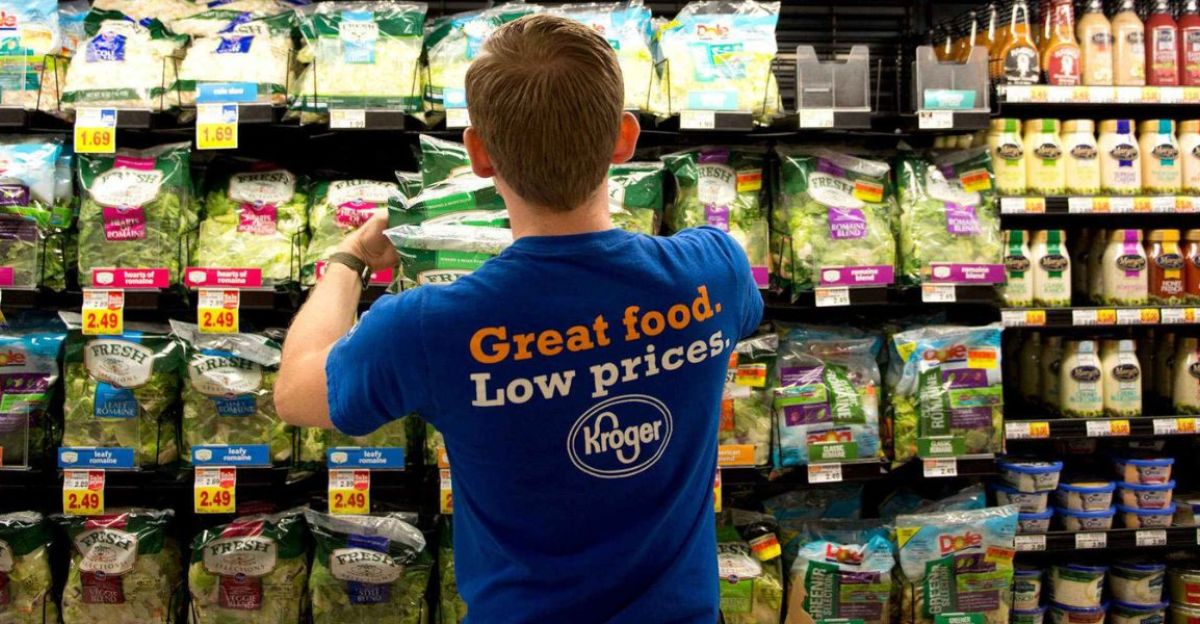
For more than a century, Kroger has operated full-service supermarkets offering fresh food, packaged goods, and household essentials across thousands of U.S. locations.
Unlike warehouse clubs or online-only retailers, its core model remains in-store shopping with broad assortments. That distinction places Kroger squarely in the “traditional grocer” category—and makes its decisions unusually influential.
As the largest chain still operating this way, its pricing moves, closures, and job cuts ripple across suppliers, workers, and communities nationwide.
Pressure Points
Kroger is being squeezed from multiple sides. Competition from Walmart, Costco, and Amazon remains intense, while labor, logistics, and security costs continue to rise.
At the same time, the company faces persistent “shrink”—losses from theft and damaged goods—which executives say has influenced store closures and operational changes.
Shoppers, meanwhile, are demanding relief after years of elevated food inflation. Balancing lower prices against rising costs leaves Kroger little margin for error.
Thousand-Item Cuts
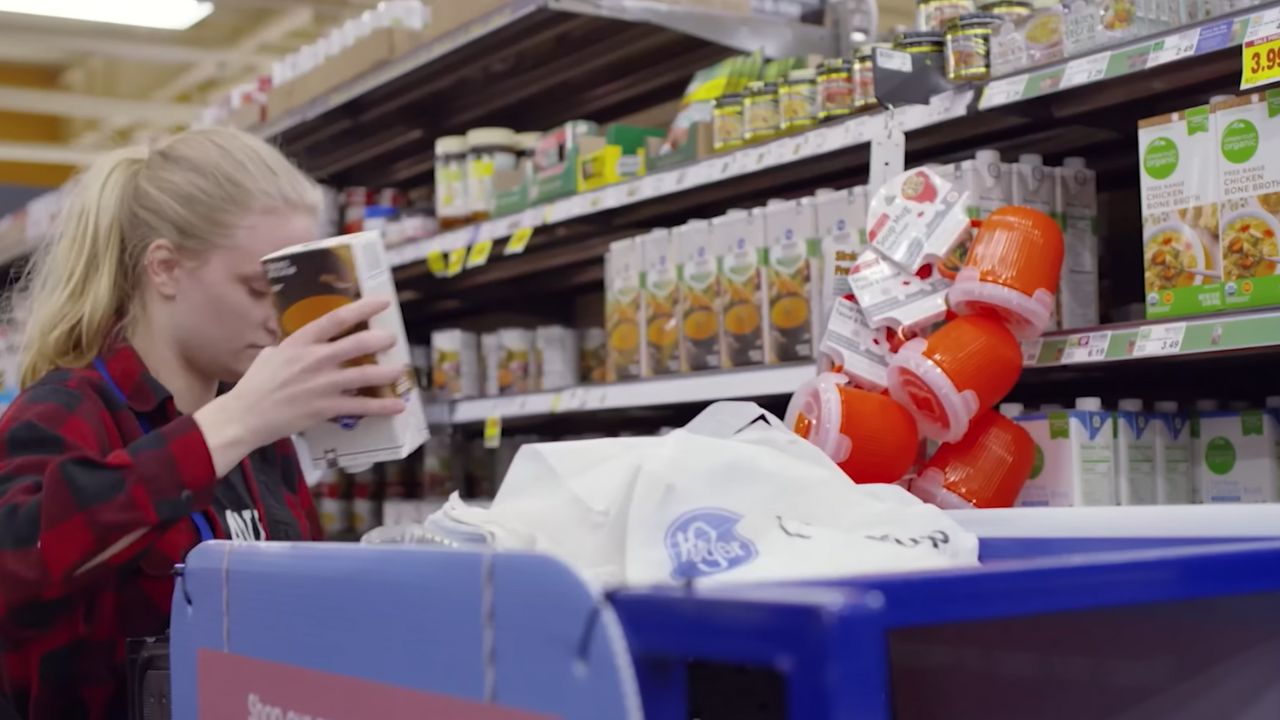
The company’s latest initiative cuts prices on about 1,000 staple grocery items, launched in late 2025 as part of a broader value push. Kroger says the reductions include everyday essentials such as milk, eggs, and pantry goods, building on earlier price cuts rolled out earlier in the year.
Executives describe these reductions as “price investments” aimed at driving grocery volume and preventing shoppers from drifting to lower-cost rivals as budgets remain stretched.
Regional Closures
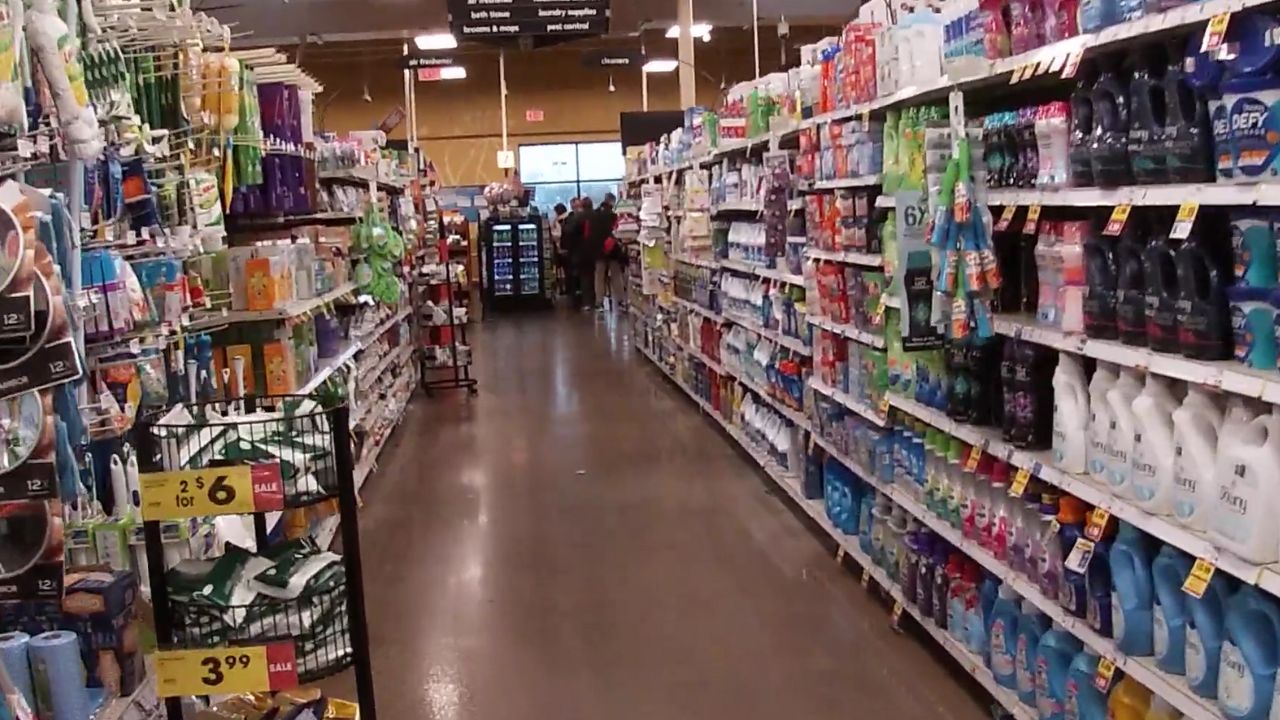
While prices fall on some shelves, Kroger has been closing underperforming stores across at least four states, including a notable wave of shutdowns reported in August 2025. Earlier, the company also closed five fulfillment centers that handled online grocery orders.
In affected areas, the closures mean fewer nearby grocery options and lost jobs, raising concerns about food access—especially as the company continues to streamline heading into 2026
Jobs on the Line
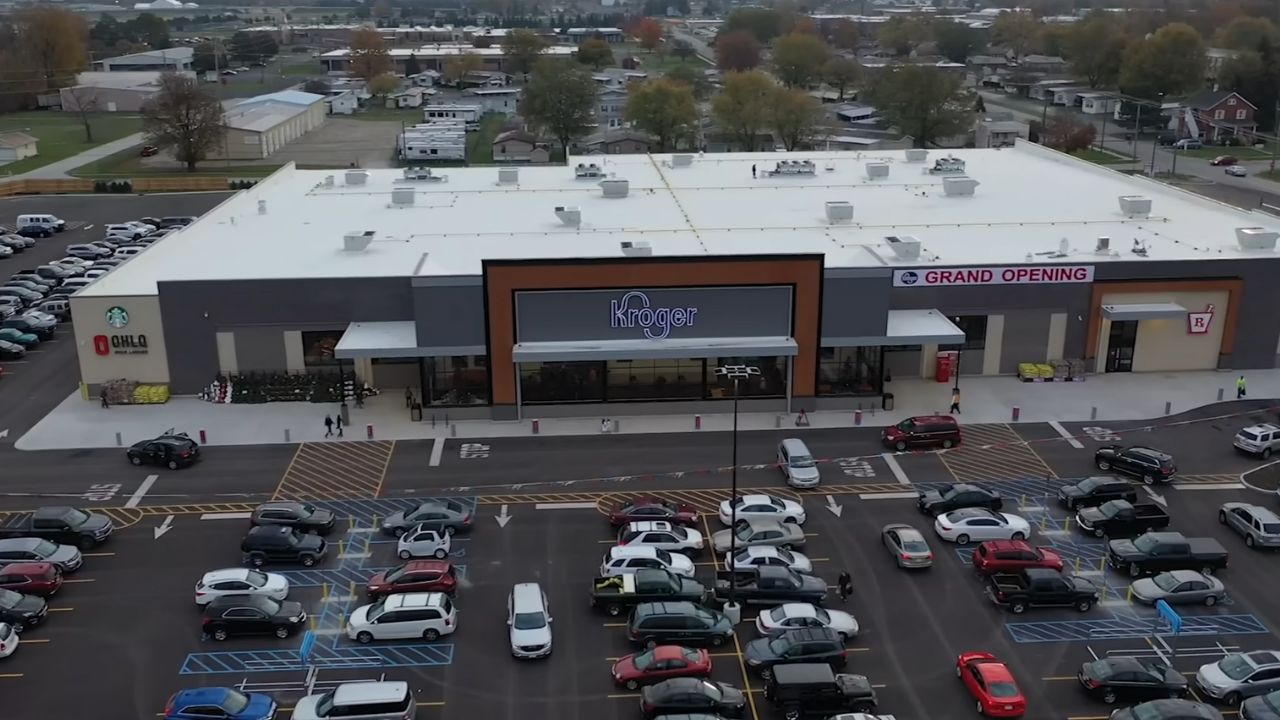
Behind the restructuring are major workforce reductions. Business reports estimate that thousands of frontline store and facility jobs were eliminated, alongside roughly 1,000 corporate positions. Combined, total job cuts in 2025 are estimated at about 10,000 workers.
Company leaders describe the reductions as necessary cost controls. For employees and labor advocates, they represent another chapter in the ongoing tension between efficiency and job stability in grocery retail.
Theft And Strategy
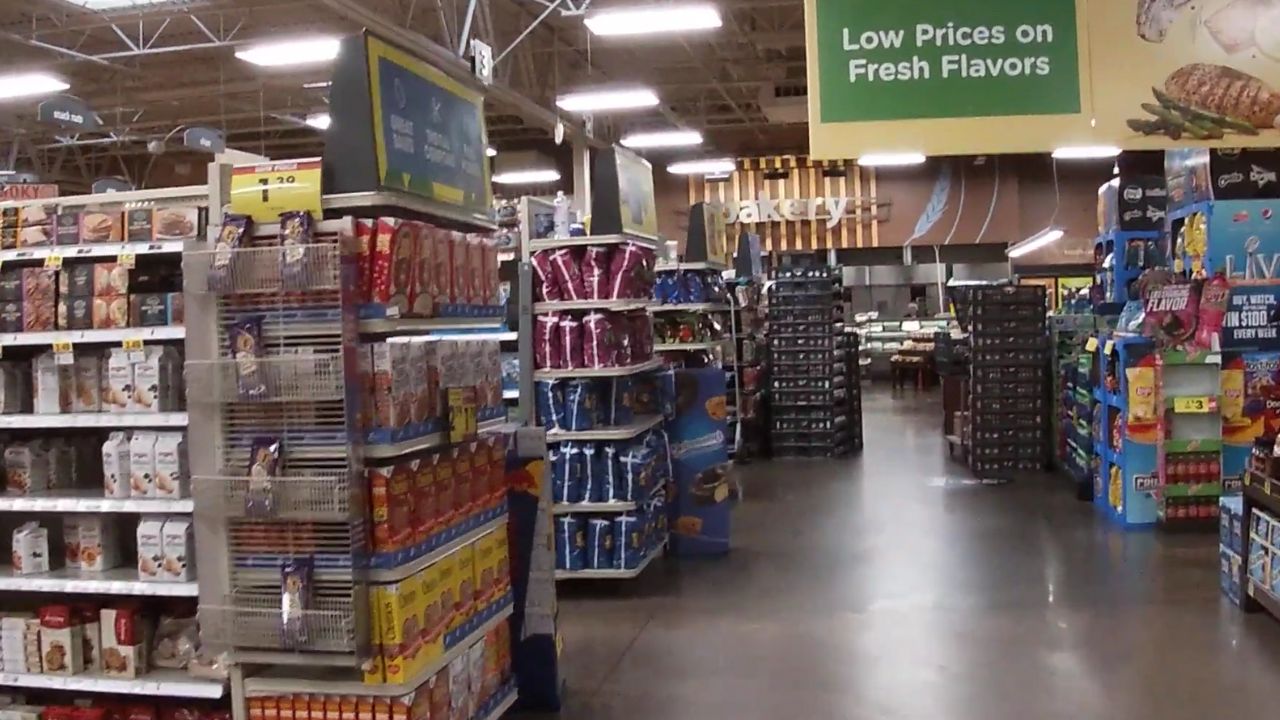
Kroger has repeatedly pointed to retail theft and shrink as meaningful financial pressures shaping its strategy. Executives say loss rates influence decisions about which stores remain viable and where to invest capital.
These comments mirror a broader industry narrative as large retailers cite theft alongside wage growth and operational costs. For Kroger, shrink has become part of the public rationale for a leaner footprint and sharper focus on fewer, higher-performing locations.
Market Crossroads
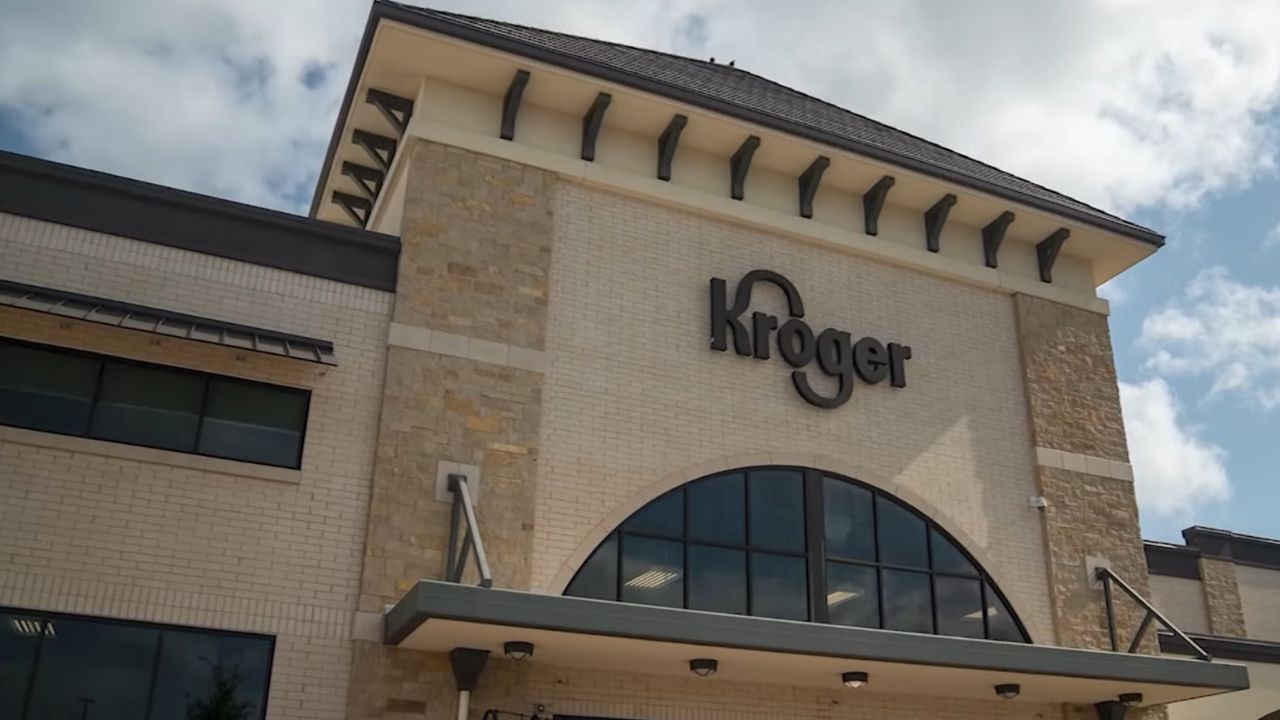
The failed Albertsons merger forced Kroger to rethink how it competes with dominant players like Walmart. Regulators’ decision signaled tougher scrutiny of consolidation, limiting Kroger’s ability to buy scale.
Without that option, the company is leaning harder on price cuts, internal savings, and digital initiatives. As the largest remaining traditional grocer, Kroger’s response may influence how aggressively competitors pursue pricing, automation, and store rationalization.
Hidden Tradeoffs
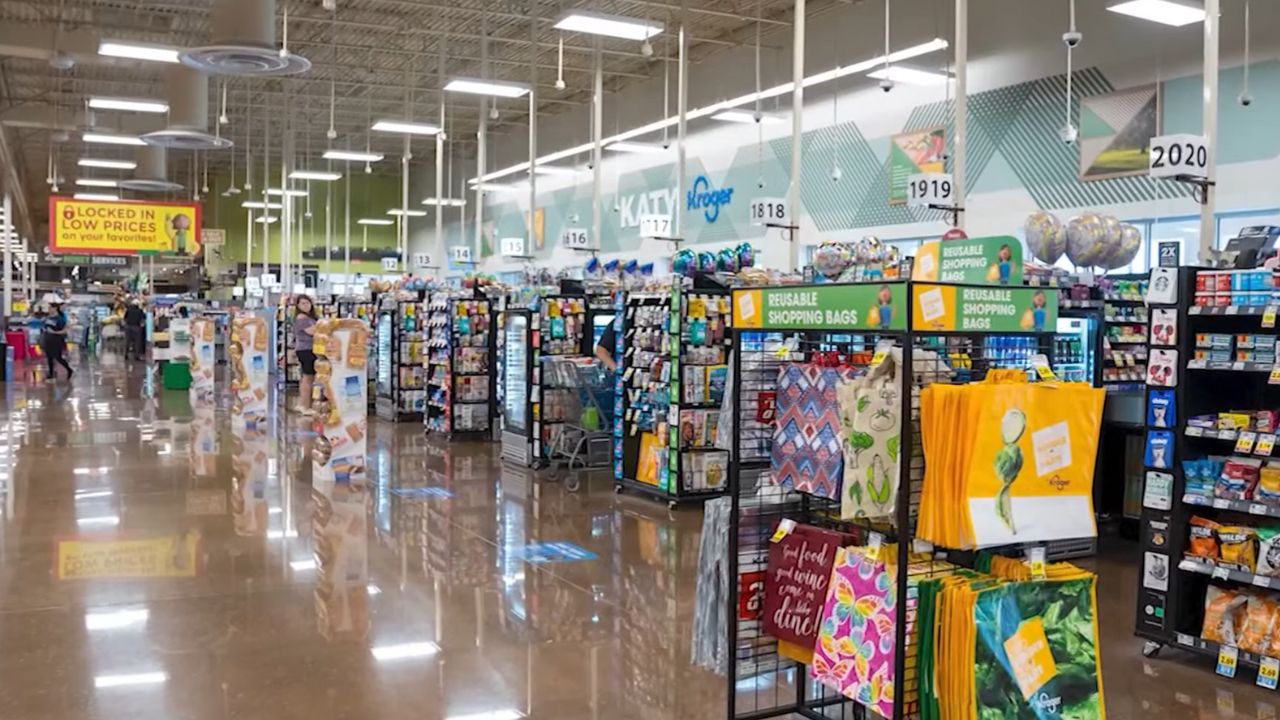
Lower prices come with quieter consequences. As stores and fulfillment centers close, some communities face longer trips for groceries or reduced delivery options.
These effects can hit rural and lower-income areas hardest, where alternatives are limited. The same cost savings that fund price reductions can also reduce convenience and access, complicating claims that the strategy benefits all shoppers equally.
Internal Friction
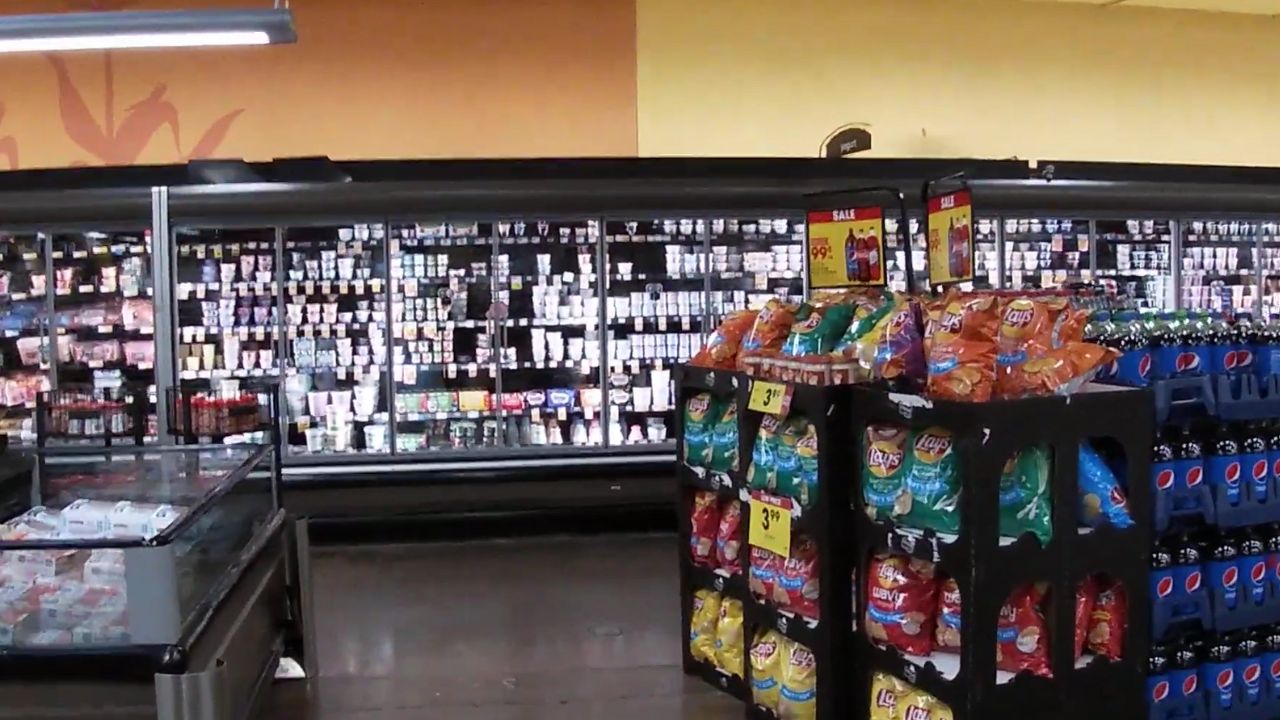
The restructuring has also reached Kroger’s corporate offices, with roughly 1,000 administrative, technology, and digital roles cut. Internal communications describe the changes as efforts to simplify operations and redirect resources closer to stores.
Some employees, particularly in e-commerce teams, were surprised by the cuts given recent digital growth—highlighting tensions between short-term cost control and longer-term innovation.
Leadership Shake-Up
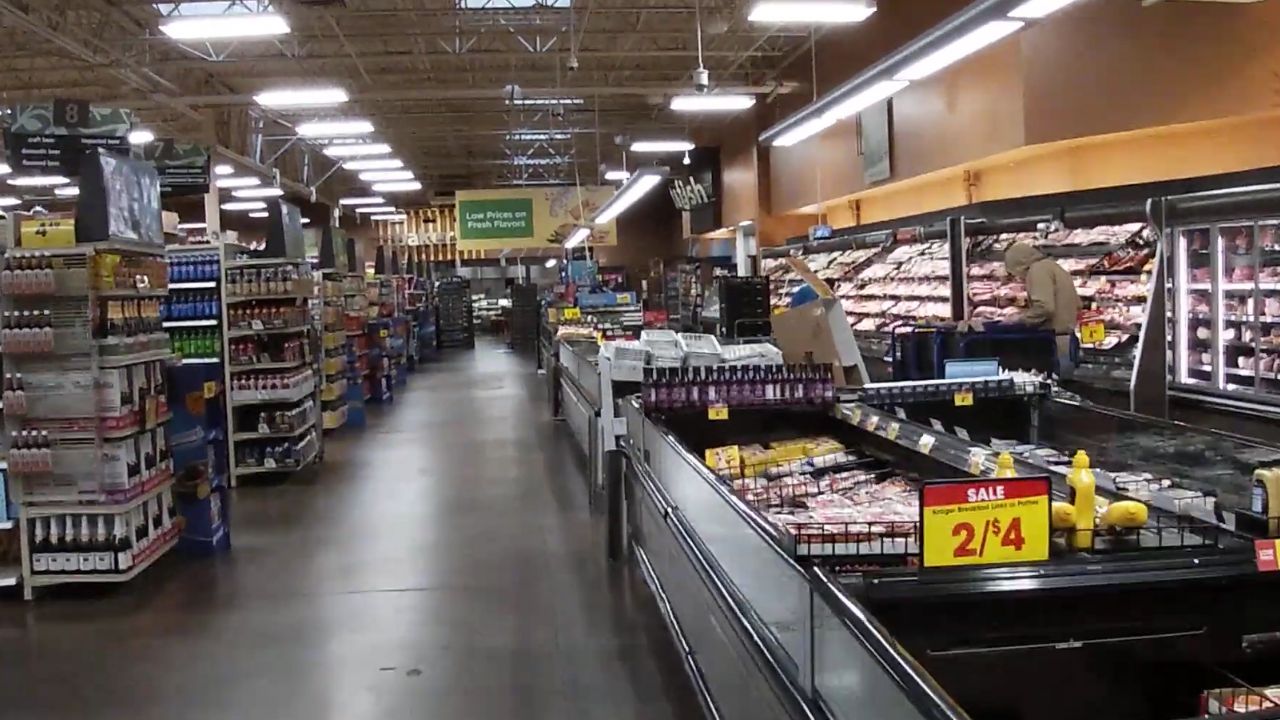
These changes are unfolding under interim leadership. Longtime CEO Rodney McMullen departed in March 2025 following a board investigation into personal conduct, according to business reporting.
Interim CEO Ron Sargent has emphasized structural overhaul, cost discipline, and store-level focus. Leadership transitions often signal deeper shifts, and Kroger’s current direction suggests a narrower investment lens shaped by regulatory limits and margin pressure.
Reinvesting Savings
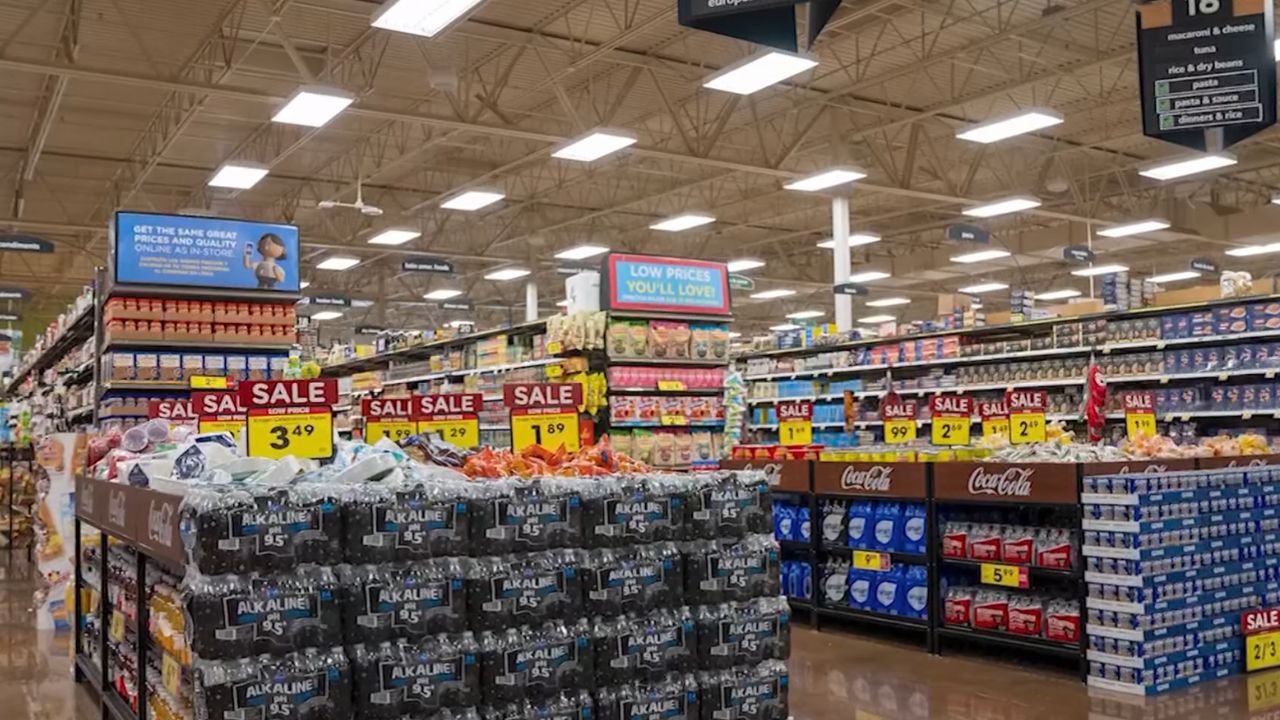
Kroger says savings from job cuts and closures will be reinvested into lower prices, staffing in remaining stores, and selective new or remodeled locations. The company has outlined plans involving dozens of store projects alongside roughly 60 closures.
Executives argue that trimming back-office roles and weaker locations allows Kroger to concentrate on “running great stores” in stronger markets—betting that visible value outweighs backlash.
Traditional Model Tested
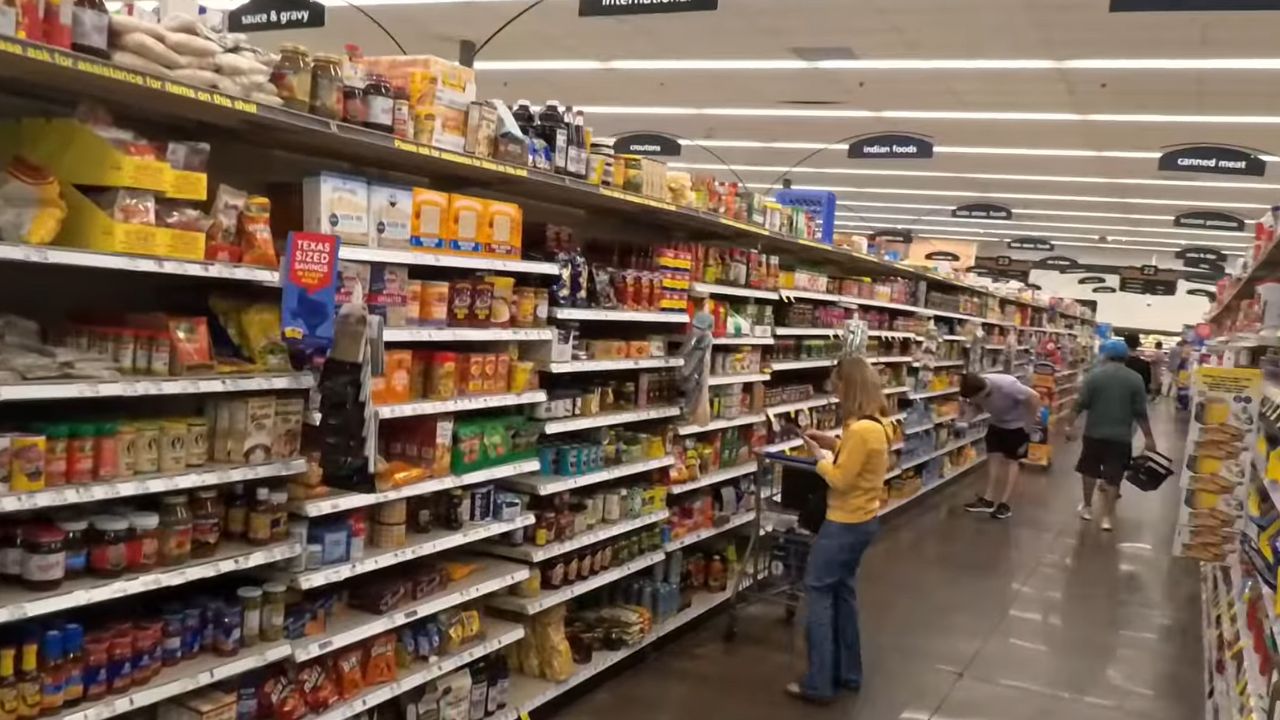
Analysts say Kroger’s traditional supermarket model faces mounting pressure from discounters, warehouse clubs, and e-commerce platforms.
While full-line stores still anchor many communities, Kroger is pushing data-driven promotions and online ordering through its analytics arm, 84.51°.
Some observers question whether cutting digital staff while chasing volume through lower prices will leave the company agile enough to compete long-term.
Future Of Food Access
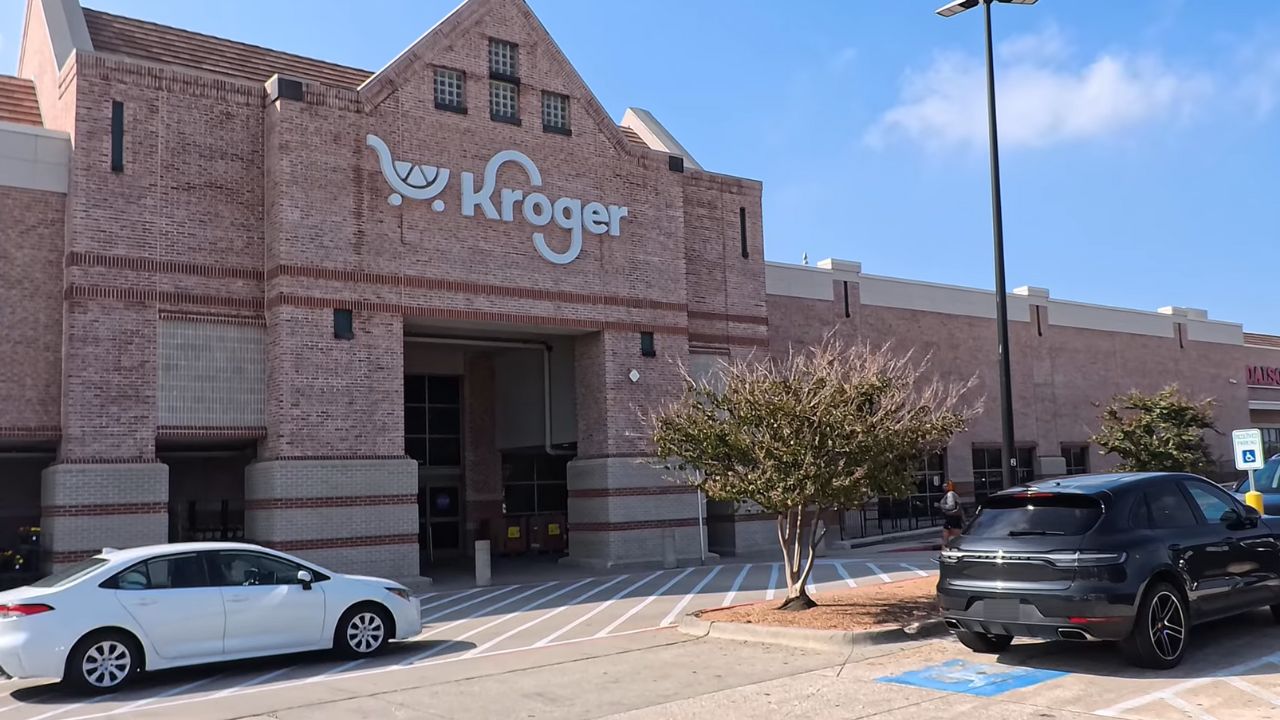
As Kroger cuts jobs, closes facilities, and expands price reductions across thousands of items, it faces a defining challenge: can a traditional grocer stay competitive without deepening food deserts or eroding frontline work?
With regulators wary of megamergers, Kroger’s future may depend on how well it balances affordability, worker stability, and access to fresh food—at a moment when grocery economics are being reshaped nationwide.
Sources:
“Federal judge blocks largest supermarket merger in history.” CNN, 10 Dec 2024.
“Kroger Announces Resignation of CEO Rodney McMullen.” Kroger Investor Relations, 02 Mar 2025.
“Kroger is cutting nearly 1000 corporate jobs.” USA Today, 27 Aug 2025.
“Kroger CEO has a harsh solution to rising prices in stores.” Yahoo Finance, 07 Dec 2025.