Microsoft has introduced controversial security banners designed to discourage Windows users from downloading Google Chrome. The update displays multiple warning screens when users attempt to download Chrome through Microsoft Edge, promoting Edge as the safer alternative.
However, the 1.8 billion users referenced in headlines aren’t uniformly blocked—friction tactics instead target Windows users accessing Chrome’s download page via Edge specifically.
How the Barrier Actually Works
When Windows users navigate to google.com/chrome through Edge, they encounter a security-focused banner claiming Edge offers better protection.
The message reads “Protect privacy with Microsoft” and includes a button linking to Microsoft’s Online Safety page. Users must click through this initial warning to continue. This first intervention is designed to create pause and encourage reconsideration before proceeding with Chrome installation.
The Cascade of Promotional Screens
If users persist past the first warning, a second intervention appears featuring comparison tables. These tables present Edge with checkmarks across features like security, speed, and Windows optimization, while Chrome receives X marks.
A third promotional banner then emphasizes “the added trust of Microsoft” and mentions that Edge runs on Chromium technology. Each successive screen compounds the friction, accumulating barriers rather than presenting isolated warnings.
Understanding the 1.8 Billion Figure
The 1.8 billion number appears in headlines worldwide but requires context. This figure represents total global Chrome users from U.S. Department of Justice antitrust filings examining Google’s market dominance.
However, this number doesn’t reflect those directly affected by Microsoft’s update. The barrier specifically targets Windows users attempting Chrome installation via Edge—a substantially smaller, though still significant, population segment.
Market Share Reality Check

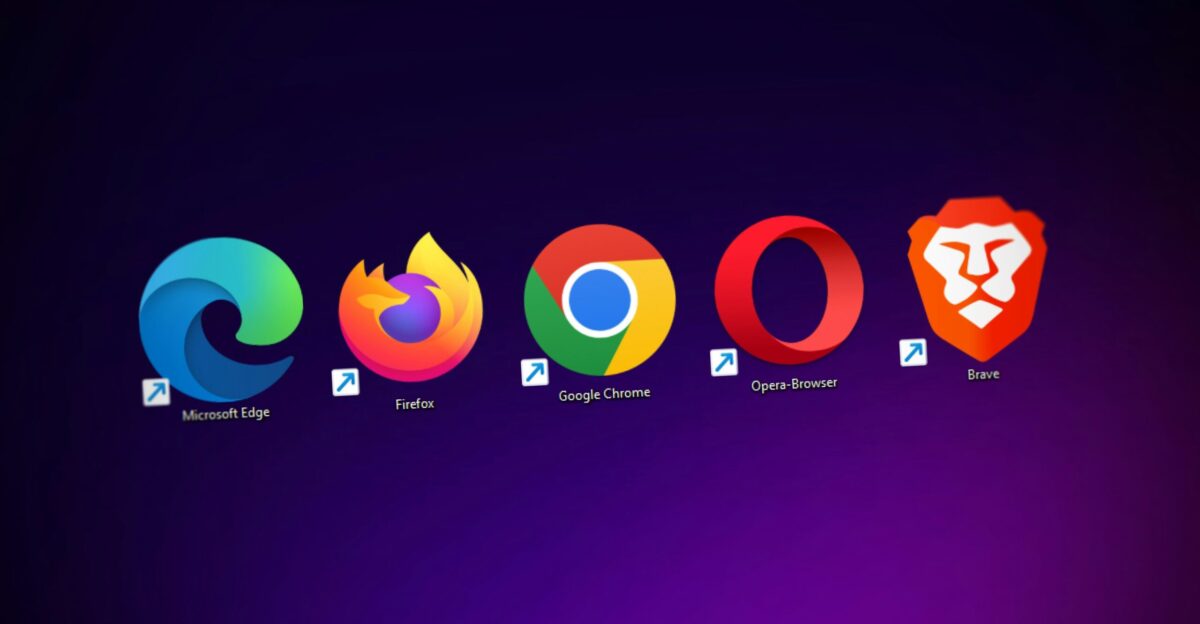
Current browser market data tells the story of Chrome’s continued dominance despite Microsoft’s interventions. Chrome commands approximately 68% of the global browser market as of July 2025.
Microsoft Edge holds roughly 5% global market share, though it captures 11.79% of desktop browser usage. Safari ranks second overall with 17% global share. These figures demonstrate that Microsoft’s friction tactics haven’t substantially altered user preferences despite years of implementation.
Desktop vs. Mobile Market Dynamics

Desktop browsing shows different dynamics than overall market percentages. Edge captures 11.79% of desktop browser usage globally, positioning it as the second desktop browser behind Chrome’s dominant presence.
However, on mobile platforms, Edge holds only 0.53% market share, highlighting its dependence on Windows desktop integration. This disparity explains why Microsoft focuses friction tactics on Windows download scenarios rather than attempting mobile browser conversion.
The Security Narrative: Fact vs. Marketing
Microsoft frames its banners around security, highlighting SmartScreen protection and Windows Defender integration.
The company emphasizes features like hardware-based isolation and password protection. However, both Chrome and Edge are built on identical Chromium technology, sharing the same underlying vulnerabilities. Both browsers face identical threats from infostealers and malware, undermining Microsoft’s exclusive safety positioning.
Recent Vulnerabilities Affecting Both Browsers
In December 2025, Google released security patches addressing 13 vulnerabilities across Chrome, including a high-severity flaw in Digital Credentials tracked as CVE-2025-13633.
This vulnerability affected Chrome users specifically, but Edge users face comparable risks from its own security issues. The mutual vulnerability landscape demonstrates that security threats transcend browser choice, supporting skepticism toward Microsoft’s safety-exclusive messaging.
Historical Context: A Pattern of Interventions
This update continues a decade-long pattern of Microsoft browser interventions. In 2023, Microsoft inserted promotional banners into Chrome’s download page when accessed via Edge, a tactic that drew criticism for anti-competitive behavior.
The company has also employed slower download speeds for Chrome, compatibility warnings, and UI modifications designed to make Chrome installation less seamless. Each intervention has failed to significantly shift market share away from Chrome.
Enterprise Advantage: Where Edge Actually Gains Traction
Microsoft’s strongest market for Edge isn’t consumers but enterprises. Corporate environments running Windows servers and Microsoft Office suites integrate Edge seamlessly.
IT departments can restrict browser downloads and enforce Edge as the default through group policies documented on Microsoft Learn. This enterprise dominance provides Microsoft’s competitive advantage, though it doesn’t extend meaningfully to consumer preference.
The Dark Pattern Controversy

Technology communities and user forums describe Microsoft’s tactics as “dark patterns”—design choices that manipulate user behavior through friction rather than honest information.
Posts on X (formerly Twitter) and Reddit reveal frustration with cascading promotional screens that feel coercive rather than protective. Developers particularly criticize the approach as exploiting Windows’ default browser position to unfairly disadvantage competitors, raising questions about market fairness.
Regulatory Scrutiny in Europe and Beyond

European antitrust authorities have long scrutinized similar tactics by Microsoft. The European Union’s Digital Markets Act constrains how designated gatekeepers can leverage ecosystem advantages to promote proprietary alternatives.
Officials in Brussels have questioned browser bundling practices and whether safety claims mask anti-competitive intent. U.S. antitrust discussions may follow similar trajectories, potentially forcing Microsoft to modify its approach.
Comparing Google’s Chrome Promotion Strategy
Google employs its own promotional tactics through Chrome’s Enhanced Safe Browsing mode and integration with Android devices. The company promotes Chrome across its ecosystem and occasionally discourages alternative browsers in subtle ways.
Both technology giants use safety narratives to justify preferential treatment of their own products. This mutual behavior suggests an industry-wide arms race where browsers compete on trust rather than solely on features or performance.
User Workarounds: How People Bypass the Barriers

Technically savvy Windows users have discovered simple workarounds to avoid Microsoft’s promotional screens. Downloading Chrome directly from google.com/chrome rather than through Edge eliminates the security banner intervention. Using alternative browsers like Firefox to access the Chrome download page bypasses Edge-specific barriers entirely.
Tech forums document these workarounds extensively, suggesting that friction tactics may frustrate without substantially converting users.
Microsoft Edge’s Specific Advantages Worth Considering

Despite the controversy, Edge offers genuine features appealing to some users. The browser includes AI-assisted browsing through Copilot integration, vertical tabs for organizing multiple windows, and seamless Microsoft Teams integration.
Edge loads certain websites faster and offers superior password management for Microsoft account holders. These legitimate advantages could justify competitive positioning without resorting to friction tactics.
The Broader Question of Browser Choice
The Microsoft-Chrome competition raises fundamental questions about platform responsibility and user autonomy. Should operating system developers actively discourage competing browsers, even citing security concerns? Consumers reasonably expect their operating system to remain neutral on application choices while providing security protections.
Microsoft’s approach blurs this distinction by framing browser preference as a security decision rather than personal choice.
What This Means for Global Users

Windows users worldwide will encounter these promotional screens when downloading Chrome through Edge. South African users, like those globally, can still successfully install Chrome despite the barriers.
However, the experience involves additional friction and persuasive messaging designed to convert users to Edge. Individuals valuing Chrome should understand these friction tactics are intentional design choices, not technical limitations preventing installation.
Looking Forward: Evolution in Browser Competition

Industry analysts predict Microsoft will refine these tactics further. Upcoming experiments focus on softer messaging emphasizing Edge’s privacy features without directly attacking Chrome. As AI integration becomes deeper—with Edge promoting Copilot versus Chrome promoting Gemini—security will remain a differentiator.
The question remains whether friction and persuasion prove effective long-term strategies for browser market share in an era where user preference strongly favors Chrome.
Industry Implications and Future Precedent

This escalation in browser friction tactics sets a concerning precedent for how technology platforms may compete in the future. If Microsoft’s approach succeeds partially, expect similar strategies across software ecosystems where dominant platforms push proprietary alternatives.
Competitors may adopt comparable friction tactics, potentially degrading user experience across multiple platforms. Regulatory bodies worldwide will likely scrutinize whether these practices violate fair competition standards and whether consumer protection laws require intervention.
The Verdict: Friction Over Genuine Blocking

Ultimately, Microsoft hasn’t technically blocked 1.8 billion users from downloading Chrome. Instead, the company deployed escalating friction tactics exploiting its Windows dominance to discourage Chrome adoption.
Users can still install Chrome despite promotional barriers, though the experience involves additional steps and persuasive messaging. Whether these tactics prove effective or merely frustrate users awaits data, but historical precedent suggests Microsoft’s friction interventions haven’t substantially altered browser market dynamics.
Sources:
“Microsoft Updates Windows ‘To Stop Users From Downloading Google Chrome.'” Forbes, 18 Dec 2025.
“Microsoft’s Edge Safety Banners Target Chrome Downloads Over Security Concerns.” WebProNews, 16 Dec 2025.
“Microsoft Edge Statistics By Market Share And Trends (2025).” ElectroIQ, Aug 2025.
“Browser Download Restriction Policies and Edge Feature Documentation.” Microsoft Learn, 2025.
“Antitrust Findings of Fact – Google Search Monopoly.” U.S. Department of Justice, May 2025.