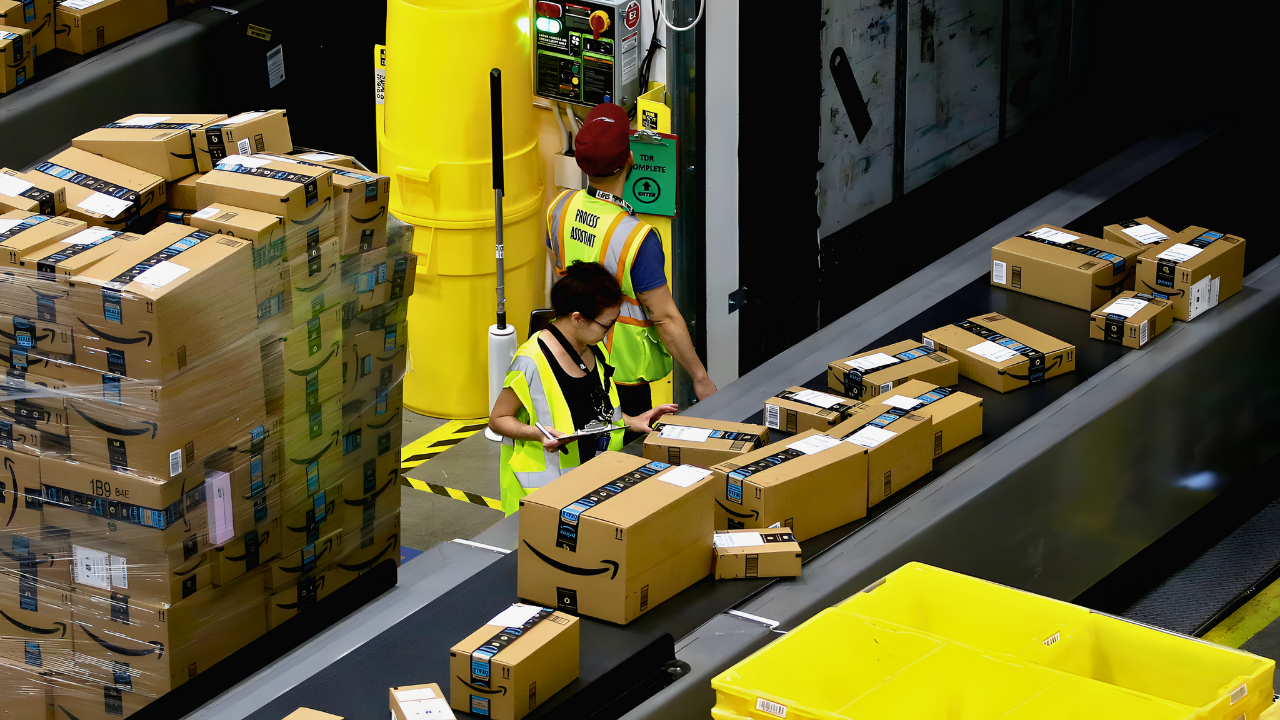
Office lights were still on across Amazon buildings in Seattle when the numbers became public: nearly 2,400 Washington jobs cut in a single year. WARN filings listed dozens of offices, shrinking teams, and dates stretching into early 2026.
Engineers, recruiters, and product managers were named on the notices as schedules and payrolls shifted. At the same time, Amazon confirmed it was committing more than $100 billion to artificial intelligence infrastructure. The contrast raised a question that wouldn’t go away.
A $100 Billion Pivot

Amazon plans to spend more than $100 billion in 2025, with most of that capital flowing into AI infrastructure, including data centers and custom chips. The scale dwarfs previous investment cycles.
As resources shift toward machines and computing power, corporate headcount tightens. Washington, home to Amazon’s headquarters, is feeling the imbalance first. The contrast is stark: record investment on one side, thousands of eliminated jobs on the other.
From Hiring Boom to Freeze
After pandemic-era expansion, Amazon’s corporate workforce peaked at roughly 350,000 employees globally. About 50,000 were based in Seattle and another 14,000 in Bellevue. That growth wave reversed sharply.
Between 2022 and 2023, Amazon cut 27,000 jobs. By 2025, a hiring freeze set in, and efficiency became the new mandate. The pullback reflects a broader recalibration across Big Tech.
Return-to-Office Pressure
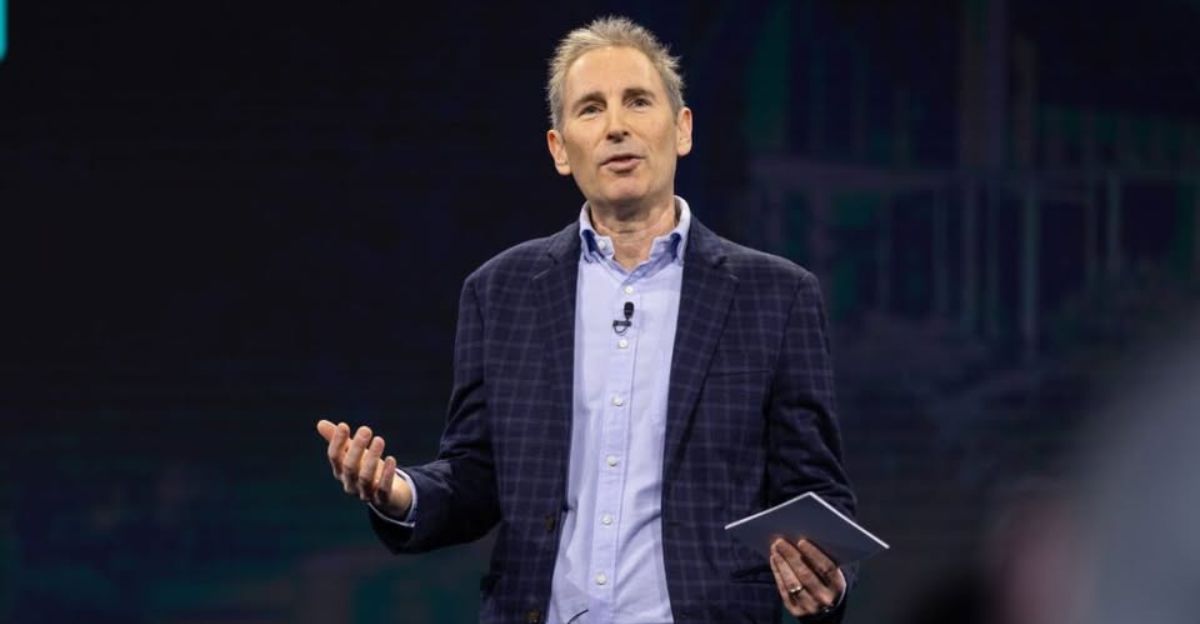
CEO Andy Jassy enforced a five-day return-to-office policy, expecting natural attrition to thin ranks. When that failed to materialize at scale, deeper structural cuts followed. Amazon leadership began targeting management layers and overlapping functions.
AI automation further accelerated the process. In Washington’s tech corridor, the result has been rising anxiety, softening office demand, and mounting uncertainty for white-collar workers.
84 More Jobs Disclosed
In December 2025, Amazon filed notice of 84 additional layoffs scheduled between February 2 and February 23, 2026. The cuts affect engineering, recruiting, software development, and product management roles across Seattle and Bellevue.
Amazon spokesperson Brad Glasser described them as “individual business decisions,” separate from earlier global reductions. Still, the timing suggests continued trimming rather than a clean break from layoffs.
Washington’s Growing Toll

With these latest reductions, Amazon’s total Washington job cuts in 2025 approach 2,400. October alone accounted for about 2,303 Seattle-area positions.
The February wave includes roughly 70 employees across 30 Seattle offices, eight in Bellevue, and six remote workers. Washington’s new mini-WARN law, effective July 2025, forced public disclosure—bringing transparency to what might otherwise remain hidden.
Support for Affected Workers
Amazon says impacted employees will receive 90 days of full pay and benefits, transitional health coverage, and job placement assistance. Notifications began in early November, exceeding the 60-day minimum required under state law.
Glasser emphasized that decisions were not made lightly. Yet for many workers, repeated rounds of layoffs have eroded morale, leaving teams strained and workloads heavier for those who remain.
Microsoft Follows Suit

Amazon is not alone. Microsoft cut more than 15,000 jobs globally from May through July 2025, including over 3,100 positions in Washington.
Like Amazon, Microsoft continues to report strong revenues while redirecting resources toward AI. Together, the cuts from Seattle’s two largest tech employers have reshaped the region’s labor market in a single year.
The AI Arms Race
Despite layoffs, Amazon’s AI spending is accelerating. The company is expanding hyperscale data centers and developing custom chips to support generative AI workloads.
Leadership frames the strategy as essential for long-term competitiveness. Internally, executives describe AI as the most transformative shift since the internet. The message is clear: efficiency and speed now outweigh headcount growth.
Inside the October Cuts
October’s layoffs revealed the breadth of Amazon’s restructuring. Software engineers, program managers, product managers, designers, recruiters, and HR staff were all affected.
The reductions aligned with Amazon’s global plan to eliminate roughly 14,000 corporate roles. Jassy positioned the move as streamlining rather than contraction—a refocus on fewer priorities with higher strategic impact, especially in AI.
Morale Under Strain
Anonymous employees in Seattle have described declining morale amid continuous restructuring. Teams are expected to deliver the same output with fewer colleagues.
In internal messages, Amazon leadership acknowledged the strain, noting that the pace of technological change demands leaner organizations. Still, frustration persists as workers grapple with job insecurity in what was once considered one of tech’s safest employers.
Jassy’s Lean Blueprint
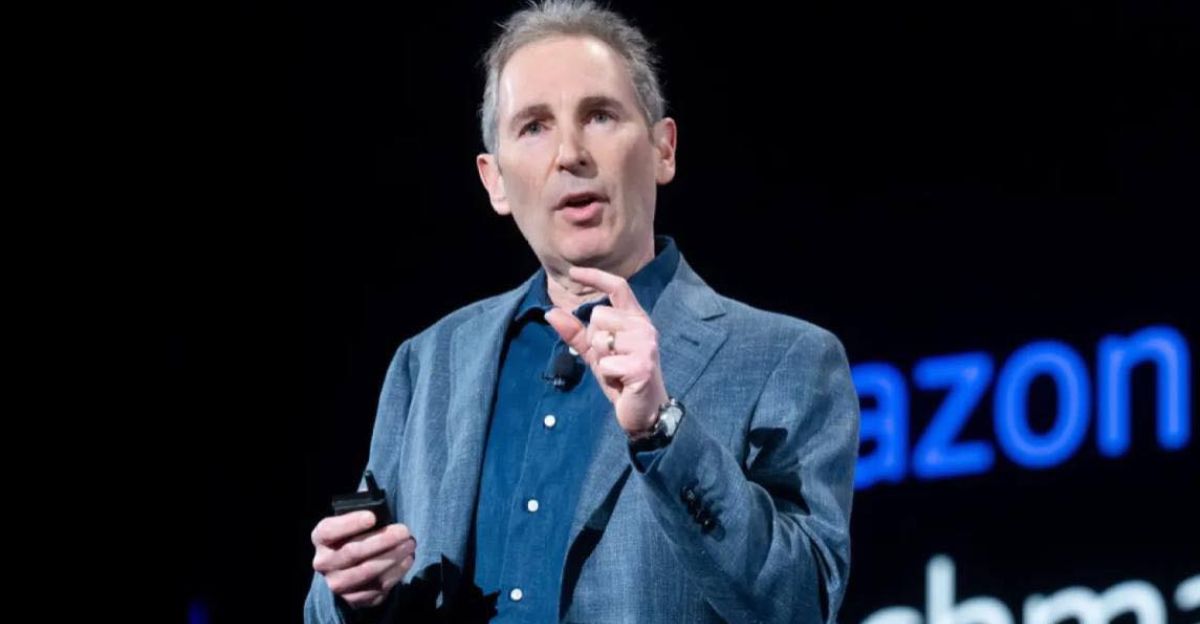
Jassy has made efficiency central to Amazon’s future. He has warned that AI automation will eliminate many routine corporate tasks. An internal feedback channel produced suggestions for reducing inefficiencies, leading to hundreds of operational changes.
Management layers are being flattened, with leadership betting that fewer approvals and clearer ownership will boost execution speed.
Selective Hiring Continues
Even amid layoffs, Amazon says it will continue hiring selectively in priority areas such as AI, cloud computing, and infrastructure. Some employees have been able to transfer internally to avoid job loss.
The strategy reflects a sharp pivot: reduce corporate overhead while expanding capital-intensive operations. Whether that balance can sustain morale and innovation remains an open question.
Analysts Weigh the Pattern

Economists and analysts note that 84 layoffs alone are modest—but the pattern matters. Repeated cuts signal ongoing restructuring rather than a one-time adjustment.
Civic leaders are watching closely, concerned about downstream effects on office markets, local businesses, and tax revenue. The contradiction is hard to miss: Amazon’s largest-ever investment year coinciding with sustained workforce reductions.
Looking Into 2026
Amazon’s head of HR, Beth Galetti, has warned that layoffs could extend into 2026 as the company removes additional layers. For Washington households, that means prolonged uncertainty.
AI innovation is accelerating, but its benefits may take years to translate into local job growth. The transition period could be painful for the region’s tech workforce.
The Mini-WARN Effect

Washington’s new mini-WARN law requires companies to disclose layoffs affecting more than 50 employees, regardless of company size. The policy has exposed workforce trends that might previously have gone unnoticed.
Supporters argue it gives workers more time to prepare and access reemployment resources. In a volatile tech economy, transparency has become a critical safeguard.
Global Ripples
Amazon’s workforce reductions stretch far beyond Washington, touching offices from Sunnyvale to Austin and international hubs as well.
The AI infrastructure buildout draws global talent and capital, reshaping labor demand worldwide. Partners such as Anthropic benefit from the spending surge, even as traditional corporate roles shrink across regions.
Legal and Environmental Factors

The 90-day notice provided to workers exceeds both state and federal requirements. While no mass facility closures have been announced, the scale of AI infrastructure raises other concerns.
Data centers demand enormous amounts of electricity and water, adding environmental pressure to regions hosting them. The AI transition carries costs beyond payroll alone.
A Cultural Shift

The layoffs highlight a deeper cultural change in tech. Younger workers face AI automating entry-level roles, while veterans question long-term loyalty.
The prevailing ethos is shifting toward a “scrappier” model, where fewer employees manage increasingly powerful tools. For many in Seattle, the perception is that efficiency now trumps stability—even at the industry’s giants.
What the Cuts Signal

Amazon’s Washington layoffs underscore a defining moment for the tech sector. Corporate jobs are being sacrificed to fund an unprecedented AI push. For nearly 2,400 affected workers, the shift is deeply personal.
For the region, it’s a warning sign. The $100 billion bet will test whether leaner organizations can deliver growth—or whether the human cost proves too high.
Sources:
“Amazon lays off more Seattle, Bellevue employees amid corporate restructuring.” Yahoo Finance, 16 Dec 2025.
“Amazon expects to spend $100 billion on capital expenditures in 2025.” CNBC, 6 Feb 2025.
“Microsoft layoffs: 830 jobs cut in Washington state as part of latest global reductions.” GeekWire, 1 Jul 2025.
“Washington Governor signs state’s ‘Mini-WARN Act’.” Ogletree Deelstra, 18 May 2025.