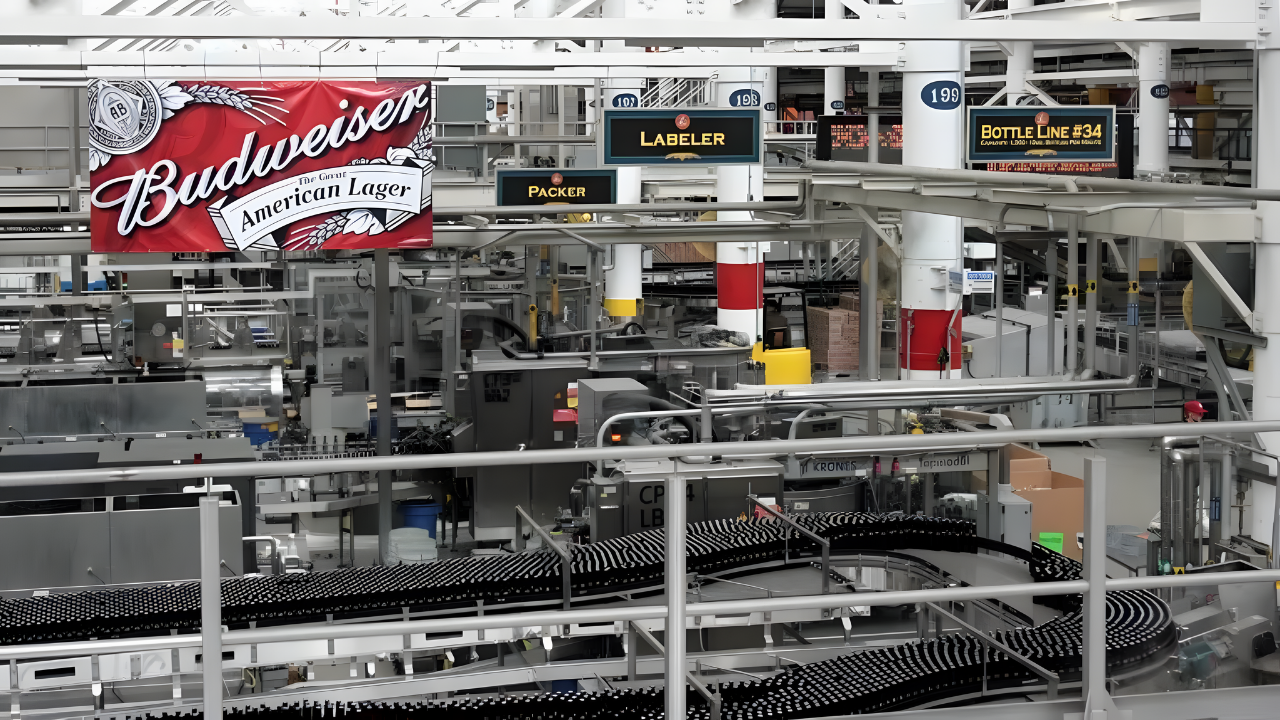
Anheuser-Busch, the maker of Bud Light and other popular beers, plans to shut down three of its U.S. breweries for good. The closures hit plants in Fairfield, California; Merrimack, New Hampshire; and Newark, New Jersey. Announced in mid-December 2025, this move will wipe out 475 jobs. It marks the company’s biggest pullback from American production sites so far.
These shutdowns come as beer sales keep sliding across the country. Americans drank about 3% less beer last year, with total U.S. beer production and imports down 1% in 2024. Craft beers took an even bigger hit, dropping 4%. The affected factories have long histories. Fairfield has brewed beer since 1976, while Newark’s operations date back to 1951. Both sites employed hundreds and supported local businesses and families. Newark’s plant will go up for sale in early 2026, likely to a logistics firm called Goodman Group.
Local leaders worry about the fallout. Fairfield’s closure means the end of nearly 50 years at a site named Busch Drive. Officials there predict losses in utility taxes and wider economic pain for suppliers and communities. Merrimack and Newark face similar issues, with specialized brewery buildings hard to repurpose. This isn’t Anheuser-Busch’s first cut. The company, bought by Belgian giant AB InBev in 2008, already closed plants in Oakland in 2022 and Canton, Ohio, in 2024.
Bud Light Boycott’s Long Shadow
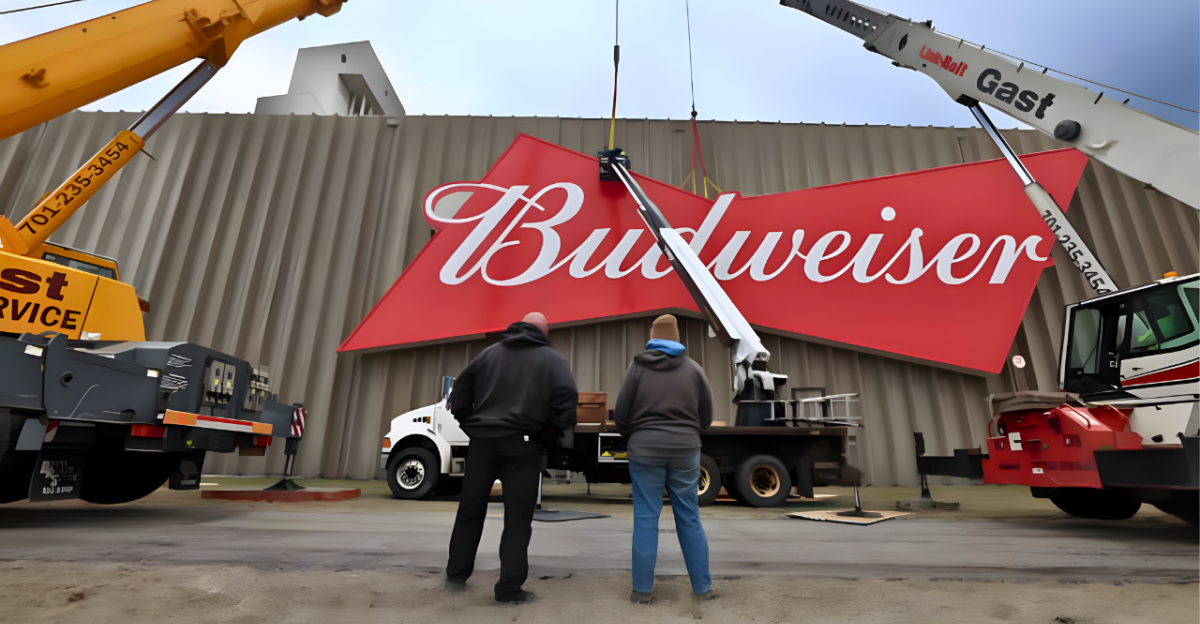
A marketing misstep in 2023 still haunts Anheuser-Busch. The company ran a promotion with transgender influencer Dylan Mulvaney that sparked a nationwide boycott. Sales for Bud Light tanked by $1.4 billion, knocking it off its perch as America’s best-selling beer. The brand has never bounced back.
Profits tell the story. In the third quarter of 2025, Anheuser-Busch’s net income crashed to $1.05 billion, half of the $2.07 billion from the year before. U.S. beer volumes remain weak, pushing the company to overhaul its operations. Executives now focus resources on brands like Michelob Ultra, which appeal to health-conscious drinkers. CEO Brendan Whitworth insists no beer shortages will hit stores, as production shifts to other sites.
This scandal exposed deeper troubles. Beer lost its top spot in the American market, and Anheuser-Busch paid a steep price. The boycott amplified a trend where everyday drinkers turned away from mass-market lagers.
Consumers Switch to New Drinks
Beer faces stiff competition from trendy alternatives. Gallup polls show U.S. alcohol use at record lows. Canned cocktails, hard seltzers, spirits, and non-alcoholic beverages surge in popularity. Big breweries like Anheuser-Busch run at just 75% capacity, below the 85% needed to turn profits at large plants.
Revenue numbers back this up. Anheuser-Busch’s overall sales fell 1.2% in early 2025. U.S. beer revenue dropped 2% in 2024 alone. Shoppers now chase super-premium beers, low-alcohol options, and ready-to-drink cocktails. Younger crowds especially favor seltzers over traditional brews.
The shift forces tough choices. Anheuser-Busch pours money into innovation, but demand stays flat. Breweries idle too much equipment, burning cash without enough output. This landscape explains why closures make sense for survival, even if they hurt workers and towns.
Closures, Support, and Industry Shakeup
Anheuser-Busch offers help to those losing jobs. Workers get choices: relocation to other plants, retraining programs, or severance pay. Strong contracts with the Teamsters union, approved in March 2024, back these efforts.
Production moves to nine surviving U.S. breweries. The company invested $2 billion in upgrades across 100 facilities over five years. In May 2025, it pledged $300 million more for modern equipment and programs to hire veterans. California feels extra pain, 76 jobs vanished at 21st Amendment Brewery, and Rose’s Taproom shut down. Pabst Brewing deals with layoffs too.
The beer world contracts overall. In 2024, 399 breweries closed while just 335 opened. Brewers Association economist Bart Watson calls it “painful rationalization.” Analyst Matt Gacioch says big and small players alike face brutal conditions. Local taxes will drop in California, New Hampshire, and New Jersey, complicating redevelopment. Executives chase efficiency as beer cedes ground to rivals. Anheuser-Busch bets on fresh ideas, but success hangs on reversing sales slides amid fierce market fights.
Sources:
“Anheuser-Busch Shuttering Last Bay Area Brewery.” San Francisco Chronicle, 11 Dec 2025.
“Craft Breweries Adjust to Industry Change as Closings Outpace Openings First Time.” National Alcohol Beverage Control Association (NABCA), 2024.
“US Adult Alcohol Consumption Rate Hits Record Low – Survey.” Just-Drinks, Aug 2025.
“Teamsters Overwhelmingly Ratify 5-Year Contract at Anheuser-Busch.” International Brotherhood of Teamsters, 6 Mar 2024.