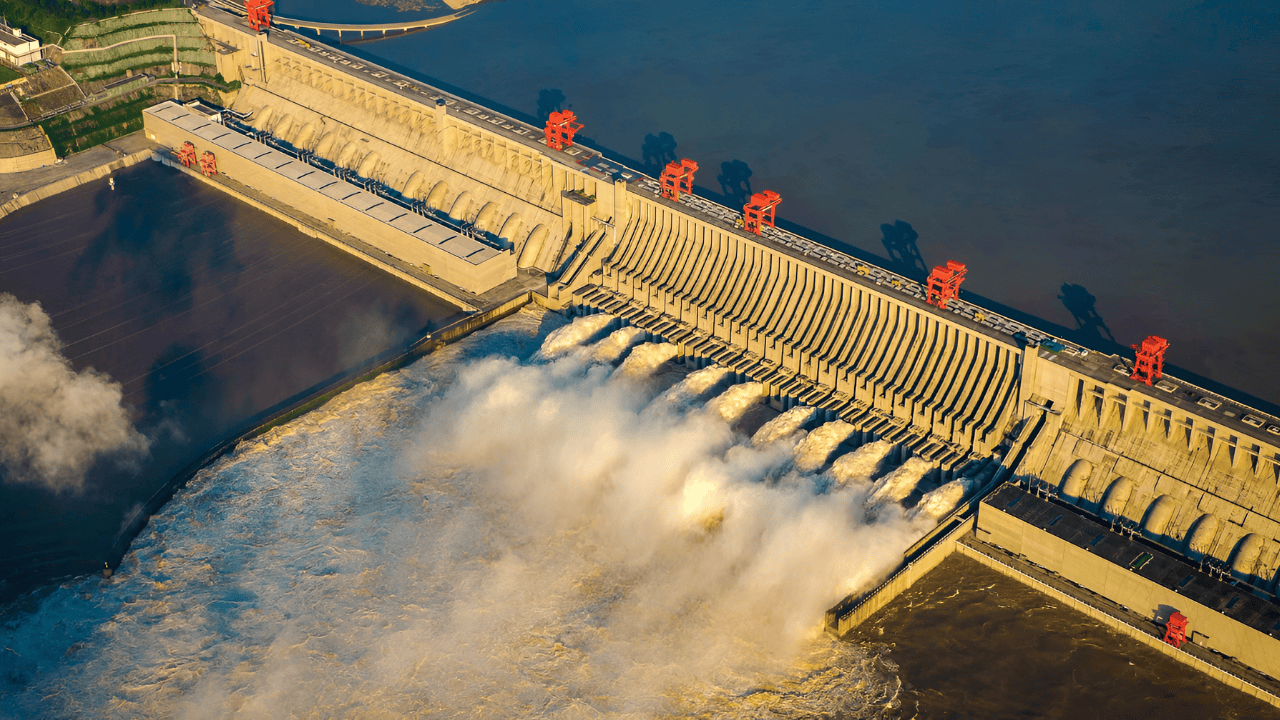
China has launched construction on the world’s most powerful hydroelectric facility—the Yarlung Tsangpo Hydropower Project in Tibet. Approved in December 2024 and officially launched July 19, 2025, this $167 billion undertaking will generate 300 billion kilowatt-hours annually, tripling the Three Gorges Dam’s output.
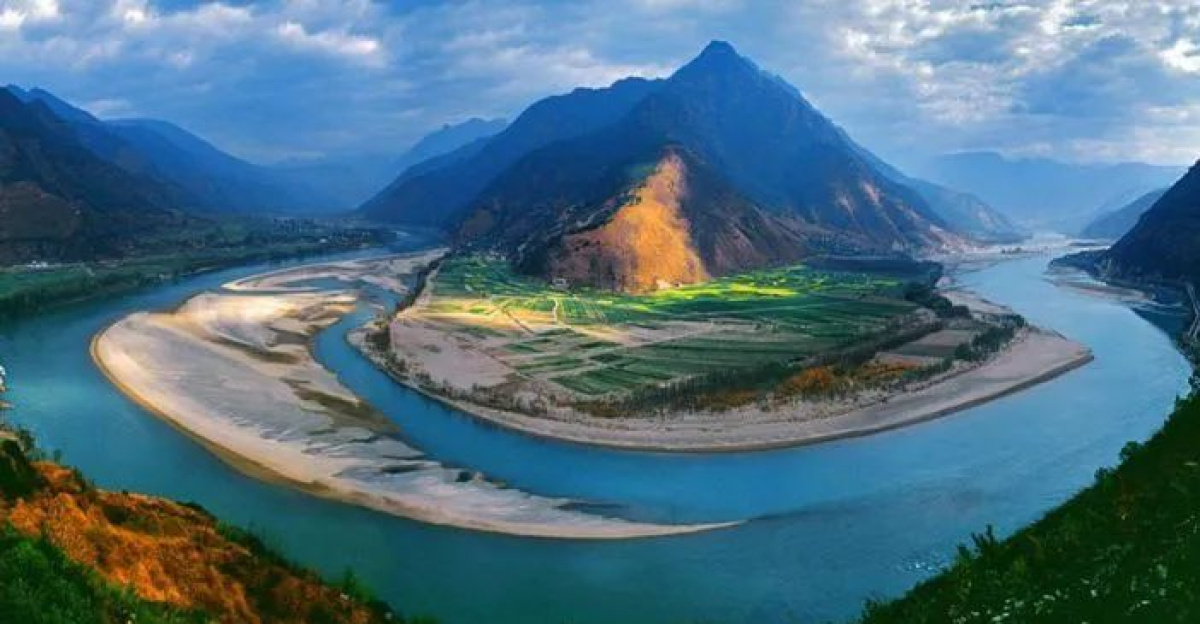
The cascade system features five power stations harnessing a dramatic 2,000-meter elevation drop across a 50-kilometer stretch nicknamed “the Great Bend.”
Engineering at the Frontier
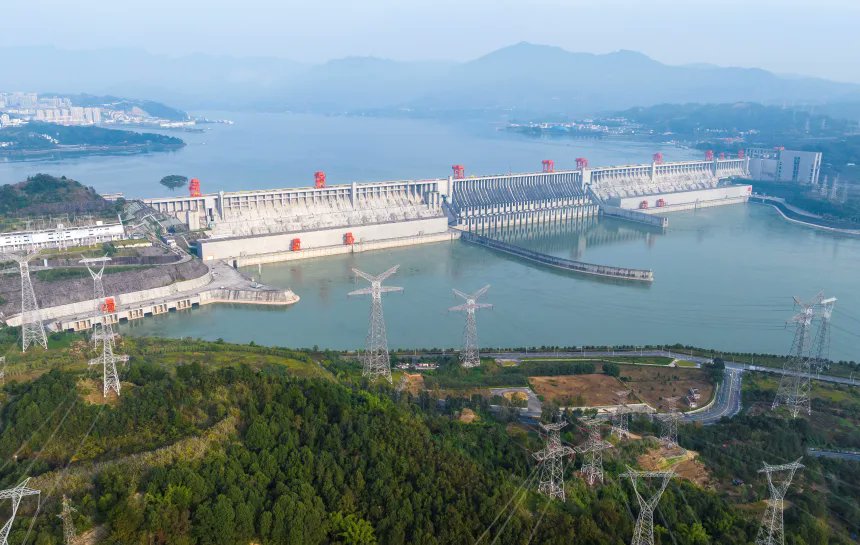
The project represents unprecedented engineering innovation with features never attempted before. Engineers plan to excavate tunnels exceeding 20 kilometers through mountains, utilizing the world’s highest water head of 2,300 meters to power massive Pelton turbines.
The design incorporates earthquake-resistant construction rated IX-degree seismic fortification, self-healing concrete, and AI-powered structural monitoring to withstand extreme geological conditions.
Harnessing the Deepest Canyon

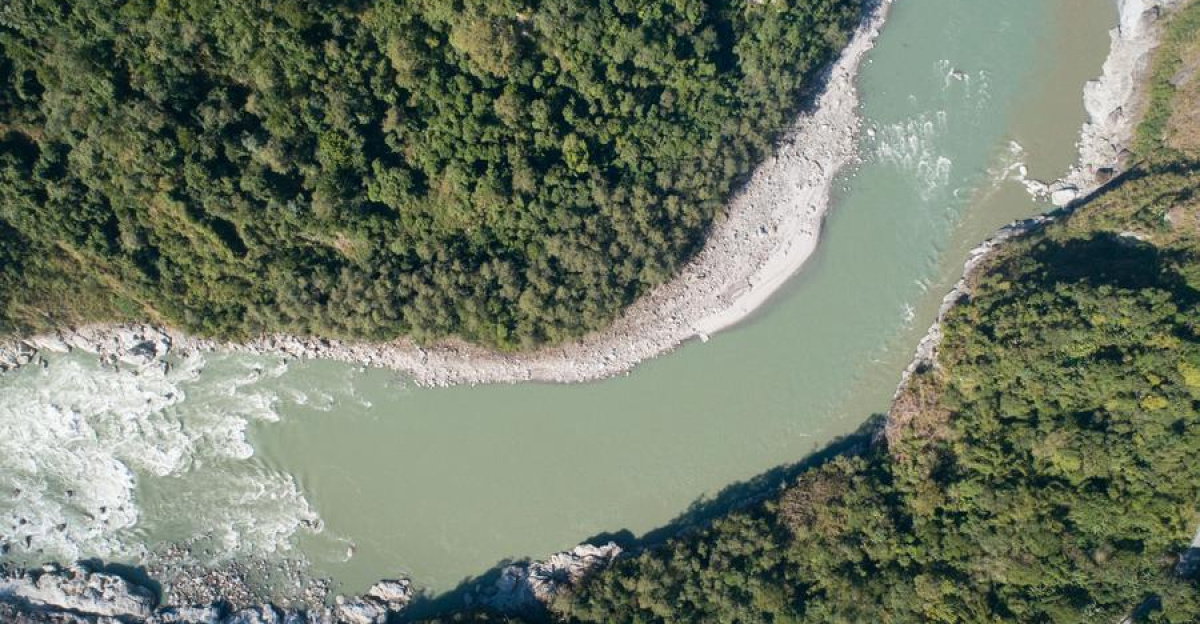
The Yarlung Tsangpo flows through Earth’s deepest canyon, averaging 2,268 meters depth with maximum depths reaching 6,009 meters near Namcha Barwa mountain.
This unique topography offers extraordinary hydroelectric potential—the river drops roughly 25,152 feet from Tibet’s Qinghai-Tibetan Plateau before entering India as the Brahmaputra. The site’s natural geography makes it “one of the most hydropower-rich rivers in the world.”
China’s Carbon Neutrality Strategy
The Yarlung project directly supports China’s dual carbon goal: peaking emissions by 2030 and achieving carbon neutrality by 2060. At 300 TWh annually—equal to the UK’s total consumption—the facility could displace approximately 250 million tonnes of CO₂ compared to coal-fired generation.
Hydropower already supplies 425 GW of China’s 1,950 GW generation fleet, but the dam dramatically accelerates the country’s clean energy transition.
Transmission to Eastern China
Ultra-high-voltage direct-current lines operating at ±800 kV will transport electricity over 1,900-2,700 kilometers to central and eastern China’s industrial centers. The power grid enables electricity transmission in approximately nine milliseconds, providing stable supply essential for expanding data centers and AI infrastructure.
This West-to-East Power Transmission Program represents critical infrastructure supporting China’s strategic energy independence.
Economic Investment and Development
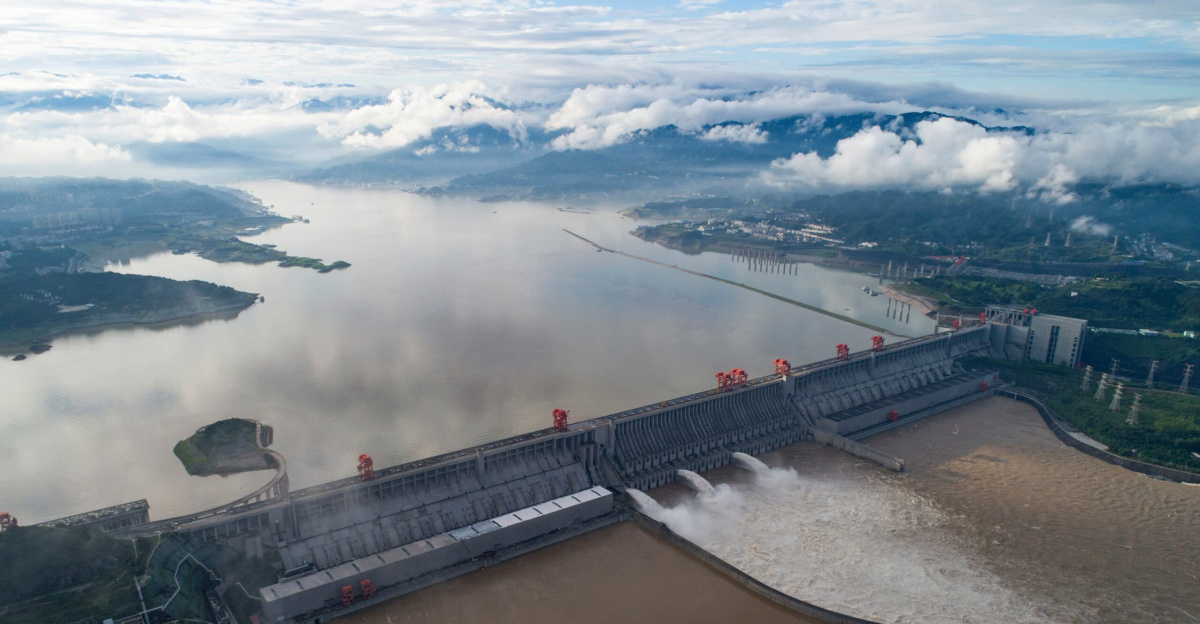
The project exceeds 1.2 trillion yuan ($167-170 billion), surpassing the Three Gorges Dam’s 250 billion yuan cost and many global megaprojects.
Projected annual revenue reaches $20 billion, representing 67 percent of Tibet’s 2024 fiscal income, fundamentally transforming regional economics. The initiative promises thousands of construction jobs and stimulates domestic supply chains for turbines and transmission equipment.
Strategic National Significance
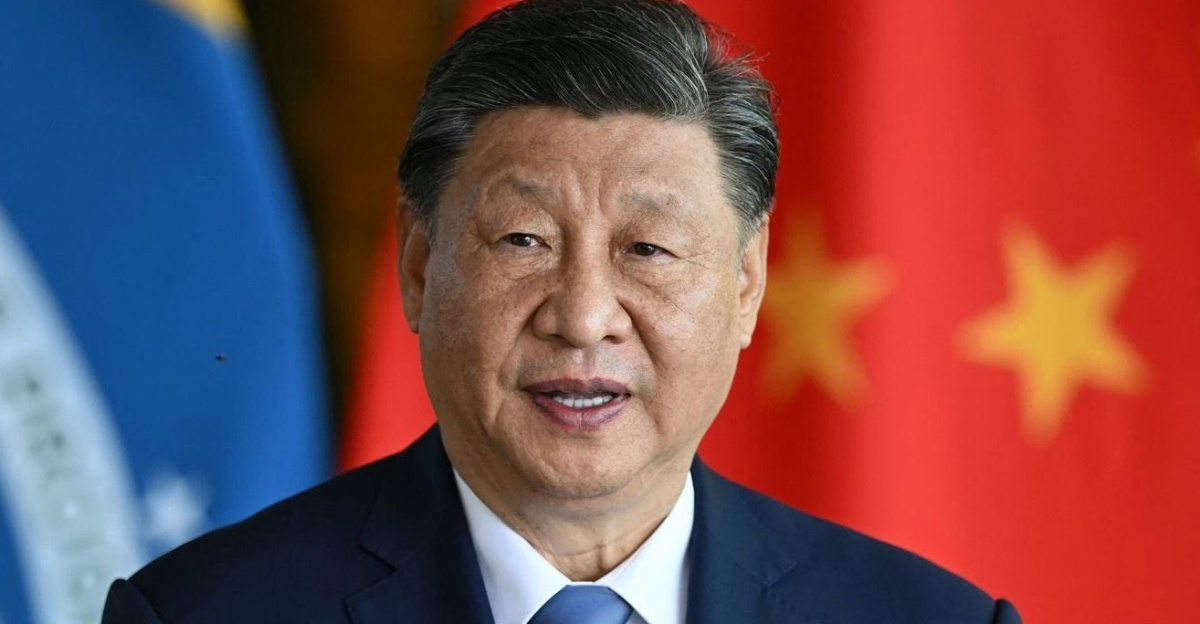
President Xi Jinping personally urged that the project be “pushed forward vigorously, systematically, and efficiently,” demonstrating its central importance to national strategy.
The creation of China Yajiang Group—ranking 22nd among central state-owned enterprises—underscores the project’s elevated national status. Officials describe it as simultaneously advancing ecological conservation, national security, livelihood improvement, energy independence, and international cooperation objectives.
India’s Escalating Concerns

India has formally conveyed concerns through diplomatic channels regarding upstream water control impacts on the Brahmaputra basin.
Chief Minister Pema Khandu warned the dam could reduce water flow by up to 80 percent and potentially function as a “water bomb” if China released water suddenly during conflicts. India’s Ministry emphasized that “interests of downstream nations” must not be compromised.
Bangladesh and Transnational Tensions
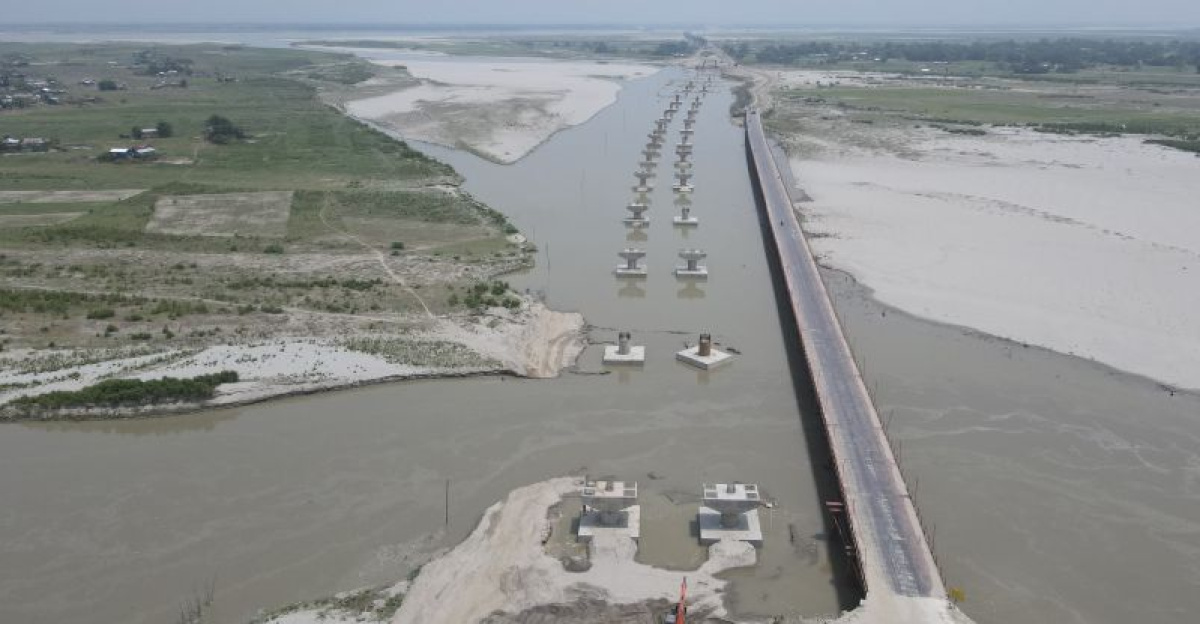
Bangladesh also expressed alarm about potential water supply threats and data-sharing gaps, requesting environmental impact assessments and feasibility studies. The Brahmaputra River supports irrigation and livelihoods for hundreds of millions across South Asia.
Both downstream countries worry China lacks transparency regarding operational protocols, preventing independent assessment of impacts on agriculture, fishing, and seasonal flood patterns.
Ecological Devastation Warnings
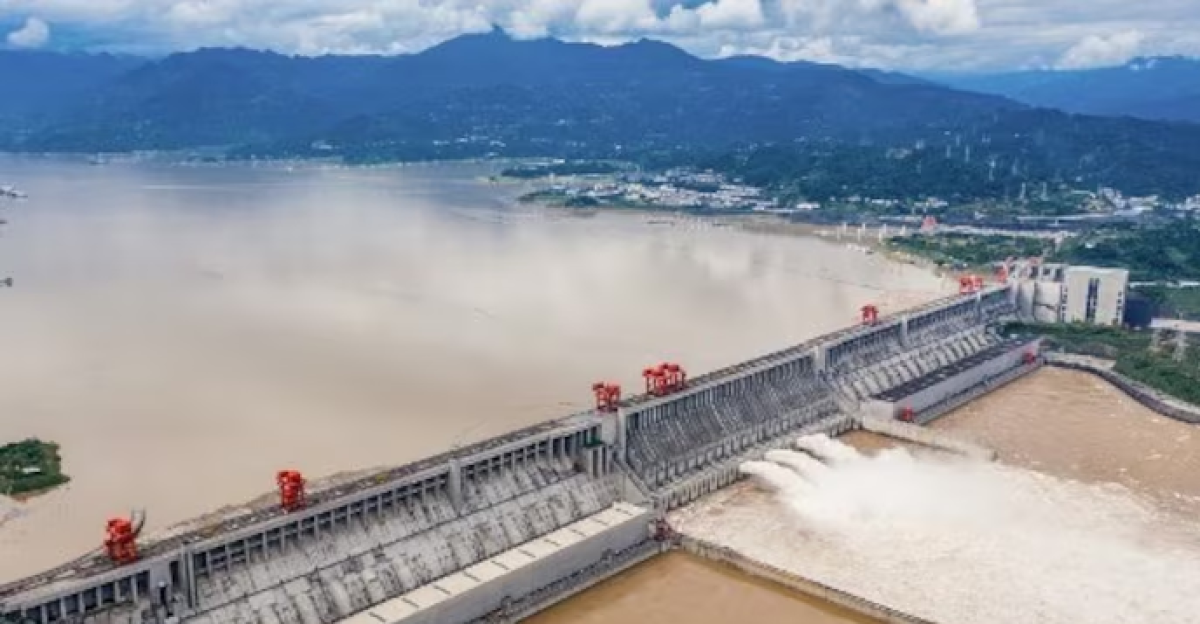
The Yarlung Tsangpo canyon constitutes one of Earth’s most biodiverse regions hosting Bengal tigers, snow leopards, and clouded leopards in their only coexistence zone.
Engineers warn construction would submerge intact forests, fragment ecosystems, and sever wildlife migration corridors critical for survival of endangered species. The area contains 4,500 plant species and Asia’s tallest tree—a 1,000-year-old cypress exceeding 330 feet.
Seismic Hazard in Fault Zones
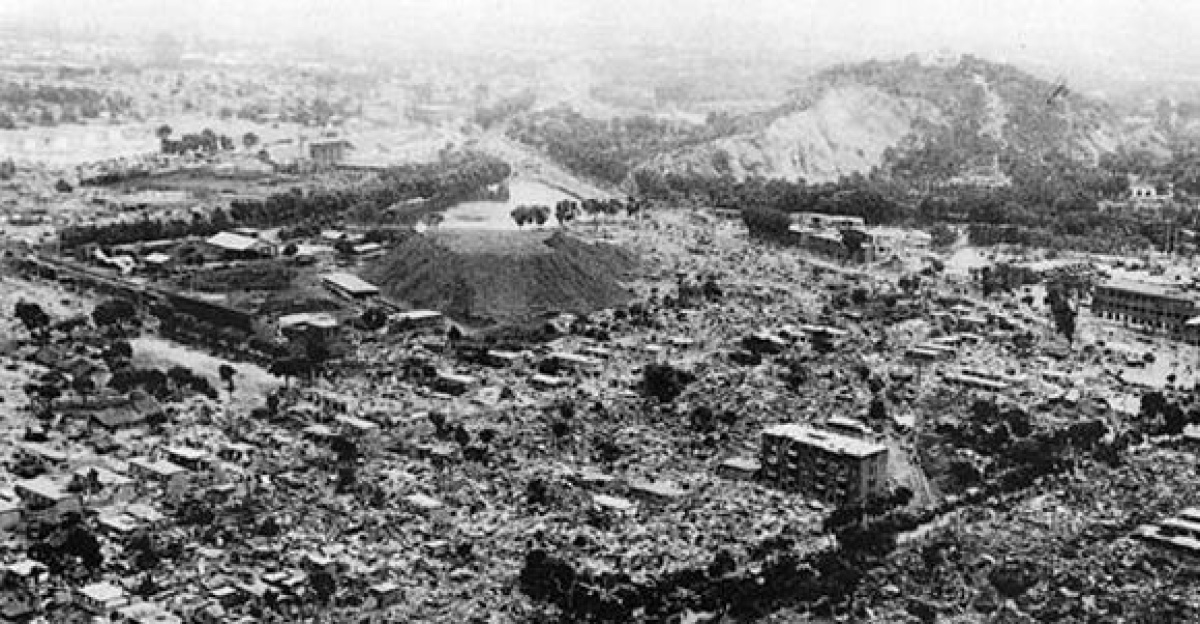
The project site lies near major fault lines in the world’s most seismically active region, the Himalayan collision zone between Indian and Eurasian plates.
The 1950 Assam-Tibet earthquake registered 8.6 magnitude, and frequent tremors continue due to ongoing tectonic interactions. A 2022 report warned “earthquake-induced landslides and debris-rock flows” pose “huge threats” to structural stability and downstream safety.
Landslide and Flooding Risks
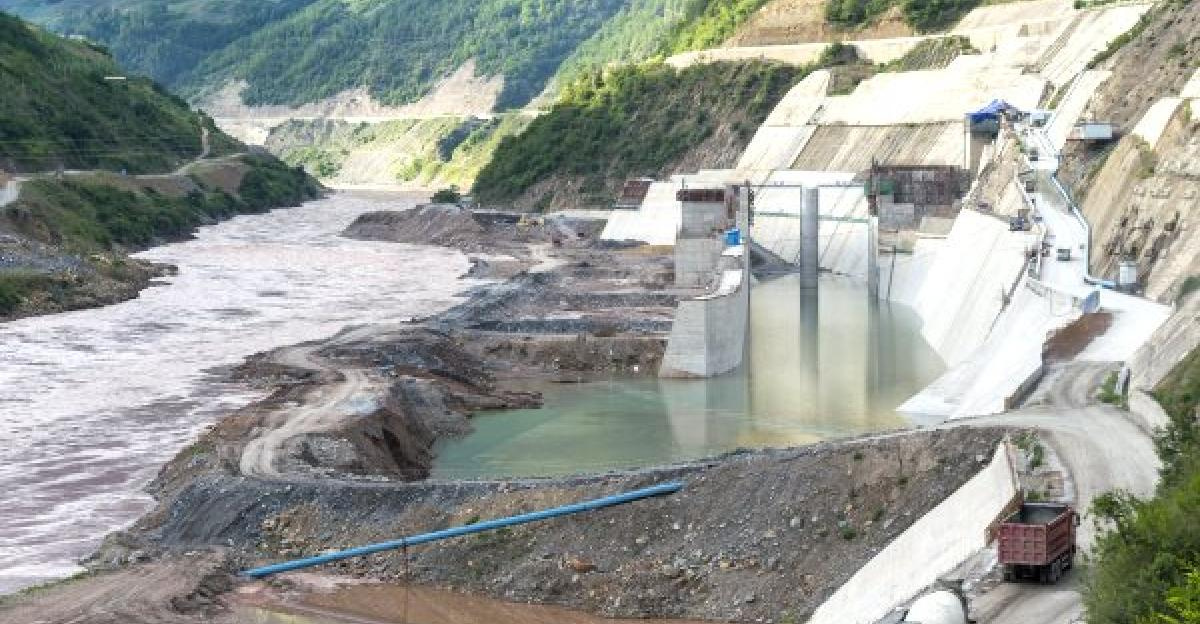
Frequent glacier collapses and landslides occur due to climate change and terrain instability, with a 2021 event blocking the river and raising water levels over 10 meters.
Experts describe constructing a mega-dam in this environment as “potentially the most hazardous” project ever attempted despite being “the most advanced and innovative.” Reservoir filling could trigger earthquakes through reservoir-induced seismicity affecting underlying fault systems.
Forced Tibetan Displacement
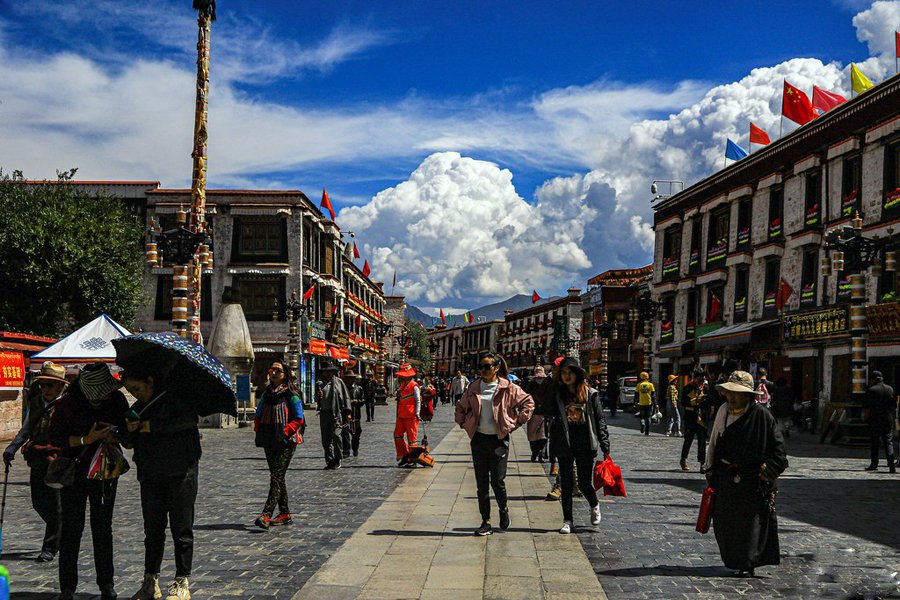
China has relocated over 930,000 rural Tibetans since 2000, with 709,000 moved since 2016 as part of government programs. Of 34 dams in Tibet, 121,651 people were already displaced and 22,817 face upcoming relocation.
Local Tibetans received minimal consultation, with electricity generated primarily exported to distant cities while communities bear ecological and cultural impacts.
Information Opacity and Verification Gaps

The project operates under extraordinary secrecy with minimal disclosure of design specifications, reservoir capacity, or land submersion extent.
Official documents reference the initiative using abbreviations like “YX,” limiting independent verification of safety and environmental claims. Experts emphasize that “until China provides details, independent assessments rely only on educated guesses” regarding downstream impacts.
Geopolitical Implications and Strategic Reckoning
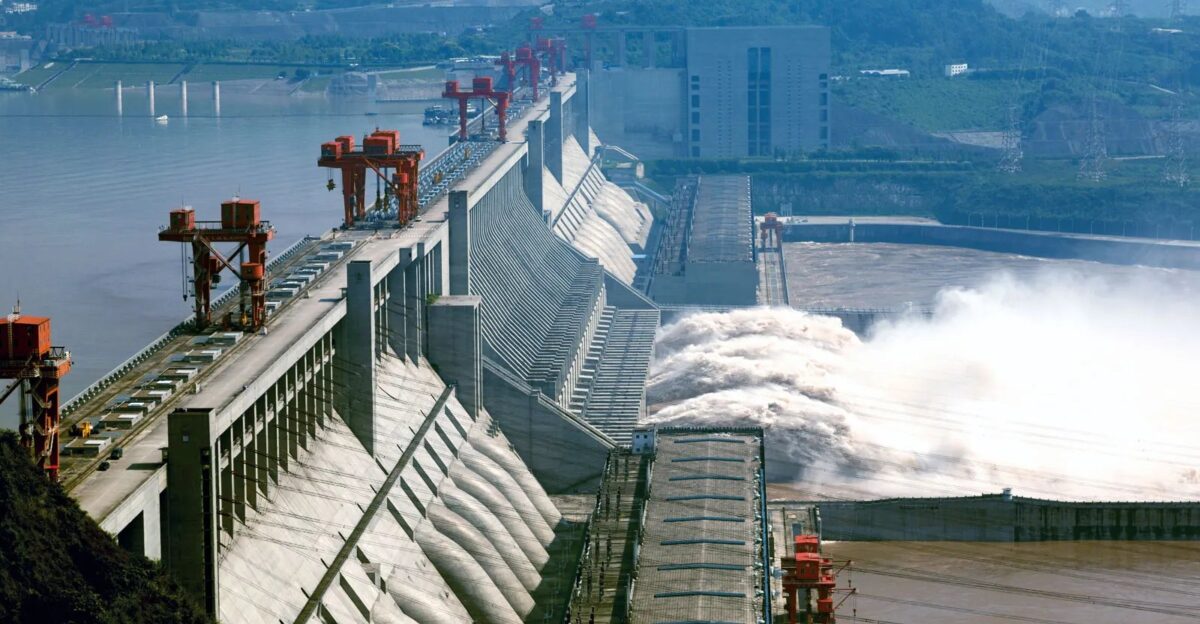
The Yarlung Tsangpo project represents China’s engineering prowess while simultaneously granting control over transnational water resources affecting hundreds of millions downstream.
The initiative embodies the collision between clean energy ambitions and ecological sustainability, environmental protection, social equity, and regional cooperation demands. Its ultimate legacy depends on reconciling national objectives with transparent international engagement and Tibetan community rights.
Sources:
“China is building the world’s most powerful hydropower dam.” CNN International, December 17, 2025.
“China starts building world’s largest dam, fuelling fears in downstream countries.” BBC News, July 21, 2025.
“India says it conveyed concerns to China over hydropower dam in Tibet.” Reuters, January 3, 2025.
“Hydropower system in the Yarlung-Tsangpo Grand Canyon.” Nature Journal, April 26, 2025.
“‘Educate the Masses to Change Their Minds’: China’s Forced Relocation of Rural Tibetans.” Human Rights Watch Report, May 22, 2024.
“Full text: Carbon Peaking and Carbon Neutrality China’s Plans and Actions.” Chinese Government White Paper, November 8, 2025.
“The Restless River: Yarlung Tsangpo-Siang-Brahmaputra-Jamuna.” World Bank Hydrological Study.