Texas ranchers endured two decades of low cattle prices, soaring costs, droughts, and debts, with many barely scraping by. In 2024, a glimmer of relief appeared as herd shortages drove prices upward, only for a sudden policy shift to plunge the industry into turmoil.
Herd Decline Sparks Price Surge
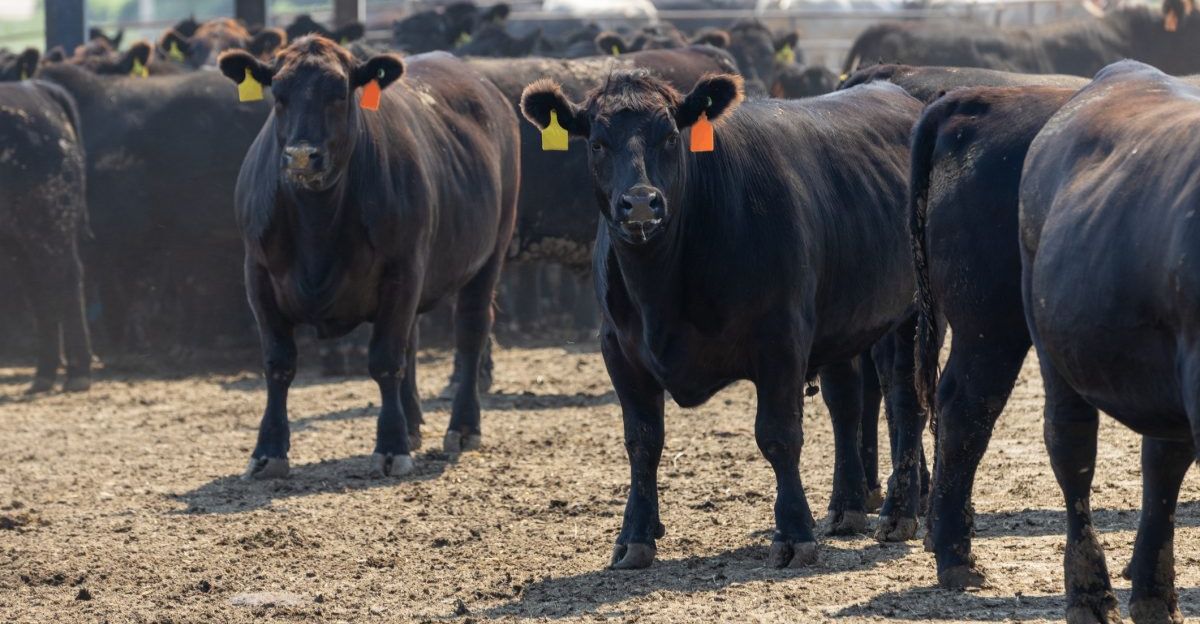
U.S. cattle inventories hit a 73-year low in January 2024, totaling 28.2 million head nationwide, including 4.08 million in Texas. This supply crunch, the tightest since 1951, met steady beef demand, lifting live cattle prices to a record $242 per hundredweight by August 2025. Feeder cattle reached $4.67 per pound, nearly double prior levels. Ranchers selling hundreds of calves at last turned losses into gains, breathing life into operations strained for years.
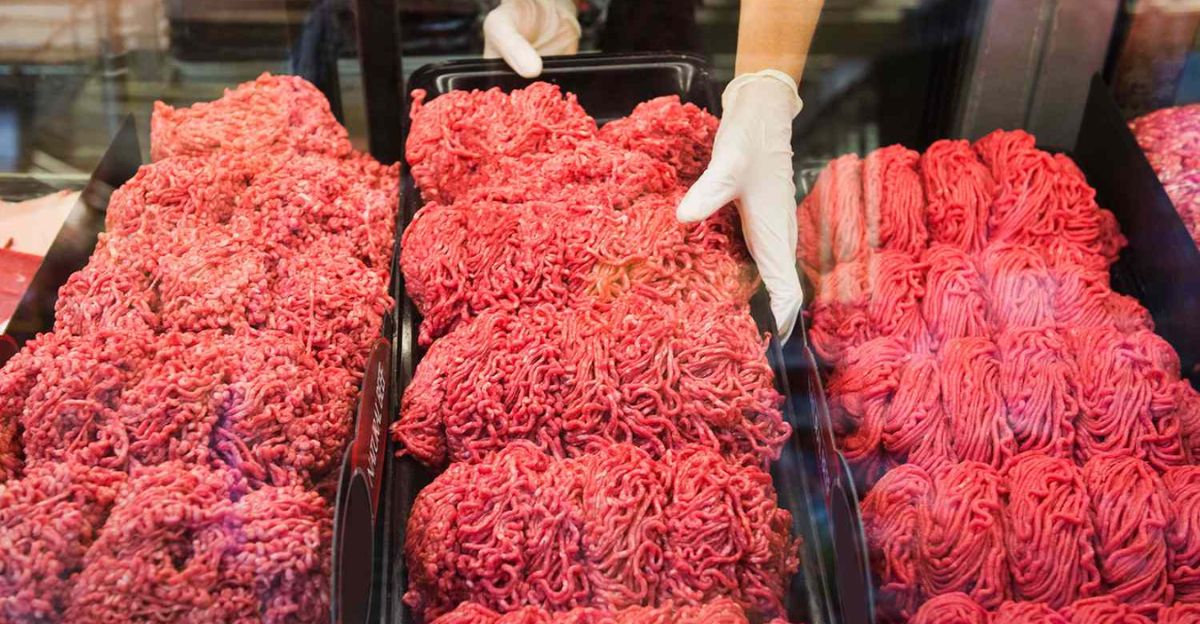
Consumer backlash built as grocery prices followed suit, with ground beef climbing 13% to $6.31 per pound and sirloin steaks jumping over 16% by August 2025. Eight months of steady increases fueled public frustration, amplified on social platforms. Shoppers grumbled over shrinking budgets, pressuring leaders for relief. This outcry set the stage for a federal response that targeted imports over domestic support.
Argentina Import Quota Expands
On October 23, 2025, the Trump administration quadrupled Argentina’s annual beef import quota to 80,000 metric tons, aiming to ease consumer costs. Argentina had minimal prior presence in U.S. markets, leaving ranchers skeptical of the move’s effectiveness. The decision linked to broader geopolitical aid, including a $40 billion package to stabilize Argentina’s economy—building on prior U.S. support that had shifted soybean markets away from American farmers.
Prices Plunge, Ranchers Reeling
Markets reacted swiftly: live cattle futures dropped from $247 to $224 per hundredweight in 12 days, while feeder cattle fell from $380 to below $339. Ranchers absorbed losses up to $100 per head. Texas operator Vetter, in Caldwell, braced for a $250,000 hit on recent buys. “The president can do whatever he wants but it’s hard to build the cow herd if we don’t have stability,” he told Reuters. Political supporters like Jerrel Bolton voiced betrayal to The Financial Times: “He would turn us against him. And we are his biggest supporters.” Hank Herrmann added, “We feel attacked. People are suddenly looking at ranchers like we’re the bad guys.”
Industry Forces Amplify Pain
Packers compounded the woes. The Big Four—Tyson, JBS, Cargill, and National Beef—control 85% of U.S. beef slaughter, up from 36% in 1980, with extreme concentration leaving ranchers vulnerable to price manipulation. This dominance lets them exploit volatility, squeezing ranchers’ margins amid swings. Trump touted tariffs, like a 50% levy on Brazilian cattle, as protective, yet overlooked how packers profit from constraints. Texas producers now face debts, herd cuts, and land sales, rippling through rural economies.
As 2026 approaches, Texas ranchers confront volatile trade rules, consolidation, and fragile herds. Policymakers grapple with lowering grocery costs without gutting production, weighing tariffs against imports and bailouts. Stable policies could rebuild confidence; otherwise, more closures loom, testing the resilience of America’s beef backbone.
Sources:
“The USDA Cattle Report.” United States Department of Agriculture, 2024.
“Chicago :
Mercantile Exchange Data on Live Cattle Futures.” CME Group, October 2025.
“U.S. Beef Import Quota Announcement.” White House Official Statements, October 2025.
“Texas Ranchers React to Beef Tariff Changes.” The Financial Times, October 2025.