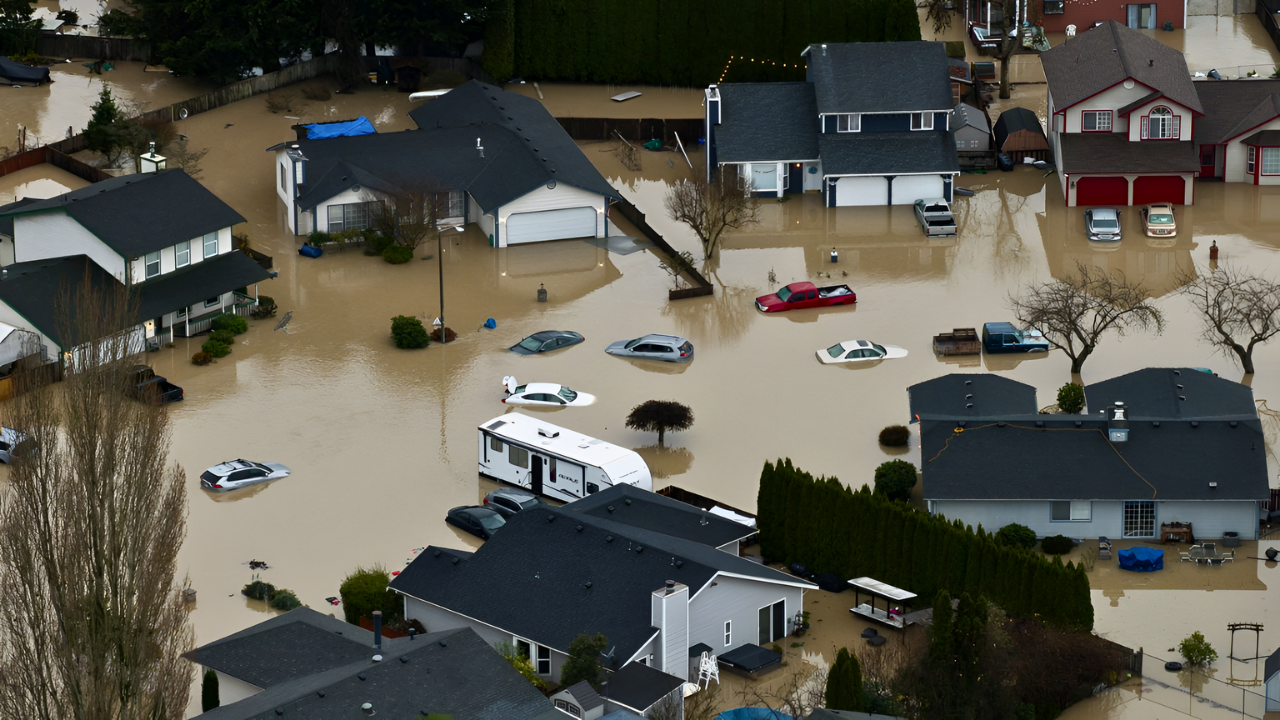
Nearly 100,000 Washingtonians woke to “Go Now!” evacuation alerts between December 7 and December 14, as an atmospheric river delivered 5 trillion gallons of rain in a single week. Record river crests shattered 35-year-old records. Two major levees failed. Entire communities vanished underwater. Governor Bob Ferguson called it unprecedented. Yet the first clues appeared days earlier in the forecast.
A Storm Band That Would Not Quit
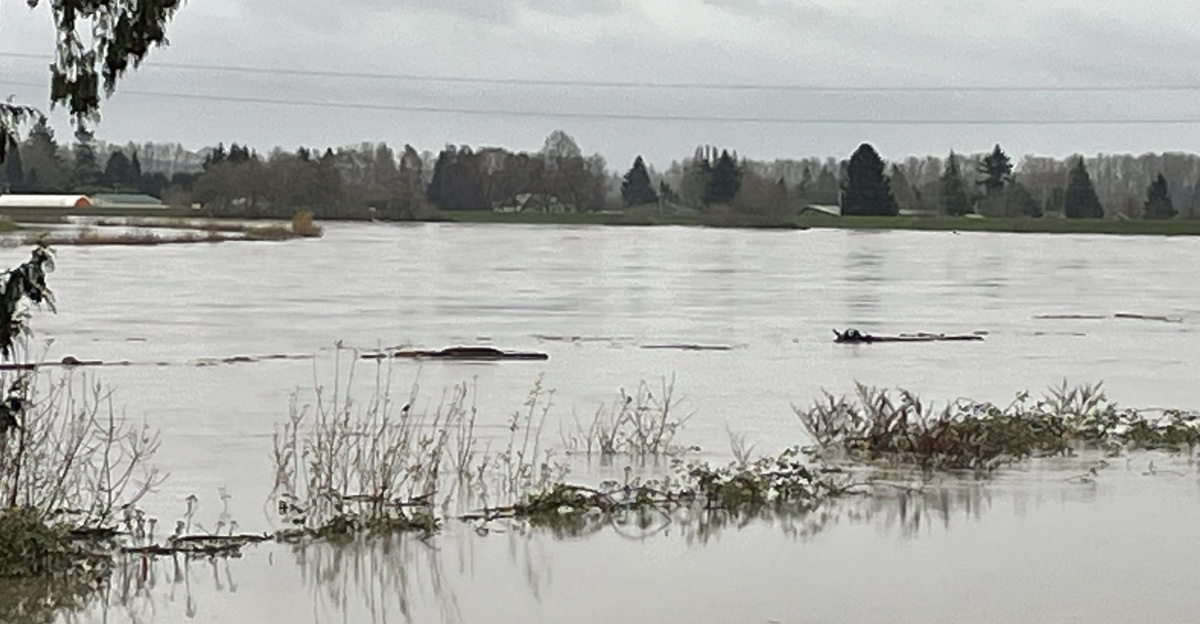
On December 8, 2025, a narrow band of tropical moisture stretching 11,000 kilometers from the Philippines made landfall over Washington State. What emerged was catastrophic: 5 trillion gallons of rain fell in 7 days. The Skagit River crested at 37.7 feet, shattering the 1990 record. Mount Vernon’s floodwall saved 225 buildings, but other defenses buckled, revealing the real danger.
How Did This Reach Category 5?
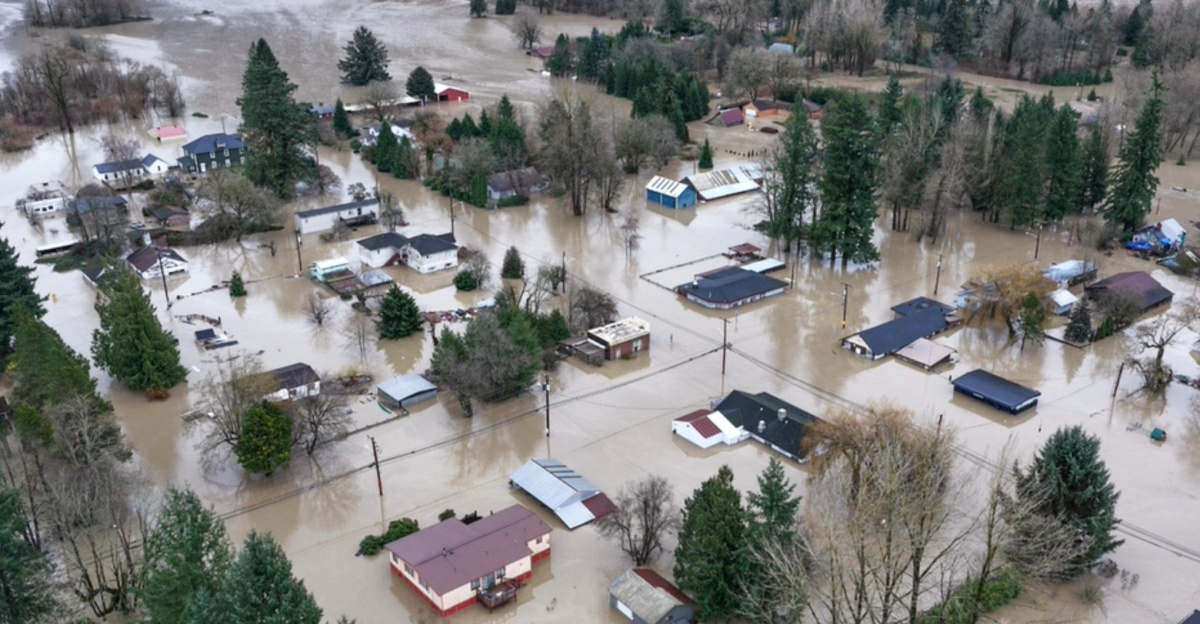
For 10 days in December, western Washington operated under siege. An atmospheric river, essentially a river of moisture in the sky, parked over the region and refused to move. CW3E forecasters warned it could reach Category 5, the highest on the Atmospheric River Scale. By December 12, more than 75% of Washington’s rivers ran at 90% of their historical maximum flows, escalating fast.
The Order That Shook Burlington
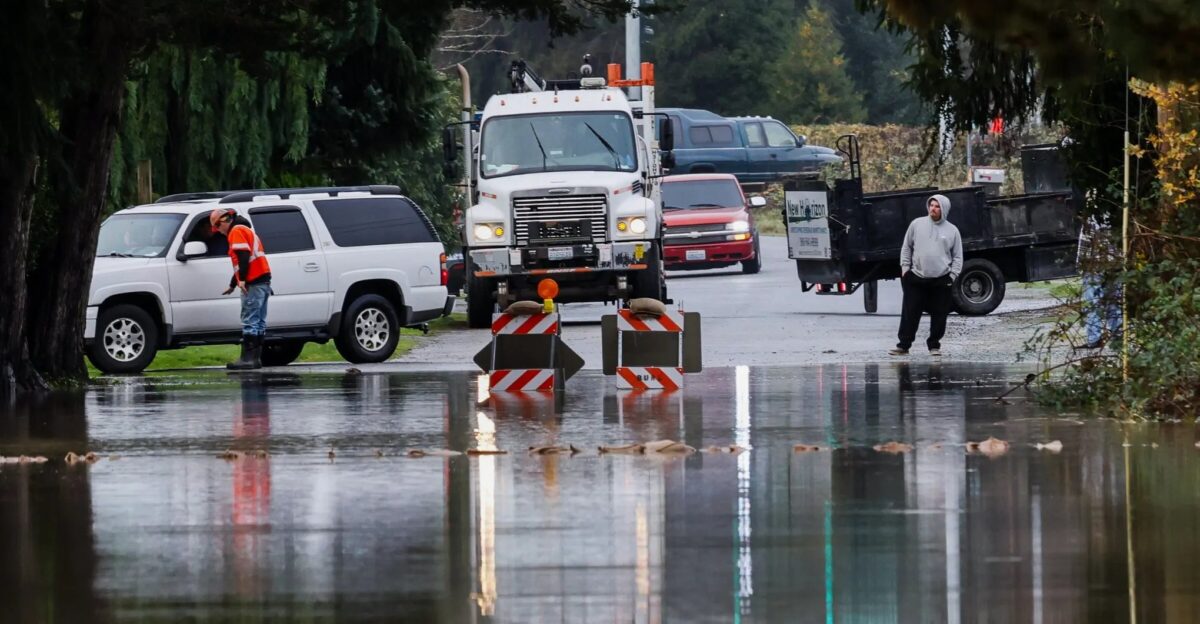
On December 12, 2025, Skagit County issued the order: “ALL RESIDENTS IN THE CITY OF BURLINGTON SHOULD EVACUATE IMMEDIATELY.” About 1,000 people raced to leave in darkness as National Guard teams went door to door with helicopter loudspeakers. Water from Gages Slough poured into homes. Mario Rincón, with a newborn, could not return home for days.
A Moisture Plume From The Philippines
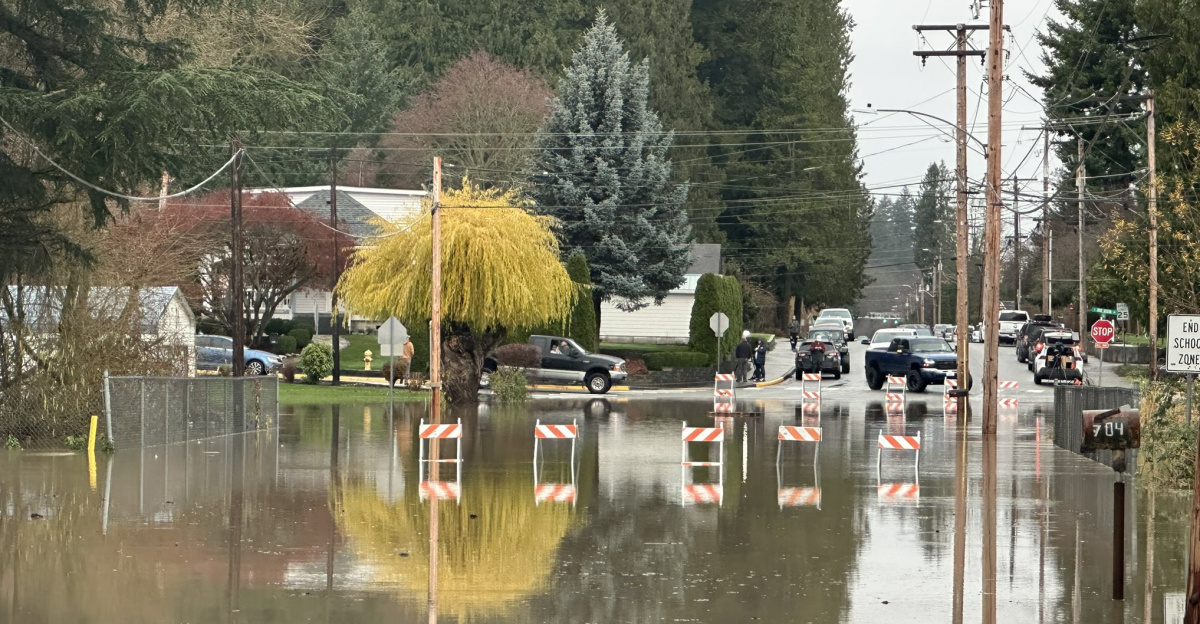
Scientists were stunned by the plume’s reach: nearly to the Philippines, about 11,000 kilometers from Washington’s coast. This was not a typical Pacific storm. Integrated Vapor Transport exceeded 1,000 kilograms per meter per second, showing an exceptionally dense, organized corridor. The jet stream aimed it like a fire hose. Climate models suggested this intensity was unlikely without human-caused warming.
Rivers That Broke Their Own History
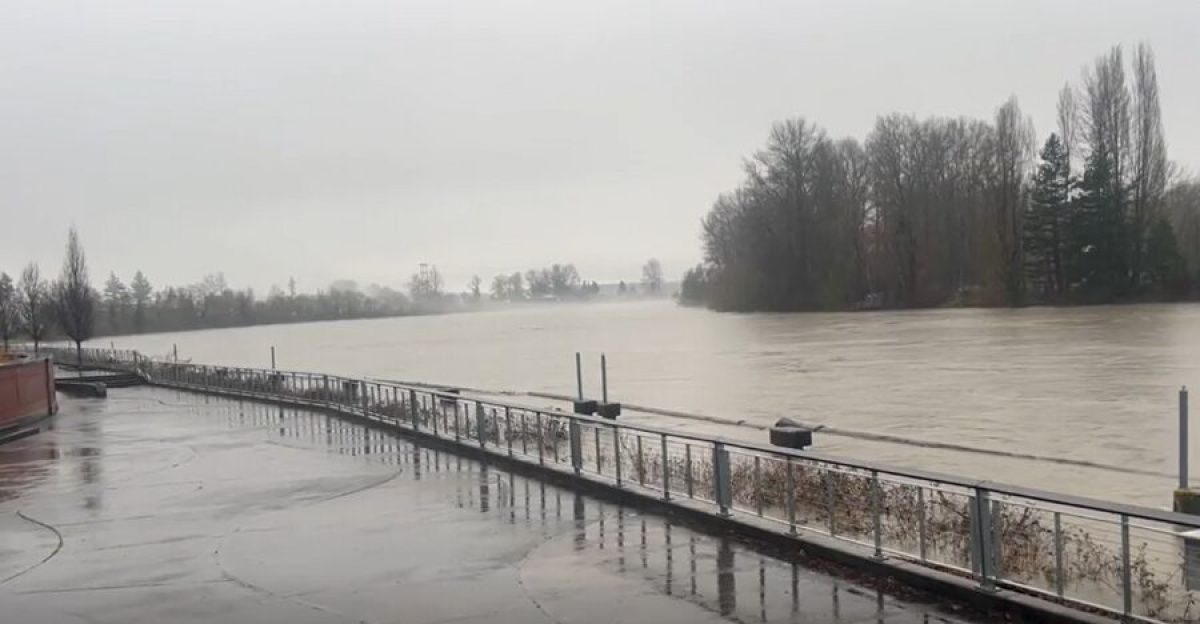
The Skagit River crested at 37.7 feet on December 12, beating the prior record by inches. The Snohomish hit 24.55 feet, a 300-year return period event. The Nooksack surpassed its 2021 record near Cedarville. Five gauges set records, and 16 exceeded the major flood stage. With 75% of rivers near peak flows, one city’s defenses became the test.
The Wall That Kept Mount Vernon Dry
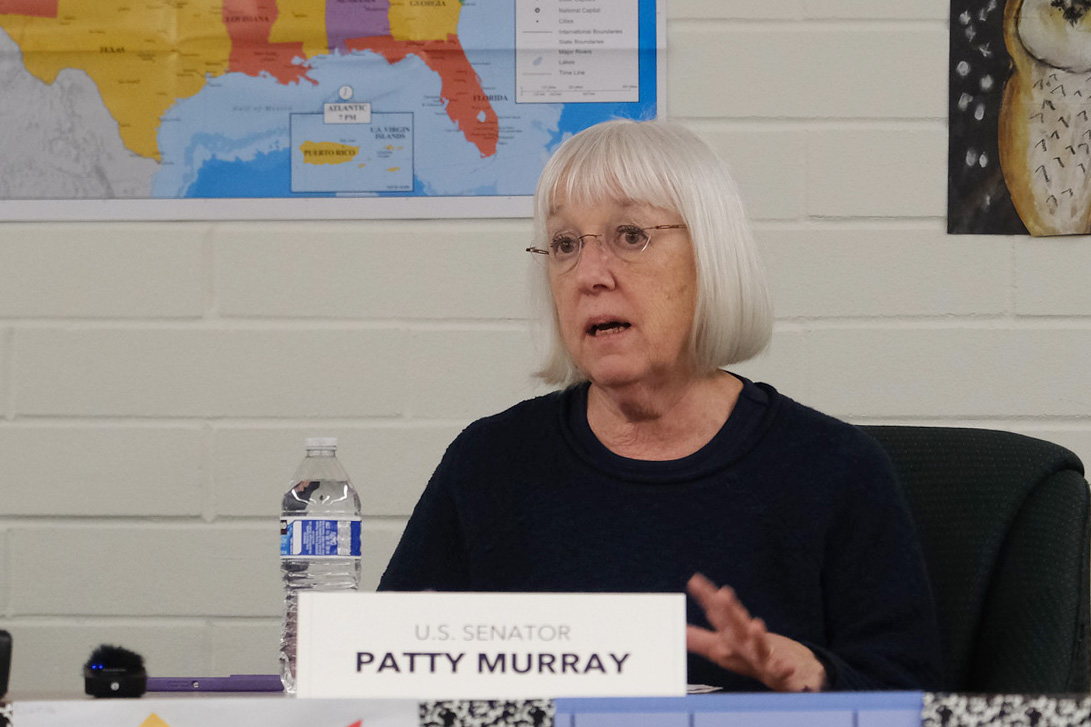
Senator Patty Murray visited the barrier on December 14 and recalled past flooding. “I was in knee-deep water during a horrific flood in the same area 20 years ago,” Murray said on December 14, 2025. “To now come back and know the businesses I saw… are now safe.” The floodwall protected 225 buildings, keeping downtown dry while nearby areas drowned, highlighting what failed elsewhere.
Levees That Cracked Under Pressure
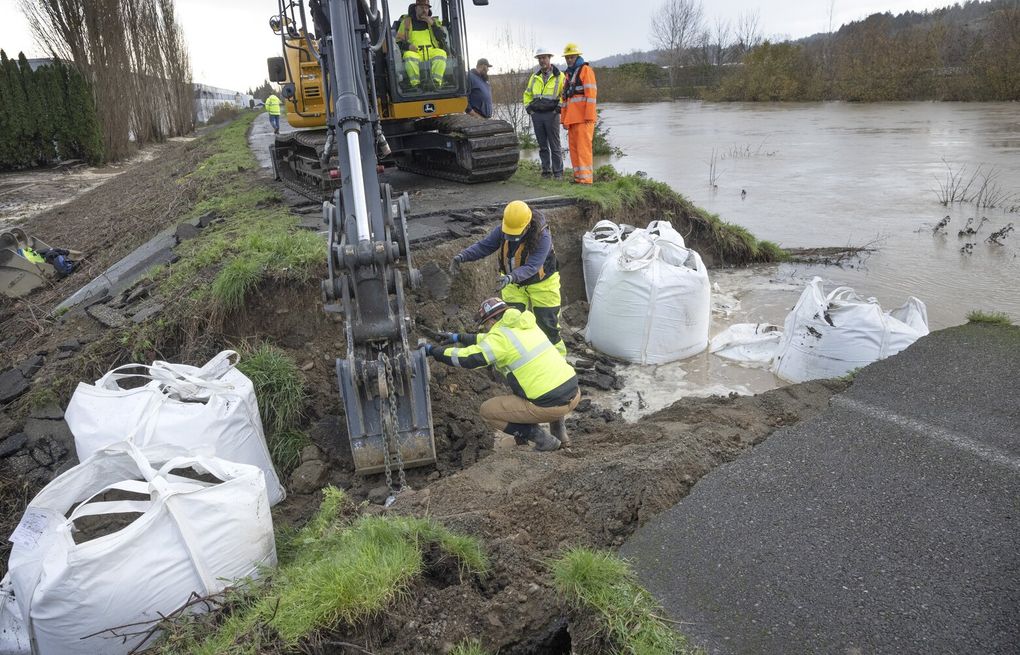
The first crack appeared in the Desimone levee near Tukwila on December 14. Green River water spilled into industrial areas, forcing 1,100 residents in Kent, Renton, and Tukwila to evacuate. At 3:00 a.m. December 16, the White River levee breached at Pacific. Water flooded apartments so fast crews pulled residents from windows, foreshadowing the scale.
A Week Of Water Beyond Belief
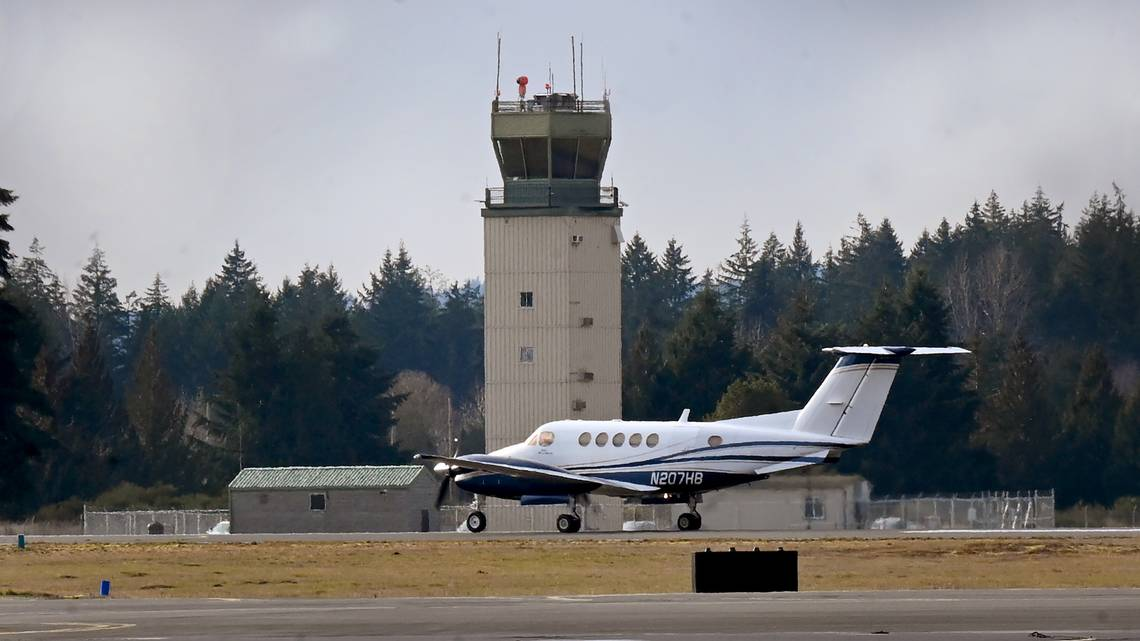
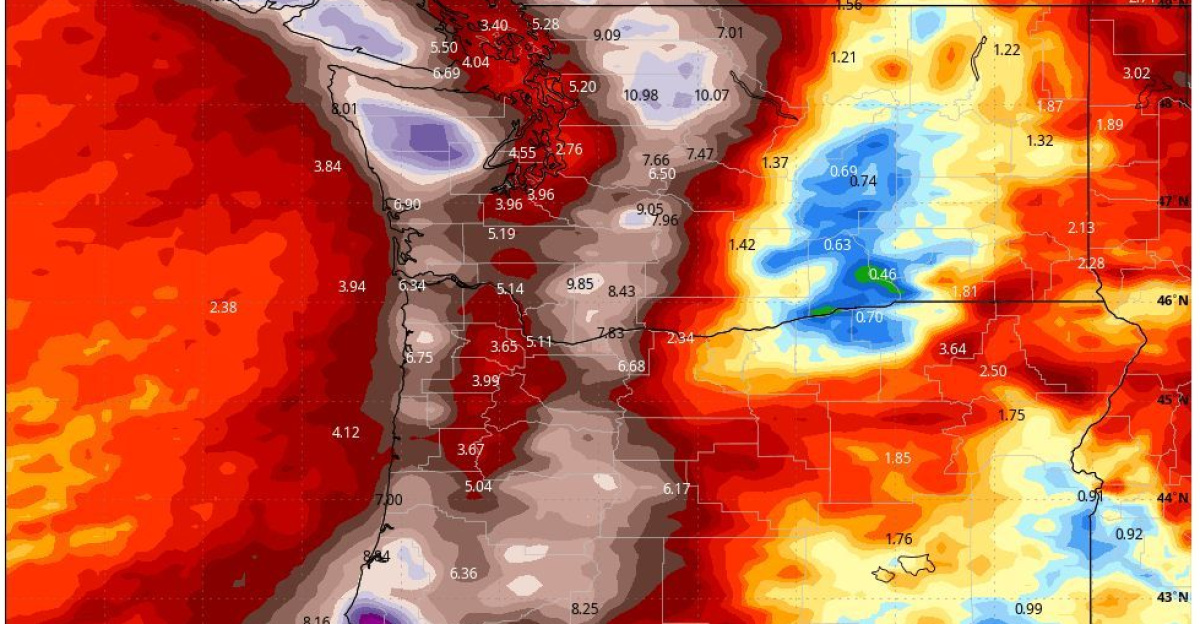
Some mountain locations took more than 10 inches of rain over 72 hours. Olympia Regional Airport logged 3.03 inches on December 8, its wettest December day on record except 1 date in 1979. Isolated peaks reached 14 inches in 72 hours. Statewide totals hit 5 trillion gallons, more than annual use. But why did so little fall as snow?
The Rain-On-Snow Multiplier Effect
Warm tropical air pushed temperatures above freezing at mountain passes for more than a week. Yakima reached 72°F on December 10, driving precipitation as rain, not snow. Rain falling onto snowpack triggered rapid melt, saturating soils and accelerating runoff. Meteorologists call it rain-on-snow flooding, a multiplier for peak streamflows. Jupiter Intelligence expects another 8–10% December warming over 25 years, making this more common.
Guard Troops On Mission In 18 Hours
Governor Bob Ferguson signed the statewide emergency declaration on December 10. Within hours, 100+ full-time National Guard members set operations at Marysville. By December 12, over 300 soldiers and airmen deployed across Skagit, Snohomish, and King counties. Major General Gent Welsh said: “That’s a process that normally takes 72 hours… but they were on mission… within 18 hours.” Yet rescues still surged.
629 Rescues In Rising Water
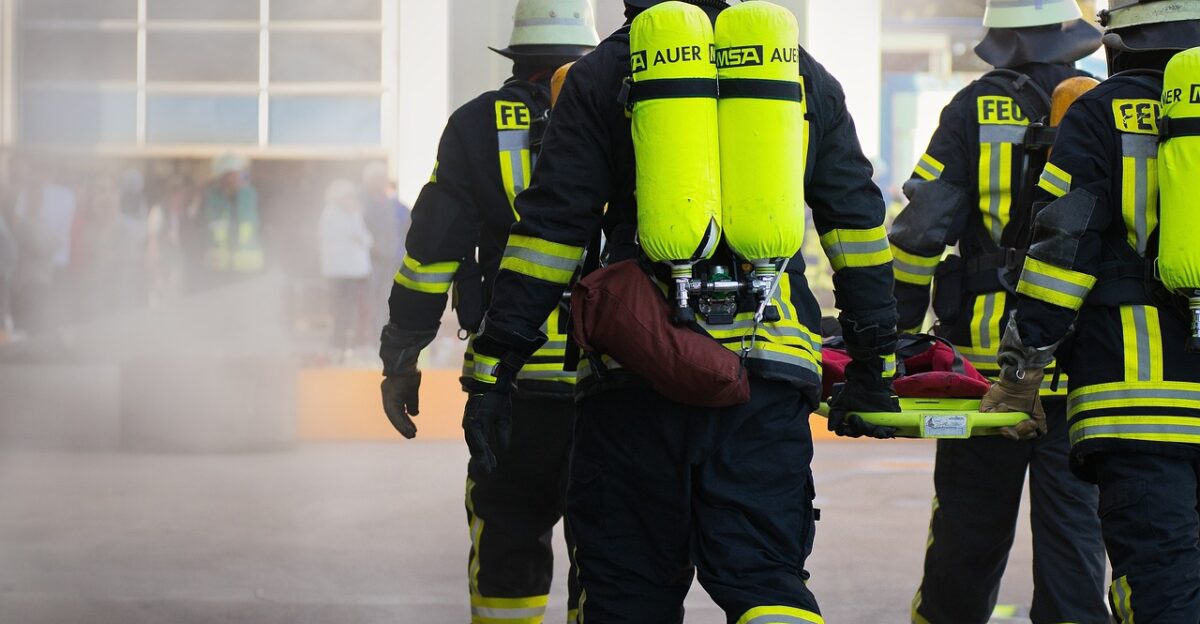
Firefighters and rescue personnel responded to over 600 emergency calls. Snohomish Regional Fire and Rescue Battalion Chief Jamal Beckham reported: “The majority of calls his crews responded to were from people who tried to drive through water… We pulled people off the roof of their cars.” Coast Guard helicopters rescued two families from the roofs of their homes, which were flooded approximately 15 feet deep. 1 resident died after ignoring closures, and power soon became the next crisis.
When The Lights Went Out Everywhere
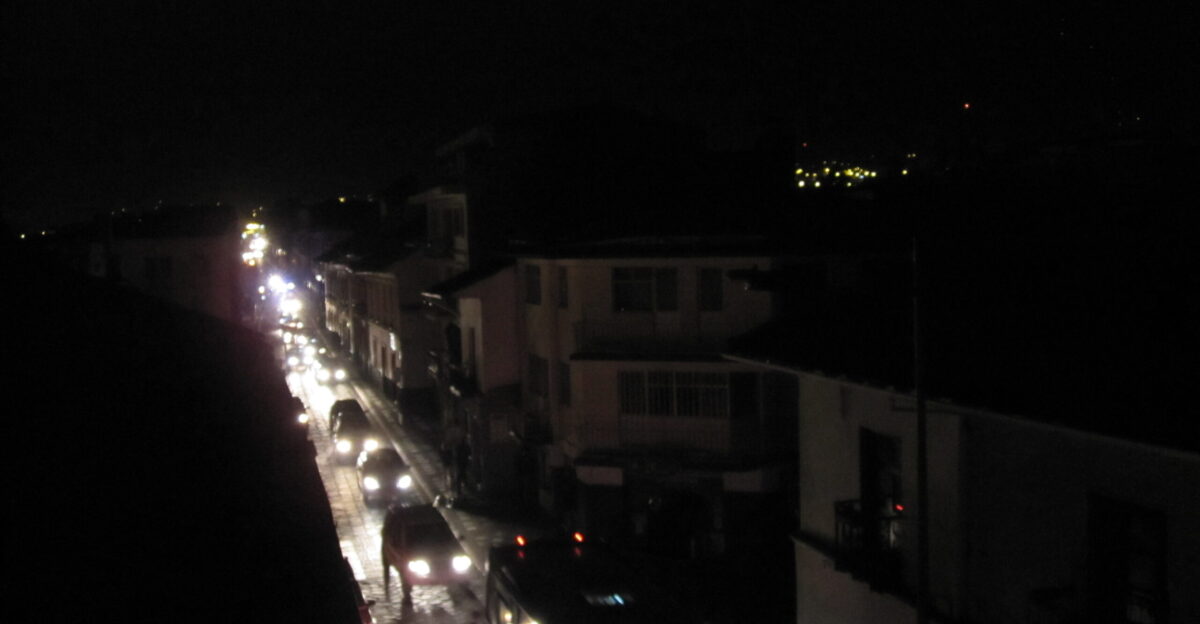
The power infrastructure failed due to wind and falling trees. Over 254,000 customers lost power in Washington, along with 136,000 in Oregon, resulting in a total of over 400,000 outages across the Pacific Northwest. A windstorm on December 16–17 brought gusts of 85–90 mph in mountainous terrain, exacerbating existing failures. Medical equipment users faced shortages, water pumps struggled, and communications degraded. With utilities stretched, transportation links then snapped.
A 49-Mile Highway Break In The Cascades
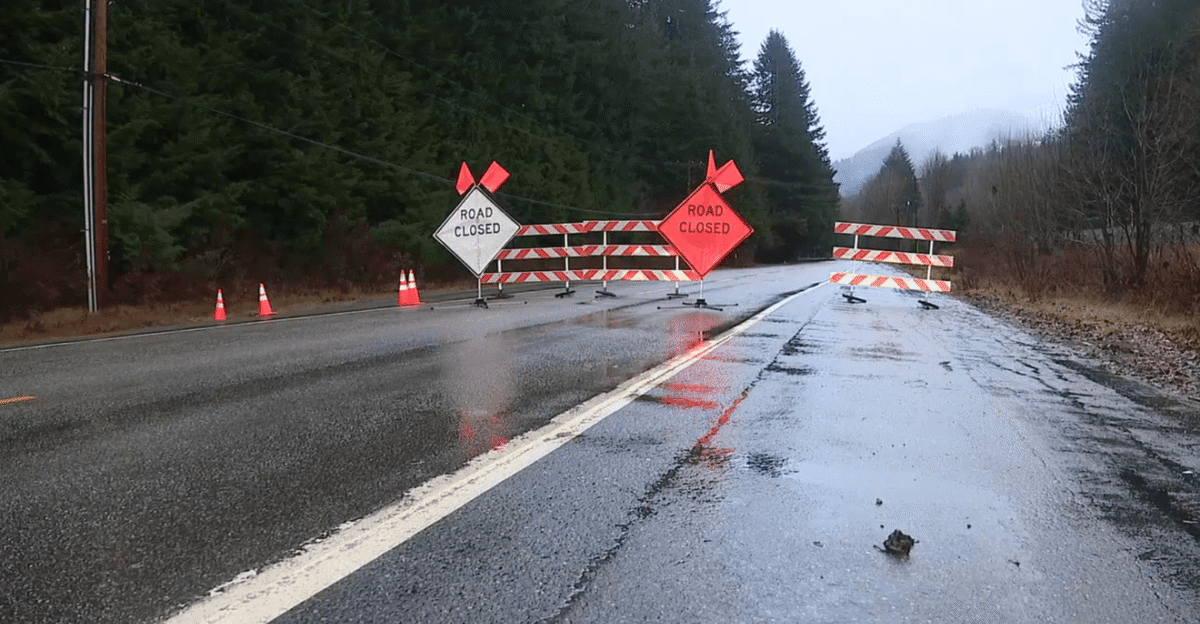
US Highway 2 closed December 10 and stayed shuttered through the final week of December. About 49 miles between Skykomish and Leavenworth became impassable as mudslides buried sections, pavement washed away, and cracks spread. Governor Ferguson said it would take “months” to reopen fully. A partial reopening December 29 allowed pilot-car traffic 6 a.m. to 6 p.m. only, and local economies felt it immediately.
The Holiday Season That Never Arrived
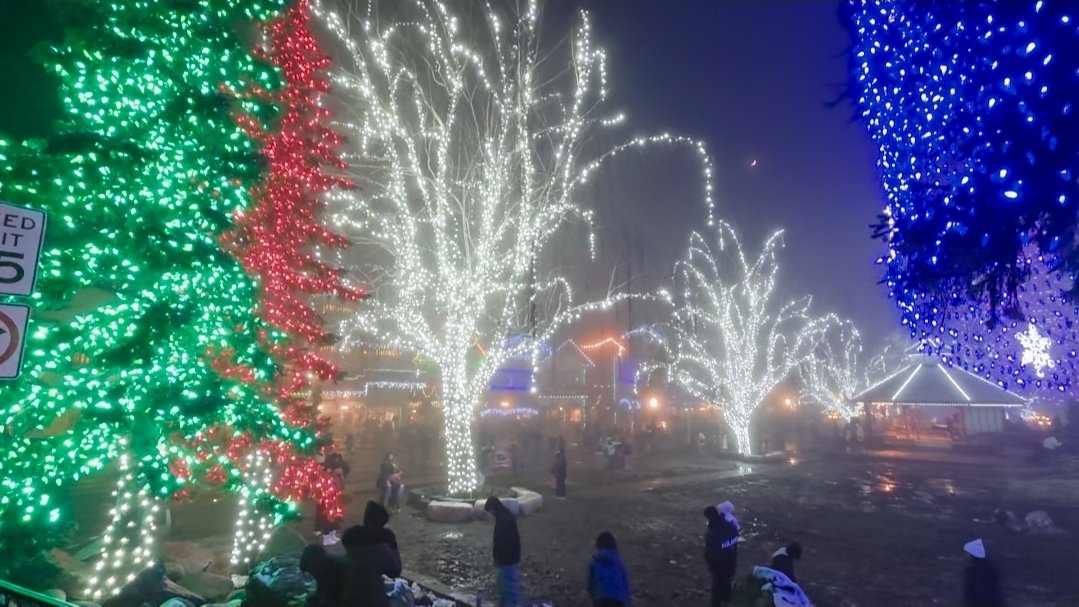
Leavenworth’s “Village of Lights” was postponed, and the Chamber of Commerce said “the full impact on revenue will not be known until the New Year.” Stevens Pass, owned by Vail Resorts, delayed opening due to low snow and US-2 damage. Other resorts captured displaced customers, but small mountain businesses saw steep drops. Skagit Valley agriculture faced crop damage and contamination. The state committed $3.5 million (about $3.5 million) for response, while one town faced a haunting repeat.
Sumas Flooded Again In 48 Months

Sumas Mayor Bruce Bosch called the city “devastated.” After severe flooding in November 2021, December 2025 brought similar impacts as the Nooksack rose above 150 feet, breaking its recent record. Homes and businesses filled with frigid, dirt-laden water, leaving silt everywhere. Coast Guard helicopters pulled families from rooftops. Nearly 700 families sought help by December 15, the border crossing closed, and Amtrak suspended Seattle to Vancouver service, raising an unavoidable question.
Are These Floods Becoming The New Normal?

The December 2025 event reached 100- to 200-year return periods under historical baselines, yet projections suggest such events may be twice as likely by mid-century. Jupiter Intelligence projects 8–12% increases in extreme rainfall across western Washington and Oregon over 25 years, with localized increases to 15%. Research finds “every additional 1°C of warming increases average annual flood damages in the western United States by roughly $1 billion.” Oregon State Climatologist Larry O’Neill warned winter rain events will intensify, and federal help soon followed.
FEMA Activated, But Aid Gaps Remained
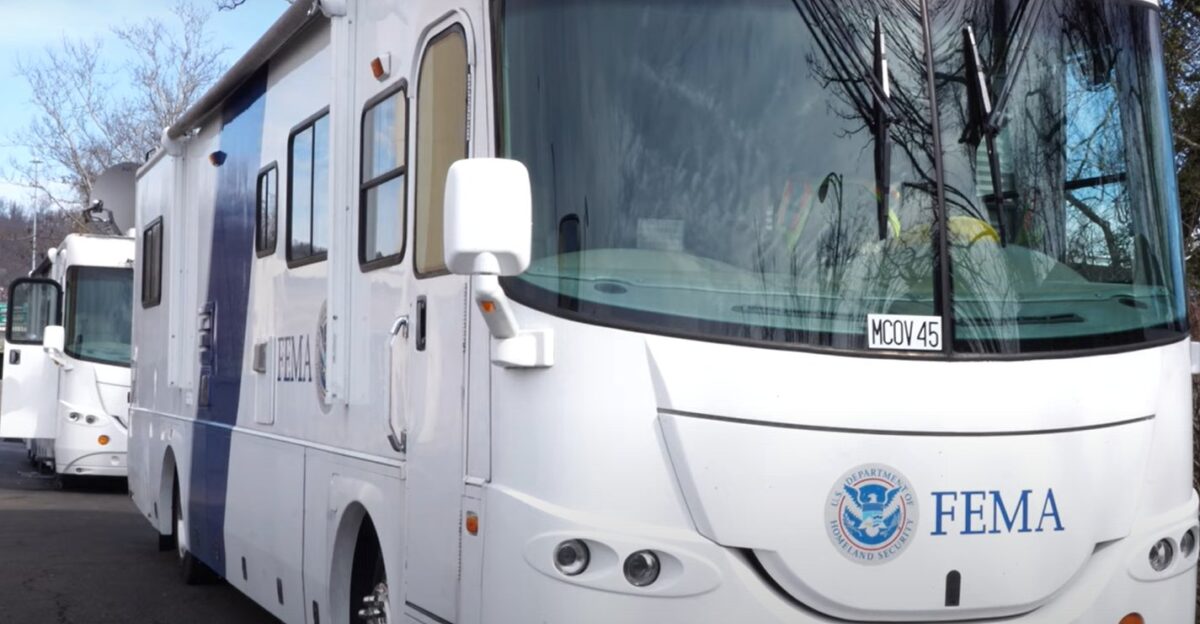
President Donald Trump approved the federal emergency declaration for Washington on December 12, allowing FEMA to reimburse 75% of eligible emergency response costs across 16 counties and all tribal nations within them. John Harrison became Federal Coordinating Officer. Yet Individual Assistance for uninsured or underinsured residents remained pending a separate Disaster Declaration not issued by late December. That left many households waiting as repairs began, pushing nonprofits and companies to fill the gap.
Relief Funds And A $1 Million Donation
United Ways of the Pacific Northwest and local chapters activated disaster relief funds. Skagit County created its Disaster Relief Fund, Central Washington launched a local fund, and Lewis County offered direct assistance “distributed through an application process administered by Lewis County Emergency Management.” Whatcom County documented nearly 700 families seeking help by December 15. Amazon donated $1 million to United Ways “to support emergency and long-term disaster relief efforts.” The Airbnb Foundation provided 700 free nights for displaced families and first responders, but the recovery timeline was still daunting.
The Long Recovery Into 2026
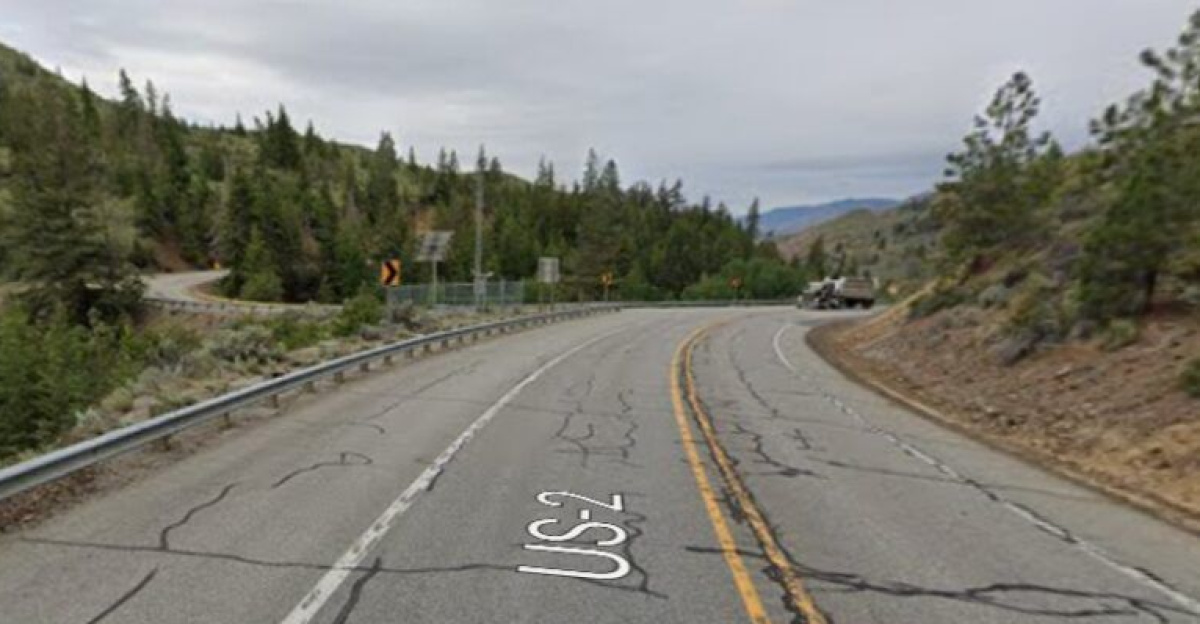
Recovery will extend into 2026 and beyond. Damage assessments continued, with losses expected to reach hundreds of millions of dollars. US Highway 2 could take months to fully reopen. Multiple levees needed engineering review and repair, and hundreds of homes faced rebuilding or demolition. Mud Mountain Dam operations continued controlling White River releases to prevent renewed flooding. Communities like Sumas and Nooksack faced decisions about rebuilding versus managed retreat, and those choices set the stage for the bigger lesson.
Disaster In A Changing Climate Era
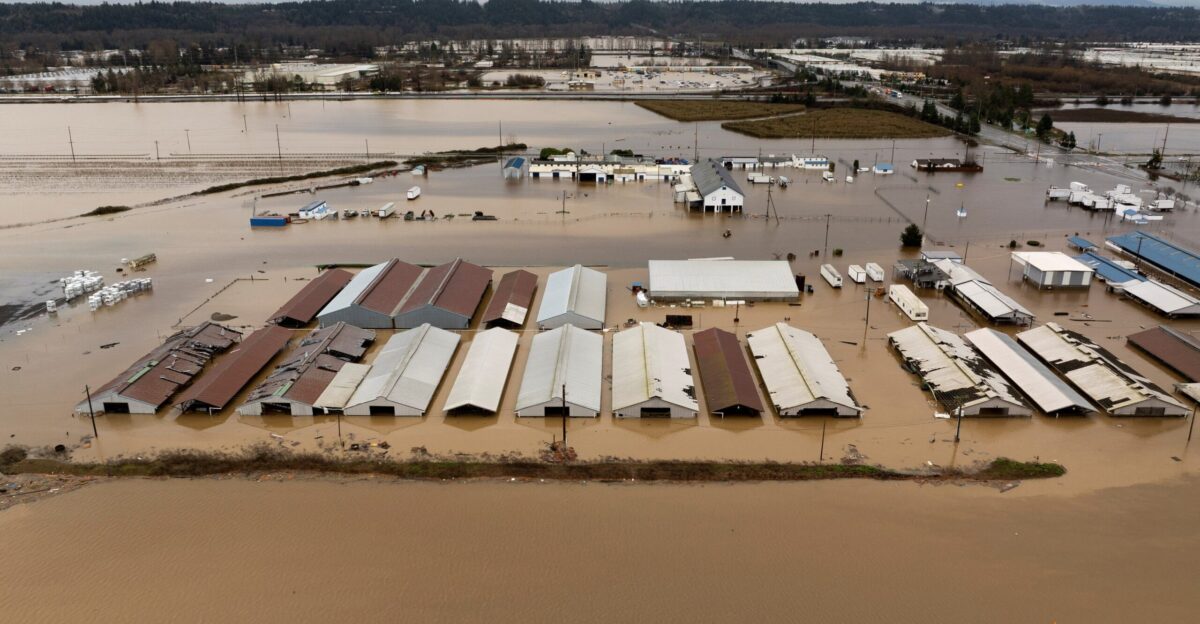
The December 2025 Pacific Northwest flooding was not an outlier, but a preview. Atmospheric rivers deliver 30–50% of annual West Coast precipitation, and scientists expect stronger events ahead. The Washington system likely could not have reached its observed intensity without climate change increasing atmospheric moisture. Mount Vernon showed flood defenses can work, while Pacific exposed levee vulnerabilities built for older precipitation patterns. Engineering standards now face pressure to evolve, forcing communities to weigh massive investment against higher risk.
Sources
National Guard Responds to Historic Flooding in Western Washington. Washington Military Department, December 22, 2025
CW3E Event Summary: 8-12 December 2025. Center for Western Weather and Water Extremes, University of California, San Diego, December 23, 2025
Trillions of Gallons of Rain: Atmospheric Rivers Overwhelm the Pacific Northwest. Jupiter Intelligence, December 2025