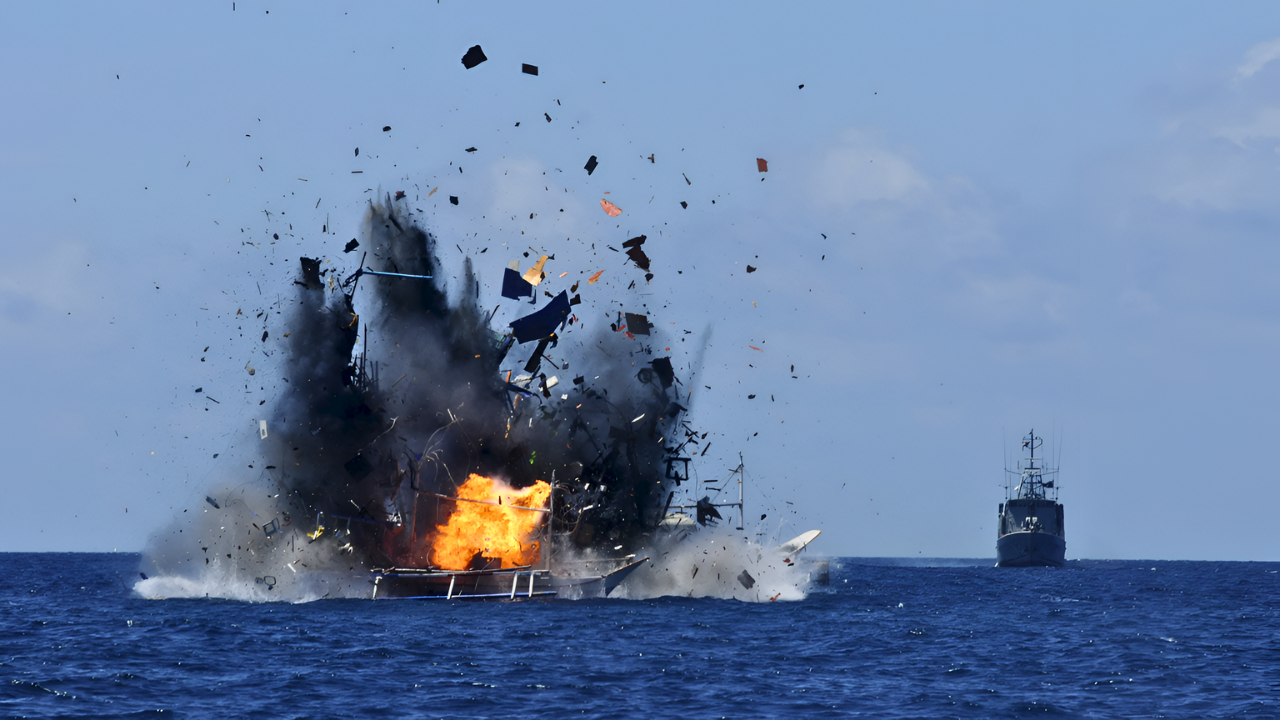
In November 2025, a Chinese cargo ship slowed down hundreds of miles off the coast of Sri Lanka in the Indian Ocean. U.S. special operations forces boarded the vessel quietly. They found cargo linked to Iran’s military and destroyed it right there on the water. The crew faced no charges and sailed on, with no public trace of the mission.
This operation shows how the U.S. fights Iran’s missile program without sparking bigger conflicts. Forces targeted key parts without seizing the whole ship. Such moves keep pressure on restricted shipments while avoiding arrests that could upset allies or rivals.
Sanctions Grow, But Shipments Continue
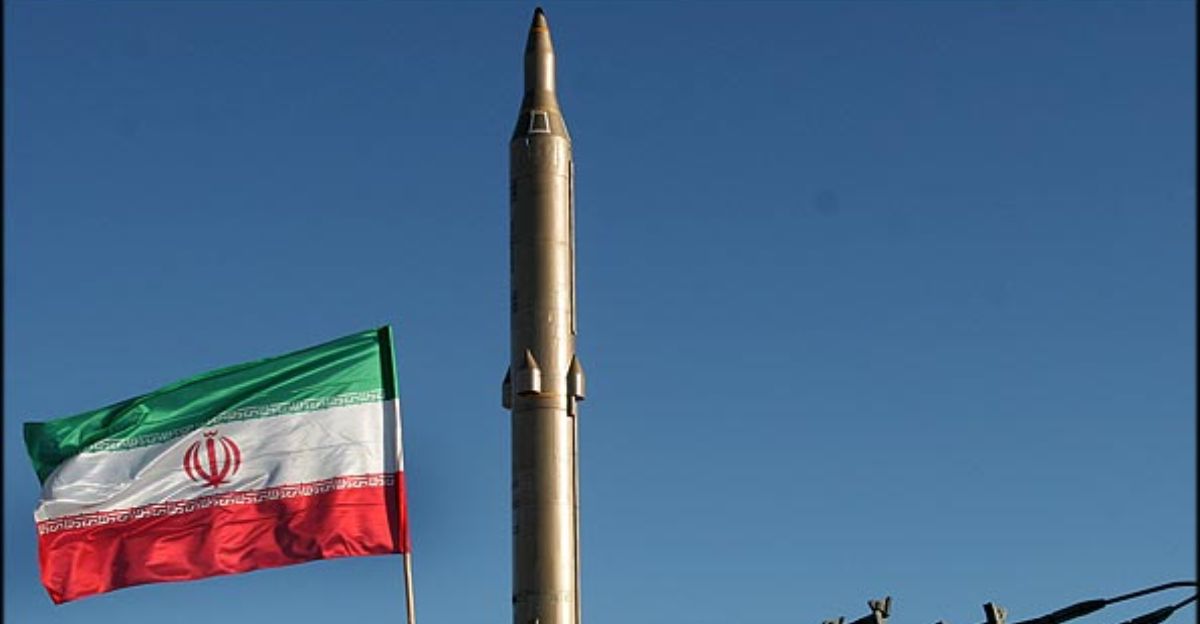
Late in 2025, international pressure on Iran’s missiles increased. On September 28, the United Nations brought back an arms embargo aimed at missile technology transfers. Earlier that year, in April, the U.S. Treasury hit sanctions on Iranian and Chinese companies shipping sodium perchlorate, a key chemical for rocket fuel.
Even with these rules, tons of such materials still arrived at Iranian ports. Sanctions changed the shipping routes but did not stop the flow completely. This proves how tough these supply networks are to break.
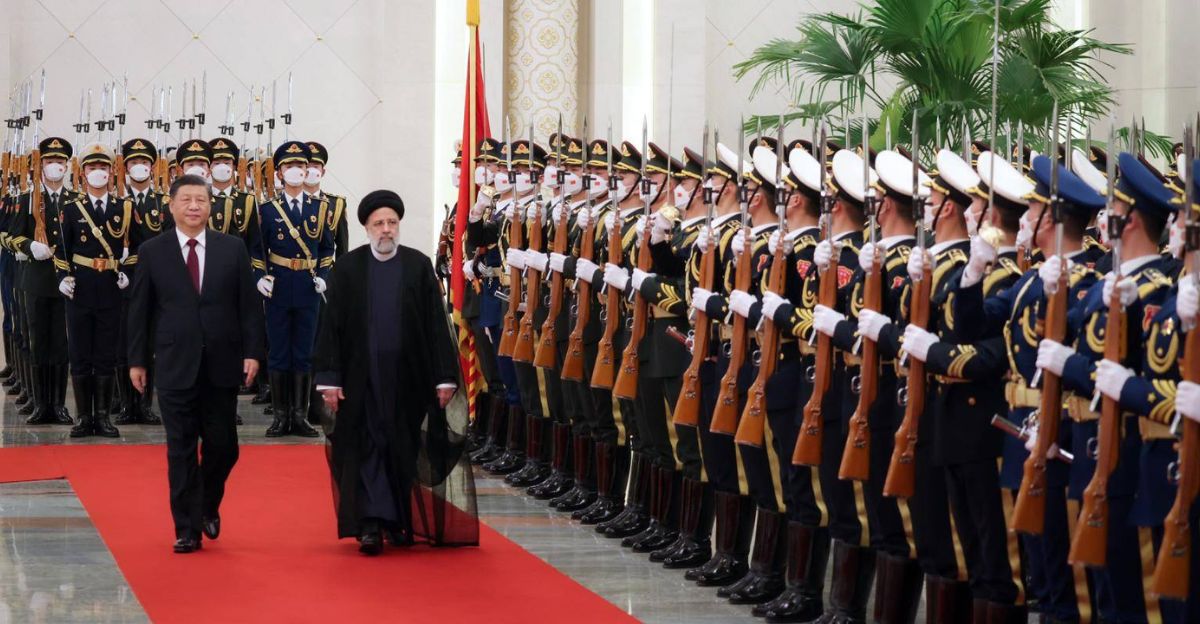
China and Iran have worked together on defense since the 1980s. Their ties grew strong during the Iran-Iraq War, with China selling missiles in 1987 and later providing aircraft, systems, and help worth hundreds of millions through the 1990s. UN rules since 2006 cut back open arms sales, but trade in dual-use items, like satellite tech and factory materials, kept going through secret deals. These hidden links helped Iran build its weapons despite bans.
Iran Rebuilds After War Damage
In June 2025, Iran clashed with Israel, and the fight badly hit its missile factories. As Iran rushed to fix them, U.S. leaders pointed to Chinese chemicals that could speed up the work. With tensions high in the Middle East, attention shifted from missile launch sites to the secret paths feeding production. The U.S. boarding in November hit a ship heading from China to Iran. Special forces grabbed dual-use parts tied to banned Iranian companies: accelerometers and gyroscopes. These tools guide missiles with precision and are hard to get under global controls. They cost a lot and slow down Iran’s work when blocked. The team wrecked the cargo on deck to avoid bigger issues like arrests.
No crew went to jail; the ship kept moving. This “destroy and release” method disrupts plans with low risk of diplomatic fights. It works even in risky international waters, where innocent sailors could get hurt.
A Shift to Targeting Parts and Supplies
China’s help to Iran has changed over time. It moved from selling full missiles decades ago to sending materials, parts, and know-how now. Iran’s Nasr-1 missile shows this: built at home but boosted by outside pieces. UN Resolution 2231 lifted some limits after 2015, but 2025 bans put the spotlight back on sneaky transfers.
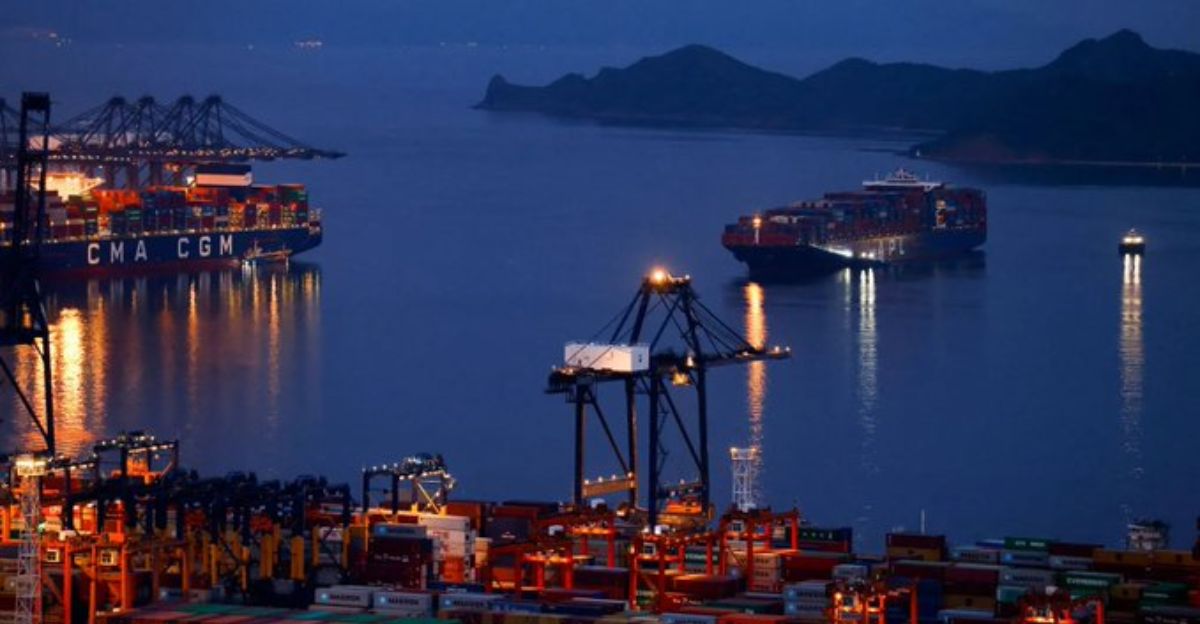
This boarding is part of a wider U.S. effort to block Iran’s illegal oil and arms shipments. Teams seize goods across busy sea routes, mixing oil enforcement with missile controls. Iran ignores U.S. calls to cap missile ranges, and China says nothing. The quiet approach stops fights from growing while showing the seas are not free for banned trade.
Iran will likely push harder for homegrown production and new routes, using Chinese plans and skills even as options shrink. U.S. forces, including those in the Indo-Pacific, now patrol more for extra stops. Experts call this the new face of war: battles over supply chains far from the front lines, amid Israel-Iran strains and global rivalries.
Lawmakers from both parties push for checks on these networks, making sea stops a key part of stopping weapons spread.
Seas Turn into Battlegrounds
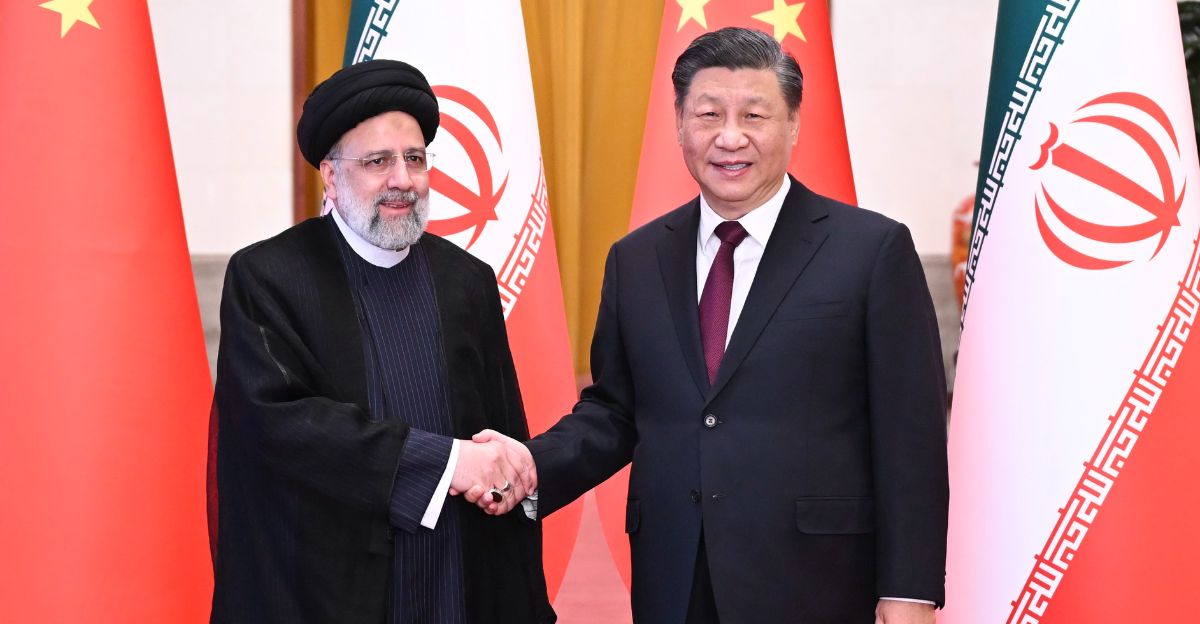
China’s 2021 deal with Iran tests U.S. ties with partners. Events like Iran’s tanker grabs in November weaken old sea rules and spark fights over who can board ships. Dual-use goods blur trade from weapons, and destroy-and-release skips long court fights. It enforces rules without naming ships or crews.
These actions turn oceans from safe trade paths into zones of strategy and risk. Supply networks face endless checks, forcing countries to deal with higher costs, tough choices, and seas where power clashes with tricks in a nonstop game.
Sources:
“U.S. Forces Raid Ship, Seize Cargo Headed to Iran From China.” The Wall Street Journal, 12 Dec 2025.
U.S. Department of the Treasury, 28 Apr 2025.
“UN arms embargo, other sanctions reimposed on Iran over nuclear programme.” Reuters, 28 Sep 2025.
“Israel-Iran Conflict (2025).” Encyclopaedia Britannica, Dec 2025