Instacart rode high during the pandemic as the go-to app for quick grocery deliveries, but now federal regulators are cracking down hard. The Federal Trade Commission (FTC) accuses the company of baiting shoppers with big “free delivery” banners on first orders, only to hit them with hidden fees and surprise subscriptions that jacked up bills. Customers thought they were saving time and money, but ended up paying more than expected. In a stunning move, the FTC ordered a massive $60 million in refunds, forcing Instacart to ditch its controversial pricing tests.
This isn’t just Instacart’s headache, it’s a wake-up call for DoorDash, Uber Eats, and every app playing with data-driven tricks. As grocery costs squeeze wallets nationwide, regulators are drawing a line: transparency or pay the price. Will other apps follow suit before the hammer falls?
The Hidden Fees Adding Up
Shoppers swiped for free delivery on their first Instacart order, excited for easy groceries, only to get blindsided at checkout. The FTC says Instacart buried a mandatory service fee that could tack on 15% or more to the total, without clear warnings. That 100% satisfaction guarantee promised full fixes for botched orders, but customers often got puny credits instead of real refunds. These sneaky layers turned a $50 grocery run into a $60 surprise.
“Consumers were misled about the true cost,” the FTC stated in its December 2025 complaint, detailed in Retail TouchPoints reporting. Picture a busy parent grabbing milk and bread, then spotting the fine print too late. It’s these everyday frustrations that fueled the backlash. Now, with refunds rolling out, Instacart must show every fee upfront. But for millions of users, trust is already cracked, can clearer screens rebuild it?
Trapped in Subscription Hell
Instacart didn’t stop at fees; it allegedly funneled users into Instacart+ trials with fuzzy terms. The FTC claims hundreds of thousands got auto-charged after free trials ended, without real consent or easy outs. Refunds? Good luck, many snagged only store credits, not cash back. These dark pattern tricks mirror scandals at tech giants like Amazon.
“We will not allow companies to hide the true cost of subscriptions,” FTC’s December 2025 release warned, echoed in Insurance Journal coverage. Imagine signing up for cheap deliveries, then seeing $99 yanked from your card months later. Users flooded complaints, saying they never agreed. Instacart now faces strict rules: no charges without explicit okay. As delivery apps boom, this case spotlights how one click can lock you in, and the fight to click out. Shoppers, check your apps; the traps are real.
AI Sneaking Into Your Grocery Cart

While fees grabbed headlines, Instacart’s AI pricing experiments stole the show. Consumer Reports uncovered the app testing tools that flashed different prices for the same items to different users—nearly 75% of products varied wildly. Instacart called it routine A/B testing and dynamic pricing, but critics screamed “surveillance pricing,” where algorithms spy on your habits to hike costs.
Could your neighbor pay less for the same apples based on their data profile? Regulators pounced, blending fee probes with AI fears. It’s the dawn of a grocery showdown, tech smarts versus fair play. As apps like this power daily meals, one question burns: Who controls the cart?
$60 Million Refund Bombshell

December 2025 delivered a gut punch: The FTC slapped Instacart with a $60 million settlement for deceptive ads, buried fees, and shady subscriptions. Filed in California federal court, it demands crystal-clear disclosures on delivery costs, guarantees, and auto-renewals, no more tricks. This ranks among the biggest penalties ever for a delivery app.
“Instacart will provide redress to harmed consumers,” the FTC announced, as Fox Business reported. Picture checks landing in mailboxes, easing holiday grocery strains. But it’s more than money; Instacart can’t fib about fees anymore. For an industry hooked on hidden upsells, this is seismic. Regulators vow to watch closely, will compliance stick, or spark round two?
Same Eggs, Five Wild Prices

One carton of Lucerne eggs at a D.C. Safeway showed five prices on Instacart, $3.99 to $4.79, based on who was shopping. Nearly 75% of tested items had similar swings. Side-by-side users paid different for identical goods, all thanks to secret AI tests.
“Shoppers were charged different prices for the exact same eggs,” Consumer Reports detailed in June 2024. No heads-up, just algorithms deciding your fate. This wasn’t theory; it was real carts, real wallets. Furious users cried foul, amplifying FTC scrutiny. Instacart insists it was harmless testing, but the damage stuck. In a world of rising food costs, equal eggs should mean equal prices, right?
Running Pricing Tests in Secret
Instacart rolled out price-testing tools to about 10 retail partners, letting them tweak costs en masse without telling everyday users. You’d see one price; your friend, another, no notice. Advocates called it a secret scheme, buried in fine-print retailer deals.
“These experiments were not disclosed to consumers,” CBS News reported in December 2025, citing Consumer Reports’ June 2024 probe. Shoppers browsed blindly, unaware algorithms juggled their bills. It fueled cries of unfairness, especially for budget-strapped families. Now halted, these tests exposed how apps experiment on us like lab rats. Transparency demands more, will grocers listen?
Shoppers Furious Over the Rip-Off

Word spread, and anger boiled over. Americans ranted that Instacart, sold as a transparent lifeline, piled on fees and AI price games. Vulnerable families felt the sting hardest, per Consumer Reports and Groundwork Collaborative. Yet millions still tapped the app for convenience.
From missed deliveries to inflated eggs, trust eroded. As inflation bites, sneaky costs hit home. Instacart’s $60 million fix helps, but rebuilding faith? That’s the real order to fill.
Shaking Up the Whole Delivery World
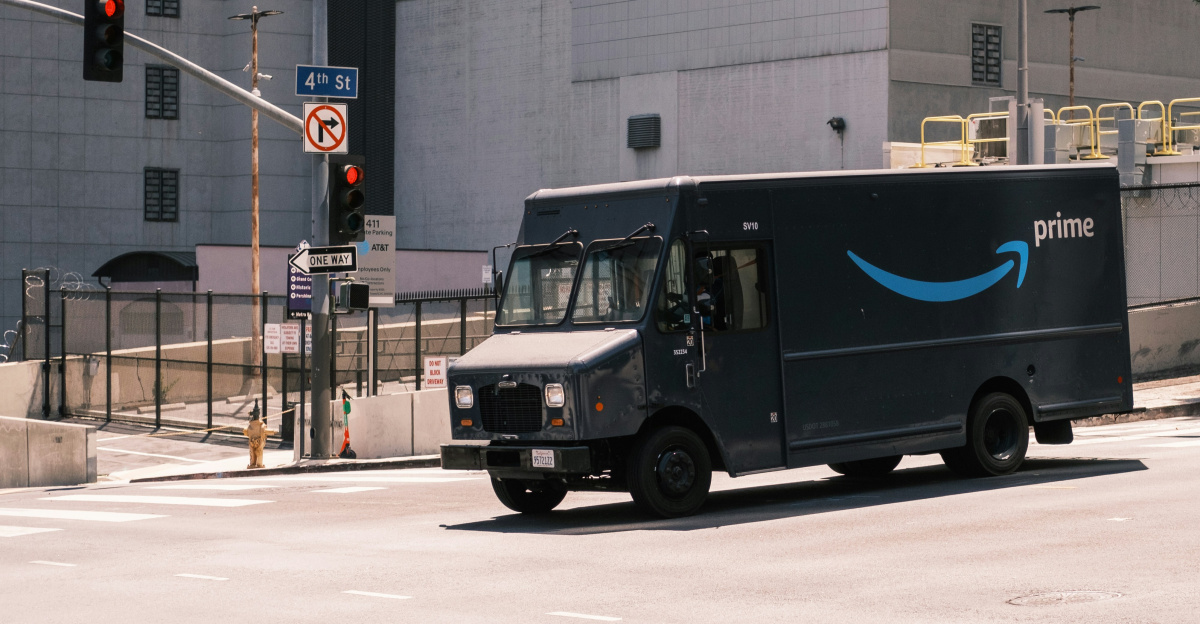
Instacart’s woes ripple wide in the FTC’s war on dark patterns and subscriptions. Amazon coughed up billions over Prime; Adobe and Uber face heat too. “This signals heightened scrutiny for AI pricing,” Alston & Bird analysts noted in December 2025, via Insurance Journal. DoorDash and rivals, beware.
Delivery apps thrive on data tweaks, but hidden fees? No more. Legal experts predict copycat probes, forcing upfront clarity. In a crowded market, one false move could tank you. Instacart’s fall warns: Innovate openly, or pay dearly.
Drawing Lines on AI Price Tricks

The settlement digs into Instacart’s AI, flagging surveillance pricing fears where algorithms charging more to less sensitive wallets.
Regulators eye how data profiles jack prices, hitting low-income users hardest. Instacart denies discrimination, but the chill is on. As tech invades aisles, fairness hangs in balance.
Instacart Fights Back Hard

Instacart rejects it all saying, “We flatly deny the allegations and offer transparent pricing,” the company told Fox Business in December 2025. It blasts Consumer Reports for mixing A/B tests with surveillance hype, saying standards are met. The settlement lets them move forward, serving users sans admission.
Insurance Journal quotes paint Instacart as an innovator snared by regs. Bold defense, but refunds loom. Can they spin this as regulatory overreach?
Shutting Down the Price Games

Public fury forced Instacart’s hand and led them to make the decision that there will be no more variable prices per user. FTC bans deceptive disclosures too. AP/CNN covered the pivot.
From secret schemes to scrapped code, controversy ends, for now. Shoppers cheer uniform pricing. But was it pressure or principle?
The New Playbook for Fair Play

Court orders demand Instacart flaunt all fees, guarantee limits, and subscription fine print pre-checkout. Express consent required, no auto-bills. Regulators and rivals watch hawkishly. No more misleads on refunds or delivery. Compliance or crackdown? The stakes are sky-high.
Can Instacart Win Back Hearts?
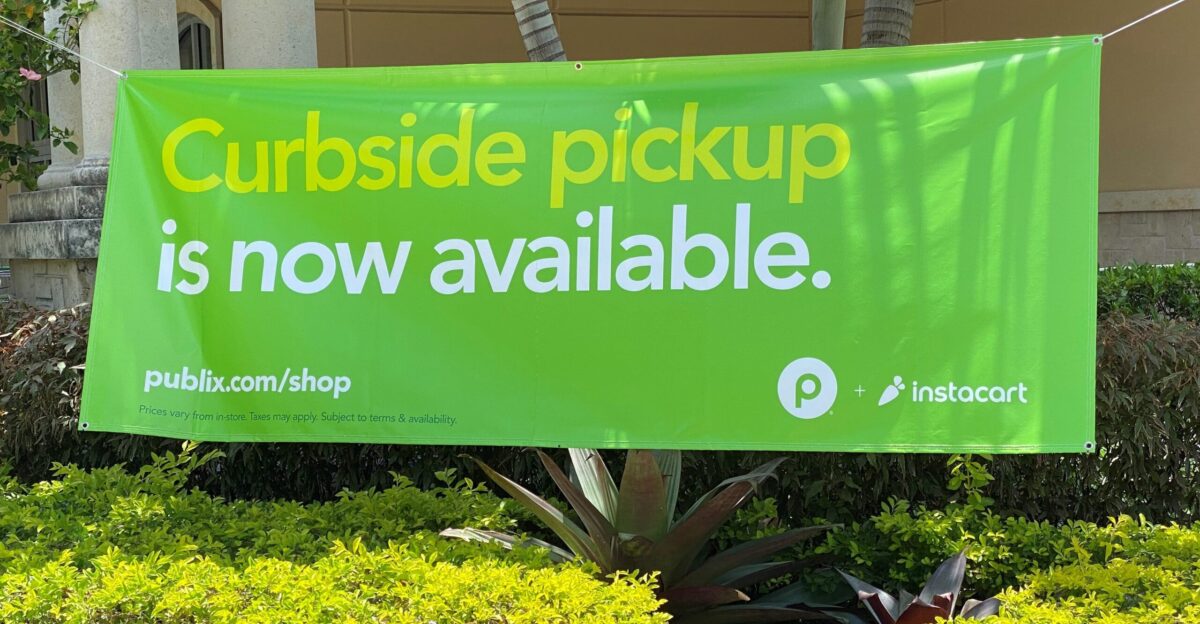
Skeptical shoppers now quiz every tap. Instacart touts convenience and easy refunds, but advocates say fee scars linger. “Reputational damage may stick,” CBS News warned in December 2025. $60M helps, yet budgets stretch thin. Will fixes suffice, or demand in-store switches?
What’s Next for Smart Grocery Prices?

Instacart spotlights the AI pricing frontier: Experiment boldly, or face fairness fights? Regulators push boundaries; apps claim efficiency. Your neighbor’s price might differ. so it this fair or foul? As tools evolve, shoppers demand the real deal. Stay vigilant; the cart’s future rolls on.
Sources
Federal Trade Commission, Instacart to Pay $60 Million in Consumer Refunds to Settle FTC Lawsuit, Dec. 2025.
CBS News, Instacart to pay $60 million in refunds after feds allege it deceived shoppers, Dec. 2025.
Fox Business, Instacart to pay $60M in FTC settlement over consumer claims, Dec. 2025.
Consumer Reports, Instacart shoppers saw wildly different prices for identical groceries, June 2024.
Insurance Journal, Instacart to Pay $60 Million in FTC Consumer Protection Case, Dec. 2025.
Retail TouchPoints, Instacart charged hidden fees analysis, Dec. 2025