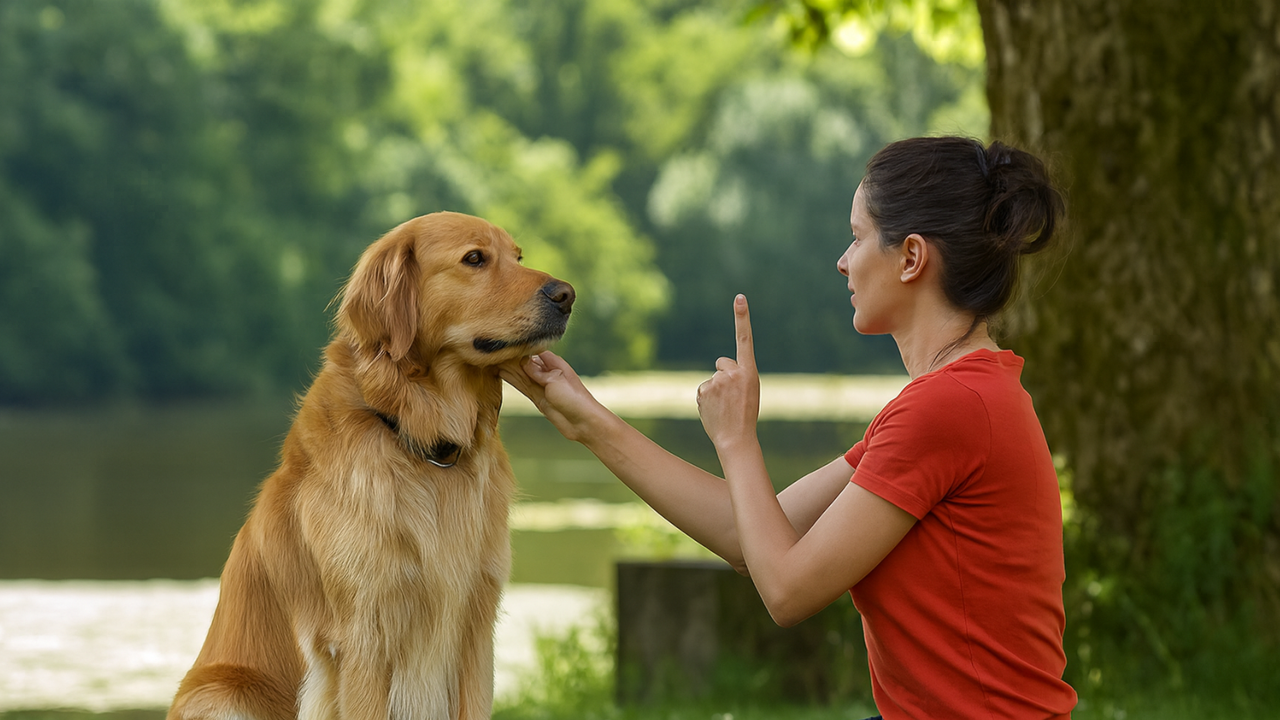
Imagine a dog leaping excitedly at arriving guests, only to receive a sharp yell or leash tug—traditional responses that breed fear rather than trust. Science-backed positive reinforcement offers a kinder path, rewarding desired behaviors to foster lasting change without punishment.
Positive reinforcement builds reliable habits by associating good actions with rewards like treats or praise, accelerating learning while strengthening the human-canine bond. This approach sidesteps yelling, leash jerks, or intimidation, proven more effective for long-term results.
Foundation: Positive Reinforcement & Prevention
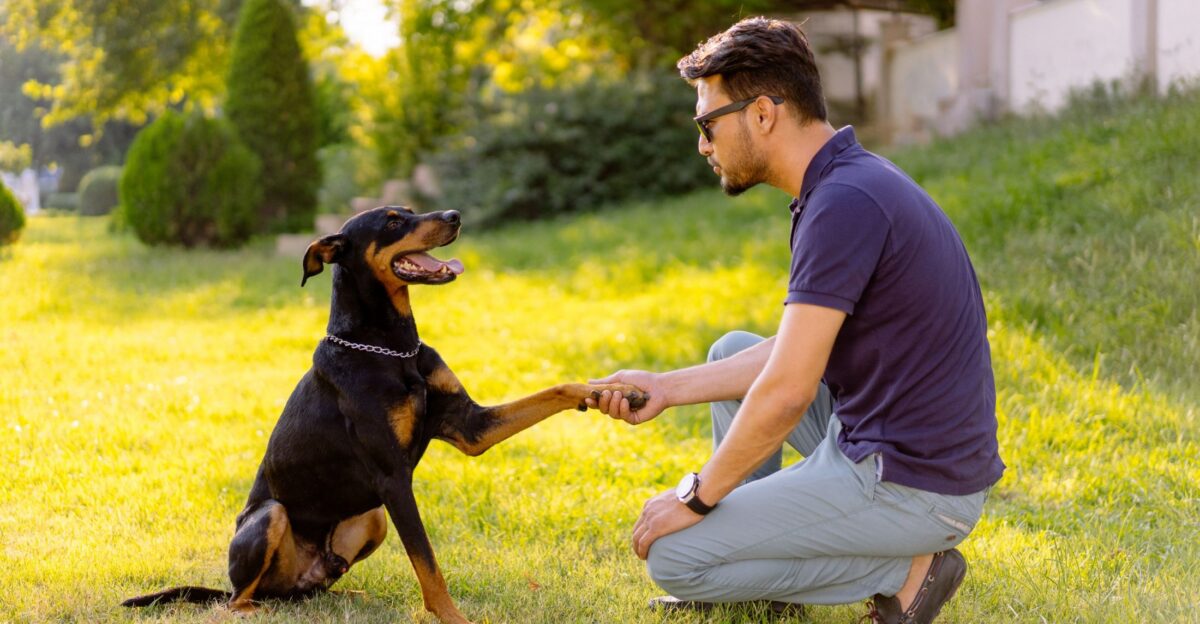
Anticipate problems before they arise. When the doorbell rings and your dog shows signs of jumping, reward four paws on the floor immediately. This links calm to treats, preventing escalation and guiding the dog toward success from the start.
Redirect energy positively instead of punishing. If chewing shoes or window barking occurs, offer a toy or send the dog to a designated spot, then reward compliance. This shifts focus without negativity, clarifying that good choices yield benefits.
Replace bad habits with incompatible good ones. Counter jumping by training sits; barking at windows by mat-lying. Heavy rewards make positives the path of least resistance, diminishing unwanted actions naturally.
Essential Commands & Training Tools
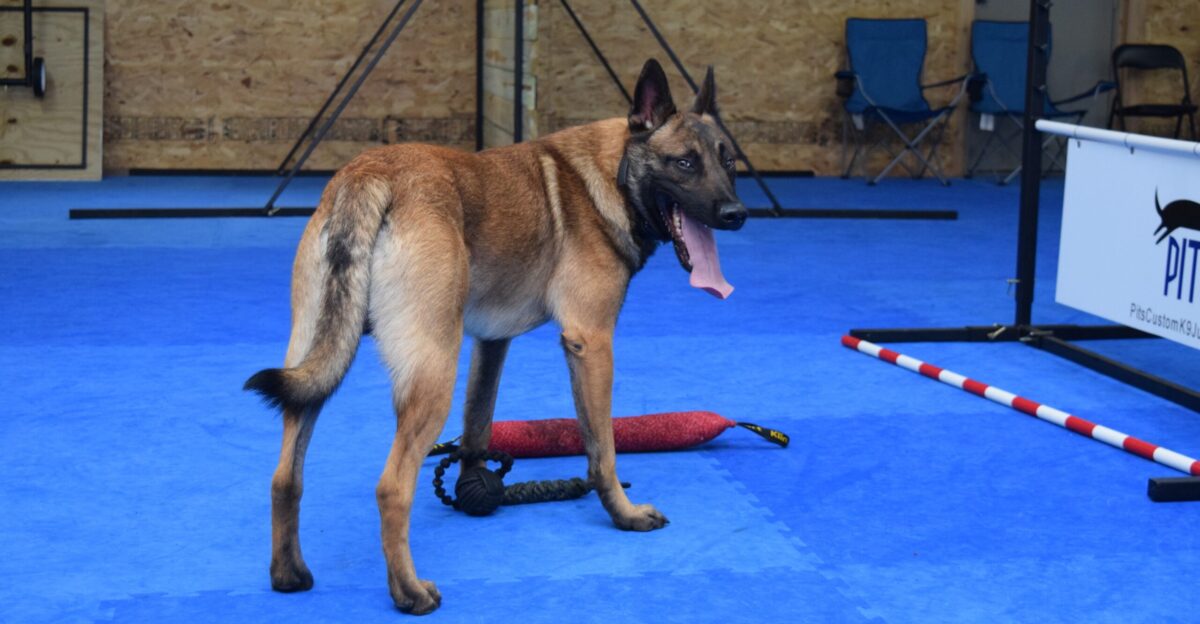
Master the “leave it” cue to avert dangers like toxic items. Start with a treat in your closed fist; reward backing away. Advance to floor-placed temptations or real hazards, building impulse control and mutual trust.
Teach the “place” command using a mat or bed. Reward stepping on, lying down, and staying amid distractions like visitors or noise. It provides a reliable calm zone during chaos, easing management without scolding.
A clicker or marker word like “Yes!” pinpoints exact good moments, vital since dogs learn best within one second of action. Pair the sound with treats first, then mark sits, eye contact, or calm states. This clarity speeds training, especially for anxious dogs.
Consistency across household members is crucial—use identical cues and rules to avoid confusion. Inconsistent signals muddle messages, slowing progress; uniform application creates a clear, trustworthy language for the dog.
Building Calm Behavior & Managing Energy

Reward spontaneous calm, such as relaxed breathing or quiet rest, by quietly dropping treats nearby. This counters the tendency to notice only misbehavior, making relaxation inherently rewarding and reducing overall excitement.
Spot stress signals early: lip licking, yawning, or gaze avoidance signal discomfort. Ease pressure, soften tone, and grant space rather than pushing. Recognizing these prevents frustration, enhancing session effectiveness.
Use neutral time-outs as resets, not penalties. For overstimulation like mouthing, guide to a dull area for 1-3 minutes without scolding, then reward polite return. It links rowdiness to paused fun and calm to resumption.
Play the name game: say the name once, reward any glance. Integrate into walks, meals, play. This rebuilds name as a reward cue, boosting attention for recall and manners amid distractions.
Protect the name from negativity; use it only for positives, neutral sounds for interruptions. This ensures eager responses without hesitation.
Advanced Techniques & Long-Term Success

Prioritize brain work over just physical exercise—scent games, puzzles, tricks tire minds effectively, curbing boredom-driven mischief. A stimulated dog stays composed longer.
Keep sessions brief, 5-10 minutes multiple times daily, ending on highs. Short bursts maintain engagement, avoiding fatigue for faster, enjoyable gains.
Impulse control grows via delays: sit before meals, doors, toys, extending waits gradually with rewards. It cultivates pause-before-action, taming lunges or grabs.
Avoid command nagging—say once, assist if needed, reward success. Repetition implies optionality; single cues with guidance enforce reliability.
Turn routines into lessons: sit for leashing, down before eating, eye contact at crossings. These micro-reinforcements weave habits seamlessly.
Celebrate incremental wins—a quicker sit, softer greet—over perfection. This sustains motivation in a supportive space, free of failure’s shadow.
Adopting these methods promises calmer homes and deeper bonds, but success hinges on patience and practice. Dog owners weighing old-school dominance against evidence-based kindness face a clear choice: fear erodes trust, while positivity endures, potentially transforming countless relationships.
Sources:
American Kennel Club. “Indoor Scent Games For Dogs.” June 27, 2024.
American Kennel Club. “What Your Dog Trainer Wishes You Knew About Consistency.” August 13, 2025.
American Veterinary Society of Animal Behavior. “Positive Reinforcement is More Effective at Training Dogs Than an Electronic Collar, Study Shows.” December 10, 2024.
Australian Veterinary Association. “The use of punishment and negative reinforcement in dog training.” November 4, 2021.
Whole Dog Journal. “A Proactive Approach to Dog Training.” January 24, 2021.
Wisconsin Humane Society. “Body Language in Dogs.” December 31, 2024.