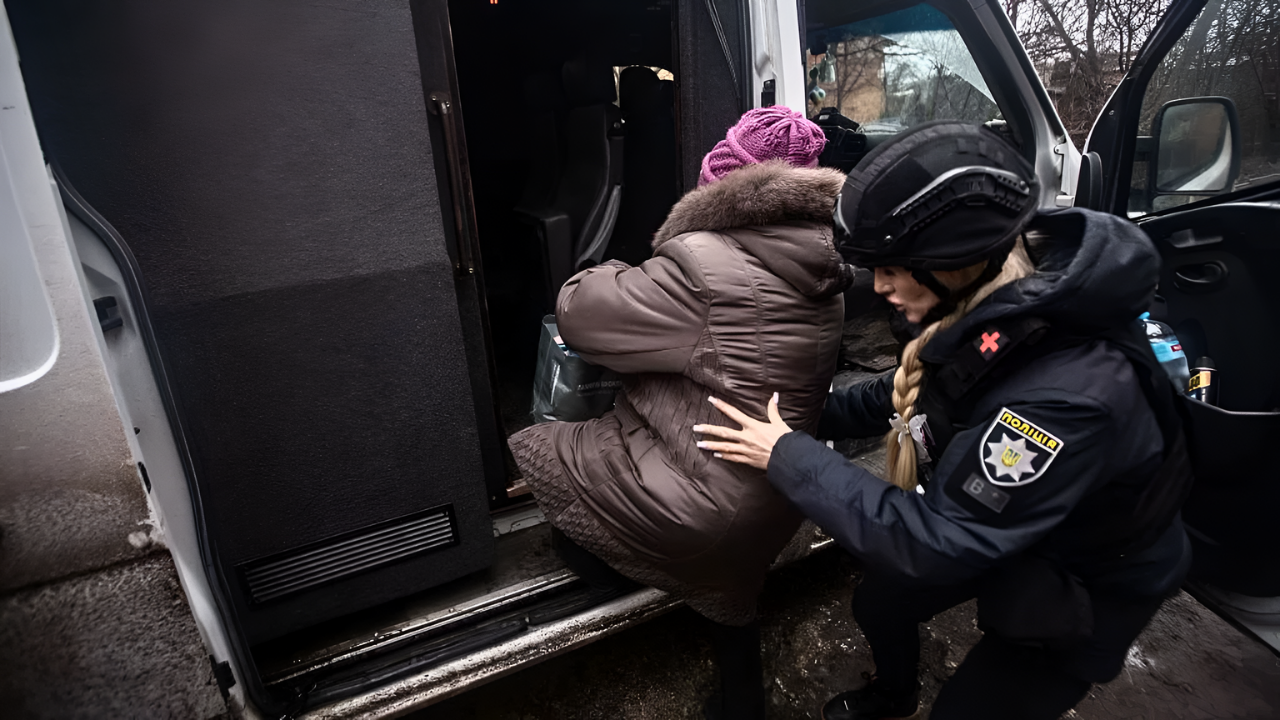
Russian troops stormed the quiet village of Hrabovske in Ukraine’s Sumy Oblast at dawn on December 19, abducting around 50 civilians—mostly elderly residents—and transporting them into Russia by December 21. This sudden raid ended years of relative calm on the northern front, exposing border communities to heightened threats and marking a shift toward intensified psychological operations.
The Raid and Regional Impact
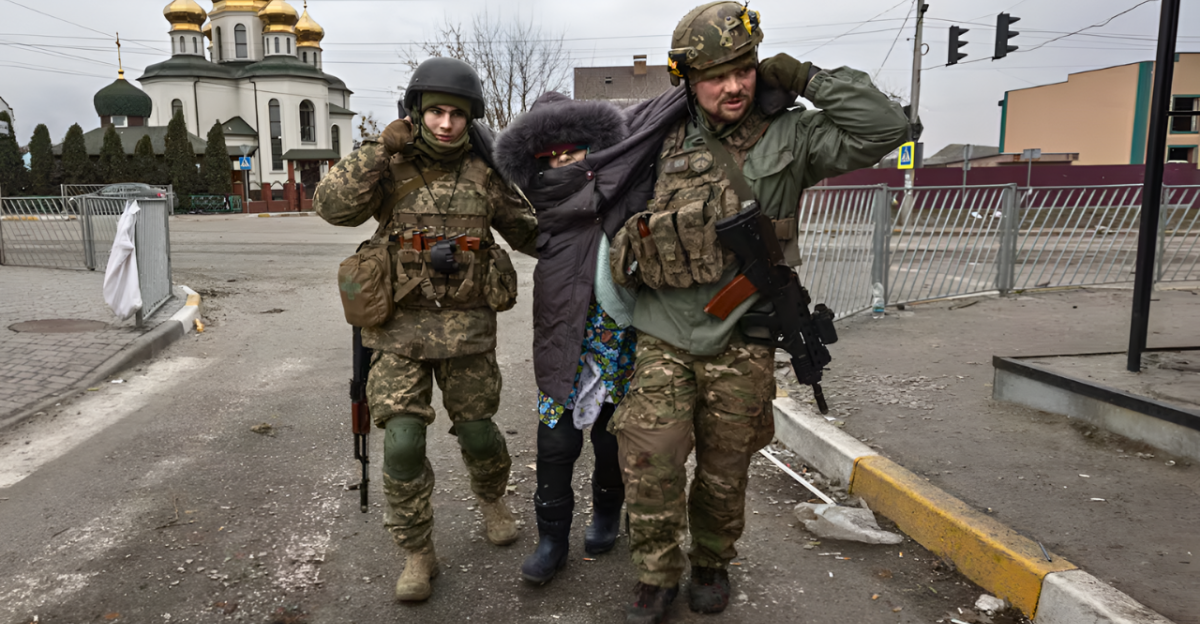
On December 19, Russian ground forces crossed into Hrabovske, detaining civilians who ignored prior evacuation warnings. Reports indicate primarily elderly women among the roughly 50 taken, with some sources specifying 52, including children. Kyiv branded the action a war crime. Ukrainian troops countered swiftly, repelling the raiders, though President Volodymyr Zelensky later disclosed 13 service members were also captured in the operation.
The event sparked urgent evacuations throughout Sumy Oblast’s frontier zones. The incursion has elevated risks across more than 100 kilometers of border villages in Sumy and neighboring Kharkiv Oblast. Shelling has intensified, reconnaissance raids multiplied, and ground probes tested Ukrainian lines. Shelling escalated, crippling infrastructure, closing schools, halting transport, and grinding local economies to a stop. Russian units gained no permanent foothold, yet daily existence unraveled across a broad swath, leaving families separated and communities uprooted. Ukrainian authorities sped up evacuations, though many older residents hesitated to leave homes built over lifetimes.
Strategic and Military Context
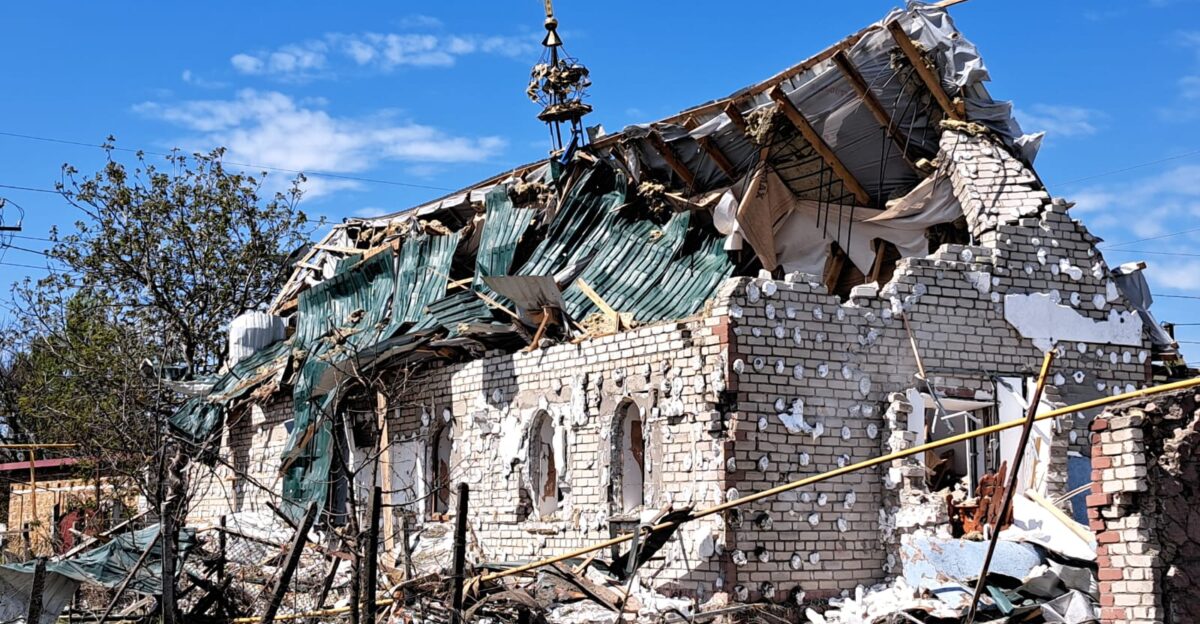
Sumy Oblast had been a low-intensity zone since Russia’s full-scale invasion in 2022. Unlike fierce battles in Donetsk or Zaporizhzhia, its border areas saw minimal advances, with Ukrainian forces maintaining steady lines. Russian efforts concentrated elsewhere, letting small villages like Hrabovske persist amid sporadic fire—until the December assault disrupted that fragile stability.
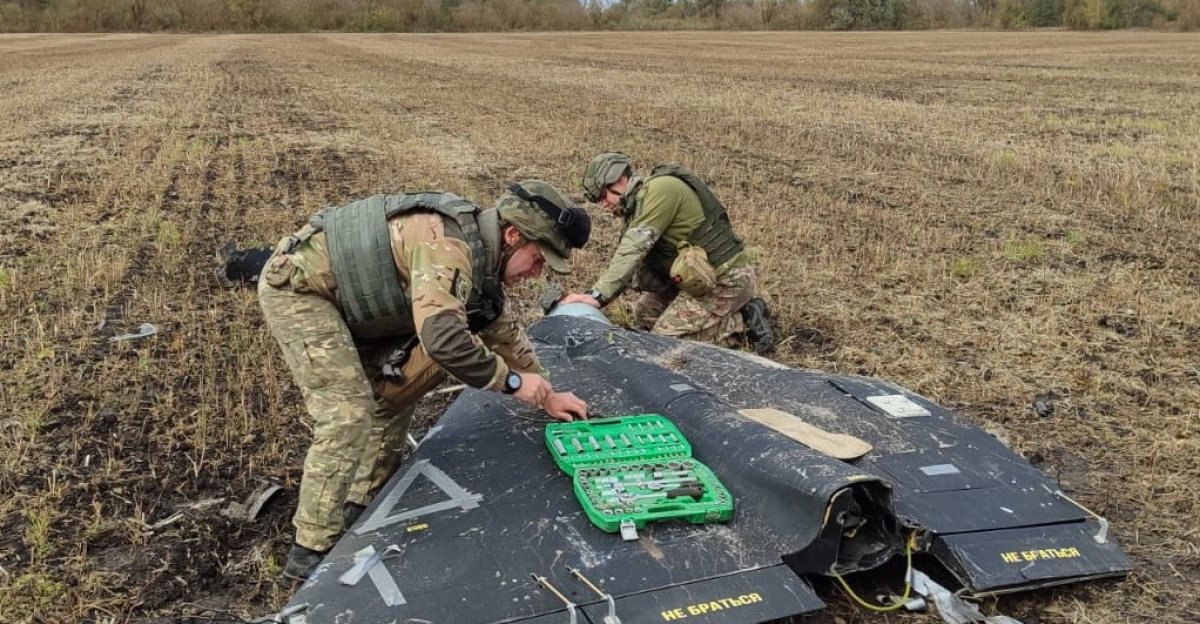
Late 2024 brought a surge in Russian activity along northern sectors, featuring brief incursions and artillery strikes to gauge Ukrainian responses. The Institute for the Study of War (ISW) describes these as resource-draining tactics and frames the raid as cognitive warfare, designed to feign a broadening conflict in a dormant area and amplify perceptions of vulnerability. Frontlines remain secure, and analysts stress Russian success is far from assured, curbed by Ukrainian resilience and external aid. Experts view these moves not as bids for territory, but as efforts to sow fear, erode morale, and strain defenses.
Sumy Regional Military Administration head Oleh Hryhorov reported persistent fighting and bolstered fortifications post-raid. Task forces repositioned for quicker reactions, prioritizing civilian safety without noted command shifts. Counteroffensives cleared Russian elements near Hrabovske, with ISW confirming line stabilization. Fortifications hardened, response protocols sharpened, and evacuations paired with ongoing engagements. Frontline positions have held firm, but border settlements bear the brunt, prompting Ukrainian commanders to brace for sustained assaults in Sumy and Kharkiv.
Human and Legal Consequences
In Hrabovske, relatives await word on abducted loved ones, many of whom lived alone or relied on kin for support. Ukraine’s Human Rights Ombudsman Dmytro Lubinets noted families received no details on detainees’ whereabouts or welfare. The operation’s toll underscores its targeted impact on non-combatants.
Officials and legal specialists deem the forcible transfers war crimes, banned by Article 49 of the Fourth Geneva Convention. The UN High Commissioner for Human Rights has recorded comparable violations, and the International Committee of the Red Cross labels them serious breaches of global norms. Probes continue amid calls for accountability.
Analysis and Outlook
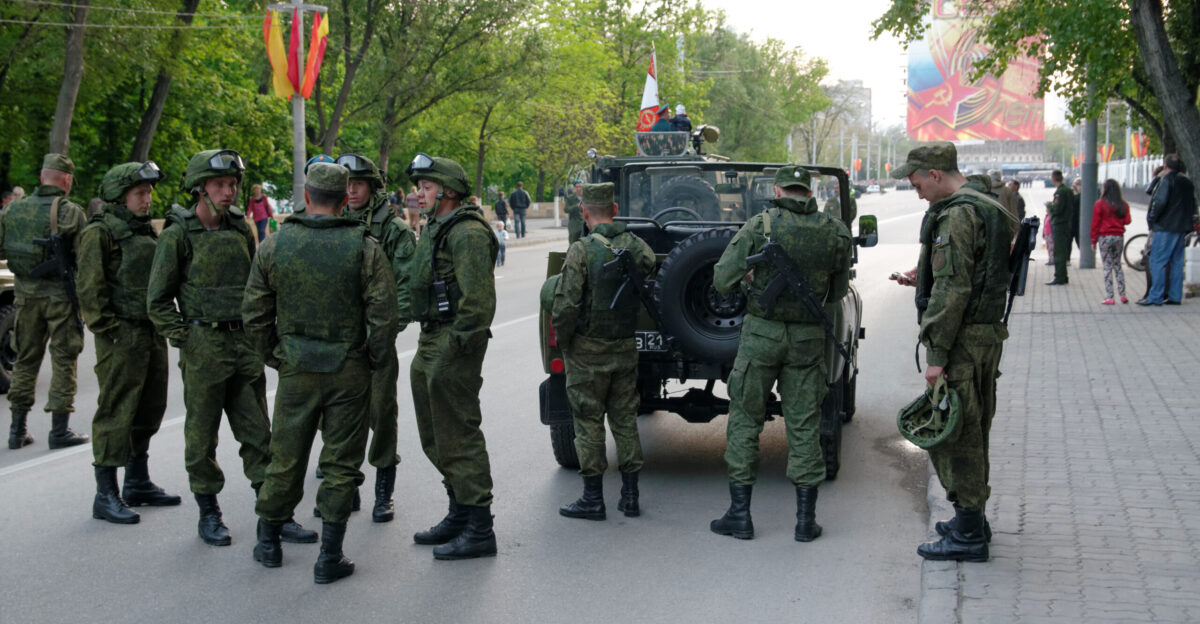
Observers doubt Russia’s capacity to maintain raids absent territorial gains. ISW cautions such ventures could overstretch forces, while Ukrainian flexibility and Western backing diminish their long-term value.
Northern borders now simmer with tension as Ukrainian defenders hold firm, yet abducted civilians’ fates linger unresolved. Communities grapple with recovery under shadow of threat, as international bodies assess responsibility. The episode raises broader questions about escalation, endurance, and enforcement of wartime laws in prolonged conflict.
Sources:
Kyiv Independent | “52 civilians, including children, abducted in Sumy Oblast, forcibly taken to Russia” | December 22, 2025
Institute for the Study of War (ISW) | “Russian Offensive Campaign Assessment, December 21, 2025” | December 21, 2025
BBC News | “Border villagers abducted and taken to Russia, says Ukraine” | December 24, 2025
ZMINA | “‘Russia no different from ISIS, Boko Haram or Hamas’: Ukraine demands return of 50 abducted civilians” | December 21, 2025
Liga.net | “Children were among 52 residents of Hrabovske taken to Russia – Zelensky” | December 21, 2025
The Independent | “Russia attempts to break through Sumy frontline and abducts 50 civilians from border villages” | December 22, 2025