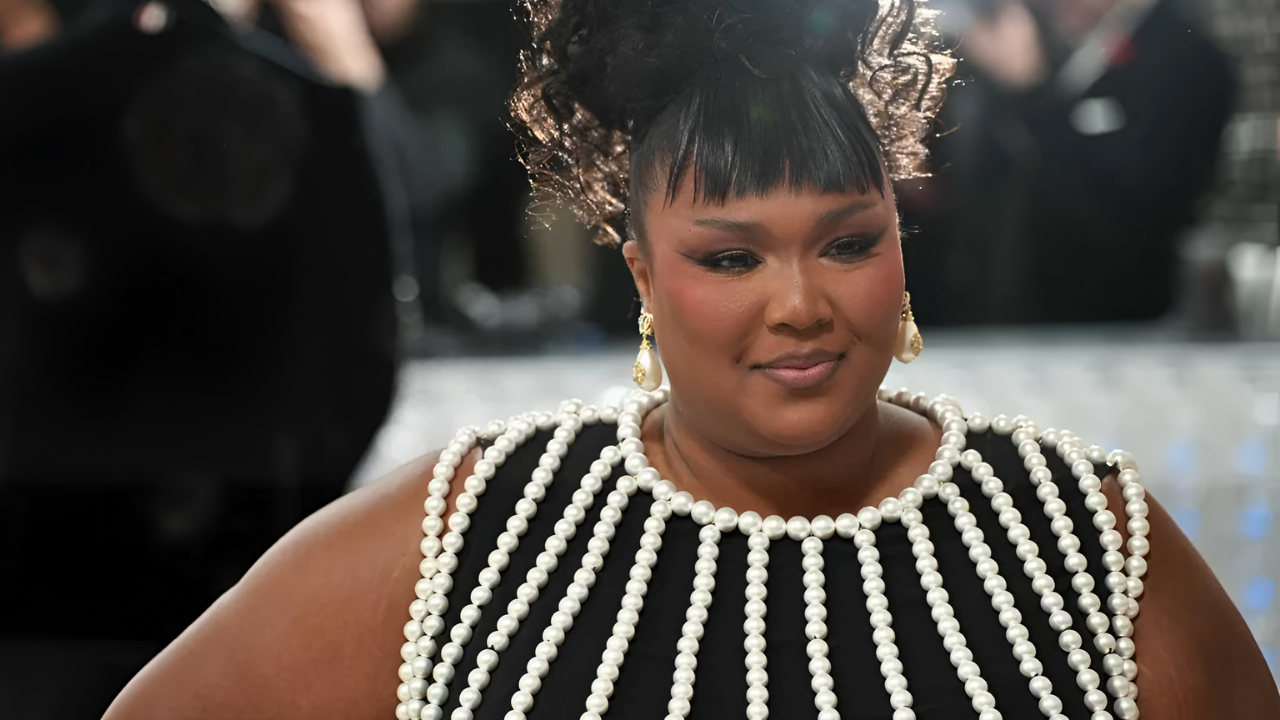
Lizzo’s body positivity empire faces a stark courtroom test as three former dancers push sexual harassment and discrimination claims toward trial, following the recent dismissal of fat-shaming allegations. This legal clash exposes tensions between her message of empowerment and reports of a toxic tour environment, probing the limits of artistic freedom versus workplace protections.
From Pop Star Ascent to Courtroom Clash
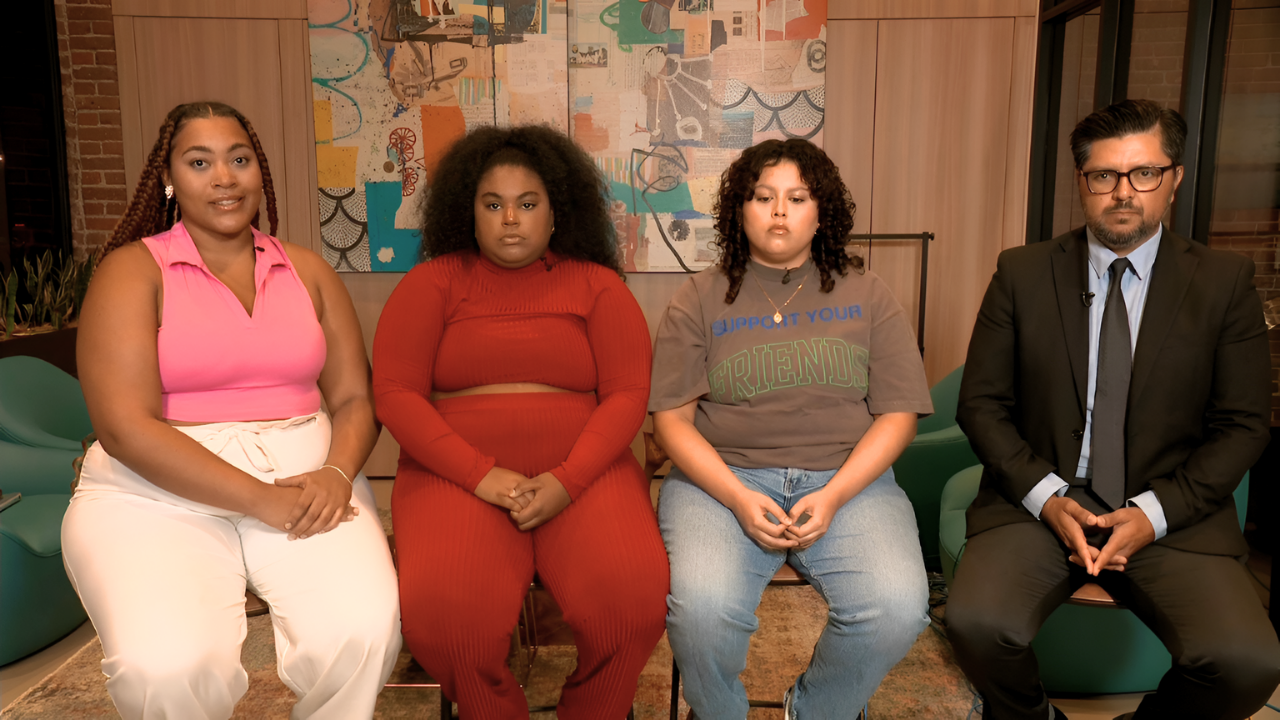
Lizzo built her career on anthems of self-love and inclusion, captivating millions during her 2023 Special Tour. Yet backstage, three former backup dancers—Arianna Davis, Crystal Williams, and Noelle Rodriguez—filed a lawsuit in August 2023 against Lizzo, her production company, and dance captain Shirlene Quigley. They detailed allegations of sexual harassment, racial and religious discrimination, disability bias, assault, false imprisonment, and a hostile work environment. Lizzo denied the claims, hiring attorney Marty Singer to mount a vigorous defense. While a Los Angeles Superior Court judge finalized dismissal of the fat-shaming accusations in December 2025, the core charges advanced, setting the stage for a jury trial.
Dancers Detail Tour Harassment and Amsterdam Incident
The suit paints a picture of coercion during international tour stops. Davis claimed weight-shaming led to her firing; Williams was dismissed after questioning Lizzo’s accusations; Rodriguez resigned amid mistreatment. Their lawyer, Ron Zambrano, affirmed commitment to proving the case, with Lizzo expected to testify. Central were off-stage outings framed as team-building but alleged to cross into harassment. Power dynamics loomed large: dancers said refusing meant risking jobs in Lizzo’s high-stakes circle.
Tension peaked in February 2023 at Amsterdam’s Bananenbar, a venue featuring naturist performers. Dancers alleged Lizzo pressured them to touch performers and catch items ejected from private areas, with Davis facing repeated demands after declining. Organizers called participation voluntary, but plaintiffs described intense job-security pressure. Similar episodes unfolded in Paris at the Crazy Horse cabaret and other cities, where expectations felt inescapable despite the “fun” veneer. Lizzo later called these innocent social events on a podcast.
Religious and Supervisory Pressures
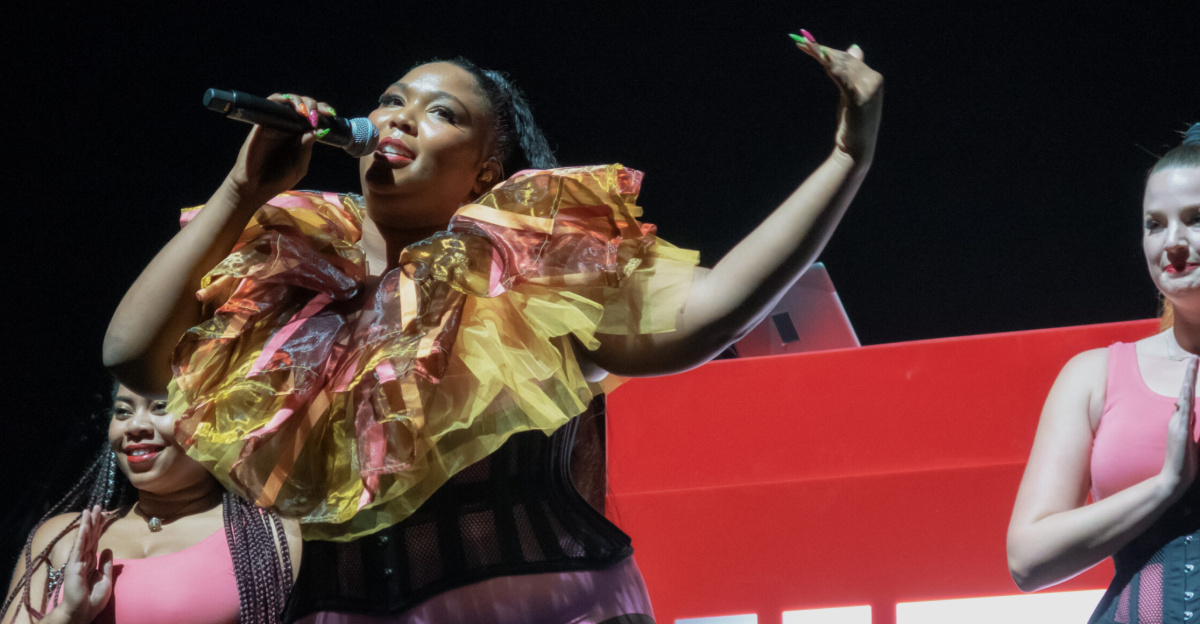
Quigley faced separate accusations of blending faith proselytizing with sexual remarks during rehearsals. Court filings noted her criticizing Rodriguez as a “non-believer,” ignoring pleas to stop, and declaring no one could halt her religious talk—not even job concerns. Racial favoritism and inappropriate jokes compounded the hostile atmosphere, per the suit. These layers challenged the tour’s collaborative image, highlighting supervisory overreach.
Legal Battles and First Amendment Flashpoint
Lizzo’s team invoked California’s anti-SLAPP law, arguing the conduct tied to artistic expression under the First Amendment. Judge Mark H. Epstein expressed doubt, noting discrimination cannot hide behind speech protections. On February 2, 2024, he dismissed fat-shaming claims for lack of evidence, backed by 18 witnesses. Appeals dragged into 2025, but by December 16, plaintiffs dropped fat-shaming appeals, securing final dismissal. Lizzo hailed it as vindication, citing other firing reasons like unauthorized recordings. Remaining claims—harassment, discrimination, and more—cleared motions for trial.
As the proceedings near, the case tests entertainment industry norms, weighing celebrity creativity against employee rights. A verdict could reshape tour policies, influence precedents on off-stage conduct, and force a reckoning on the gap between Lizzo’s public empowerment and alleged backstage realities, with lasting effects on her career and broader labor standards.
Sources:
Final Rulings on Lizzo Fat-Shaming Claims, Los Angeles Superior Court, 2024
Court Filings and Motions in Lizzo Sexual Harassment Case, California District Court, 2023-2025
Statements From Judge Mark H. Epstein During Lizzo Case Hearings, 2024-2025