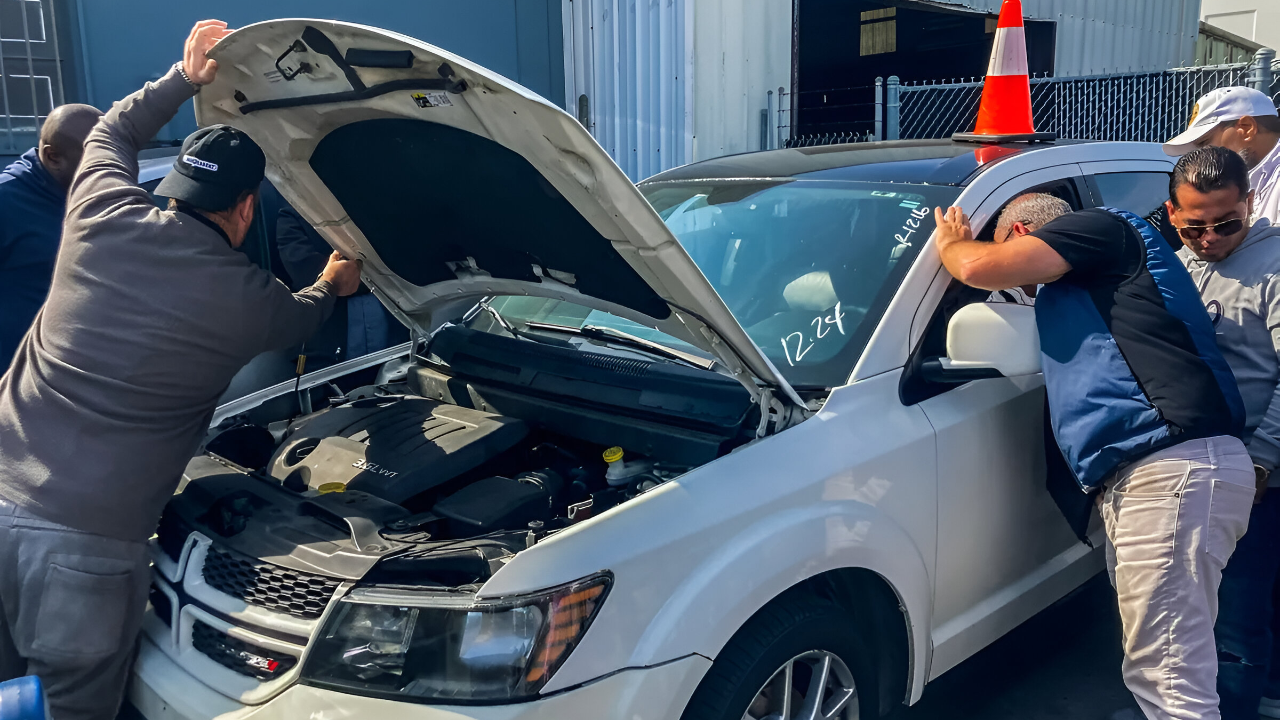
Last month, Tricolor Holdings collapsed suddenly, revealing a $900 million fraud led by CEO Daniel Chu. He allegedly tricked major banks while taking home almost $30 million for himself. The subprime auto lender served over 100,000 low-income Latino borrowers, many of whom had few credit options. Now, these customers face car repossessions and financial hardship from the company’s failure.
The downfall hit without warning in early September 2025. Tricolor put 80% of its workers on unpaid leave. By September 5, everything stopped: emails went offline, paychecks ended, and 65 dealerships in six states closed. Since starting in 2007, the company had given out $5 billion in loans. By 2025, it held $1.3 billion in outstanding loans. Borrowers heard nothing about their accounts, leaving thousands in limbo.
Problems with Loan Collateral
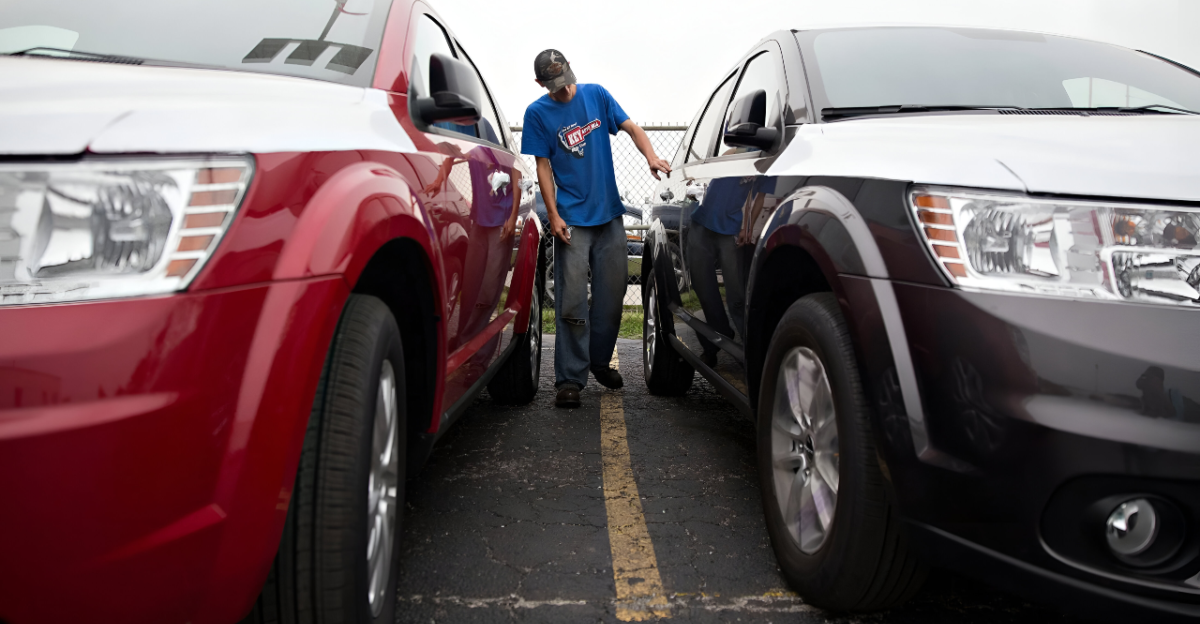
A big bank’s check uncovered huge gaps in Tricolor’s records. The company said it had $2.2 billion in assets, but valid loans totaled just $1.4 billion, a gap of $800 million. Lenders got fake reports: loans were overstated, promised to more than one bank at a time, and customer payment data was invented. Vehicle details were also falsified. This hid climbing loan defaults and real dangers, making standard funding a massive scam.
CEO’s Lavish Spending
Daniel Chu earned $30 million from August 2023 to August 2025, including $19.3 million in salary and bonuses. He bought $38 million in luxury homes in Dallas, Beverly Hills, and Miami. He also charged spas, dental work, and private club fees to the company. When board members questioned the spending, Chu called it necessary for his health during tough business times.
Banks Count Their Losses

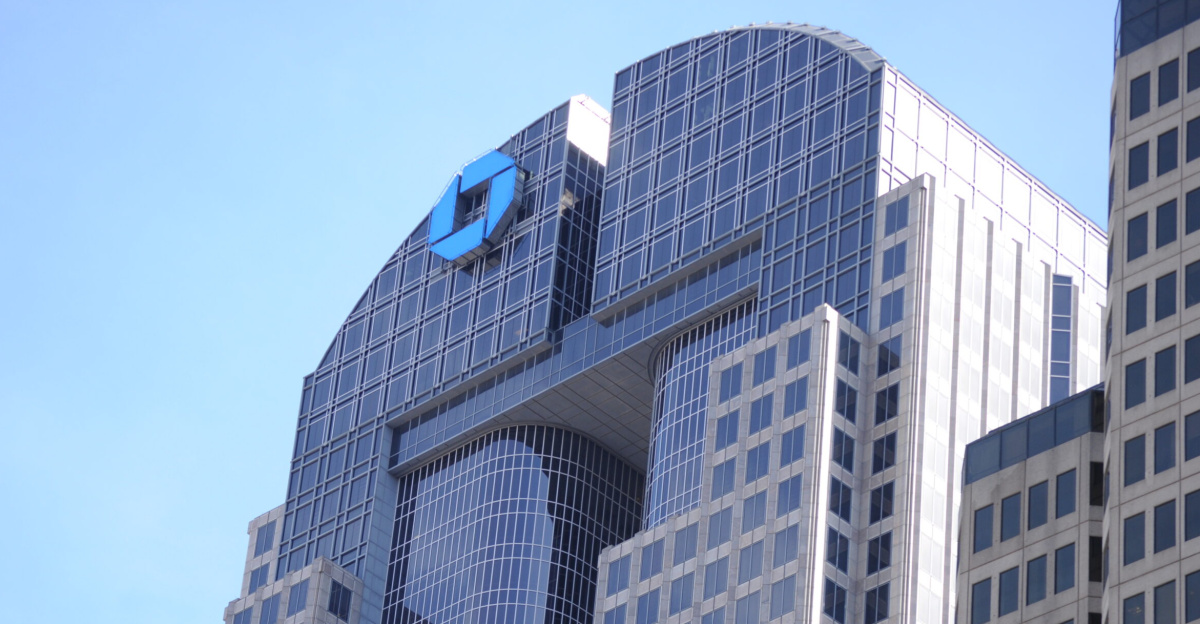
Lenders took big financial hits. Fifth Third Bank lost $200 million to the fraud. JPMorgan Chase wrote off $170 million in the third quarter. Zions Bancorp and Origin Bank lost $50 million and $30 million. Barclays spotted issues in a $217 million loan group. Warning signs came earlier: Waterfall Asset Management saw no progress on loan repayments, and JPMorgan’s 2024 review found audit problems. Still, banks kept lending into 2025.
Victims Suffer as Probes Deepen
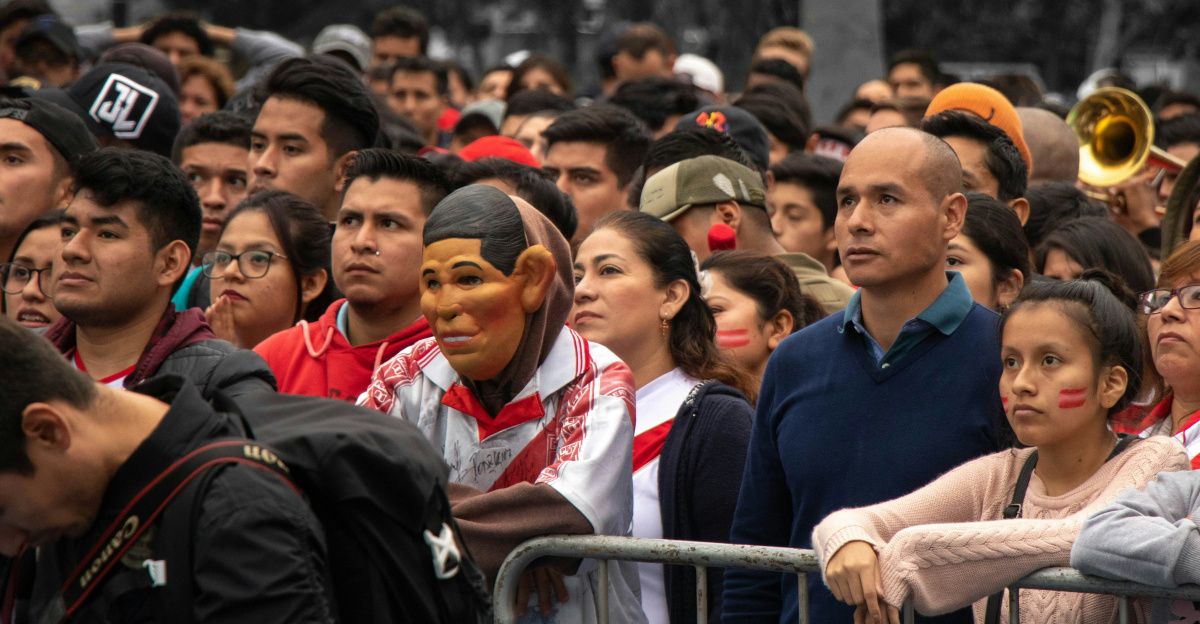
More than 1,000 employees lost wages overnight on September 6, though health insurance lasted a bit longer. The FBI launched an investigation. Vervent Inc. took over servicing 100,000 subprime loans, mostly for Latino immigrants without driver’s licenses or traditional credit.
Federal charges filed on December 24 accused Chu and COO David Goodgame of conspiracy, bank fraud, and leading a criminal operation from 2018 to August 2025. Former CFO Jerome Kollar and executive Ameryn Seibold admitted guilt in related cases. Recordings showed executives discussing AI tools to create fake excuses and blame others. The tech helped make up loan data and payments.
The damage spreads to underbanked communities. Borrowers could lose cars they need for work and daily life. Banks now watch subprime auto loans closely, with stricter checks on collateral and backgrounds. Regulators hear demands for better rules on lender funding and protections for at-risk groups. As court cases move forward, banks calculate billions in losses, workers seek back pay, and families wait on their loans. The crisis shows the heavy toll of hidden fraud and the push for stronger safeguards in the industry.
Sources
U.S. Attorney’s Office Press Release, Southern District of New York, December 24, 2025
JPMorgan Chase Q3 Earnings Report, October 14, 2025
Davis+Gilbert Bankruptcy Analysis, September 2025