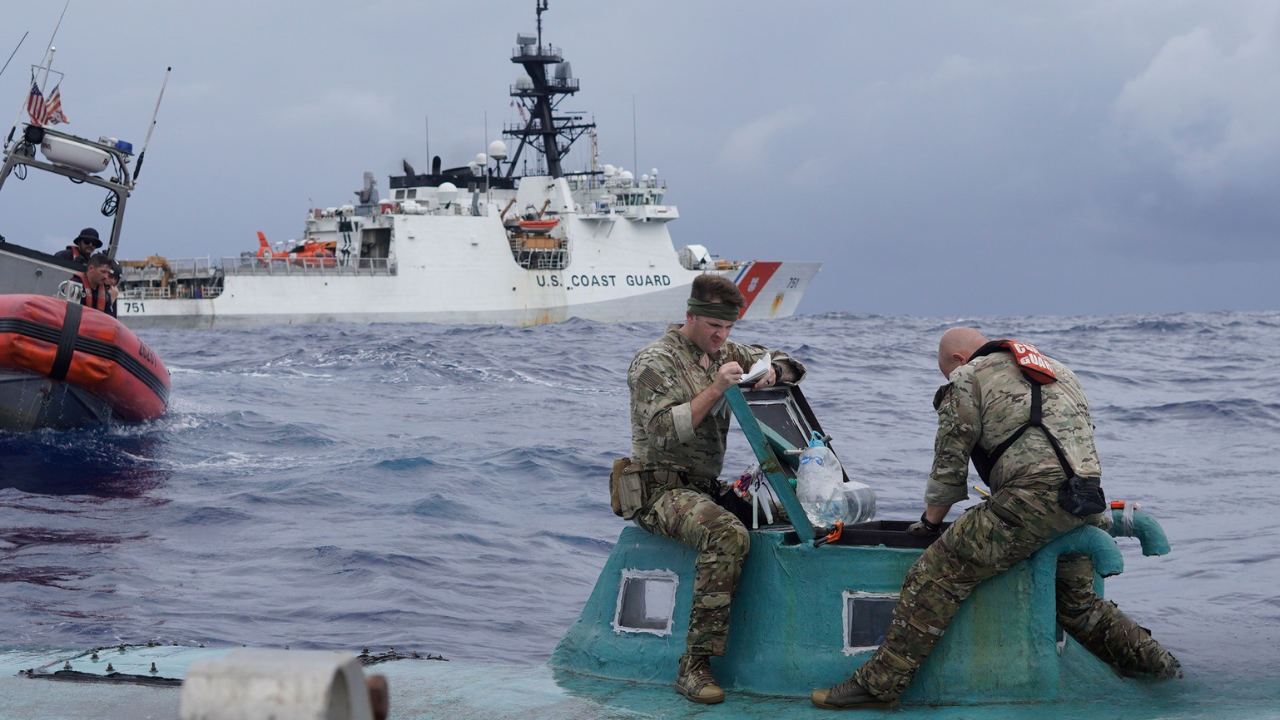
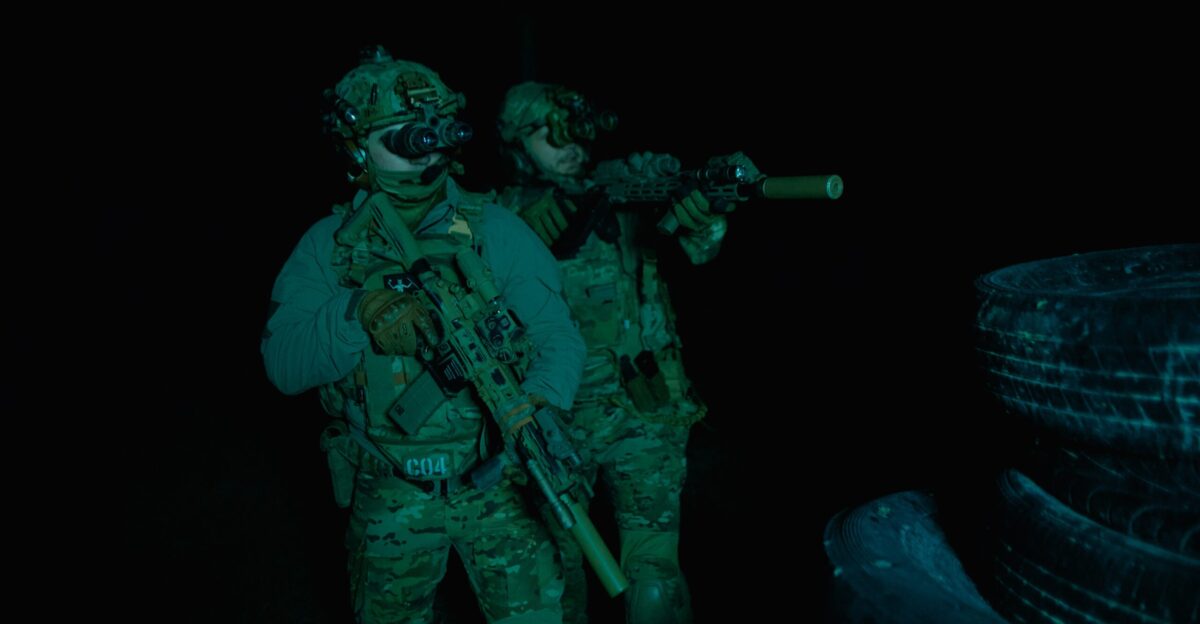
U.S. Special Operations Forces executed a rare direct intervention in November 2025, boarding a commercial cargo vessel in international waters several hundred miles off Sri Lanka. The nighttime operation marked a significant escalation in American maritime enforcement after years of limited direct action.
The boarding team secured the vessel to inspect containers suspected of violating international sanctions—a move that would have sweeping implications for global weapons proliferation networks.
Hidden Chinese Tech Found
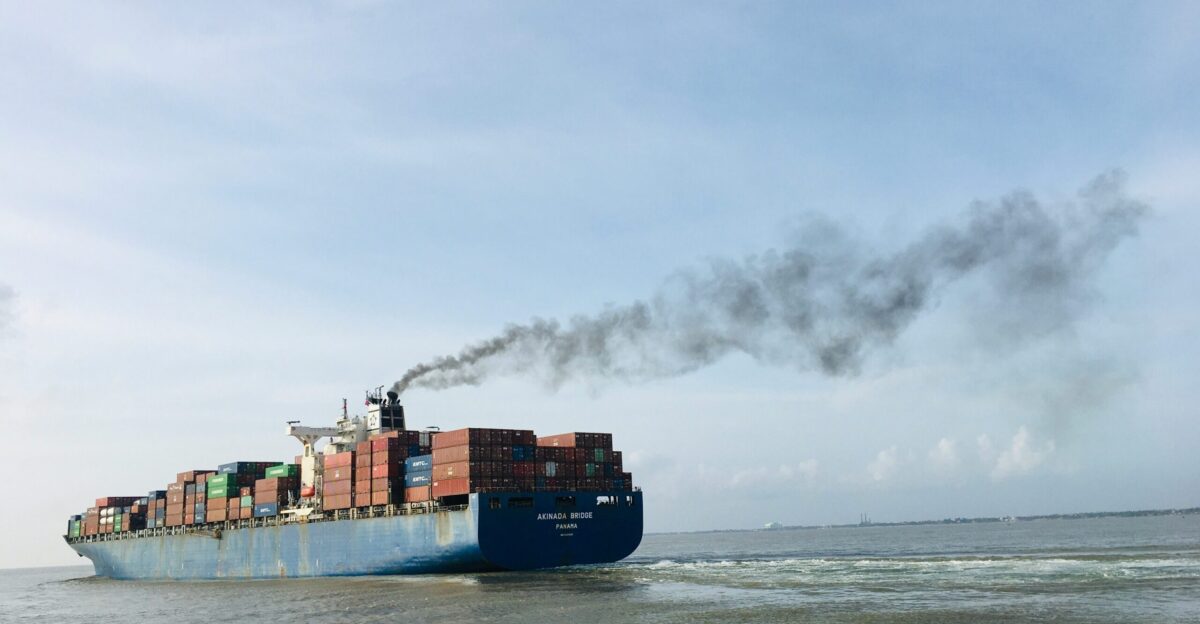
Inside the hold, inspectors discovered sophisticated Chinese-made missile components estimated to be worth approximately $5 million* based on typical market values for dual-use precision guidance systems—hardware that bore no resemblance to its civilian labels. Pentagon experts identified the cache as critical guidance systems destined for Iran’s military complex.
The haul included dual-use precision components—hardware such as spectrometers, gyroscopes, and navigation tools that are essential for modern ballistic missiles. These components matched the types of systems long flagged by U.S. intelligence as central to Iran’s weapons development program.
*Editor’s Note: Defense analysts estimate the cache’s value at approximately $5 million based on typical market prices for dual-use precision guidance components of the type commonly used in missile systems.
Precision Missile Components
According to the Pentagon’s 2025 China Military Power Report, these guidance systems enable advanced missile accuracy and targeting capability. By intercepting them at sea, U.S. forces prevented Tehran from completing weapons systems that could threaten regional allies, including Israel and Saudi Arabia.
Targeting components at the source, rather than allowing assembly inside Iran, effectively dismantled part of a broader procurement strategy aimed at rebuilding Iran’s missile arsenal.
U.S. Destroys $5 Million Missile Cargo
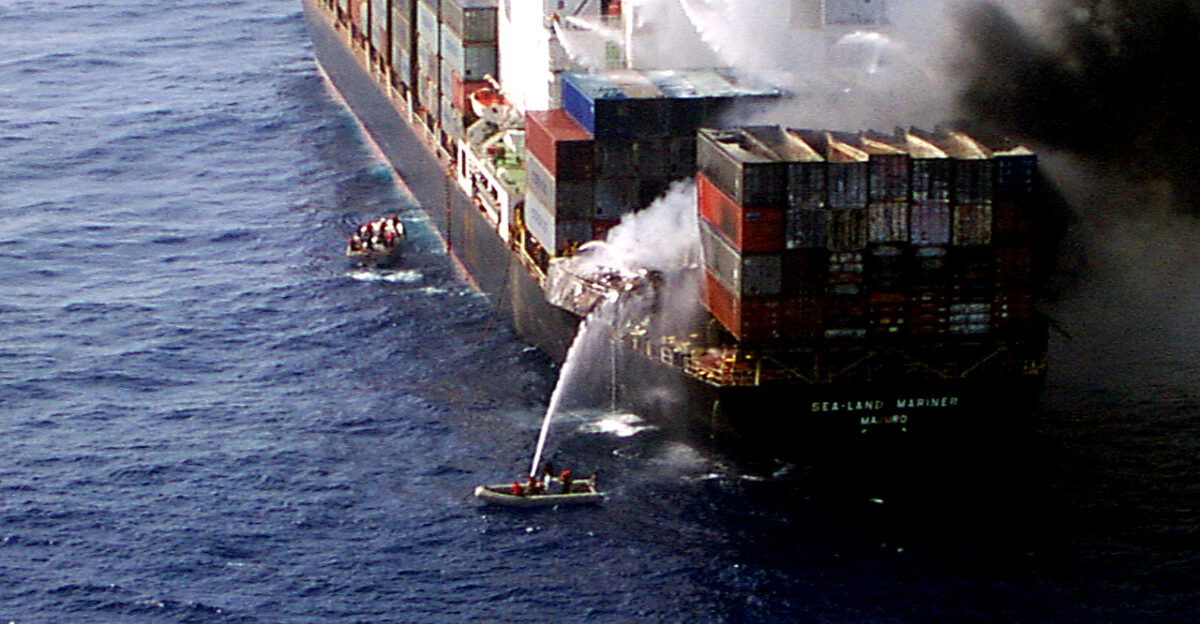
In a striking move, U.S. forces chose not to seize or offload the estimated $5 million in precision guidance components. Instead, they destroyed it at sea in what the Pentagon described as a decisive action to “neutralize the threat instantly.” This “torch and toss” strategy ensured the technology would never reach Iranian soil.
The immediate destruction sent a clear signal that trafficking in illicit weapons components now carries direct and irreversible consequences.
Destroy the Cargo, Not the Ship
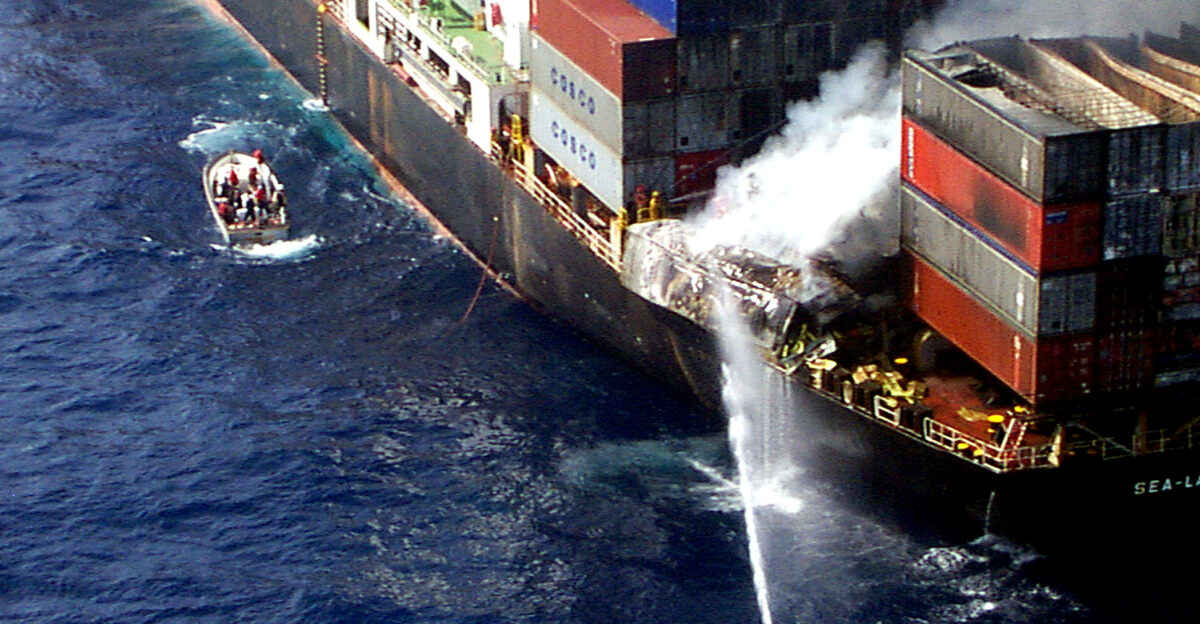
Defense analysts see this destruction-at-seizure approach as a significant shift in U.S. maritime enforcement doctrine. Rather than relying on traditional confiscation and slow-moving legal processes, the new strategy aims to prevent supply-chain recovery and deny adversaries the chance to reroute shipments through alternate networks.
It also showcases an operational commitment to active, kinetic enforcement at sea, underscoring the belief that passive monitoring alone is no longer enough.
Cargo Ship Crew Freed

Despite the dramatic operation and destruction of cargo, the commercial vessel itself was released once the mission concluded. U.S. forces allowed the crew to continue their journey—a calculated decision rooted in maritime law and diplomatic caution.
Many crew members likely did not know the actual contents of their containers. The choice reflects a focus on dismantling proliferation networks rather than prosecuting low-level merchant sailors with limited responsibility.
Pentagon Targets Weapons Networks

This approach aligns with a broader U.S. strategy: eliminate weapons supplies while minimizing diplomatic friction with flag states and civilian crews. Instead of detaining ships or launching high-profile prosecutions that could escalate tensions, the U.S. concentrated on the proliferation threat itself.
The balance between kinetic action and diplomatic restraint suggests a revised Pentagon calculus on how to police commercial shipping lanes.
Iran’s Wider Missile Rebuild Drive
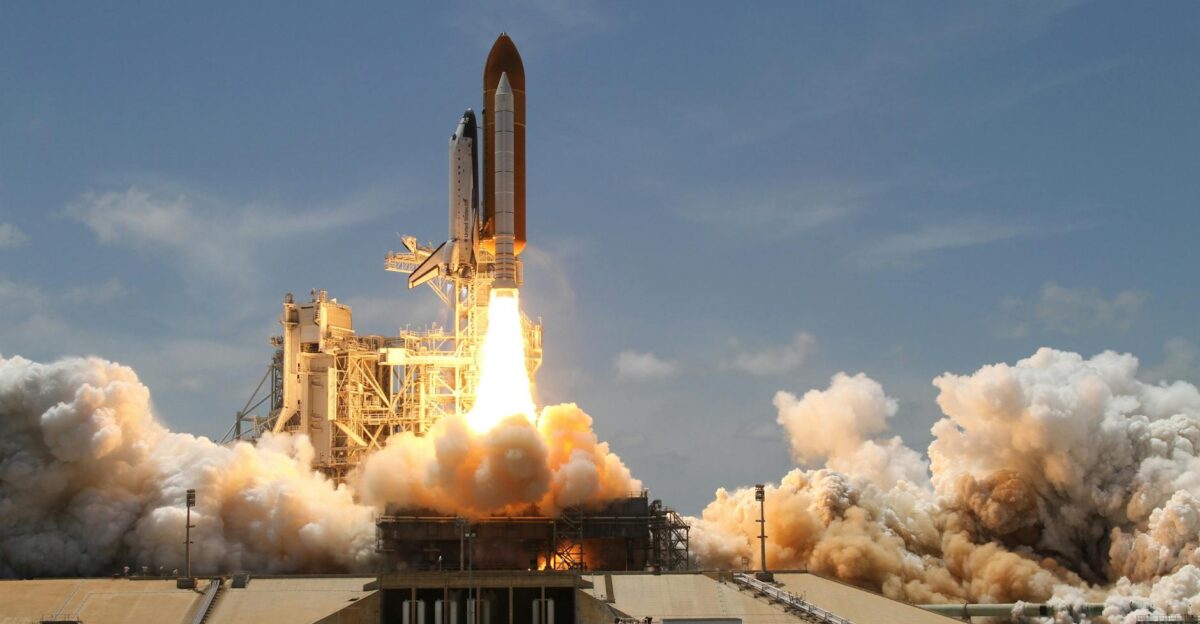
The seizure is only one piece of a much broader Iranian effort to rebuild its missile forces. Intelligence assessments indicate Tehran is pursuing a coordinated acquisition of both high-tech guidance components and chemical propellants.
Congressional investigators have documented evidence that Iran received around 2,000 tons of sodium perchlorate—a key oxidizer used in solid rocket fuel—through Chinese supply chains between September and October 2025, via separate maritime routes.
Missile ‘Brains’ and Rocket Fuel
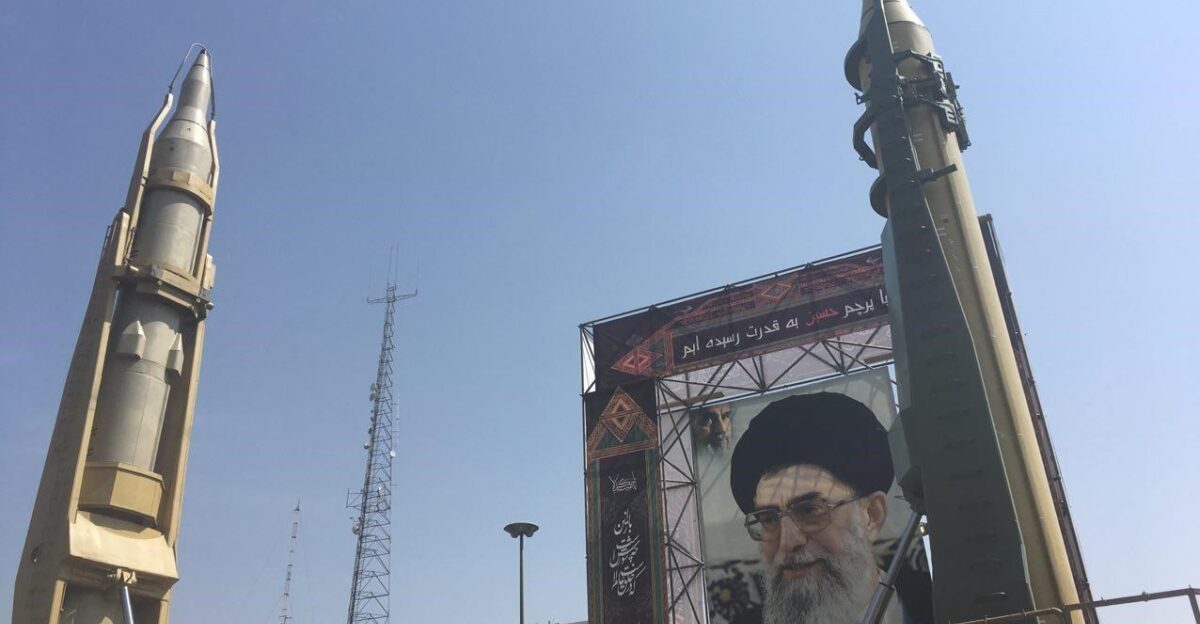
Together, these parallel efforts reveal a clear pattern. Iran is attempting to secure both the “electronic brain” (precision guidance systems) and the “chemical heart” (rocket fuel oxidizers) needed to expand and replenish its ballistic missile arsenal.
The coordination suggests Tehran believes its missile capabilities face a serious long-term risk and is racing to reconstruct them before rivals can permanently degrade its deterrent power.
June 2025 Strikes on Iran
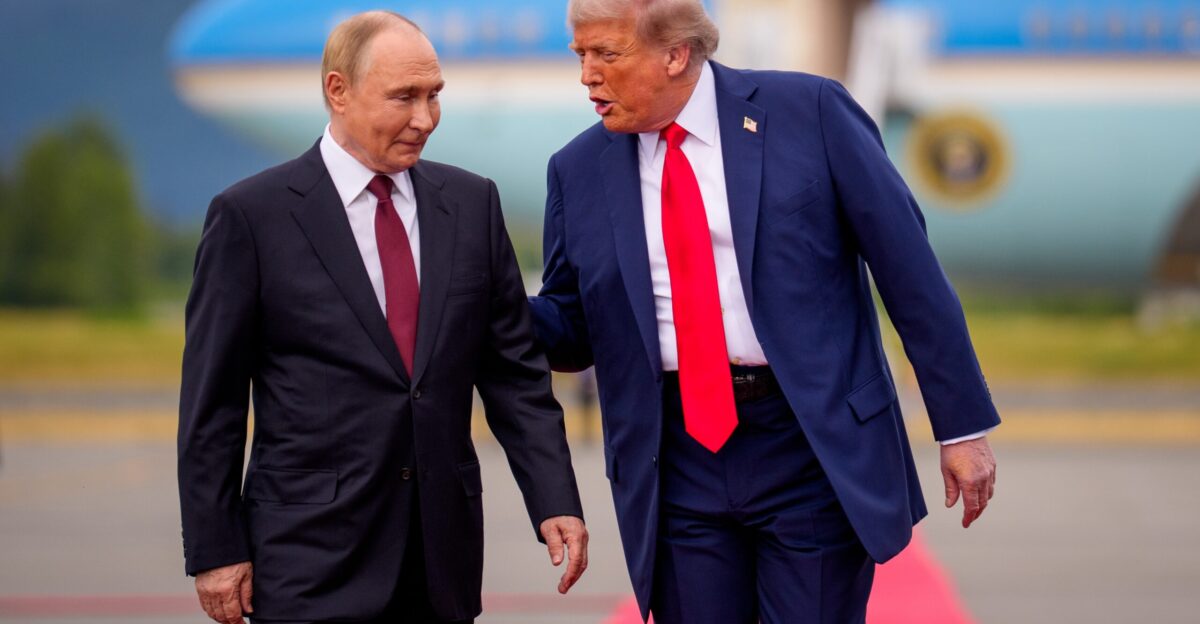
The urgency behind these shipments cannot be separated from the events of June 2025. After major Israeli strikes on Iranian nuclear and missile production sites, Tehran suffered heavy losses to its strategic infrastructure. Intelligence agencies reported a rapid surge in Iranian procurement activity in the wake of those attacks.
The November interception appears to be part of that reconstruction drive, as Iran scrambles to replace hardware and restore its deterrent posture.
Iran’s Missile Grip
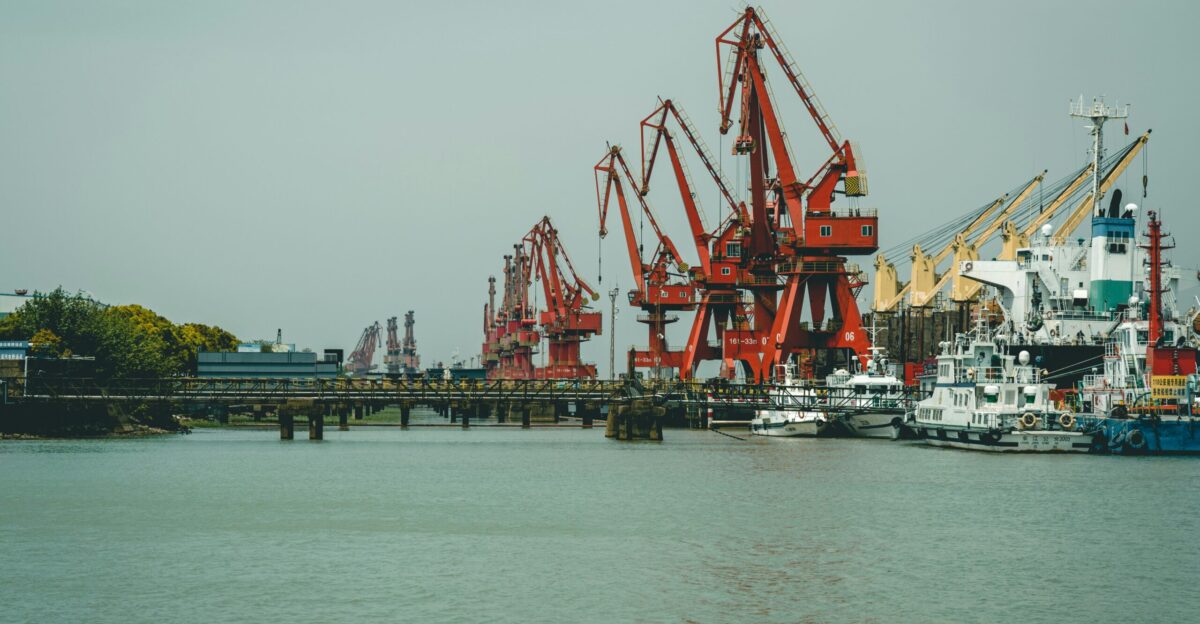
The operation has also turned a spotlight back on Chinese ports and manufacturers. U.S. government reports estimate that billions of dollars in “dual-use” technology—equipment with both civilian and military applications—flows from China to Iran each year.
Beijing insists such exports are commercial, but items like gyroscopes, spectrometers, and rocket fuel oxidizers point to a more alarming reality.
Missile Parts’ True Destination
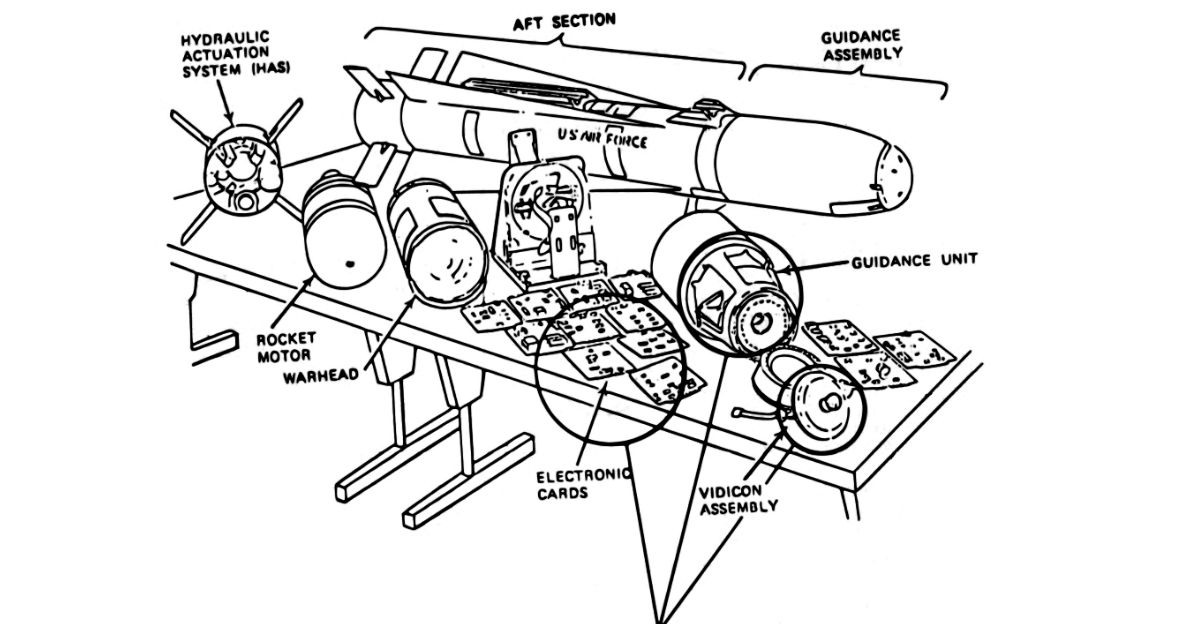
The ship’s manifest, now under investigation, has revealed a complex network of front companies and middlemen, many of which are based in the Gulf region. This network of shell firms is designed to obscure the true end-user of Chinese technology and provide plausible deniability to key actors.
Yet the presence of U.S. troops on the deck of a ship carrying those components reveals the limitations of paper-based obfuscation when physical interdiction is employed.
Iran’s Missile Accuracy
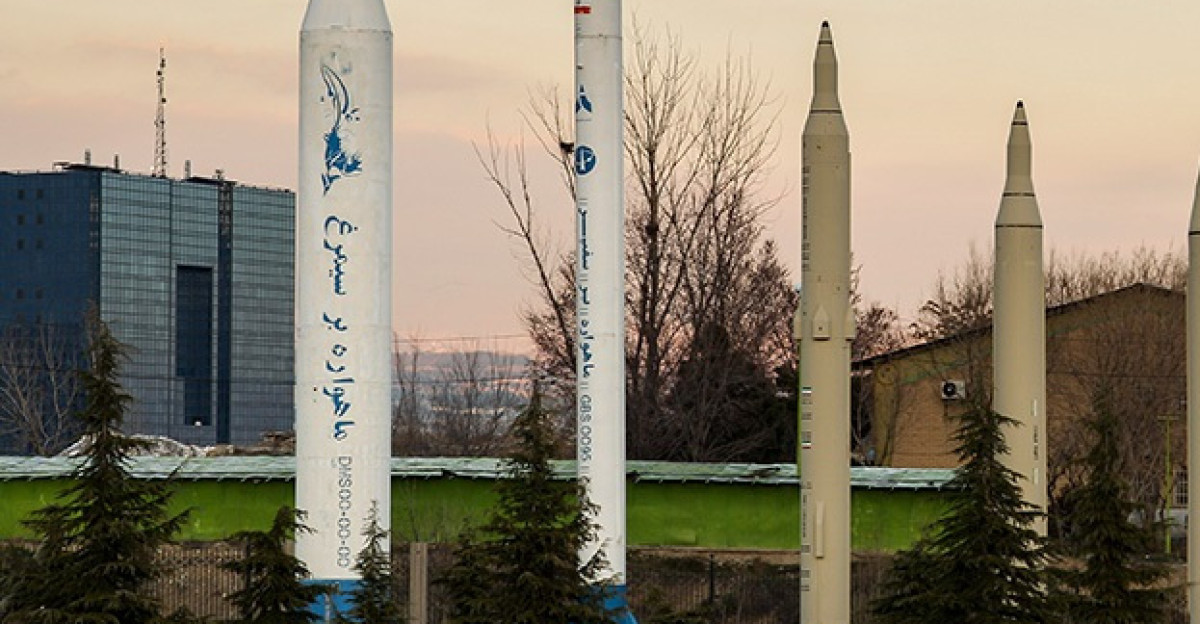
Military analysts warn that with Chinese assistance, Iran’s missiles are not only reaching farther but also hitting closer to their intended targets. The components seized in this raid are directly tied to “circular error probable,” the measure of how close a missile lands to its aim point.
Denying Iran access to such precision tools is seen as crucial to preventing its arsenal from evolving into a more sophisticated strategic threat against regional cities, bases, and energy infrastructure.
U.S. Returns to Hands-On Sea Raids
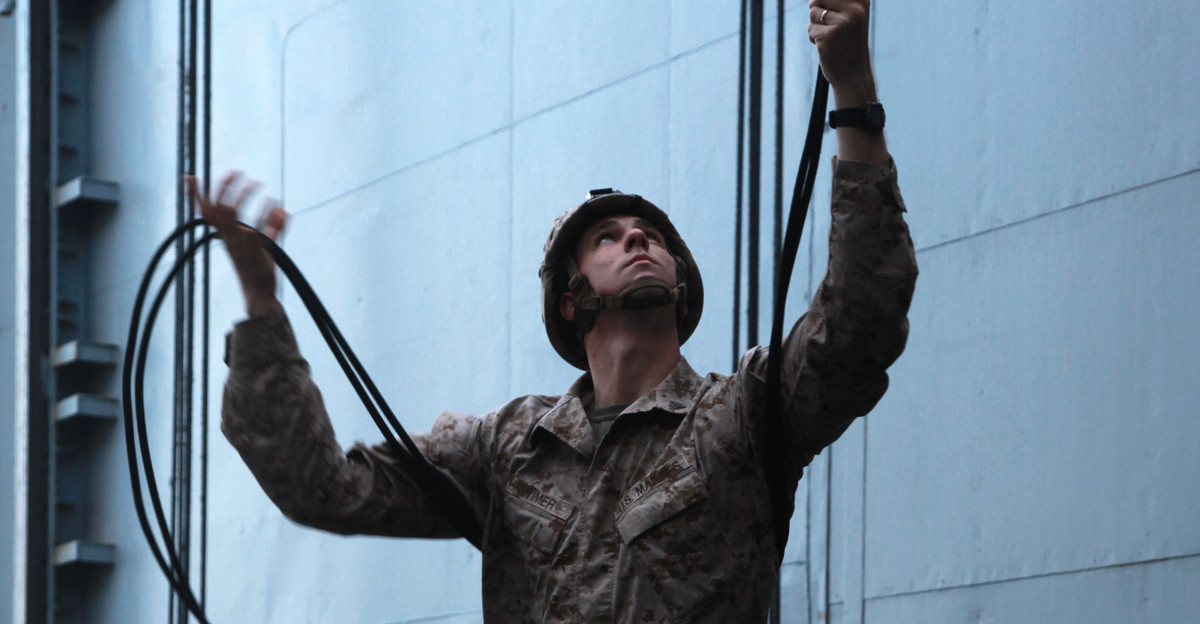
The raid highlights the limits of passive tools like satellite tracking and financial blacklists, which have not stopped the flow of dual-use gear. By boarding a vessel in the Indian Ocean and physically destroying its cargo, the U.S. has signaled that it now sees direct interdiction as essential to slowing weapons proliferation.
The Wall Street Journal reported the Trump administration is employing “increasingly aggressive maritime tactics,” though the Pentagon has not announced specific plans for additional Iran-related raids. It marks a return to a more assertive maritime posture not observed in years, acknowledging that commercial shipping lanes have become vital arteries for military contraband.
High-Risk Maritime Interdictions
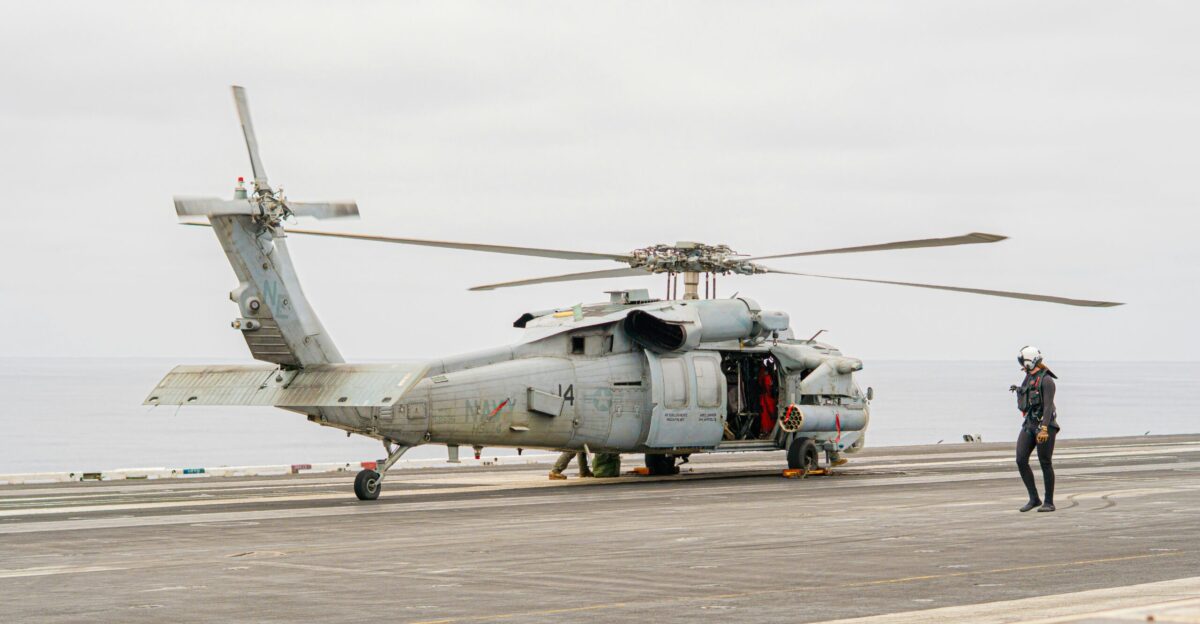
The November 2025 operation may prove to be a watershed in how the U.S. confronts illicit weapons shipments. Destroying contraband at the point of seizure, releasing civilian crews, and focusing on networks rather than individual sailors together point to a sharpened U.S. strategy.
As Iran accelerates its procurement and China continues to export dual-use technology, Washington is signaling that it will counter these moves not just in conference rooms and sanctions lists, but on the open ocean—with decisive, kinetic action.
Sources:
U.S. Forces Raid Ship, Seize Cargo Headed to Iran From China – The Wall Street Journal
US intercepts Iran-bound military shipment from China in rare raid – Iran International
US forces raided ship headed to Iran from China in Indian Ocean, WSJ says – Reuters
US seizes Chinese cargo bound for Iranian missile program – Egypt Independent
China at centre of US-Israeli concerns over Iran’s missile programme – Middle East Online