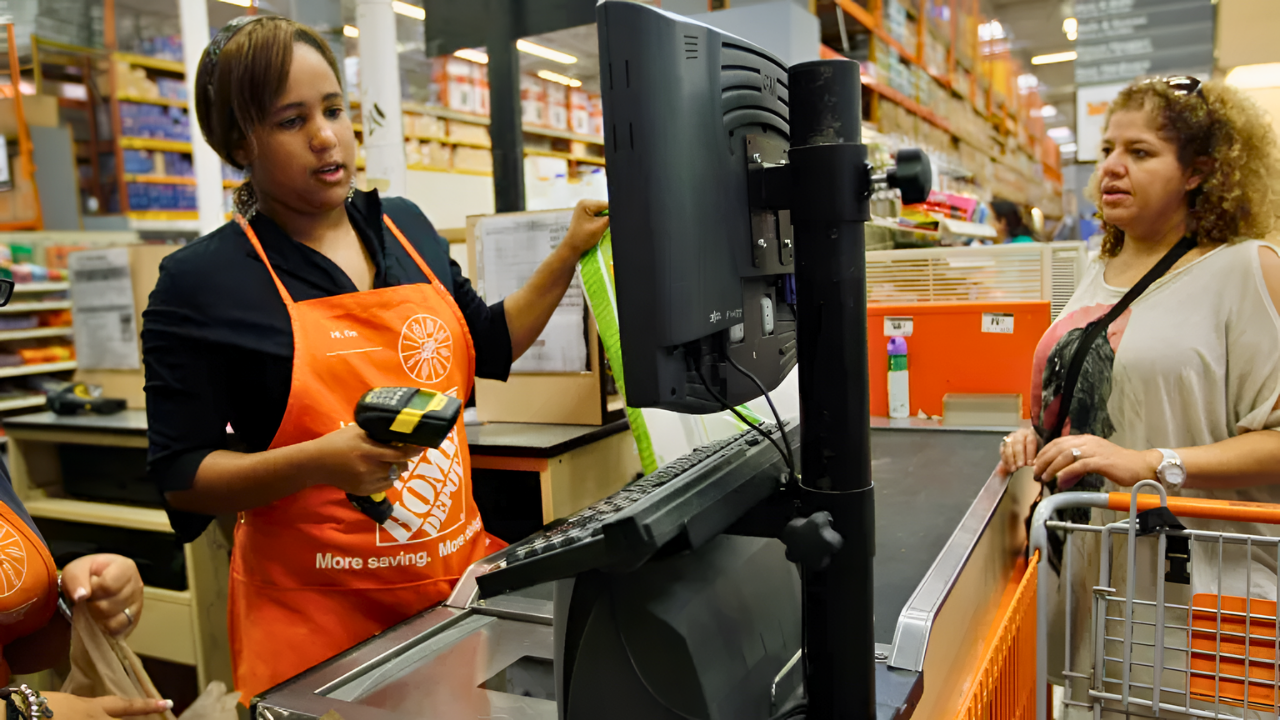
Home Depot continues its long-standing practice of closing every U.S. location on just two days each year: Thanksgiving and Christmas Day.
The policy mirrors Walmart’s approach, keeping stores open the other 363 days annually. For customers used to near-constant access, the closures mark the only interruptions in Home Depot’s availability.
Why the Two-Day Policy Remains in Place

The policy balances tradition with operational realities. Home Depot operates massive warehouse-style stores, making holiday operations costly. Keeping lights on, staffing specialists, and running logistics for only a handful of shoppers doesn’t make financial sense.
With foot traffic already slipping slightly, executives continue to view closing on two historically slow days as a strategic move—not a symbolic one.
Customers Feel the Impact

For DIYers and contractors, the closures remove a safety net many rely on. Emergency fixes, forgotten supplies, and last-minute project runs aren’t possible on Thanksgiving or Christmas.
Stores are completely closed, with no in-store shopping allowed. While online ordering remains available, pickups and fulfillment resume only after the holiday. The policy forces customers to plan ahead, shaping habits around Home Depot’s 363-day availability.
Walmart Made the Policy Permanent in 2020

Walmart’s nationwide Thanksgiving shutdown in 2020 changed the retail landscape. What began as a temporary pandemic-era decision quickly became permanent.
Home Depot’s similar policy reinforces the strategy. Two of the largest U.S. retailers now share identical holiday closure schedules, establishing an industry norm. The message is clear: even customer-centric giants draw a firm line when operating costs outweigh demand.
Massive Stores, Significant Costs
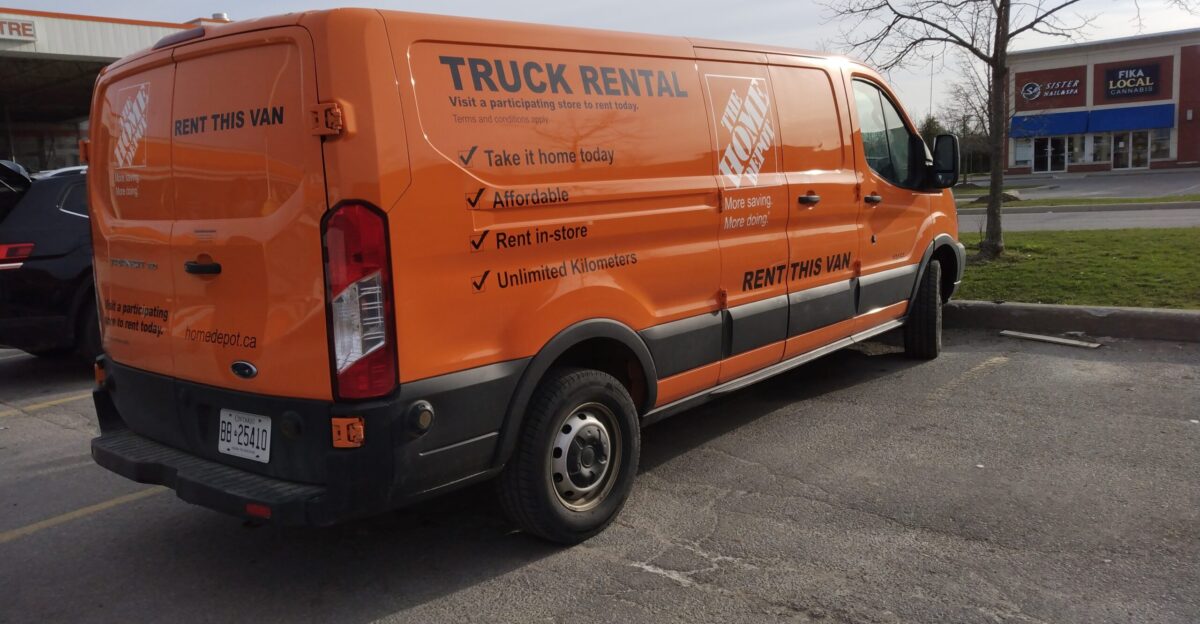
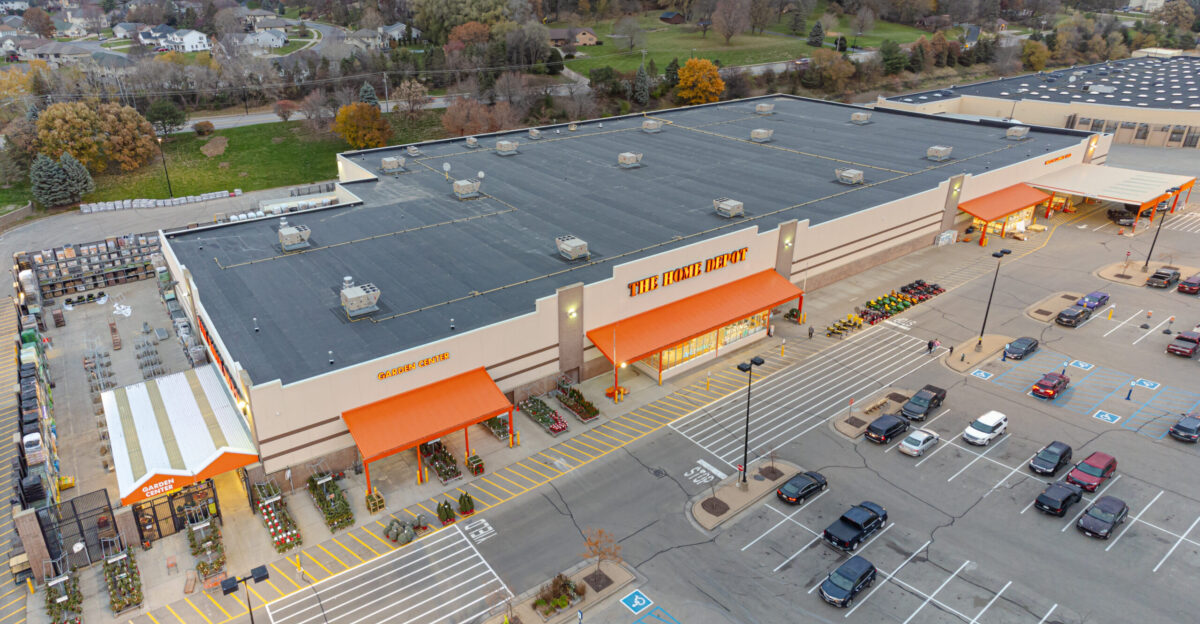
Running a Home Depot location isn’t like opening a convenience store. These buildings require significant energy, security, logistics support, and specialized labor.
On holidays with minimal foot traffic, costs pile up fast. Closing just two days per year allows the company to avoid substantial expenses without meaningfully sacrificing annual revenue. From a business standpoint, the approach is pragmatic.
Foot Traffic Is Softening
Recent data from Placer.ai shows Home Depot’s foot traffic dipped about 0.4% in its most recent fiscal quarter. The decline reflects broader housing market pressures and cautious consumer spending.
In that environment, staying open during historically quiet holidays offers little upside. The closures help tighten operations where demand is weakest.
Employees Get Guaranteed Time Off

Roughly half a million Home Depot workers benefit directly from the policy. Thanksgiving and Christmas are guaranteed days off nationwide, something retail employees rarely enjoyed in the past.
For a company known for hiring skilled associates trained in specific trades, retention matters. Offering predictable holiday time off helps reduce burnout and reinforces loyalty among a workforce that often works long, physically demanding shifts.
Reflecting Retail Labor Priorities
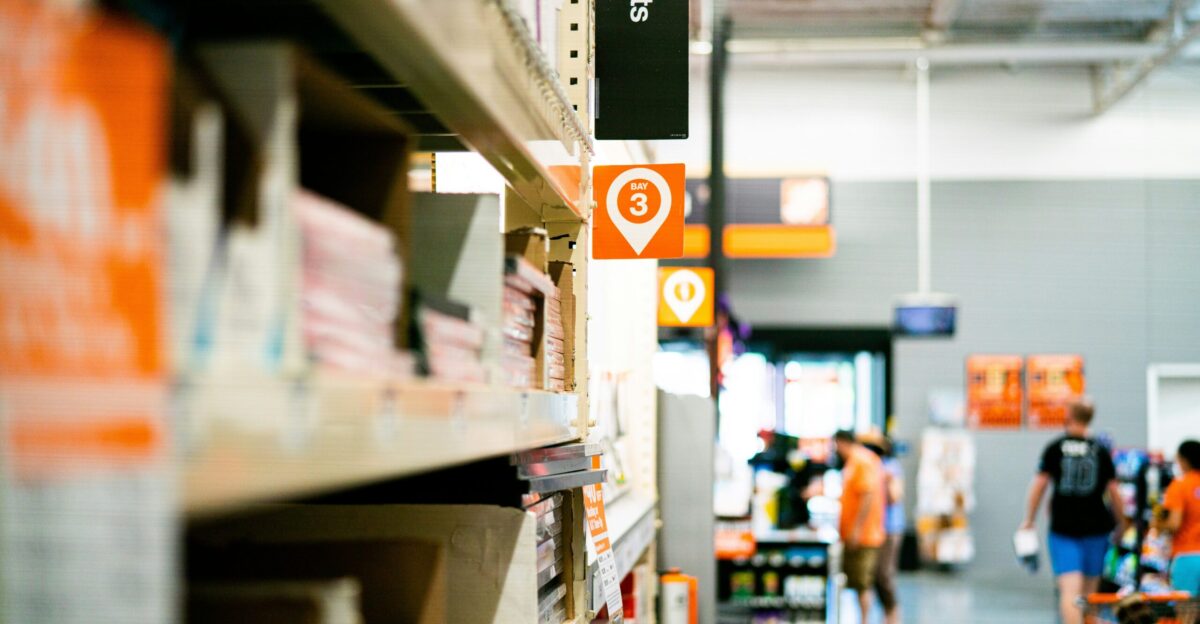
Retail once prided itself on being open no matter what. That mindset has evolved. Holiday closures signal a broader recognition of work-life balance in big-box retail.
While not mandated by law, these policies increasingly define competitive employers. Home Depot’s policy places it firmly among retailers prioritizing employee well-being over nonstop access—without abandoning its 363-day operating model.
Still Open Longer Than Almost Anyone

Despite the closures, Home Depot remains one of the most accessible retailers in America. Most locations maintain extensive hours—typically 6 a.m. to 10 p.m. on weekdays and reduced hours on Sundays.
Few national chains match that consistency. Closing just two days annually puts Home Depot among retailers with the fewest shutdowns overall, reinforcing that this isn’t a pullback—just a calculated pause.
Online Shopping Fills Some of the Gap

Home Depot continues pushing digital tools to soften the impact. Customers can place orders online during holidays and schedule pickups afterward. Mobile apps, delivery options, and automated lockers help capture sales that might otherwise be lost.
While online tools can’t replace immediate in-store access, they reduce friction for shoppers who plan ahead and rely on digital convenience.
Contractors Lose the Safety Valve

Professional contractors feel the closures differently than casual DIY shoppers. Many depend on same-day access to materials when jobs run long or plans change. Losing holiday access removes a backup option they once assumed would always be there.
While the two-day closure is predictable, it reshapes expectations for professionals accustomed to Home Depot functioning as an emergency supply hub.
North American Operations Follow Regional Standards
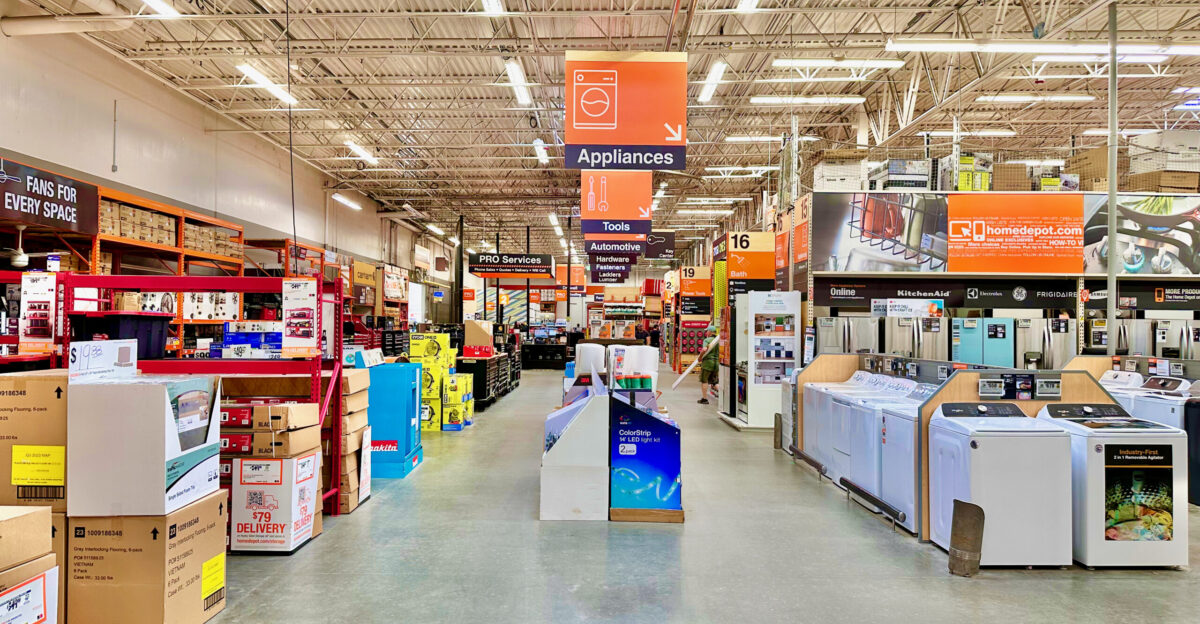
The policy applies across Home Depot’s U.S. operations, with Canadian stores observing additional statutory holidays per provincial requirements.
Consistency within markets simplifies planning and reinforces operational discipline. For a retailer managing thousands of large-format stores, predictability is just as valuable as flexibility.
Convenience vs. Cost Sparks Debate
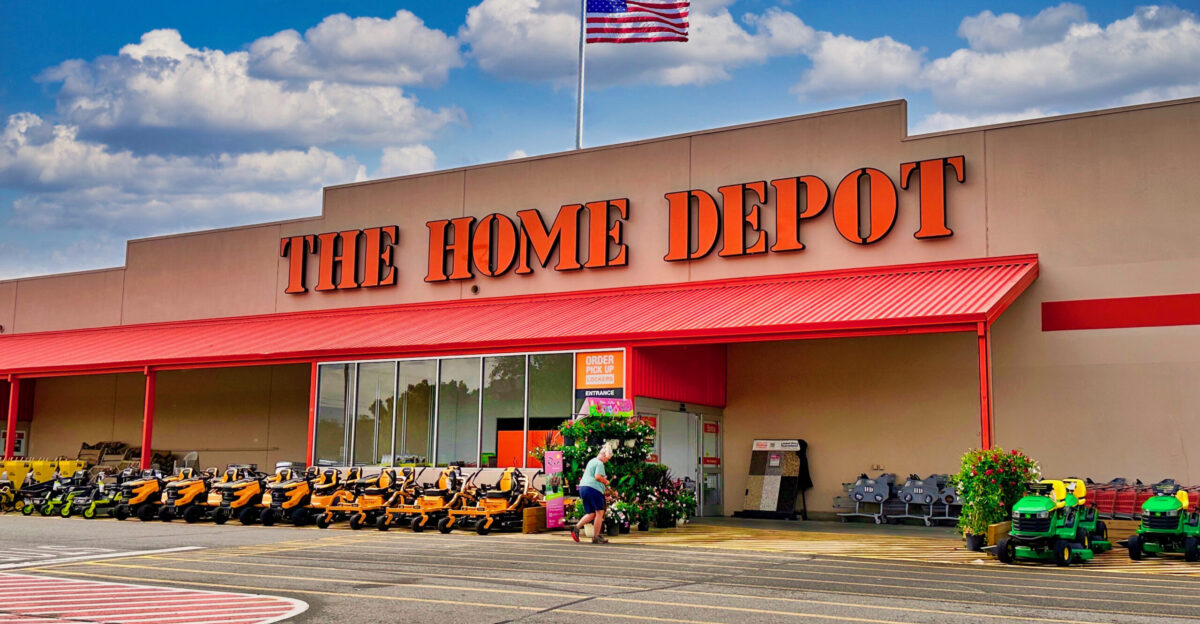
Not everyone supports the policy. Critics argue consumers lose convenience during key family holidays when projects often happen.
Supporters counter that serving only a handful of shoppers doesn’t justify the cost—or the strain on employees. The debate highlights a broader retail question: how much access is enough, and when does constant availability stop making sense?
What Shoppers Should Do Instead
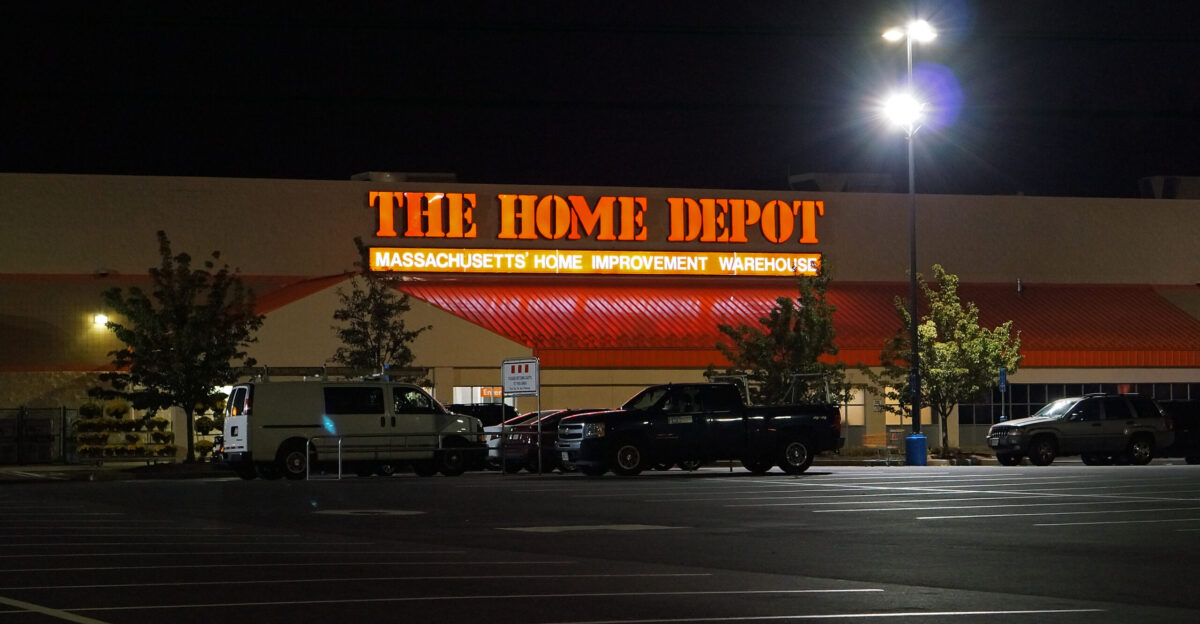
The adjustment is manageable with planning. Shoppers can stock up before Thanksgiving and Christmas, use Home Depot’s app to schedule deliveries, and confirm local hours ahead of time.
The closures are fixed and predictable, removing uncertainty. For most customers, a little foresight replaces what was once a last-minute habit.
A Limited Closure With Clear Rationale
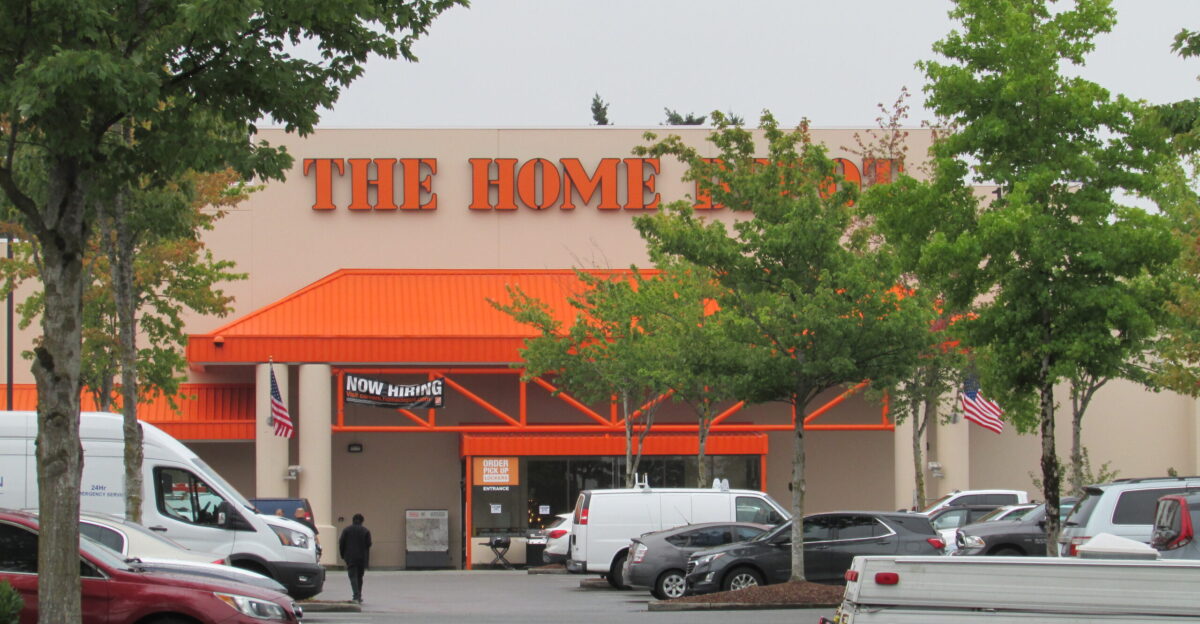
Home Depot’s two-day shutdown may seem minor, but it reflects retail priorities balancing accessibility with operational efficiency.
By closing on Thanksgiving and Christmas, Home Depot joins other major retailers in defining reasonable limits. The stores remain available 363 days a year—a model that recognizes both customer needs and business realities.
Sources:
“Store Holiday Hours at The Home Depot.” The Home Depot Corporate News, 2025.
“Walmart to Close All U.S. Store Locations for Thanksgiving Day.” Walmart Corporate Newsroom, 4 Jun 2021.
“The Home Depot and Lowe’s Foot Traffic Remodel in Q2 2024.” Placer.ai, 2024.
“The Home Depot Announces Fourth Quarter and Fiscal 2024 Results.” The Home Depot Investor Relations, 25 Feb 2025.