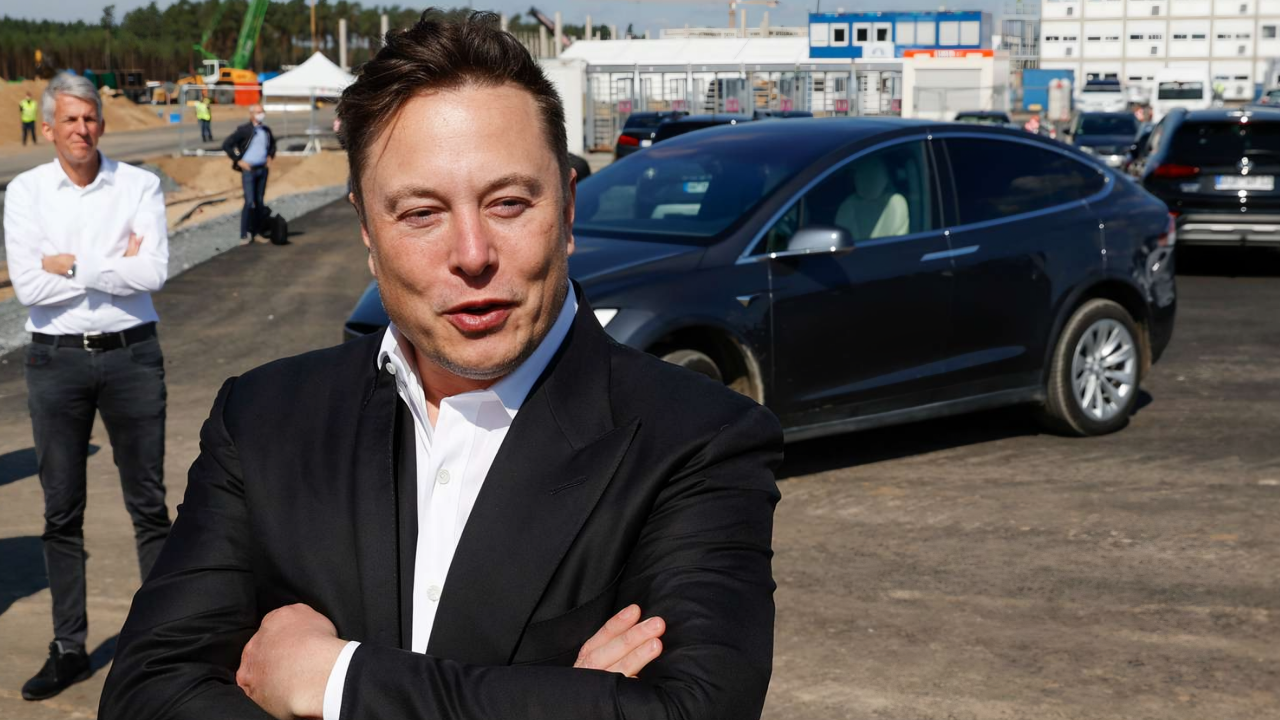
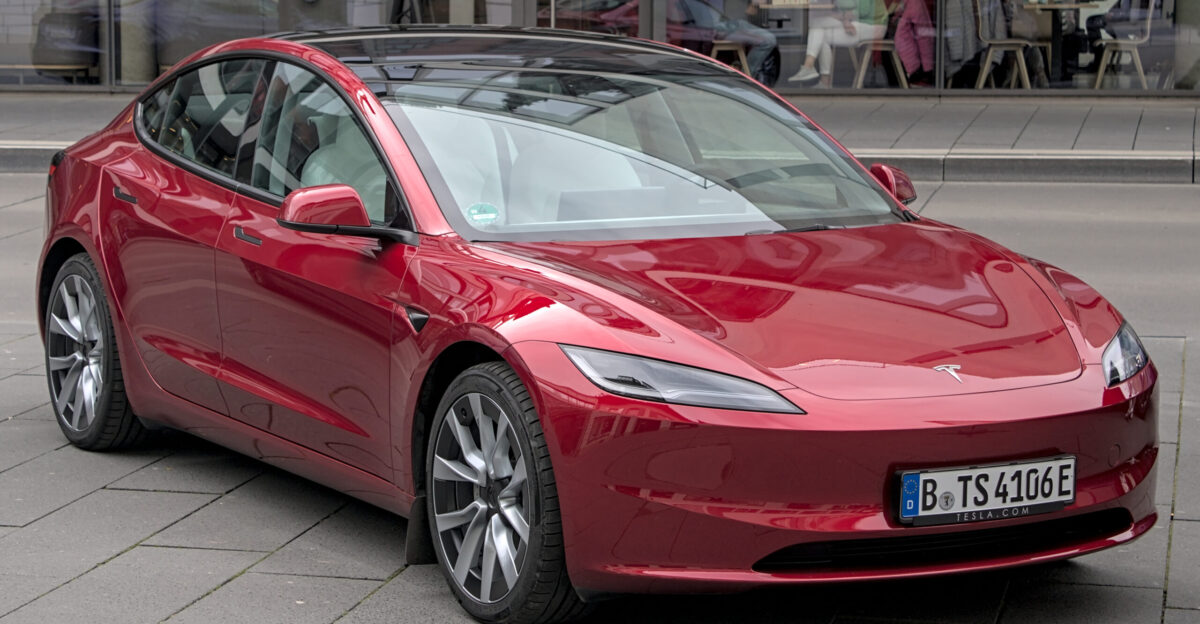
Federal safety regulators opened an investigation on December 23, 2025, into 179,071 Tesla Model 3 sedans due to emergency manual door releases described as hidden, unlabeled, and not intuitive. This probe follows a September inquiry into 174,290 Model Y vehicles, placing over 353,000 Teslas under scrutiny as safety issues mount.
A Bloomberg investigation identified at least 15 deaths over the past decade linked to occupants or rescuers unable to open Tesla doors after crashes. Records from NHTSA, police reports, fire departments, autopsies, and 911 calls confirmed door functionality as a factor in these fatalities, with the true number likely higher.
Piedmont Crash Highlights Human Cost
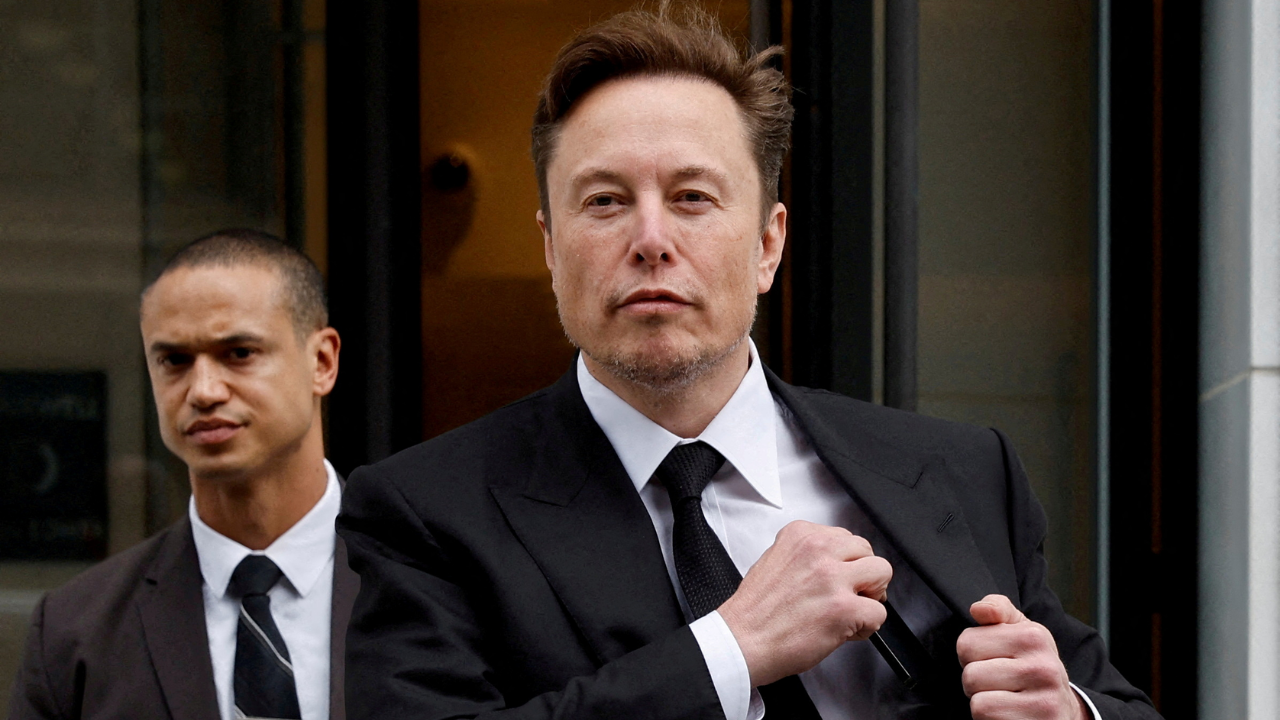
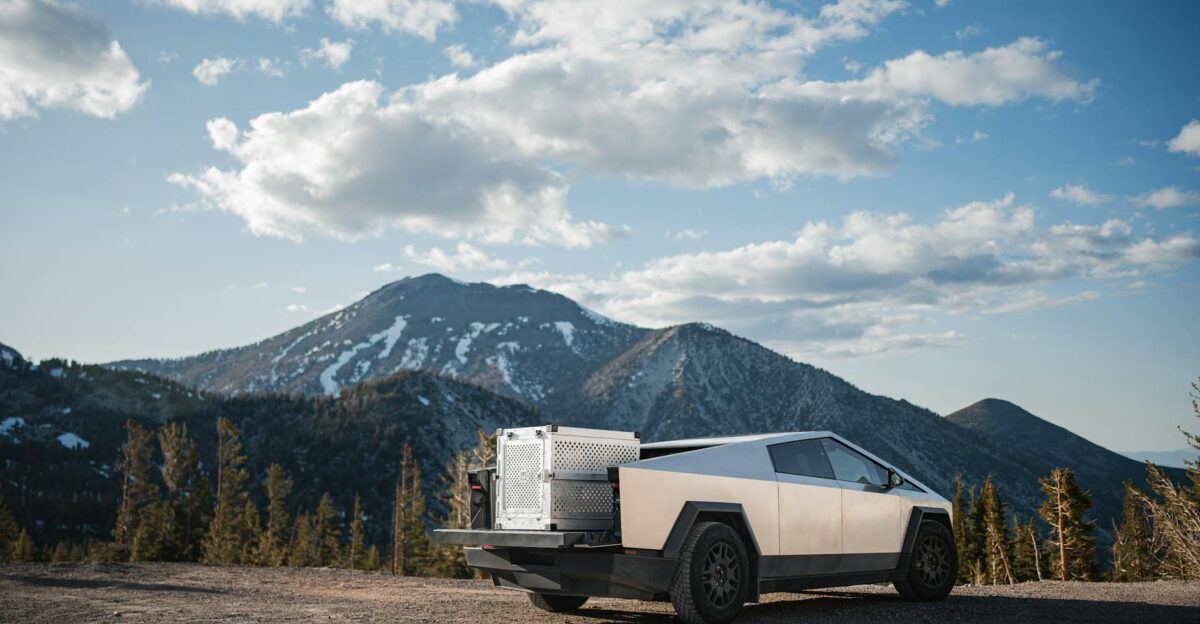
On November 27, 2024, a Cybertruck in Piedmont, California, struck a wall and tree before igniting, killing college students Krysta Tsukahara, 19, Soren Dixon, 19, and Jack Nelson, 20. Power loss disabled electronic doors, trapping them inside as smoke filled the cabin. A friend needed ten to fifteen strikes with a tree branch to shatter a window. The victims succumbed to smoke inhalation, not impact injuries.
Door System Vulnerabilities Exposed
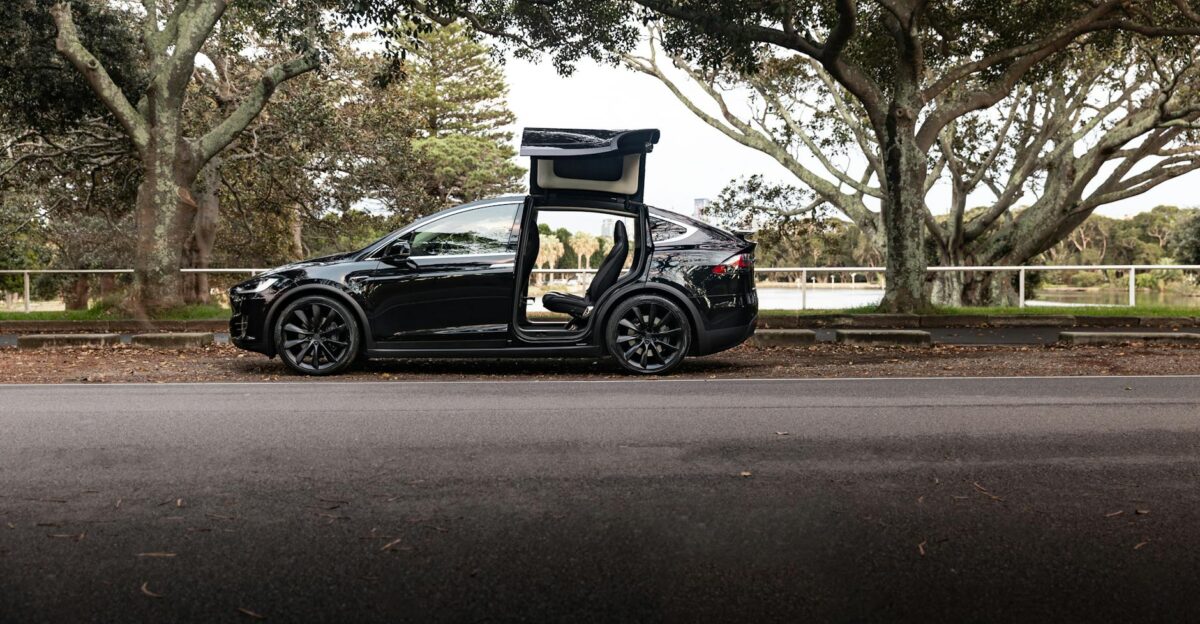
Tesla doors depend on a separate 12-volt low-voltage battery to operate electronic locks and latches, distinct from the main propulsion battery. Power failure renders doors inoperative, with no prior warnings to owners. The system “fails closed,” preventing external opening without electricity, turning routine failures into potential traps.
Manual emergency releases exist but vary by model and remain hard to access. Model 3 rear doors hide them under mats in pockets, requiring removal of covers to pull concealed levers. Model Y uses a small red tab behind a mat, while Cybertruck places them in map pocket wells. These features appear as late additions rather than core safety elements.
Survivor Accounts Drive Scrutiny
Kevin Clouse’s 2023 Model 3 crash sparked federal action. After impact and fire, electronic buttons failed, and he could not locate manual releases. Clouse climbed to the back seat, kicked out the rear window, and escaped with burns. His NHTSA petition emphasized how unclear designs wasted critical seconds.
Battery issues have also trapped children during normal use. The Model Y probe documented nine cases of parents unable to open rear doors, with four breaking windows. In one, 18-month-old Salem remained strapped in her car seat for nearly two hours after a 12-volt failure, as police struggled to reach the distressed child.
Global Regulatory Pressure Builds
China issued draft rules on December 18, 2025, banning fully retractable handles on vehicles under 3.5 tons from January 1, 2027, mandating mechanical emergency openings accessible inside and out. A transition to July 2028 applies to approved models, compelling Tesla redesigns in its key market.
EU authorities warned in October 2025 of electronic handle defects after fatal accidents, with the UN Forum discussing harmonized rules since May. The Netherlands Vehicle Authority reviews certification to ensure power-independent external access.
Tesla’s chief designer Franz von Holzhausen noted in September 2025 that combining electronic and manual releases into one button “makes a lot of sense” and is under development, though no timelines or retrofit details emerged. The company offered no comment.
NHTSA may order recalls if doors violate FMVSS 206 on locks and retention, deeming poor egress a safety defect.
Broader Impacts and Industry Echoes
Similar problems affect competitors: Ford recalled over 300,000 Mustang Mach-Es for handle issues risking lock-ins; Fisker recalled 12,523 Ocean SUVs for sticking exteriors. Chinese tests show electric handles deploy post-side collision only 67% of the time, versus 98% for mechanical ones.
Consumers respond with aftermarket tools like pull cords, colored attachments, and window breakers sold on Amazon and Etsy. Rideshare drivers teach passengers release locations. Nearly 35,000 signed a petition for fixes.
Tesla loyalty fell from 73% in June 2024 to 49.9% by March 2025, below average, recovering to 57.4% in May. Forrester ranked it with a 72.5 existing-customer score but 33.3 among others—the widest gap among 400 brands.
U.S. sales dropped 23% in November 2025 to about 39,000 vehicles. Global 2024 deliveries hit 1.79 million, the first annual decline in 12 years; Q1 2025 fell 13% to 336,681. Shares dipped 0.7% to 1.4% post-probe, near $485.
Potential recalls for 353,361 vehicles could cost hundreds of millions, with repairs at $240 to $840 per handle. Hardware changes like visible releases or redesigned pockets exceed over-the-air fixes.
Safety advocates seek standardized manual release placements. Aerodynamic gains from hidden handles prove minimal at 0.005 to 0.01 drag reduction, far below claims, while costs and risks rise.
Dual NHTSA probes, China’s ban, and redesign needs test Tesla amid industry shifts away from electronic doors. For the 15 confirmed deaths and many narrow escapes, unresolved failure modes underscore the high stakes of prioritizing sleek design over reliable access.
Sources:
“NHTSA Opens Probe into Tesla Emergency Door Releases Following Reports of Deaths.” Electrek, December 24, 2025.
“Tesla Door Safety Tied to At Least 15 Auto Accident Deaths.” Bloomberg News, December 22, 2025.
“U.S. Auto Safety Agency Probes Tesla Model 3 Emergency Door Release.” CNBC, December 26, 2025.
“Lawsuit Blames Cybertruck Door Handles for Death of Three Teens After Tesla Crash.” Electrek, October 3, 2025.
“Tesla-Style Retractable Door Handles Will Be Banned in China.” Mashable, December 28, 2025.
“Tesla’s Brand Loyalty Collapsed After Musk Backed Trump, Data Shows.” Reuters, August 4, 2025.