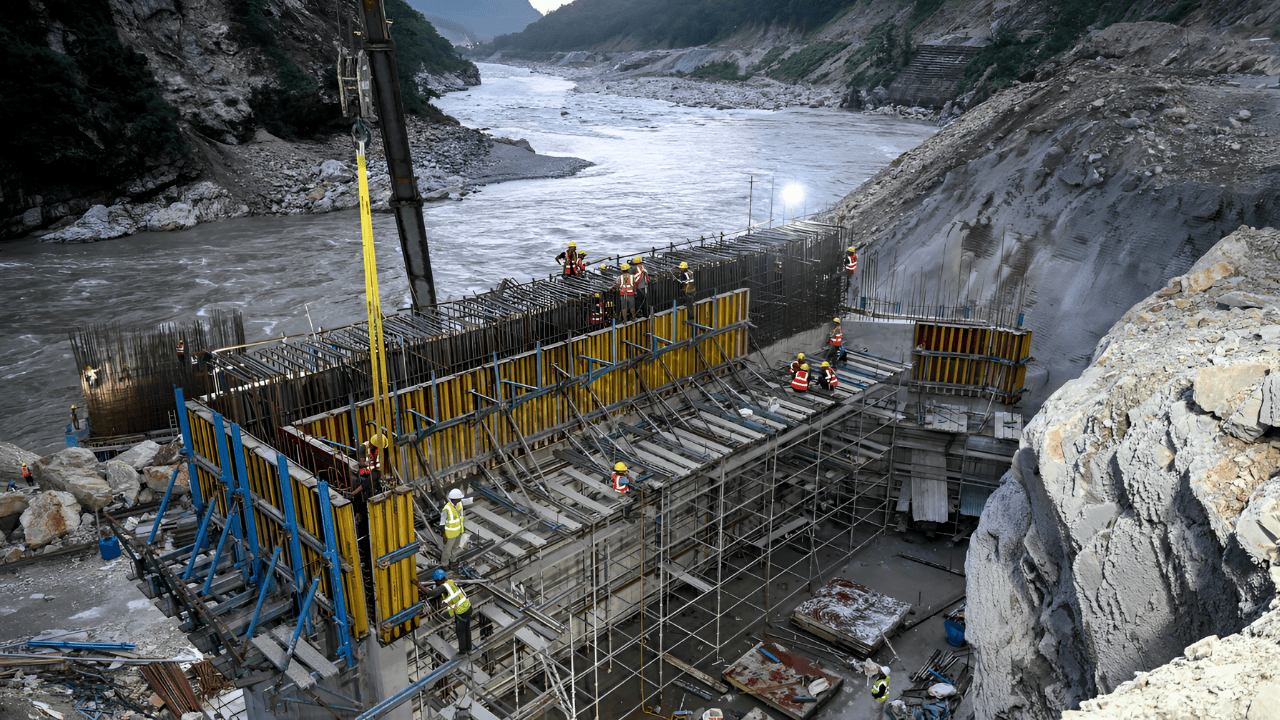
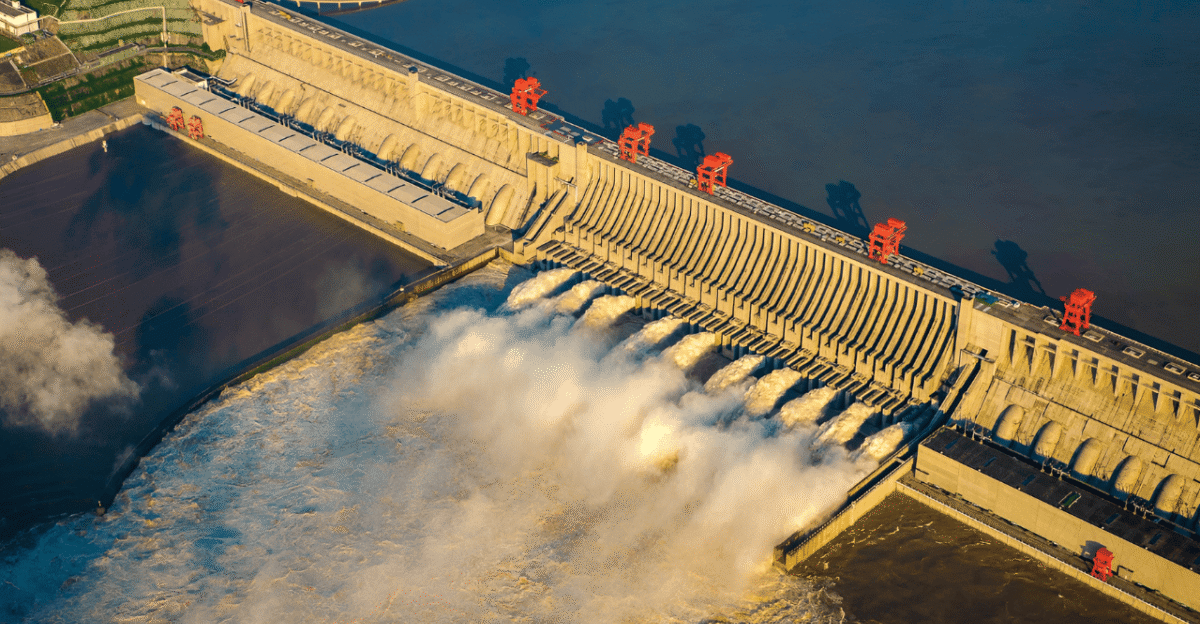
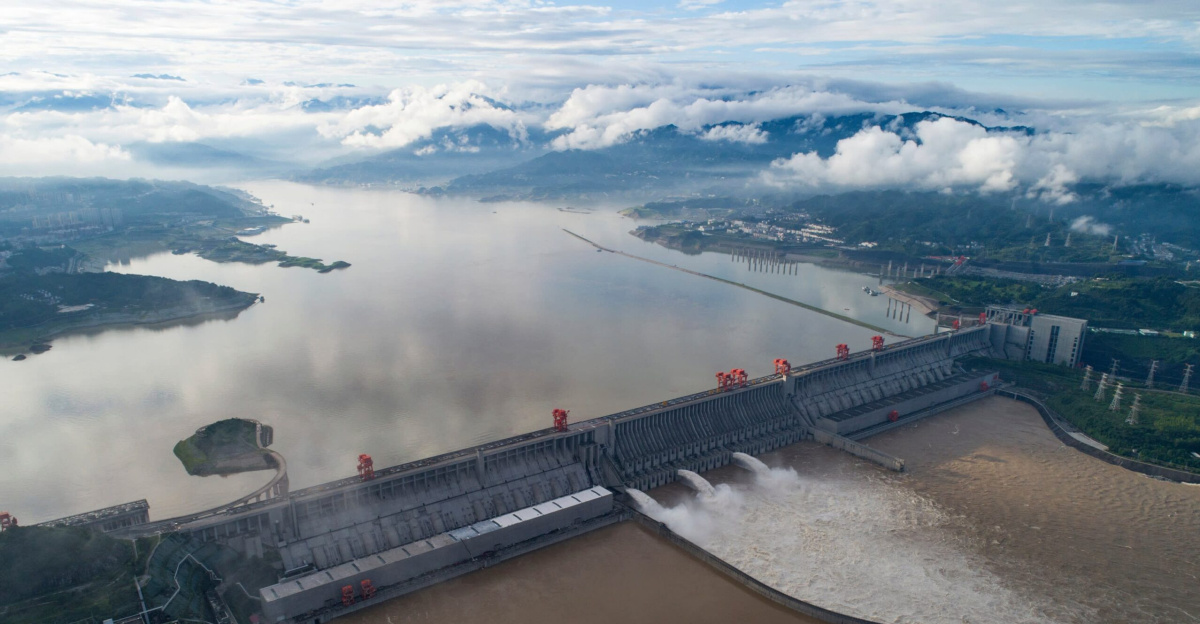
China has begun constructing the Yarlung Tsangpo Hydropower Project in Tibet, poised to become the world’s most powerful hydroelectric facility. Approved in December 2024 and launched on July 19, 2025, the $167 billion project promises to generate 300 billion kilowatt-hours annually, tripling the output of the Three Gorges Dam.
The cascade system includes five power stations exploiting a 2,000-meter elevation drop over a 50-kilometer stretch known as the Great Bend. Engineers will excavate tunnels longer than 20 kilometers through mountains, harnessing a record 2,300-meter water head to drive massive Pelton turbines. The design features IX-degree seismic fortification, self-healing concrete, and AI monitoring to endure harsh conditions.
Engineering and Technical Scale
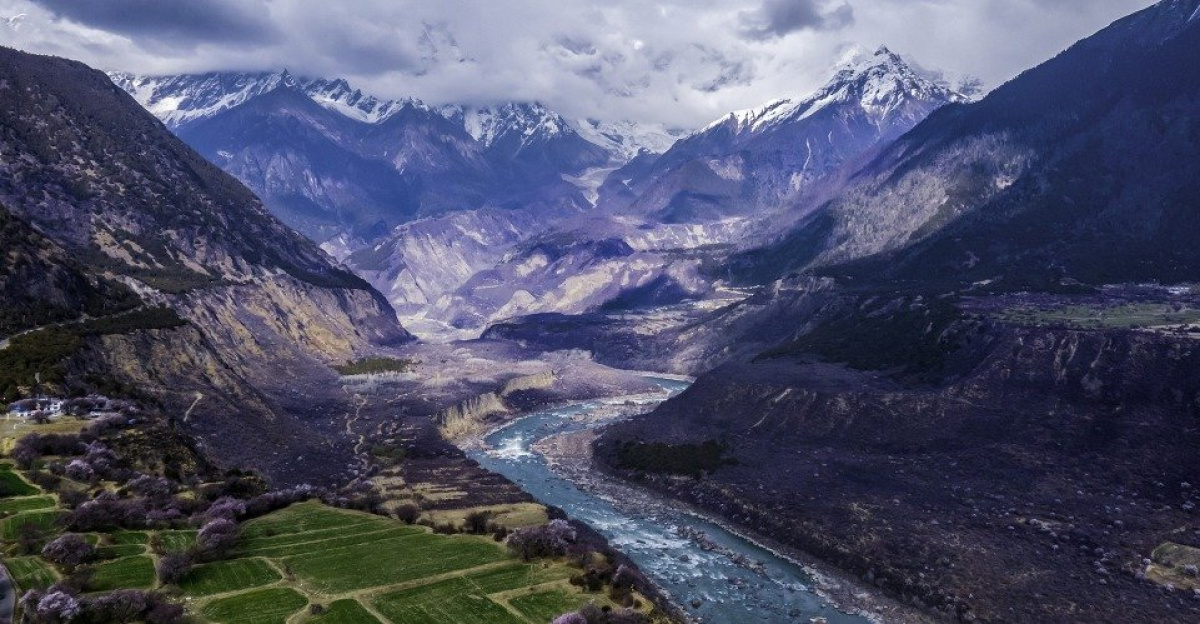
The Yarlung Tsangpo carves through Earth’s deepest canyon, averaging 2,268 meters deep and reaching 6,009 meters near Namcha Barwa mountain. From Tibet’s Qinghai-Tibetan Plateau, the river plunges about 25,152 feet before flowing into India as the Brahmaputra, marking it as one of the planet’s richest hydropower sources.
Strategic Economic Significance
This initiative advances China’s goals of peaking emissions by 2030 and reaching carbon neutrality by 2060. The 300 TWh yearly output matches the United Kingdom’s total electricity use and could offset around 250 million tonnes of CO2 versus coal power. Hydropower currently provides 425 GW within China’s 1,950 GW generation capacity, speeding the shift to renewables.
Ultra-high-voltage direct-current lines at ±800 kV will carry power 1,900 to 2,700 kilometers to industrial hubs in central and eastern China. These lines deliver electricity in about nine milliseconds, supporting data centers and AI growth under the West-to-East Power Transmission Program for energy security.
Costing over 1.2 trillion yuan, the project dwarfs the Three Gorges Dam’s 250 billion yuan price tag. It projects $20 billion in annual revenue, equivalent to 67 percent of Tibet’s 2024 fiscal income, while creating thousands of jobs and boosting supply chains for turbines and transmission gear.
President Xi Jinping called for the project to advance vigorously, systematically, and efficiently. A new entity, China Yajiang Group—22nd among central state-owned enterprises—oversees it, aiming to balance ecological protection, security, livelihoods, energy independence, and global ties.
Downstream Geopolitical Tensions
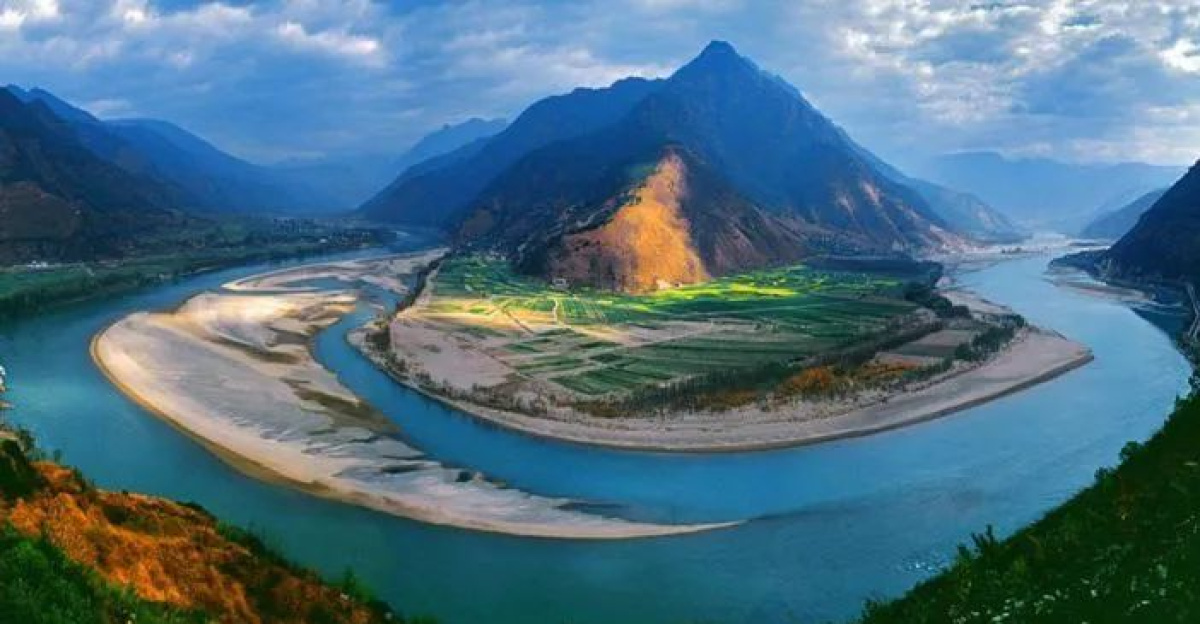
India has raised diplomatic worries about upstream control affecting the Brahmaputra basin. Arunachal Pradesh Chief Minister Pema Khandu cautioned that the dam might cut flows by 80 percent and act as a water bomb in conflicts via sudden releases. The foreign ministry stressed protecting downstream nations’ interests.
Bangladesh voiced fears over water supplies, data transparency, and missing impact studies. The Brahmaputra sustains irrigation and livelihoods for millions in South Asia, with both nations citing opaque operations that hinder evaluations of agriculture, fishing, and floods.
Environmental and Seismic Risks
The canyon hosts exceptional biodiversity, including Bengal tigers, snow leopards, and clouded leopards in their sole shared habitat, plus 4,500 plant species and Asia’s tallest tree—a 1,000-year-old cypress over 330 feet high. Construction risks flooding forests, splitting ecosystems, and blocking migration routes for endangered species.
Situated in the Himalayan collision zone, the site faces intense seismic activity from Indian and Eurasian plate interactions. The 1950 Assam-Tibet quake hit 8.6 magnitude, with ongoing tremors. Reports highlight earthquake-triggered landslides threatening stability and downstream areas.
Climate change fuels glacier collapses and landslides; a 2021 incident dammed the river, raising levels over 10 meters. Reservoir filling may induce seismicity on faults, making this among the riskiest dam builds despite advanced tech.
Social Displacement and Transparency Concerns
Since 2000, over 930,000 rural Tibetans have been relocated, with 709,000 since 2016. Among Tibet’s 34 dams, 121,651 people displaced and 22,817 more face moves, often without consultation, as power exports to cities leave locals with environmental burdens.
Details on design, reservoir size, and submersion remain scarce, using codes like “YX.” Experts note independent assessments depend on guesses absent Chinese disclosures.
The project showcases engineering ambition and clean energy drive but heightens tensions over water control, ecology, and equity. Its outcome hinges on addressing downstream needs, seismic threats, biodiversity, and community involvement to align national gains with regional stability.
Sources:
“China is building the world’s most powerful hydropower dam.” CNN International, December 17, 2025.
“China starts building world’s largest dam, fuelling fears in downstream countries.” BBC News, July 21, 2025.
“India says it conveyed concerns to China over hydropower dam in Tibet.” Reuters, January 3, 2025.
“Hydropower system in the Yarlung-Tsangpo Grand Canyon.” Nature Journal, April 26, 2025.
“‘Educate the Masses to Change Their Minds’: China’s Forced Relocation of Rural Tibetans.” Human Rights Watch Report, May 22, 2024.
“Full text: Carbon Peaking and Carbon Neutrality China’s Plans and Actions.” Chinese Government White Paper, November 8, 2025.