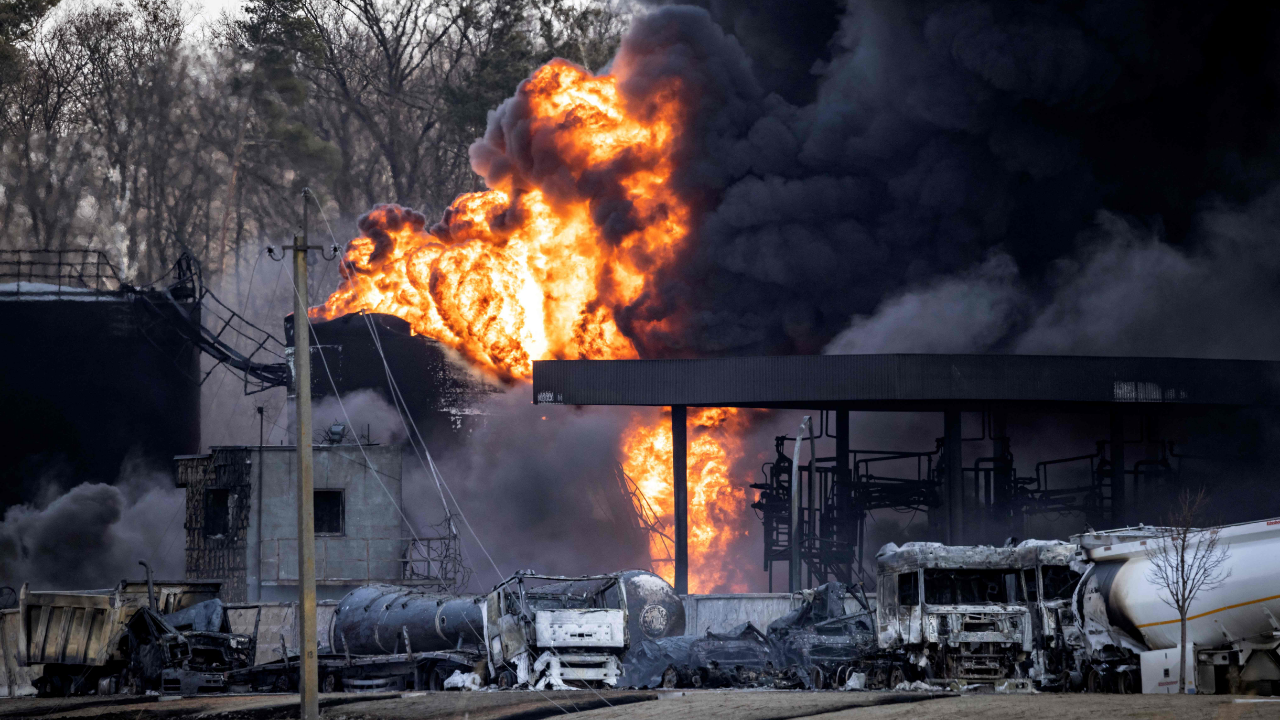
Just hours before a pivotal meeting between President Trump and President Zelensky, Ukrainian forces launched a calculated strike deep into Russian territory. The target was the Syzran Oil Refinery, a massive facility that processes millions of tons of crude oil annually.
According to the General Staff of Ukraine’s Armed Forces, the attack occurred overnight on December 28, 2025, sending a clear message as diplomatic talks regarding the war’s future were set to commence.
Rosneft’s Critical Facility Takes a Hit
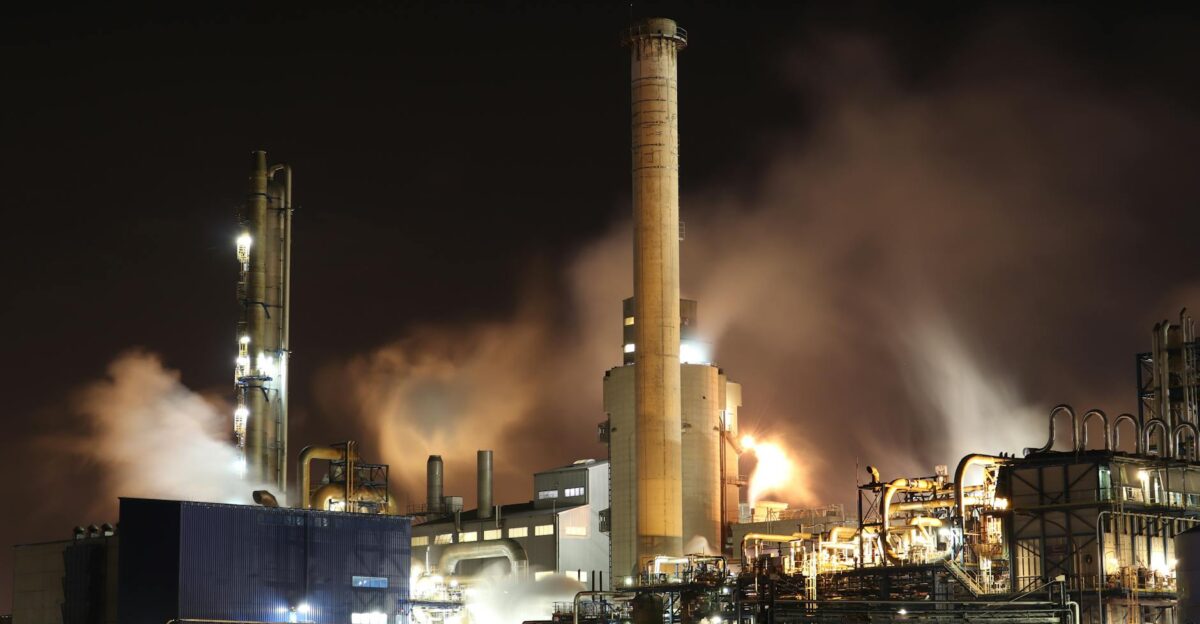
The strike targeted a Rosneft-owned refinery located in the Samara Oblast, approximately 430 miles from the Ukrainian border. This specific plant is a logistical beast, with the General Staff noting an annual processing capacity of 7 to 8.9 million tons of oil.
Its output is vital for fueling Russia’s military operations, making it a priority target in Ukraine’s strategy to degrade the infrastructure funding and fueling Moscow’s ongoing invasion.
Precision Impact on Primary Processing
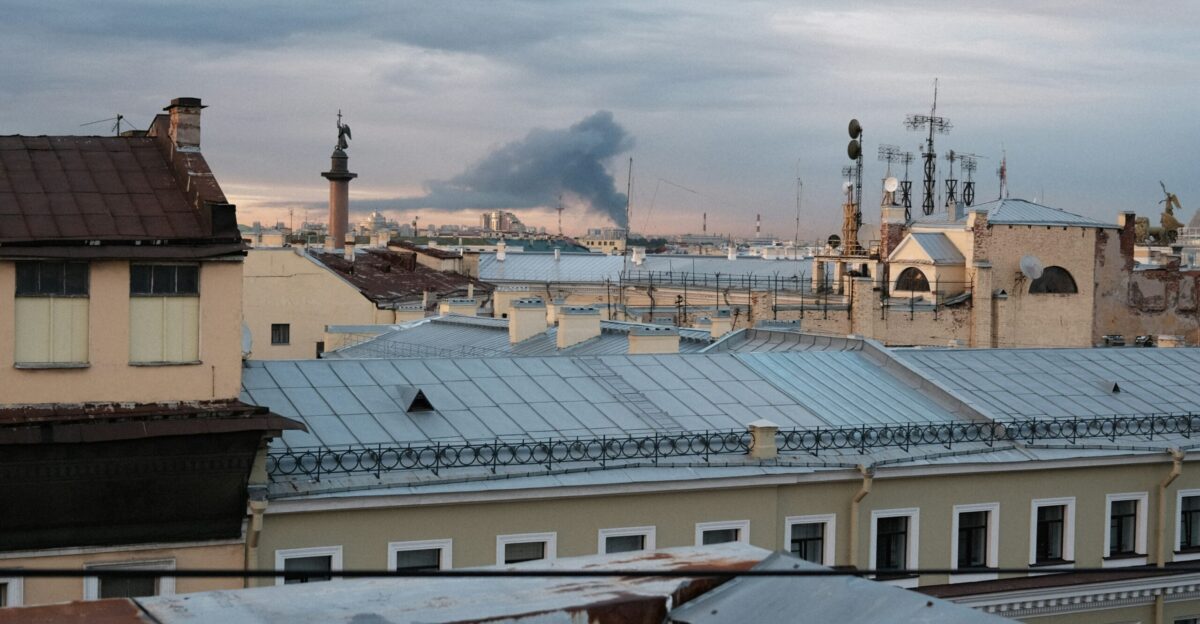
Ukrainian drones specifically targeted the ELOU-AVT-5 unit, the refinery’s primary oil processing installation. The General Staff of Ukraine’s Armed Forces reported that their surveillance recorded the drones hitting the plant, followed immediately by a fire.
Industry experts estimate that significant damage to a primary processing unit like this could cost between $25 and $50 million to repair, potentially sidelining the facility for weeks as engineers assess the structural ruin.
Piercing Deep into Russian Airspace

Reaching a target 700 kilometers inside Russia requires sophisticated navigation and evasion capabilities. This strike demonstrates Ukraine’s growing ability to bypass layered air defenses and strike at the heart of Russia’s industrial base.
By hitting the Samara Oblast, Kyiv has proven that even facilities located hundreds of miles from the front lines remain vulnerable to their evolving drone warfare program.
Claims of Interception Versus Reality
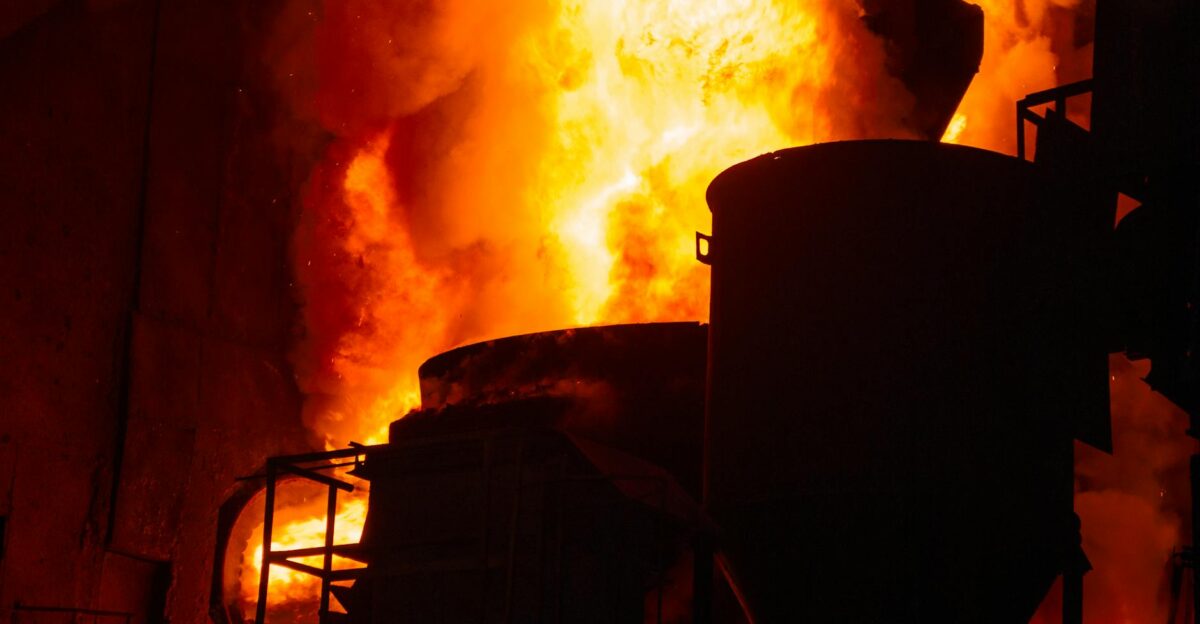
While the refinery burned, the Russian Defense Ministry issued a statement claiming their systems had successfully shot down 12 Ukrainian drones over the Samara region that same night. However, reports from the ground contradicted the narrative of a fully successful defense.
According to verified updates from Ukraine’s military, the drones not only reached the airspace but also successfully detonated against their industrial targets, challenging Moscow’s official account of the evening’s events.
Blackouts Follow Secondary Strikes
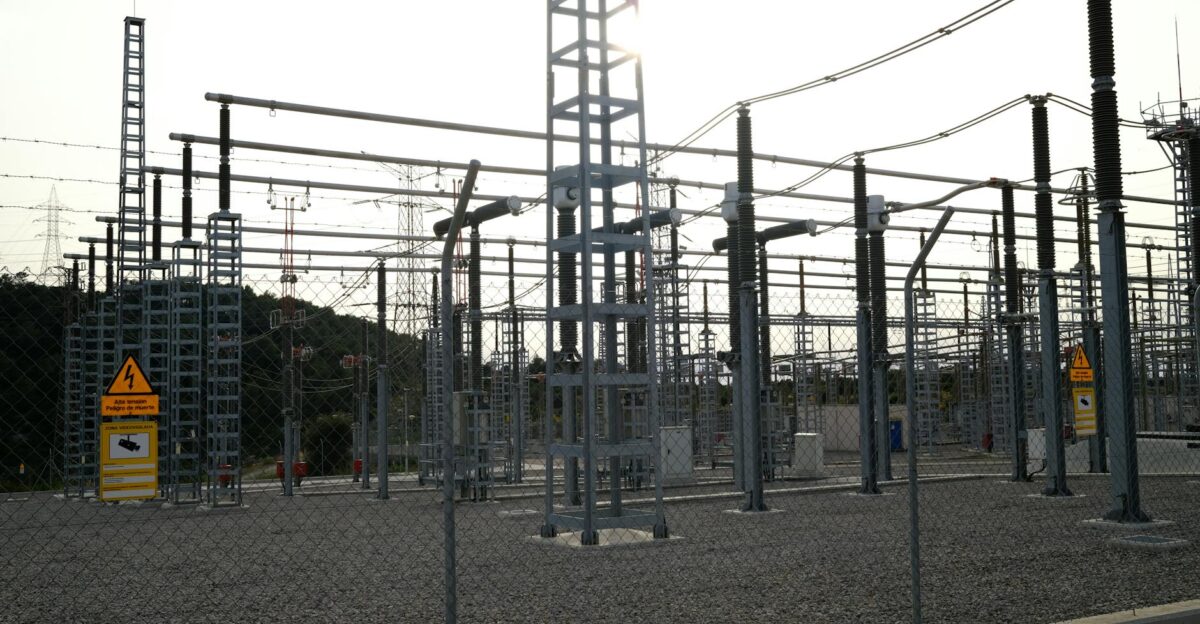
The assault did not stop at oil processing. Ukrainian attack drones also struck an electrical substation in Syzran, compounding the chaos. Local reports confirmed a direct hit that triggered blackouts in the area, disrupting power for both the industrial zone and nearby residents.
This dual-targeting strategy suggests a coordinated effort to cripple both the production capabilities and the supporting utility infrastructure that keeps Russia’s war economy functioning in the rear.
A WWII-Era Relic Under Modern Fire
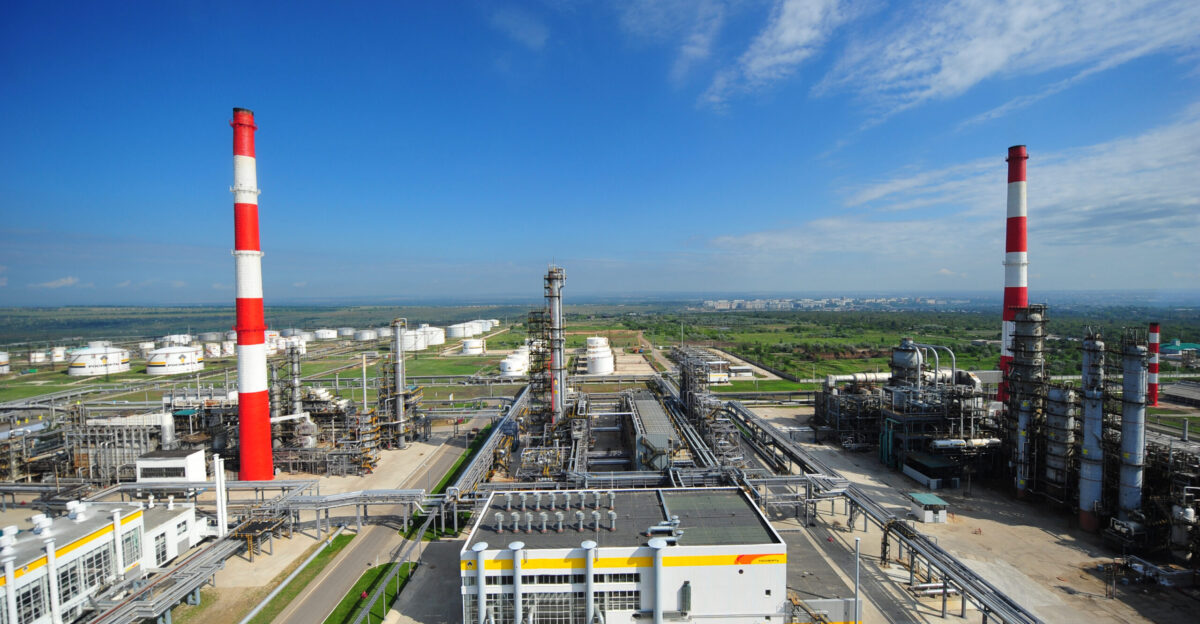
The Syzran refinery is a facility with deep historical roots, having opened in 1942 to fuel the Soviet Union during World War II. Now, 83 years later, this aging industrial giant finds itself in the crosshairs of a very different conflict.
The irony is stark: a plant built to support the fight against fascism is now being dismantled by drones in a war that Russia’s leadership claims is defensive.
Double Tap on Critical Infrastructure
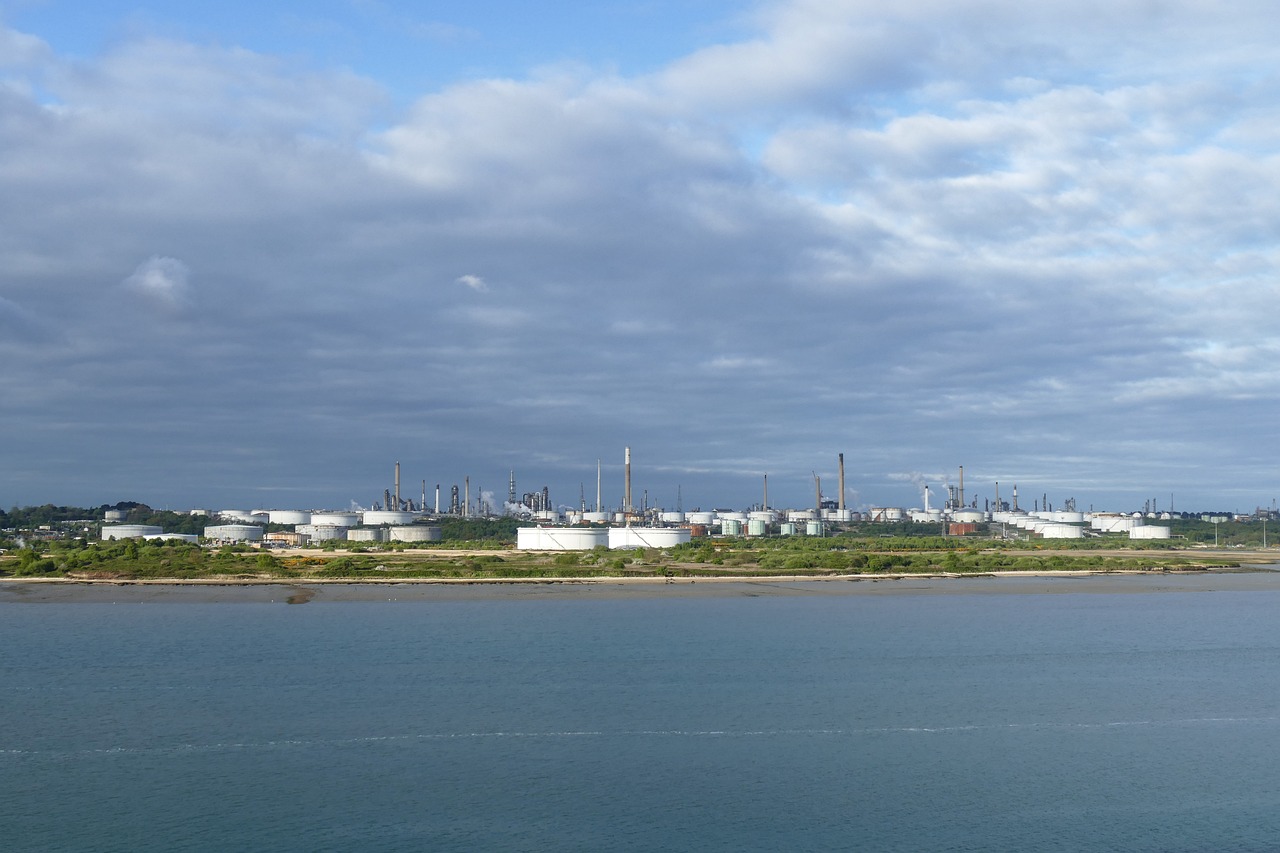
This was not the first time the Syzran facility faced destruction in December. According to Reuters, a prior attack on December 5 forced the refinery to halt operations temporarily. The December 28 strike marks the second confirmed hit in less than a month, indicating a relentless Ukrainian campaign to ensure this specific facility remains offline.
Persistent attacks prevent repairs, compounding the economic strain on Rosneft’s operations in the region.
A Wide-Ranging Night of Attacks

The Syzran strike was part of a broader offensive. The General Staff confirmed that on the same night, Ukrainian forces targeted a boat storage facility in Russian-occupied Crimea and a UAV storage site in Donetsk. They also struck a pontoon crossing near Nikonorivka.
This synchronized wave of attacks highlights Ukraine’s ability to coordinate simultaneous strikes across hundreds of miles, from the occupied south to the deep Russian north.
The Staggering Cost of Human Capital

While infrastructure burns, the human cost of the war continues to climb at an alarming rate. On the day of the refinery strike, Ukraine’s General Staff reported that total Russian troop losses since February 2022 had reached 1,204,510.
This staggering figure underscores the immense attrition Russia is accepting to maintain its offensive, even as its rear-guard logistics and economic lifelines come under increasingly accurate and destructive aerial bombardment.
Moscow Plans for a Long War

Despite the mounting casualties and infrastructure damage, the Kremlin signals no intent to de-escalate. Intelligence reports indicate that Russia has set a recruitment target of 409,000 new soldiers for 2026.
This goal suggests that Moscow is preparing for at least another year of high-intensity grinding warfare.
The Economics of the Target

The economic implications of disabling the Syzran refinery are massive. With an annual capacity of up to 8.9 million tons, the facility’s throughput is valued between $2.5 and $3.2 billion annually.
If the primary processing unit remains offline for weeks, Rosneft faces losses of approximately $6.8 to $8.6 million per day in processing value.
Diplomatic Leverage Through Firepower

The timing of this strike was likely no coincidence. Launching such a high-profile attack hours before the Trump-Zelensky meeting provided Kyiv with tangible leverage. By demonstrating the capability to hurt Russia’s economy at will, Zelensky can present a position of strength.
It serves as a reminder to international partners that Ukraine retains the initiative and the technological capacity to strike back effectively, regardless of the political climate in Washington.
Vulnerability in the Russian Heartland
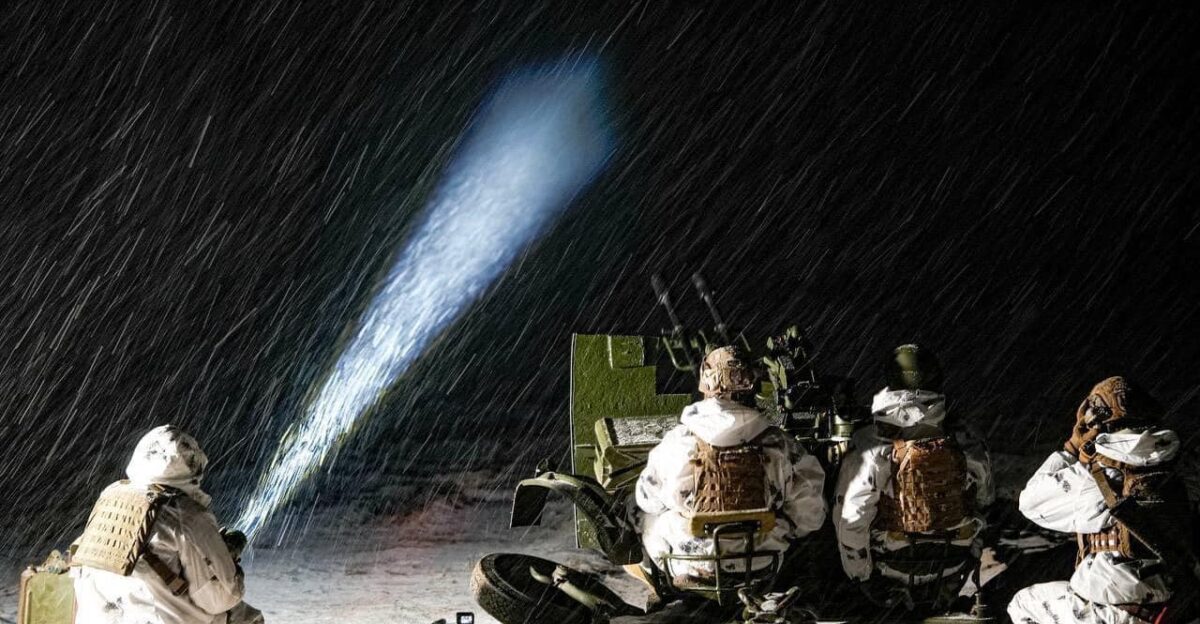
The repeated success of these long-range strikes reveals a critical weakness in Russia’s air defense architecture. If a facility as valuable as the Syzran refinery can be hit twice in three weeks despite being 700 kilometers from the border, it forces the Russian command to make difficult choices.
They must decide whether to pull air defenses from the front lines to protect domestic industry or leave their economic engines exposed.
A Winter of Relentless Pressure

As the war enters its fourth winter, the campaign against Russian energy shows no sign of slowing. From the damaged lubricant unit at the Lukoil-Volgogradneftepererabotka refinery to the fires in Syzran, Ukraine, is systematically dismantling the logistics of the invasion.
According to the General Staff, these strikes will continue as long as Russian oil funds the war, ensuring that the cost of aggression is felt deeply within Russia’s own borders.
Sources:
General Staff of the Armed Forces of Ukraine confirms damage to Syzran oil refinery and other occupation facilities – UNN
Russia’s Syzran oil refinery halted by December 5 drone attack, sources say – Reuters
Russia reports shooting down 25 Ukrainian drones overnight – Caliber.Az
Russia, Ukraine accuse each other of overnight airstrikes ahead of Trump-Zelenskyy talks – Anadolu Agency