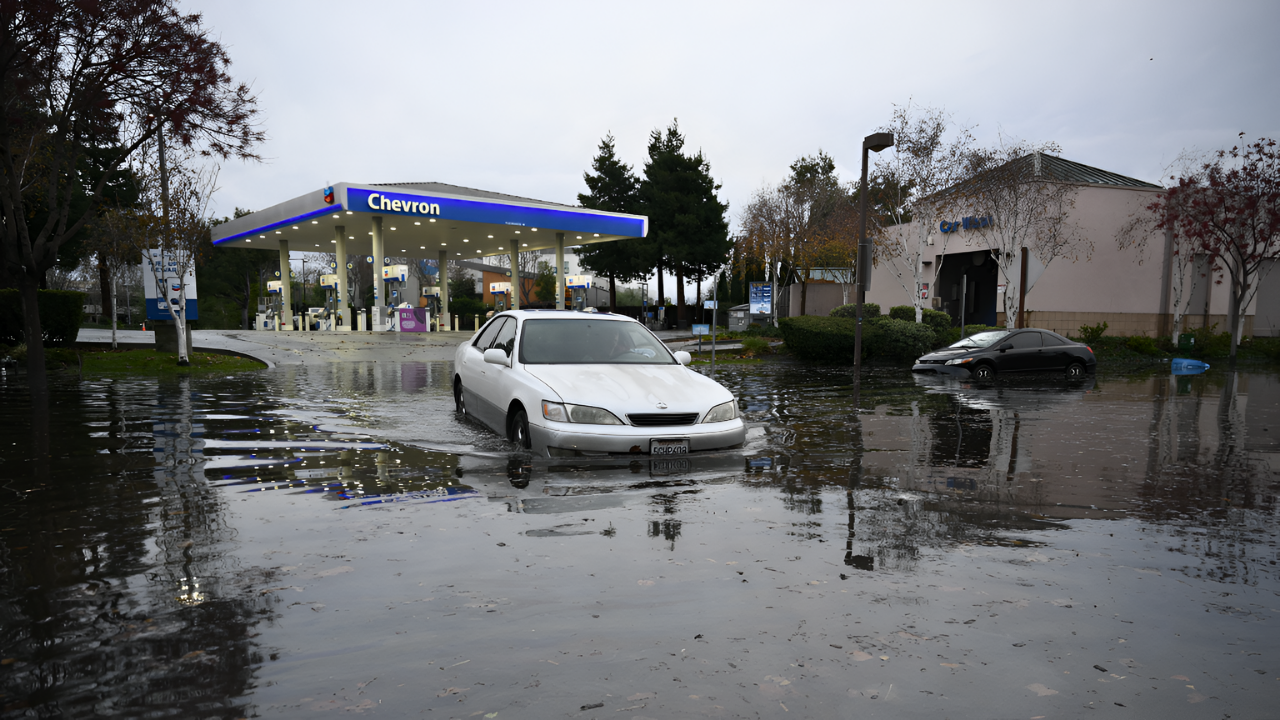
A devastating atmospheric river system transformed California’s 2025 Christmas into one of the state’s deadliest winter weather disasters. The powerful “Pineapple Express” storm pummeled the region from December 24-26, unleashing record rainfall that claimed at least four lives, buried dozens of homes in mudslides, and left hundreds of thousands without power. Downtown Los Angeles experienced its wettest Christmas in over five decades, recording 4.2 inches of precipitation as the storm disrupted holiday travel for millions across the Southwest.
Lives Lost and Communities Stranded
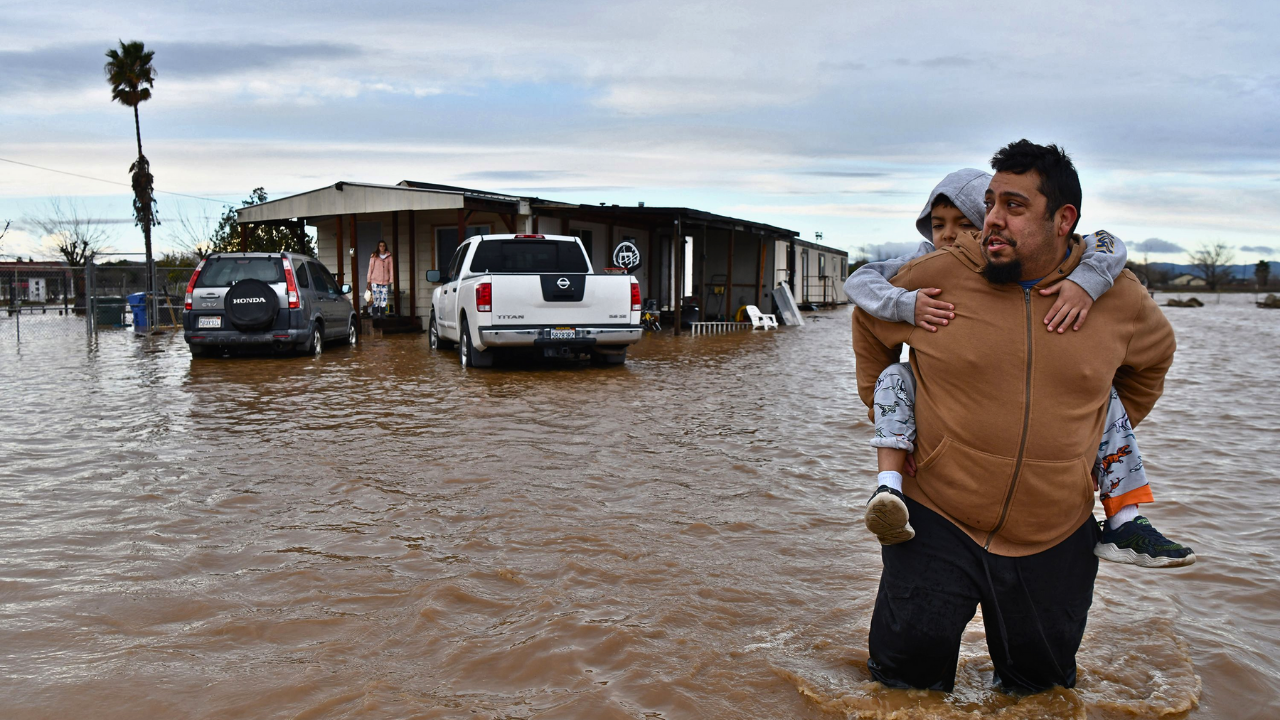
The storm’s deadly toll spanned the state. In Redding, floodwaters swept away a 74-year-old man, while massive waves at MacKerricher State Park knocked a woman in her 70s into the ocean. A falling tree killed 64-year-old Roberto Ruiz in San Diego. Sacramento County Sheriff’s Deputy James Caravallo perished in a weather-related single-vehicle collision on Christmas Eve. Emergency responders conducted dozens of rescues, deploying helicopters to evacuate residents trapped on rooftops in isolated mountain communities as roads washed away beneath relentless rainfall.
Unprecedented Rainfall Shatters Records
Santa Barbara Airport bore witness to the storm’s extraordinary intensity, measuring 5.91 inches across Christmas Eve and Christmas Day—nearly doubling the previous 1955 benchmark of 3.22 inches. The deluge forced airport closures twice on Christmas despite preventative infrastructure including inflatable Tiger Dams. Mountain regions absorbed even more punishment: the San Gabriel Mountains received over 10 inches while portions of Ventura County accumulated nearly 18 inches within 48 hours. Downtown Los Angeles logged 4.2 inches over three days, marking the second-wettest December 24-26 period since record-keeping began in 1889. Individual stations broke decades-old records, with LAX recording 1.88 inches on December 24 alone, surpassing the 1971 standard.
Wrightwood Devastated by Mudslides
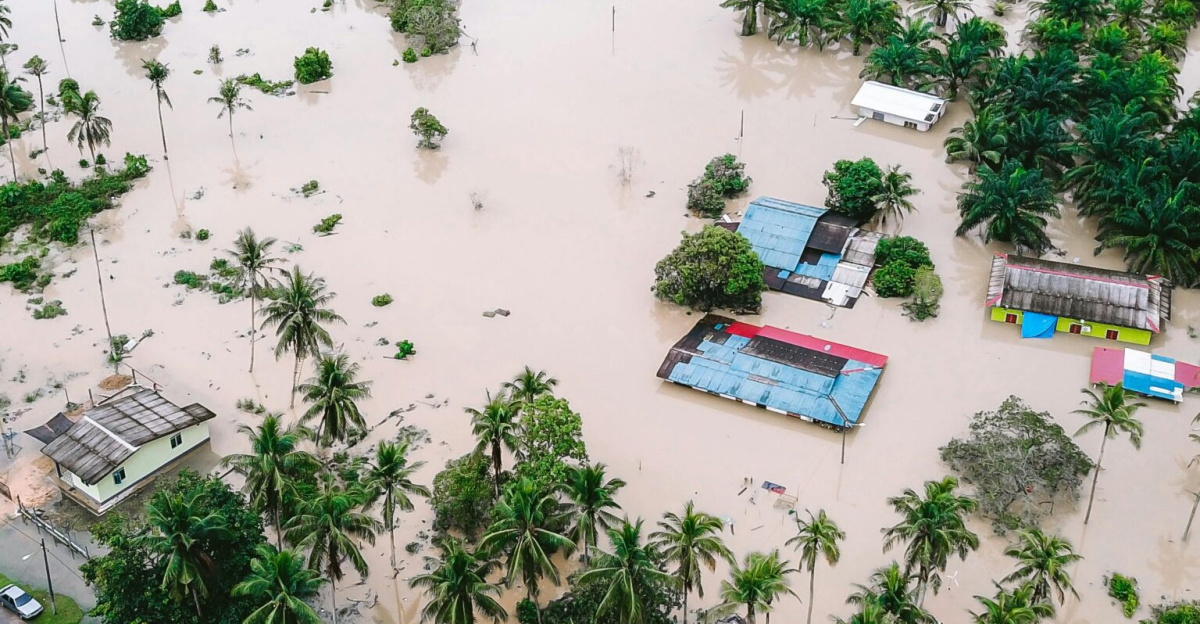
The mountain town of Wrightwood became ground zero for catastrophic destruction when nearly a foot of rainfall triggered massive debris flows. Approximately 50 homes disappeared under several feet of mud and rock as main access routes disintegrated. The devastation traced directly to the 56,030-acre Bridge Fire that ravaged hillsides just three months earlier in September 2024. With protective vegetation stripped away, compromised soil could not absorb the intense precipitation, transforming rainfall into walls of mud. More than 100 residents in the Happy Jack neighborhood found themselves completely cut off after their only access road vanished. Video footage captured homes and vehicles submerged under debris flows on Oriole Road, a stark illustration of how wildfire burn scars create cascading hazards long after flames extinguish.
Climate Whiplash and Cascading Disasters
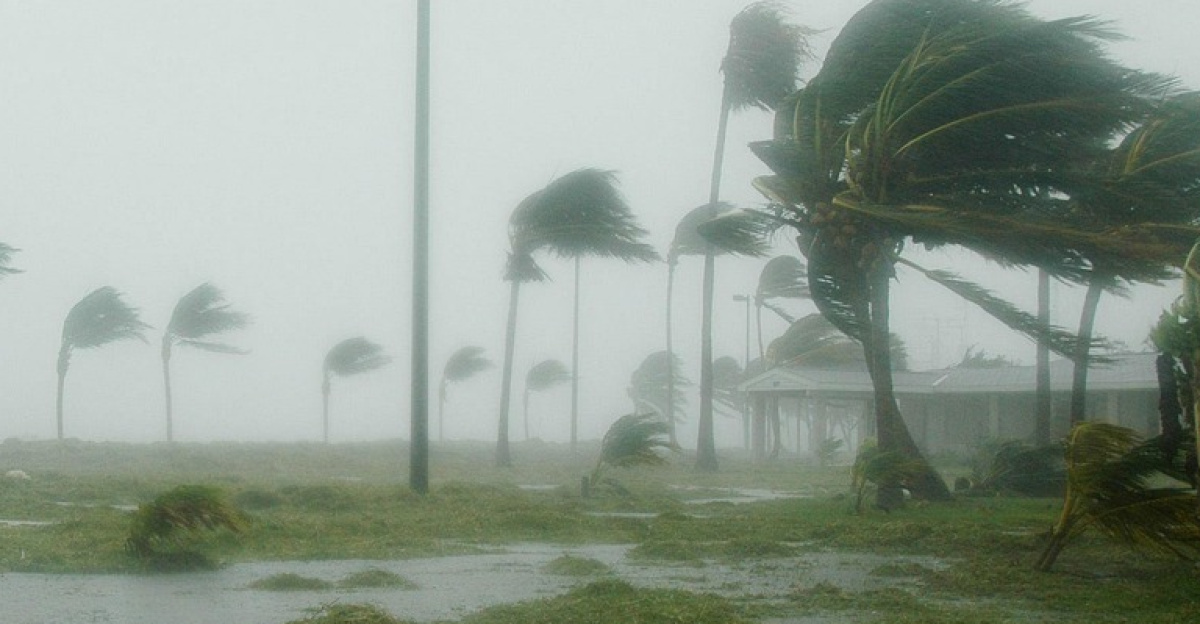
The catastrophe unfolded against California’s intensifying pattern of rapid oscillations between extreme wet and dry conditions. Just one year prior, December 2024 brought record drought and exceptional heat to Southern California—a dramatic reversal that exemplifies accelerating climate volatility. UCLA climate scientist Daniel Swain’s research documents a dangerous cycle: wet periods stimulate explosive vegetation growth, which dries during subsequent droughts to become wildfire fuel, and resulting burn scars create vulnerability to devastating mudslides when the next atmospheric river arrives. The atmosphere’s capacity to hold and release water increases seven percent for every degree Celsius of warming, intensifying these swings.
Governor Gavin Newsom declared a state of emergency on December 24 for six counties, mobilizing 55 fire engines, 10 swiftwater rescue teams, five helicopters, and over 300 personnel. More than 163,000 homes and businesses lost power Christmas morning, with over 70,000 still dark Thursday afternoon. San Francisco endured its fourth major outage of December. Major highways closed and airports experienced thousands of delays and cancellations as the storm contributed to over 6,000 flight disruptions nationwide.
The “Pineapple Express” atmospheric river transported massive moisture volumes from the tropical Pacific near Hawaii to the West Coast. These systems deliver 30-50 percent of California’s annual rainfall and up to 65 percent of extreme precipitation events across the western United States. This particular system’s exceptional intensity deposited what meteorologists characterized as months of typical rainfall in mere days.
As California enters 2026, the Christmas storm underscores the state’s evolution toward more extreme and unpredictable precipitation patterns. With scientific projections indicating 2-3 degrees Celsius of warming this century, California confronts the challenge of adapting to more frequent extremes and rapid transitions between them. Infrastructure inadequacy became painfully apparent: Santa Barbara Airport flooded despite recent climate vulnerability assessments, and approximately 3,000 Southern California Edison customers in Wrightwood remained without power days later, with some areas still inaccessible to repair crews. The state’s resilience moving forward depends on infrastructure investments, improved land management in fire-prone areas, enhanced emergency preparedness systems, and ultimately, meaningful global climate action to slow the intensification of these devastating cycles.
Sources:
“Weekly U.S. Influenza Surveillance Report (FluView).” Centers for Disease Control and Prevention, late Nov 2025.
“California hit by powerful storm on Christmas Day.” Deutsche Welle, December 25, 2025.
“4 dead in catastrophic Christmas flooding in California.” NBC News, December 26, 2025.
“Governor Newsom proclaims state of emergency to support response in multiple counties due to extreme weather.” California Governor’s Office, December 24, 2025.
“Santa Barbara Airport Closes After Heavy Rainfall Floods Airfields on Christmas Day.” Edhat Santa Barbara, December 25, 2025.
“Floods and droughts: Hydroclimate whiplash is accelerating.” UCLA Newsroom, May 28, 2025.