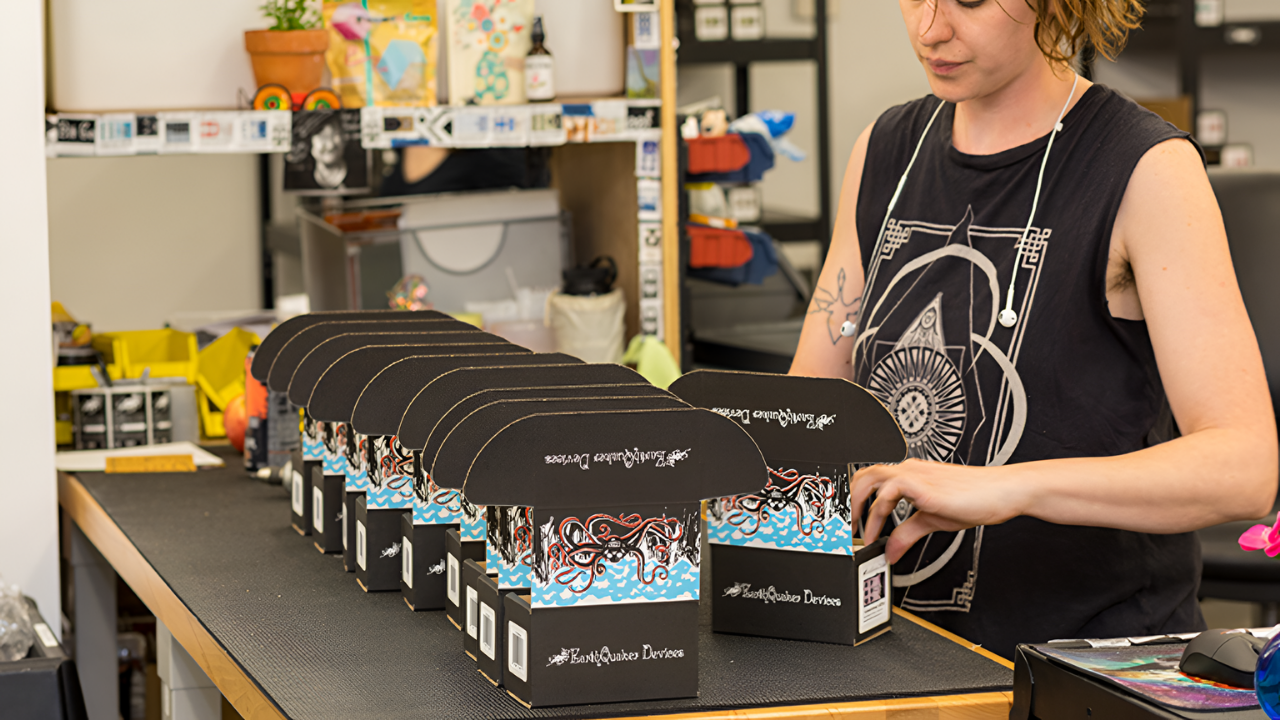
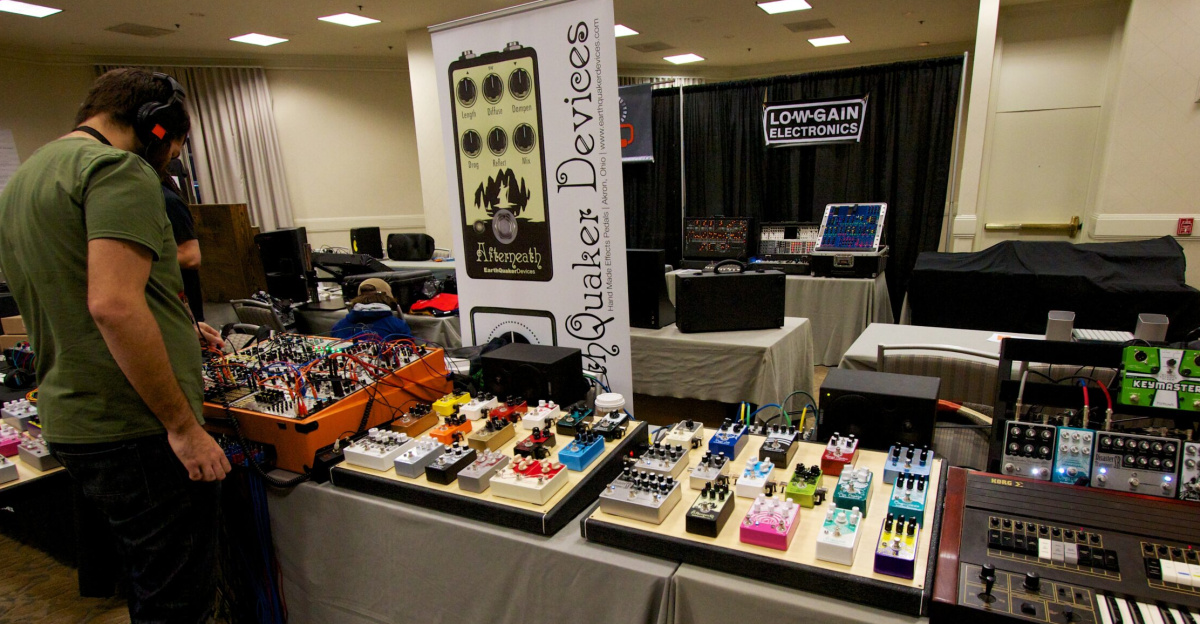
In Akron, Ohio, a small company known worldwide among guitar players is struggling to stay alive. EarthQuaker Devices, which hand-makes guitar effects pedals used by famous bands like Radiohead and Smashing Pumpkins, may soon be forced to close its doors. The business has only 35 employees but faces yearly added costs of nearly $400,000 because of rising trade tariffs. These duties have made the price of crucial electronic parts climb by around 30%, leaving the company with shrinking profits and tough decisions.
For several years, EarthQuaker tried to absorb these costs instead of raising prices for musicians. But that approach is no longer sustainable. The company’s story highlights the growing strain on small American manufacturers trying to compete in a global market reshaped by trade wars and supply chain problems.
How Tariffs Created the Crisis
The problem can be traced back to tariffs introduced under Section 301 between 2018 and 2020. These U.S. duties were meant to punish unfair trade practices by China, but they’ve hit small businesses hard. The tariffs add as much as 25% to the cost of imported parts. EarthQuaker relies on more than a thousand different components to build its pedals, many of which come from China and Vietnam. American-made alternatives are either too expensive or simply unavailable.
Large corporations can often negotiate better deals or shift production, but smaller firms like EarthQuaker don’t have that flexibility. They have to pay the tariffs upfront when parts arrive at ports. The result is a steady buildup of costs that can turn small price changes into threats to survival.
One example is the company’s popular Plumes overdrive pedal, which has sold more than 67,000 units. It used to be priced carefully so that musicians could afford it without cutting into the company’s thin margins. Now, those margins have largely vanished. Company leaders say they can no longer keep prices the same, meaning players might soon pay more for the gear they depend on.
Mounting Pressure on Small Manufacturers
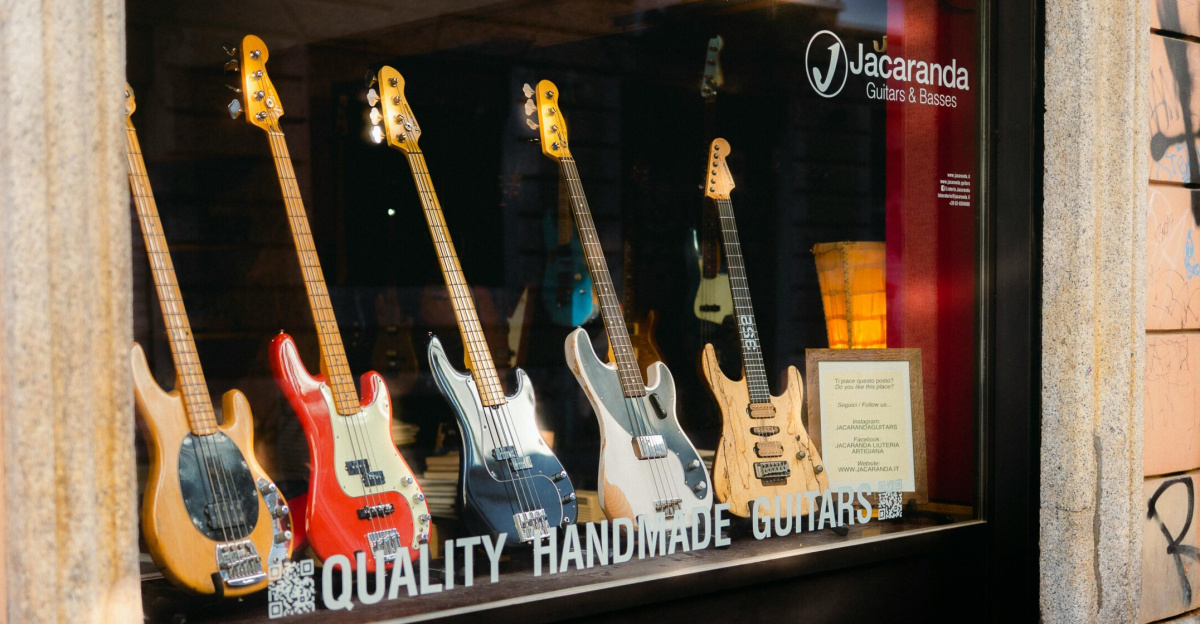
EarthQuaker Devices was founded in 2004 by Jamie Stillman, a musician and tinkerer who started out modifying pedals in his basement. Over two decades, he and his team built a respected global brand, with nearly 40% of their sales coming from overseas. But tariffs have changed everything, profits have dropped, exports have slowed, and the company has had to take out loans just to manage cash flow. A $50,000 state grant was withdrawn because EarthQuaker could not meet employment targets as hiring froze.
Other small pedal makers across the U.S. are seeing the same pattern. Many say that the duties on imported parts are now higher than the actual value of some components. Substituting U.S.-made parts often costs several times more and can’t be done at the same production scale. This has led music retailers to start hoarding stock, fearing shortages that could extend beyond pedals to amplifiers and recording gear.
Export challenges make the problem worse. Overseas buyers are hesitating because U.S. prices fluctuate so unpredictably. Losing those foreign customers cuts off one of the few ways EarthQuaker can make up for its rising domestic costs. In the city of Akron, where population decline and industrial job losses have already taken a toll, losing 35 more manufacturing jobs would be another blow. The artisans who handcraft these pedals represent a small but creative industry that keeps local manufacturing alive.
Searching for Solutions and Protecting Musical Heritage
Julie Robbins, the company’s CEO, has been advocating for relief. She recently testified before Congress, asking lawmakers to consider exemptions for small manufacturers who can’t easily move production back to the U.S. Robbins has also joined forces with other boutique pedal makers to show that the tariffs, while intended to support American production, are actually punishing it instead.
Data from Northeast Ohio supports that claim: one out of every three manufacturers in the region has suffered losses averaging 16% since the tariffs began. Very few have managed to “reshore” their supply chains, and shipping traffic at the Cleveland port has dropped sharply.
The consequences reach beyond economics. Guitar pedals like those made by EarthQuaker aren’t luxury items for most players—they shape the sound of modern music. Many performers rely on these pedals to define their tone on stage and in the studio. Retailers are already seeing panic buying as prices creep upward, and sudden shortages could disrupt touring musicians and recording sessions alike.
If EarthQuaker has to close or move production overseas, it would mark a cultural loss as much as an industrial one. For years, the company has been a symbol of American craftsmanship in music technology. Its uncertain future now raises a bigger question: can U.S. trade policy evolve to support small innovators, or will escalating costs continue to drive them out of business?
Ohio’s manufacturers are hoping that relief or policy reform might arrive by 2026, but until then, firms like EarthQuaker Devices are left fighting to survive. The outcome could shape not only local jobs but the future of music gear design across the country.
Sources:
Guitar World, 2025: “EarthQuaker Devices Faces Shutdown Due to Tariffs” (Guitar World)
Ideastream, 2025-08-14: “Tariffs Threaten Akron’s EarthQuaker Devices and Local Music Scene” Ideastream Public Media)
U.S. Trade Representative, 2018-2020: “Section 301 Investigation: China’s Acts, Policies, and Practices