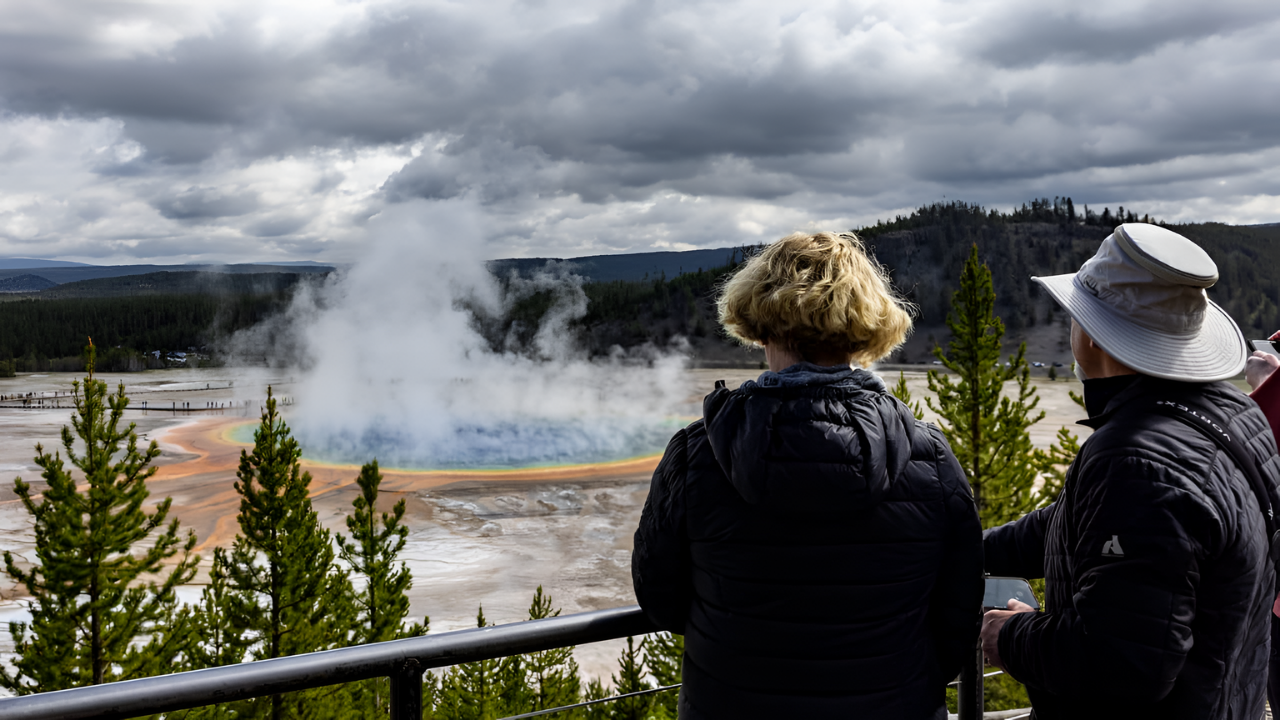
Hidden tremors rattled beneath Yellowstone National Park’s steaming boardwalks for over a decade, shaking the ground 86,000 times without detection until now. A recent study in Science Advances exposed this vast seismic activity, uncovered by machine learning, offering fresh insights into the supervolcano’s restless behavior.
AI Uncovers Silent Quakes
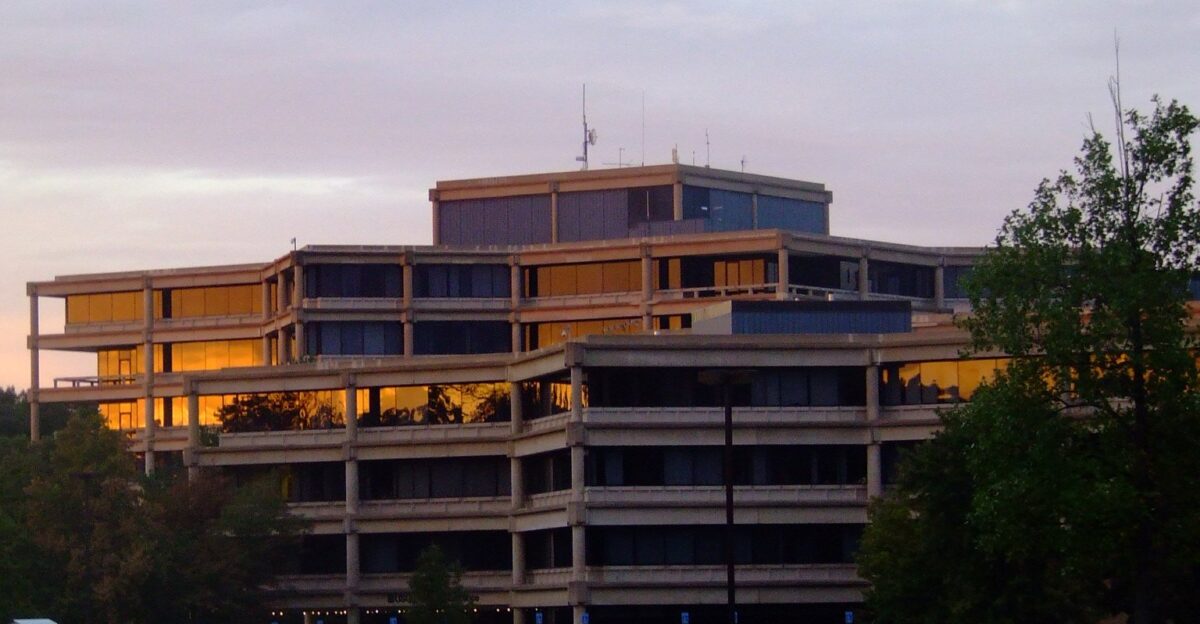
Researchers from Western University, the U.S. Geological Survey, and Colombia’s Universidad Industrial de Santander utilized deep learning to analyze 15 years of seismic data, spanning from 2008 to 2022. Manual methods had detected only about 10 percent of the events; algorithms identified millions of precise seismic phase arrivals, compiling a catalog of 67,433 high-precision relocated earthquakes—roughly 10 times more than previously known.
This breakthrough revealed Yellowstone’s true seismic pulse. The park, spanning Wyoming, Idaho, and Montana, hosts a caldera 30 by 45 miles wide, formed 640,000 years ago by a supereruption that spewed 240 cubic miles of rock and ash.
Swarms Along Rough Faults
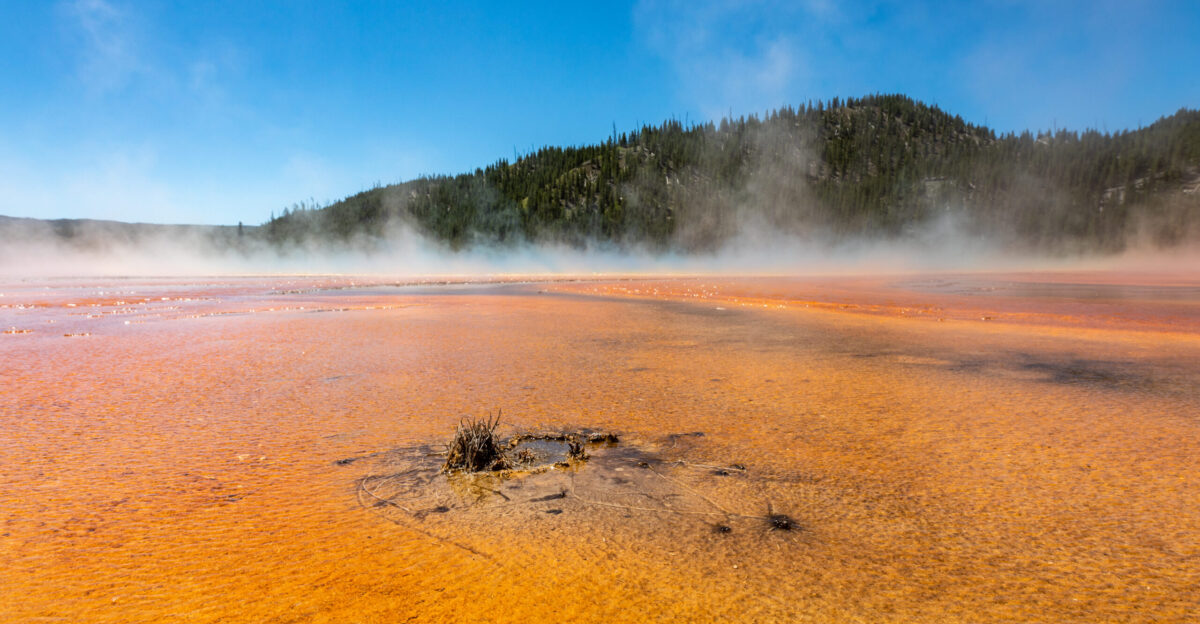
More than half of the 86,000 quakes clustered in swarms—chaotic bursts of small tremors migrating vertically and laterally along immature, rough fault structures under the caldera. Fractal analysis revealed that these faults differ from smoother ones, allowing hot fluids to rise and trigger activity.
These patterns reshape the monitoring of the supervolcano, which seismometers, GPS, and thermal sensors continuously track.
Hydrothermal Forces, Not Magma
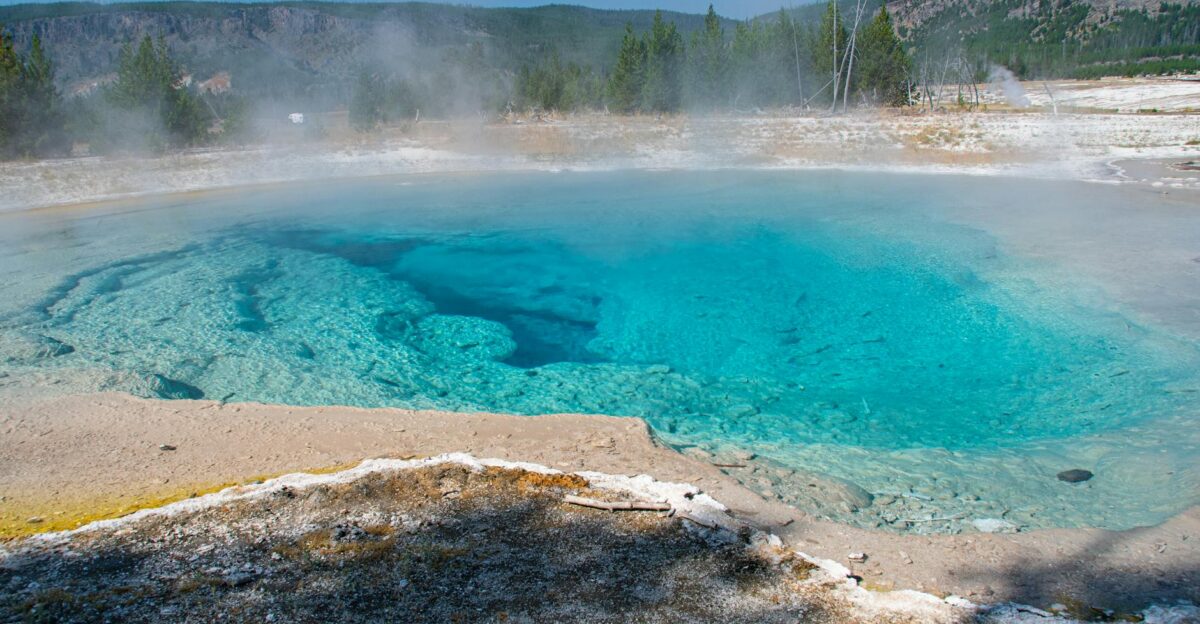
The swarms stem from hydrothermal activity, not rising magma. Hot, mineral-rich water, heated by the volcanic system, builds pressure in rock cracks until mineral seals rupture, causing bursts of seismicity. This fluid diffusion and episodic injections drive the shaking, distinct from magmatic unrest.
In November 2025, the park logged 251 earthquakes—slightly above average but normal—with three swarms: 70 events south-southwest of Mammoth Hot Springs, including a magnitude 3.2 quake; 105 near Yellowstone Lake up to magnitude 2.5; and 11 northeast of West Yellowstone.
The U.S. Geological Survey maintains a “Normal” volcano alert level and Green aviation code, with no unusual ground deformation.
Recent Hydrothermal Surprises
Yellowstone’s dynamic systems produced notable events. On July 23, 2024, a hydrothermal explosion at Biscuit Basin’s Black Diamond Pool ejected grapefruit-sized rocks and boulders up to three feet wide, damaging a boardwalk but injuring no one. Superheated water flashed to steam as pressure dropped.[1]
Early 2025 brought a new thermal pool in Norris Geyser Basin, the park’s most volatile area. Satellite images showed no feature before December 19, 2024; by January 6, a shallow depression formed, evolving by February 13 into a 13-foot-wide, one-foot-deep pool of 109-degree water. Mild explosive events, with faint rumbles but no quakes, likely created it.[
Annually, Yellowstone averages 1,500 to 2,500 detectable quakes, but the new catalog suggests around 6,143.
Living With the Caldera
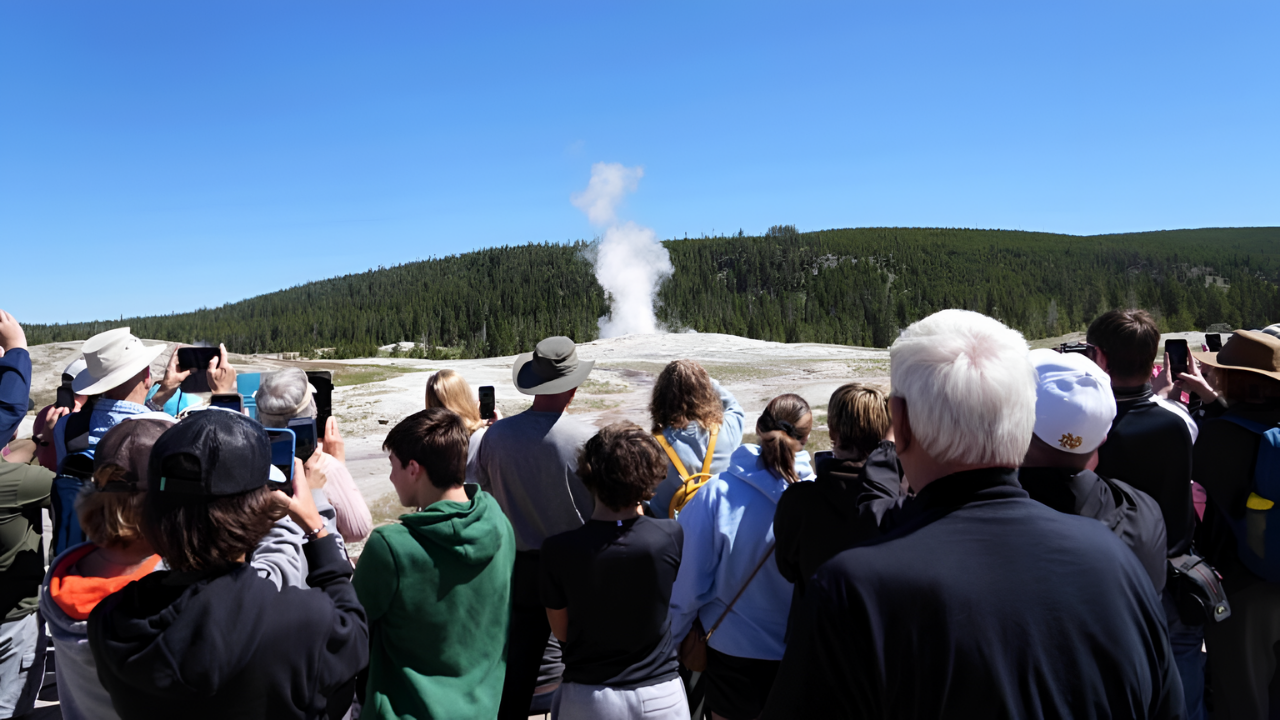
Millions visit yearly to see geysers like Old Faithful, which bolsters gateway communities in Wyoming, Montana, and Idaho along the system. A supereruption like the last would blanket North America in ash, covering three to four million square kilometers from the Pacific to the Gulf.
Yet odds of another are minuscule; the next caldera event may come in one to two million years as the North American plate moves over the hotspot. More likely are lava flows or hydrothermal blasts, with monitoring providing years of warning through deformation, gas emissions, and seismic swarms.
NASA theorizes that cooling can be achieved by drilling 10 kilometers into the flanks outside the park, injecting cold water to extract a 350-degree return flow for electricity, thereby harnessing six gigawatts of heat that leaks from Yellowstone. At a rate of one meter per year of cooling, solidification would take millennia; initial costs would reach $3.46 billion, with risks including destabilization.
Machine learning not only catalogs Yellowstone’s activity but signals a seismology shift, proving the system hums steadily with hydrothermal circulation—not awakening, but newly audible. Ongoing networks track every shift, affirming operations within historical norms as communities and scientists balance vigilance with the park’s enduring vitality.
Sources:
Yellowstone Volcano Observatory Monthly Update — U.S. Geological Survey (December 1, 2025)
Long-term dynamics of earthquake swarms in the Yellowstone caldera — Science Advances
Machine learning reveals more seismic events in Yellowstone — Western University
Report on Yellowstone (United States) — 17 December–23 December 2025 — Smithsonian / USGS Weekly Volcanic Activity Report