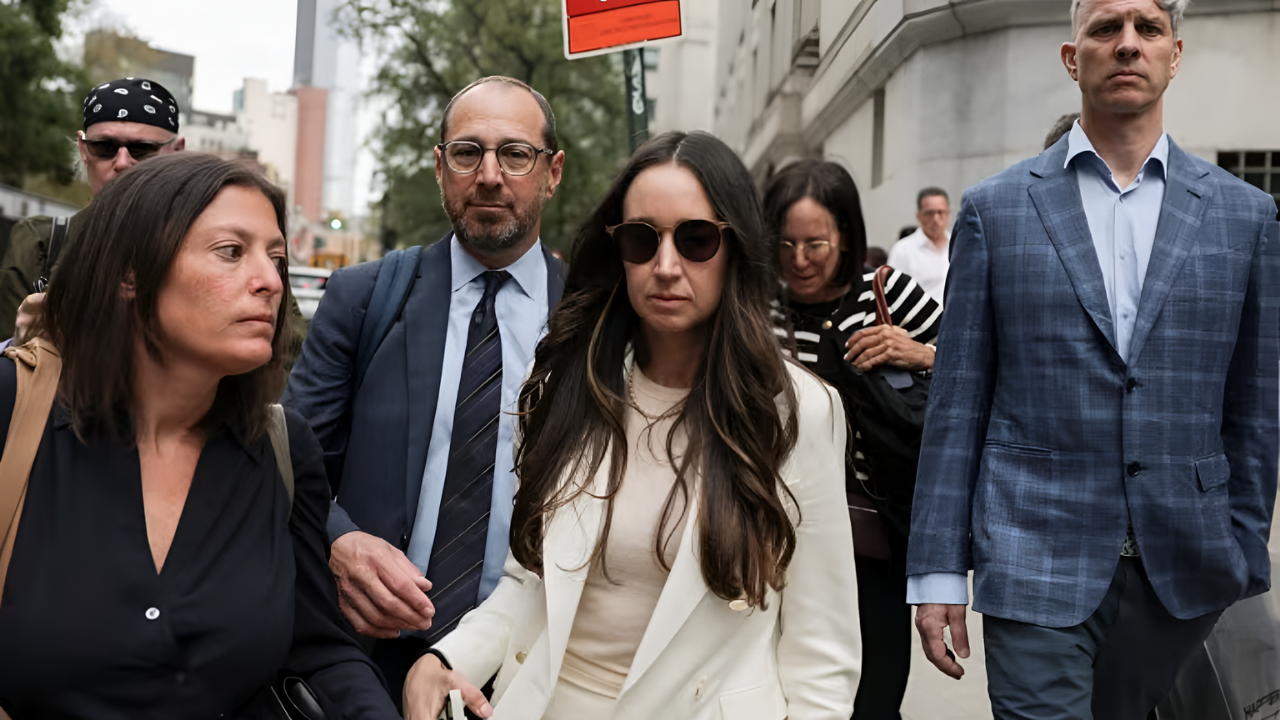
The invoice runs dozens of pages. Line items list first-class flights, luxury hotels, and catered food—down to a $13.57 Spotify charge. At the top: $74 million owed by JPMorgan Chase.
The bill isn’t for a merger or expansion, but for the legal defense of Charlie Javice, a founder the bank says defrauded it. Court orders require payment as appeals continue. How did America’s biggest bank end up financing this?
A Deal That Looked Like a Win

In 2021, JPMorgan Chase paid $175 million to acquire Frank, a fast-growing startup promising to simplify FAFSA applications. The deal was pitched as a gateway to millions of student users—future banking customers.
For JPMorgan, it looked like a strategic fintech win. But beneath the headlines and hype sat contract language that would later expose the bank to staggering legal costs few anticipated.
The Frank Origin Story

Charlie Javice founded Frank in 2017, marketing it as a platform that helped students navigate federal financial aid forms for a fee. The startup attracted venture capital, media praise, and a spot on Forbes’ “30 Under 30.”
Frank claimed explosive growth and nationwide reach. By the time JPMorgan came calling, Javice was a celebrated millennial founder selling access to a massive, supposedly verified user base.
The Numbers That Didn’t Exist
Frank claimed more than 4 million users. In reality, prosecutors later proved the platform had fewer than 300,000. Javice paid $18,000 to purchase fabricated user data to support those claims.
JPMorgan only uncovered the truth after closing the deal—and after discovering it gained just 10 new customers from the acquisition. The discrepancy became the backbone of federal fraud charges.
Fraud Charges Take Shape

Federal investigators charged Javice and Frank executive Olivier Amar with bank fraud, wire fraud, and conspiracy. Prosecutors described Frank as a “crime scene,” arguing that nearly every growth metric had been manufactured.
The case moved to trial in New York federal court, where JPMorgan emerged not just as the victim—but, due to its own contract, as the party paying the defense.
The Indemnification Clause Trap

Frank’s acquisition agreement included an indemnification and advancement clause, requiring JPMorgan to pay legal defense costs for executives tied to the deal. Critically, the contract did not carve out fraud.
Under Delaware law, that omission mattered. In 2023, a court ruled JPMorgan must advance Javice’s legal fees—even if she was ultimately convicted.
A Defense Army Assembles
Javice’s defense ballooned into one of the largest white-collar teams in recent memory: 147 legal professionals across five firms. On average, 24 attorneys appeared in court daily during the five-week trial.
Star lawyers included Alex Spiro, billing $3,000 per hour, and Jose Baez. JPMorgan became responsible for funding the entire operation.
Conviction and Sentencing

In March 2025, a federal jury convicted Javice on multiple fraud counts. Six months later, Judge Alvin Hellerstein sentenced her to more than seven years in prison, calling the fabricated user numbers “biblical.”
Javice remained free on $2 million bail pending appeal. Though ordered to repay fees at 10% of future income, restitution is expected to be minimal.
The $74 Million Legal Bill
By the end of trial, JPMorgan had paid $74 million in legal fees—42% of the original acquisition price. Quinn Emanuel alone received $43 million.
Jose Baez’s firm collected roughly $14 million. Post-conviction appeals added another $13 million. The total defense cost now dwarfs the $30 million Elizabeth Holmes spent in the Theranos case.
Gummy Bears and Charcuterie

Court filings revealed how the money was spent. Charges included $530 for gummy bears, $347 for an “afternoon snack” of charcuterie boards, a $161 seafood tower, and $710 at Eataly.
First-class flights exceeded $3,000, hotel upgrades hit $25,800, and even a Spotify subscription appeared on invoices—fueling shareholder outrage.
JPMorgan Pushes Back
JPMorgan publicly condemned the bills. Spokesman Pablo Rodriguez called them “patently excessive and egregious,” accusing defense teams of abusing a blank-check system.
The bank has paid some invoices but is contesting $10.2 million and seeking court relief to stop future payments. Internally, the optics of funding luxury expenses have sparked serious scrutiny.
Due Diligence Under Fire
Despite deploying hundreds of employees during the acquisition, JPMorgan failed to independently verify Frank’s user data. There was no third-party audit, no escrow holdback, and weak representations around data accuracy.
Judge Hellerstein criticized the bank’s diligence failures, though he emphasized that Javice’s deception—not JPMorgan’s haste—drove the criminal conduct.
Shareholders Pay the Price
The total estimated damage now approaches $249 million—the $175 million purchase plus legal fees. Shareholders ultimately absorb the loss.
Comparisons to other startup frauds, including Theranos and FTX, have intensified criticism of big-bank fintech deals. Lawsuits alleging fiduciary breaches remain a looming possibility.
Lessons for Future Deals
Legal experts say the case offers a stark warning. Acquisition contracts must include fraud carve-outs, verified user audits, and escrow protections.
Under Delaware law, advancement rights are powerful and difficult to unwind. “Don’t get Charlie Javice’d,” advisers warn. The case has become a teaching example of how indemnification clauses can reverse who pays for fraud.
Buyer Beware
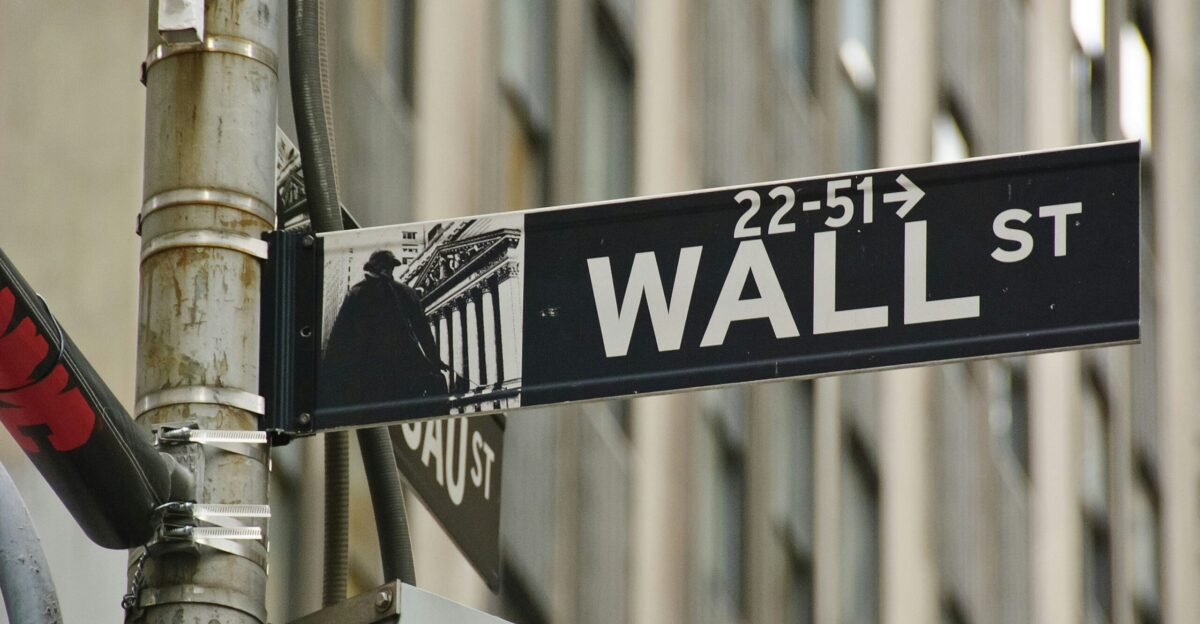
Appeals continue, and legal fees keep accruing. JPMorgan may never recover most of what it lost. The Frank saga now stands as one of Wall Street’s most expensive cautionary tales.
A single clause forced the victim to fund the fraudster’s defense. As tech M&A presses on, bankers and boards alike are watching closely, re-reading the fine print.
Sources:
U.S. Department of Justice, Southern District of New York – “Startup CEO Charlie Javice Sentenced To 85 Months In Prison For $175 Million Fraud” – September 28, 2025
U.S. Securities and Exchange Commission – “SEC Charges Founder of Frank with Fraud in Connection with JPMorgan’s $175 Million Acquisition” – April 3, 2023
Delaware Court of Chancery – “JPMorgan Chase Bank, N.A. v. Javice” (Case No. 2022-1179-KSJM) – May 8, 2023
Delaware Court of Chancery – Court Filing – “JPMorgan’s Objection to Fee Applications” (Bloomberg Law Documents) – December 30, 2025
JPMorgan Chase & Co. – “JPMorgan Chase Acquires Frank, the Leading College Financial Planning Platform” – September 21, 2021
U.S. District Court, Southern District of New York – “United States v. Charlie Javice – Trial Verdict and Sentencing” – March 28, 2025 (Conviction) / September 29, 2025 (Sentencing)