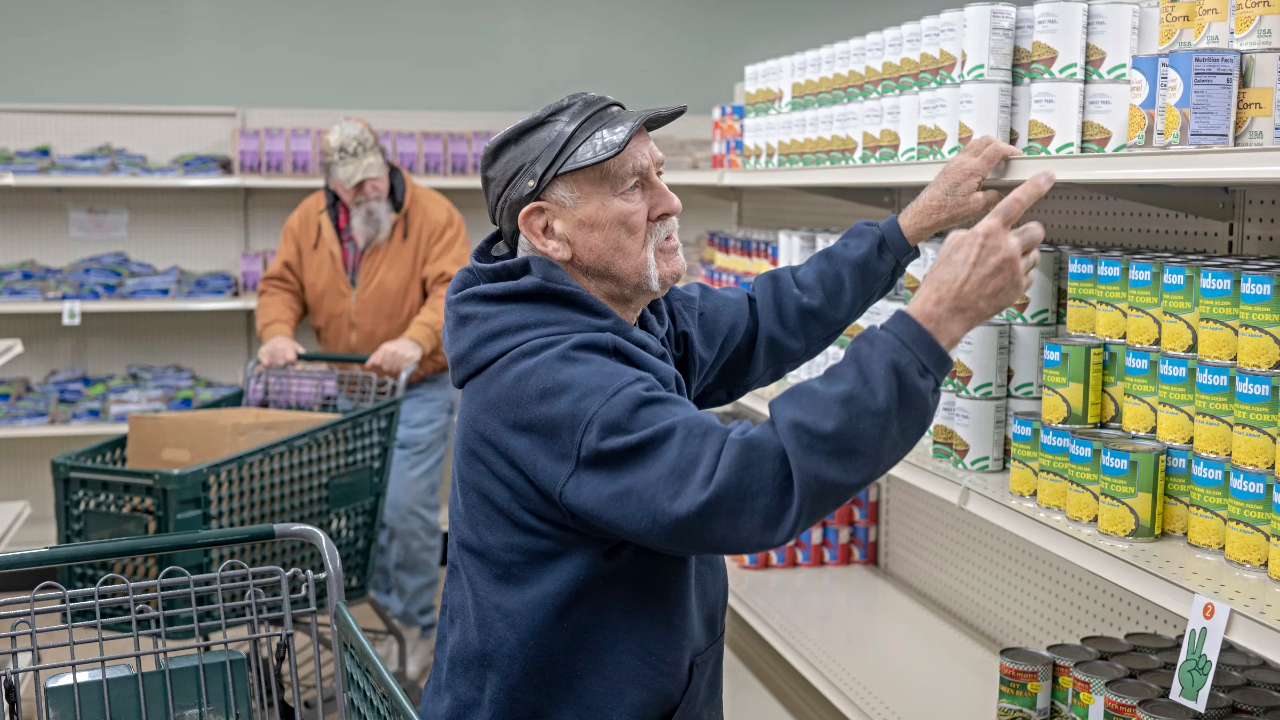
January 1, 2026, changed everything. Soda and candy are no longer eligible for purchase with SNAP benefits in five states. Indiana, Iowa, Nebraska, Utah, and West Virginia pulled the trigger first. By December, 18 states will follow. That means 42 million Americans now face restrictions on what they can buy.
The $100 billion program just got rewritten. Retailers absorb $1.6 billion in costs. This isn’t a gradual change. This is a seismic shift happening right now.
60 Years of Food Stamp Freedom
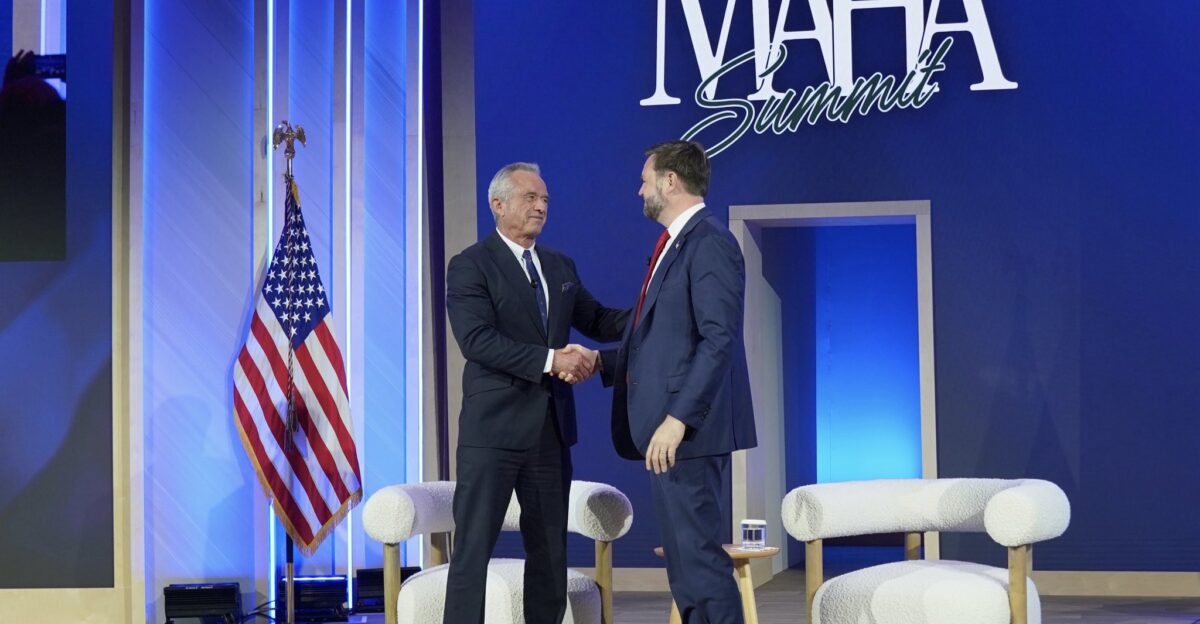
Health Secretary Robert F. Kennedy Jr. and Agriculture Secretary Brooke Rollins didn’t ask Congress. They didn’t pilot programs. They just did it. The USDA approved 18 state waivers it had rejected for six decades.
Kennedy’s statement was blunt: “We cannot continue a system that forces taxpayers to fund programs that make people sick and then pay a second time to treat the illnesses.”
Here’s What Each State Is Actually Banning
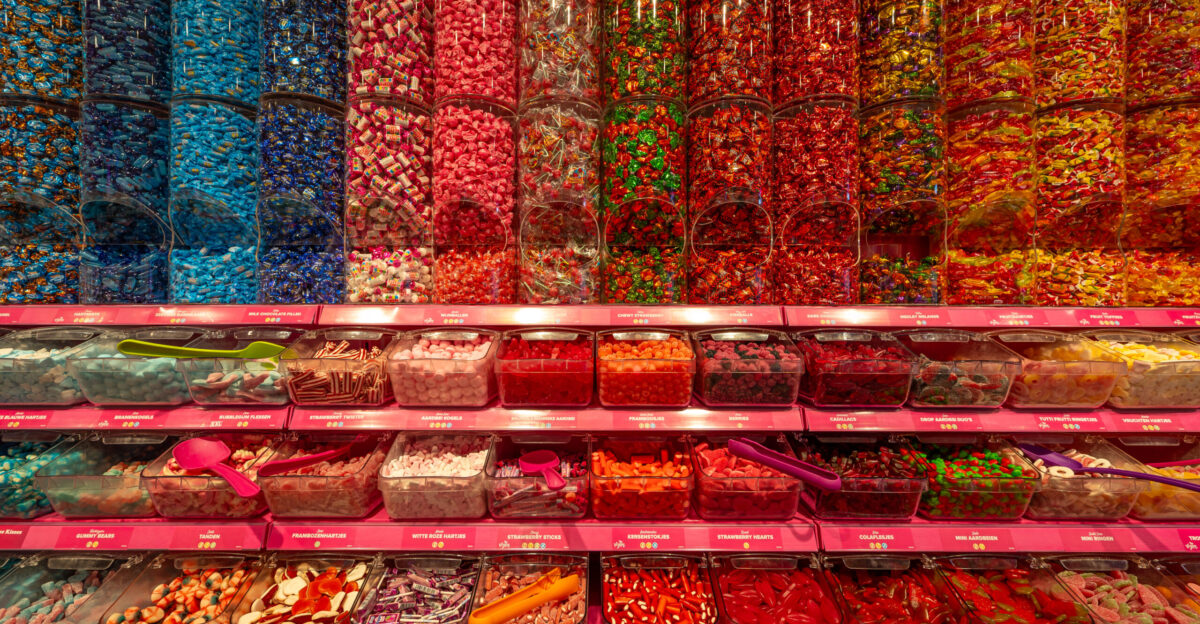
Utah and West Virginia: all soda and soft drinks. Nebraska: soda and energy drinks. Indiana: soft drinks and candy. Iowa: the nuclear option—soda, candy, and prepared foods. Chocolate-covered nuts? Banned. Sweet popcorn? Banned. Taxable foods? All restricted. One state, five different rule books.
A SNAP dollar doesn’t buy the same things in Iowa as it does in Indiana. By summer, 13 more states will join the experiment. Your zip code determines what you can afford.
1.4 Million People Woke Up to a New Reality
They didn’t know it was coming. They grabbed their SNAP card like any other day. At checkout, rejected. Soda gone. Their kids’ usual snacks are no longer available. A single mom working two jobs doesn’t have time to memorize which brands disappeared.
A grandmother on a fixed income doesn’t need surprises mid-checkout. The disabled mother, who buys pre-made meals because cooking hurts now, faces rejection. For 1.4 million people, grocery shopping just became an obstacle course.
The Retailer Cost Is Massive

In October 2025, the National Association of Convenience Stores dropped a bombshell. Upfront costs: $1.6 billion. Convenience stores alone: $1 billion. Supermarkets: $305 million. The bill includes new software, retraining staff, and rebuilding entire inventory systems.
Annual costs after that: $759 million. Small rural stores—already hanging on—face the steepest burden per location. Many will simply exit SNAP.
Retailers Have No Idea What They’re Selling
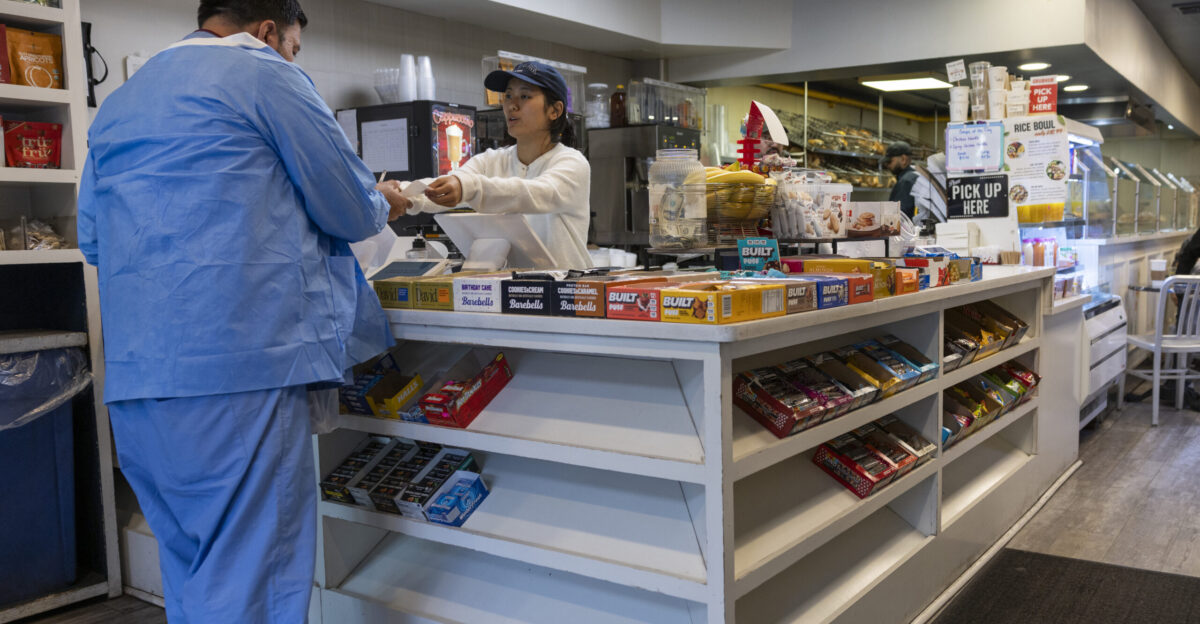
“There’s a whole lot of confusion,” admits Margaret Mannion, NACS director. Point-of-sale systems require precise item definitions, including UPC codes and product lists. Those lists don’t exist. Retailers got approval notices in December with January implementation deadlines.
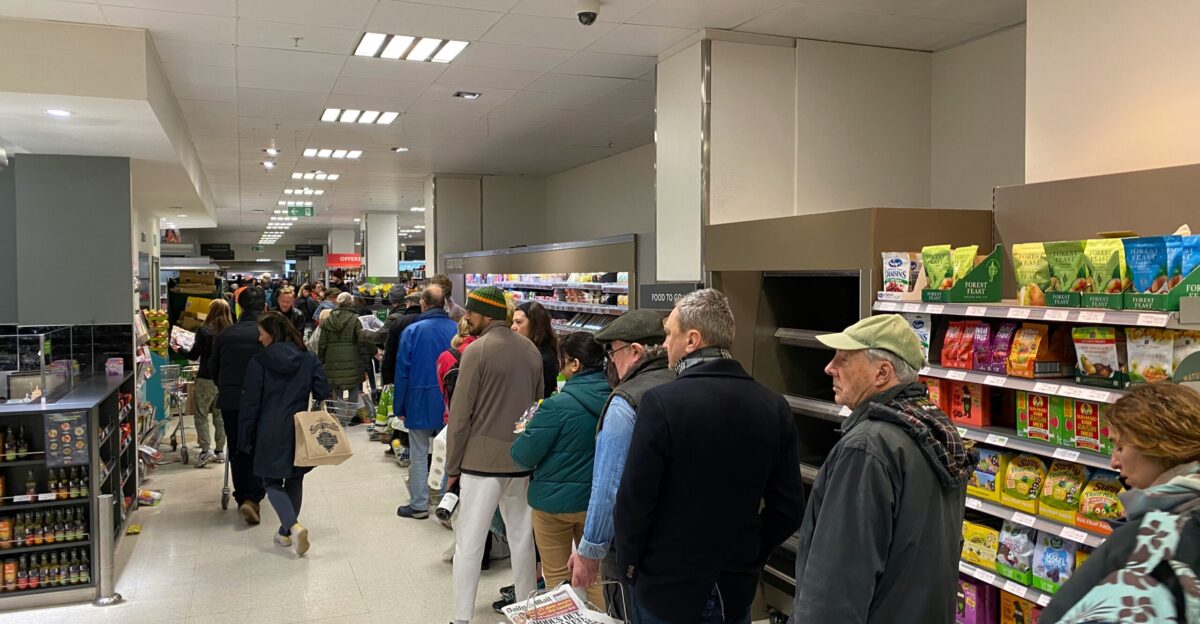
Staff training? Minimal. The first month is going to be chaos: rejected transactions, frustrated customers, and cashiers making decisions on the fly. Someone’s grandmother isn’t making it out with groceries.
Standing in Line With Your Child, Then Getting Rejected
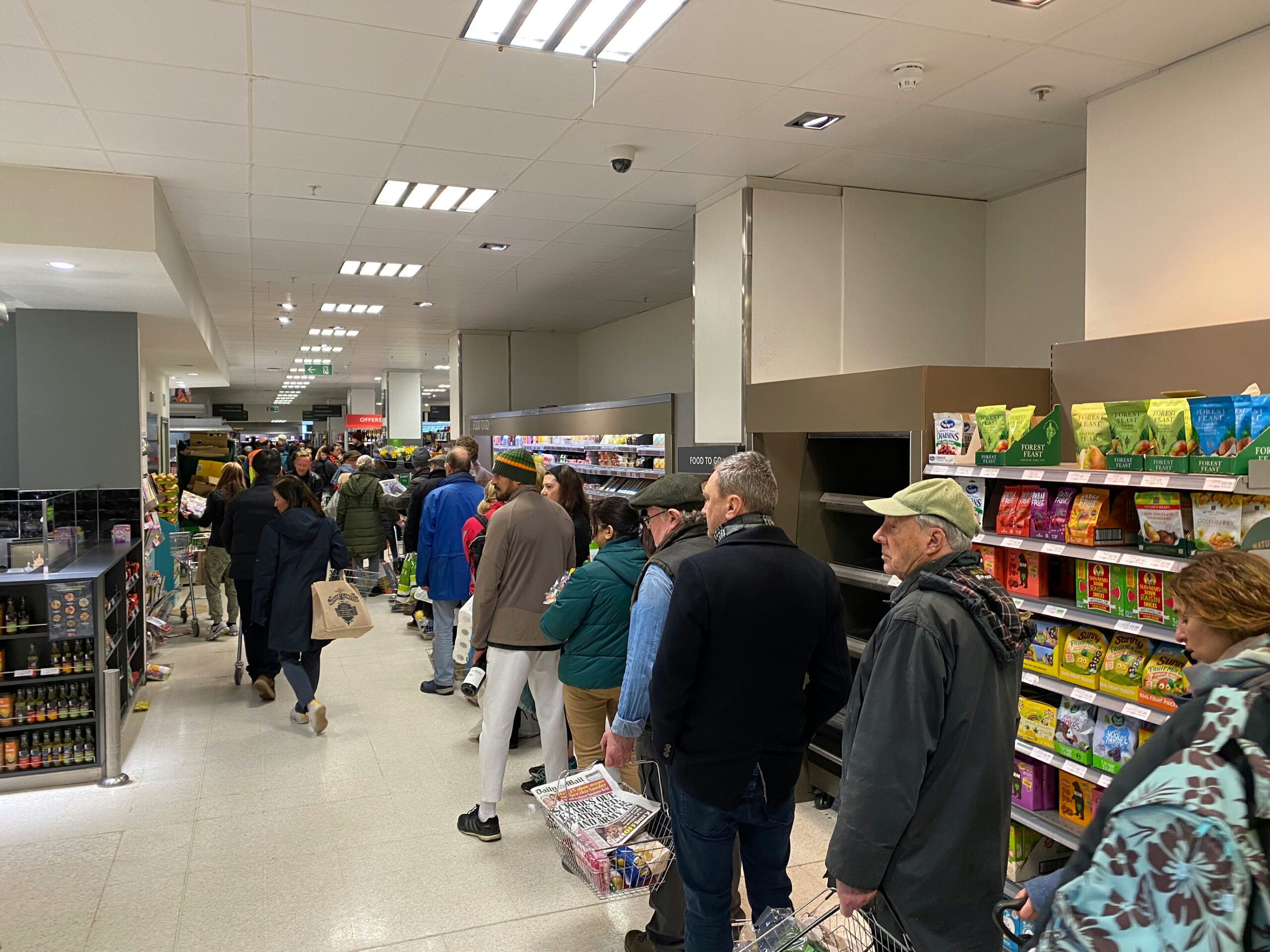
Kate Bauer, a University of Michigan nutrition expert, saw this coming. “It’s a disaster waiting to happen of people trying to buy food and being rejected.” Imagine the scene: you’re in line, your child watches you place items on the belt, then—declined. In front of everyone.
The stigma that anti-hunger advocates spent years reducing? It just came roaring back. For homeless individuals, people on fixed incomes, families already stressed about money, each rejection deepens the shame.
Food Insecurity Is Already Rising
The numbers are grim. USDA data shows 13.7% of American households—one in seven—faced food insecurity in 2024. For Black households: 24.4%. For Latino households: 20.2%. Single moms: 36.8%. Meantime, SNAP maxes out at roughly $190 monthly per person—amounts that don’t cover basic nutrition in 99% of U.S. counties.
Healthy food costs too much. Junk food is cheap and engineered to be addictive. Banning purchases doesn’t solve that. It just shifts the problem.
Bans Might Not Work At All
Decades of studies? Mixed results. Some research shows that restricting sugary drinks reduces purchases. Other studies find SNAP recipients use their own cash—money meant for rent or utilities—to buy banned items anyway. People don’t gain weight because they’re stupid. They gain weight because healthy calories are more expensive.
Kate Bauer’s research is clear: “Healthy food is unaffordable in this country, while unhealthy food is cheap and widely available.” Bans create inconvenience. They don’t fix affordability.
Your Grocery Bill Is About to Go Up Too
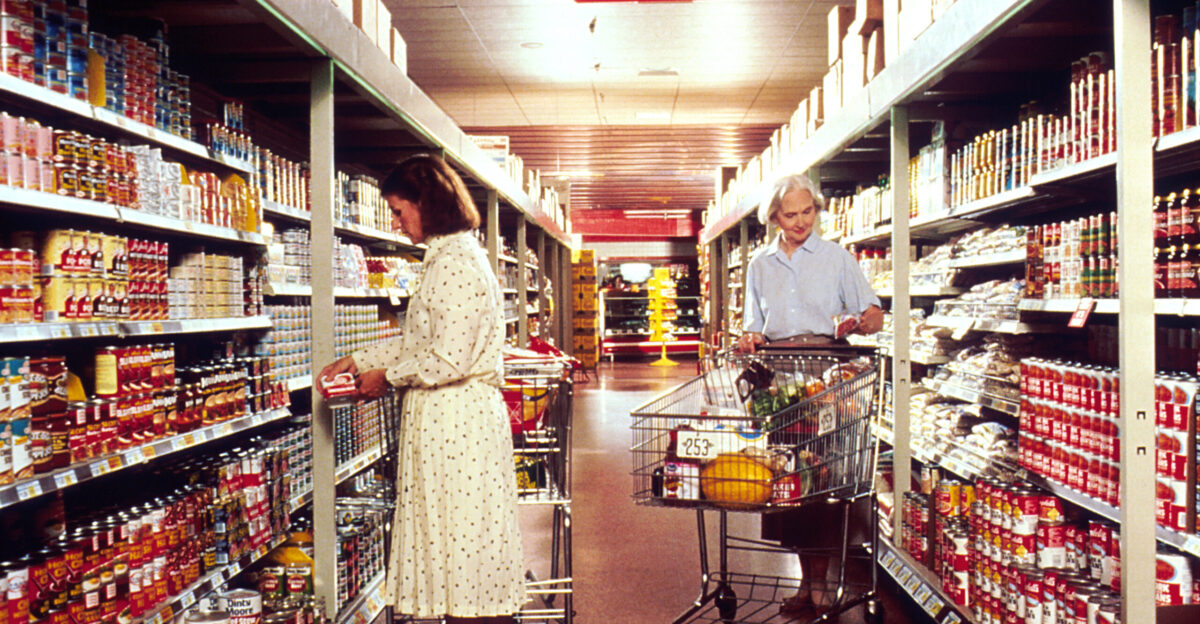
If retailers lose high-margin soda and candy sales, they typically pass the costs on to other products or services. Expect small price increases across the store. Gina Plata-Nino, SNAP director at the Food Research & Action Center, is direct: “Punishing SNAP recipients means we all end up paying more at the grocery store.”
The $1.6 billion bill doesn’t vanish. It transfers to all consumers. Non-SNAP shoppers subsidize the restriction system. Grocery workers get no extra pay. Small-town convenience stores question whether SNAP families are worth keeping.
This Reverses 60 Years of Federal Law
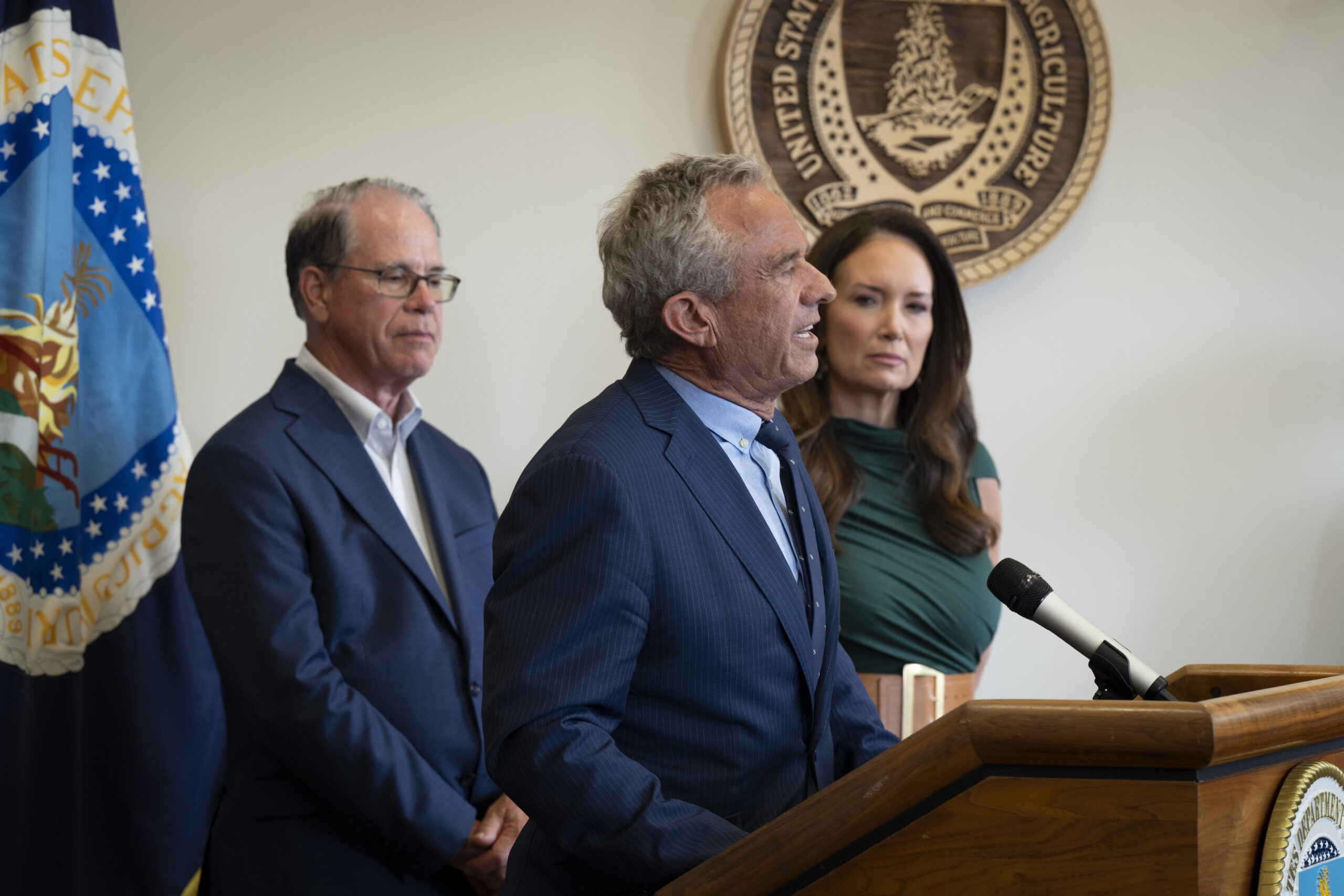
SNAP started in 1964. For six decades, federal law was straightforward: recipients could purchase “any food product intended for human consumption,” except for alcohol and hot prepared foods. That was it. No restrictions on what types of food.
Previous administrations and Congress rejected these waivers as costly, complicated, and likely ineffective. Then Kennedy and Rollins reversed it in weeks.
Why Did the Government Suddenly Do This?
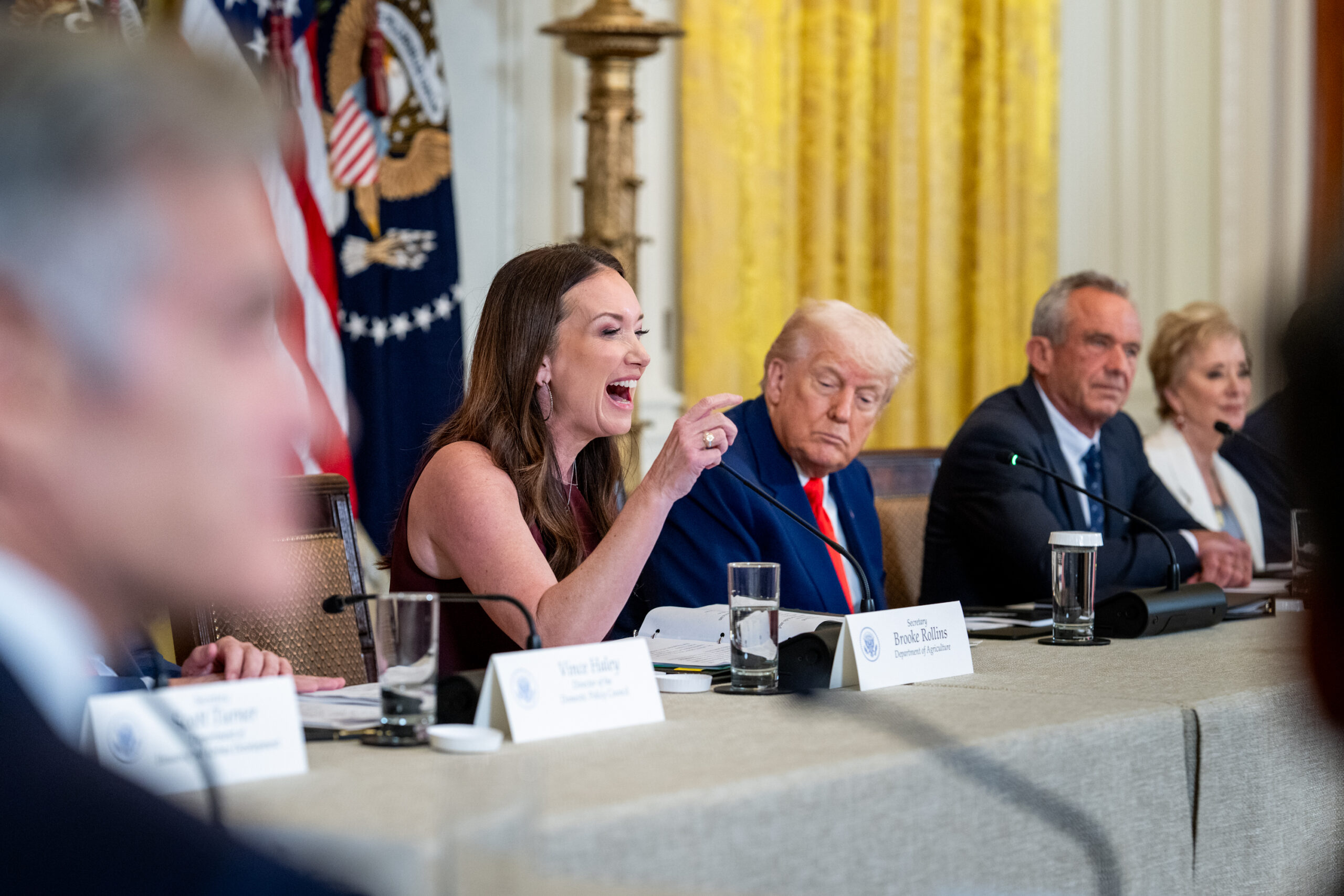
The USDA rejected these waivers for sixty years. Then approved eighteen in eight months. Why? Trump’s “Make America Healthy Again” agenda targets what it views as government dependency. Food restrictions fit perfectly: tighten eligibility, reduce benefits, shift power to states.
Speed of approval—weeks, not years—signals political priority, not careful analysis. No pilot programs. No efficacy data. No federal evaluation framework. It’s governance by ideology, not evidence.
Iowa Went the Furthest—And It Shows Where This Heads
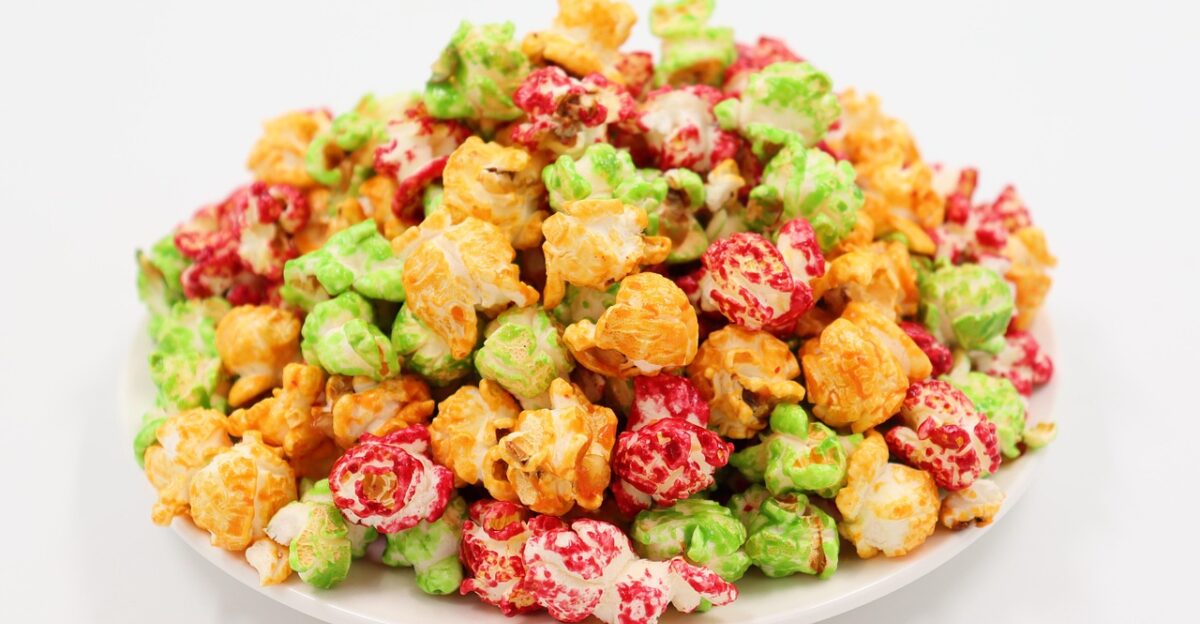
Iowa bans taxable foods, not just soda and candy. That’s chocolate-covered nuts. Sweet popcorn. Anything subject to state sales tax. The rule creates genuine confusion. Peanut butter? Eligible. Chocolate-hazelnut spread? Might be restricted. Retailers have no guidance.
SNAP recipients learn what’s banned by hitting “declined.” Iowa signals where aggressive states will go: not just sugary drinks, but radically redefining what counts as “food.”
Time, Stress, and Lost Dignity
The mental load—unpaid planning labor—falls on the least resourced families. Dignity matters. Being treated like you’re not trustworthy enough to choose your own food matters. Restrictions compound the stress poverty already creates.
These restrictions signal the government doesn’t trust poor people to decide for themselves. Restrictions compound the stress poverty already creates, adding shame to the struggle.
Congress Defunded Support

States say they’ll use SNAP-Ed—a nutrition education program—to help families navigate new rules. But Congress just defunded SNAP-Ed in HR 1. States must enforce strict rules with no education tools to explain them.
Anti-hunger advocates view this as intentional: implementing tight rules without adequate support, which weakens the program while claiming to strengthen health.
Dropping SNAP Entirely

Convenience stores operate half of all SNAP-authorized retailers. Most are run by a single owner juggling the register, bookkeeping, and now eighteen different state rules. The calculation is simple: Is profit from SNAP sales worth the hassle and cost? Many will answer no.
Rural convenience stores will exit SNAP completely. Food deserts get darker. Poorest families lose the stores they depend on, forced to shop in larger chains with higher overhead.
Federal Cuts Are Coming
HR 1 cuts $186 billion from SNAP over ten years through the implementation of work requirements, time limits, and benefit reductions. The Congressional Budget Office estimates nearly one million people will lose benefits entirely.
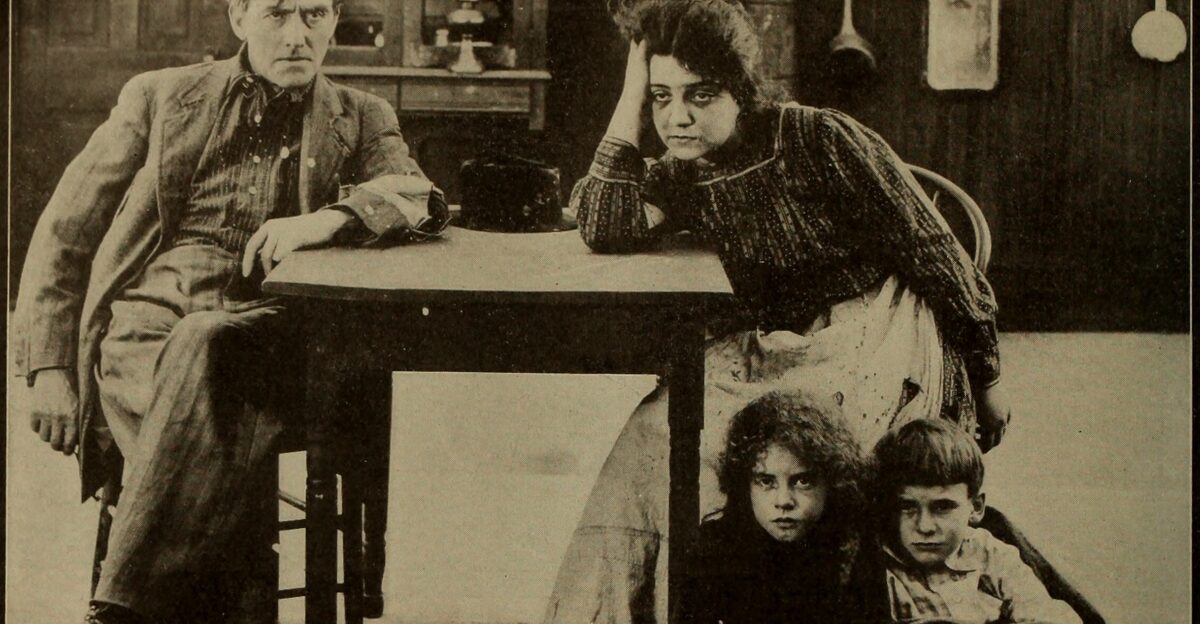
Families face a double squeeze: lower benefits plus fewer eligible items. When families choose between rent and fresh vegetables, kids suffer. Infants go without formula. Schools see hungrier students.
Chaos, Cost, and Confusion Spreading
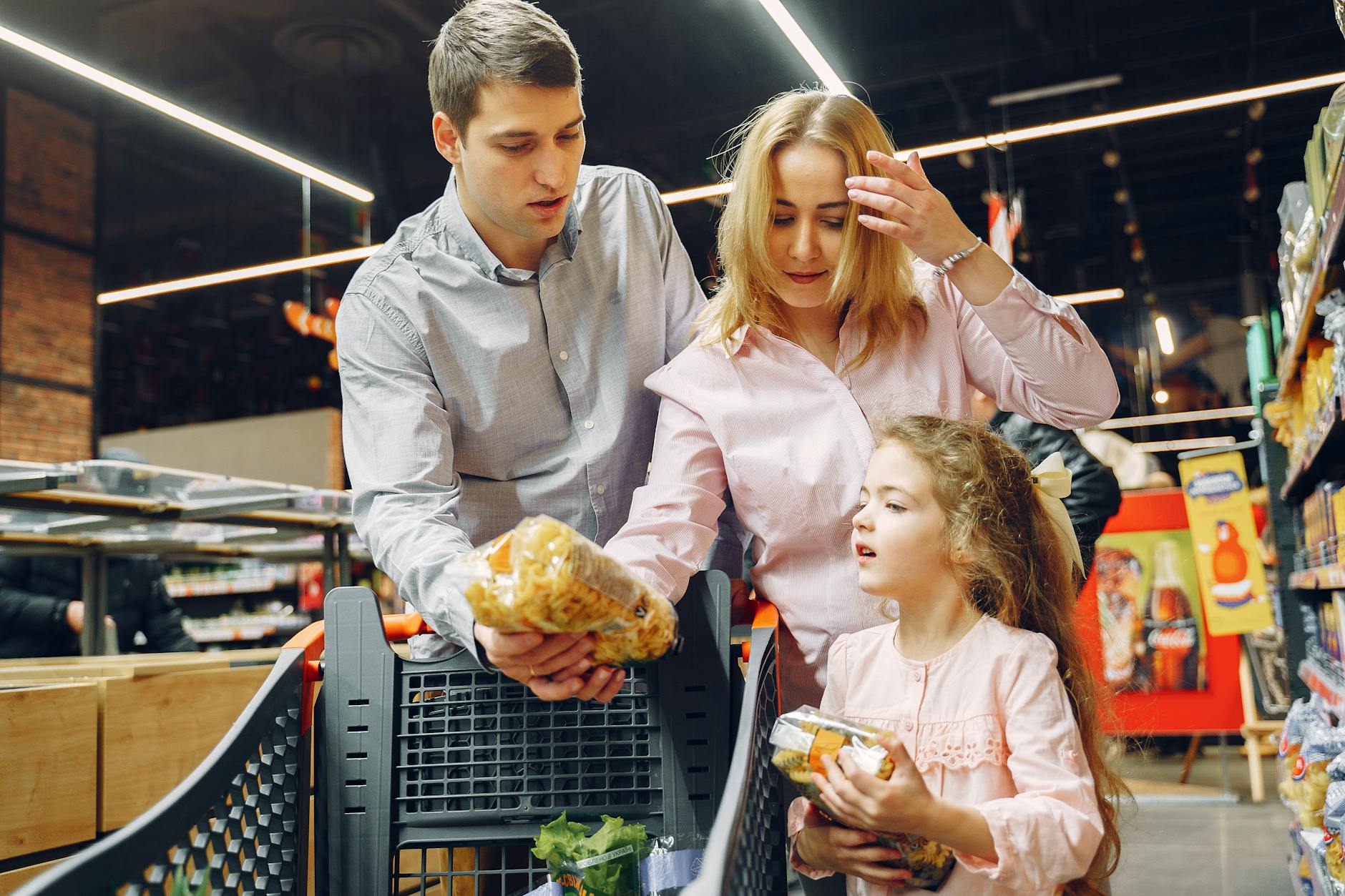
Eighteen states now restrict SNAP. Thirteen more roll out throughout 2026. Forty-two million people navigate new rules. Retailers struggle with systems that don’t work yet. Families absorb psychological burden and logistical chaos. Nobody can prove bans improve health. Food insecurity rises anyway.
The policy treats poverty as a behavioral problem requiring punishment, rather than an income problem requiring solutions. Watch for longer checkout lines, frustrated workers, store closures in rural areas, and families paying costs in ways data won’t capture.
Sources
“We cannot continue a system that forces taxpayers to fund programs that make people sick and then pay a second time to treat the illnesses.” — Health Secretary Robert F. Kennedy Jr., USDA Statement, December 2025
“There’s a whole lot of confusion,” — Margaret Mannion, National Association of Convenience Stores (NACS), Director of Government Relations, December 2025
“It’s a disaster waiting to happen of people trying to buy food and being rejected.” — Kate Bauer, University of Michigan, Nutrition Expert, December 2025
“Healthy food is unaffordable in this country, while unhealthy food is cheap and widely available.” — Kate Bauer, University of Michigan, Research Findings, 2025
“Punishing SNAP recipients means we all end up paying more at the grocery store.” — Gina Plata-Nino, Food Research & Action Center, SNAP Director, 2025
SNAP Purchase Restrictions Cost Analysis — National Association of Convenience Stores (NACS), October 2025